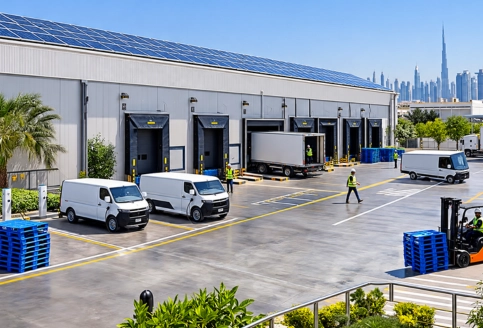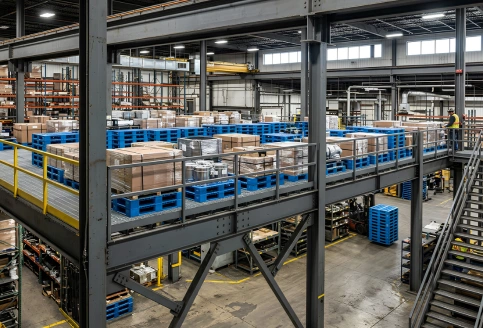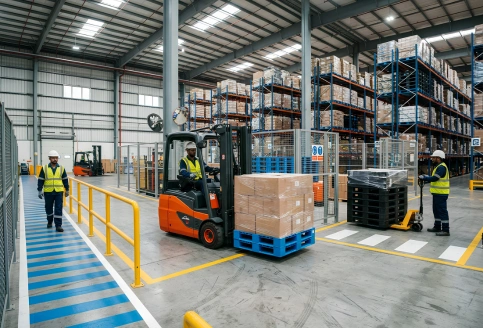

Moving a warehouse into a free zone changes the licence on the wall, but not the duty to protect the environment. What changes is who checks the work and how.
The main difference between free zone and mainland environmental compliance is the regulator, not the standard. Federal Law No. 24 of 1999 applies across the UAE, but mainland warehouses usually answer to municipal or emirate environment agencies, while many free zones have their own EHS authority, such as Trakhees in JAFZA.
Permits, inspections and fees differ by location, so the right authority must be confirmed before fit-out begins.
There is no single national counter for environmental permits in the UAE. The responsible authority depends on the emirate, whether the site is mainland or in a free zone, the activity and its environmental risk.
The federal environment law and its rules on hazardous materials apply everywhere, including free zones. Free zone status changes the licensing route, not the legal duty.
Waste and plastic rules also cross free zone lines. Dubai's single-use plastics resolution was issued with reference to the laws that govern Dubai's free zones, as covered in the 2026 plastics ban rules.
Mainland Dubai warehouses fall under Dubai Municipality's Environmental Sustainability Department. Abu Dhabi facilities need an environmental licence from the Environment Agency Abu Dhabi (EAD), issued through the TAMM portal.
Sharjah Municipality issues an environmental permit to practise an activity, while other emirates use their own municipalities or environment authorities. In Ajman, the Municipality and Planning Department is the usual point of contact.
Abu Dhabi has also tightened its approach. Since May 2025, EAD-licensed facilities must meet a new regulation on environmental emergency preparedness and response.
| Location | Typical environmental authority | Approval type |
|---|---|---|
| Mainland Dubai | Dubai Municipality, Environmental Sustainability Department | Environmental clearance |
| Mainland Abu Dhabi | Environment Agency Abu Dhabi | Environmental licence via TAMM |
| Sharjah | Sharjah Municipality | Environmental permit for the activity |
| Ajman | Ajman Municipality and Planning Department | Municipal approvals |
| JAFZA and PCFC zones | Trakhees EHS | EHS permits and approvals |
| KEZAD | EAD, through KEZAD's service | Environmental licence (Auto Permit X71) |
In Jebel Ali Free Zone and other zones run by Dubai's Ports, Customs and Free Zone Corporation, Trakhees holds environmental, health and safety authority. A warehouse there needs Trakhees approvals on top of its free zone licence.
Trakhees rules still pull in mainland standards where they apply. Its operational requirements note that breaches can lead to penalties, and persistent breaches to suspension and cancellation of the licence.
Abu Dhabi's free zones work closely with the Environment Agency rather than replacing it. KEZAD offers an Auto Permit X71 service with EAD to speed up environmental licensing for industrial facilities.
This means EAD standards apply inside KEZAD just as they do on the mainland. The difference is a faster, zone-managed route to the same licence.
Smaller free zones often rely on the emirate's municipality or environment agency for technical review. Ask the free zone authority which body will inspect your site before signing a lease.
This one question avoids a common surprise. Tenants sometimes assume the free zone covers everything, then meet a second inspector after fit-out.
The permit route is the first difference tenants notice. Free zone tenants usually apply through the zone's portal, while mainland firms deal directly with the municipality or agency, with different fees and processing times.
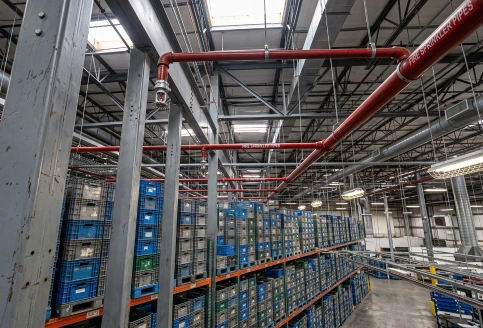
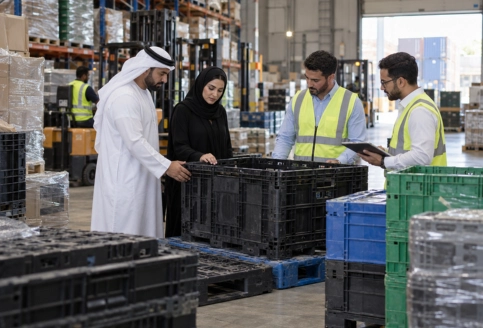
Inspection focus is similar in both settings: hazardous storage, spill control, waste handling and fire safety. What varies is who arrives and which checklist they use.
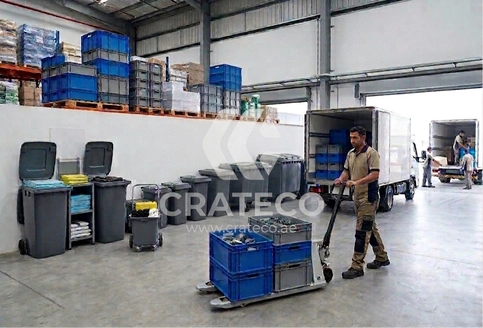
Waste handling follows the same pattern. Both settings expect licensed waste contractors and records for hazardous waste, though some free zones run their own collection systems.
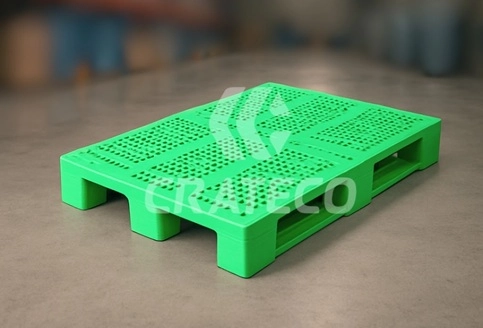
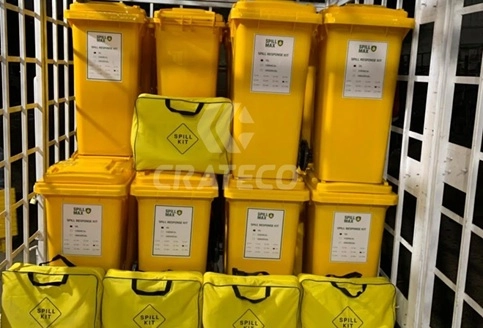
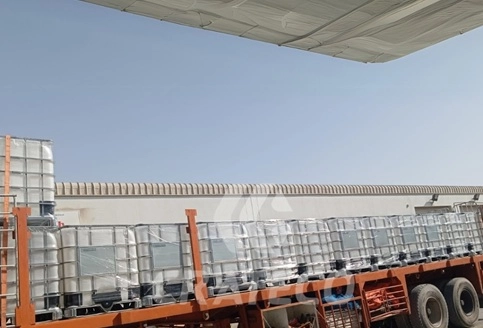
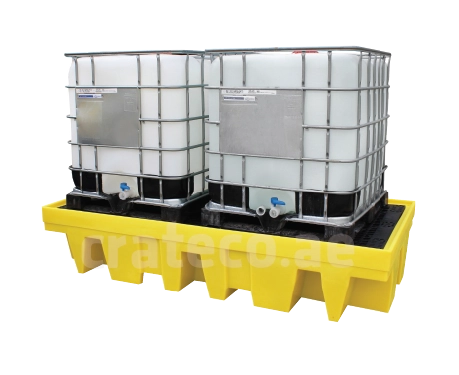
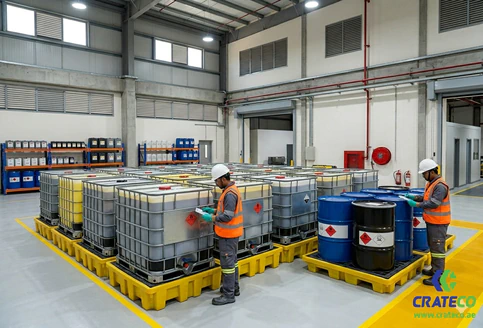
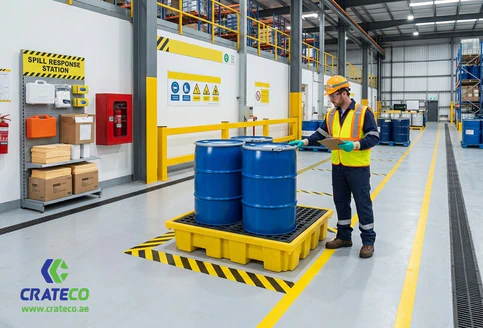
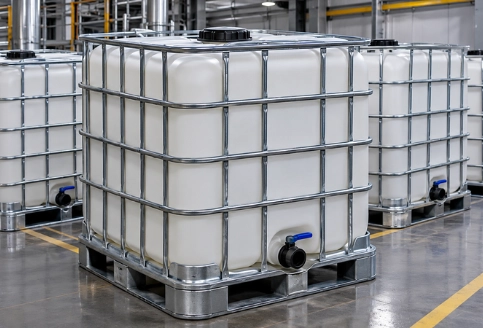
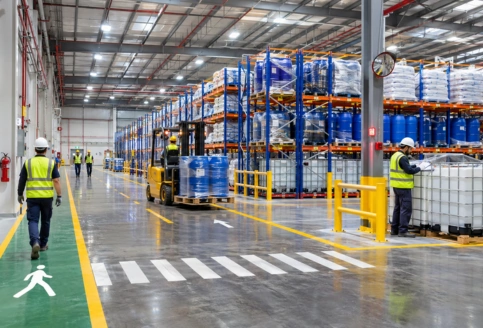
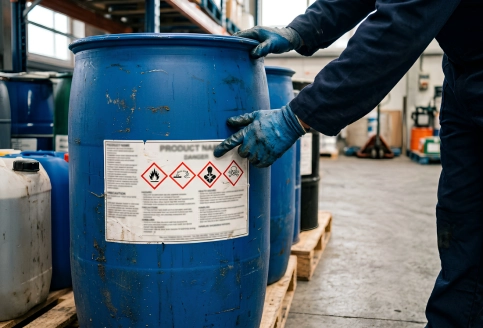
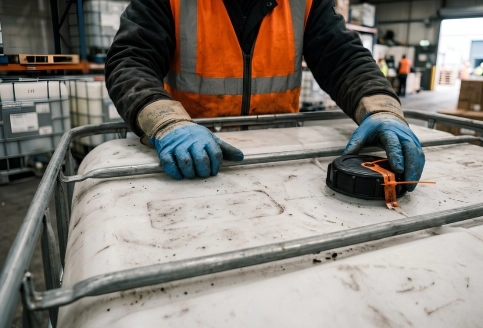
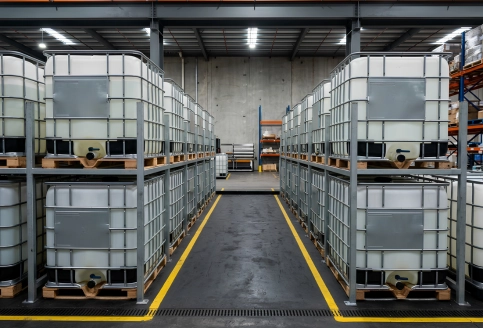
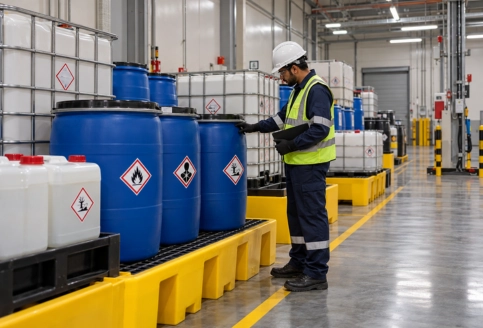
Whatever the location, a few basics always apply. Hazardous liquids need secondary containment, such as spill pallets commonly sized to hold 110% of the largest container, plus spill kits near storage and loading areas.
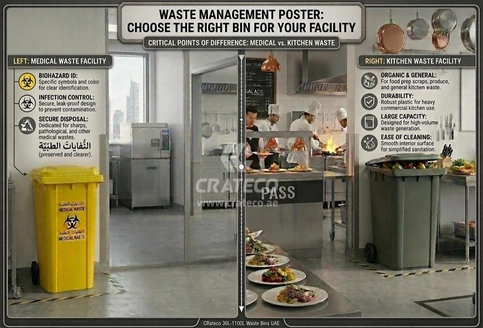
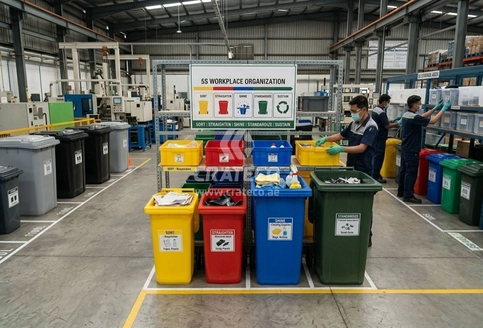
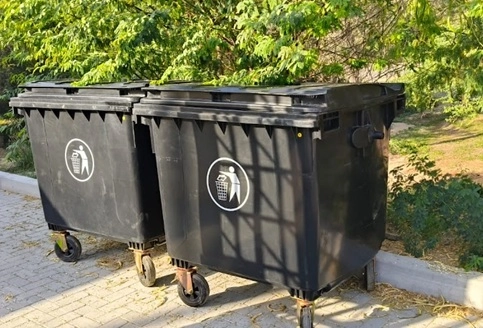
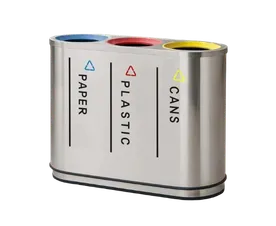
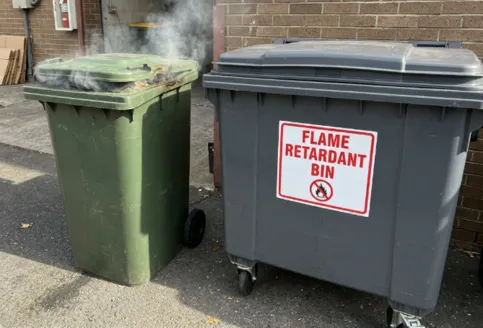
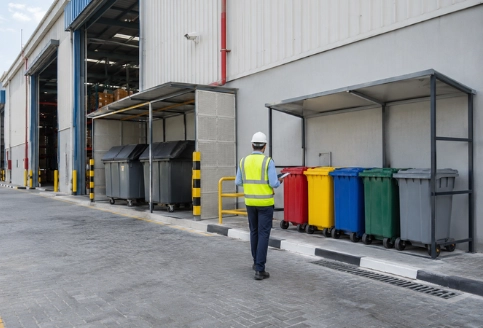
Waste should be separated at source, with hazardous waste stored apart and collected by licensed contractors. Keep manifests and receipts for every load that leaves the site.
Records tie it all together. Permits, inspection reports, training logs and waste receipts should be ready to show any regulator, free zone or mainland.
Yes, federal environmental law applies across the UAE, including free zones. Free zones mainly change which authority issues permits and carries out inspections.
Trakhees, part of Dubai's Ports, Customs and Free Zone Corporation, handles environment, health, and safety approvals in JAFZA. Tenants need these approvals in addition to their free zone licence.
Abu Dhabi requires environmental licensing for many facilities, issued by EAD through the TAMM portal. KEZAD tenants can use the zone's fast-track service with EAD.
Free zones often offer one-stop portals and faster processing. The standards themselves are not lower, so the same controls on waste, spills, and hazardous storage still apply.
Choosing a free zone or the mainland is a business decision, but environmental duties travel with the warehouse either way. The real difference is the office that checks the work.
Federal Law No. 24 of 1999 sets the base everywhere, while Dubai Municipality, EAD, Sharjah Municipality, Trakhees and zone authorities handle permits locally. Free zones often offer faster routes, yet their EHS standards match or build on mainland rules. Warehouses that keep containment, waste records and permits in order pass environmental compliance checks in any jurisdiction.
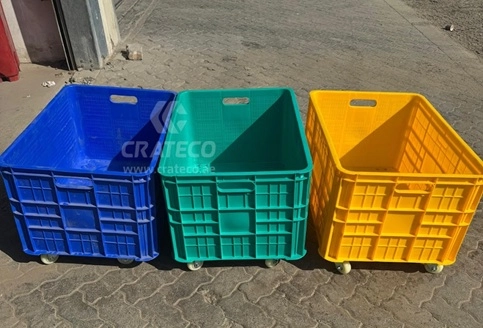
Crateco Pack LLC supplies UAE-made spill pallets, spill kits and waste bins for warehouses in free zones and on the mainland. Browse its spill control products to set up containment before your next inspection.