
Hotline +971 50 3436 930 Export +971 50 3436 475

ADAFSA and Municipal Food Safety Inspections: What Storage Containers Must Meet

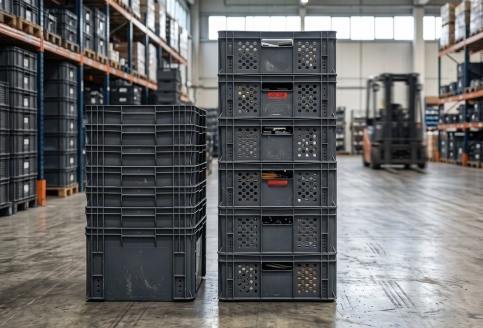
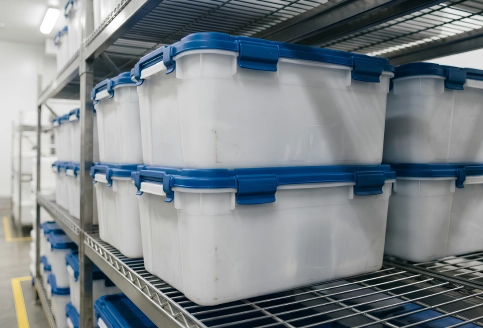
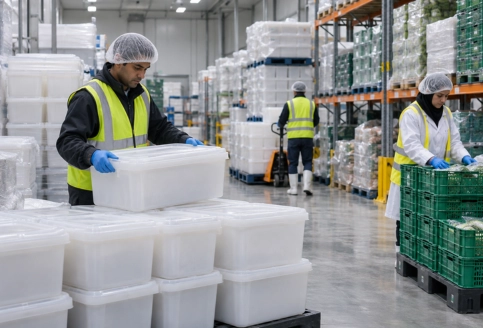
Close-up of sealed food-grade container with lid, hygiene labeling, and colour-coded separation markings

Food storage containers may look like a small part of an F&B operation, but they can have a direct effect on food safety during an inspection. In Abu Dhabi, food businesses are expected to use clean, suitable food-contact packaging and storage equipment, while keeping food protected from contamination.

The Abu Dhabi Agriculture and Food Safety Authority (ADAFSA) provides food safety requirements and guidance covering food handling, storage, equipment, and packaging. Its guidance states that food packaging must comply with applicable legislation, be clean, suitable for food use, and be stored hygienically before use.

For restaurants, cafés, catering kitchens, bakeries, groceries, and other food businesses, the right storage containers can therefore help maintain hygiene, prevent cross-contamination, and make daily storage easier to control.

Why Storage Containers Matter During Food Safety Inspections

Food containers are used throughout the food operation. They may hold raw ingredients, prepared food, leftovers, dry goods, sauces, chilled products, or food prepared for delivery. If these containers are dirty, damaged, unsuitable for food contact, or poorly stored, they can create food safety risks.

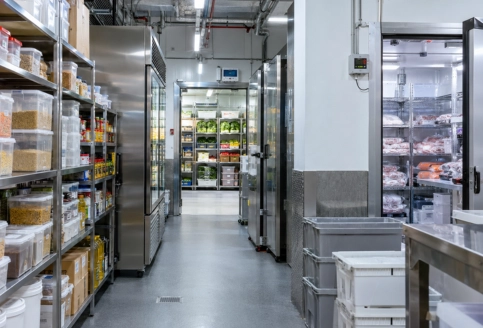
ADAFSA's food service design guidance calls for adequate storage for hot, cold, and dry foods, with sufficient space for raw materials and finished products. It also stresses separation between food storage and areas that could contaminate food, such as chemical and waste storage.

This means businesses should look beyond simply buying containers. They should consider the material, condition, cleanliness, labeling, storage location, and intended use of each container.

Storage Container Checklist for Abu Dhabi F&B Businesses

Use Containers Suitable for Food Contact

The first requirement is simple: containers used to store food should be suitable for food use. ADAFSA guidance on food packaging states that packaging must comply with applicable legislation and should be clean and suitable for food use. It also notes that food-safe packaging can be identified through markings such as the glass-and-fork symbol or wording such as "for food contact."

For everyday storage, businesses should select containers specifically designed for food rather than using random plastic boxes, damaged packaging, or containers intended for non-food purposes.

Choose Food-Grade Materials

Food containers should be made from materials that are appropriate for their intended use. This becomes particularly important when containers hold hot food, acidic ingredients, oily foods, or products that remain stored for longer periods.

A container that is suitable for dry ingredients may not be suitable for hot food or freezer storage. Businesses should therefore follow the manufacturer's instructions for temperature limits and intended use.

Using the right material also helps reduce the chance of containers becoming damaged or unsuitable during normal kitchen operations.

Keep Containers Clean and Sanitized

A food-safe container is not useful if it is dirty. Containers used for food storage should be cleaned properly and, where required, sanitized before reuse.

Staff should pay attention to corners, lids, handles, seals, and other areas where food residue can collect. Containers that are difficult to clean should not be used simply because they are convenient or inexpensive.

ADAFSA guidance places importance on hygienic food handling and suitable equipment. Keeping reusable storage containers clean should therefore be part of the establishment's routine food safety procedures.

Do Not Use Cracked or Damaged Containers

Inspect containers regularly for cracks, chips, deep scratches, broken lids, damaged seals, or other defects. Damaged surfaces can become difficult to clean and may allow food residue to remain inside.

A container may still look usable from a distance but become a hygiene problem when its surface has deteriorated. Staff should remove damaged containers from food storage instead of continuing to use them.

This is especially important in busy kitchens where containers are washed, stacked, moved, and reused many times each day.

Use Secure Lids for Stored Food

Food should be protected from dust, splashes, insects, and other sources of contamination. Containers with properly fitting lids can help provide this protection.

Lids should match the container and remain securely closed during storage. Businesses should avoid covering food loosely with unsuitable materials when a proper food storage container is available.

For prepared foods and ingredients stored inside refrigerators, secure lids can also help prevent contact between different foods and reduce the risk of cross-contamination.

Separate Raw and Ready-to-Eat Foods

Storage containers should support the separation of raw ingredients from ready-to-eat food. Raw meat, poultry, seafood, vegetables, prepared meals, and other products should not be stored in a way that allows one food to contaminate another.

Businesses can use clearly identified containers or different storage areas to make this separation easier for staff.

The storage layout should support a hygienic workflow. ADAFSA's food service design guidance recommends appropriate separation between raw ingredient handling, finished products, and food packaging or food-contact equipment.

Label Containers Clearly

Labels help employees understand what is inside a container and how it should be handled. Depending on the food operation, labels may include the food name, preparation date, opening date, use-by information, or other required details.

Clear labeling becomes particularly important when similar-looking ingredients are stored in multiple containers.

Labels should remain readable and attached securely. ADAFSA's food labeling guidance states that required information must be clear, prominent, legible, and durable under normal conditions of use.

Store Containers Hygienically Before Use

Clean containers should not be left exposed on dirty surfaces or stored where they can collect dust, grease, chemicals, or other contaminants.

After washing and sanitizing, reusable containers should be allowed to dry properly and then stored in a clean and protected location.

ADAFSA guidance specifically states that food packaging should be stored hygienically at the food business before use.

The same principle is useful for reusable storage containers. Clean storage equipment should remain protected until it is needed.

Keep Chemicals Away From Food Containers

Cleaning chemicals, detergents, disinfectants, and other non-food materials should not be stored together with food or food-contact items.

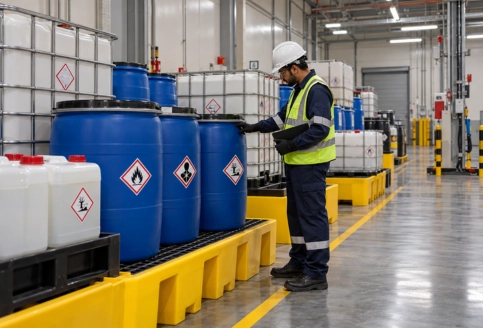
ADAFSA's food service design guidance recommends a separate chemical storage area and states that cleaning supplies should be stored separately from food.

This separation should extend to clean food containers and packaging. A clean container can become contaminated if it is stored beside leaking chemicals or other unsuitable materials.

Containers Should Match the Storage Conditions

Not every container is suitable for every storage condition. F&B businesses may need containers for dry storage, chilled food, frozen products, hot food, or prepared meals.

ADAFSA's food service design guidance identifies different storage requirements, including chilled storage, freezers, dry stores, and separate storage for cleaning equipment and chemicals.

Businesses should therefore select containers according to how and where they will be used.

For example:

Dry storage: Use clean, sealed containers that protect ingredients from moisture, pests, and contamination.

Chilled storage: Use suitable food containers with secure lids that allow food to remain protected inside refrigerators.

Freezer storage: Use containers designed for freezing and the expected temperature range.

Prepared food: Use clean, covered containers that prevent contact with raw ingredients and other contaminants.

Food delivery: Use packaging that is suitable for food contact and appropriate for the intended use.

Storage Containers Must Work With the Overall Storage System

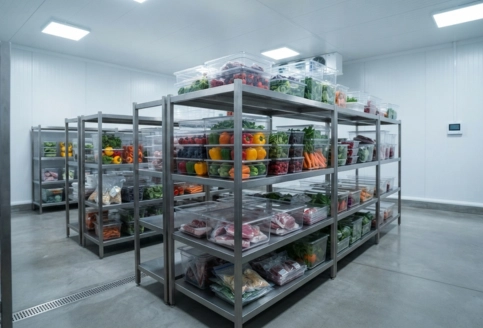
Containers are only one part of food storage. The surrounding shelves, racks, refrigerators, freezers, and storage areas must support the same hygiene standards.

ADAFSA's food service design guidance recommends adequate hot, cold, and dry storage and sufficient space for raw materials and finished products. It also highlights the need to keep food storage areas separate from chemical, waste, and other contamination risks.

This is why businesses should plan storage as a complete system. Containers should fit properly on racks and shelves without creating unstable stacks or blocking airflow and access for cleaning.

Avoid Overloading Storage Containers

Containers should not be filled beyond what their design allows. Overfilling can make lids difficult to close and may cause food to spill onto shelves or other containers.

Overloaded storage can also make it harder for staff to identify ingredients, clean storage areas, rotate stock, and inspect food condition.

A well-organized storage system gives staff enough room to handle containers safely and allows inspectors to see that food is being stored in a controlled manner.

Keep Food Storage Containers Off Contaminated Surfaces

Food containers should be placed on suitable shelves, racks, or other clean storage surfaces rather than directly on dirty floors or in areas where they can be exposed to contamination.

The goal is to keep both the food and the container protected. Storage should also leave enough access around equipment and surfaces for proper cleaning.

Good storage design makes this easier because employees can move, clean, inspect, and organize containers without constantly placing them on unsuitable surfaces.

Use Separate Containers for Different Food Uses

Businesses should avoid using the same container for different purposes without proper cleaning and sanitizing between uses.

For example, a container previously used for raw meat should not immediately be used for ready-to-eat food. The container should first go through the required cleaning and sanitizing process.

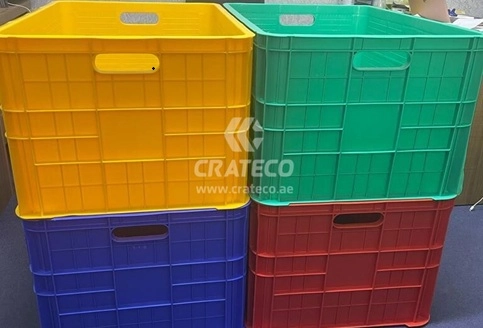
Color coding, labeling, or separate container sets can make this easier for kitchen staff and reduce mistakes during busy periods.

What Inspectors May Look For

A food safety inspection is not limited to whether a business owns enough storage containers. Inspectors may assess the wider food storage and handling system, including cleanliness, storage conditions, food protection, equipment, and the way staff manage food.

Businesses should be prepared to demonstrate that their storage system is controlled rather than relying only on equipment being present.

A practical inspection check can include:

Are food containers suitable for food contact?

Are containers clean and in good condition?

Are lids available and properly fitted?

Are raw and ready-to-eat foods separated?

Are food containers protected from chemicals and waste?

Are containers stored hygienically before use?

Are foods clearly identified and labeled where required?

Are chilled and frozen foods stored under suitable conditions?

Are storage shelves and surrounding areas clean?

Are damaged containers removed from use?

Common Storage Container Mistakes to Avoid

Small storage mistakes can create larger food safety problems. Some of the most common issues include using unsuitable plastic containers, keeping cracked containers in circulation, leaving food uncovered, and storing clean containers in dirty areas.

Another common problem is using containers without clear labels. Staff may then struggle to identify ingredients or determine how long prepared food has been stored.

Businesses should also avoid storing food containers next to cleaning chemicals, waste areas, or other sources of contamination. A clean and organized storage area makes these risks easier to control.

How to Prepare Your Storage System Before an Inspection

A simple internal check can help identify problems before an official inspection.

Start by removing damaged containers and replacing unsuitable ones. Check that reusable containers are properly cleaned and stored. Review labels and make sure staff know the difference between raw and ready-to-eat food storage.

Next, inspect shelves, refrigerators, freezers, and dry storage areas. Look for spills, poor organization, overcrowding, and possible contamination risks.

Finally, make sure employees understand the storage procedures. Even good equipment will not provide proper protection if staff do not use it correctly.

Final Storage Container Checklist

Before a food safety inspection, F&B businesses can use this quick checklist:

Storage container checkWhat to look for
Food suitabilityContainer is designed or approved for food use
ConditionNo cracks, chips, broken seals, or serious damage
CleanlinessContainer is properly cleaned and sanitized
CoverSuitable lid protects stored food
LabelingFood can be identified clearly where required
SeparationRaw and ready-to-eat foods are kept apart
StorageClean containers are protected before use
TemperatureContainer is suitable for its storage condition
ChemicalsContainers are kept away from cleaning products
OrganizationContainers do not create overcrowding or contamination risks

The Right Storage Equipment Makes Compliance Easier

ADAFSA food safety requirements are not only about passing an inspection. They are designed to help food businesses maintain safe handling practices throughout daily operations.

Suitable containers, organized storage racks, clean shelves, proper refrigeration, and clear labeling all work together to protect food. ADAFSA's food service design guidance also emphasizes adequate storage space and hygienic separation between different areas of a food establishment.

For businesses that regularly handle large quantities of ingredients, choosing durable and food-suitable storage equipment can make daily stock handling much easier.

Conclusion

Storage containers used by Abu Dhabi F&B businesses should be clean, suitable for food use, maintained in good condition, and stored hygienically. They should protect food from contamination while supporting proper separation, labeling, and temperature control.

Preparing for an ADAFSA or municipal food safety inspection therefore means looking at the complete storage system, not just the containers themselves. Restaurants, cafés, catering kitchens, groceries, and other food businesses should review their containers, storage racks, refrigeration, labeling, and cleaning procedures regularly.

For durable storage solutions that can support organized food and material handling, Crateco Pack LLC provides industrial plastic products designed for demanding storage and handling environments.
Recent Blogs
Jerry can buying guide showing material, seal, and safety features for fuel and water storage
The Ultimate Guide to Choosing the Right Jerry Can for Your Needs
Plastic pallets vs wood pallets comparison for modern shipping and warehouse use
Why More Companies Are Switching to Plastic Pallets for Shipping
Workplace spill kit for chemical and oil hazard safety and compliance in UAE
Choosing the Right Spill Kit for Your UAE Workplace: What You Need to Know
Plastic drums for industrial chemical, food, and liquid storage solutions
The Complete Guide to Plastic Drums for Industrial Storage Needs
IBC tanks in UAE for industrial liquid storage and transport solutions
IBC Tanks UAE: Your Complete Guide to Industrial Storage & Transport Solutions
Durable platform trolley for efficient warehouse and logistics operations
Top 5 Features to Look for in a Quality Platform Trolley
Material handling equipment for efficient warehouse and supply chain management in UAE
How Material Handling Equipment Improves Supply Chain Management in UAE
Medical and kitchen waste bins for hygienic facility waste management in UAE
Medical & Kitchen Waste Bins UAE: How to Choose the Right One for Your Facility
Plastic manufacturer UAE bulk supply guide for industrial buyers and procurement teams
What Defines a Trusted Plastic Manufacturer in UAE for Large-Scale Supply?
Hard plastic box with lid for durable storage in UAE homes and warehouses
Why a Hard Plastic Box with Lid Matters in UAE Climate Conditions
Plastic pallet boxes for retail backroom organisation and inventory management by Crateco UAE
How to Use Plastic Pallet Boxes for Retail Backroom Organization
Nested crate storage solution for reducing transportation costs and saving space in UAE
The Complete Guide to Nested Crate Storage: Reducing Transportation Costs
5S workplace organisation system using plastic bins for UAE warehouse efficiency by Crateco
How to Implement a 5S Workplace Organization System Using Plastic Bins
Plastic crates for automotive parts storage outperforming metal alternatives in UAE warehouses
Automotive Parts Storage: Why Plastic Crates Beat Metal Alternatives
Medium duty racking system for organised warehouse logistics and inventory in UAE
How Medium Duty Racking Streamlines Logistics Operations in the UAE
Stackable storage boxes for space-saving organisation and item protection in UAE
How to Choose the Right Stackable Storage Boxes in the UAE
Slotted angle shelving system for organised warehouse and workspace storage in UAE
Slotted Angle Shelving: The Practical Storage Choice for UAE Businesses
Compliant reusable packaging options for UAE businesses replacing restricted single-use plastics under the 2026 ban.
UAE's 2026 Single-Use Plastics Ban: What It Means for B2B Packaging Buyers
Assorted plastic crate types including ventilated, nestable, and jumbo crates displayed for industrial use in UAE
A Complete Guide to Types of Plastic Crates and How to Choose the Right One
Various plastic pallet types and styles for warehouse storage in the UAE
A Complete Guide to Pallet Types, Styles & Materials
Smart storage solutions for UAE SMEs to reduce costs and improve efficiency
Cut UAE SME’s Costs with Smart Storage Solutions
Plastic manufacturing process in UAE showing production steps and materials
Understanding the Plastic Manufacturing Process in the UAE
IBC tank capacity comparison chart for industrial storage by Crateco UAE
Comparing IBC Tank Capacities: Which One Is Right for You?
IBC chemical storage tank for safe and efficient liquid handling in UAE industries
Why IBC Tanks Are the Preferred Choice for Chemical Storage?
Liquid storage solutions including jerry cans, drums, and IBC tanks by Crateco
Picking Right Liquid Storage Solutions: Jerry Cans, Drums & IBC | Crateco
Plastic pallets for durable and cost-effective logistics solutions in UAE
Plastic Pallets: The Smarter Logistics Choice for UAE Businesses
Spare parts bins for efficient storage and organization by Crateco UAE
Organize, Store, and Simplify with Spare Parts Bins from Crateco
Industrial jerry cans for safe chemical, fuel, and food-grade fluid storage in UAE
Industrial Jerry Cans: Your Complete Guide to Fluid Handling & Storage in UAE
Plastic crates for durable storage and transport solutions across UAE industries
Plastic Crates: Your Complete Guide to Durable Storage & Transport in UAE
Jumbo crates for heavy-duty storage and product protection across industries
Jumbo Crates: The Complete Guide to Heavy-Duty Storage Solutions
Modern waste bins for homes and offices offering hygiene and style in UAE
Top 5 Waste Bins for Modern Homes and Offices in the UAE
vegetable-crates-smart-choice-storage
Why Vegetable Crates Are the Smartest Choice for Fresh Produce Storage in UAE
Water and energy efficient plastic manufacturing facility in the UAE with closed-loop cooling systems and rooftop solar panels
How UAE Plastic Manufacturers Cut Water and Energy Use in Daily Production
Hygienic pallets for pharmaceutical storage compliance and efficiency in UAE facilities
Pharmaceutical Storage UAE: Hygienic Pallets and Compliance Standards
Ventilated crates for e-commerce picking systems and warehouse efficiency in UAE
E-Commerce Picking Systems UAE: Boost Efficiency with Ventilated Crates
IBC tanks and spill containment for UAE chemical storage regulation compliance
UAE Chemical Storage Regulations: IBC Tanks and Spill Containment Guide
Spill control products and practices for workplace hazard prevention in UAE industrial facilities
Spill Control Best Practices for UAE Industrial Facilities
Lightweight plastic crates for reducing logistics costs and improving ROI in UAE warehouses
Reducing Logistics Costs: The ROI of Lightweight Plastic Crates in UAE
Plastic products for supply chain resilience and operational risk reduction in UAE
Supply Chain Resilience: Why Plastic Products Reduce Risk and Downtime
Plastic crate sanitization guide for food-grade operations and contamination prevention in UAE
Cleaning and Sanitizing Plastic Crates: Best Practices for UAE Food Operations
Warehouse layout design using different crate types for maximum storage efficiency in UAE
Warehouse Layout Design: Choosing the Right Crate Types for Maximum Efficiency
Insulated tubs for temperature control and perishable product storage efficiency by Crateco UAE
Temperature Control in Storage: Why Insulated Tubs Are Essential for Perishables
Plastic and wood pallets side by side in a UAE warehouse, compared for carbon footprint and logistics performance.
Carbon Footprint Comparison: Plastic Pallets vs. Wood Pallets in UAE Logistics
UAE EPR compliance overview for plastic manufacturers and B2B buyers, covering material tracking and recycling obligations.
Extended Producer Responsibility (EPR) in the UAE: What Plastic Manufacturers and Buyers Need to Know
Color-coded plastic crates organised by category in a UAE warehouse to improve inventory control and picking accuracy.
Color-Coded Crate Systems: Improving Inventory Management and Warehouse Efficiency
Standardized plastic containers stacked for reverse logistics returns in a UAE distribution centre.
Return Logistics: Using Standardized Plastic Containers for Reverse Supply Chains
Safely stacked plastic crates and pallets maximising vertical storage space in a UAE warehouse.
Stacking Height Optimization: Maximizing Vertical Space Without Compromising Safety
Stackable and nestable plastic crates arranged for FIFO inventory rotation in a UAE warehouse.
Inventory Rotation: FIFO Systems Using Stackable and Nestable Crates
Closed plastic crates protecting sensitive components from dust and contamination in a UAE cleanroom facility.
Dust and Contamination Control: Using Closed Crates in Sensitive Environments
Reusable plastic crates replacing cardboard and stretch wrap in a UAE packing and distribution facility.
Packaging Integration: How Crates Reduce Secondary Packaging Needs
Heavy-duty commercial ingredient bin for hygienic food storage by Crateco UAE
Upgrade to a Heavy-Duty Commercial Ingredient Bin
Jumbo Crates for Warehouse Efficiency
How Jumbo Crates Can Streamline Your Warehouse Operations
HACCP-compliant plastic storage containers supporting food safety compliance in UAE facilities
Food Safety Standards: Why HACCP-Compliant Storage Matters
Stacked reusable plastic crates on pallets in a UAE warehouse for cost-efficient logistics.
Waste Reduction Strategy: How Reusable Containers Lower Operational Expenses
Heavy-duty commercial pallets used for warehouse and logistics storage in UAE.
Maintenance Tips to Extend Pallet Lifespan in Commercial Operations
UV-resistant plastic pallets stored outdoors in a UAE warehouse yard.
Choosing UV-Resistant Pallets for Exposed Outdoor Storage Areas
Recyclable plastic pallets and crates supporting circular economy logistics in UAE.
Circular Economy in Logistics: Recyclable Plastic Solutions Explained
Eco-friendly reusable packaging alternatives used in UAE supply chain logistics.
Eco-Friendly Packaging: Reducing Environmental Impact in UAE Supply Chains
Closed and ventilated plastic food crates used in UAE food distribution.
Hygiene Standards for Food Distribution: Closed vs. Ventilated Crates
Forklift-compatible plastic crates used for material handling in UAE warehouses.
Material Handling Compatibility: Choosing Crates That Work With Your Forklifts
Pallet jack-compatible industrial containers used in UAE warehouse operations.
Ensuring Your Containers Work With Standard Pallet Jack Equipment
Heavy-duty commercial ingredient bins for food-grade bulk storage by Crateco UAE
Why Upgrading to a Heavy-Duty Commercial Ingredient Bin Makes Sense
Fish crates used for seafood storage and transport in the fishing industry
Importance of Fish Crates in the Fishing Industry
Stacked plastic Halal storage containers in a UAE warehouse used for segregated food handling and transport
Halal Supply Chain Compliance: Why Storage and Transport Containers Matter
UAE plastic manufacturing facility with finished products undergoing MOIAT safety testing and ECAS conformity checks
MOIAT Product Safety Standards: What UAE Plastic Manufacturers Must Meet
Recycled plastic packaging containers produced at a UAE manufacturing plant to meet recycled content and EPR requirements
Recycled Content Requirements: What UAE Regulations Mean for Packaging Manufacturers
Crateco pallet supplier comparison guide for UAE logistics and warehouse businesses
Crateco vs Other Pallet Suppliers in UAE: Which One Is Right for You?
Warehouse storage bins for efficient organization and inventory management by Crateco UAE
How to Organize Your Warehouse Efficiently Using Storage Bins
Waste management solutions for UAE businesses promoting sustainability and efficiency
The Rising Importance of Waste Management for UAE Businesses
Insulated tubs for safe and efficient heavy-duty storage by Crateco UAE
The Ultimate Guide to Insulated Tubs for Efficient and Safe Storage
Plastic storage containers for modern home and office organisation by Crateco UAE
Why Plastic Storage Containers Are Ideal for Modern Homes and Offices
Multi tier warehouse mezzanine with guardrails and load capacity signage in a UAE industrial storage facility
Working at Height and Mezzanine Load Compliance: Storage Standards for UAE Warehouses
Warehouse worker moving a loaded pallet with an ergonomic hand pallet truck in a UAE distribution facility
Manual Handling and Ergonomics: Reducing Injuries with the Right Trolleys and Pallet Trucks
Supervisor checking a forklift operator safety record on a clipboard inside a UAE warehouse facility
UAE Labour Law and Employer Obligations for Material Handling Equipment
Stacked chemical storage drums with GHS hazard pictogram labels in a UAE industrial warehouse
GHS Labeling Explained: Chemical Container Compliance for UAE Businesses
UN-certified plastic drums and jerry cans marked with UN codes in a UAE hazardous goods storage area
UN-Certified Packaging: Why It Matters for Transporting Hazardous Goods in the UAE
Chemical drums stored inside a bunded spill containment pallet in a UAE industrial facility
Spill Containment Compliance Checklist: What UAE Environmental Inspectors Look For
Cooler box guide UAE for choosing the best ice cooler for outdoor use
Your Complete Guide to Choosing the Perfect Cooler Box in the UAE
Plastic dairy crates stacked for efficient storage and transport
Why the Modern Plastic Dairy Crates Are a Logistics Must
Stainless steel trash bin by Crateco for clean waste management
Why a Stainless Steel Trash Bin Is the Smart Choice for Every Space
Waste bins for businesses offering hygienic and efficient waste management
How to Choose the Right Waste Bin for Your Business
Metal waste bin for durable and eco-friendly waste management in the UAE
Metal Waste Bins: Durable & Eco-Friendly Waste Solution
UAE warehouse with high bay pallet racking, overhead sprinkler pipework, and clear aisle spacing for fire safety compliance
What UAE Civil Defence Requires from Warehouse Racking and Fire Safety Systems
UAE warehouse racking and fire safety setup prepared for Municipality and Civil Defence audit
Preparing Your Warehouse for UAE Municipality and Civil Defence Compliance Audits
Shaded outdoor loading area at UAE warehouse following midday break rules for worker safety
UAE Midday Break Rules: How Outdoor Loading and Storage Areas Can Stay Compliant
Warehouse workers using shaded cooling station to prevent heat stress at UAE outdoor facility
Heat Stress Prevention in Outdoor Warehousing: Practical Steps Beyond the Midday Break Law
Food-grade storage racks and containers meeting Dubai Municipality F&B license requirements
Dubai Municipality Food Trade License Requirements: Storage Equipment Checklist for F&B Businesses
Labeled hazardous waste containers stored with segregation controls at UAE industrial facility
Basel Convention and UAE Hazardous Waste Rules: Proper Containment and Labeling
Halal-compliant plastic storage containers for food supply chain handling in UAE warehouse
Halal Supply Chain Compliance: Why Storage and Transport Containers Matter
Food-grade plastic egg trays compliant with UAE food-contact packaging regulations
Egg Tray and Food-Contact Packaging Compliance in the UAE
Inflated dunnage bags securing palletized cargo in a container for UAE transport safety
Dunnage Bags and Cargo Securement: Meeting UAE Transport Safety Standards
Reusable plastic packaging crates supporting ESG reporting for UAE logistics operations
ESG Reporting for UAE Logistics Companies: How Packaging Choices Affect Your Sustainability Score
Flame-retardant garbage bins for fire risk control in UAE industrial and commercial areas
Understanding the Importance of Flame-Retardant Garbage Bins in UAE
Modular plastic crates for scalable warehouse storage and business growth in UAE
Why Modular Plastic Crates Are Key to Warehouse Efficiency in the UAE
Stackable pallets for vertical warehouse space optimization and efficiency in UAE
Maximize Warehouse Space with Stackable Pallets: A Vertical Storage Guide
Pallet truck safety and maintenance guide for efficient UAE warehouse operations
Pallet Truck Safety & Maintenance: A Complete Guide for UAE Warehouses
Platform trolley guide for warehouse, office, and retail efficiency and heavy lifting
Maximize Efficiency with Platform Trolleys: Your Complete Buying Guide
Sustainable warehousing trends showing eco-friendly storage solutions in UAE
Top 5 Sustainable Storage Trends Shaping Modern Warehousing in UAE
Packaging strategies for operational resilience using plastic crates and pallets in UAE
How Packaging Strategies Drive Operational Resilience in UAE Supply Chains