
Hotline +971 50 3436 930 Export +971 50 3436 475

Stacking Height Optimization: Maximizing Vertical Space Without Compromising Safety

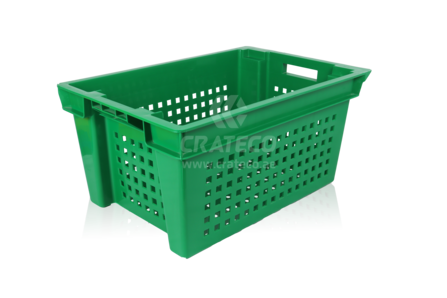
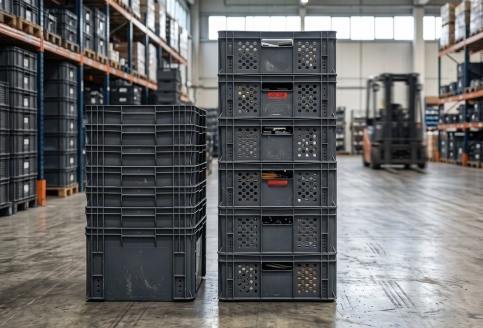
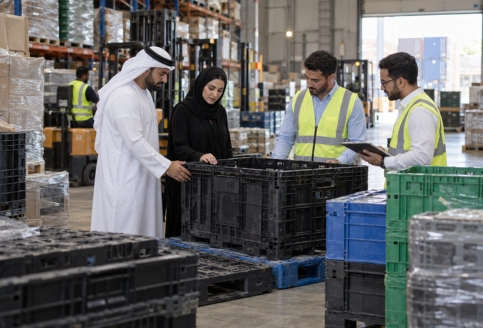
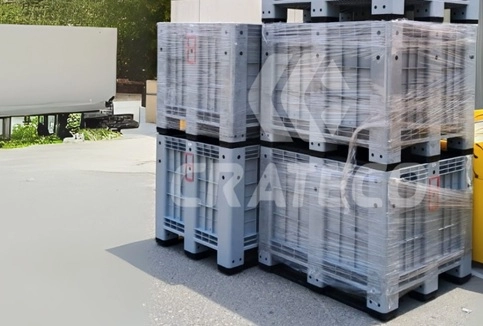
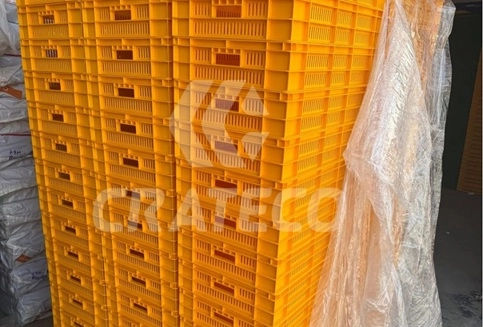
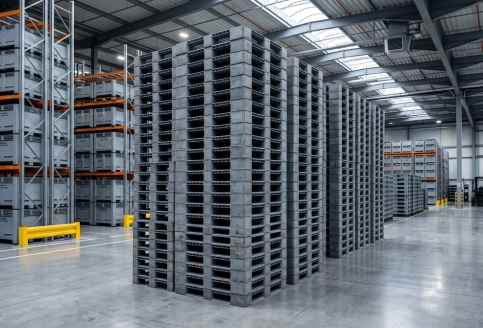
Close-up of interlocking stacking rims on heavy duty plastic crates showing load rating markings and reinforced corner posts.

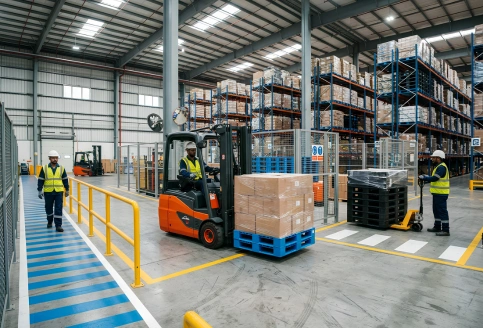
Warehouse space is valuable, but adding more floor area is not always practical or cost-effective. One of the easiest ways to gain more storage capacity is to make better use of the vertical space already available.

Stacking height optimization means arranging goods at safe and practical heights based on their weight, shape, strength, and storage method. Proper stacking can increase storage capacity while reducing the risk of falling loads, damaged goods, and workplace accidents.

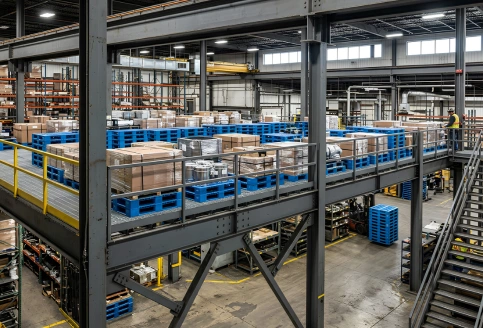
Businesses can improve vertical storage by using stable pallets and crates, correct weight distribution, suitable racking systems, and safe material handling practices. The goal is not simply to stack higher, but to use available space without creating unnecessary risks.

What Is Stacking Height Optimization?

Stacking height optimization is the process of finding the safest and most efficient height for storing goods vertically. It considers factors such as product weight, container strength, pallet condition, floor capacity, rack limits, and handling equipment.

A suitable height can differ greatly between cartons, plastic crates, pallets, drums, and liquid containers. Instead of choosing one height for every product, warehouses should match stacking methods with the properties of each load. This improves storage density while keeping goods stable and accessible.

Why Is Proper Stacking Important in Warehouses?

Poor stacking wastes space and creates serious operational problems. Unstable loads can lean, shift, fall, or place too much pressure on the products below. Employees may also have difficulty accessing stock when items are stored without a clear system.

Proper stacking creates organized rows and allows businesses to use vertical warehouse space more effectively. It can also improve forklift movement, stock control, picking speed, and product protection.

When combined with suitable material handling equipment, it creates a safer and more productive warehouse environment.

Proper Stacking vs Poor Stacking

The exact safe height of a stack depends on the material, load, equipment, building, and applicable safety requirements.

However, the following example shows how planned stacking can improve storage operations compared with an unplanned approach.

Parameter Without Proper Stacking With Proper Stacking
Maximum stacking potentialOften limitedCan be increased with suitable systems
Floor space utilizationPoorOptimized
Product accessibilityLimitedImproved
Load stabilityUnpredictableMore controlled
Risk of damageHigherLower
Material handlingMore difficultMore organized

Higher stacking should never be achieved by simply adding more layers. Supporting equipment and load limits must be considered first.

Core Principles of Safe Vertical Stacking

Safe vertical storage depends on several connected factors rather than height alone. Weight, balance, container shape, floor condition, and stacking pattern can all affect stability.

Warehouses should create clear stacking rules based on the goods being stored and the equipment used to move them. The following principles can help businesses increase vertical storage while controlling common safety risks.

1. Place Heavy Loads at the Bottom

Heavy goods should normally be placed on lower levels, with lighter products positioned above them. This keeps the center of gravity lower and makes the overall load more stable.

Placing heavy products on top can place unnecessary pressure on lower containers and increase the chance of the stack becoming unstable.

Weight must also be spread evenly across pallets or storage surfaces. Uneven loading can place excess pressure on one side and cause the stack to lean during storage or movement.

2. Use Interlocking Stacking Patterns

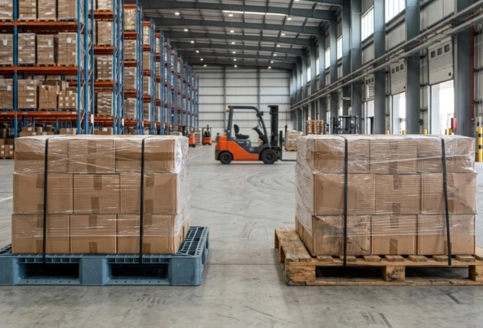
Boxes and suitable containers can sometimes be arranged in an interlocking pattern to improve load stability. Instead of placing every layer in exactly the same direction, the arrangement can help limit unwanted movement between layers.

The correct method depends on the strength and design of the packaging because some cartons gain more compression strength from column stacking.

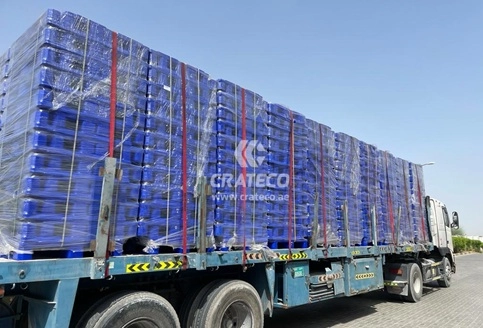
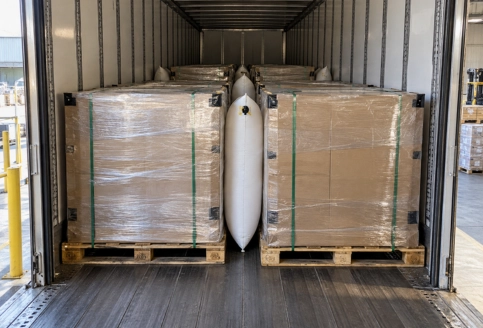
Stretch wrapping, straps, corner protection, or other load-securing methods may also be required. The aim is to prevent products from sliding or shifting during storage and transport.

3. Keep the Storage Surface Stable

Every stack needs a strong and level foundation. Damaged floors, uneven pallets, unstable bases, and weak shelves can affect the entire load above them. Before stacking begins, workers should inspect the storage surface and make sure it can support the expected weight.

Concrete floor load capacity is especially important when several heavy pallets are stored within a small area. Floor damage, cracks, or settlement should be assessed before placing concentrated loads in the affected location.

4. Follow Material-Specific Storage Rules

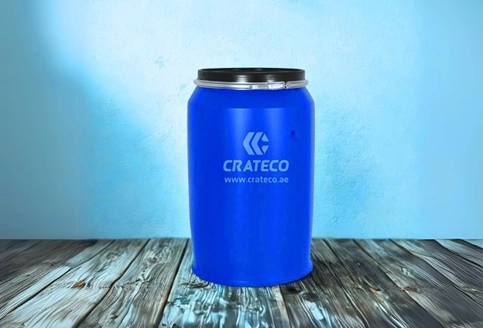
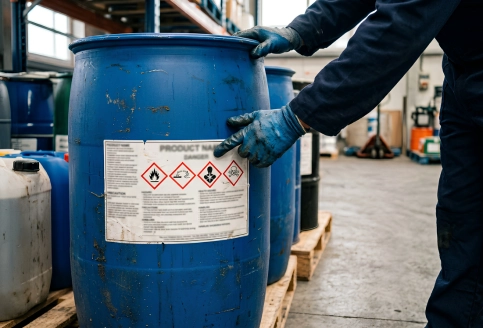
Not every product should be stacked in the same way. Cartons, plastic crates, drums, pallets, sheets, and liquid containers have different physical properties and risks. Cylindrical goods, for example, can roll and may require chocks, cradles, racks, or another restraint system.

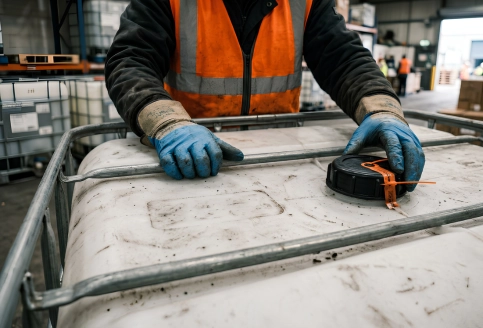
Liquid-filled containers also require careful handling because movement of the contents can affect load stability. Material-specific storage procedures help businesses choose a safer stacking pattern instead of applying the same method to every warehouse item.

Material-Specific Stacking Methods

Stacking limits should be established from the container manufacturer's instructions, load ratings, product properties, storage system design, workplace rules, and site risk assessment. There is no single height that is safe for every warehouse. A useful starting framework is:

Material Type Suitable Storage Approach Stability Method Key Safety Check
Cartons and BoxesControlled floor stacking or rackingBlock, column, or suitable interlocking patternPrevent overhang and secure unstable loads
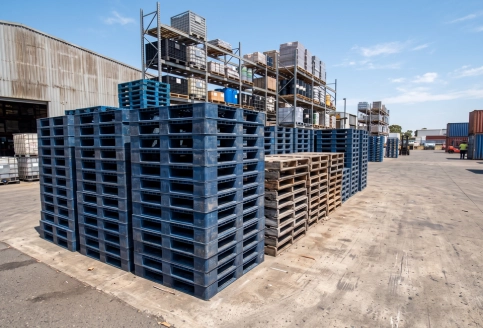
Empty PalletsControlled stacks in assigned areasStraight and uniform stackingRemove damaged pallets
Drums and CylindersPurpose-built storage or secure stackingChocks, cradles, or suitable restraintsPrevent rolling and movement
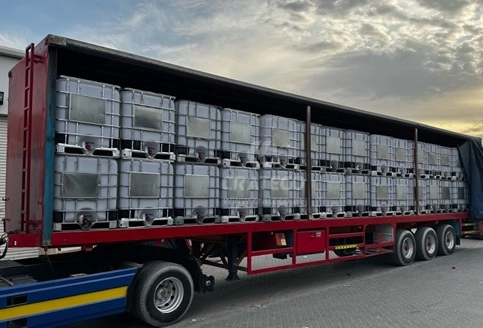
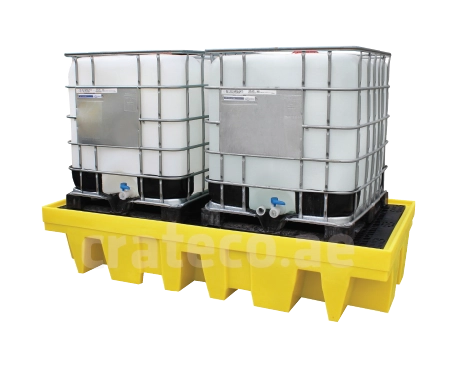
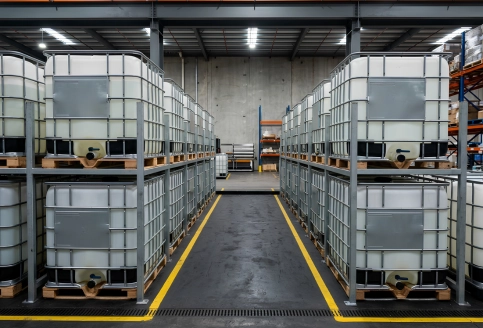
IBC TotesManufacturer-approved stacking or rackingStable column arrangement where approvedConsider total load and liquid movement
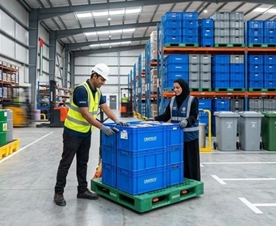
Plastic CratesStack according to rated load capacityInterlocking or designed stacking pointsCheck bases, corners, and walls

Best Practices for Increasing Stacking Height Safely

Increasing storage height requires more than moving goods upward. Pallet condition, load size, container strength, and equipment clearance must all be checked before changing the storage layout.

Businesses should also review whether existing forklifts can safely reach higher storage levels. Some important practices include:

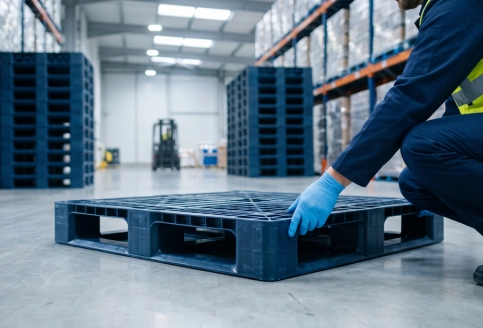
Inspect pallets before every loading cycle: Check for cracks, broken boards, damaged corners, loose parts, or other defects before adding weight.

Keep every load within its supporting base: Products extending beyond pallet edges are more exposed to impacts and may reduce overall stability.

Follow approved weight capacity limits: Never exceed the rated capacity of pallets, crates, shelves, rack beams, or material handling equipment.

Secure unstable goods before vertical storage: Use suitable wrapping, straps, restraints, or container designs to reduce unwanted product movement.

Keep storage areas organized and clearly marked: Defined stacking zones make it easier to maintain clear aisles and controlled storage practices.

Advanced Storage Solutions for Higher Stacking

Using Racking Systems to Expand Vertical Storage

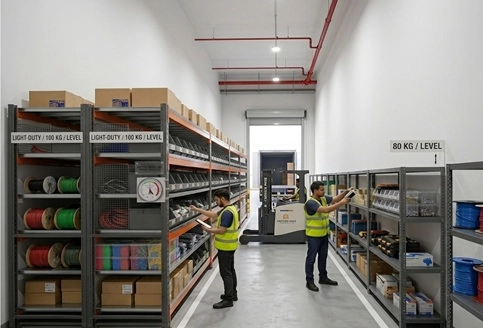
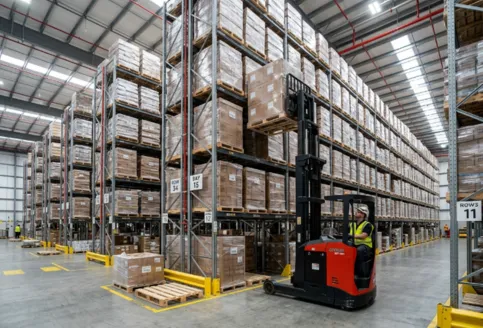
There is a practical limit to how high unsupported goods can be safely stacked. Once businesses need additional height, engineered warehouse racking can provide a controlled way to use vertical space.

Pallet racks distribute loads through frames and beams designed for specific capacities. Options such as selective pallet racks, drive-in racks, and push-back systems can support different inventory flows.

Rack capacity should always follow its design and manufacturer requirements. Damaged frames, bent beams, loose connections, or impact damage should be inspected and addressed promptly.

Strategic Inventory Placement for Better Accessibility

Vertical storage should not make everyday stock difficult to reach. Businesses can use a method called inventory slotting to decide where different products should be stored.

Frequently picked products can be positioned at accessible lower or middle levels, while slower-moving inventory can use suitable higher locations.

Heavy products should remain on lower levels where practical, while lighter items can occupy upper storage areas when permitted.

Combining storage frequency with weight and size creates a warehouse layout that uses vertical space without slowing down picking and replenishment activities.

Safety Features for High-Level Storage

High-level storage systems need additional protection because falling objects and rack impacts can create greater risks. The correct safeguards depend on the warehouse design and risk assessment.

Rack protection, load stops, mesh guarding, safety locks, barriers, and column protectors may be used where appropriate. These features can help limit product movement and reduce damage from accidental equipment contact.

Routine inspection is equally important. Workers should report bent components, loose connections, damaged pallets, leaning loads, and other warning signs before the storage position is used again.

Clearance and Environmental Factors to Consider

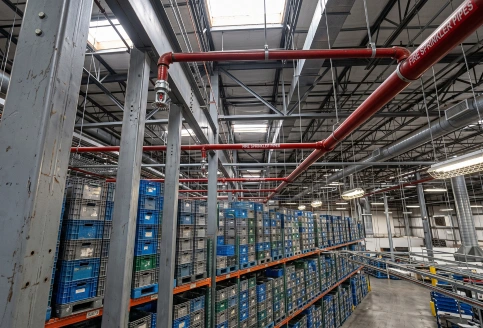
Using vertical space does not mean filling every available gap up to the ceiling. Storage layouts need adequate clearance from fire protection systems and must not block lighting, ventilation, electrical equipment, emergency routes, doors, or other building services.

Required sprinkler clearance depends on the applicable fire code and sprinkler system, so facilities should follow local requirements rather than relying on one fixed measurement.

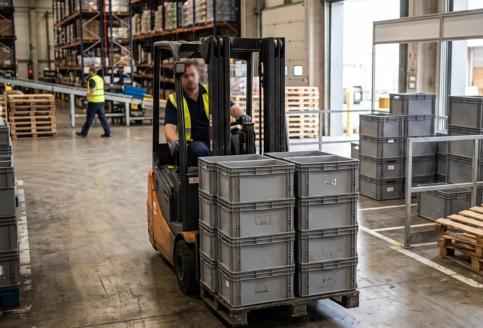
Forklift operators also need enough clearance to lift, tilt, place, and retrieve loads without striking racks or nearby products.

Common Stacking Mistakes to Avoid

Small stacking mistakes can become serious problems when repeated across hundreds of pallets or containers. Warehouse managers should identify unsafe practices early and correct them before they affect employees, inventory, or equipment.

Placing heavy goods above lighter products: Excess upper weight can crush lower packaging and make the complete stack less stable.

Using damaged pallets or containers: Cracks, broken corners, weak bases, and structural damage reduce the load-bearing strength of storage units.

Allowing products to extend beyond pallet edges: Overhanging loads are easier to strike and may lose support around their outer edges.

Ignoring rack and pallet capacity limits: Adding excessive weight can damage structural components and increase the chance of storage failure.

Building uneven or leaning stacks: Poor alignment shifts the center of gravity and makes stored goods more likely to become unstable.

Blocking safety systems and access routes: Storage should never prevent safe access to exits, emergency equipment, or required building systems.

How Plastic Pallets and Crates Support Vertical Storage?

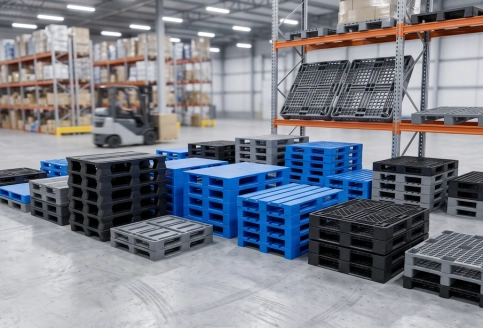
The quality and consistency of storage equipment can make vertical organization easier. Plastic pallets and crates are manufactured to controlled dimensions, which helps businesses create more uniform loads.

Many industrial plastic products also include features such as reinforced bases, stable stacking points, and designs compatible with forklifts and pallet jacks.

Their resistance to moisture and many common warehouse contaminants can also help maintain consistent performance in demanding environments. Businesses should still follow the stated static, dynamic, and racking load ratings for each specific product.

Conclusion

Making better use of warehouse height can increase storage capacity without immediately requiring additional floor space. However, higher storage only delivers real value when weight distribution, load stability, pallet condition, rack capacity, accessibility, equipment clearance, and workplace safety are considered together.

A successful stacking height optimization strategy focuses on finding the right height for each load rather than simply building the tallest possible stack. Proper pallets and containers, regular inspections, suitable racking, organized inventory placement, and trained workers can help create a safer and more efficient storage environment.

For businesses looking for reliable industrial storage and material handling products, Crateco Pack LLC is a trusted plastic crate supplier in the UAE. Crateco Pack LLC manufactures and supplies plastic crates, plastic pallets, spill pallets, waste bins, and other industrial packaging solutions designed to support efficient storage, handling, and logistics operations.
Recent Blogs
Jerry can buying guide showing material, seal, and safety features for fuel and water storage
The Ultimate Guide to Choosing the Right Jerry Can for Your Needs
Plastic pallets vs wood pallets comparison for modern shipping and warehouse use
Why More Companies Are Switching to Plastic Pallets for Shipping
Workplace spill kit for chemical and oil hazard safety and compliance in UAE
Choosing the Right Spill Kit for Your UAE Workplace: What You Need to Know
Plastic drums for industrial chemical, food, and liquid storage solutions
The Complete Guide to Plastic Drums for Industrial Storage Needs
IBC tanks in UAE for industrial liquid storage and transport solutions
IBC Tanks UAE: Your Complete Guide to Industrial Storage & Transport Solutions
Durable platform trolley for efficient warehouse and logistics operations
Top 5 Features to Look for in a Quality Platform Trolley
Material handling equipment for efficient warehouse and supply chain management in UAE
How Material Handling Equipment Improves Supply Chain Management in UAE
Medical and kitchen waste bins for hygienic facility waste management in UAE
Medical & Kitchen Waste Bins UAE: How to Choose the Right One for Your Facility
Plastic manufacturer UAE bulk supply guide for industrial buyers and procurement teams
What Defines a Trusted Plastic Manufacturer in UAE for Large-Scale Supply?
Hard plastic box with lid for durable storage in UAE homes and warehouses
Why a Hard Plastic Box with Lid Matters in UAE Climate Conditions
Plastic pallet boxes for retail backroom organisation and inventory management by Crateco UAE
How to Use Plastic Pallet Boxes for Retail Backroom Organization
Nested crate storage solution for reducing transportation costs and saving space in UAE
The Complete Guide to Nested Crate Storage: Reducing Transportation Costs
5S workplace organisation system using plastic bins for UAE warehouse efficiency by Crateco
How to Implement a 5S Workplace Organization System Using Plastic Bins
Plastic crates for automotive parts storage outperforming metal alternatives in UAE warehouses
Automotive Parts Storage: Why Plastic Crates Beat Metal Alternatives
Medium duty racking system for organised warehouse logistics and inventory in UAE
How Medium Duty Racking Streamlines Logistics Operations in the UAE
Stackable storage boxes for space-saving organisation and item protection in UAE
How to Choose the Right Stackable Storage Boxes in the UAE
Slotted angle shelving system for organised warehouse and workspace storage in UAE
Slotted Angle Shelving: The Practical Storage Choice for UAE Businesses
Compliant reusable packaging options for UAE businesses replacing restricted single-use plastics under the 2026 ban.
UAE's 2026 Single-Use Plastics Ban: What It Means for B2B Packaging Buyers
Assorted plastic crate types including ventilated, nestable, and jumbo crates displayed for industrial use in UAE
A Complete Guide to Types of Plastic Crates and How to Choose the Right One
Various plastic pallet types and styles for warehouse storage in the UAE
A Complete Guide to Pallet Types, Styles & Materials
Smart storage solutions for UAE SMEs to reduce costs and improve efficiency
Cut UAE SME’s Costs with Smart Storage Solutions
Plastic manufacturing process in UAE showing production steps and materials
Understanding the Plastic Manufacturing Process in the UAE
IBC tank capacity comparison chart for industrial storage by Crateco UAE
Comparing IBC Tank Capacities: Which One Is Right for You?
IBC chemical storage tank for safe and efficient liquid handling in UAE industries
Why IBC Tanks Are the Preferred Choice for Chemical Storage?
Liquid storage solutions including jerry cans, drums, and IBC tanks by Crateco
Picking Right Liquid Storage Solutions: Jerry Cans, Drums & IBC | Crateco
Plastic pallets for durable and cost-effective logistics solutions in UAE
Plastic Pallets: The Smarter Logistics Choice for UAE Businesses
Spare parts bins for efficient storage and organization by Crateco UAE
Organize, Store, and Simplify with Spare Parts Bins from Crateco
Industrial jerry cans for safe chemical, fuel, and food-grade fluid storage in UAE
Industrial Jerry Cans: Your Complete Guide to Fluid Handling & Storage in UAE
Plastic crates for durable storage and transport solutions across UAE industries
Plastic Crates: Your Complete Guide to Durable Storage & Transport in UAE
Jumbo crates for heavy-duty storage and product protection across industries
Jumbo Crates: The Complete Guide to Heavy-Duty Storage Solutions
Modern waste bins for homes and offices offering hygiene and style in UAE
Top 5 Waste Bins for Modern Homes and Offices in the UAE
vegetable-crates-smart-choice-storage
Why Vegetable Crates Are the Smartest Choice for Fresh Produce Storage in UAE
Hygienic pallets for pharmaceutical storage compliance and efficiency in UAE facilities
Pharmaceutical Storage UAE: Hygienic Pallets and Compliance Standards
Ventilated crates for e-commerce picking systems and warehouse efficiency in UAE
E-Commerce Picking Systems UAE: Boost Efficiency with Ventilated Crates
IBC tanks and spill containment for UAE chemical storage regulation compliance
UAE Chemical Storage Regulations: IBC Tanks and Spill Containment Guide
Spill control products and practices for workplace hazard prevention in UAE industrial facilities
Spill Control Best Practices for UAE Industrial Facilities
Lightweight plastic crates for reducing logistics costs and improving ROI in UAE warehouses
Reducing Logistics Costs: The ROI of Lightweight Plastic Crates in UAE
Plastic products for supply chain resilience and operational risk reduction in UAE
Supply Chain Resilience: Why Plastic Products Reduce Risk and Downtime
Plastic crate sanitization guide for food-grade operations and contamination prevention in UAE
Cleaning and Sanitizing Plastic Crates: Best Practices for UAE Food Operations
Warehouse layout design using different crate types for maximum storage efficiency in UAE
Warehouse Layout Design: Choosing the Right Crate Types for Maximum Efficiency
Insulated tubs for temperature control and perishable product storage efficiency by Crateco UAE
Temperature Control in Storage: Why Insulated Tubs Are Essential for Perishables
Plastic and wood pallets side by side in a UAE warehouse, compared for carbon footprint and logistics performance.
Carbon Footprint Comparison: Plastic Pallets vs. Wood Pallets in UAE Logistics
UAE EPR compliance overview for plastic manufacturers and B2B buyers, covering material tracking and recycling obligations.
Extended Producer Responsibility (EPR) in the UAE: What Plastic Manufacturers and Buyers Need to Know
Color-coded plastic crates organised by category in a UAE warehouse to improve inventory control and picking accuracy.
Color-Coded Crate Systems: Improving Inventory Management and Warehouse Efficiency
Standardized plastic containers stacked for reverse logistics returns in a UAE distribution centre.
Return Logistics: Using Standardized Plastic Containers for Reverse Supply Chains
Stackable and nestable plastic crates arranged for FIFO inventory rotation in a UAE warehouse.
Inventory Rotation: FIFO Systems Using Stackable and Nestable Crates
Closed plastic crates protecting sensitive components from dust and contamination in a UAE cleanroom facility.
Dust and Contamination Control: Using Closed Crates in Sensitive Environments
Reusable plastic crates replacing cardboard and stretch wrap in a UAE packing and distribution facility.
Packaging Integration: How Crates Reduce Secondary Packaging Needs
Heavy-duty commercial ingredient bin for hygienic food storage by Crateco UAE
Upgrade to a Heavy-Duty Commercial Ingredient Bin
Jumbo Crates for Warehouse Efficiency
How Jumbo Crates Can Streamline Your Warehouse Operations
HACCP-compliant plastic storage containers supporting food safety compliance in UAE facilities
Food Safety Standards: Why HACCP-Compliant Storage Matters
Stacked reusable plastic crates on pallets in a UAE warehouse for cost-efficient logistics.
Waste Reduction Strategy: How Reusable Containers Lower Operational Expenses
Heavy-duty commercial pallets used for warehouse and logistics storage in UAE.
Maintenance Tips to Extend Pallet Lifespan in Commercial Operations
UV-resistant plastic pallets stored outdoors in a UAE warehouse yard.
Choosing UV-Resistant Pallets for Exposed Outdoor Storage Areas
Recyclable plastic pallets and crates supporting circular economy logistics in UAE.
Circular Economy in Logistics: Recyclable Plastic Solutions Explained
Eco-friendly reusable packaging alternatives used in UAE supply chain logistics.
Eco-Friendly Packaging: Reducing Environmental Impact in UAE Supply Chains
Closed and ventilated plastic food crates used in UAE food distribution.
Hygiene Standards for Food Distribution: Closed vs. Ventilated Crates
Forklift-compatible plastic crates used for material handling in UAE warehouses.
Material Handling Compatibility: Choosing Crates That Work With Your Forklifts
Pallet jack-compatible industrial containers used in UAE warehouse operations.
Ensuring Your Containers Work With Standard Pallet Jack Equipment
Heavy-duty commercial ingredient bins for food-grade bulk storage by Crateco UAE
Why Upgrading to a Heavy-Duty Commercial Ingredient Bin Makes Sense
Fish crates used for seafood storage and transport in the fishing industry
Importance of Fish Crates in the Fishing Industry
Crateco pallet supplier comparison guide for UAE logistics and warehouse businesses
Crateco vs Other Pallet Suppliers in UAE: Which One Is Right for You?
Warehouse storage bins for efficient organization and inventory management by Crateco UAE
How to Organize Your Warehouse Efficiently Using Storage Bins
Waste management solutions for UAE businesses promoting sustainability and efficiency
The Rising Importance of Waste Management for UAE Businesses
Insulated tubs for safe and efficient heavy-duty storage by Crateco UAE
The Ultimate Guide to Insulated Tubs for Efficient and Safe Storage
Plastic storage containers for modern home and office organisation by Crateco UAE
Why Plastic Storage Containers Are Ideal for Modern Homes and Offices
Cooler box guide UAE for choosing the best ice cooler for outdoor use
Your Complete Guide to Choosing the Perfect Cooler Box in the UAE
Plastic dairy crates stacked for efficient storage and transport
Why the Modern Plastic Dairy Crates Are a Logistics Must
Stainless steel trash bin by Crateco for clean waste management
Why a Stainless Steel Trash Bin Is the Smart Choice for Every Space
Waste bins for businesses offering hygienic and efficient waste management
How to Choose the Right Waste Bin for Your Business
Metal waste bin for durable and eco-friendly waste management in the UAE
Metal Waste Bins: Durable & Eco-Friendly Waste Solution
Flame-retardant garbage bins for fire risk control in UAE industrial and commercial areas
Understanding the Importance of Flame-Retardant Garbage Bins in UAE
Modular plastic crates for scalable warehouse storage and business growth in UAE
Why Modular Plastic Crates Are Key to Warehouse Efficiency in the UAE
Stackable pallets for vertical warehouse space optimization and efficiency in UAE
Maximize Warehouse Space with Stackable Pallets: A Vertical Storage Guide
Pallet truck safety and maintenance guide for efficient UAE warehouse operations
Pallet Truck Safety & Maintenance: A Complete Guide for UAE Warehouses
Platform trolley guide for warehouse, office, and retail efficiency and heavy lifting
Maximize Efficiency with Platform Trolleys: Your Complete Buying Guide
Sustainable warehousing trends showing eco-friendly storage solutions in UAE
Top 5 Sustainable Storage Trends Shaping Modern Warehousing in UAE
Packaging strategies for operational resilience using plastic crates and pallets in UAE
How Packaging Strategies Drive Operational Resilience in UAE Supply Chains