Whether you are heading out on a long desert drive or managing a busy industrial site, one tool remains essential: the Jerry Can. These sturdy containers have been a staple for decades, yet many people don't realize that choosing the wrong one can lead to leaks, spills, or even safety hazards.
At Crateco, we believe in providing gear that works as hard as you do. In this guide, we will break down everything you need to know to pick the perfect Jerry Can for fuel, water, or chemicals. Let's make sure your liquids stay exactly where they belong!
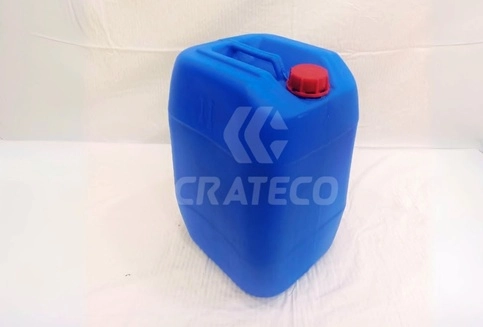
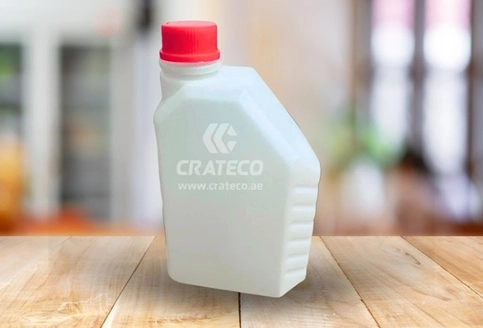
A Jerry Can is a robust liquid container originally designed for military use. Today, they are used by everyone from off-road enthusiasts to warehouse managers. They are famous for their rectangular shape, which makes them easy to stack and store in tight spaces.
While they all look similar at a glance, the materials and features vary wildly depending on what you plan to put inside them. Selecting the right one is the first step in mastering Jerry Cans: Liquid Storage Containers in the UAE.
This is the most common question we get. Both materials have their strengths, so the "right" choice depends on your specific environment.
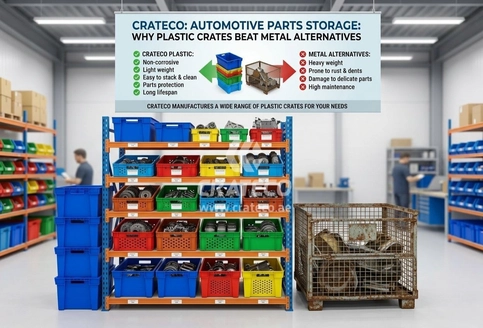
Most modern Jerry Cans are made of HDPE. This is a special type of plastic that is incredibly tough and rust-proof.
Why it's great: It is lightweight, won't dent, and is naturally resistant to many chemicals.
Best for: Water storage, garden tools, and short-term fuel transport.
Classic steel Jerry Cans are the "gold standard" for extreme durability.
Why it's great: They offer superior fire resistance and can handle rough handling in construction zones.
Best for: Long-term fuel storage and heavy-duty industrial use.
The very first thing you must consider is the type of liquid you are moving. Not all containers are compatible with all liquids.
If you are storing petrol or diesel, you need a can that is specifically rated for flammables. These cans are designed to withstand the pressure buildup that occurs when fuel heats up. They also feature "anti-glug" spouts to prevent dangerous splashing.
Never use a fuel can for water! Water cans must be made of "Food Grade" plastic. This ensures that no harmful chemicals leach into your drinking water, especially in the UAE's high heat.
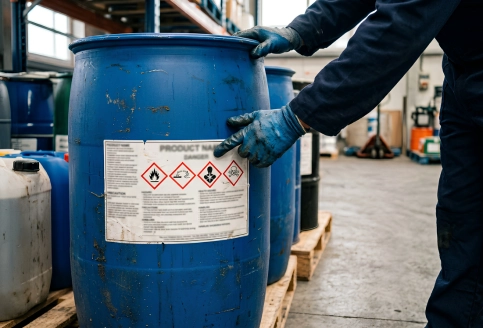
For acids or cleaning agents, you need a specialized container. When comparing Jerry Cans, Drums & IBC Tanks for Picking the Best Liquid Storage Solutions, you'll find that Jerry Cans are perfect for smaller, portable amounts of chemicals.
It is tempting to buy the biggest can available, but remember: liquid is heavy! A full 20-liter Jerry Can weighs roughly 20kg.
5-Liter to 10-Liter: Perfect for mixing 2-stroke fuel for lawnmowers or carrying a small "emergency" supply of water in your car.
20-Liter: The industry standard. It provides a large volume but still fits in most vehicle racks and can be carried by one person.
A Jerry Can is only as good as its cap. A leaking can isn't just messy; it's a fire risk and a waste of money.
Quality metal cans use a "Bayonet" style cap with a locking pin. This ensures the cap cannot vibrate open while you are driving over bumpy terrain.
Look for high-quality rubber or Viton gaskets. These create an airtight seal that prevents fumes from escaping. Over time, gaskets can dry out, so Crateco recommends checking them once a season to ensure they are still soft and flexible.
There is nothing more frustrating than having a full can of fuel and no way to get it into your tank without spilling.
Internal Spouts: Some plastic cans store the spout inside the can. This keeps the spout clean but can be a bit messy when you first pull it out.
Flexible Spouts: These are essential for modern cars, where the fuel intake might be at an awkward angle.
Ventilation: A quality can has a small vent hole or a "breather." This allows air to enter as liquid leaves, giving you a smooth, steady pour without the annoying "glugging" sound.
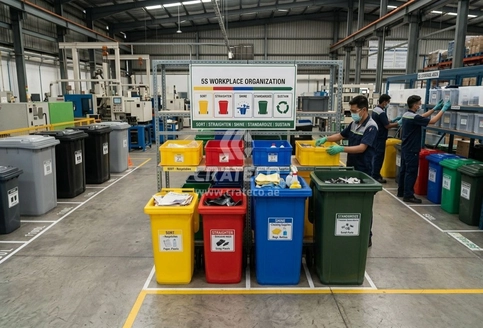
In a busy workplace, color coding is a lifesaver. It prevents someone from accidentally putting water into a diesel engine.
| Color | Standard Use |
|---|---|
| Red | Gasoline / Petrol |
| Yellow | Diesel |
| Blue | Kerosene or Water (Check labels!) |
| Green | Specialty Fuels or Oils |
Crateco Safety Tip: Always label your cans clearly with a permanent marker, even if you are using the correct colors. It adds an extra layer of protection for your team.
At Crateco, an industrial plastic manufacturer in the UAE, we don't cut corners on safety. Our Jerry Cans are designed to meet international standards, ensuring they can withstand the intense heat and demanding conditions of the Middle East. Whether you need a single can for a weekend camping trip or a bulk order for a construction site, we have the stock and the expertise to help you choose.
UV-Stabilized Materials: Our plastic cans won't become brittle in the sun.
Ergonomic Handles: Designed for a comfortable grip, even when wearing heavy work gloves.
Certified Safety: Built to prevent leaks and handle internal pressure changes.
Choosing the right jerry can is essential for safe and efficient liquid storage. Whether you select high-density plastic for its lightweight, rust-proof properties or rugged steel for industrial durability, ensuring a leak-proof seal and proper ventilation is key.
Always match the container material to your specific liquid, such as food-grade plastic for water or rated metal for fuels. By prioritizing color-coding and ergonomic designs, Crateco helps you maintain a secure, organized, and professional workspace in any environment.
For the best performance, fuel shouldn't be stored for more than 3 to 6 months. Over time, fuel can degrade. If you are storing it long-term, consider adding a fuel stabilizer.
Yes, most Crateco Jerry Cans are designed with a "nesting" feature. This allows them to sit securely on top of one another, saving you valuable floor space in your warehouse or garage.
For water cans, use warm soapy water and rinse thoroughly. For fuel cans, it is best to keep them dedicated to one type of liquid. Never use water to clean the inside of a fuel can, as moisture can damage your engine.