
Hazardous waste cannot be handled like ordinary waste. It needs proper segregation, safe containment, clear identification, and controlled transport or disposal. In the UAE, these requirements are supported by federal waste-management rules, local authority requirements, and the country's obligations under the Basel Convention.
The UAE has been a party to the Basel Convention since 1990. Federal Law No. 12 of 2018 on Integrated Waste Management provides requirements for the sound management of hazardous waste, including segregation, treatment, and reduction under the supervision of the relevant authority.
For businesses that generate hazardous waste, proper containers and labels are therefore more than a storage convenience. They help prevent spills, protect workers, support safe collection, and provide important information to waste handlers.
The Basel Convention is an international agreement that controls the transboundary movement of hazardous and other wastes and their disposal. Its main purpose is to protect human health and the environment from the harmful effects of hazardous waste.
The Convention promotes environmentally sound management of waste from generation and storage through treatment, recovery, transport, and final disposal. Its technical guidelines provide practical guidance to countries for managing different waste streams safely.
The Basel Convention does not replace UAE waste laws. Instead, the UAE applies its own federal and local rules while meeting its international obligations under the Convention.
This distinction is important for businesses. A company should follow the requirements of the relevant UAE authority for its location and waste type rather than treating the Basel Convention as a standalone storage checklist.
Waste management in the UAE is handled through both federal and local frameworks. Federal Law No. 12 of 2018 establishes the broader requirements for integrated waste management, while competent authorities in each emirate can apply local requirements and procedures.
The federal framework defines hazardous substances and establishes responsibilities for safe waste management. Federal environmental legislation also requires licensing for handling hazardous substances and hazardous or medical waste, subject to the applicable regulations.
This means businesses should identify the authority responsible for their location before deciding how hazardous waste should be stored, transported, or disposed of.
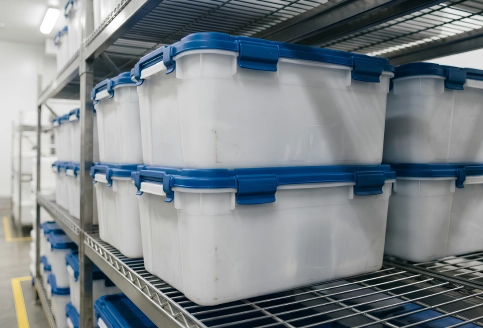
A hazardous waste container should be suitable for the waste it contains and capable of preventing leaks, spills, or unwanted exposure.
The correct container depends on the characteristics of the waste. A container suitable for oily waste may not be appropriate for corrosive chemicals, contaminated materials, solvents, batteries, or other hazardous waste streams.
Businesses should consider:
The physical form of the waste
Chemical compatibility
Potential reactions with the container material
Risk of leakage
Required closure
Expected storage period
Handling and transport requirements
Applicable local authority specifications
Basel technical guidance also recognizes the importance of suitable containers and storage areas for particular waste streams and notes that national authorities may establish specific requirements for acceptable containers and storage areas.
One of the most important controls is preventing hazardous waste from escaping its container.
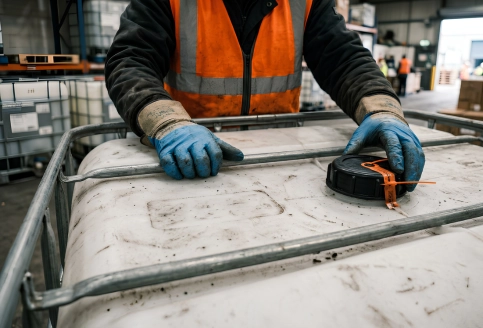
Containers should be strong enough for the waste being stored and should not have cracks, holes, damaged seams, or defective closures. Liquid hazardous waste requires particular attention because even a small leak can contaminate floors, drains, soil, or nearby materials.
An environmental inspection procedure published for Abu Dhabi states that organizations generating hazardous waste should provide designated safe storage areas and ensure hazardous wastes are stored in leak-proof containers. It also calls for clear marking of hazardous waste containers to show their contents and the hazards from improper handling.
Not every plastic or metal container is automatically suitable for hazardous waste.
Some chemicals can react with certain materials, weaken container walls, damage seals, or cause corrosion. Businesses should check the waste characteristics and the container manufacturer's specifications before selecting storage equipment.
For example, a container used for a corrosive substance needs to withstand that substance for the expected storage period. A container used for contaminated solids may have different requirements.
Safety Data Sheets (SDS) and waste classification information can help businesses understand the hazards and storage conditions associated with the material.
Hazardous waste should not simply be collected together because it is all considered hazardous. Different waste streams can have different chemical and physical characteristics.
Mixing incompatible wastes can create heat, toxic gases, fire risks, pressure, or other dangerous reactions.
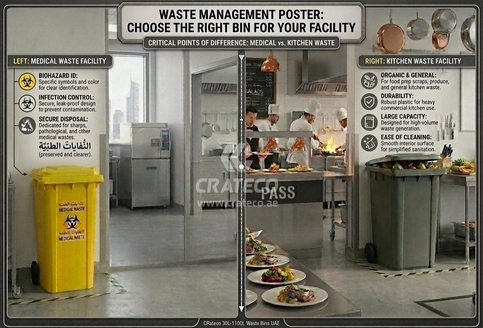
The UAE's Dubai waste-management law provides a clear example of this principle. It prohibits producers of hazardous waste from mixing hazardous waste that does not share the same specifications and characteristics. It also prohibits placing hazardous waste in containers designated for non-hazardous waste.
Businesses should therefore establish separate waste streams and clearly identify each one.
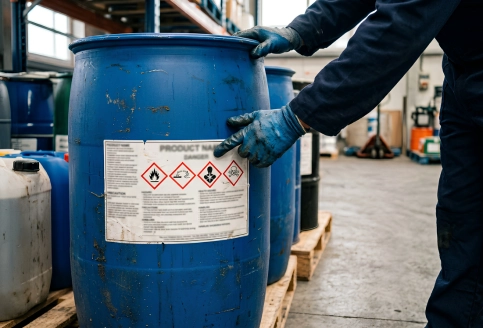
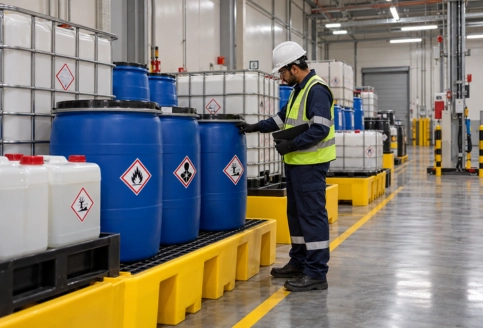
A label should allow employees, waste carriers, contractors, and emergency responders to understand what is inside the container and what precautions may be needed.
Exact label requirements depend on the applicable emirate, waste type, and regulatory framework. However, a practical hazardous-waste identification system should clearly communicate:
Type of hazardous waste
Main components or composition
Relevant hazard information
Appropriate warning symbols or codes
Handling precautions
Disposal or treatment instructions where required
Date or storage information where required
Other information specified by the competent authority
Dubai's current waste-management implementing bylaw provides a useful example. Its waste-label requirements include the type of hazardous waste, components and composition, applicable warning codes, disposal instructions, and other information required by the technical manuals.
This shows why a simple label saying "Hazardous Waste" may not be enough for every waste stream.
A label only works if employees can read it.
Labels should be clear, durable, and positioned where they can be seen during normal storage and handling. They should not be hidden behind other containers or placed where they can quickly become damaged.
If a container is moved from storage to a collection vehicle, the identification should remain clear throughout the process where applicable.
Businesses should regularly check labels for:
Fading
Peeling
Water damage
Chemical damage
Missing information
Incorrect waste descriptions
Obstructed warning information
A damaged or missing label should be replaced promptly.
Color coding can make waste segregation easier, but color should not be the only identification method.
Employees may work different shifts, contractors may enter the storage area, and waste may eventually be handled by people who are unfamiliar with the site's internal color system.
Use clear written descriptions and applicable warning information together with any color-coding system. This provides a stronger identification process and reduces the risk of putting the wrong material into a container.
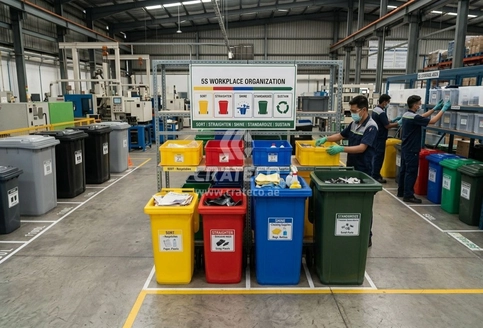
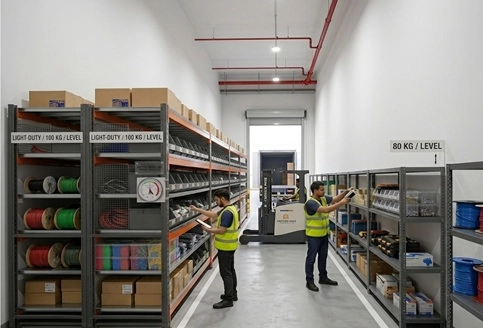
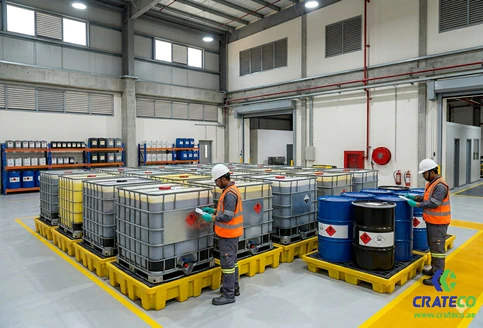
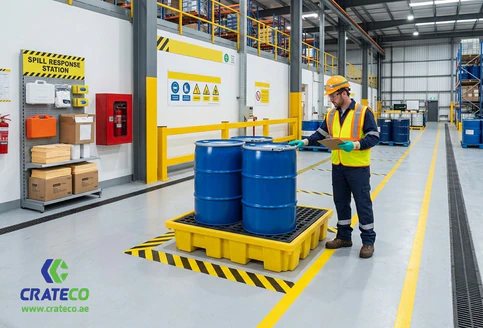
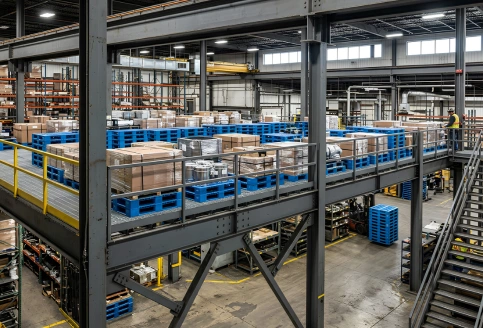
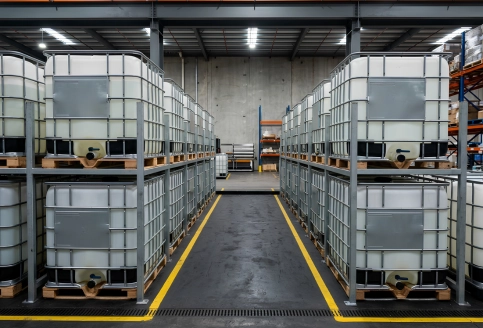
Hazardous waste should be kept in a controlled storage area rather than being left beside production equipment, loading areas, walkways, or general waste bins.
A suitable storage area should be planned around the characteristics and quantities of the waste being generated. It should allow safe access, inspection, movement of containers, and emergency response.
The Abu Dhabi environmental inspection procedure specifically refers to designated safe storage areas for hazardous waste to prevent risks to the public.
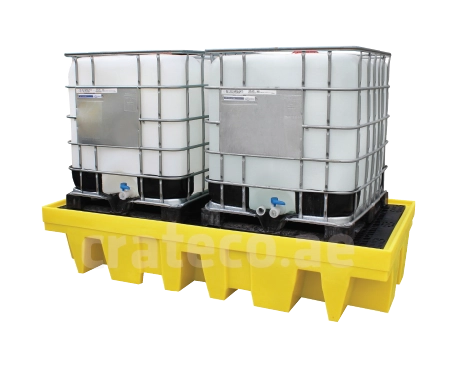
Depending on the waste type and applicable local requirements, the area may need additional controls such as spill protection, ventilation, restricted access, fire protection, or weather protection.
Even a suitable hazardous waste container can become unsafe if it is stored carelessly.
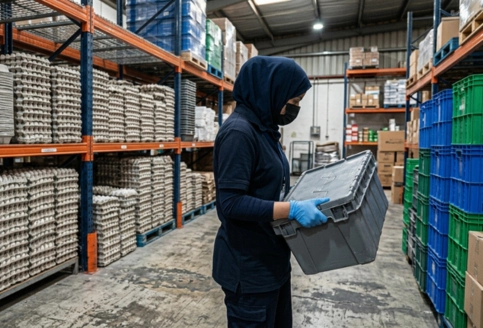
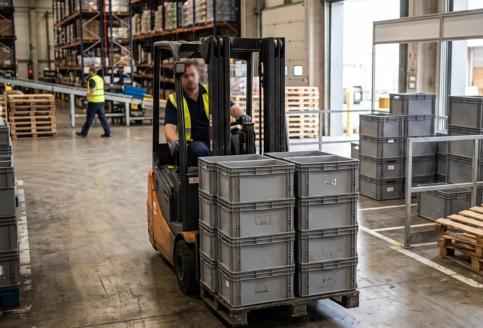
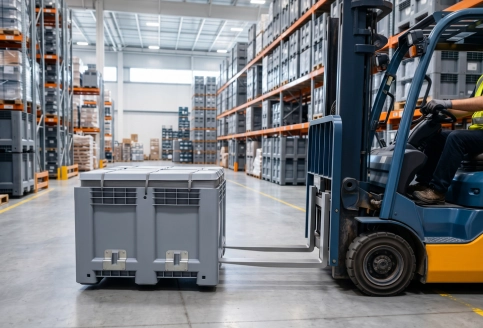
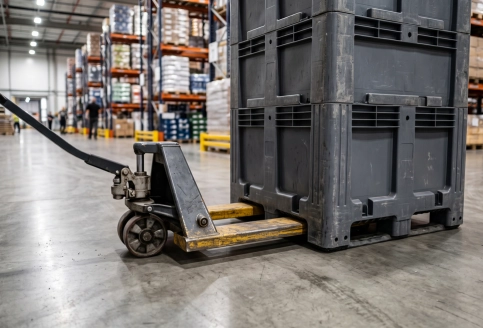
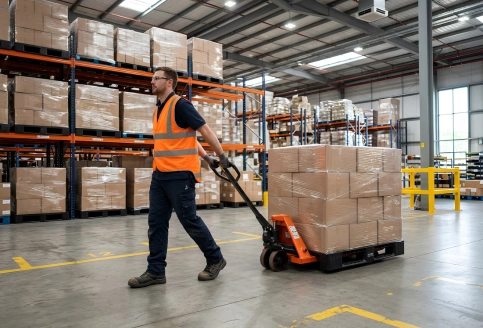
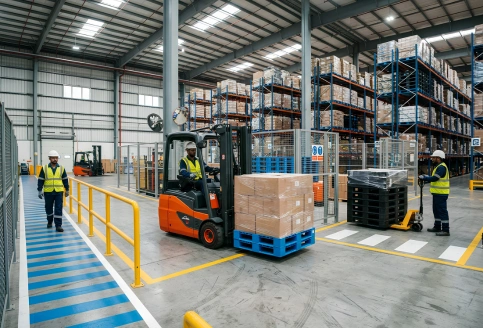
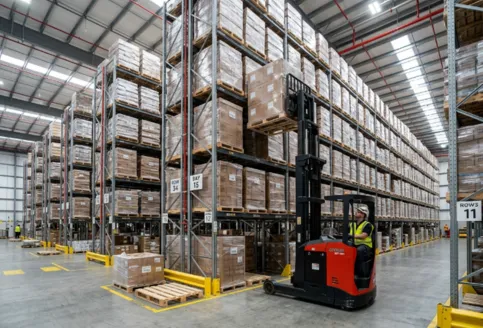
Containers should be positioned so that forklifts, vehicles, pallets, doors, or other equipment are unlikely to strike them. Heavy containers should be stored in a stable manner, and access routes should remain clear.
Businesses should inspect the storage area regularly for:
Leaks or stains
Damaged containers
Loose lids
Corrosion
Unstable stacking
Blocked access
Damaged labels
Signs of chemical reaction
Unapproved waste mixing
Regular inspections can identify problems before they become a spill or worker-safety incident.
A good hazardous waste storage system starts with segregation at the point where waste is generated.
For example, a facility may generate used oils, contaminated absorbents, chemical containers, batteries, electronic waste, or other controlled waste streams. These should not automatically be placed into one common container.
Each waste stream should be assessed and managed according to its characteristics and applicable requirements.
Source segregation also makes downstream treatment and recycling easier because the waste does not become unnecessarily mixed or contaminated.
Proper containment is only one part of hazardous waste management. Businesses should maintain records that show what waste is generated, how much is handled, and where it goes.
Dubai's 2026 implementing bylaw, for example, requires hazardous waste producers to maintain a register. The register includes information such as the type of waste, daily quantity handled, segregation or sorting processes, and details of approved waste carriers and disposal sites.
Requirements can differ between emirates, so businesses should maintain the records required by their competent authority.
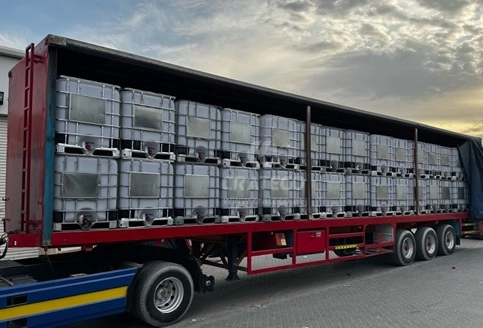
Once hazardous waste leaves the site, businesses should not hand it to an unknown collector or ordinary waste contractor.
The UAE Government states that federal requirements cover the sound management of hazardous waste and that hazardous waste movement is subject to controls and permissions.
Dubai's waste law specifically prohibits a hazardous waste producer from delivering hazardous waste to a carrier or other person who is not authorized to handle it.
Before collection, businesses should confirm that the selected waste carrier and receiving facility are authorized for the relevant waste type.
The Basel Convention becomes particularly important when hazardous waste is moved across international borders.
The UAE Government confirms that the country is a party to the Basel Convention and that hazardous waste movement is subject to controls. The federal government also states that the movement of hazardous waste within the country without the required written permission is prohibited under the applicable federal framework.
For exports, the relevant UAE authority's procedures can include requirements relating to the importing country and transit countries. The UAE's hazardous-waste export service specifically states that exports must comply with the Basel Convention.
Businesses planning cross-border waste shipments should therefore check the requirements before moving any controlled waste.
A container and label should be treated as one safety system.
The container physically controls the waste, while the label communicates what the waste is and how it should be handled. If either part fails, the risk increases.
For example, a strong container without a clear label can leave workers unaware of its contents. A detailed label on a damaged or incompatible container does not prevent a leak.
A practical system therefore combines:
1. Correct waste identification
2. Suitable container selection
3. Secure closure
4. Clear labeling
5. Proper segregation
6. Controlled storage
7. Regular inspection
8. Authorized collection and disposal
9. Accurate records
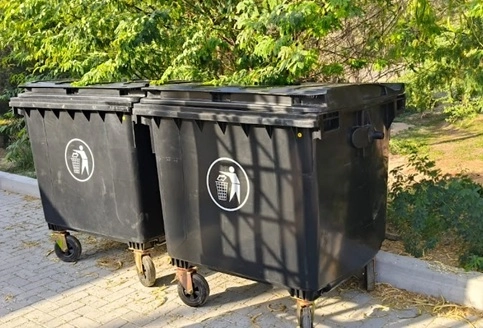
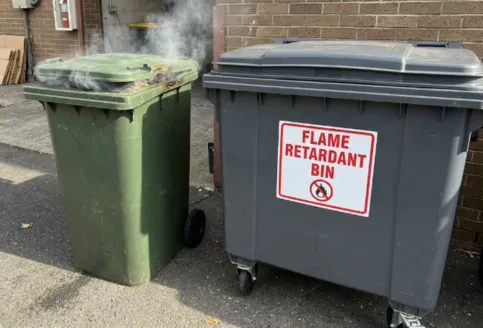
Businesses can create avoidable risks through simple storage mistakes. Some common problems include using ordinary waste bins for hazardous materials, mixing incompatible waste, leaving containers without lids, and using containers that are not compatible with their contents.
Other problems include faded labels, storing waste near drains, keeping containers in unprotected outdoor areas, and allowing hazardous waste to accumulate without proper records.
Another common mistake is assuming that one set of rules applies to every emirate. Federal requirements provide the wider framework, but local authorities may introduce additional procedures, permits, technical requirements, and waste-management systems.
Before a waste inspection or internal environmental audit, businesses can use this checklist:
| Check | What to verify |
|---|---|
| Waste classification | Waste has been identified correctly |
| Container | Container is suitable for the waste |
| Condition | No cracks, holes, corrosion, or serious damage |
| Closure | Lid or closure is secure |
| Compatibility | Container material is compatible with its contents |
| Segregation | Incompatible waste streams are kept separate |
| Label | Required waste and hazard information is visible |
| Storage area | Hazardous waste is kept in a designated area |
| Spill control | Suitable controls are available for the waste type |
| Access | Storage area can be safely inspected and accessed |
| Records | Waste quantities and movements are recorded where required |
| Carrier | Waste is transferred only to an authorized party |
Proper hazardous waste management requires more than buying a container. Businesses need a complete system that covers segregation, storage, identification, handling, records, collection, and disposal.
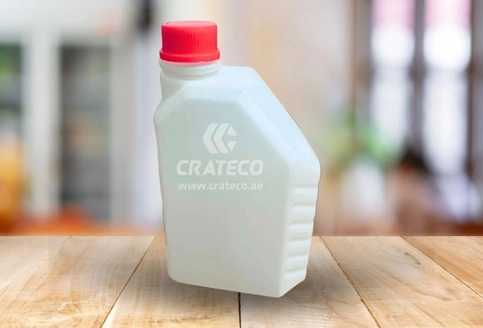
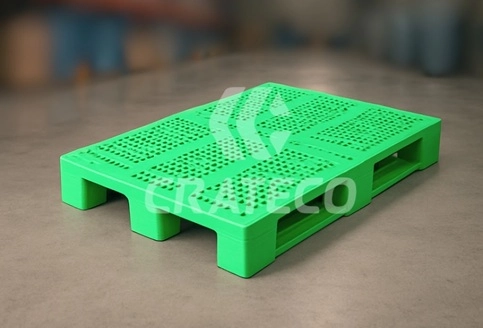
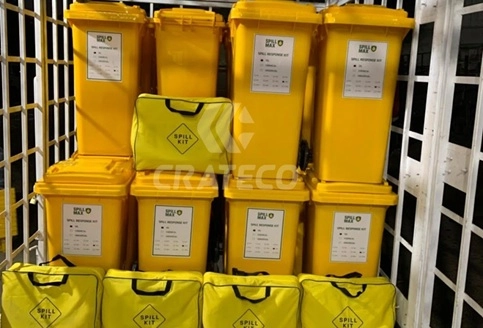
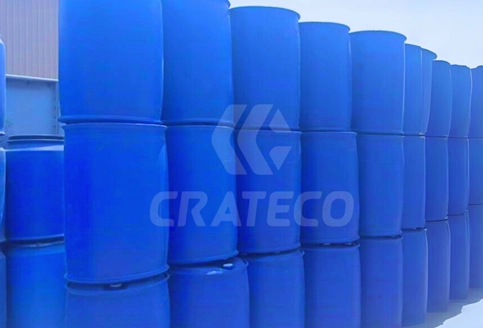
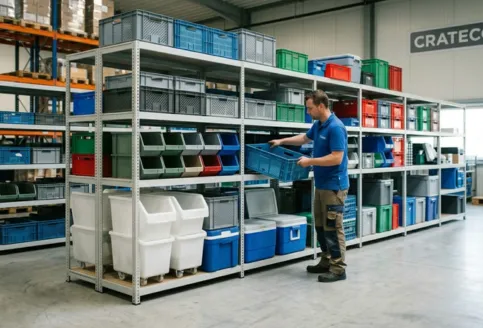
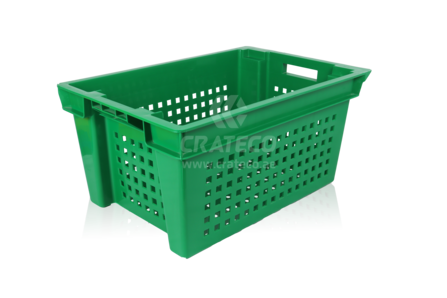
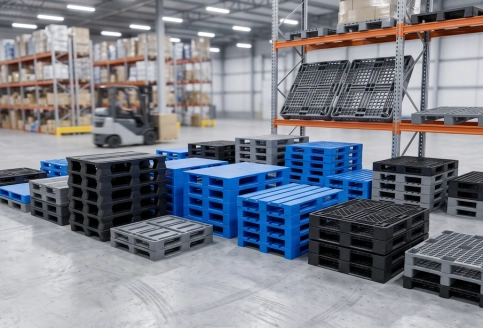
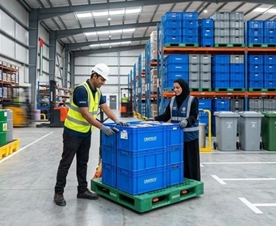
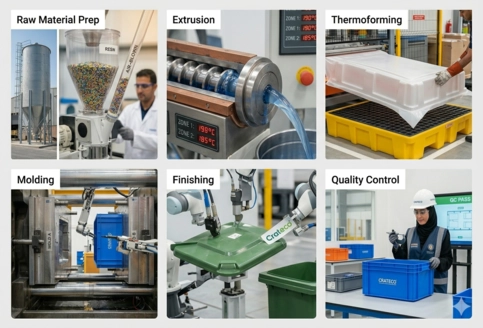
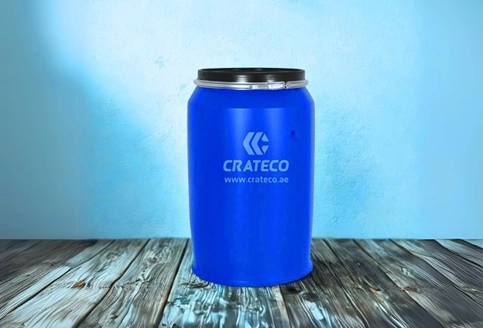
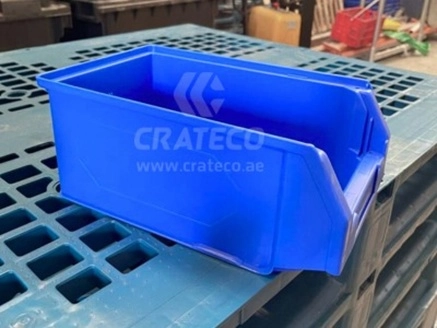
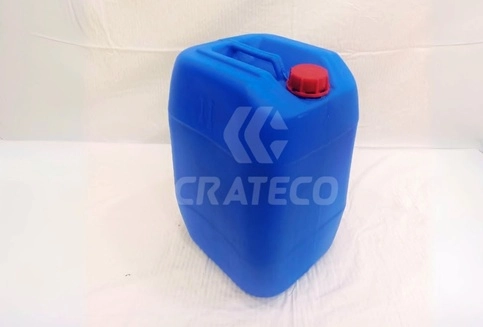
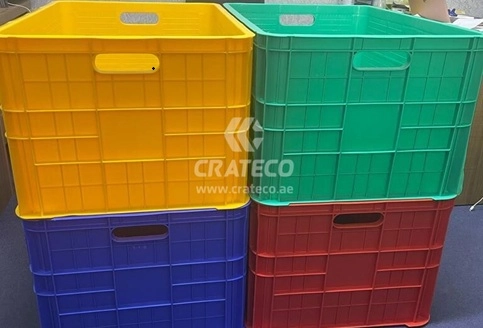
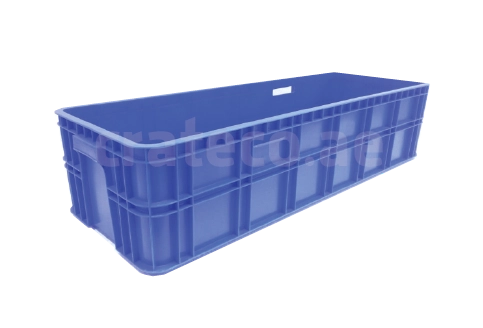
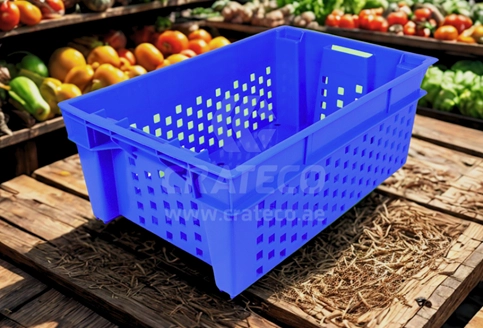
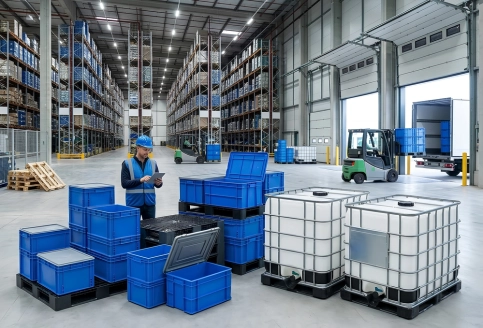
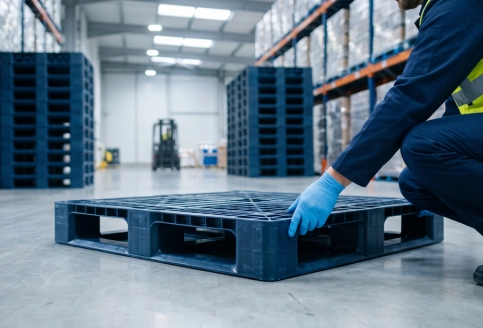
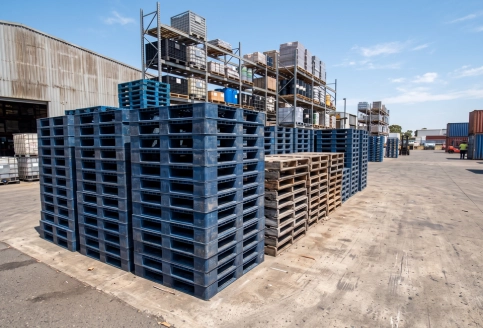
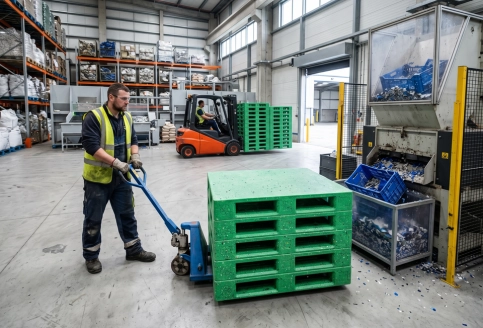
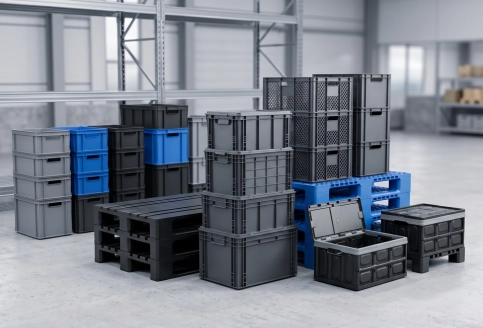
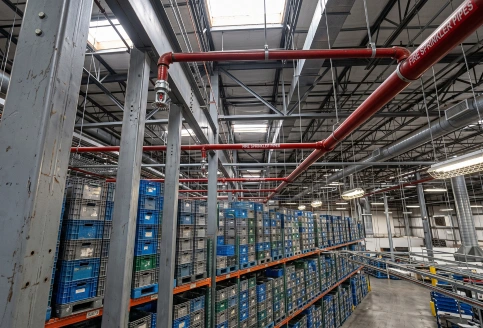
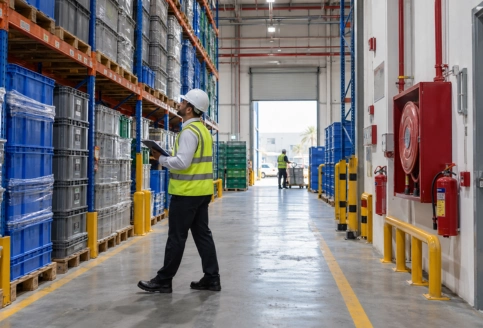
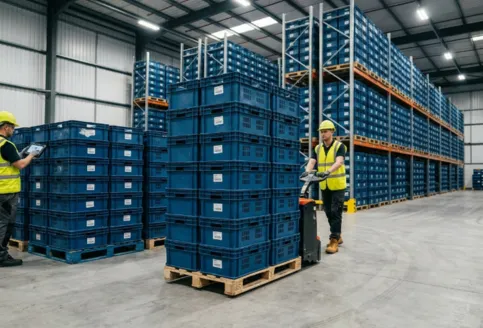
Durable industrial storage equipment can help businesses organize waste streams and keep containers stable and accessible. Depending on the waste type and applicable requirements, suitable plastic containers, bins, pallets, trays, and other material-handling products can support safer storage operations.
Crateco Pack LLC provides industrial plastic products for material handling and storage applications across the UAE. Businesses should always select storage equipment based on the waste characteristics, applicable regulations, and the specifications of the intended product.
The Basel Convention provides an international framework for the environmentally sound management and movement of hazardous waste, while UAE federal and local regulations establish the requirements businesses must follow within the country.
For day-to-day operations, the key principles are straightforward: identify waste correctly, use suitable and leak-resistant containers, keep incompatible materials separate, apply clear labels, maintain a safe storage area, keep proper records, and use authorized waste carriers.
Businesses should not assume that a basic "hazardous waste" sticker or an ordinary plastic bin is enough. The container, label, storage area, and disposal process should all match the nature of the waste and the requirements of the relevant UAE authority.