
Sustainability is becoming a key part of supply chain management in the UAE. Businesses are looking for packaging solutions that reduce waste, lower carbon emissions, and comply with new environmental regulations without compromising product safety or transport efficiency.
Eco-friendly packaging alternatives include plant-based compostable materials, paper-based packaging, reusable logistics systems, and minimalist packaging designs. They also include seaweed-based materials, reusable transport hardware, dissolvable packaging, and products made from agricultural waste.
These sustainable options help businesses reduce environmental impact while improving supply chain efficiency. Choosing the right packaging solution also improves operational efficiency while meeting customer expectations for sustainable business practices.
The UAE is encouraging industries to reduce their environmental impact through better waste management and sustainable business practices. Over 40% of local businesses are overhauling operations to align with UAE Vision 2030 sustainability mandates.
Many companies are replacing traditional plastic packaging with reusable, recyclable, and biodegradable materials. This change supports national sustainability goals while helping businesses lower disposal costs and improve their environmental image.
Sustainable packaging also protects natural resources, reduces landfill waste, and creates a more efficient supply chain from manufacturing to final delivery.
Many sustainable packaging materials are now available for industrial, retail, and logistics applications. Each option offers different benefits depending on product type, storage conditions, transportation needs, and reuse requirements.
Plant-based packaging is made from renewable natural materials that break down much faster than conventional plastics. These materials reduce long-term waste while providing suitable protection for many products.
Common examples include:
Bagasse (Sugarcane Fiber): Strong and compostable trays, containers, and protective packaging.
Cornstarch (PLA): Used for transparent films, food packaging windows, and lightweight wrapping.
Mushroom Packaging (Mycelium): A protective cushioning material that replaces expanded polystyrene for fragile products.
These materials are suitable for businesses that want to reduce plastic use while supporting renewable resources.
Modern paper packaging has improved significantly in strength, moisture resistance, and durability. Advanced manufacturing techniques allow paper products to perform well in demanding logistics environments.
Examples include:
Barrier-coated kraft paper for moisture and grease protection.
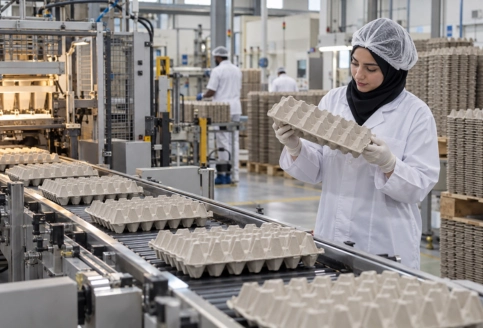
Rigid fibre containers made from recycled paper pulp.
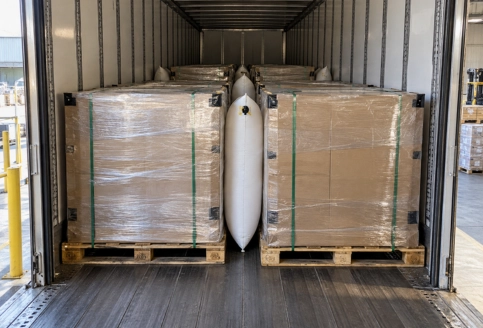
Corrugated paper cushioning that replaces plastic bubble wrap.
Heavy-duty cardboard dividers for warehouse storage and shipping.
Paper-based solutions are easy to recycle and are suitable for many industries, including food, retail, and manufacturing.
Circular packaging focuses on keeping materials in use for as long as possible rather than disposing of them after a single shipment. This approach reduces material consumption and lowers waste generation.
Examples include:
Returnable mailers designed for multiple delivery cycles.
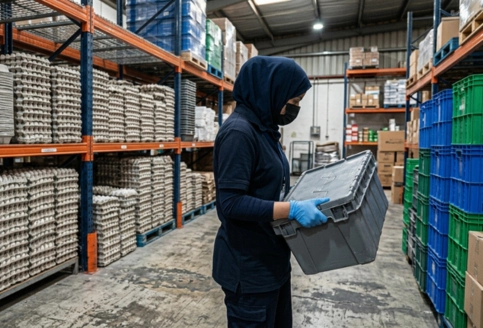
Reusable transport containers that return through reverse logistics.
Bulk refill systems that reduce single-use packaging.
Closed-loop distribution models that recover packaging after delivery.
Circular systems help businesses reduce packaging purchases while improving long-term sustainability.
Sometimes the most sustainable packaging is simply using less material. Minimalist packaging removes unnecessary layers while still protecting products during storage and transportation.
Key practices include:
Right-sized packaging that reduces space.
Fewer decorative materials.
Simple recyclable labels.
Reduced plastic fillers.
Lightweight packaging that lowers transport emissions.
This approach improves shipping efficiency while reducing overall material consumption.
Seaweed is becoming an exciting natural material for sustainable packaging. It grows quickly without requiring farmland or freshwater, making it an environmentally friendly resource.
Seaweed packaging can be used for:
Flexible sachets.
Protective films.
Moisture-resistant paper coatings.
Food packaging barriers.
These materials naturally decompose without leaving harmful microplastics, making them an attractive option for businesses seeking innovative packaging solutions.
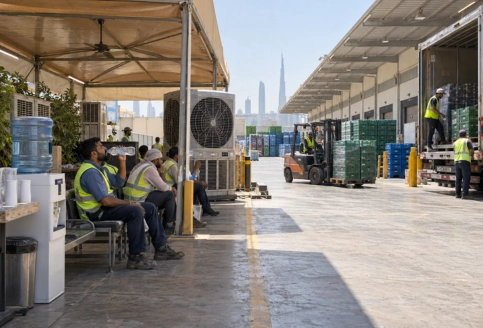
Industrial supply chains often use large amounts of protective transport materials. Replacing disposable items with reusable alternatives can significantly reduce packaging waste.
Examples include:
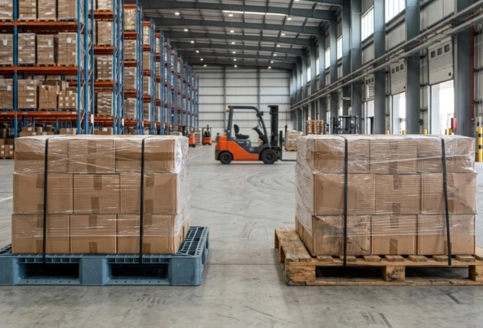
Reusable pallet wraps.
Long-life protective transport covers.
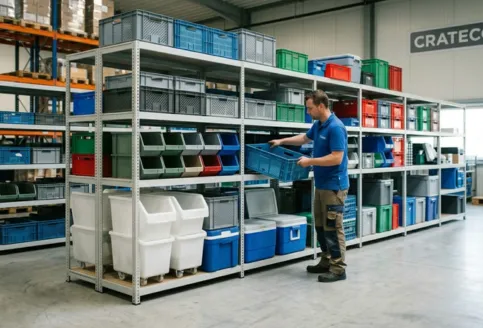
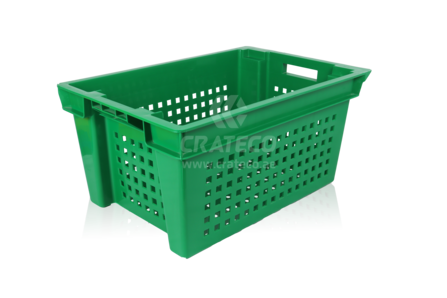
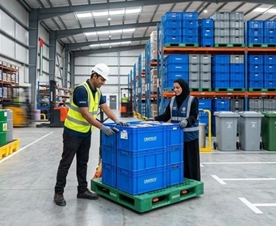
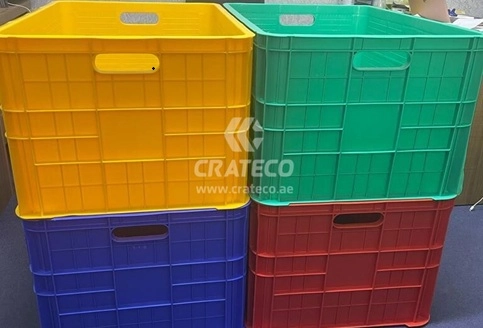
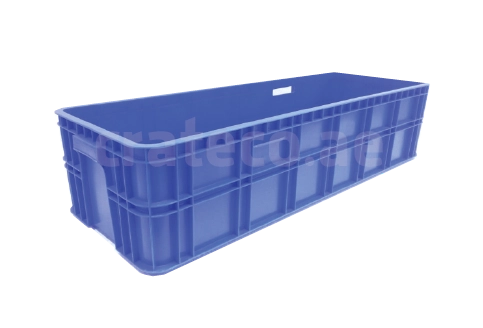
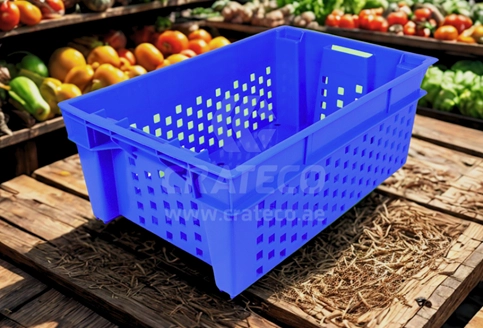
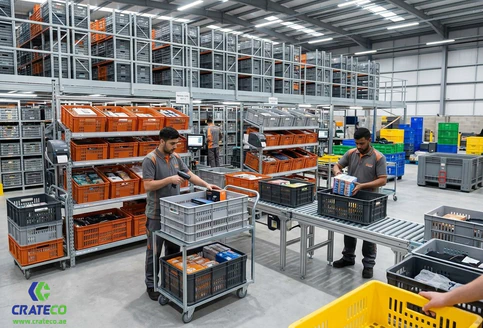
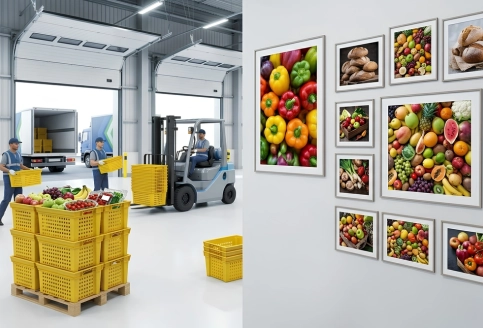
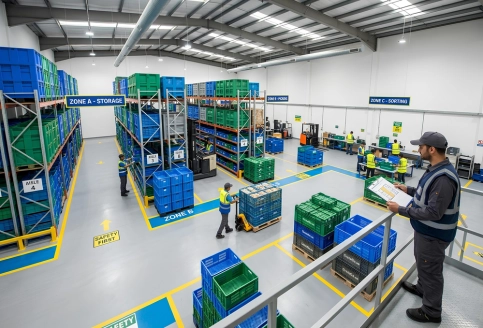
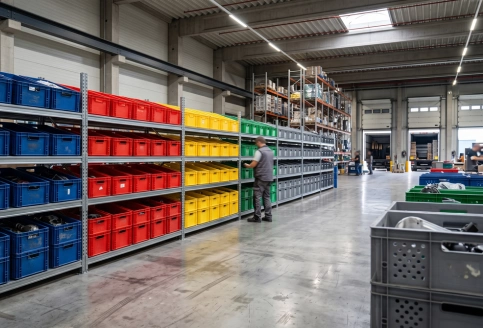
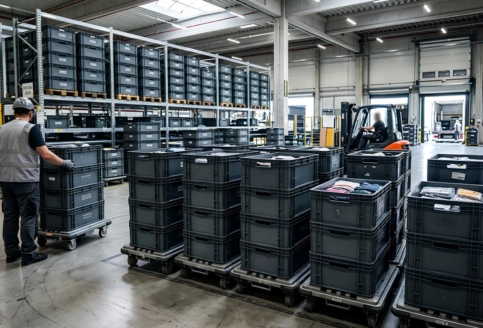
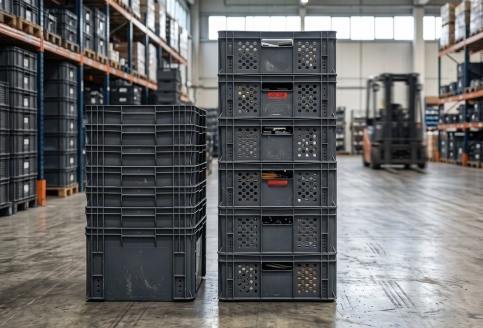
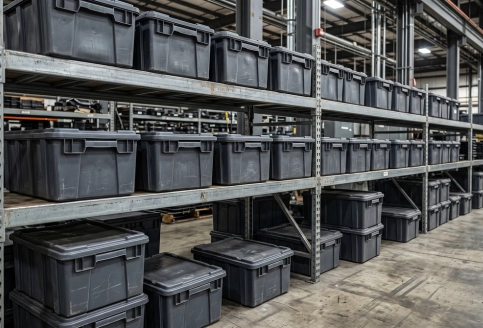
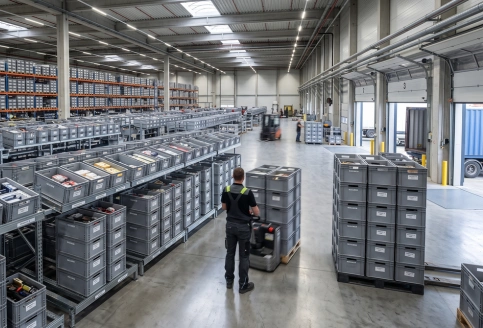
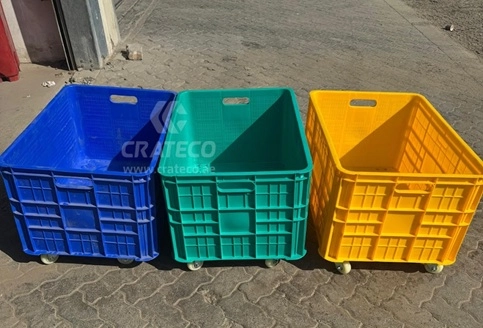
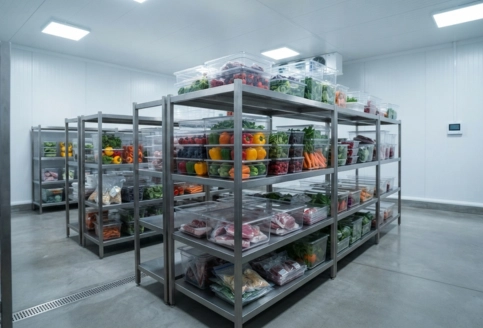
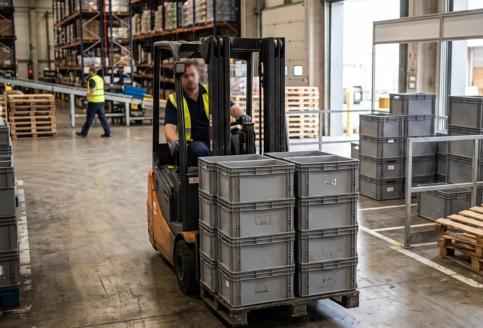
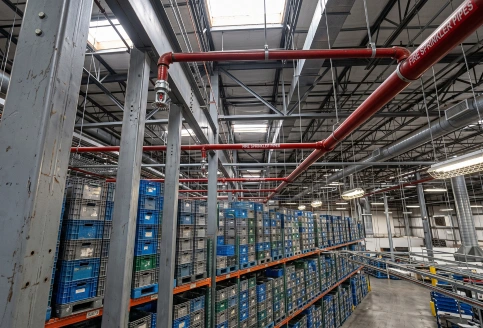
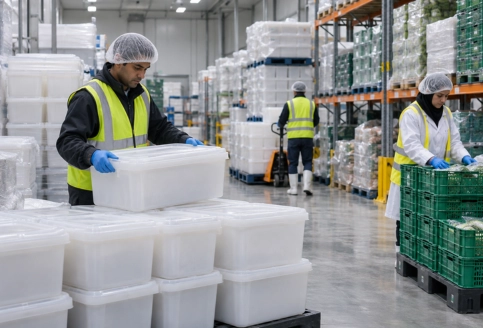
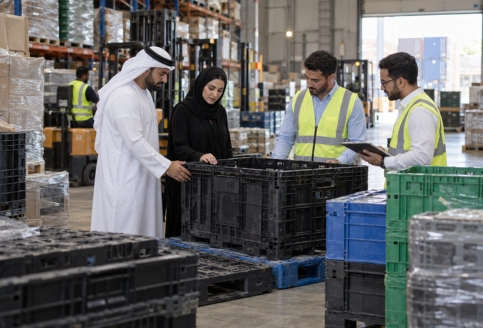
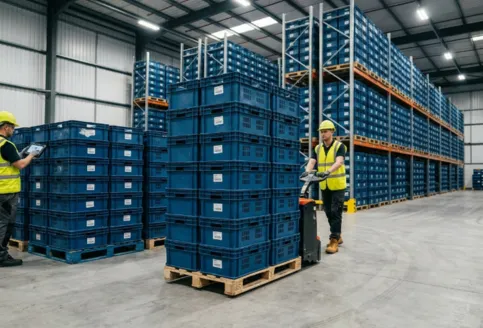
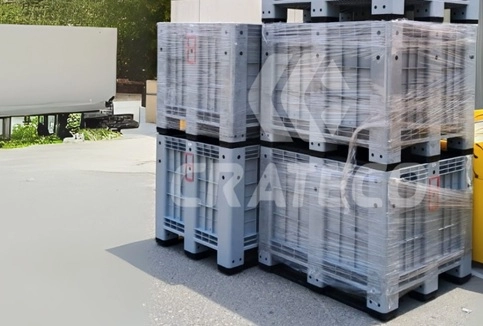
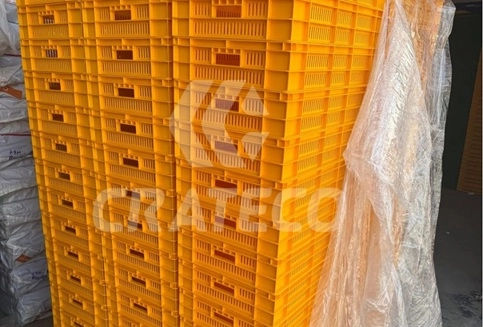
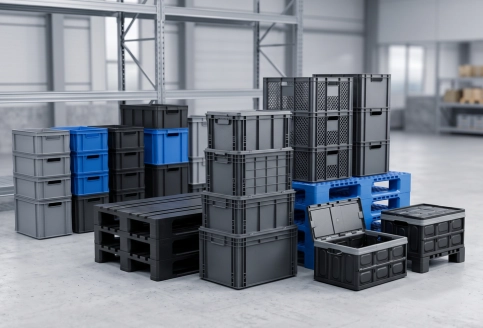
Reusable plastic crates.
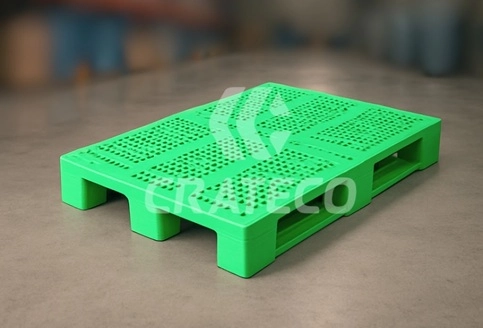
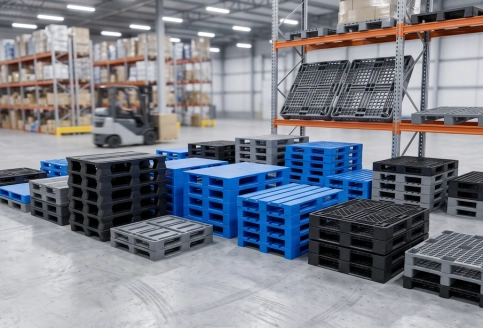
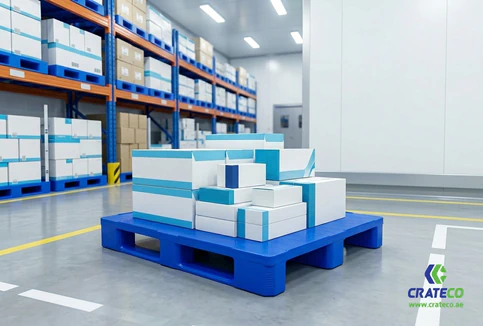
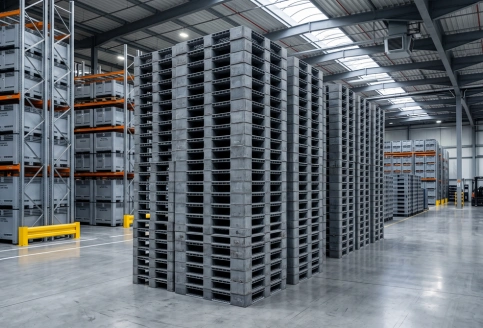
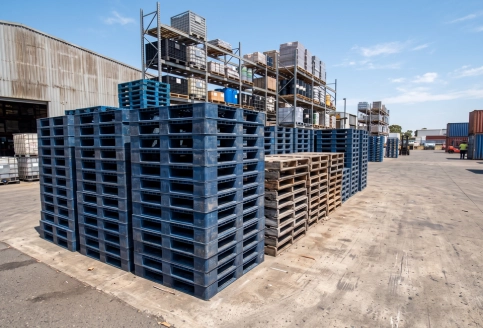
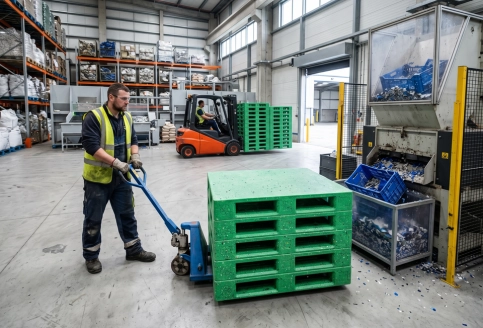
Durable industrial pallets.
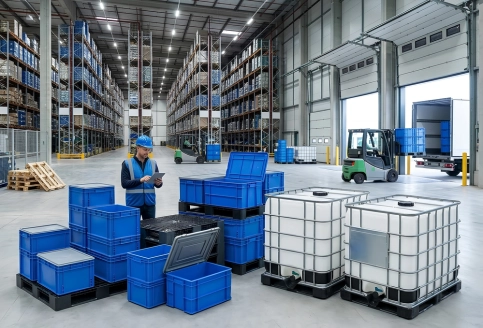
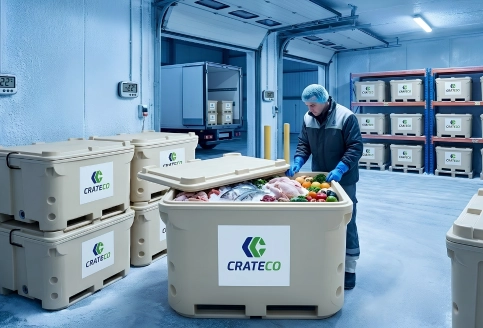
Stackable logistics containers.
These products are designed for repeated use, helping businesses reduce packaging costs over time while improving warehouse efficiency.
Some industrial applications require packaging that disappears safely after use. Water-soluble materials provide an effective solution for specific products.
Examples include:
Polyvinyl alcohol (PVA) packaging.
Water-soluble industrial bags.
Laundry bags for healthcare.
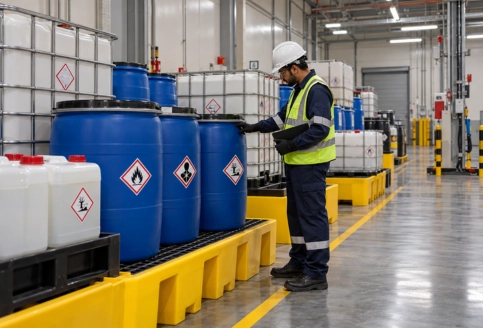
Protective packaging for chemical products.
Casein-based food protection layers.
These materials reduce waste while maintaining product protection during storage and handling.
Agricultural by-products that were once discarded are now being transformed into valuable packaging materials. This approach supports waste reduction while creating new sustainable resources.
Examples include:
Areca palm leaf containers.
Banana fibre paper.
Crop waste pallets.
Natural fibre protective sheets.
Agricultural pulp packaging.
These materials provide strong performance while supporting responsible resource management.
| Packaging Alternative | Main Material | Best Applications | Environmental Benefit |
|---|---|---|---|
| Plant-Based Compostables | Sugarcane, Cornstarch, Mycelium | Food, retail, protective packaging | Compostable and renewable |
| Paper-Based Packaging | Kraft paper, recycled fibre | Shipping, food, storage | Highly recyclable |
| Circular Packaging Systems | Reusable materials | E-commerce, logistics | Multiple reuse cycles |
| Minimalist Packaging | Reduced packaging materials | General shipping | Less waste and lower emissions |
| Seaweed Packaging | Marine biomass | Food and flexible packaging | Biodegradable without microplastics |
| Reusable Logistics Equipment | Durable polymers | Warehousing and transport | Long service life |
| Water-Soluble Packaging | PVA, casein | Healthcare and industrial use | Dissolves safely after use |
| Agricultural Waste Packaging | Palm leaves, banana fibre | Food and industrial packaging | Uses renewable agricultural waste |
Sustainable packaging creates value beyond environmental protection. Businesses can improve efficiency while meeting customer and regulatory expectations.
Major benefits include:
Lower plastic waste through reusable and recyclable materials.
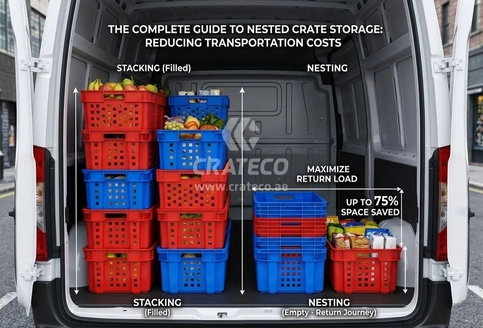
Reduced transportation costs using lighter packaging.
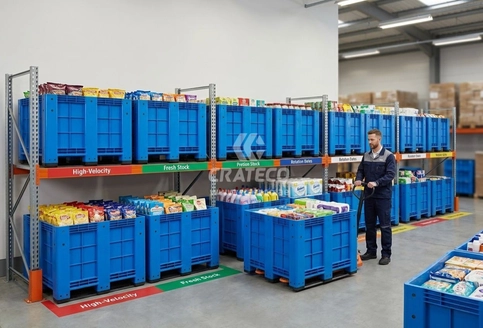
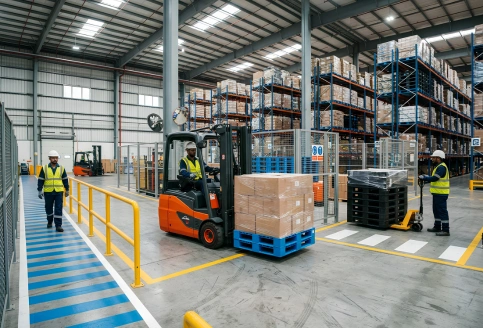
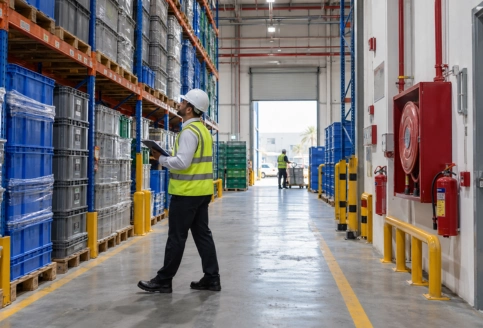
Better warehouse efficiency with durable reusable containers.
Lower disposal expenses through recycling and reuse.
Support for circular economy initiatives across supply chains.
Improved brand reputation among environmentally conscious customers.
Compliance with environmental regulations in the UAE.
Reduced carbon footprint across transportation and distribution.
These benefits help companies improve both sustainability performance and long-term operational efficiency.
Moving to environmentally friendly packaging requires careful planning. Businesses should evaluate operational requirements before changing packaging materials.
Important challenges include:
High temperatures can affect some biodegradable materials if storage conditions are not suitable.
Compostable materials require proper waste processing facilities.
Initial investment may be higher for reusable packaging systems.
Staff may need training on new handling procedures.
Packaging must remain compatible with automated warehouse equipment.
Product protection should never be compromised during transportation.
Understanding these factors helps businesses choose packaging that delivers both sustainability and reliable performance.
Selecting suitable packaging depends on several operational requirements. Every supply chain handles different products, transportation methods, and storage conditions.
Businesses should evaluate:
Product weight and dimensions.
Transportation distance.
Warehouse handling systems.
Moisture and temperature exposure.
Load capacity requirements.
Expected reuse cycles.
Recycling opportunities.
Total lifecycle cost.
A well-planned packaging strategy improves efficiency while supporting long-term environmental goals.
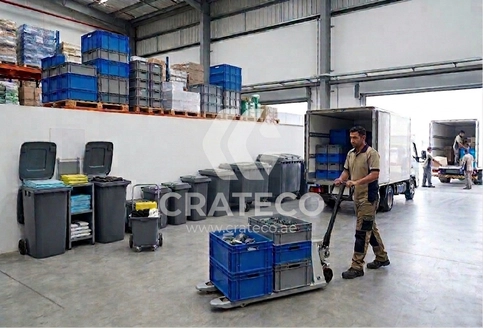
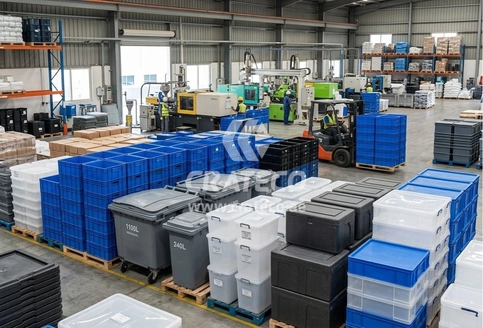
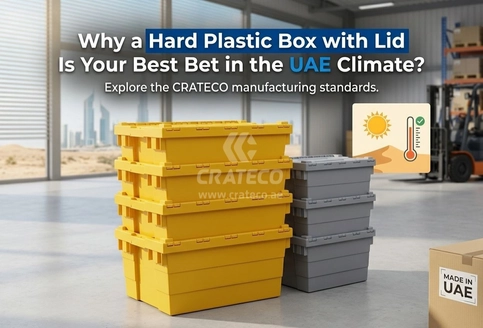
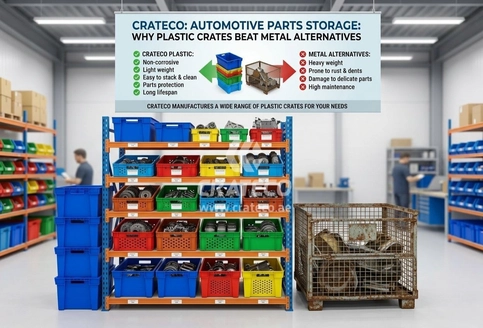
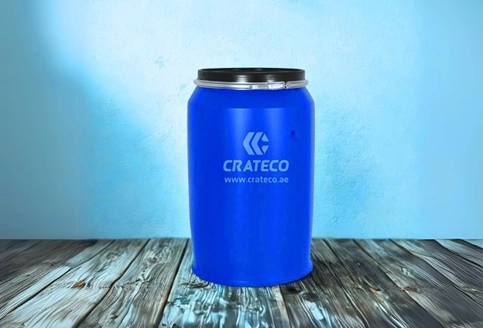
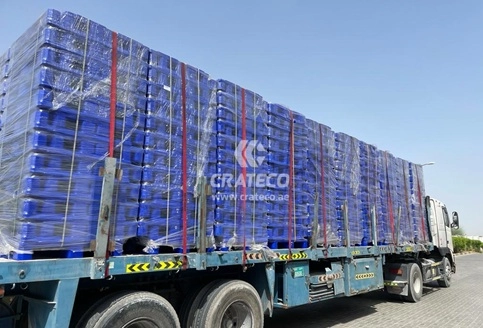
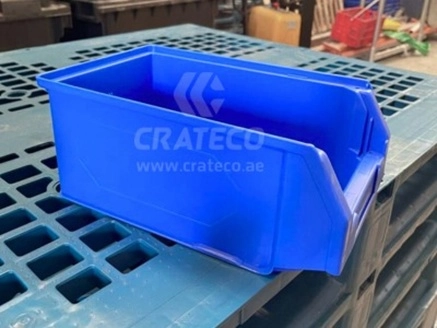
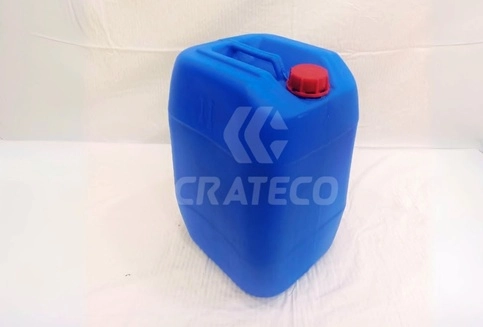
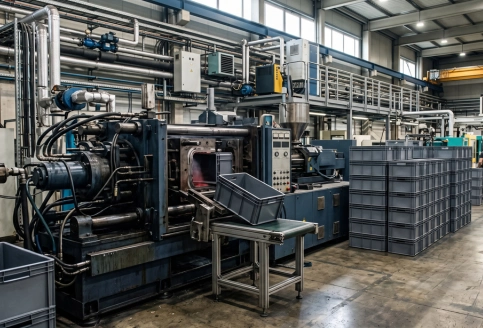
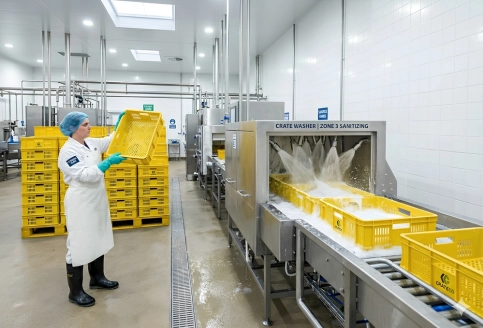
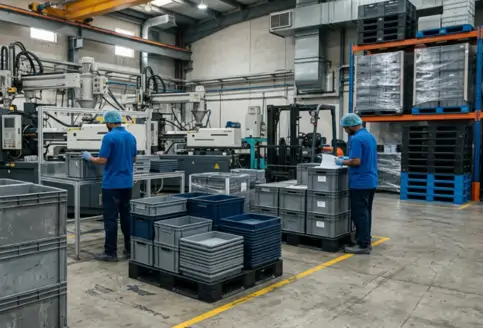
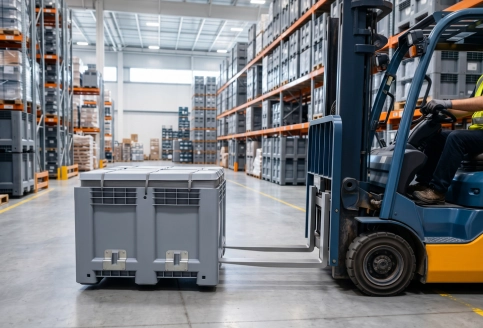
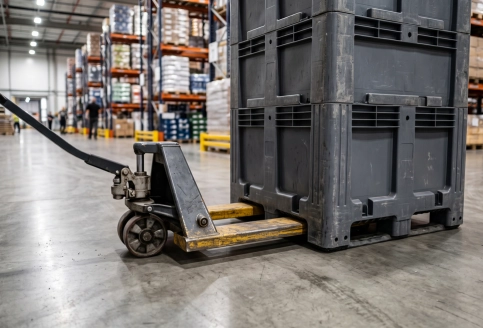
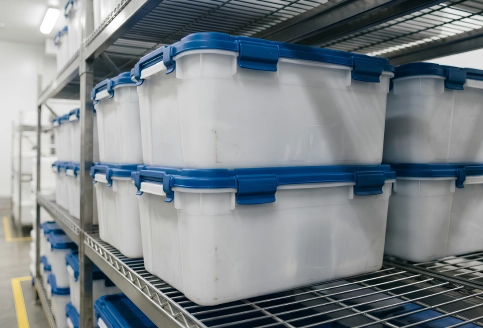
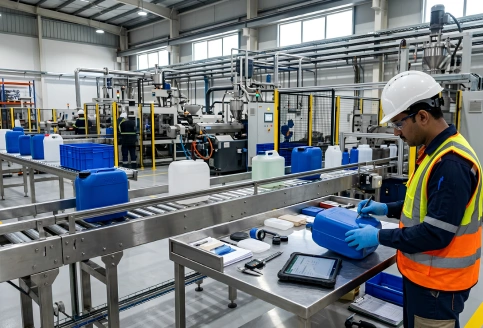
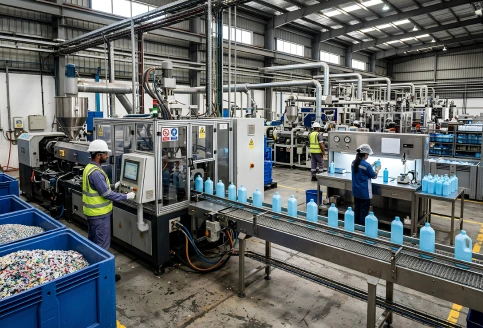
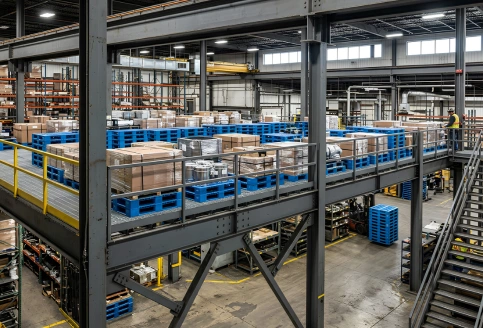
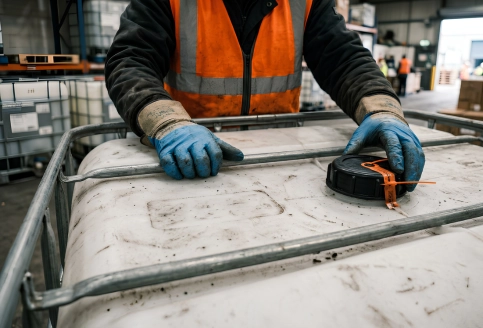
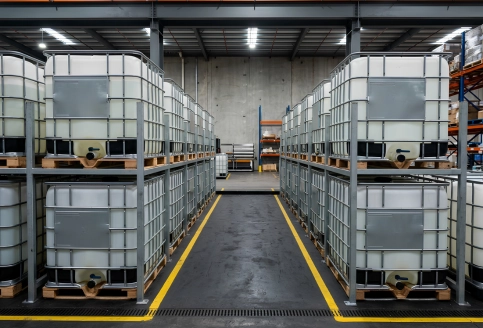
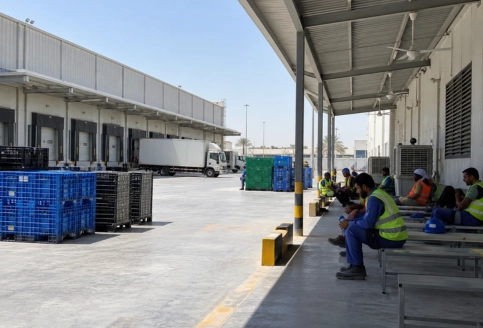
Although many discussions focus on biodegradable materials, reusable plastic packaging continues to play an important role in sustainable logistics. High-quality plastic crates, pallets, and industrial containers are designed for hundreds of reuse cycles before recycling at the end of their service life.
Reusable plastic packaging reduces the need for continuous manufacturing of disposable materials, lowers transportation damage, and improves warehouse productivity.
When properly managed within a returnable logistics system, these products support circular economy principles while providing excellent durability, hygiene, and load stability for industrial operations.
Building greener supply chains has become an important priority for businesses across the UAE. Businesses can reduce their environmental impact by using sustainable packaging solutions such as plant-based materials, advanced paper packaging, reusable logistics systems, and minimalist packaging designs.
These options, along with seaweed-based materials, dissolvable packaging, and agricultural waste products, also improve supply chain efficiency while reducing packaging waste.
Every business should evaluate its products, logistics process, and reuse opportunities before selecting the most suitable packaging solution. Combining sustainable materials with reusable industrial packaging creates a stronger, more efficient, and environmentally responsible supply chain.
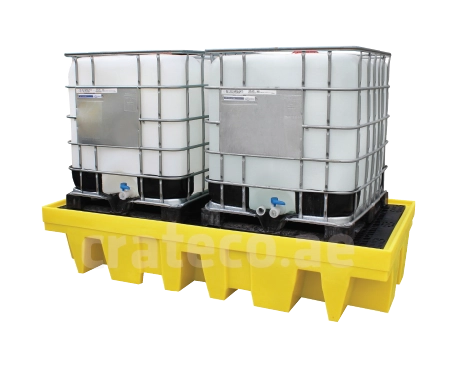
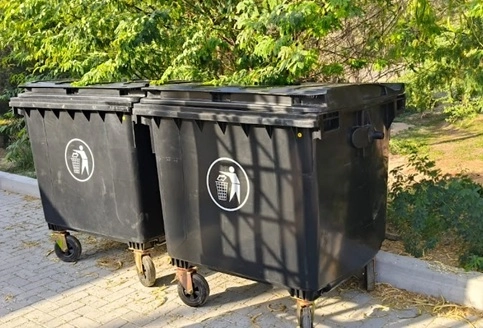
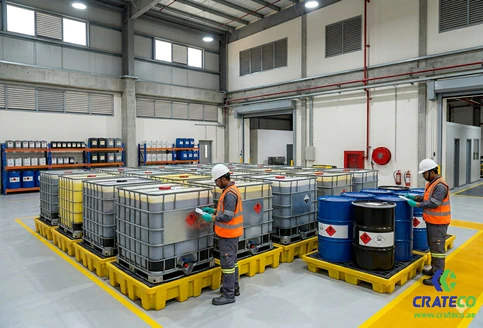
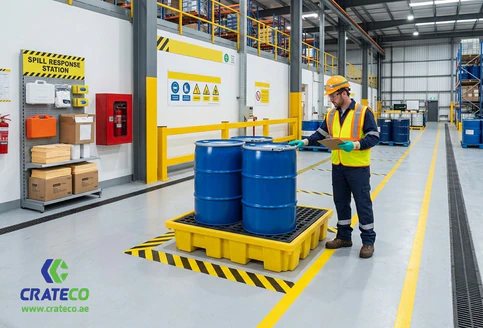
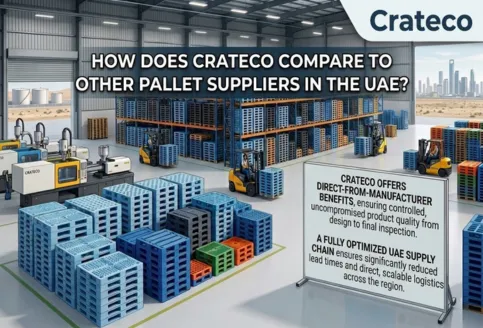
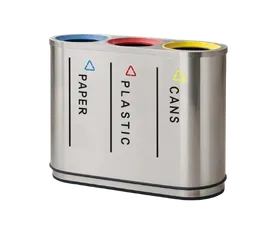
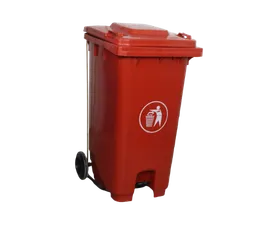
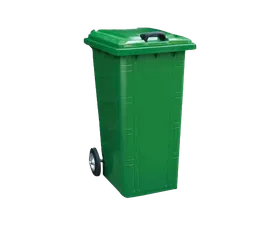
If your business is looking for durable and sustainable industrial packaging solutions, Crateco Pack LLC is one of the trusted crate suppliers in the UAE. Crateco provides high-quality plastic pallets, plastic crates, spill pallets, waste bins, and industrial material handling products that support efficient, reusable, and environmentally responsible supply chain operations.