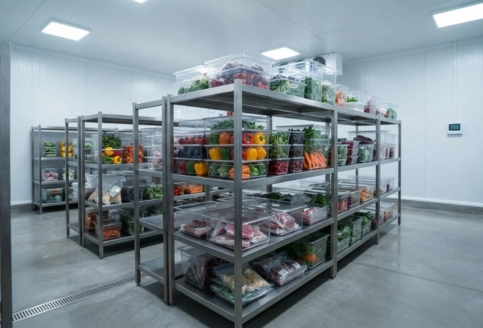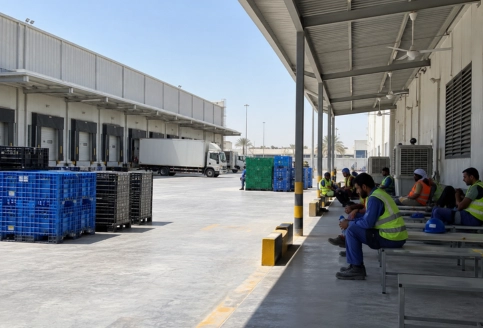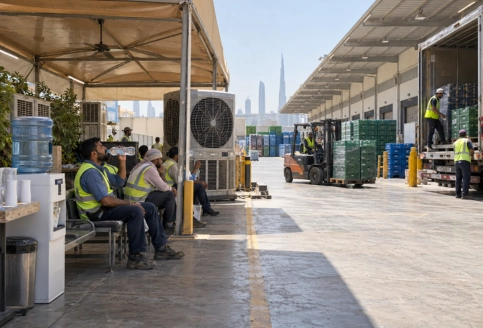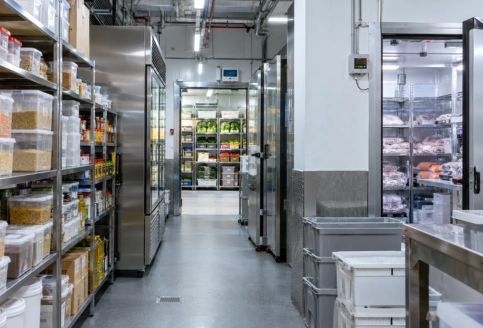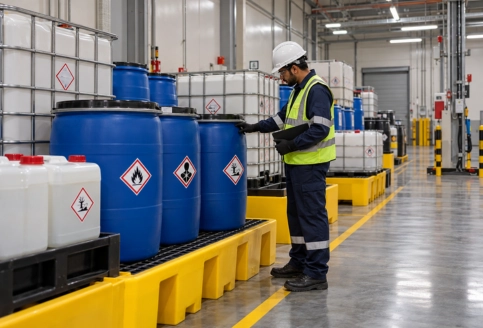
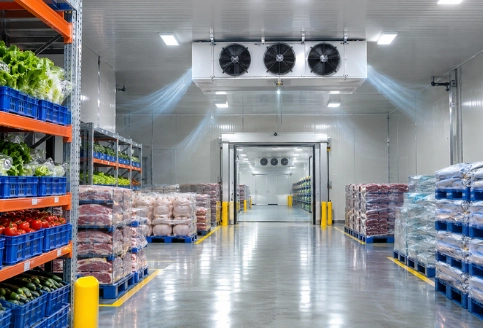
A cold store in the UAE is not just a warehouse with strong air conditioning. Regulators treat it as a controlled space where one warm hour can make stock unsafe to sell.
Cold chain compliance in the UAE rests on three things: the right temperature band for each product, the right licence from the authority that covers it, and records that prove the temperature held.
Food cold stores answer to municipal food safety teams and Gulf standards such as UAE.S GSO 323, while medicines fall under the Emirates Drug Establishment and health authority storage rules. Hygienic, washable packaging and documented cleaning complete the picture.
Most UAE food cold stores work to three bands: chilled at 0 to 5°C, frozen at -18°C or colder, and controlled ambient for dry goods. Some operators also run deep-frozen rooms at around -25°C for long-term storage.
Medicines are stricter. Dubai pharmacy inspection checklists require refrigerated products to stay between 2 and 8°C, and drug storage areas must have both temperature and humidity control.
Humidity is the band many operators forget. Inspection practice commonly expects pharmaceutical storage to stay below about 65% relative humidity, which takes real effort in a coastal climate.
| Product type | Typical storage band | Main reference |
|---|---|---|
| Chilled food | 0 to 5°C | Emirate food codes, UAE.S GSO 323 |
| Frozen food | -18°C or colder | UAE.S GSO 323 |
| Refrigerated medicines | 2 to 8°C | Health authority rules, GSDP |
| Ambient medicines | Controlled room temperature, humidity controlled | GSDP |
| Vaccines | 2 to 8°C in a dedicated fridge | Health authority rules |
A cold store that holds food is a regulated food establishment, not ordinary warehousing. In Dubai, the Dubai Municipality Food Safety Department licenses and inspects these sites under the Dubai Food Code, while ADAFSA covers food facilities in Abu Dhabi.
At the federal level, UAE.S GSO 323 sets general requirements for transporting and storing chilled and frozen foods. Other mandatory standards cover food packaging, hygiene and expiry dates.
Medicines are regulated by the Emirates Drug Establishment (EDE), the federal authority set up in 2023. In late 2025, a large group of pharmaceutical services moved to the EDE from the Ministry of Health and Prevention, while the national Good Storage and Distribution Practice rules remain the working reference.
Emirate health authorities add their own layer. Abu Dhabi's Department of Health published a revised drug supply, storage and distribution standard in December 2025, effective from April 2026.
The EDE has also launched a third-party logistics model. Firms can now store medicines with an existing EDE-licensed medical warehouse instead of building their own GDP-compliant site.
Inspectors look for proof, not promises. They expect continuous temperature monitoring, calibrated sensors, working alarms, and logs that show every excursion and what was done about it.
Temperature mapping is a common requirement for pharmaceutical stores. It shows that the whole room holds its band, including corners, doorways and upper racks, in both summer and winter.
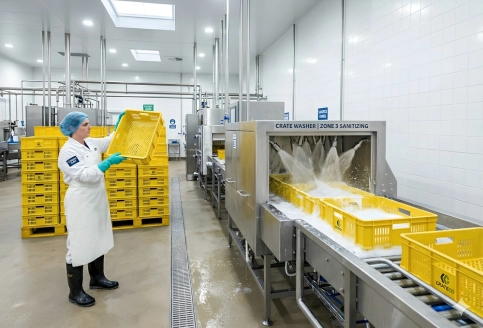
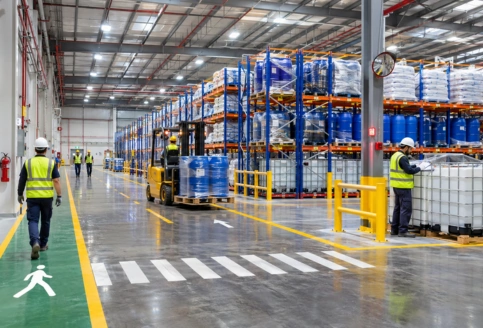
Hygiene is checked as closely as temperature. Floors, racks, pallets and crates must be clean, in good repair and free of pests, with cleaning schedules signed and dated.
Food cold stores need a HACCP plan that names temperature as a critical control point. Many also hold ISO 22000 certification to show customers a complete food safety system.
Staff training records, pest control reports and cleaning logs sit alongside temperature data. Missing paperwork can fail an inspection even when the product itself was fine.
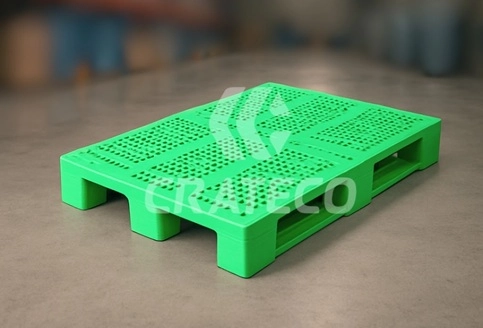
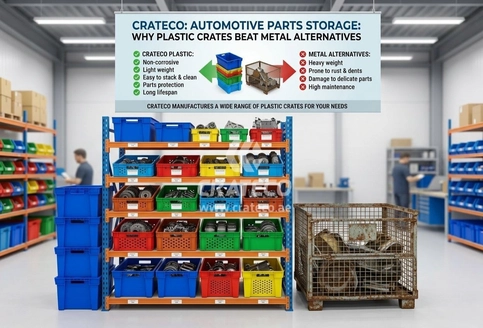
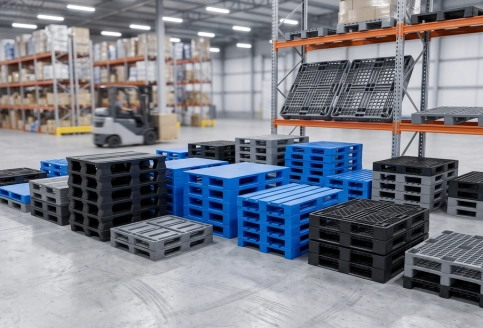
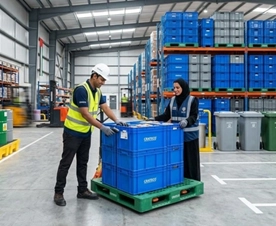
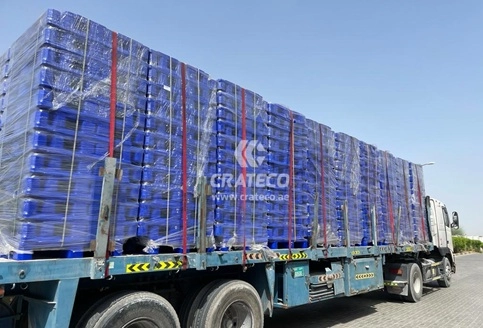
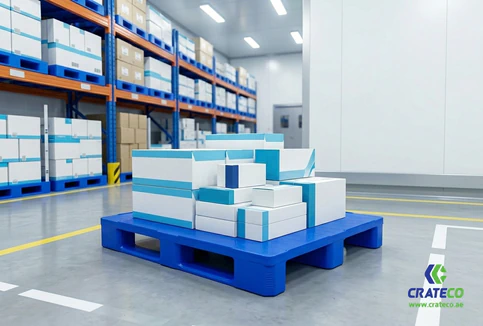
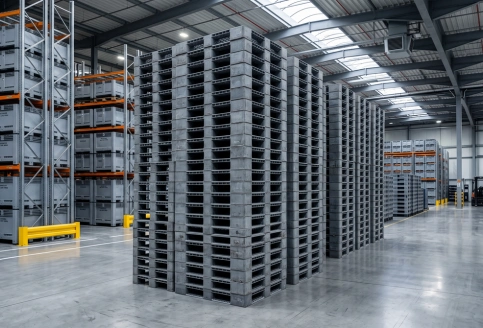
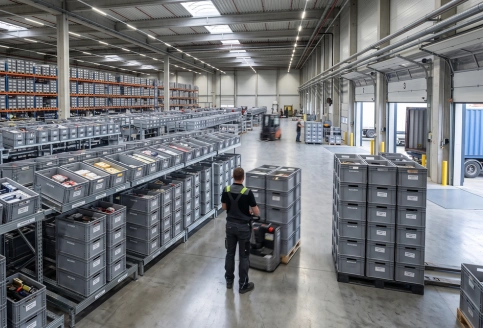
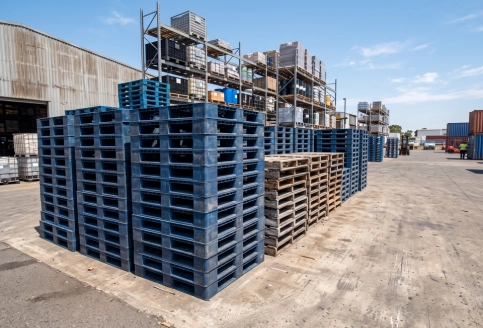
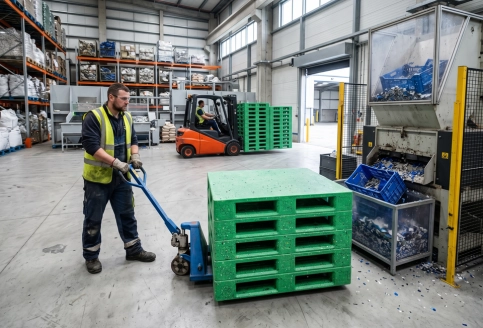
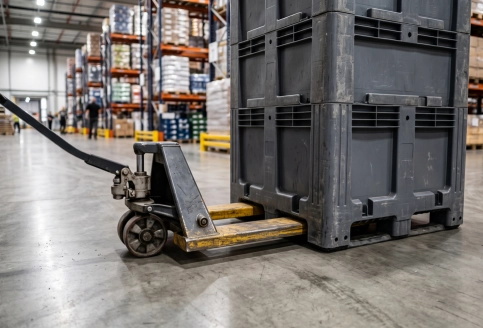
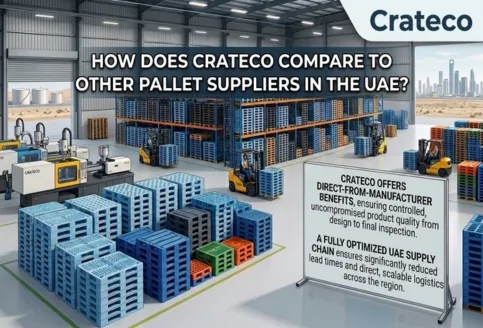
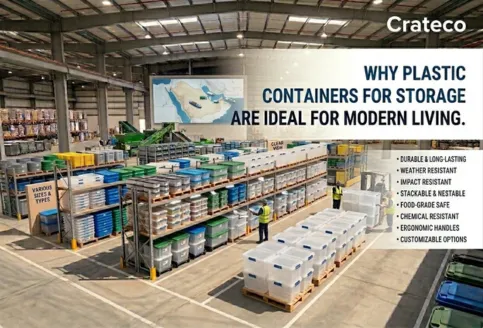
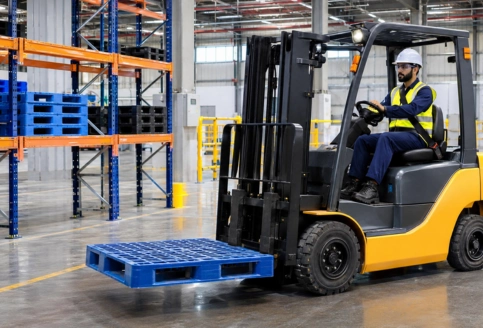
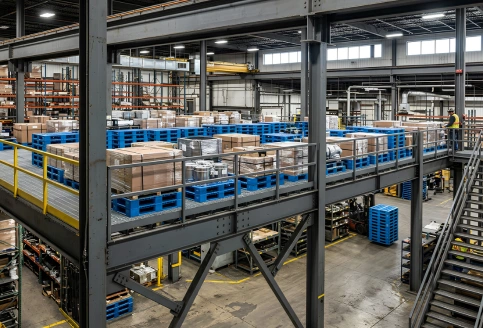
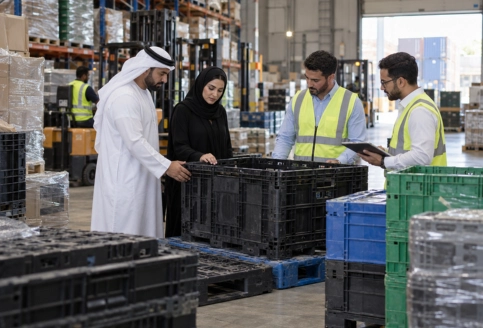
Packaging is part of compliance because it touches both the product and the floor. Wooden pallets absorb moisture, can harbour mould and are hard to sanitise, which is why many cold stores prefer plastic pallets with smooth, washable surfaces.
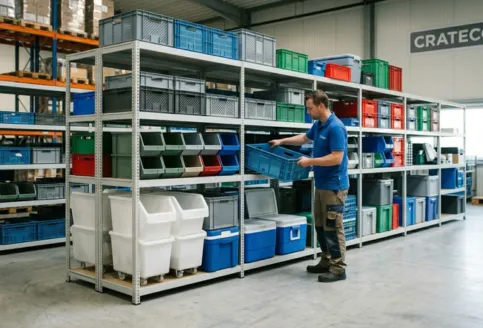
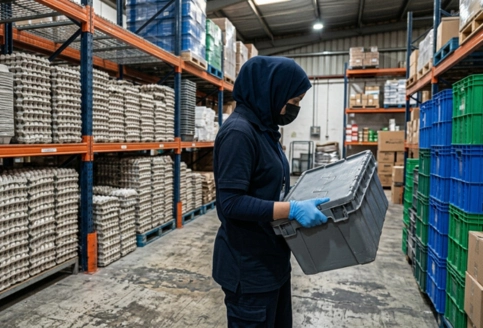
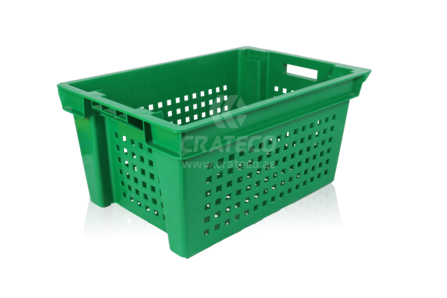
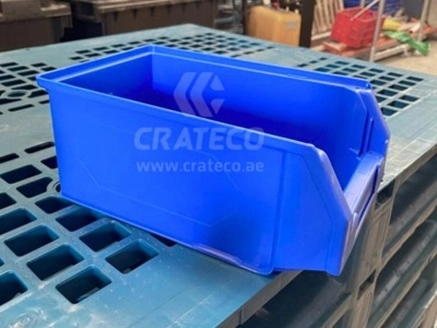
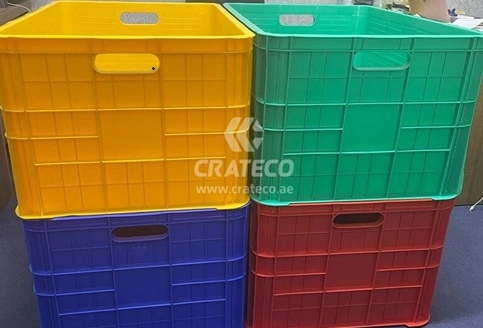
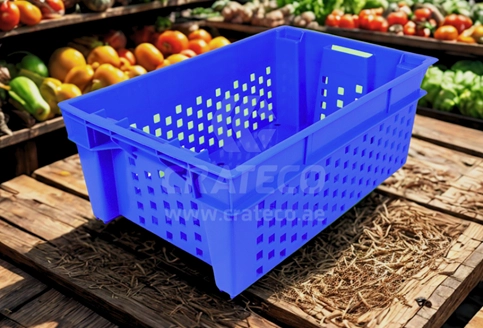
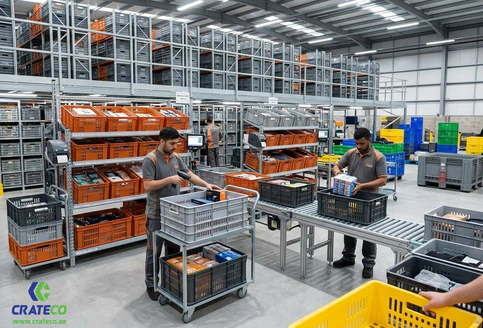
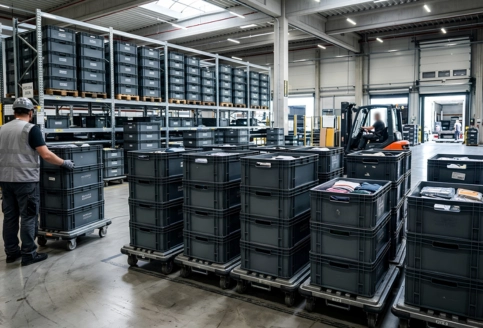
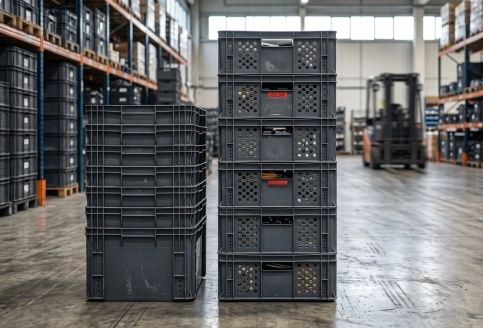
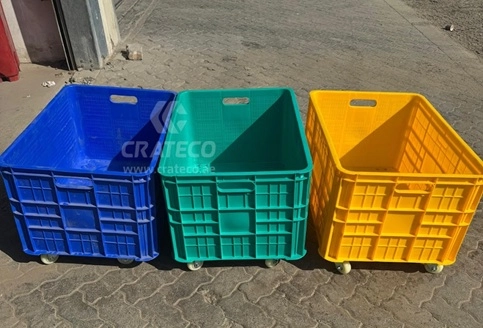
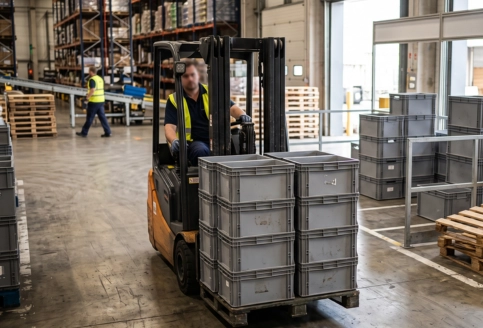
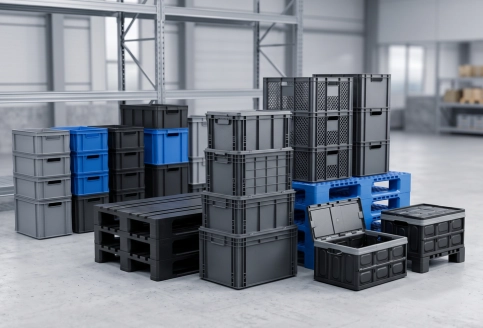
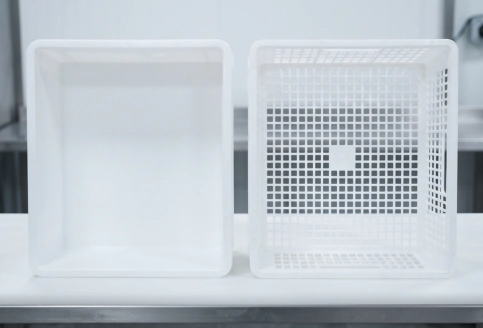
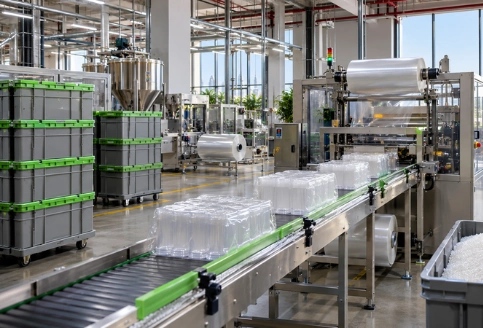
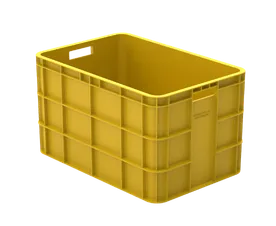
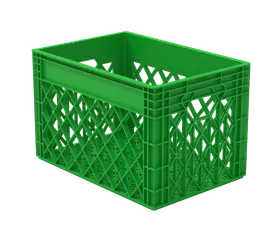
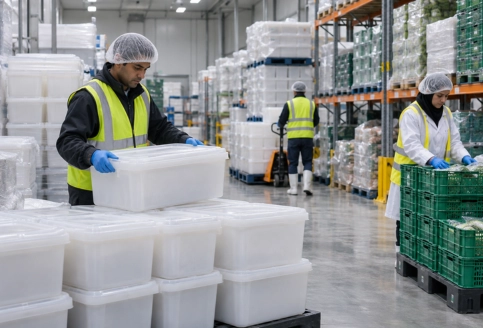
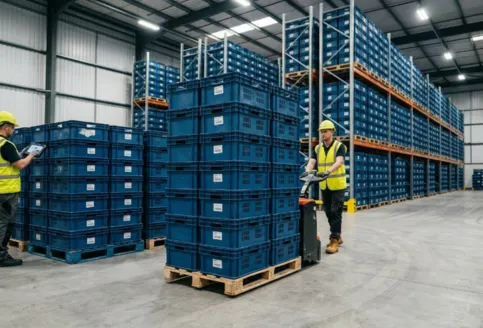
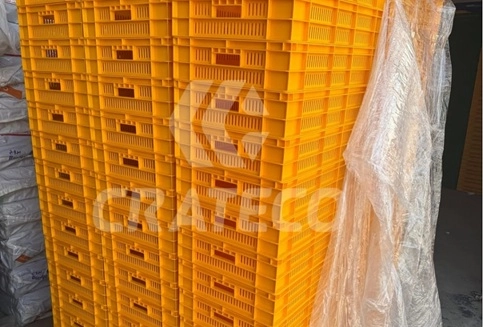
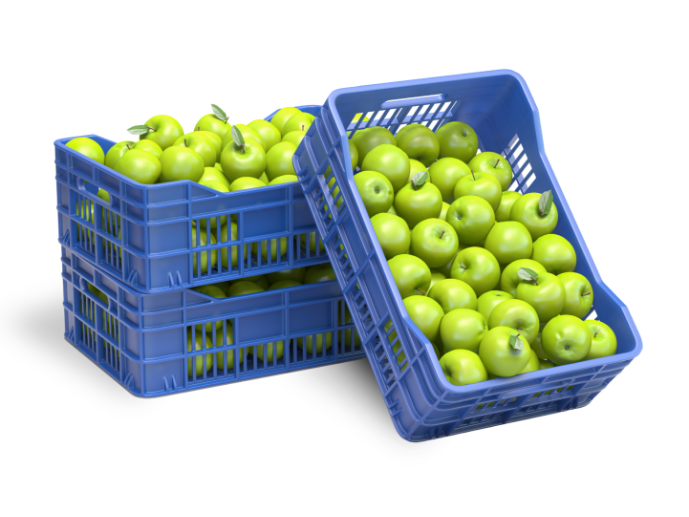
Cardboard cartons soften in chilled rooms and can collapse in tall stacks. Reusable plastic crates keep their strength when cold and wet, can be washed between uses, and remove a whole secondary packaging layer.
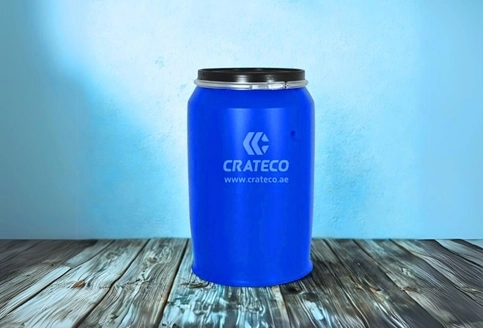
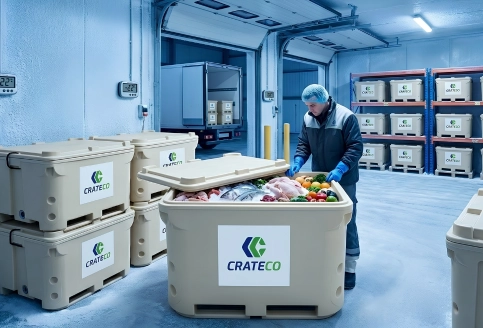
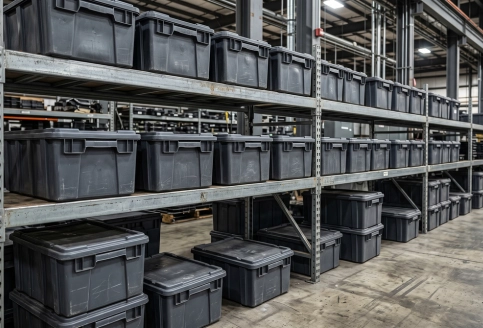
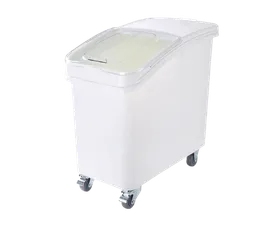
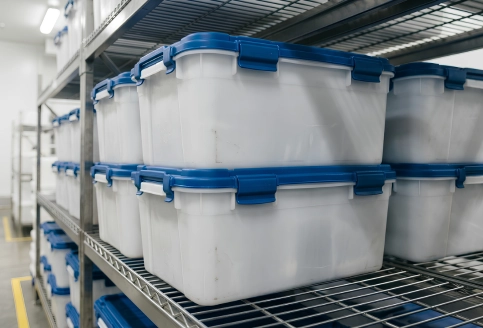
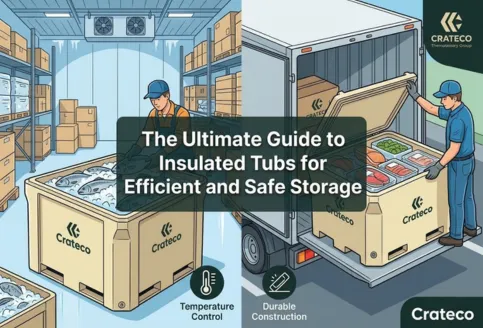
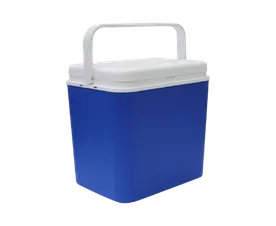
Insulated tubs protect chilled seafood, meat and medical goods during short transfers outside the cold room. They slow temperature rise while trucks are loaded at the dock.
| Packaging item | Cold chain benefit | Compliance point |
|---|---|---|
| Plastic pallets | Washable, splinter-free, moisture resistant | Hygiene and pest control checks |
| Plastic crates | Keep their shape when cold and wet | Clean, reusable food-contact handling |
| Insulated tubs | Hold temperature during transfers | Fewer excursions at loading bays |
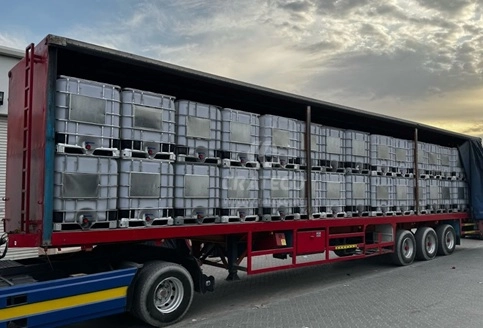
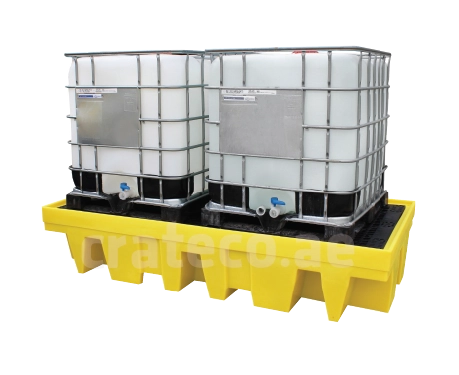
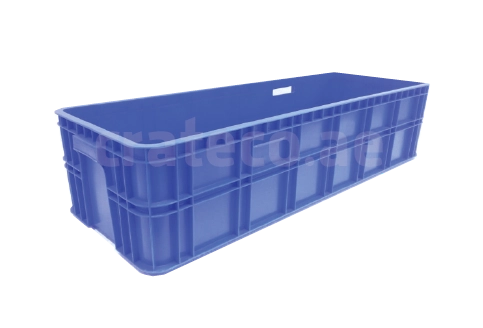
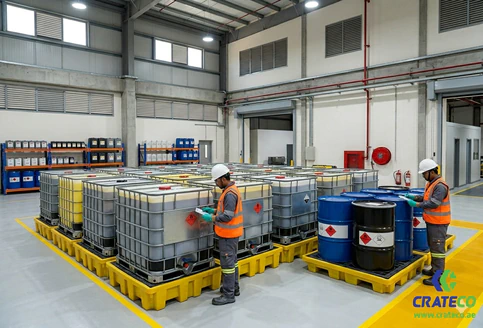
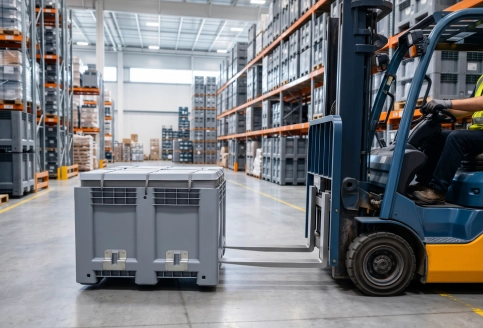
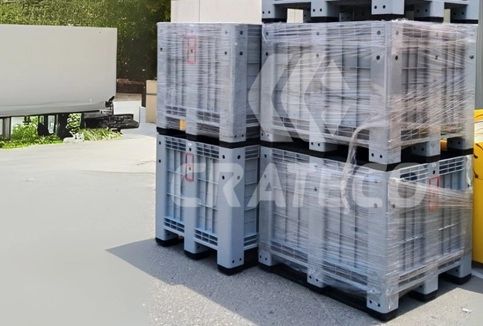
| Pallet boxes | Bulk storage of produce and frozen goods | Easy to clean and stack |
The most common gaps are simple ones. Doors left open during loading, overfilled rooms that block airflow, and probes placed in the wrong spot all cause excursions.
Mixing product types is another frequent finding. Food, medicines and chemicals need separate areas or separate licences, and raw and ready-to-eat foods must be kept apart.
Worn packaging also draws attention from inspectors. Cracked crates and broken pallets trap dirt and should be replaced rather than patched.
Chilled food is generally held between 0 and 5°C, and frozen food at -18°C or colder. Check your local food authority's activity rules for any product-specific limits.
The Emirates Drug Establishment regulates medical warehouses at federal level. Health authorities in Dubai and Abu Dhabi also set storage standards for facilities in their emirate.
No single UAE rule bans them, but they are hard to clean and absorb moisture. Many food and pharma operators switch to plastic pallets to pass hygiene inspections more easily.
Retention periods vary by authority and product, so check your licence conditions. Many operators keep records for at least the product's shelf life plus a margin for recalls.
Cold chain rules in the UAE come down to one idea: prove the product stayed in its band from arrival to dispatch. Every log, probe and clean crate supports that proof.
Chilled food sits at 0 to 5°C, frozen food at -18°C, and refrigerated medicines at 2 to 8°C. Food stores answer to municipal food safety teams and Gulf standards, while medicines fall under the Emirates Drug Establishment and health authorities. Strong cold chain compliance pairs continuous monitoring with hygienic, washable packaging.
Crateco Pack LLC supplies hygienic plastic pallets, crates and insulated tubs for food and pharma cold chains from its Ajman base. Explore the insulated tubs range for chilled and medical transfers.