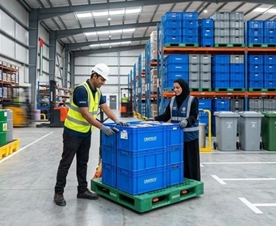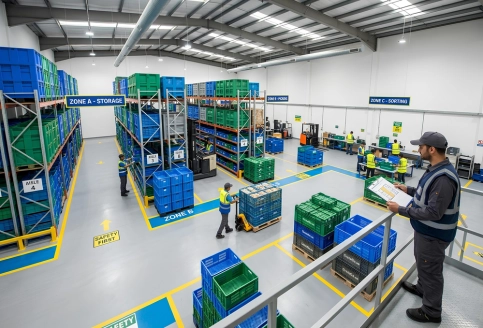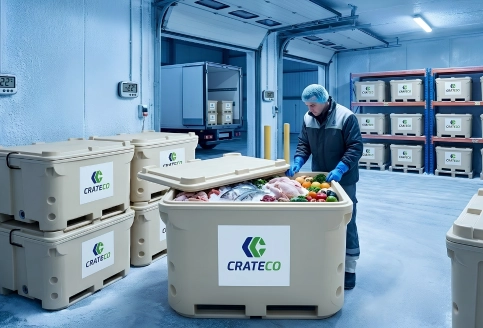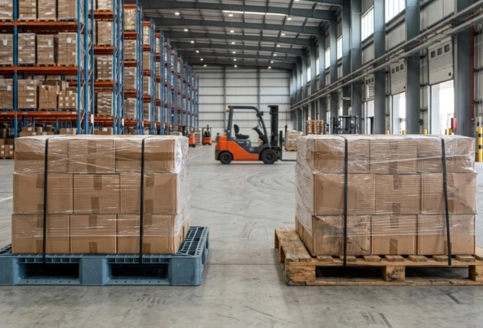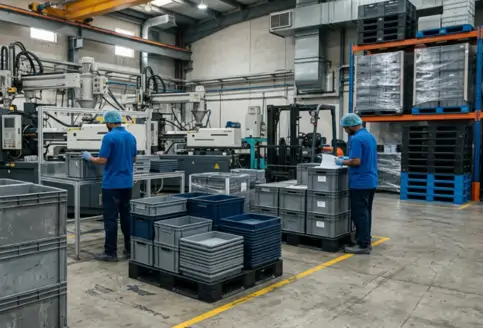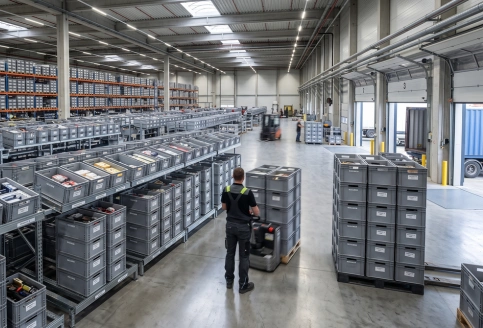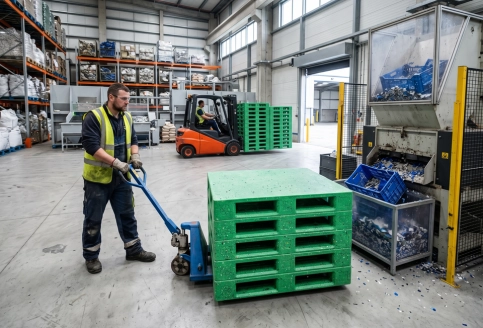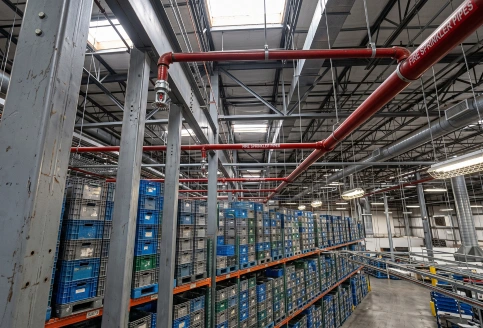

Warehouse productivity depends on how easily goods move from one location to another. Choosing containers that are compatible with standard pallet jacks helps businesses improve loading speed, reduce equipment damage, and maintain safe material handling operations.
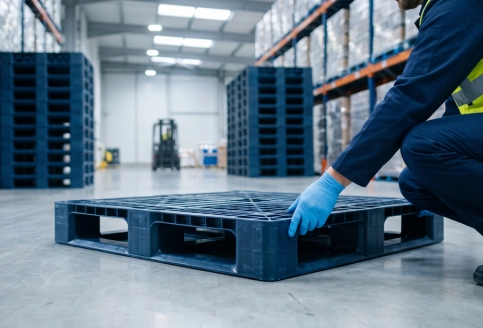
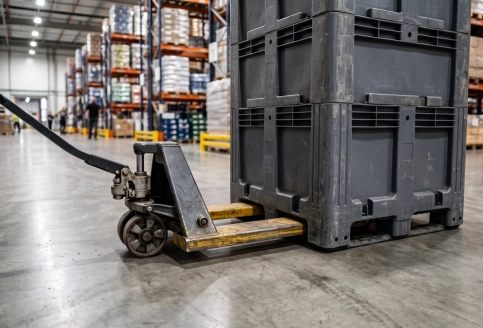
Even a well-designed container can create delays if pallet jack forks cannot enter or lift it properly. Containers that work with pallet jacks have the correct fork entry size, sufficient ground clearance, proper weight distribution, and a stable base design.
Features such as four-way entry, reinforced bottoms, and suitable fork pocket dimensions make handling easier and safer. Selecting compatible containers helps warehouses improve efficiency while reducing operational costs and equipment wear.
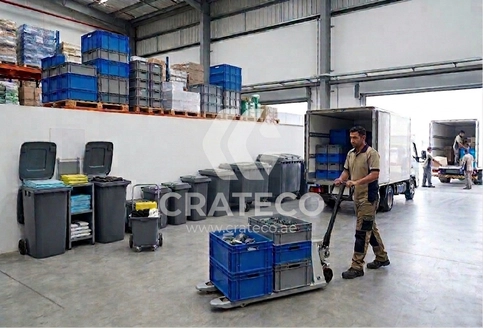
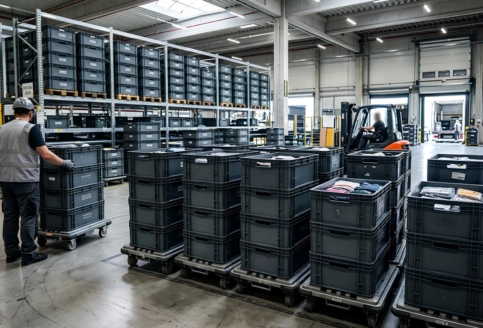
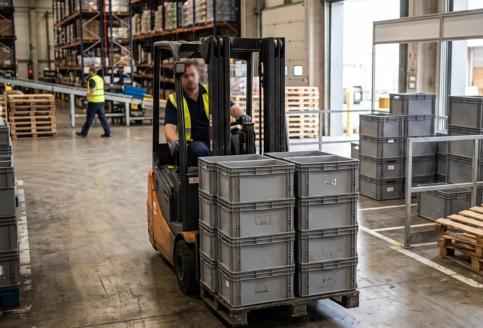
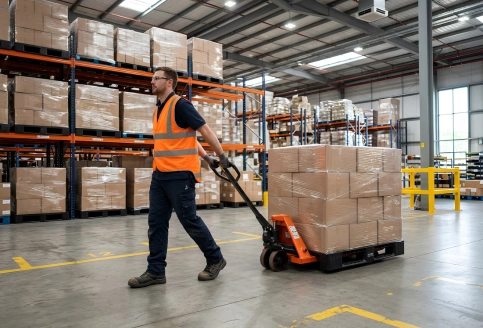
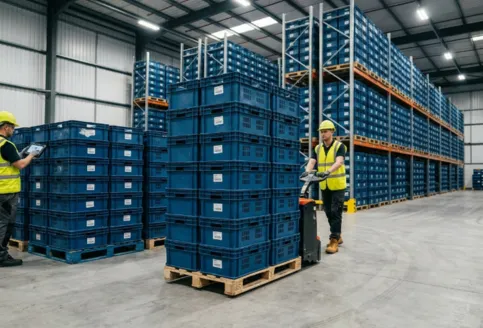
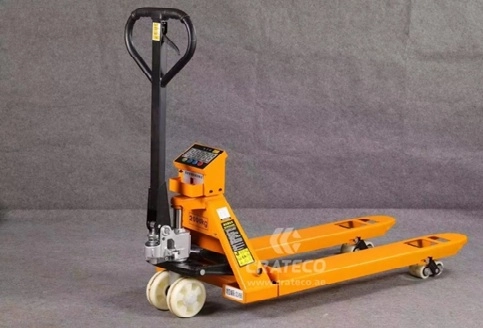
Pallet jacks are one of the most commonly used material handling tools in warehouses, factories, and distribution centers. They move products quickly between storage areas, loading docks, and production lines. If containers are not designed for pallet jack use, operators may struggle to lift or transport loads safely.
Proper compatibility reduces manual effort, improves workflow, and helps prevent damage to both products and handling equipment. It also allows warehouses to maintain faster operations without unnecessary interruptions.
Before choosing industrial containers, it is important to understand the dimensions of standard pallet jacks. Most warehouses use equipment with similar measurements, making these dimensions useful when selecting compatible packaging.
Typical pallet jack specifications include:
| Specification | Standard Size |
|---|---|
| Overall Fork Width | 27 inches |
| Narrow Fork Width | 21 inches |
| Common Fork Length | 48 inches |
| Short Fork Option | 36 inches |
| Typical Entry Clearance | Around 3 to 3.5 inches |
Matching container dimensions with these common sizes helps ensure smooth daily operations.
Several design features determine whether a container can be safely handled using a manual or electric pallet jack. Evaluating these features before purchasing helps avoid costly handling problems later.
Ground clearance is one of the first features to examine. The space beneath the container must be high enough for pallet jack forks to slide underneath without touching the base.
Insufficient clearance makes lifting difficult and may require specialized equipment. Maintaining adequate clearance also reduces scraping during transport and improves operator efficiency.
Important points include:
Proper ground clearance helps containers move safely throughout the warehouse.
Fork openings should be wide enough for pallet jack forks to enter without resistance. Narrow openings slow operations and increase the risk of damaging both the container and equipment.
Properly sized fork pockets also allow operators to position the pallet jack more accurately during lifting.
When evaluating a fork entry, check:
Correct fork entry sizing improves handling speed and reduces wear on containers.
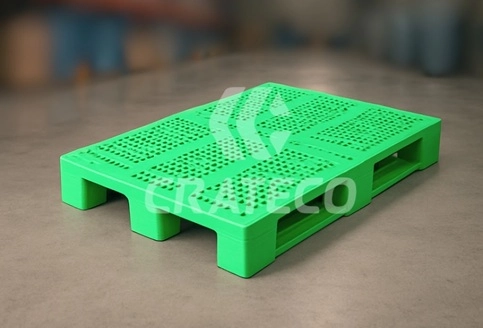
The number of entry points affects how easily containers can be moved inside busy warehouses. Four-way entry allows pallet jacks to approach from any side, offering greater flexibility in tight storage areas. Two-way entry limits access and may require extra maneuvering before lifting.
Benefits of four-way entry include:
Choosing the right entry design depends on the warehouse layout and workflow.
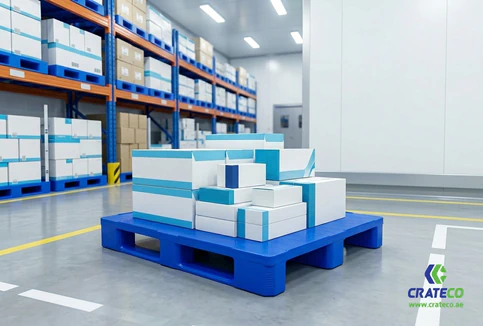
The base structure supports the entire load during lifting and transportation. Strong bases distribute weight evenly while reducing stress on the container. Containers with integrated feet or reinforced runners also provide better support for pallet jack forks.
Well-designed bases often include:
A stable base improves durability during repeated handling.
Evenly distributed weight helps pallet jacks transport loads safely. If most of the weight is concentrated at one end, the container becomes unstable and difficult to control. Balanced loading reduces strain on equipment while improving operator safety.
Good weight distribution provides:
Proper loading practices are just as important as selecting the right container.
Container length and width should match the pallet jack's fork size. Oversized containers with insufficient fork support may bend during lifting or become unstable during transport. Proper dimensions improve both safety and operational efficiency.
Before purchasing containers, verify:
Matching container size with equipment ensures reliable handling.
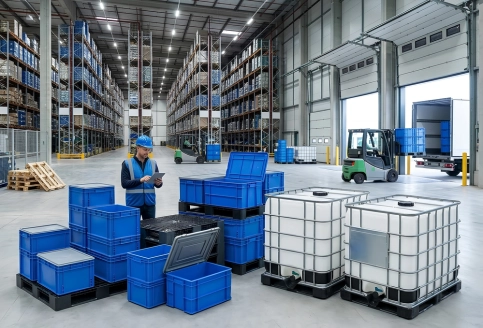
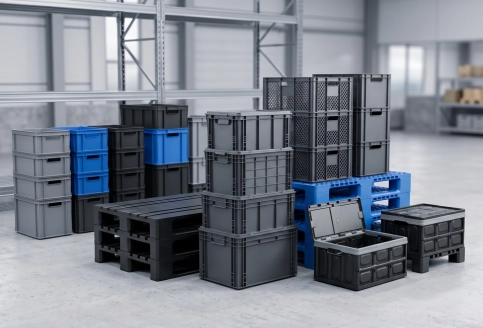
Different types of industrial containers are designed for different handling requirements. Understanding how each works with pallet jacks helps businesses choose suitable packaging solutions.
| Container Type | Compatibility |
|---|---|
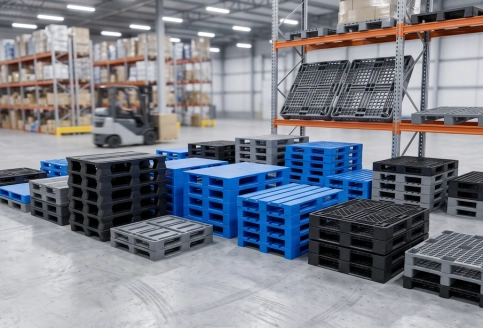
| Standard Wooden Pallets | Excellent for standard pallet jacks |
| GMA Pallets | Four-way entry improves handling |
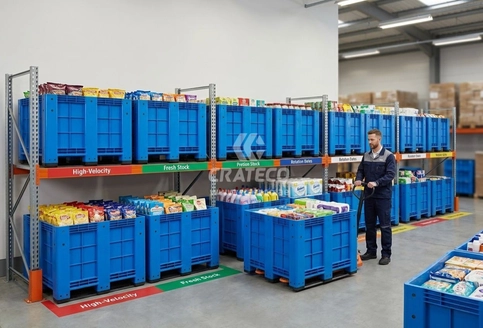
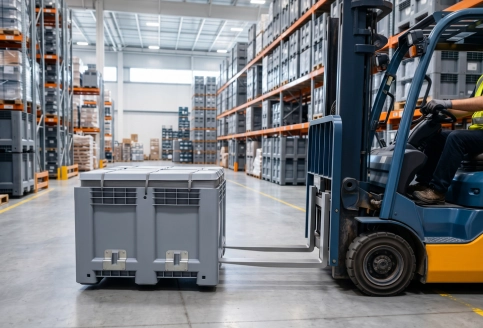
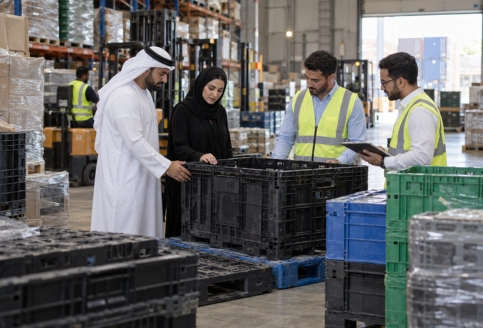
| Plastic Bulk Bins | Check fork opening dimensions |
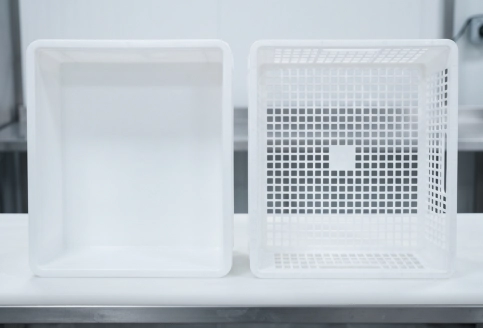
| Wire Mesh Baskets | Verify undercarriage clearance |
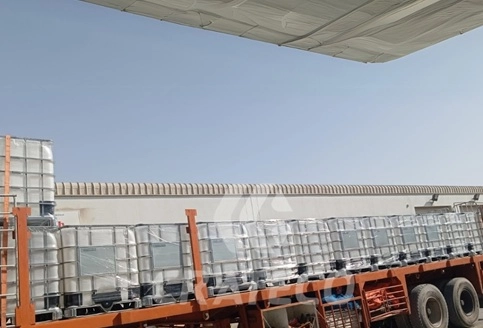
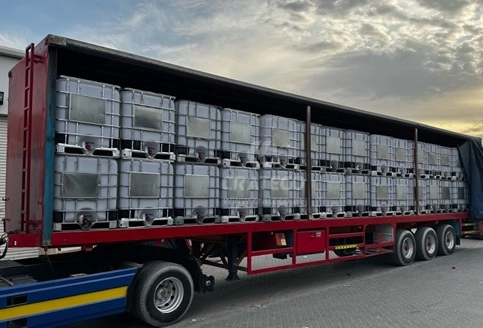
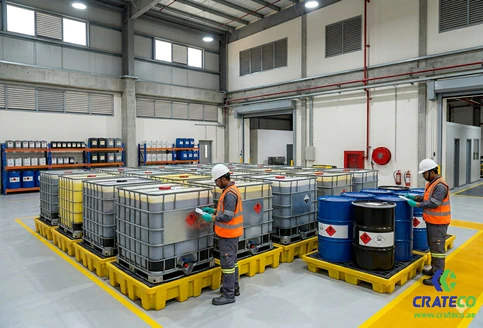
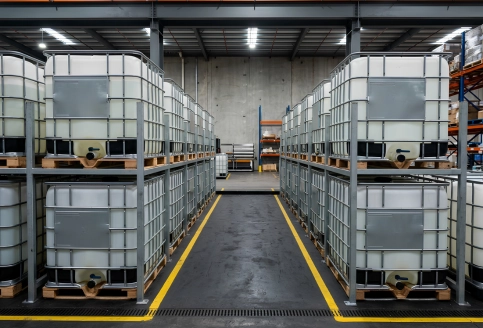
| Intermediate Bulk Containers (IBCs) | Usually compatible with standard forks |
Selecting the correct container type improves handling performance across different warehouse applications.
Containers that do not match pallet jack specifications can create several operational problems. These issues reduce productivity while increasing repair and replacement costs.
Common problems include:
Most of these issues can be prevented by choosing containers designed for standard material handling equipment.
Careful planning helps businesses select containers that perform well throughout their service life. Evaluating compatibility before purchasing reduces future operational challenges.
Consider these best practices:
These simple steps improve warehouse safety and long-term efficiency.
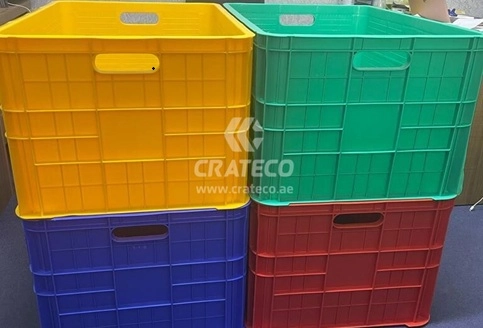
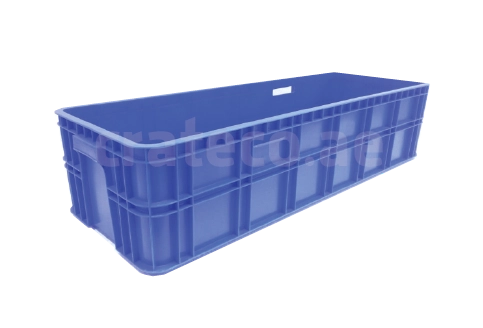
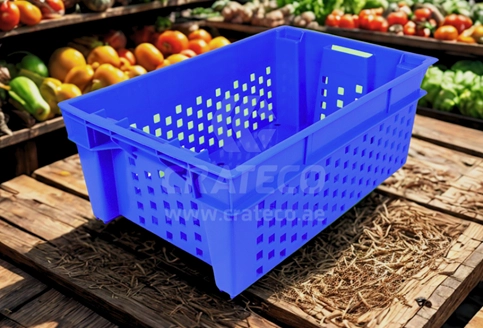
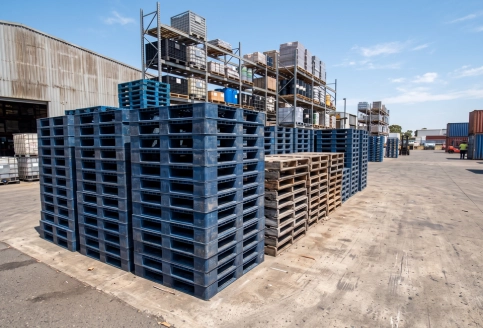
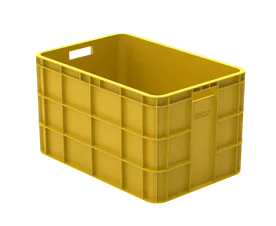
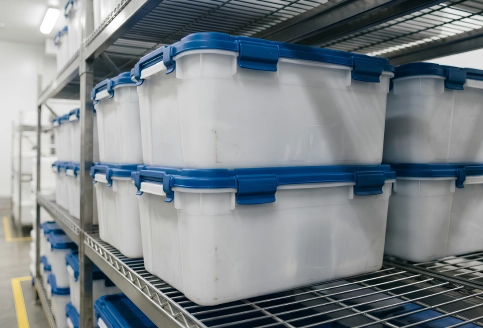
Industrial plastic containers are widely used because they combine strength, durability, and consistent dimensions. Their design allows smooth handling with pallet jacks while resisting moisture, chemicals, and repeated impacts.
Benefits include:
These features make plastic containers suitable for manufacturing, logistics, food processing, and distribution industries.
Many industries rely on pallet jacks for fast and safe material movement. Using compatible containers helps improve productivity while reducing equipment downtime.
Industries that benefit include:
Each sector has unique handling needs, making container compatibility an essential part of efficient warehouse operations.
Choosing containers that work with standard pallet jacks improves warehouse efficiency, product safety, and material handling performance.
Features such as proper ground clearance, suitable fork entry dimensions, strong base construction, balanced weight distribution, and four-way entry help create smoother daily operations.
Businesses that invest in compatible containers reduce equipment wear, minimize handling delays, and improve overall productivity across their supply chains.
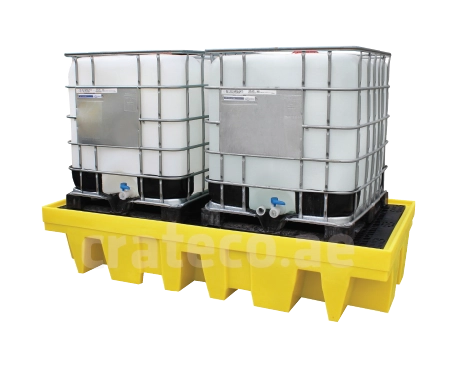
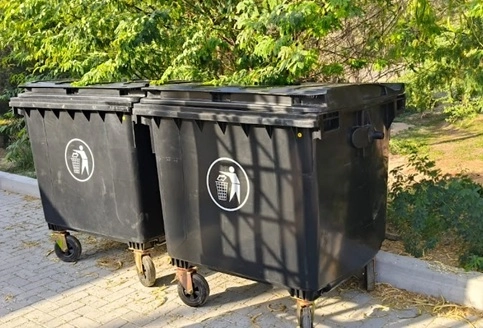
For dependable industrial packaging solutions, Crateco Pack LLC is a trusted manufacturer and supplier in the UAE. We offer high-quality plastic crates, plastic pallets, spill pallets, waste bins, and material handling products designed for compatibility with standard pallet jacks and modern warehouse equipment.