
When it comes to keeping goods fresh, safe, and at the right temperature, not just any container will do. Whether you are in the seafood industry, food processing, or pharmaceuticals, you need a solution that works as hard as you do.
At Crateco, we understand that your products are your priority. As a leading industrial plastic product supplier, we have seen how the right storage can transform a business. This guide will walk you through everything you need to know about insulated tubs and why they are the secret weapon for efficient logistics.
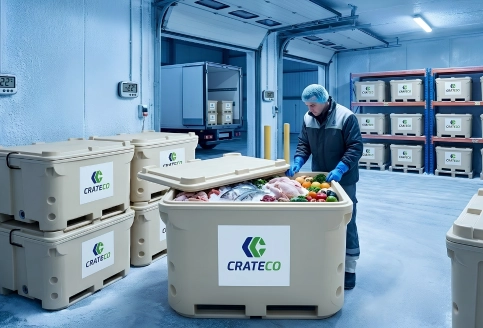
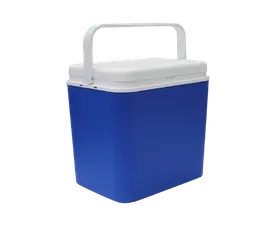
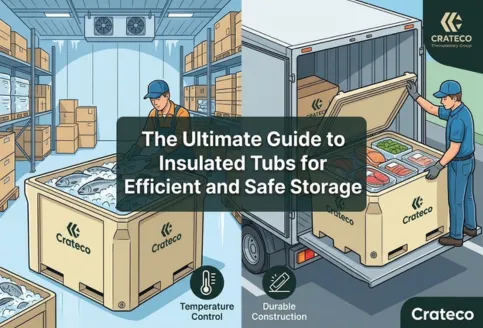
At their simplest, insulated tubs are heavy-duty containers designed with a double-wall structure. The space between these walls is filled with high-density foam (usually polyurethane). This creates a thermal barrier that keeps heat out and cold in.
Unlike standard plastic bins, these tubs act like giant thermoses. They are built to handle extreme temperatures and rough handling, making them the gold standard for temperature-sensitive transport.
Choosing the right storage is about more than just finding a box. It is about protecting your bottom line. Here is why these tubs are a game-changer:
The most obvious benefit is thermal retention. Whether you are transporting fresh fish on ice or chilled dairy products, these tubs maintain a steady internal temperature for long periods. This reduces the risk of spoilage and ensures your customers get the best quality.
Industrial environments are tough. Forklifts, pallet jacks, and constant loading can ruin flimsy containers. Insulated tubs are rotationally molded, which means they are one solid piece. This makes them incredibly strong and resistant to cracks or breaks.
Most high-quality insulated tubs are made from food-grade polyethylene. They have smooth surfaces and rounded corners, which makes them very easy to wash. This prevents bacteria from hiding in cracks, keeping your operations compliant with health standards.
Many people look at the initial cost and wonder if it's worth it. The answer is a loud "Yes!"
| Cost Saving Factor | How It Helps Your Business |
|---|---|
| Less Product Waste | When food stays cold, it doesn't rot. Reducing waste is the fastest way to increase profit. |
| Lower Energy Costs | Because the tubs hold the cold so well, you may spend less on refrigerated transport or extra ice. |
| Long Lifespan | A good tub can last for years, even decades. You won't have to keep buying replacements every few months. |
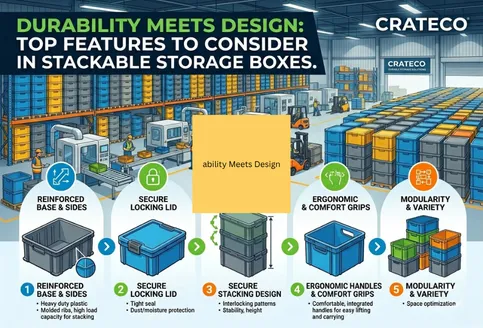
Not all tubs are created equal. When you are shopping for your business, keep an eye out for these key features:
| Feature | Why It Matters |
|---|---|
| Drain Plugs | Allows you to let out melted ice water without tipping the whole tub over. |
| Lid Locking Systems | Keeps cold air trapped and prevents spills during bumpy transport. |
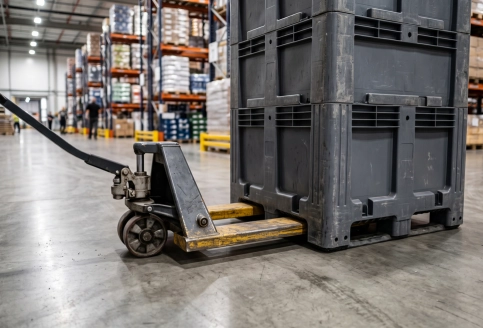
| Pallet Base | Enables forklifts or pallet jacks to lift the tub from at least two or four sides. |
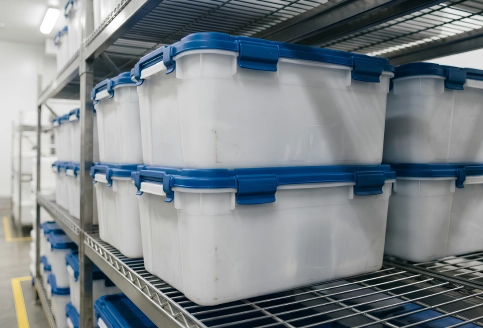
| Stackability | Maximises floor space by allowing safe stacking when tubs are full or empty. |
The materials used in insulated tubs are selected for strength and thermal performance. They must handle heavy use and harsh conditions.
| Material | Key Benefit |
|---|---|
| High-Density Polyethylene (HDPE) | Strong impact resistance and long-term durability in industrial environments. |
| Polypropylene | Lightweight strength with excellent resistance to chemicals and moisture exposure. |
| Foam Insulation Layers | Improves temperature retention and significantly reduces heat transfer during storage. |
| Double-Wall Construction | Adds structural strength and enhances insulation for better overall performance. |
While almost anyone can use a good cooler, these industries rely on them daily:
From the moment a fish is caught until it reaches the market, it must stay cold. Insulated tubs are used on boats, at docks, and in processing plants to keep seafood sea-fresh.
Raw meat requires strict temperature management to prevent the growth of harmful bacteria. Insulated tubs provide a safe, easy-to-clean environment for storing bulk meat.
Many medicines and vaccines are temperature-sensitive. Insulated tubs offer a secondary layer of protection during shipping to ensure these life-saving products remain effective.
If you take care of your tubs, they will take care of you. Maintenance is simple but important.
| Maintenance Step | Best Practice |
|---|---|
| Clean After Every Use | Use a mild detergent and warm water. Avoid harsh chemicals that could degrade the plastic over time. |
| Inspect the Gaskets | If your lid has a rubber seal, check it regularly for cracks. A broken seal lets cold air escape. |
| Store Properly | Keep tubs in a shaded area when not in use. Prolonged exposure to extreme sunlight can wear down any material. |
| Dry Completely | Before stacking with lids on, ensure tubs are bone dry to prevent musty smells. |
Yes! Sustainability is a big deal today. Using a long-lasting plastic tub is much better for the planet than using single-use Styrofoam boxes. Most polyethylene tubs can be recycled at the end of their long life, and because they last for years, they significantly reduce the amount of waste headed to landfills.
Choosing the right insulated tub ensures better performance and long-term use. It depends on your storage needs, and careful selection can improve efficiency and reduce costs.
| Key Factor | What to Consider |
|---|---|
| Size | Choose a size that matches your storage volume and allows proper space utilisation without overloading. |
| Material | Select durable materials that can handle your specific storage conditions and ensure long-lasting performance. |
| Insulation Level | Check how long the tub can maintain temperature based on your storage and transport requirements. |
| Usage Type | Pick tubs designed for food, medical, or industrial use depending on your application needs. |
| Durability | Look for strong construction that can withstand heavy use and rough handling over time. |
Insulated tubs are a reliable and efficient solution for modern storage needs. They help protect products, reduce waste, and improve safety.
Their strong design and temperature control features make them suitable for many industries. With proper selection and care, they offer long-term value.
If your business depends on safe storage and transport, insulated tubs are a smart choice. They provide peace of mind and consistent performance.
Most high-quality industrial tubs are compatible with dry ice, but always check with the manufacturer. Dry ice is much colder than regular ice and requires a tub that can handle extreme thermal stress.
This depends on the outside temperature and how often the lid is opened. However, a premium insulated tub can often keep ice for 3 to 7 days.
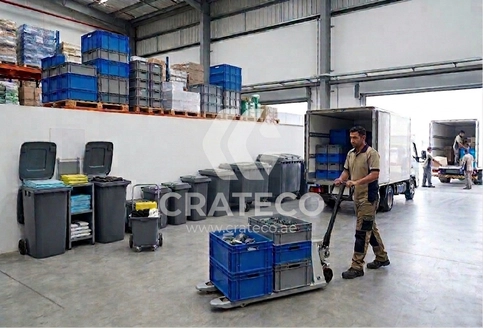
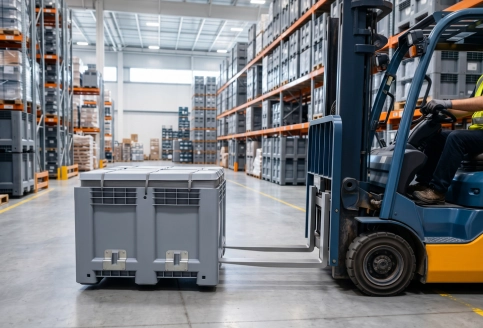
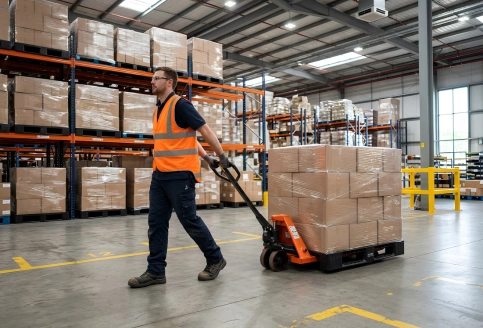
A full 1000-litre tub is very heavy! That is why the pallet-style base is so important. As long as you have a pallet jack or forklift, they are very easy to move around a warehouse.