Supply chain resilience is the ability of a business to keep running when things go wrong. It means recovering fast and losing as little time and money as possible. For businesses in the UAE, this is not optional. It is a basic requirement.
The UAE logistics market is set to surpass USD 31 billion by 2026, with demand for industrial and warehouse space rising 185% year-on-year in the first half of 2024 (Mordor Intelligence, 2025). In this market, every hour of downtime has a cost. A broken container, a spilled chemical, a jammed conveyor line - these problems do not stay small. They grow.
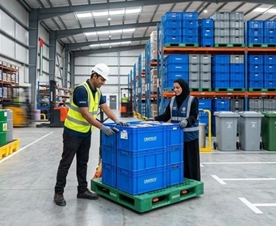
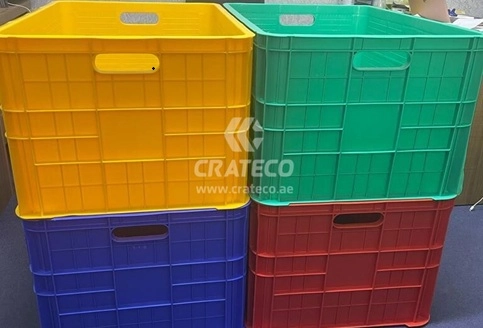
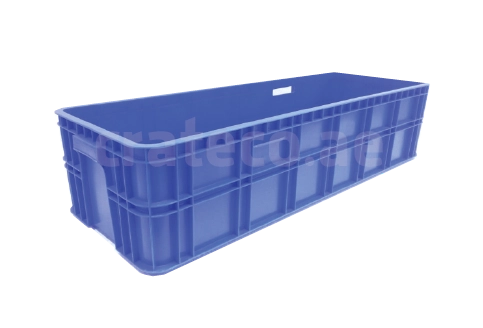
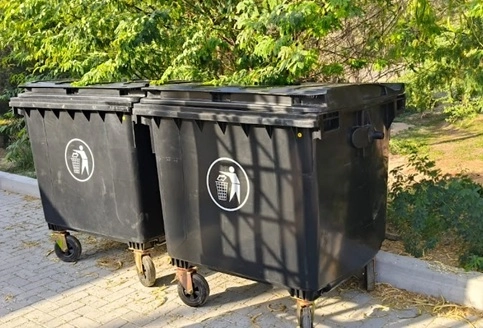
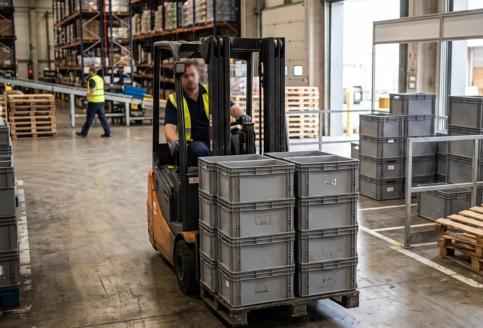
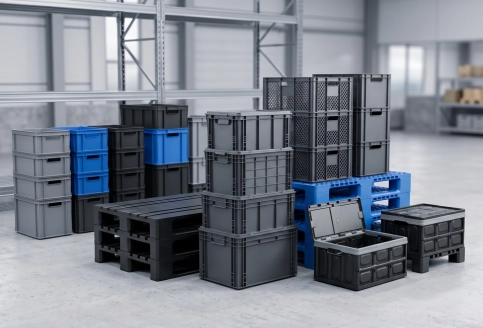
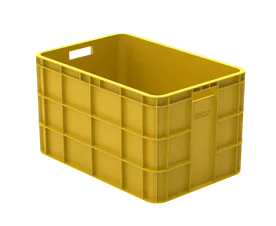
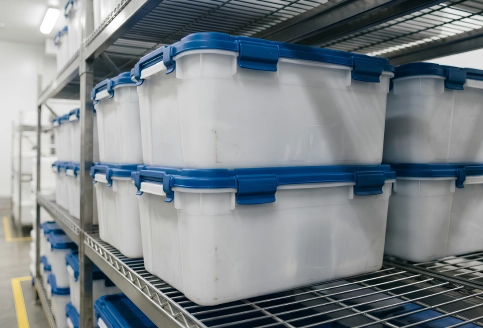
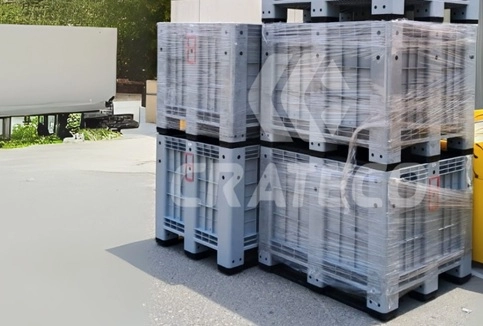
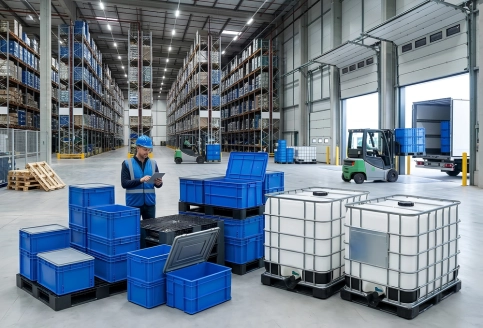
Plastic products - including crates, pallets, pallet boxes, IBC tanks, spill pallets, and waste bins - cut down those failure points. They give operations the consistency needed to run without interruption.
Most downtime does not come from big disasters. It comes from small, repeated failures in everyday equipment.
The 5 most common causes of supply chain downtime in warehouses and industrial facilities include:
Each of these is preventable. Plastic products address all five directly.
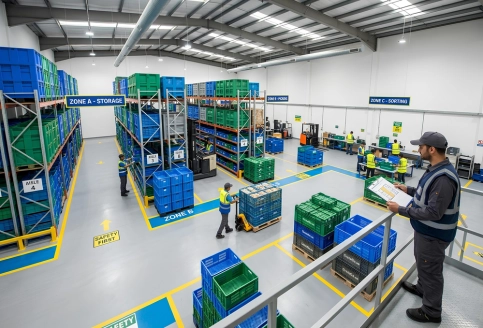
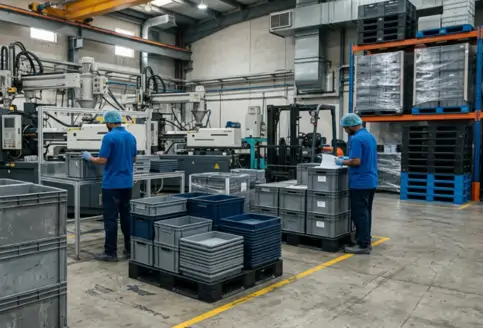
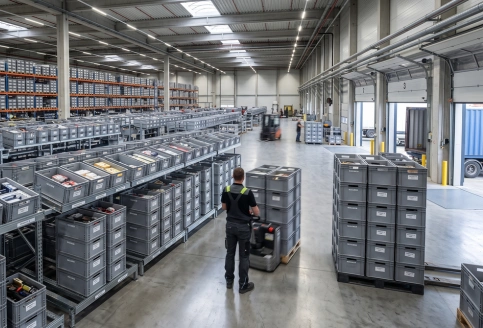
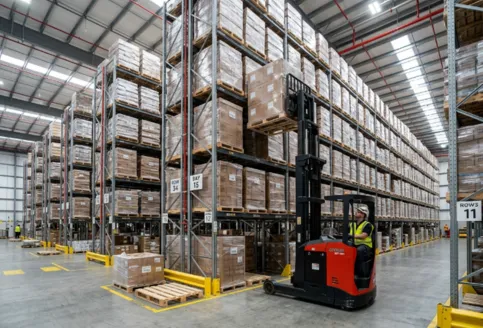
Automated Storage and Retrieval Systems (ASRS), conveyor lines, and robotic pickers need containers that are the same size every time. If dimensions vary, sensors misfire. Conveyors jam. Lines stop.
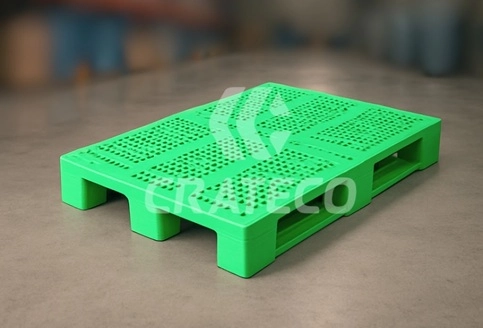
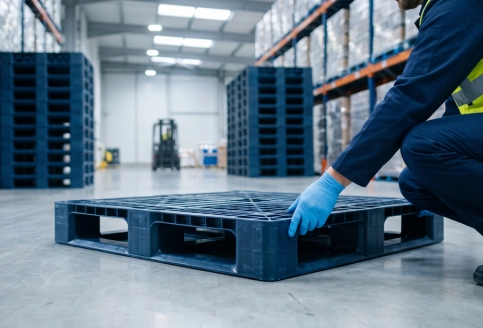
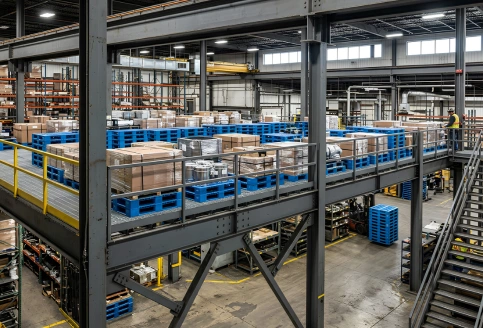
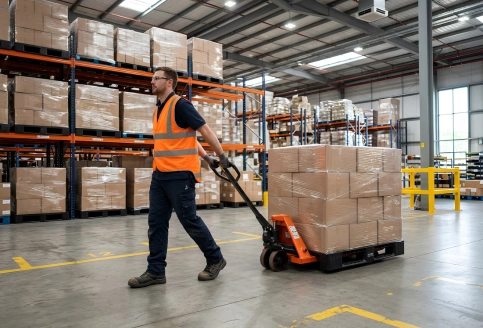
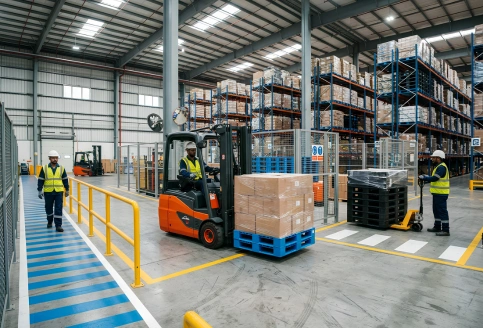
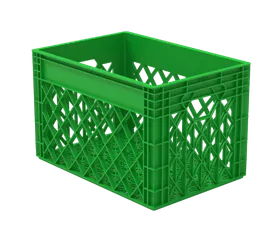
Plastic crates and pallets are made to exact tolerances. Every unit of the same specification has the same dimensions and the same weight. This is essential for modern warehouses in Dubai South, KIZAD, and Jebel Ali Free Zone.
A review in Procedia Manufacturing found that closed-loop plastic container networks with RFID tracking cut crate losses by 20% and improved automated line performance across the supply chain.
Every emergency replacement order is a risk. If local stock is out, you wait. If an import is delayed, the problem gets worse.
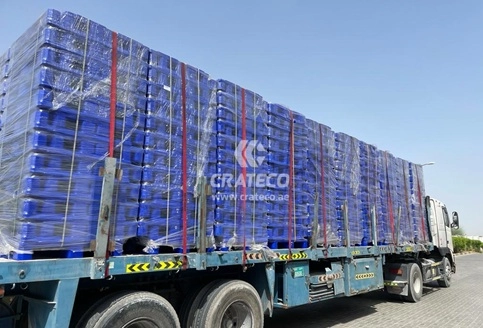
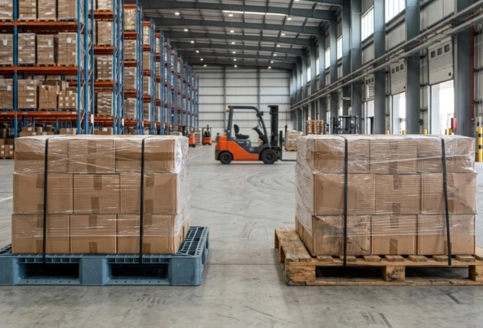
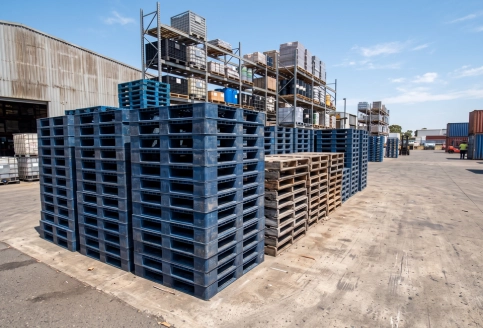
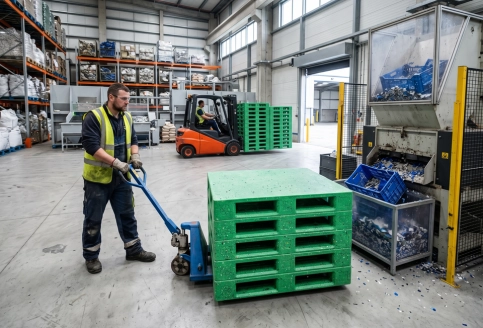
Plastic pallets and crates last far longer than single-use options. The Allied Market Research Plastic Pallets Report (2023) shows that plastic pallets complete up to 200 reuse cycles, compared to just 10 to 15 for disposable alternatives. Fewer replacements mean fewer gaps in your supply chain.
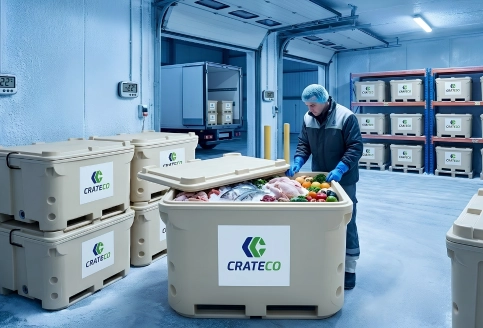
In food processing, pharma, and fresh produce handling, one contamination event can shut down a whole facility. The hold lasts until the source is found and cleared.
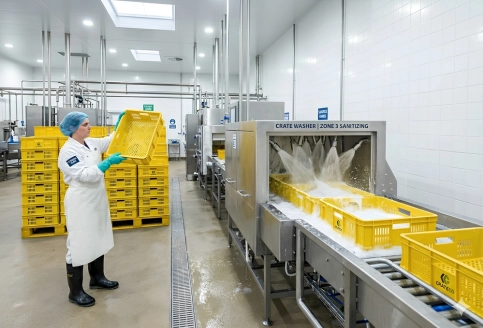
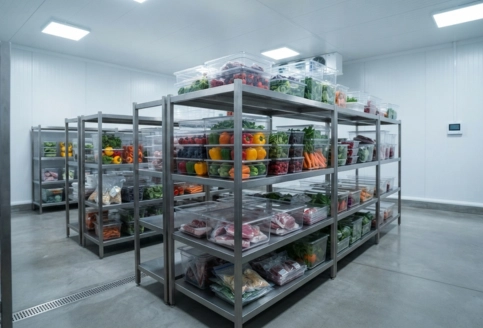
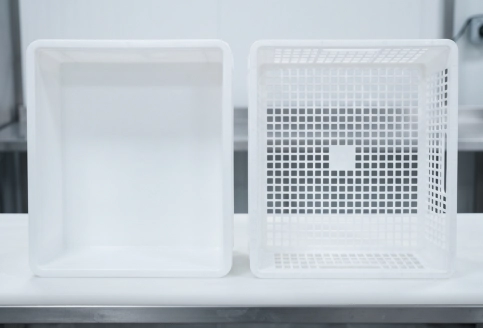
Plastic containers are non-porous and easy to clean. They do not absorb moisture or hide bacteria. A peer-reviewed study in Sustainability (MDPI, 2023) confirmed that reusable plastic containers outperform single-use alternatives on hygiene across 18 operational impact categories in fresh food supply chains. For distributors running routes from Al Ain to coastal markets, this directly protects the licence to operate.
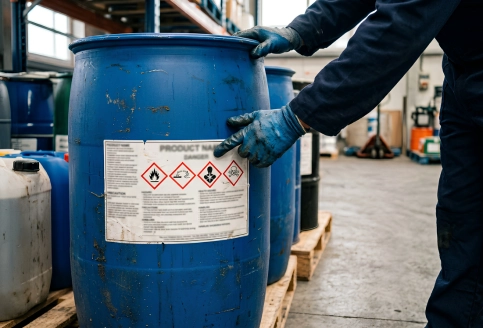
A chemical spill does not just make a mess. It triggers an HSE investigation, a facility shutdown, and potential fines under UAE Federal Law No. 24 of 1999 on environmental protection.
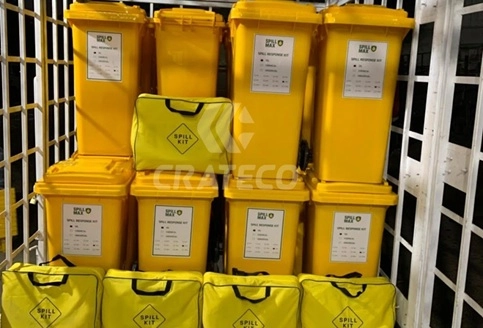
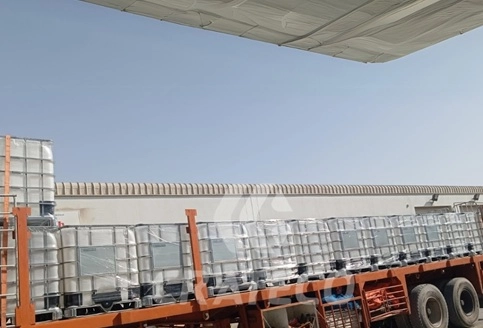
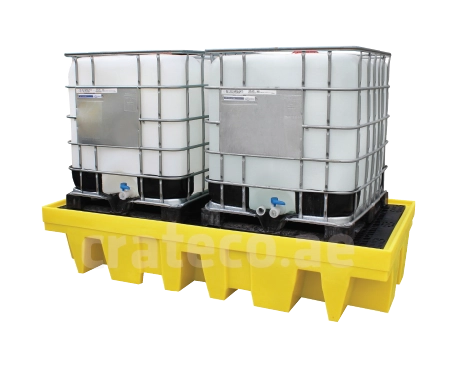
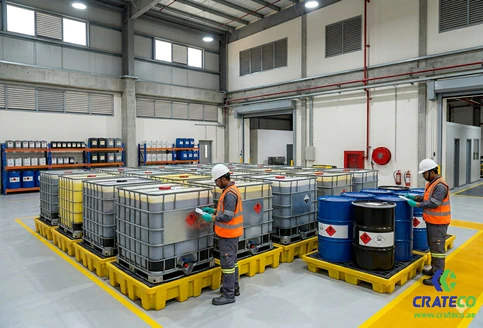
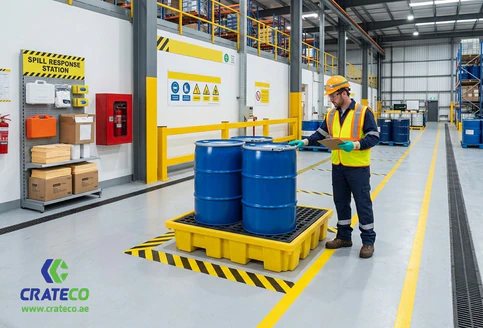
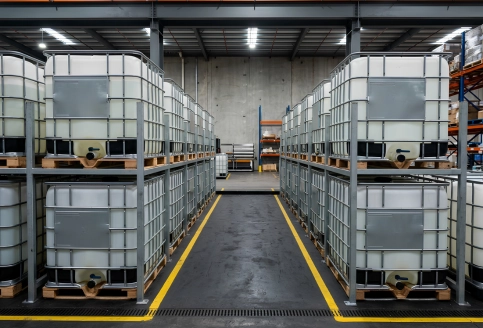
Plastic spill pallets, drip trays, and IBC containment systems stop leaks before they become incidents. They hold the full volume of whatever is stored above them.
The 5 most critical spill control products for industrial facilities include:
Facilities in Hamriyah Free Zone, ICAD, and Ruwais Industrial City work under strict storage rules. Plastic containment products are not a choice in these environments. They are the compliance standard.
Containers that break or corrode often pull resources away from real work. Teams spend time on replacements. Finance takes the hit.
Maintenance costs for plastic logistics containers run up to 50% lower than alternatives. Plastic does not rust, does not absorb moisture, and holds its shape under repeated handling and wash-down cycles. Across a full fleet of crates, pallets, and bins, that saving adds up fast.
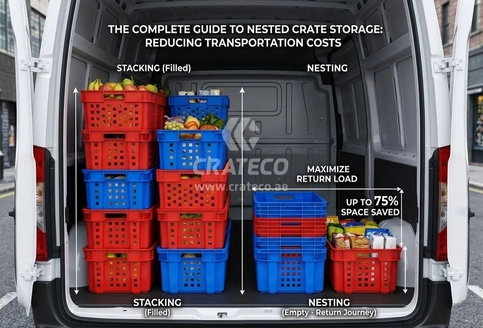
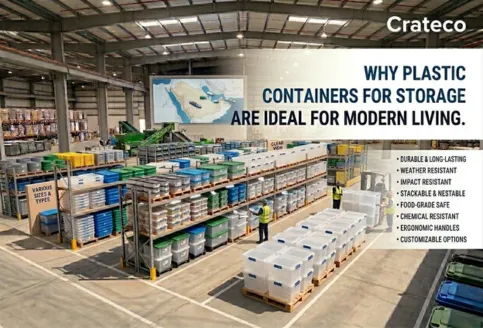
Nestable plastic crates and pallets cut storage space needs by up to 50% when not in use. They fit inside each other cleanly and take up far less floor space.
In Dubai, where warehouse space in Al Quoz, DIP, and JAFZA carries a high price, this is a direct cost saving. It also removes the accident risk that comes from unstable stacks of bulky containers.
The 2024 Red Sea shipping disruptions made the risk very clear. Businesses that depended on imported packaging faced weeks of delays. Operations had to compromise.
Sourcing plastic products locally removes that risk. Replacement units arrive in days, not weeks. Research published in MDPI's Businesses and Management (2025) confirmed that local procurement is one of the strongest drivers of supply chain resilience for industrial operations in the UAE.
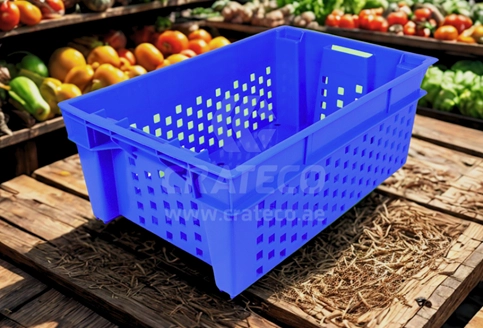
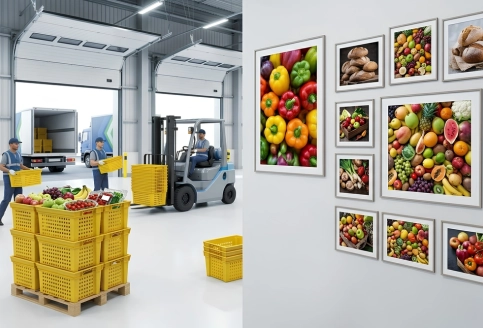
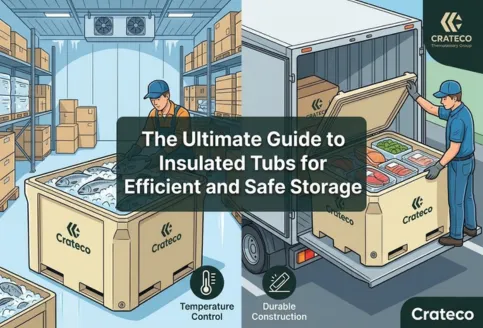
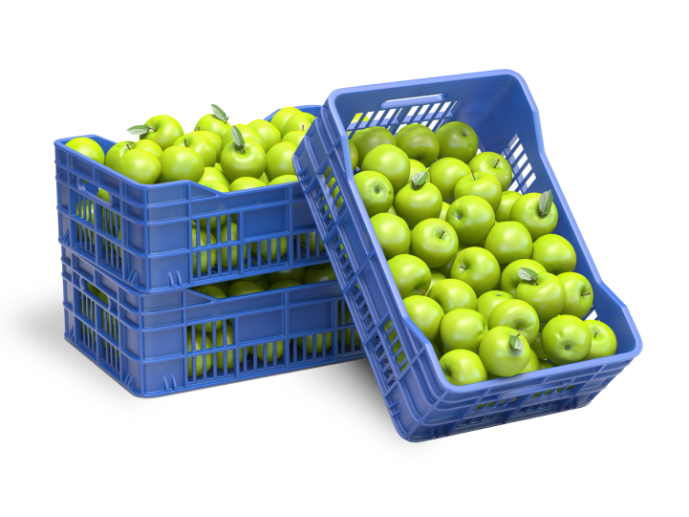
Ventilated and closed plastic crates protect fresh produce, dairy, bakery, and seafood during transport. They handle daily wash-down cycles without degrading and support clean, efficient stacking in high-volume operations.
Sealed plastic crates keep medical products safe from dust, moisture, and contamination. They are standard in last-mile delivery across Dubai Healthcare City, Khalifa City, and Abu Dhabi logistics corridors.
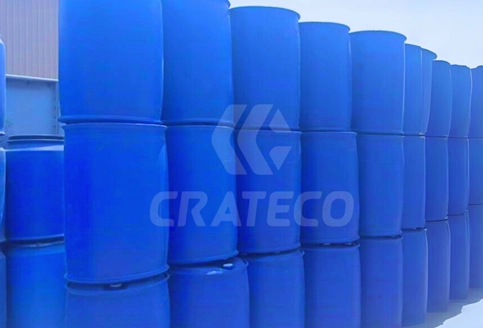
IBC tanks, spill pallets, and overpack drums manage hazardous liquids safely. They meet regulatory requirements and are widely used in facilities across Musaffah, Hamriyah, and KIZAD.
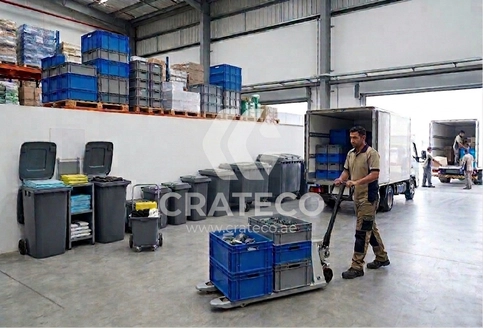
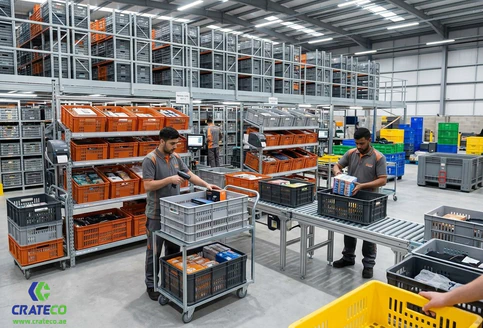
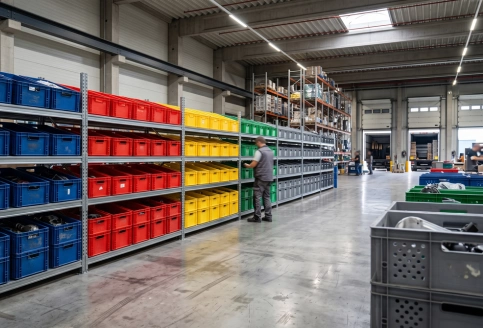
Nestable plastic crates support fast pick-and-pack operations. Their uniform size reduces scan errors and keeps conveyor and sorting systems running without interruption.
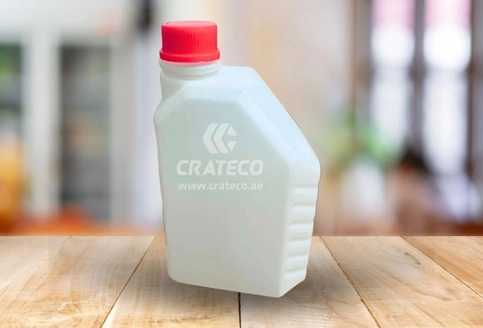
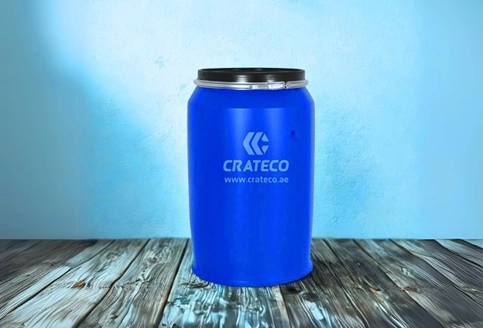
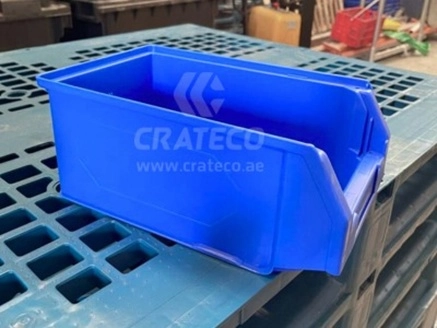
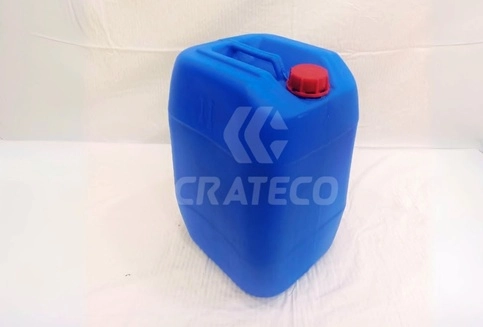
Crateco is a manufacturer and supplier of plastic crates, pallets, pallet boxes, spill control products, IBC tanks, drums, waste bins, and trolleys. It serves businesses across Dubai, Abu Dhabi, Sharjah, Ajman, Oman, Saudi Arabia, Qatar, Kuwait, Bahrain, and the wider MENA region.
The 8 reasons operations choose Crateco for supply chain continuity include:
Plastic products solve the real problems that cause supply chain downtime. They support automation, prevent contamination, contain spills, and cut maintenance costs. Each of these benefits removes a failure point that would otherwise stop operations.
The choice to use high-quality plastic handling equipment is a long-term investment in supply chain stability. It reduces emergency procurement, cuts compliance risk, and keeps goods moving consistently. For businesses that cannot afford to stop, that consistency is the entire point.
Contact Crateco to request a product catalogue or get a quote for any of our 200+ plastic handling solutions.
Plastic crates and pallets resist rust and contamination. They are the same size every time. This supports automated systems and cuts emergency orders.
Yes. Food-grade plastic crates are non-porous and easy to clean. They meet food safety rules and are standard across fresh produce, dairy, and seafood delivery.
Plastic pallets last 200 or more reuse cycles in active use. That is far longer than single-use options. Fewer new units mean less risk of stock gaps.
Yes. Crateco supplies spill pallets for 1, 2, and 4-drum setups. It also stocks IBC spill pallets, drip trays, overpack drums, and spill kits from 20 to 1,100 litres.
Yes. Plastic crates and pallets are built to exact sizes. That reliability is needed for ASRS, conveyors, and robotic systems. This stops the size gaps that cause jams and line faults.