Every business wants to reduce costs, improve efficiency, and lower its impact on the environment. Modern logistics now offers a practical way to achieve all three goals by replacing single-use packaging with reusable plastic handling products.
Recyclable plastic solutions for sustainable businesses focus on keeping materials in use for as long as possible instead of throwing them away after one use.
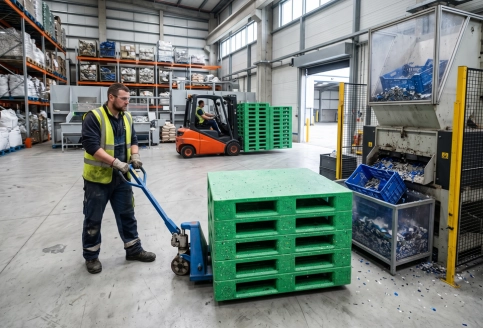
Strong plastic pallets, reusable crates, standardized storage containers, and efficient recycling systems help businesses reduce waste while improving supply chain performance.
This approach also supports better inventory control, lower transportation costs, and long-term sustainability. As more industries move toward responsible material handling, recyclable plastic solutions have become an important part of modern logistics.
A circular economy in logistics is a system where packaging and material handling products are reused, repaired, recycled, and returned to the supply chain instead of being discarded after one shipment.
Unlike the traditional model of producing, using, and disposing of materials, a circular system keeps products working for many years. This reduces the need for new raw materials and lowers waste generation.
Logistics companies, warehouses, manufacturers, and distributors all benefit because reusable equipment continues delivering value throughout its service life.
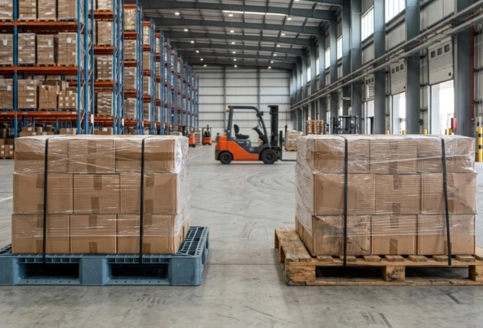
Many businesses still rely on disposable packaging materials such as cardboard boxes, wooden pallets, plastic wraps, and single-use containers. These products often become waste after only one trip.
This increases landfill disposal, material costs, and transportation expenses. Frequent replacement also creates unnecessary production demand for new packaging materials.
Over time, this linear process consumes more natural resources while increasing the carbon footprint of logistics operations. A circular model solves these problems by extending the usable life of logistics assets.
Reusable plastic products are designed for repeated use without losing strength or performance. Materials such as High Density Polyethylene (HDPE) and Polypropylene (PP) provide excellent durability, moisture resistance, and chemical resistance.
Even after years of service, these products can be recycled into new industrial items instead of becoming waste. This creates a continuous material cycle where valuable resources stay within the supply chain for much longer.
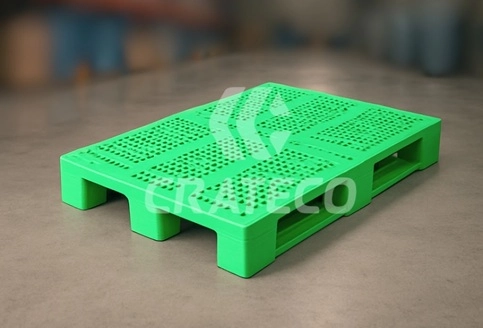
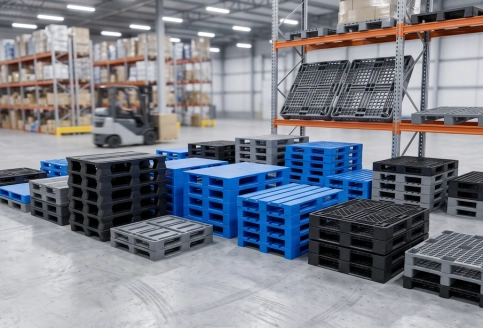
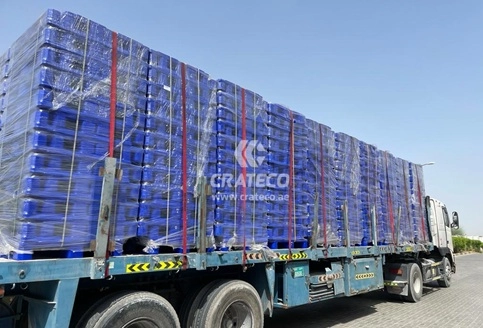
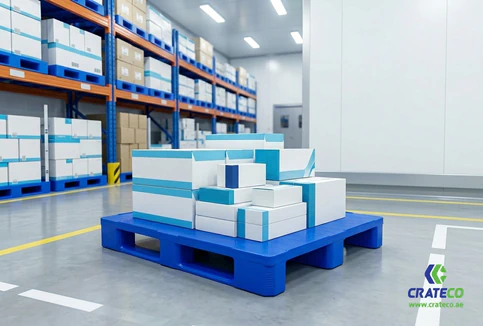
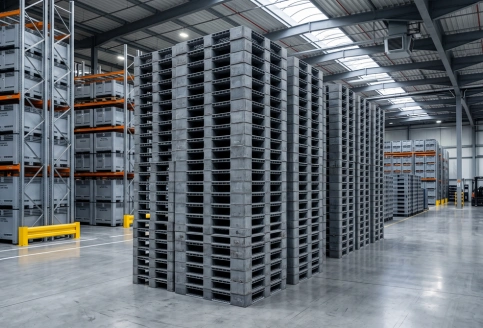
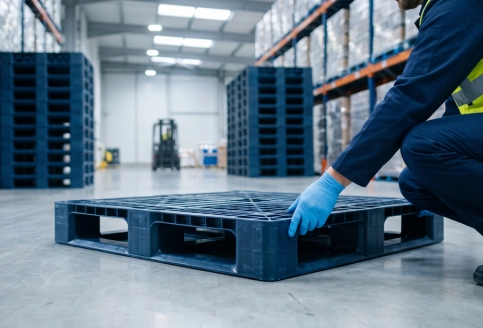
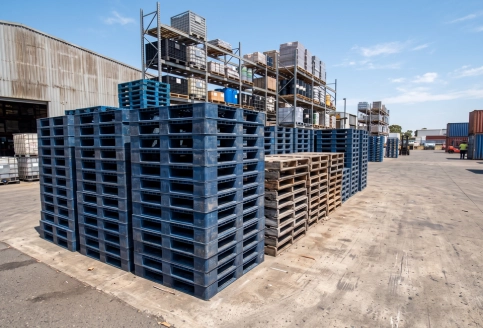
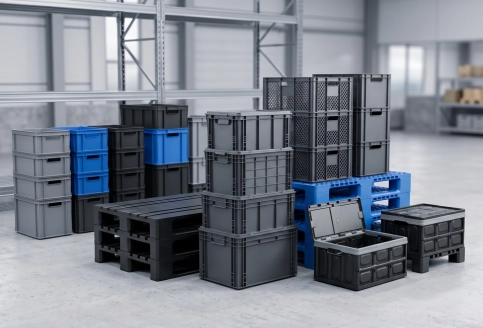
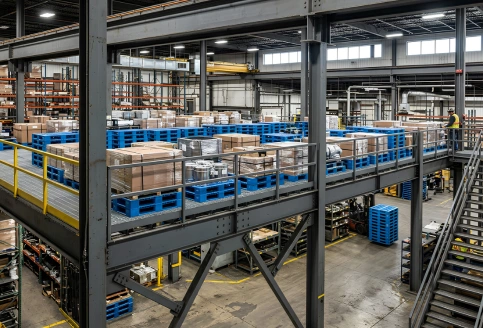
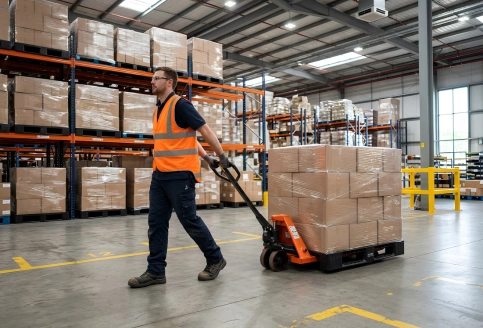
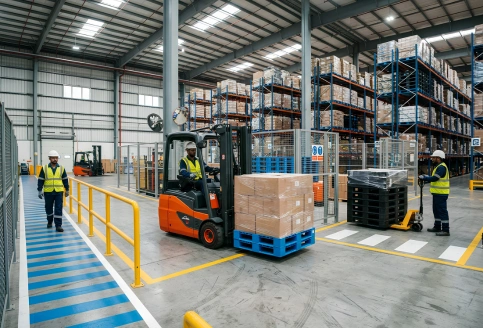
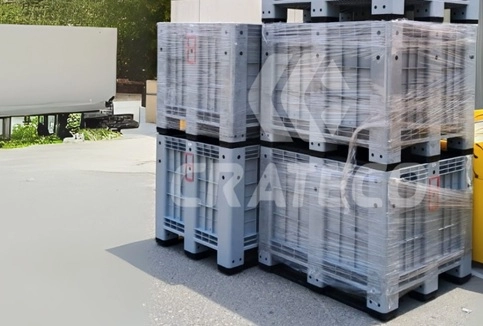
Heavy-duty plastic pallets are one of the most effective replacements for traditional wooden pallets. They are manufactured from durable HDPE or PP materials that resist moisture, insects, corrosion, and chemicals.
Unlike wooden pallets, they do not produce splinters or absorb water, making them suitable for food, pharmaceutical, retail, and manufacturing industries. Their lighter weight also reduces transportation costs while maintaining excellent load-bearing capacity.
Since they last for many years and can be recycled after reaching the end of their service life, they help businesses lower operating costs and reduce environmental impact.
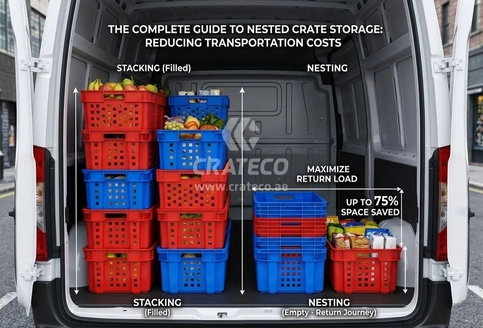
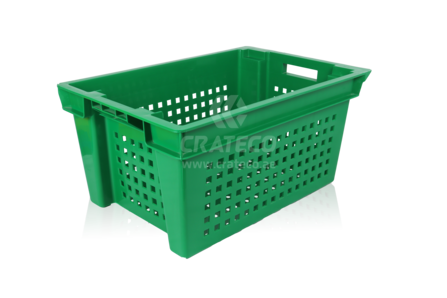
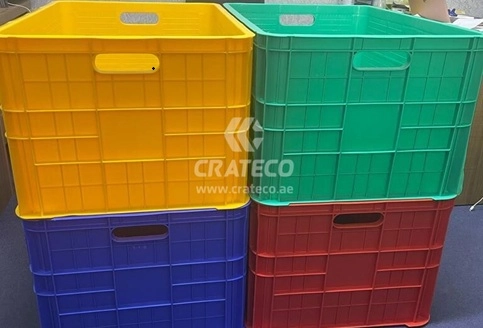
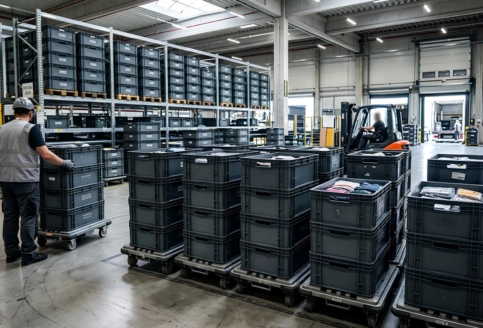
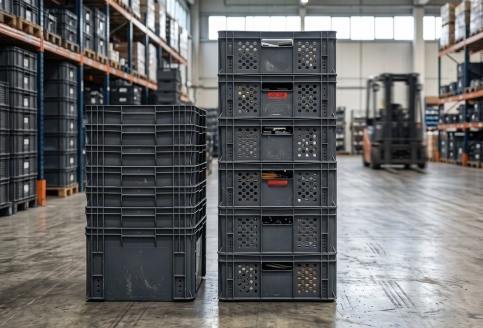
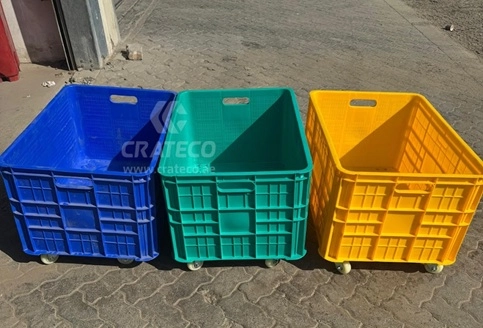
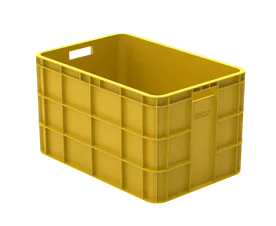
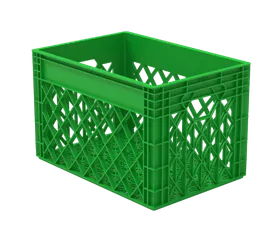
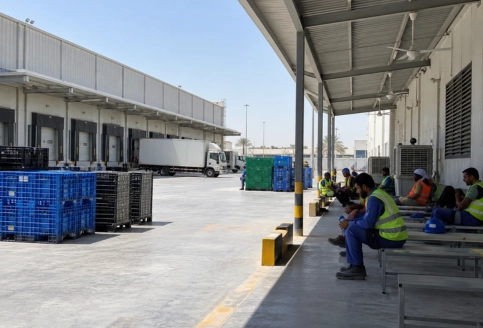
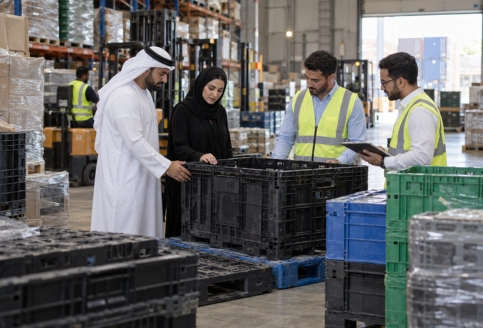
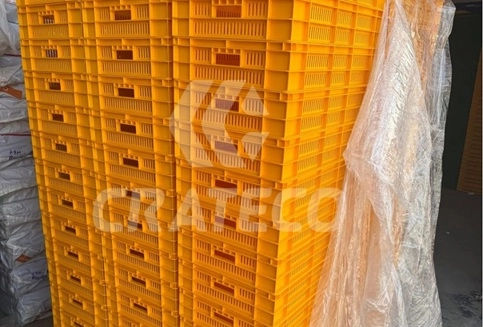
Collapsible plastic crates improve transportation efficiency because they can be folded when empty. This significantly reduces the space required during return transportation, allowing more empty containers to fit inside delivery vehicles.
Fewer trips are needed, which lowers fuel consumption and vehicle emissions. These crates are also strong enough for repeated handling and stacking.
They replace disposable cardboard boxes that often become damaged after one shipment. Their long service life supports continuous reuse across warehouses, factories, and distribution centers.
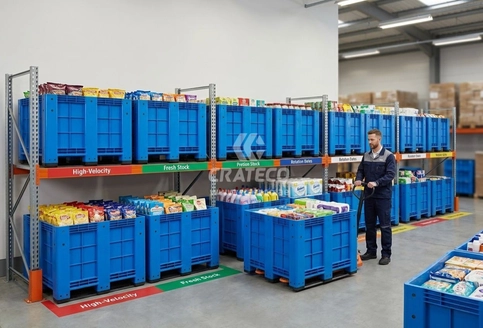
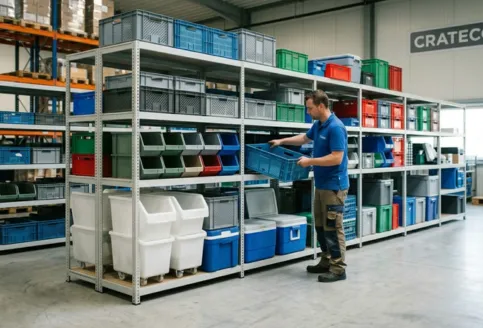
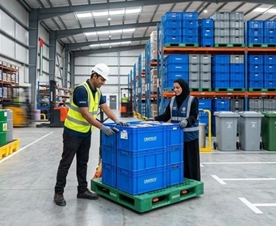
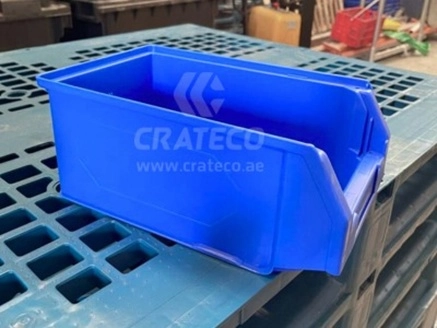
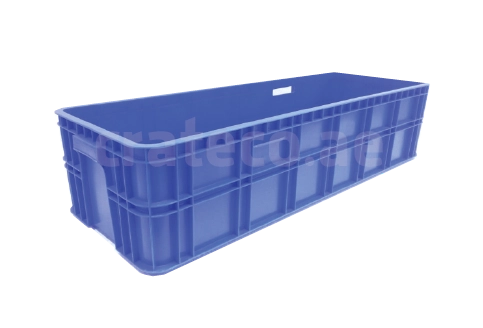
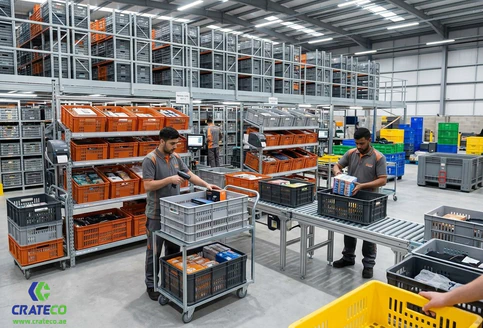
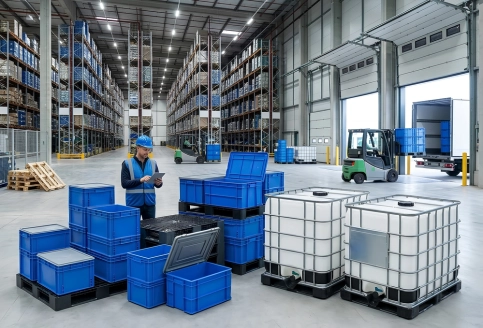
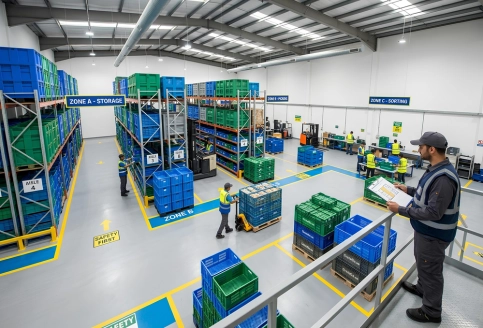
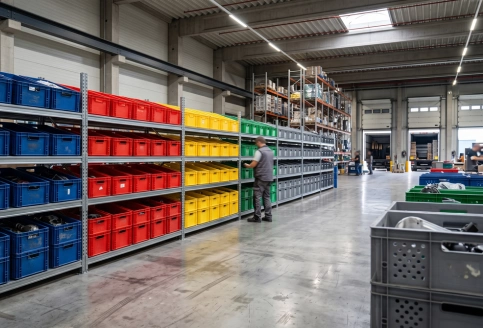
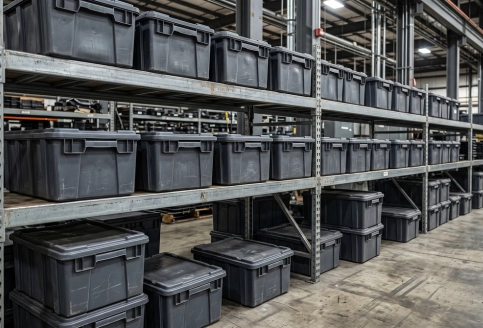
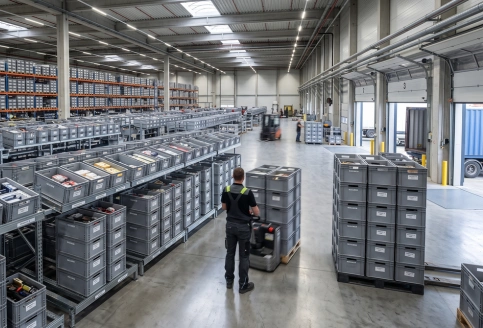
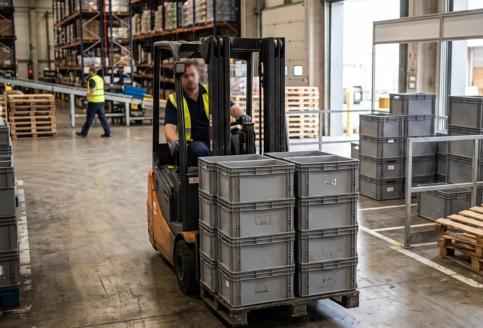
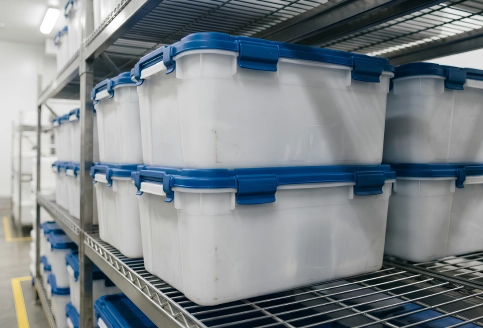
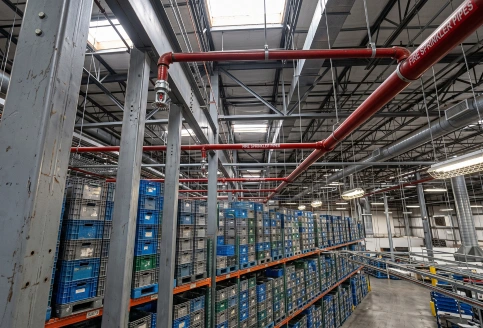
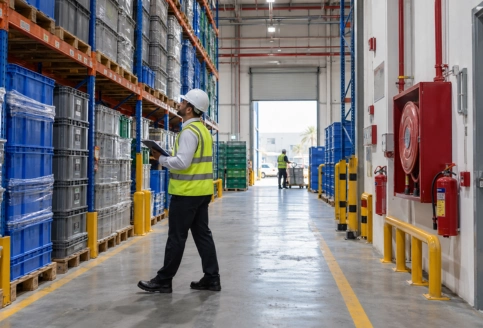
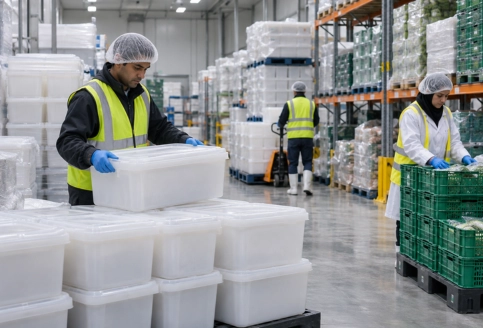
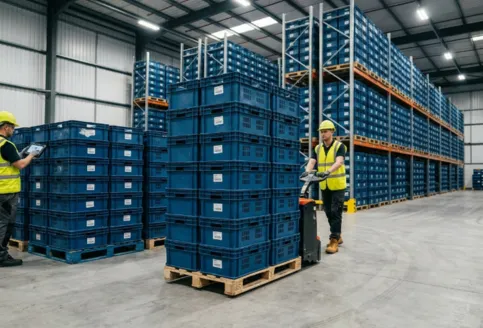
Standardized plastic tote boxes improve storage organization and inventory management throughout the supply chain. Their uniform sizes make stacking, shelving, and automated handling much easier.
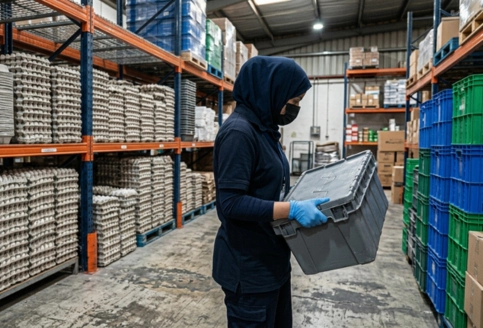
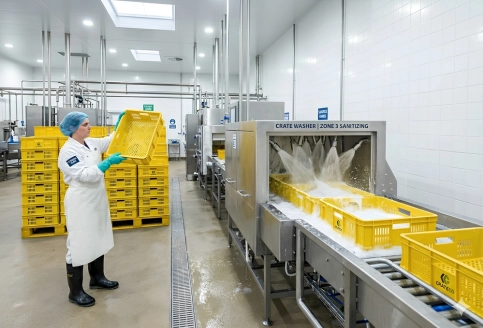
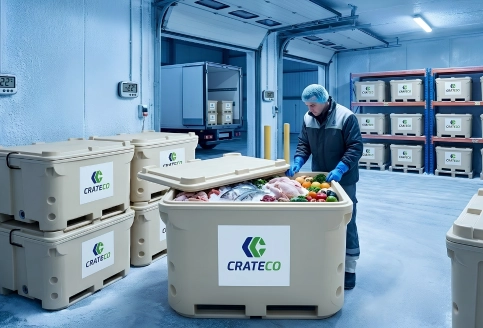
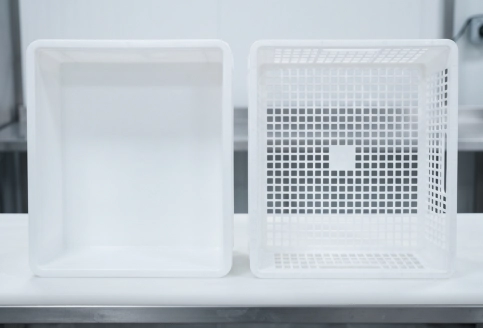
Businesses can clean and sanitize these containers repeatedly without affecting product quality. This is especially important for food processing, healthcare, automotive, and electronics industries where hygiene and product protection are critical.
Standard container sizes also simplify warehouse planning and improve picking accuracy while reducing packaging replacement expenses.
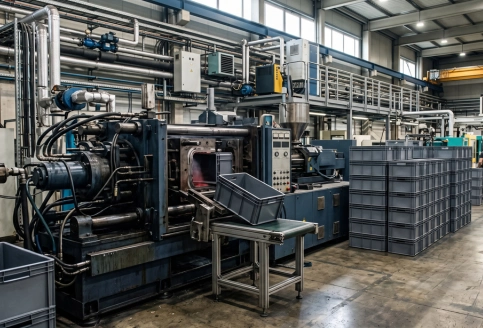
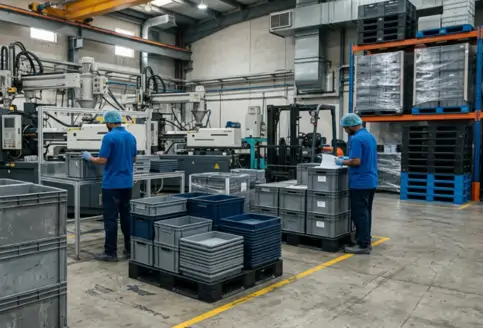
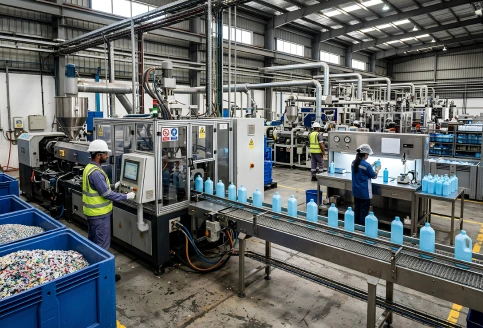
Even the strongest plastic logistics products eventually reach the end of their useful life. Instead of sending them to the landfill, closed-loop recycling systems collect damaged pallets, crates, and containers for processing.
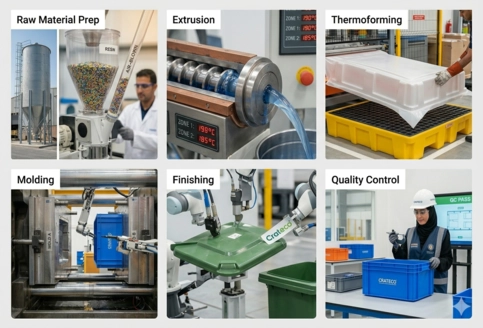
The plastic is cleaned, shredded, and converted into recycled plastic pellets. These pellets are then used to manufacture new logistics products with similar performance.
This recycling process reduces dependence on virgin plastic while keeping valuable materials inside the production cycle for future use.
Reverse logistics is one of the most important parts of a successful circular economy. It focuses on collecting reusable packaging after delivery and returning it for inspection, cleaning, repair, or recycling.
Without reverse logistics, reusable assets would gradually disappear from the supply chain. Organized collection systems allow businesses to maximize product lifespan while reducing replacement costs.
Reverse logistics also supports sustainability goals by ensuring that valuable materials remain in circulation rather than becoming unnecessary waste.
Modern logistics relies on digital technologies to monitor reusable packaging assets throughout the supply chain. Barcode labels, QR codes, RFID tags, and GPS tracking help businesses know the location of pallets, crates, and containers at any time.
This reduces product loss, improves return rates, and increases equipment utilization. Better visibility also supports inventory planning and prevents unnecessary purchases of replacement assets. Digital tracking has become an essential tool for companies building efficient circular supply chains.
Extended Producer Responsibility, often called EPR, encourages manufacturers to take responsibility for products throughout their entire lifecycle. Instead of focusing only on production and sales, businesses also consider collection, recycling, and responsible disposal.
This approach encourages the design of longer-lasting packaging products that can be reused and recycled more efficiently.
It also supports collaboration between manufacturers, suppliers, distributors, and recycling facilities to build stronger material recovery systems across different industries.
Companies that invest in reusable logistics equipment often see measurable operational improvements over time. Although the initial purchase cost may be higher than disposable alternatives, the long service life delivers better value across thousands of transport cycles.
Some of the major business benefits include:
Lower packaging costs through repeated reuse.
Reduced product damage during transportation and storage.
Improved warehouse efficiency with standardized container sizes.
Lower maintenance costs compared to wooden packaging.
Better hygiene because plastic surfaces are easy to clean.
Consistent product quality during repeated handling.
Reduced downtime caused by damaged packaging materials.
These advantages help businesses improve productivity while supporting long-term financial savings.
Environmental sustainability has become a priority across global supply chains. Reusable plastic logistics products help reduce waste while lowering the environmental impact of transportation and manufacturing operations.
Some important environmental benefits include:
Lower landfill waste from disposable packaging.
Reduced demand for virgin raw materials.
Lower greenhouse gas emissions through repeated reuse.
Improved recycling rates for industrial plastics.
Reduced fuel consumption through lightweight packaging.
Better resource conservation across manufacturing operations.
Support for long-term sustainability goals.
Together, these improvements help businesses reduce their environmental footprint without sacrificing operational performance.
Many industries now depend on reusable plastic products to improve efficiency and sustainability. Food and beverage manufacturers use hygienic plastic pallets and crates for safe transportation.
Pharmaceutical companies rely on clean, reusable containers that meet strict quality standards. Automotive manufacturers move heavy components using durable pallets and stackable bins.
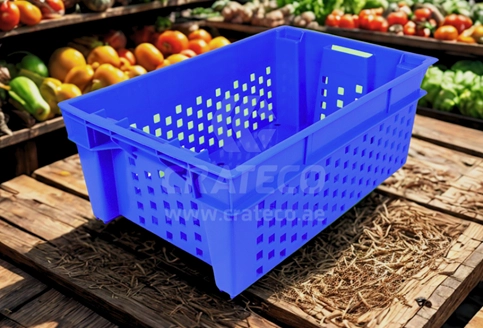
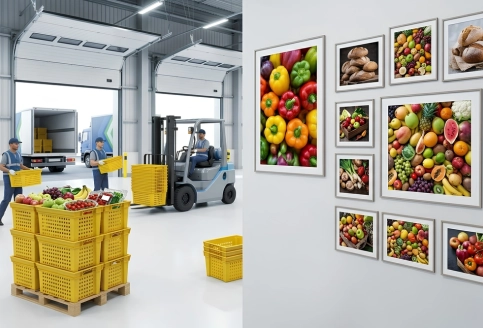
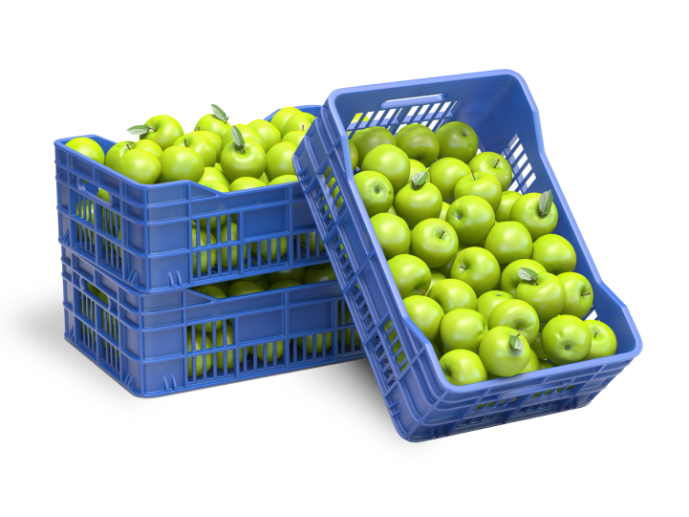
Retail distribution centers improve inventory control with standardized tote boxes, while agricultural businesses transport produce using reusable plastic crates that resist moisture and repeated washing.
Selecting the correct material depends on the intended application. HDPE offers excellent impact resistance, moisture protection, and durability for heavy-duty logistics operations.
Polypropylene provides high strength with good chemical resistance, making it suitable for industrial storage and warehouse applications. UV-stabilized materials perform better in outdoor environments where products remain exposed to sunlight for extended periods.
Businesses should also consider load capacity, operating temperature, stacking requirements, and compatibility with automated handling systems before selecting reusable logistics equipment.
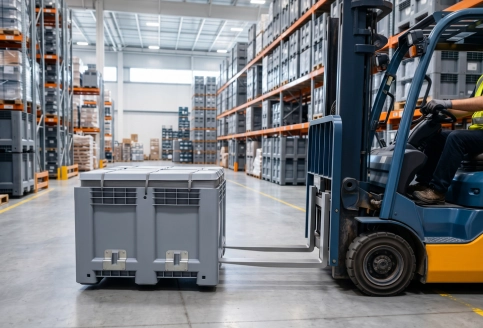
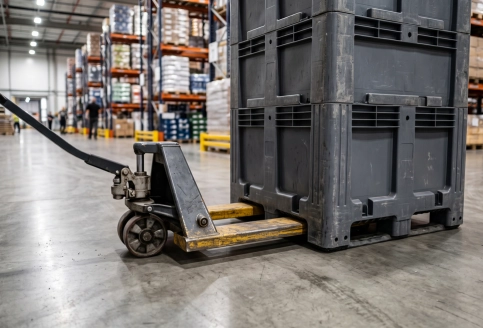
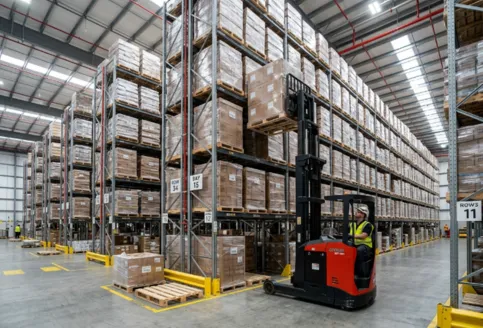
Standardized logistics products create consistency throughout warehouse and transportation operations. Uniform pallet sizes work better with forklifts, conveyors, pallet racking systems, and automated storage equipment.
Standard crate dimensions improve vehicle loading while maximizing available storage space. Employees also become more efficient because handling procedures remain consistent across different products.
Standardization reduces handling errors, simplifies maintenance, and creates more predictable logistics processes throughout the entire supply chain.
Businesses are facing increasing pressure to improve efficiency while reducing environmental impact. Investing in reusable logistics equipment is one practical step toward achieving both goals.
Durable plastic products reduce waste, improve asset utilization, and support responsible resource management. As recycling technology continues to improve, these products will remain valuable assets that contribute to cleaner and more efficient supply chains.
Organizations that adopt circular logistics today are better prepared for future environmental regulations and changing customer expectations.
Businesses that want stronger supply chains and lower operating costs are increasingly adopting recyclable plastic solutions for sustainable businesses. Heavy-duty plastic pallets, collapsible crates, standardized tote boxes, reverse logistics systems, and closed-loop recycling all work together to keep valuable materials in use for longer.
This approach reduces waste, improves operational efficiency, lowers packaging costs, and supports long-term sustainability goals. By replacing disposable packaging with durable reusable solutions, companies can build more resilient and environmentally responsible logistics operations.
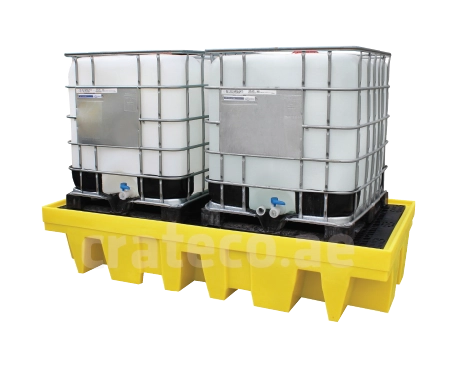
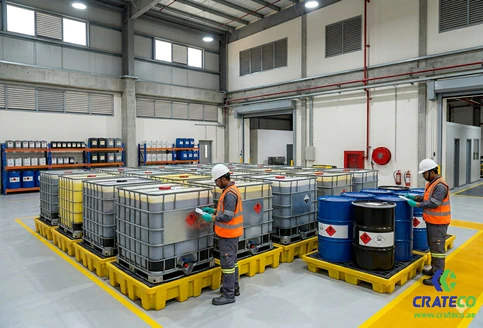
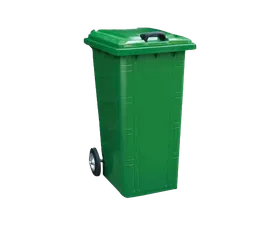
If you are looking for reliable industrial packaging products, Crateco Pack LLC is one of the leading manufacturers and suppliers in the UAE. We specialize in high-quality plastic pallets, plastic crates, spill pallets, waste bins, and complete material handling solutions that help businesses improve efficiency while supporting sustainable logistics practices.