
Hotline +971 50 3436 930 Export +971 50 3436 475

Dubai Municipality Food Trade License Requirements: Storage Equipment Checklist for F&B Businesses

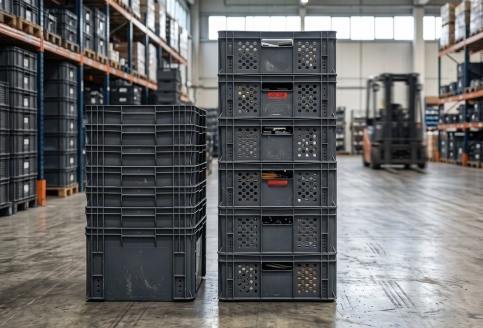
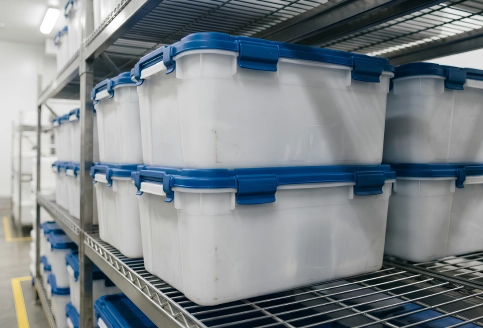
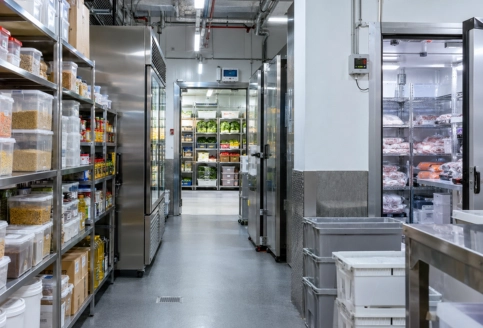
Close-up of ventilated food-grade crates on stainless racking with temperature log sheet visible

Starting an F&B business in Dubai involves more than getting a trade license and opening the doors. The premises, storage areas, equipment, food handling process, and safety controls must support the type of food activity being carried out. Dubai Municipality provides requirements based on the food establishment's activity, along with food-related permits and layout assessment services.

For F&B businesses, the storage setup is an important part of this process. Food should be protected from contamination, stored under suitable conditions, and kept off the floor.

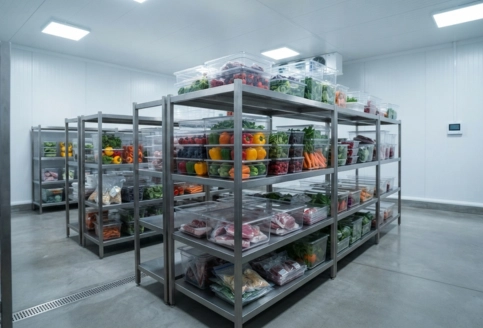
The right shelves, racks, refrigerators, freezers, temperature monitoring tools, containers, and separate storage areas can make daily food handling safer and help the business prepare for inspections.

This checklist explains the main storage equipment and controls F&B businesses should consider before applying for approval or starting operations.

Understanding Dubai Municipality Food Business Requirements

Dubai Municipality regulates food establishments to help protect public health and food safety. The exact requirements can change depending on whether the business is a restaurant, bakery, café, food warehouse, supermarket, catering operation, or another type of food activity.

The municipality provides an activity-based requirements guide rather than using one identical checklist for every F&B business.

This means businesses should first confirm their approved activity and premises requirements. Storage equipment should then be selected according to the food being handled, the available space, and the required storage conditions. A good storage plan can support both licensing and ongoing food safety.

Storage Equipment Checklist for F&B Businesses

A well-planned storage area should make food easy to identify, protect products from contamination, and allow workers to clean the space properly. The following equipment and storage controls can help F&B operators prepare their premises.

Use Food-Safe Storage Racks and Shelves

Food storage shelves should be made from materials that are suitable for the environment and easy to clean. Stainless steel is commonly used in food areas because it is strong, smooth, and resistant to corrosion.

Shelves should be strong enough to carry the expected load without bending or becoming unstable. They should also allow workers to clean the surrounding area properly. Dubai Municipality storage guidance states that consumer products should be kept on racks or shelves rather than directly on the floor.

Keep Food Off the Floor

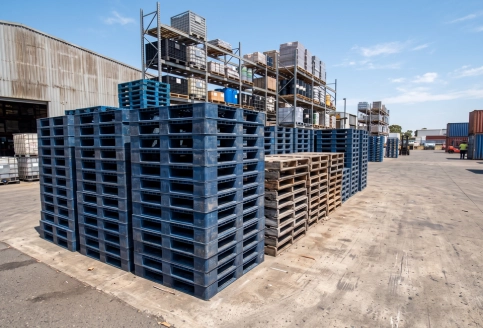
Food cartons, ingredients, packaging, and other products should not be placed directly on the floor in normal storage areas. Raised shelving, plastic pallets, or suitable storage systems help keep products away from dirt, moisture, pests, and cleaning water.

This also makes it easier for staff to clean underneath and around stored goods. Dubai Municipality's storage guidance specifically states that products should be kept on racks or shelves, while temporary pallet storage may be used in suitable situations.

Provide Separate Dry Storage Areas

Dry food storage is needed for products such as flour, rice, sugar, cereals, spices, canned goods, and other shelf-stable ingredients. The area should be clean, dry, ventilated, and protected from pests.

Shelves should allow products to be arranged by type and date so staff can use older stock first. Food should not be stored together with cleaning chemicals, maintenance products, or other materials that could cause contamination. Clear separation makes stock checks easier and supports good food hygiene practices.

Install Suitable Refrigerators

Chilled food needs reliable temperature control. Refrigerators should have enough space for the type and amount of food being stored without blocking air circulation. Different food groups may need separate storage depending on the business operation and food safety plan.

Refrigeration units should be easy to clean and maintained in good condition. Temperature should be checked and recorded regularly. Dubai Municipality guidance highlights temperature control and the need to monitor storage conditions according to product requirements.

Provide Proper Freezer Storage

Frozen food requires equipment capable of maintaining the temperature required for the products being stored. Freezers should not be overloaded because overcrowding can affect air circulation and temperature stability.

Food should be packed properly and labeled with useful information such as product name and date where required by the business's food safety system. Temperature monitoring devices should be available. Regular checks can identify equipment problems before food becomes unsafe or suffers from quality loss.

Add Temperature Monitoring Devices

Temperature control is one of the most important parts of food storage. Refrigerators and freezers should have suitable thermometers or monitoring devices so staff can check whether the equipment is operating within the required range.

Temperature readings should be recorded as part of the food safety system. Dubai Municipality guidance also refers to temperature measurement and maintaining temperature records for storage areas.

For products with special storage conditions, the business should follow the product label, manufacturer instructions, and applicable food safety requirements instead of using one temperature for every product.

Organize Food by Storage Type

Different foods may need different storage conditions. Dry goods, chilled products, frozen foods, fresh produce, meat, seafood, dairy products, and ready-to-eat foods should be organized in a way that reduces the risk of cross-contamination.

Raw and ready-to-eat foods should not be handled as if they have the same storage risk. A clear storage plan can help employees identify where each product belongs. It also reduces mistakes when workers receive deliveries or move ingredients between storage and preparation areas.

Use Food-Grade Containers

Once food packaging is opened, suitable food-grade containers can help protect the product from moisture, pests, dust, and other sources of contamination. Containers should be clean, suitable for the food being stored, and easy to identify.

Labels can include the product name, opening date, preparation date, expiry information, or other details required by the business's food safety procedure. Damaged or dirty containers should not be used. Proper containers can also make shelves easier to organize and clean.

Create a Separate Area for Expired or Recalled Food

Expired, damaged, rejected, or recalled products should not remain mixed with usable stock. A separate identified area can prevent workers from accidentally using these products. Dubai Municipality storage guidance refers to having a specialized area for expired, recalled, or quarantined products.

This area should be clearly marked and managed under a defined procedure. Staff should know that products placed there cannot return to normal stock unless an authorized review confirms that they are suitable. Keeping rejected goods separate also makes stock checks easier during inspections.

Keep Shelves Easy to Clean

Storage equipment should not create difficult-to-clean spaces where dirt, food particles, moisture, or pests can collect. Shelves should have smooth surfaces and enough clearance for routine cleaning.

Damaged, rusty, or heavily corroded shelving should be repaired or replaced. The area around storage equipment should also remain accessible. Good cleaning access is important because food safety depends not only on where products are stored but also on how well the storage area is maintained.

Allow Proper Air Circulation

Cold rooms and refrigerators need enough space for air to move around stored food. Products should not be packed tightly against cooling outlets or arranged in a way that blocks airflow. Dry storage areas should also have suitable ventilation and should not become excessively hot or damp.

Dubai Municipality's technical storage guidance calls for sufficient ventilation and suitable temperature control according to the products being stored. Good airflow helps protect product quality and supports stable storage conditions.

Maintain Suitable Lighting

Workers need enough light to read labels, check expiry dates, clean shelves, and identify damaged products. Poor lighting can increase the chance of stock errors and make cleaning problems harder to notice.

Storage areas should therefore have suitable lighting that allows staff to work safely. Dubai Municipality's storage guidance also addresses lighting and notes the importance of sufficient light across storage areas.

Lighting equipment should be maintained and kept clean so the storage area remains easy to inspect and manage.

Plan Storage for Pest Control

Food storage areas must be protected against insects, rodents, and other pests. Shelves should not create unnecessary hiding places, and food should remain properly sealed where appropriate.

Spills should be cleaned quickly, and waste should not be allowed to build up around storage equipment. Businesses should maintain their pest-control procedures and records.

Good storage design makes pest monitoring easier because staff can inspect around and underneath racks. It also helps cleaning teams reach areas that might otherwise remain hidden behind tightly packed stock.

Keep Cleaning Chemicals Away From Food

Cleaning chemicals, detergents, sanitizers, and maintenance products should be stored separately from food and food-contact items. Mixing chemicals with ingredients or packaging can create a serious contamination risk.

A separate, clearly identified storage cabinet or room can help prevent accidental contact. Chemicals should remain in their original labeled containers where possible and should be handled according to their safety instructions. Staff should never place cleaning products on food shelves simply because there is unused space.

Food Storage Equipment Should Support the Licensing Layout

Equipment selection should be considered while the premises layout is being planned. Dubai Municipality provides a service for requesting layout assessment for food establishment licensing, which shows why the physical setup and food activity need to work together.

Storage racks, refrigerators, freezers, preparation areas, washing areas, and movement paths should be positioned so the food flow is practical and hygienic. The layout should help reduce unnecessary crossing between raw materials, prepared food, waste, and cleaning activities.

Before purchasing large equipment, businesses should confirm that the planned equipment fits the approved layout and does not create problems with access, cleaning, ventilation, or food handling.

Temperature Control Should Be Part of Daily Operations

Having a refrigerator or freezer is not enough by itself. F&B businesses should have a routine for checking storage temperatures and responding when equipment moves outside the required range. Staff should know who checks the temperature, when readings are taken, where they are recorded, and what happens when a problem is found.

Dubai Municipality's Foodwatch guidance says the Person in Charge should actively manage food safety and verify areas such as equipment selection, preventive maintenance, calibration, temperature control, cleaning, training, and records.

This makes temperature logs and equipment maintenance an important part of everyday food safety management.

Use FIFO to Manage Stored Food

The First In, First Out method can help businesses use older stock before newer deliveries. Products with earlier expiry or use-by dates should be placed where staff can access them first. New stock can then be placed behind or below existing stock where the storage system allows.

This method reduces unnecessary food waste and makes stock rotation easier. Shelving should be designed so workers can see labels and dates without moving large amounts of stock. Regular stock checks should be used to identify products approaching their expiry date.

Keep Storage Records Ready for Inspection

Good records help show that food storage equipment is being managed properly. Depending on the type of business, records may include temperature checks, cleaning schedules, pest-control reports, equipment maintenance, calibration records, receiving checks, and stock controls.

Dubai Municipality's Foodwatch material highlights the importance of maintaining records related to temperature control, equipment use, cleaning, disinfection, pest incidents, and staff training.

Records should be easy to find and kept up to date. A missing record can make it harder to show that a control is being followed consistently.

Common Storage Mistakes F&B Businesses Should Avoid

Several simple storage mistakes can create food safety problems. These include placing food directly on the floor, overcrowding refrigerators, blocking cooling outlets, mixing chemicals with ingredients, storing raw and ready-to-eat products without proper separation, and failing to record temperatures. Broken shelves, poor lighting, pest activity, and dirty storage areas should also be corrected quickly.

Businesses should avoid buying storage equipment only because it is cheap or fits the available space. Equipment must be suitable for food use and the conditions of the premises. A proper storage plan should consider hygiene, access, temperature, cleaning, product type, and the approved activity.

Final Storage Equipment Checklist

Before opening an F&B business or preparing for a Dubai Municipality inspection, managers can use this checklist:

Food-safe racks and shelves

Suitable dry storage shelving

Refrigerators for chilled products

Freezers for frozen products

Accurate temperature monitoring devices

Food-grade storage containers

Clearly marked storage areas

Separate space for expired or recalled products

Suitable pallets or raised storage where needed

Adequate ventilation

Sufficient lighting

Easy-to-clean storage surfaces

Pest-control measures

Separate chemical storage

Cleaning and sanitation supplies

Temperature recording system

Equipment maintenance records

Stock rotation system

Clear product labels

Cleaning and pest-control records

The exact equipment list should be matched to the F&B activity and the food products handled by the business. Dubai Municipality maintains activity-specific food establishment requirements and related food safety guidance, so businesses should check the current official requirements before finalizing their premises or equipment purchases.

How the Right Storage Equipment Helps F&B Businesses?

The right storage equipment does more than help a business prepare for an inspection. It can make daily operations faster and safer. Strong shelves help organize stock, raised storage improves cleaning access, and suitable containers protect opened products. Proper refrigeration helps maintain food quality, while clear labeling makes stock rotation easier.

For businesses with busy receiving and dispatch areas, well-designed storage can also reduce unnecessary movement. Staff can find ingredients faster and keep different product groups separated. This creates a more organized food operation and makes it easier for the Person in Charge to monitor food safety controls.

Conclusion

Dubai Municipality food business requirements cover more than the trade license itself. F&B operators should make sure their premises, storage layout, equipment, food handling systems, and records are suitable for the approved activity. Storage equipment such as food-safe racks, refrigerators, freezers, temperature monitors, food-grade containers, and separate areas for rejected products can play an important role in maintaining food safety.

A strong storage system should keep food off the floor, support temperature control, allow easy cleaning, reduce contamination risks, and make stock rotation simple. Businesses should always check the latest Dubai Municipality requirements for their specific food activity before finalizing their setup.

For F&B businesses looking to improve their warehouse and storage setup, Crateco Pack LLC can provide practical plastic storage and material-handling solutions designed to support cleaner, more organized, and efficient storage operations.
Recent Blogs
Jerry can buying guide showing material, seal, and safety features for fuel and water storage
The Ultimate Guide to Choosing the Right Jerry Can for Your Needs
Plastic pallets vs wood pallets comparison for modern shipping and warehouse use
Why More Companies Are Switching to Plastic Pallets for Shipping
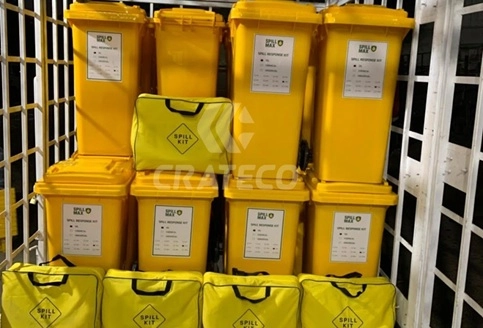
Workplace spill kit for chemical and oil hazard safety and compliance in UAE
Choosing the Right Spill Kit for Your UAE Workplace: What You Need to Know
Plastic drums for industrial chemical, food, and liquid storage solutions
The Complete Guide to Plastic Drums for Industrial Storage Needs
IBC tanks in UAE for industrial liquid storage and transport solutions
IBC Tanks UAE: Your Complete Guide to Industrial Storage & Transport Solutions
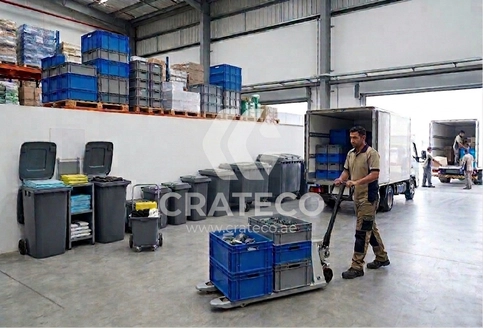
Durable platform trolley for efficient warehouse and logistics operations
Top 5 Features to Look for in a Quality Platform Trolley
Material handling equipment for efficient warehouse and supply chain management in UAE
How Material Handling Equipment Improves Supply Chain Management in UAE
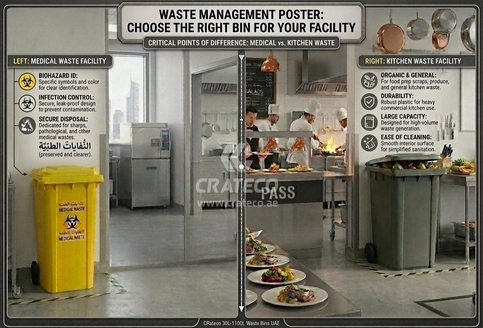
Medical and kitchen waste bins for hygienic facility waste management in UAE
Medical & Kitchen Waste Bins UAE: How to Choose the Right One for Your Facility
Plastic manufacturer UAE bulk supply guide for industrial buyers and procurement teams
What Defines a Trusted Plastic Manufacturer in UAE for Large-Scale Supply?
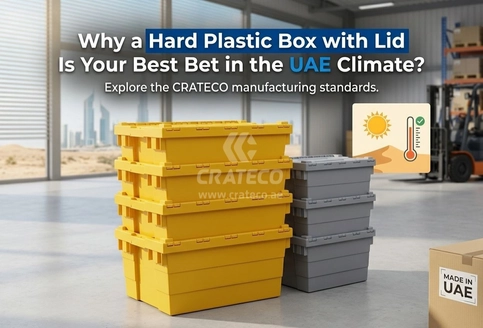
Hard plastic box with lid for durable storage in UAE homes and warehouses
Why a Hard Plastic Box with Lid Matters in UAE Climate Conditions
Plastic pallet boxes for retail backroom organisation and inventory management by Crateco UAE
How to Use Plastic Pallet Boxes for Retail Backroom Organization
Nested crate storage solution for reducing transportation costs and saving space in UAE
The Complete Guide to Nested Crate Storage: Reducing Transportation Costs
5S workplace organisation system using plastic bins for UAE warehouse efficiency by Crateco
How to Implement a 5S Workplace Organization System Using Plastic Bins
Plastic crates for automotive parts storage outperforming metal alternatives in UAE warehouses
Automotive Parts Storage: Why Plastic Crates Beat Metal Alternatives
Medium duty racking system for organised warehouse logistics and inventory in UAE
How Medium Duty Racking Streamlines Logistics Operations in the UAE
Stackable storage boxes for space-saving organisation and item protection in UAE
How to Choose the Right Stackable Storage Boxes in the UAE
Slotted angle shelving system for organised warehouse and workspace storage in UAE
Slotted Angle Shelving: The Practical Storage Choice for UAE Businesses
Compliant reusable packaging options for UAE businesses replacing restricted single-use plastics under the 2026 ban.
UAE's 2026 Single-Use Plastics Ban: What It Means for B2B Packaging Buyers
Assorted plastic crate types including ventilated, nestable, and jumbo crates displayed for industrial use in UAE
A Complete Guide to Types of Plastic Crates and How to Choose the Right One
Various plastic pallet types and styles for warehouse storage in the UAE
A Complete Guide to Pallet Types, Styles & Materials
Smart storage solutions for UAE SMEs to reduce costs and improve efficiency
Cut UAE SME’s Costs with Smart Storage Solutions
Plastic manufacturing process in UAE showing production steps and materials
Understanding the Plastic Manufacturing Process in the UAE
IBC tank capacity comparison chart for industrial storage by Crateco UAE
Comparing IBC Tank Capacities: Which One Is Right for You?
IBC chemical storage tank for safe and efficient liquid handling in UAE industries
Why IBC Tanks Are the Preferred Choice for Chemical Storage?
Liquid storage solutions including jerry cans, drums, and IBC tanks by Crateco
Picking Right Liquid Storage Solutions: Jerry Cans, Drums & IBC | Crateco
Plastic pallets for durable and cost-effective logistics solutions in UAE
Plastic Pallets: The Smarter Logistics Choice for UAE Businesses
Spare parts bins for efficient storage and organization by Crateco UAE
Organize, Store, and Simplify with Spare Parts Bins from Crateco
Industrial jerry cans for safe chemical, fuel, and food-grade fluid storage in UAE
Industrial Jerry Cans: Your Complete Guide to Fluid Handling & Storage in UAE
Plastic crates for durable storage and transport solutions across UAE industries
Plastic Crates: Your Complete Guide to Durable Storage & Transport in UAE
Jumbo crates for heavy-duty storage and product protection across industries
Jumbo Crates: The Complete Guide to Heavy-Duty Storage Solutions
Modern waste bins for homes and offices offering hygiene and style in UAE
Top 5 Waste Bins for Modern Homes and Offices in the UAE
vegetable-crates-smart-choice-storage
Why Vegetable Crates Are the Smartest Choice for Fresh Produce Storage in UAE
Water and energy efficient plastic manufacturing facility in the UAE with closed-loop cooling systems and rooftop solar panels
How UAE Plastic Manufacturers Cut Water and Energy Use in Daily Production
Hygienic pallets for pharmaceutical storage compliance and efficiency in UAE facilities
Pharmaceutical Storage UAE: Hygienic Pallets and Compliance Standards
Ventilated crates for e-commerce picking systems and warehouse efficiency in UAE
E-Commerce Picking Systems UAE: Boost Efficiency with Ventilated Crates
IBC tanks and spill containment for UAE chemical storage regulation compliance
UAE Chemical Storage Regulations: IBC Tanks and Spill Containment Guide
Spill control products and practices for workplace hazard prevention in UAE industrial facilities
Spill Control Best Practices for UAE Industrial Facilities
Lightweight plastic crates for reducing logistics costs and improving ROI in UAE warehouses
Reducing Logistics Costs: The ROI of Lightweight Plastic Crates in UAE
Plastic products for supply chain resilience and operational risk reduction in UAE
Supply Chain Resilience: Why Plastic Products Reduce Risk and Downtime
Plastic crate sanitization guide for food-grade operations and contamination prevention in UAE
Cleaning and Sanitizing Plastic Crates: Best Practices for UAE Food Operations
Warehouse layout design using different crate types for maximum storage efficiency in UAE
Warehouse Layout Design: Choosing the Right Crate Types for Maximum Efficiency
Insulated tubs for temperature control and perishable product storage efficiency by Crateco UAE
Temperature Control in Storage: Why Insulated Tubs Are Essential for Perishables
Plastic and wood pallets side by side in a UAE warehouse, compared for carbon footprint and logistics performance.
Carbon Footprint Comparison: Plastic Pallets vs. Wood Pallets in UAE Logistics
UAE EPR compliance overview for plastic manufacturers and B2B buyers, covering material tracking and recycling obligations.
Extended Producer Responsibility (EPR) in the UAE: What Plastic Manufacturers and Buyers Need to Know
Color-coded plastic crates organised by category in a UAE warehouse to improve inventory control and picking accuracy.
Color-Coded Crate Systems: Improving Inventory Management and Warehouse Efficiency
Standardized plastic containers stacked for reverse logistics returns in a UAE distribution centre.
Return Logistics: Using Standardized Plastic Containers for Reverse Supply Chains
Safely stacked plastic crates and pallets maximising vertical storage space in a UAE warehouse.
Stacking Height Optimization: Maximizing Vertical Space Without Compromising Safety
Stackable and nestable plastic crates arranged for FIFO inventory rotation in a UAE warehouse.
Inventory Rotation: FIFO Systems Using Stackable and Nestable Crates
Closed plastic crates protecting sensitive components from dust and contamination in a UAE cleanroom facility.
Dust and Contamination Control: Using Closed Crates in Sensitive Environments
Reusable plastic crates replacing cardboard and stretch wrap in a UAE packing and distribution facility.
Packaging Integration: How Crates Reduce Secondary Packaging Needs
Heavy-duty commercial ingredient bin for hygienic food storage by Crateco UAE
Upgrade to a Heavy-Duty Commercial Ingredient Bin
Jumbo Crates for Warehouse Efficiency
How Jumbo Crates Can Streamline Your Warehouse Operations
HACCP-compliant plastic storage containers supporting food safety compliance in UAE facilities
Food Safety Standards: Why HACCP-Compliant Storage Matters
Stacked reusable plastic crates on pallets in a UAE warehouse for cost-efficient logistics.
Waste Reduction Strategy: How Reusable Containers Lower Operational Expenses
Heavy-duty commercial pallets used for warehouse and logistics storage in UAE.
Maintenance Tips to Extend Pallet Lifespan in Commercial Operations
UV-resistant plastic pallets stored outdoors in a UAE warehouse yard.
Choosing UV-Resistant Pallets for Exposed Outdoor Storage Areas
Recyclable plastic pallets and crates supporting circular economy logistics in UAE.
Circular Economy in Logistics: Recyclable Plastic Solutions Explained
Eco-friendly reusable packaging alternatives used in UAE supply chain logistics.
Eco-Friendly Packaging: Reducing Environmental Impact in UAE Supply Chains
Closed and ventilated plastic food crates used in UAE food distribution.
Hygiene Standards for Food Distribution: Closed vs. Ventilated Crates
Forklift-compatible plastic crates used for material handling in UAE warehouses.
Material Handling Compatibility: Choosing Crates That Work With Your Forklifts
Pallet jack-compatible industrial containers used in UAE warehouse operations.
Ensuring Your Containers Work With Standard Pallet Jack Equipment
Heavy-duty commercial ingredient bins for food-grade bulk storage by Crateco UAE
Why Upgrading to a Heavy-Duty Commercial Ingredient Bin Makes Sense
Fish crates used for seafood storage and transport in the fishing industry
Importance of Fish Crates in the Fishing Industry
Stacked plastic Halal storage containers in a UAE warehouse used for segregated food handling and transport
Halal Supply Chain Compliance: Why Storage and Transport Containers Matter
UAE plastic manufacturing facility with finished products undergoing MOIAT safety testing and ECAS conformity checks
MOIAT Product Safety Standards: What UAE Plastic Manufacturers Must Meet
Recycled plastic packaging containers produced at a UAE manufacturing plant to meet recycled content and EPR requirements
Recycled Content Requirements: What UAE Regulations Mean for Packaging Manufacturers
Crateco pallet supplier comparison guide for UAE logistics and warehouse businesses
Crateco vs Other Pallet Suppliers in UAE: Which One Is Right for You?
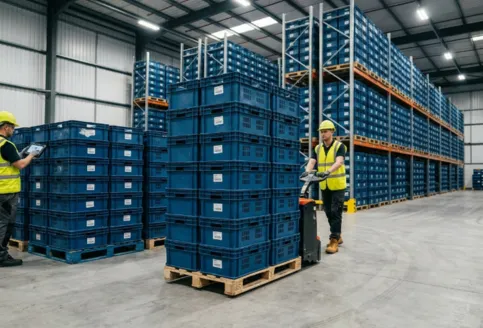
Warehouse storage bins for efficient organization and inventory management by Crateco UAE
How to Organize Your Warehouse Efficiently Using Storage Bins
Waste management solutions for UAE businesses promoting sustainability and efficiency
The Rising Importance of Waste Management for UAE Businesses
Insulated tubs for safe and efficient heavy-duty storage by Crateco UAE
The Ultimate Guide to Insulated Tubs for Efficient and Safe Storage
Plastic storage containers for modern home and office organisation by Crateco UAE
Why Plastic Storage Containers Are Ideal for Modern Homes and Offices
Multi tier warehouse mezzanine with guardrails and load capacity signage in a UAE industrial storage facility
Working at Height and Mezzanine Load Compliance: Storage Standards for UAE Warehouses
Warehouse worker moving a loaded pallet with an ergonomic hand pallet truck in a UAE distribution facility
Manual Handling and Ergonomics: Reducing Injuries with the Right Trolleys and Pallet Trucks
Supervisor checking a forklift operator safety record on a clipboard inside a UAE warehouse facility
UAE Labour Law and Employer Obligations for Material Handling Equipment
Stacked chemical storage drums with GHS hazard pictogram labels in a UAE industrial warehouse
GHS Labeling Explained: Chemical Container Compliance for UAE Businesses
UN-certified plastic drums and jerry cans marked with UN codes in a UAE hazardous goods storage area
UN-Certified Packaging: Why It Matters for Transporting Hazardous Goods in the UAE
Chemical drums stored inside a bunded spill containment pallet in a UAE industrial facility
Spill Containment Compliance Checklist: What UAE Environmental Inspectors Look For
Cooler box guide UAE for choosing the best ice cooler for outdoor use
Your Complete Guide to Choosing the Perfect Cooler Box in the UAE
Plastic dairy crates stacked for efficient storage and transport
Why the Modern Plastic Dairy Crates Are a Logistics Must
Stainless steel trash bin by Crateco for clean waste management
Why a Stainless Steel Trash Bin Is the Smart Choice for Every Space
Waste bins for businesses offering hygienic and efficient waste management
How to Choose the Right Waste Bin for Your Business
Metal waste bin for durable and eco-friendly waste management in the UAE
Metal Waste Bins: Durable & Eco-Friendly Waste Solution
UAE warehouse with high bay pallet racking, overhead sprinkler pipework, and clear aisle spacing for fire safety compliance
What UAE Civil Defence Requires from Warehouse Racking and Fire Safety Systems
UAE warehouse racking and fire safety setup prepared for Municipality and Civil Defence audit
Preparing Your Warehouse for UAE Municipality and Civil Defence Compliance Audits
Shaded outdoor loading area at UAE warehouse following midday break rules for worker safety
UAE Midday Break Rules: How Outdoor Loading and Storage Areas Can Stay Compliant
Warehouse workers using shaded cooling station to prevent heat stress at UAE outdoor facility
Heat Stress Prevention in Outdoor Warehousing: Practical Steps Beyond the Midday Break Law
Food-grade storage containers meeting ADAFSA food safety inspection requirements in Abu Dhabi UAE
ADAFSA and Municipal Food Safety Inspections: What Storage Containers Must Meet
Labeled hazardous waste containers stored with segregation controls at UAE industrial facility
Basel Convention and UAE Hazardous Waste Rules: Proper Containment and Labeling
Halal-compliant plastic storage containers for food supply chain handling in UAE warehouse
Halal Supply Chain Compliance: Why Storage and Transport Containers Matter
Food-grade plastic egg trays compliant with UAE food-contact packaging regulations
Egg Tray and Food-Contact Packaging Compliance in the UAE
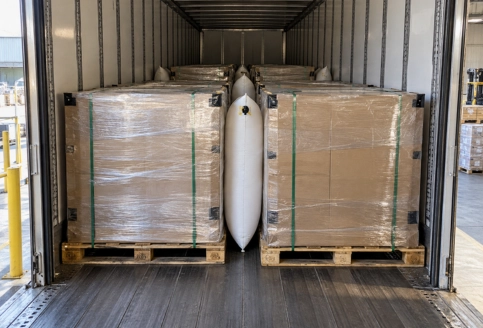
Inflated dunnage bags securing palletized cargo in a container for UAE transport safety
Dunnage Bags and Cargo Securement: Meeting UAE Transport Safety Standards
Reusable plastic packaging crates supporting ESG reporting for UAE logistics operations
ESG Reporting for UAE Logistics Companies: How Packaging Choices Affect Your Sustainability Score
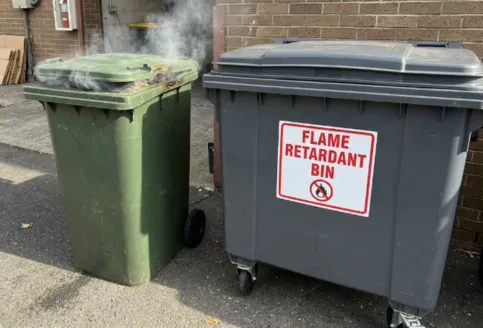
Flame-retardant garbage bins for fire risk control in UAE industrial and commercial areas
Understanding the Importance of Flame-Retardant Garbage Bins in UAE
Modular plastic crates for scalable warehouse storage and business growth in UAE
Why Modular Plastic Crates Are Key to Warehouse Efficiency in the UAE
Stackable pallets for vertical warehouse space optimization and efficiency in UAE
Maximize Warehouse Space with Stackable Pallets: A Vertical Storage Guide
Pallet truck safety and maintenance guide for efficient UAE warehouse operations
Pallet Truck Safety & Maintenance: A Complete Guide for UAE Warehouses
Platform trolley guide for warehouse, office, and retail efficiency and heavy lifting
Maximize Efficiency with Platform Trolleys: Your Complete Buying Guide
Sustainable warehousing trends showing eco-friendly storage solutions in UAE
Top 5 Sustainable Storage Trends Shaping Modern Warehousing in UAE
Packaging strategies for operational resilience using plastic crates and pallets in UAE
How Packaging Strategies Drive Operational Resilience in UAE Supply Chains