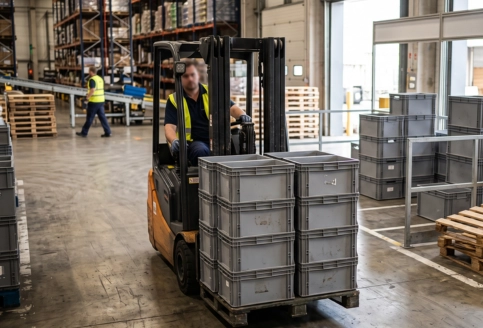
Every business that moves or stores goods spends money on packaging. But most businesses do not stop to calculate how much of that spending is a waste. Single-use cardboard boxes, disposable wrapping, and one-trip wooden crates all get used once and thrown away, and the cost of replacing them adds up faster than most operations realize.
There is a smarter way to handle this, and it starts with switching to reusable containers. Reusable containers are rigid, durable packaging solutions designed to be used hundreds of times before reaching the end of their life.
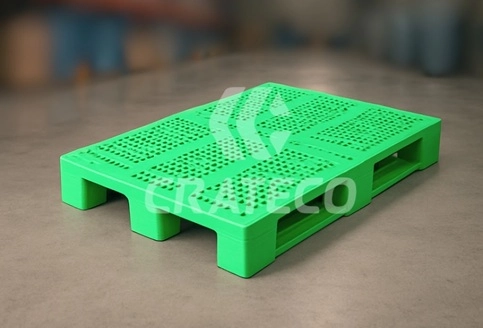
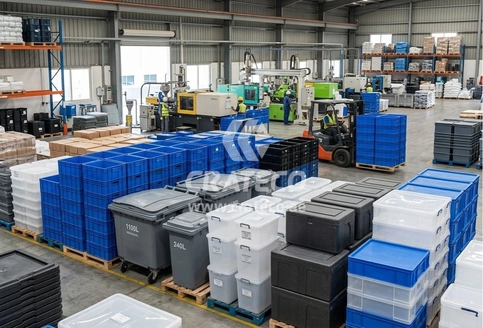
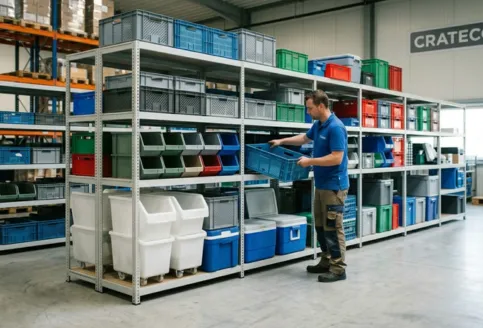
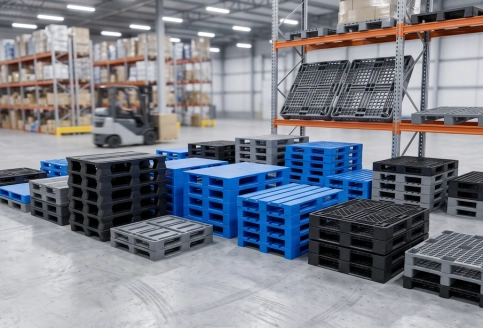
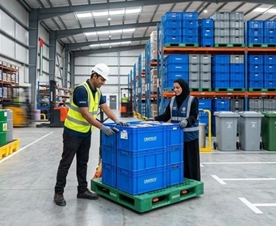
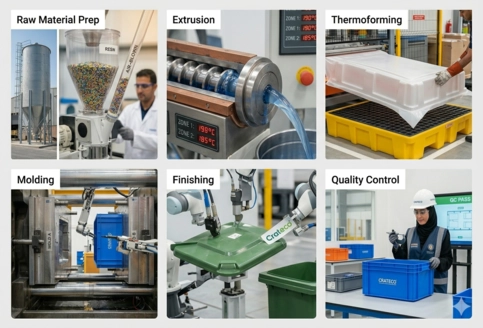
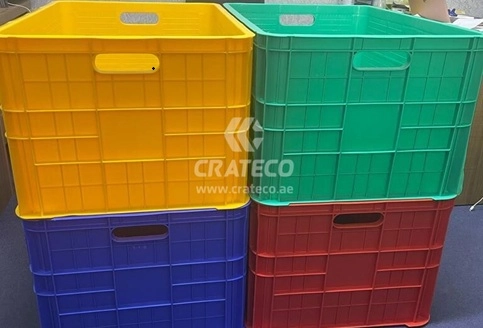
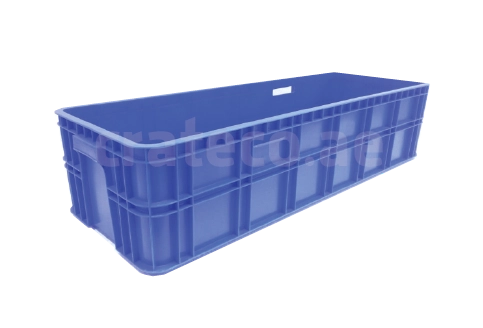
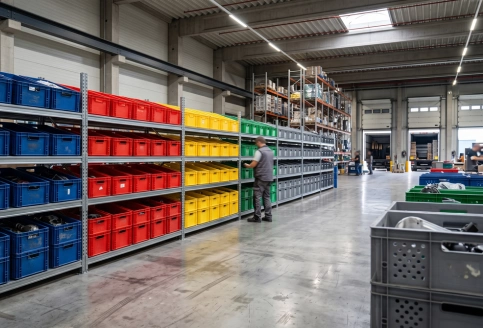
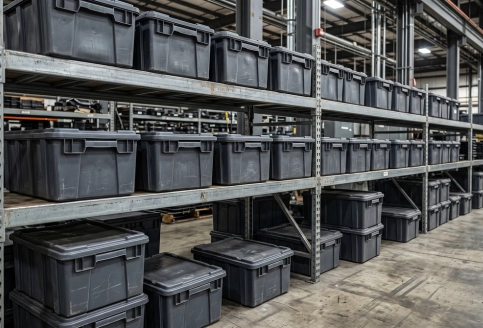
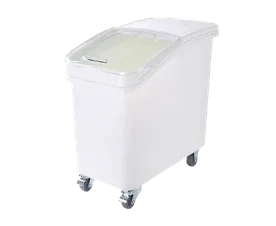
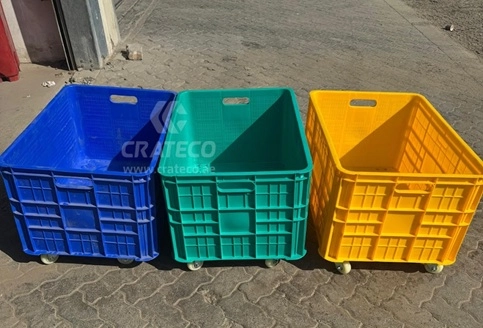
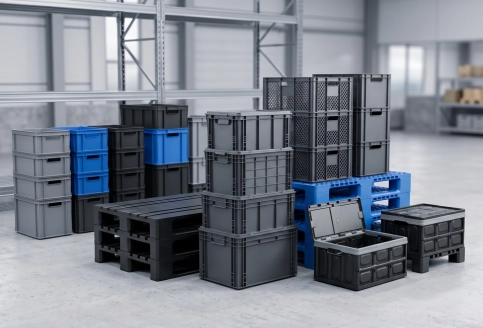
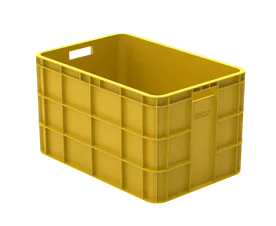
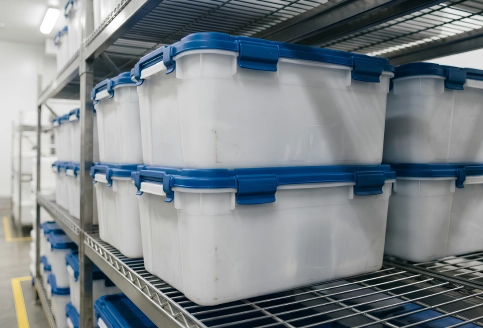
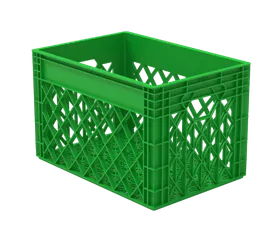
They include plastic crates, plastic pallets, plastic pallet boxes, and other container types made from high-density polyethylene (HDPE) or polypropylene (PP). Unlike single-use packaging, these containers are built to go through repeated loading, unloading, washing, and stacking cycles without losing their shape or strength.
Businesses across food production, logistics, retail, manufacturing, and cold chain operations are switching to reusable packaging systems because the financial and environmental benefits are significant and measurable.
Before understanding the savings from reusable containers, it helps to understand the full cost of single-use packaging. Most businesses only look at the purchase price of a cardboard box or wooden pallet. But the real cost is much higher than that.
Purchase cost per trip: Every single-use container must be bought fresh for every trip. If your operation runs thousands of deliveries per month, you are buying thousands of boxes or wooden pallets every month without exception.
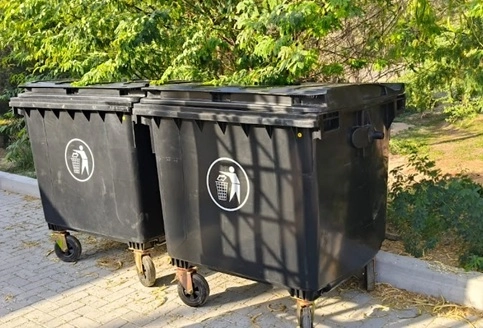
Disposal cost: Single-use packaging must be collected, compacted, and disposed of after each use. In many facilities, this requires dedicated labor, waste management contracts, and disposal fees. Cardboard and wood waste also take up significant space before it is removed.
Product damage cost: Cardboard weakens with moisture and repeated handling. Wooden crates splinter and break. When packaging fails mid-transit, the cost is not just the packaging itself but the damaged goods inside and the customer relationship that comes with it.
Labor cost: Workers spend time assembling cardboard boxes, breaking them down after use, and clearing disposal areas. This is unproductive labor time that adds to operational costs without adding value to the business.
Environmental compliance cost: In many markets, businesses are increasingly required to report and manage their packaging waste. Single-use packaging generates higher waste volumes, which can trigger higher compliance costs and sustainability reporting obligations.
When all these costs are added together across a full year of operations, the true cost of single-use packaging is often many times higher than the sticker price of the containers themselves.
The most direct financial benefit of reusable containers is the dramatic reduction in cost per trip when calculated over the container's full lifespan. A good-quality plastic crate may cost more upfront than a cardboard box, but it can complete hundreds of use cycles before needing replacement.
For example, if a plastic crate costs AED 30 and lasts through 300 trips, the cost per trip is just 10 fils. A cardboard box used once for the same purpose costs several dirhams per trip, regardless of its purchase price. Over a year of daily operations, this difference compounds into very significant savings across an entire fleet of containers.
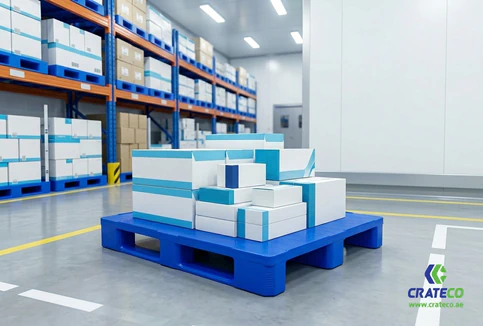
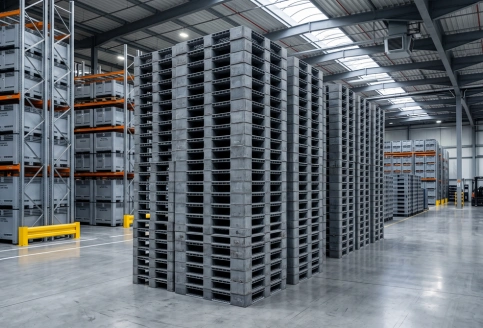
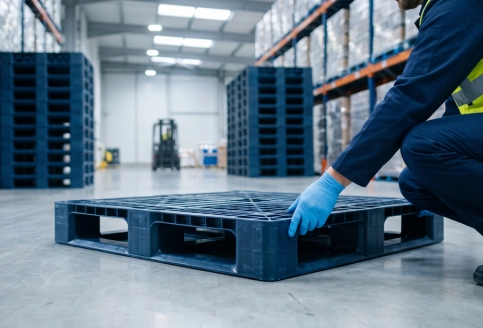
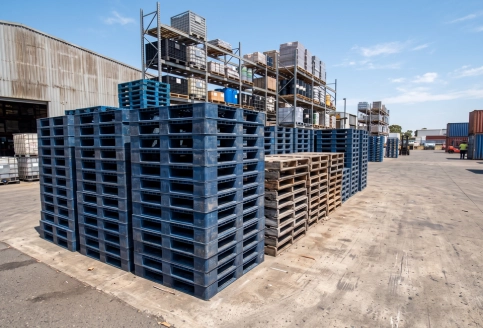
The same principle applies to plastic pallets. A standard plastic pallet that lasts 5 to 10 years replaces dozens of wooden pallets that would have been bought, used once or twice, and discarded during the same period.
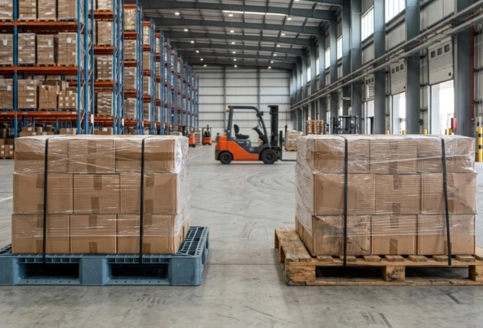
Every single-use container that enters your facility eventually needs to leave it as waste. Cardboard must be broken down, baled, and collected. Wooden pallets take up large floor areas and require regular clearance. Both generate ongoing disposal costs, including labor, equipment, and waste contractor fees.
Reusable containers eliminate this waste stream. The same container that arrives full leaves again for the next trip. There is no disposal cycle, no waste buildup on the facility floor, and no recurring cost associated with removing packaging from the premises.
For high-volume operations processing thousands of units per day, this saving alone can justify the switch to reusable packaging.
Single-use packaging is not designed for structural reliability. Cardboard loses its rigidity when wet or compressed. Wooden crates break, splinter, and deform. When packaging fails, the goods inside are at risk.
Product damage during transit or storage leads to direct financial losses from spoiled or broken goods, customer complaints, return processing costs, and replacement shipments. Reusable plastic containers are injection-moulded to maintain their shape and strength through hundreds of loading cycles.
They do not absorb moisture, they do not bend under stack pressure, and they do not develop weak points over time, the way cardboard does. This structural reliability directly reduces product damage rates, which translates to lower losses and fewer costly returns.
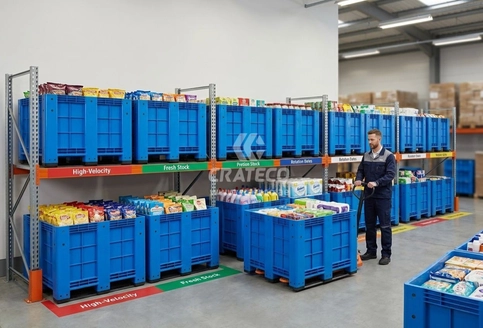
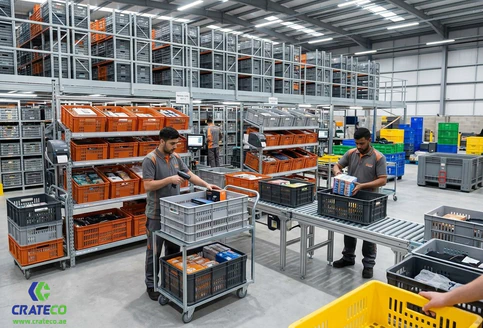
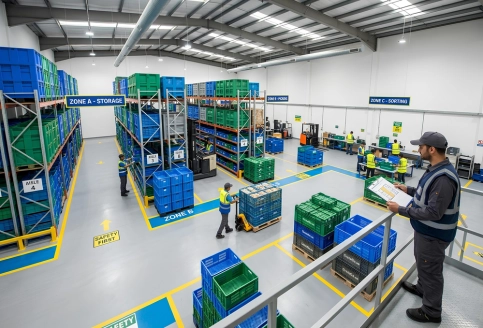
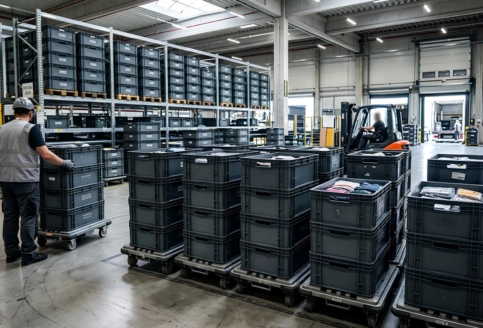
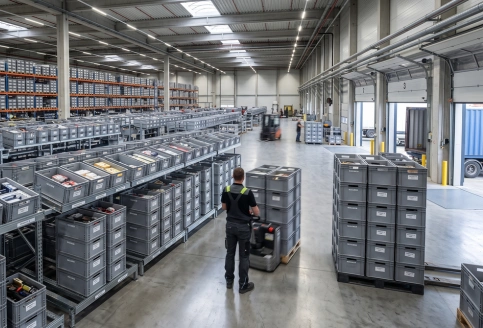
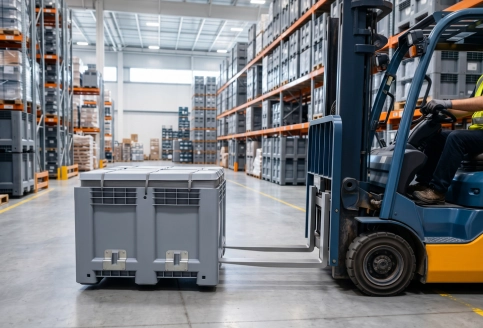
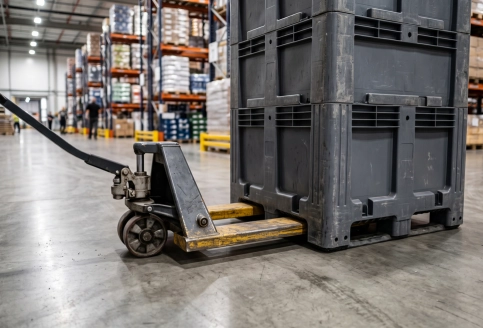
Reusable containers are designed for efficiency. They stack uniformly, nest when empty, and are handled consistently by forklifts, pallet jacks, and conveyor systems because their dimensions never change.
Workers do not need to assemble them, reinforce them with tape, or handle them carefully to avoid collapsing the way they do with cardboard. The time saved per handling cycle may seem small, but across thousands of movements per day in a busy warehouse or distribution centre, it adds up to meaningful labor cost reductions.
Standardized containers also reduce the risk of handling errors and injuries, which carry their own financial consequences through downtime, insurance, and incident reporting.
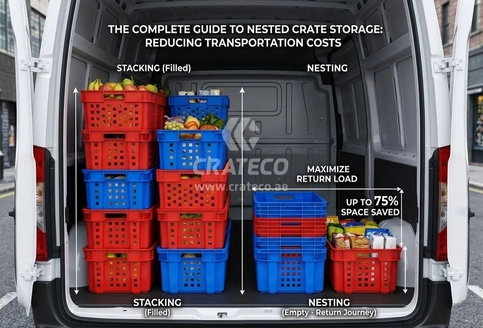
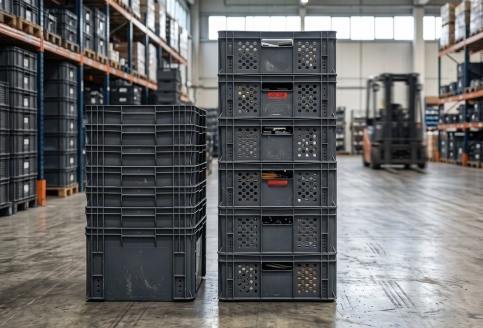
One of the most overlooked cost savings from reusable containers is the space efficiency gained from nestable designs. When empty containers are returned from customers or stores, nestable crates and pallets slide inside each other, reducing the stack height significantly.
This means that the same truck that delivers 100 full crates can return with those 100 empty crates, taking up a fraction of the vehicle space. This directly reduces return-trip transport costs.
It also means less floor space is needed to store empty containers at both the sending and receiving ends of the supply chain. For businesses paying for warehouse space by the square metre, this is a tangible and recurring saving.
Reusable containers are not consumables. They are business assets. A well-maintained fleet of plastic crates and pallets depreciates over years rather than days, and at the end of their useful life, they can often be recycled for material value rather than simply sent to landfill.
This shift from consumable packaging to long-lived assets changes the financial profile of your packaging spend entirely. Instead of a recurring monthly expense that never produces a return, the initial investment in reusable containers produces ongoing savings for years.
Many businesses that switch to reusable packaging find that the full return on investment is achieved within the first 12 to 18 months, after which the containers continue delivering savings for years beyond that.
The financial case for reusable containers is strong on its own. But there are also environmental benefits that create additional business value, particularly as sustainability expectations from customers, partners, and regulators continue to grow.
Reduced packaging waste: A single reusable crate replacing 300 cardboard boxes keeps 300 boxes out of the waste stream. At scale, this represents a significant reduction in the volume of packaging waste a business generates each year.
Lower carbon footprint: Producing a cardboard box or wooden pallet for every shipment requires raw materials, manufacturing energy, and transport. Producing one reusable container and using it 300 times has a carbon footprint that is a fraction of the equivalent single-use packaging over the same period.
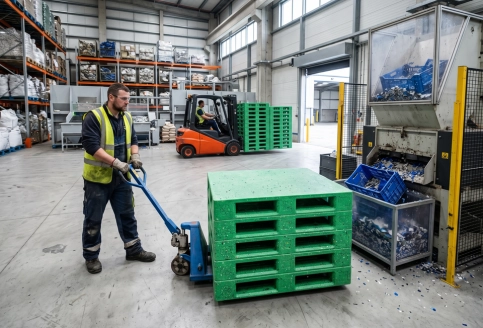
Recyclability at end of life: HDPE and PP plastics used in reusable crates and pallets are fully recyclable. At the end of a container's useful life, the material can be recovered and reprocessed rather than going to landfill. This closes the loop on the product lifecycle and supports circular economy principles.
Sustainability reporting: Many businesses in the UAE and across the region are now required or expected to report on their environmental performance. A documented switch from single-use to reusable packaging provides clear, measurable data on waste reduction and emissions savings that strengthen sustainability reports and ESG disclosures.
Customer and partner expectations: Major retailers, food manufacturers, and logistics companies increasingly require their suppliers and partners to meet sustainability standards. Using reusable packaging is one of the simplest and most visible ways to demonstrate environmental responsibility to existing and potential business partners.
While every industry that uses packaging can benefit from switching to reusable containers, some sectors see the most immediate and significant cost reductions.
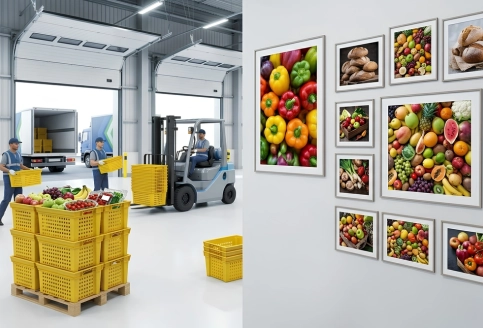
Food producers and distributors use large volumes of packaging for every shipment. Fresh produce, dairy, bakery goods, and beverages all move through multiple handling points between production and retail.
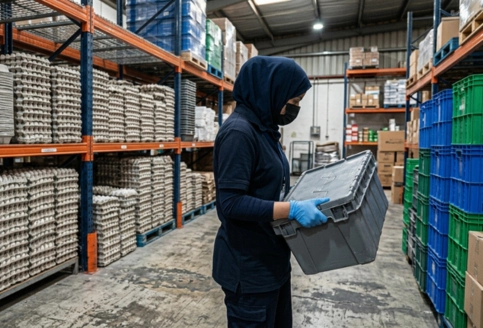
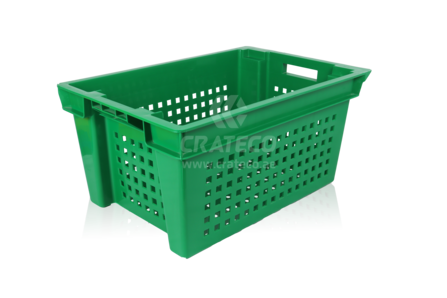
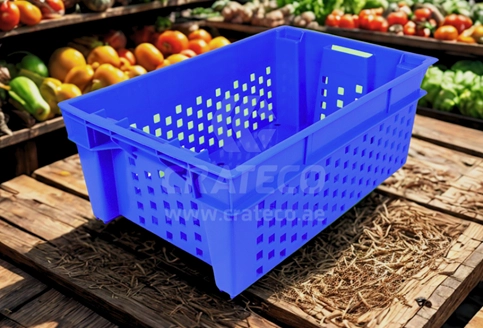
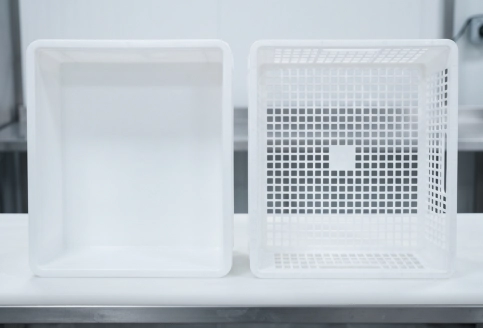
Reusable ventilated crates, closed crates, and bottle crates designed specifically for food-grade use reduce packaging costs dramatically while also meeting hygiene standards required under HACCP and food safety regulations.
Large retail chains and supermarket networks move enormous quantities of goods between distribution centres and stores every day.
Standardized reusable crates and pallets reduce packaging spend, speed up store replenishment, and minimize the waste that store staff would otherwise need to clear after unpacking deliveries.
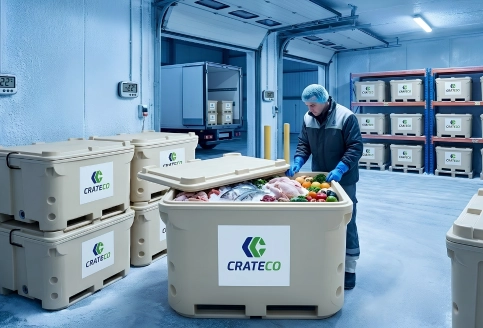
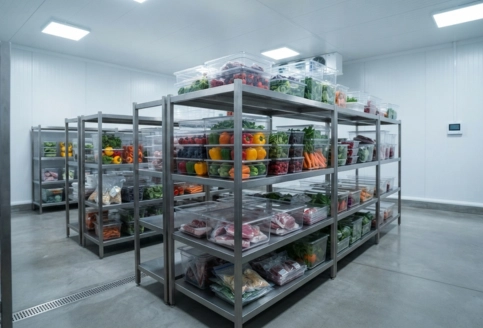
Cold chain operators face additional packaging challenges because temperature-sensitive goods require containers that perform reliably in both freezer and ambient environments.
Reusable plastic containers built from HDPE maintain their structural integrity across the full cold chain temperature range, eliminating the need for insulated single-use packaging on many product categories.
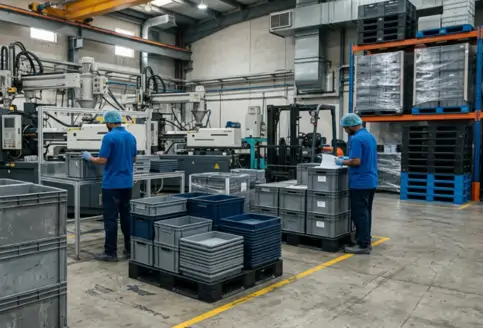
Manufacturers moving components, finished goods, or spare parts between facilities benefit from standardized reusable containers that integrate with automated handling systems.
Spare parts bins, closed crates, and industrial pallets reduce packaging waste from production lines while improving inventory accuracy and handling speed.
Pharmaceutical supply chains require packaging that meets strict hygiene and contamination control standards.
Reusable food-grade plastic crates and hygienic pallets meet these standards while also delivering the cost benefits of reusability over single-use cardboard or wooden alternatives.
| Cost Factor | Single-Use Packaging | Reusable Containers |
|---|---|---|
| Purchase cost | Recurring, every trip | One-time investment |
| Cost per trip | High across all trips | Decreases with every use cycle |
| Disposal cost | Ongoing, every use | None during active life |
| Product damage rate | Higher due to structural weakness | Lower due to consistent rigidity |
| Labor for handling | Higher assembly and disposal required | Lower, standardized and efficient |
| Return trip space | Full space used for empty packaging | Nestable design reduces space significantly |
| Environmental waste | High single-use generates constant waste | Minimal, same container used hundreds of times |
| End-of-life value | Landfill or low-value recycling | Recyclable HDPE and PP with material value |
| ROI timeline | No return, pure ongoing expense | Full ROI typically within 12 to 18 months |
Switching to reusable containers is not complicated, but it works best when approached as a planned strategy rather than a one-off purchase. Here are the key steps to building an effective, reusable packaging program.
Step 1: Audit your current packaging spend: Calculate the full annual cost of your current single-use packaging, including purchase, disposal, damage, and labor. This gives you a clear baseline to measure savings against after switching.
Step 2: Identify your container requirements: Determine the sizes, volumes, and environmental conditions your containers need to handle. Do you need ventilation for fresh produce? Closed walls for dust-sensitive goods? A lid for transit security? Nestable design for return logistics? Matching the container type to the product and process is essential for getting the full benefit of reusability.
Step 3: Calculate the return on investment: Compare the upfront cost of a reusable container fleet against your current annual packaging spend. Factor in disposal savings, damage reduction, and labor efficiency gains. Most businesses find that the break-even point is well within the first year of operation.
Step 4: Standardize your container fleet: Choose standard footprint sizes that are compatible with your existing handling equipment, racking systems, and vehicle loading configurations. Consistency across your container fleet maximizes handling efficiency and simplifies inventory management.
Step 5: Implement a container tracking and return system: A reusable container only delivers its full financial benefit if it actually comes back. Build a simple tracking and return process that accounts for every container in your fleet, whether through barcoding, RFID tagging, or deposit systems with your customers.
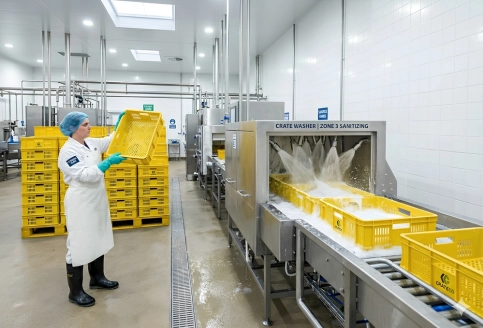
Step 6: Set a cleaning and maintenance schedule: Reusable containers need regular cleaning to maintain hygiene standards and extend their working life. Establish a cleaning protocol appropriate to your product type and industry requirements, and inspect containers regularly for damage that could affect their structural integrity or hygiene compliance.
The financial case for switching to reusable containers is clear and compelling. Single-use packaging creates a constant drain on operational budgets through purchase costs, disposal fees, product damage, and labor inefficiency.
Reusable plastic crates and pallets replace this ongoing expense with a long-lived asset that delivers measurable savings on every trip, in every season, across every year of active use.
Beyond the direct cost savings, reusable containers reduce waste, lower carbon emissions, support sustainability reporting, and meet the hygiene and safety standards required in food, pharmaceutical, and cold chain environments. They are more efficient to handle, more reliable in transit, and more compatible with modern automated warehouse systems than any disposable alternative.
For businesses in the UAE looking to reduce operational expenses and build a more sustainable supply chain, the switch to reusable containers is one of the most practical and high-return decisions available.
Crateco Pack LLC, the leading plastic crates and pallets supplier and manufacturer in the UAE, offers a complete range of reusable containers across all sizes, types, and industry applications.