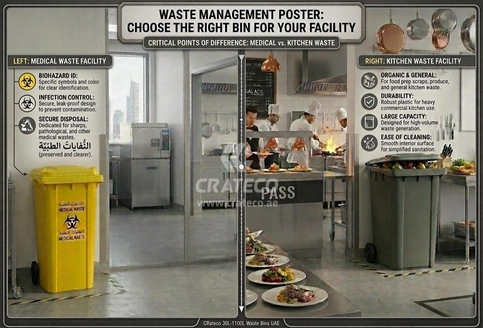
Medical and kitchen waste bins require careful selection based on waste type, hygiene standards, and local regulations. High temperatures and daily waste volume increase the need for durable and sealed waste containers.
Proper bin selection improves cleanliness, reduces contamination risks, and supports safe waste handling in hospitals, clinics, restaurants, and catering kitchens. Clear segregation systems and strong materials maintain hygiene and operational efficiency.
Choosing the right waste bin improves hygiene and keeps places safe. It also helps control waste in hot weather conditions.
Hygiene Control: Proper bins reduce germs in hospitals and kitchens. Clean waste handling lowers infection risk by 30 percent in facilities.
Odor Control: Good bins stop bad smells in the hot climate. Sealed lids reduce odor spread inside busy work areas.
Safety Improvement: Correct bins prevent accidents and contamination in workplaces. Staff handle waste safely with proper bin systems.
Regulation Compliance: UAE rules require proper waste segregation in facilities. Hospitals and restaurants must follow color-coded systems daily.
Operational Efficiency: Right bins make waste disposal faster and easier. Staff save time during daily cleaning and waste collection.
Waste bins in medical and kitchen environments are divided into different types based on waste category and safety level. Each bin type supports hygiene, waste control, and safe disposal in UAE facilities.
Medical waste bins are used in hospitals, clinics, and laboratories for the safe disposal of hazardous waste. These bins prevent infection spread and support strict hygiene control. They are designed with strong materials and sealed lids to avoid leakage.
Key features:
Biohazard safety: Used for infectious medical waste like bandages, gloves, and syringes.
Leak resistance: Prevents fluid leakage and contamination in hospitals.
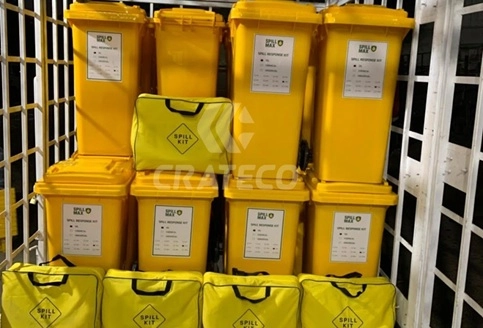
Color coding: Yellow bins are commonly used for infectious waste in hospitals.
Strong material: High-density plastic supports heavy clinical waste safely.
Medical waste generates around 1.2 kg per bed per day in hospitals, requiring proper bin systems.
Kitchen waste bins are used in restaurants, hotels, and catering kitchens for food and organic waste. These bins help maintain cleanliness and control the smell in cooking areas. They are designed for frequent use and easy cleaning.
Key features:
Food waste storage: Used for vegetable scraps, food leftovers, and organic waste.
Odor control: Tight lids reduce smell in hot kitchen environments.
Easy cleaning: Smooth surfaces support fast washing and maintenance.
Durability: Strong plastic handles daily heavy waste loads in kitchens.
Restaurants produce large amounts of food waste daily, especially during peak dining hours.
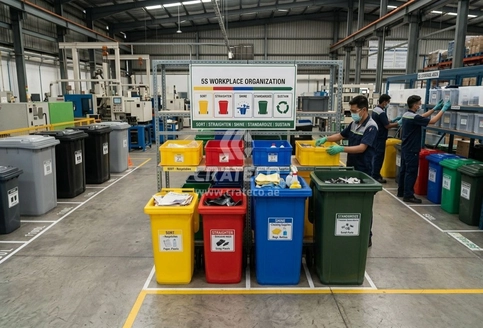
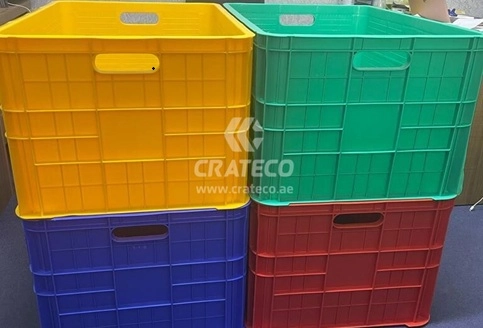
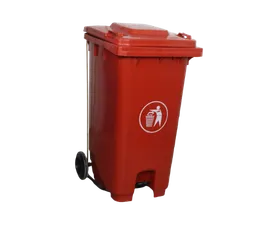
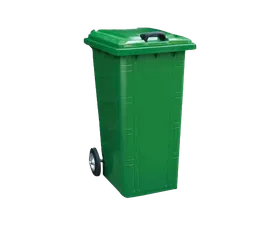
Color-coded bins help separate waste types for safe disposal and recycling. UAE facilities follow color systems to avoid mixing hazardous and general waste. This system improves compliance and reduces environmental risk.
Common color system:
Yellow: Medical infectious waste, like contaminated materials
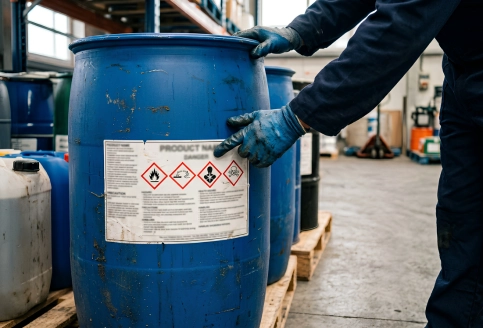
Red: Hazardous chemical waste from laboratories
Green: Organic food waste from kitchens
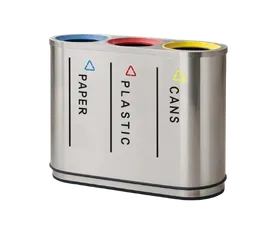
Blue: Recyclable materials like paper and plastic
Proper segregation reduces contamination risk by more than 40 percent in healthcare facilities.
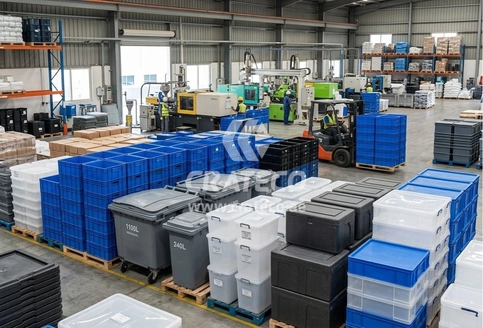
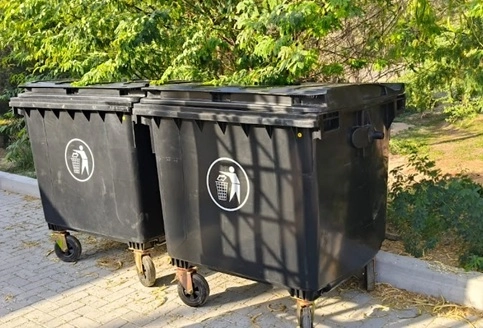
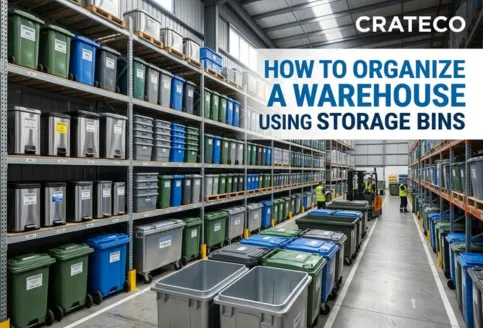
Industrial waste bins are used in large facilities like factories, hotels, and warehouses. These bins handle high-volume waste and heavy materials. They are built for outdoor and long-term use.
Key features:
Large capacity: Holds 120 to 1100 liters of waste easily
Wheel mobility: Supports easy movement in large facilities
Heavy-duty material: Withstands heat, pressure, and rough handling
Outdoor use: Designed for UAE weather conditions and sunlight
Industrial bins reduce waste collection frequency in large operations.
Recycling bins are used to collect materials that can be reused or processed again. These bins support environmental sustainability. They are widely used in commercial and public spaces.
Key features:
Paper recycling: Collects newspapers, cardboard, and office waste.
Plastic recycling: Stores bottles and packaging materials
Glass recycling: Used for bottles and glass waste separation
Environmental support: Reduces landfill waste and improves sustainability
Recycling systems reduce landfill waste volume by up to 30 percent in urban areas.
Choosing the right waste bin for a facility depends on waste type, hygiene needs, and daily usage volume. Hospitals, clinics, restaurants, and kitchens use different bin systems to maintain safety and cleanliness.
Waste type selection defines the correct bin category for any facility. Medical and kitchen waste require different handling systems. Facilities must first separate waste into categories before choosing bins.
Waste categories include:
Medical waste: syringes, gloves, bandages from hospitals
Food waste: leftovers, vegetable scraps from kitchens
Recyclable waste: paper, plastic, glass materials
Hazardous waste: chemicals and laboratory materials
Healthcare facilities generate infectious waste that increases infection risk if mixed with general waste by up to 35 percent.
Bin material directly affects durability and hygiene performance. UAE facilities use strong plastic due to the heat and heavy daily usage. Material selection also impacts cleaning and lifespan.
Common materials include:
HDPE plastic: strong, chemical-resistant, widely used in hospitals
Polypropylene: lightweight and suitable for kitchen use
Stainless steel: used in premium hygiene environments
High-quality HDPE bins last 3 to 5 years in commercial use under UAE conditions.
Waste volume determines bin size for each facility type. Small bins increase emptying frequency, while large bins reduce handling time. Proper sizing improves operational efficiency.
Typical capacities include:
20–50 liters: clinics and small medical rooms
60–120 liters: hospitals and medium kitchens
120–240 liters: large restaurants and catering units
Hospitals generate around 0.5 to 2 kg of waste per patient per day, depending on service type.
Hygiene features reduce contamination and improve safety in busy environments. Facilities must use bins designed for touch-free operation. These features support infection control.
Important features include:
Foot pedal lids: reduce hand contact with waste surfaces
Sealed covers: block odor and pest entry in hot climates
Smooth surfaces: allow fast cleaning and disinfection
Color coding: supports proper waste segregation systems
Healthcare studies show that touch-free bins reduce germ transfer risk by more than 25 percent.
High temperatures affect waste decomposition and odor levels. Bin selection must consider outdoor and indoor exposure. Heat-resistant materials improve performance.
Key considerations:
UV resistance: prevents plastic damage from sunlight
Odor control: essential for kitchens and food waste areas
Frequent disposal cycles: reduces bacterial growth in heat
Summer temperatures often exceed 45°C, increasing waste odor and decomposition speed significantly.
| Feature | Medical Waste Bins | Kitchen Waste Bins |
|---|---|---|
| Risk Level | High (infectious and biohazard waste) | Medium (food and organic waste) |
| Material | Chemical-resistant HDPE plastic | Food-grade durable plastic |
| Lid Type | Sealed, foot-operated lid | Tight odor-control lid |
| Compliance | Strict healthcare waste rules | Standard municipal hygiene rules |
| Cleaning Frequency | High, multiple times daily | Very high, due to food residue |
Many facilities choose the wrong waste bins due to poor planning. These mistakes create hygiene problems and make daily waste handling harder.
Mixing Waste Types: Medical and kitchen waste get mixed in one bin. This increases the risk of germs and infection by about 40 percent.
Wrong Bin Size: Small bins overflow quickly in busy facilities. Hospitals produce up to 2 kg of waste per patient daily.
Low Quality Material: Cheap plastic breaks in the high heat. Temperatures above 45°C reduce bin life very fast.
No Color System: Without colors, waste sorting becomes confusing. Hospitals usually use 4 different bin colors daily.
Poor Cleaning Habit: Dirty bins create a bad smell and bacteria growth. Kitchen bins need cleaning several times each day.
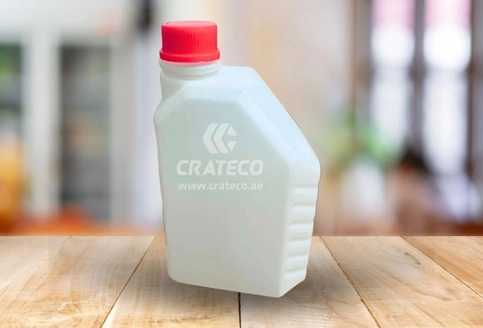
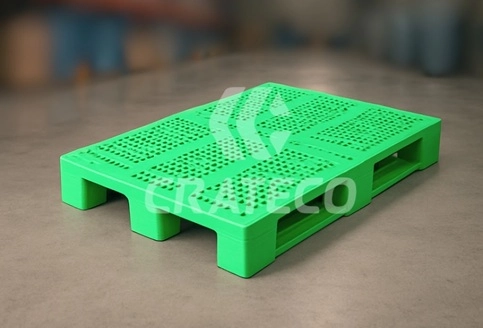
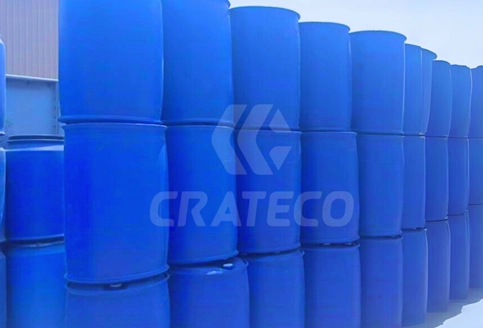
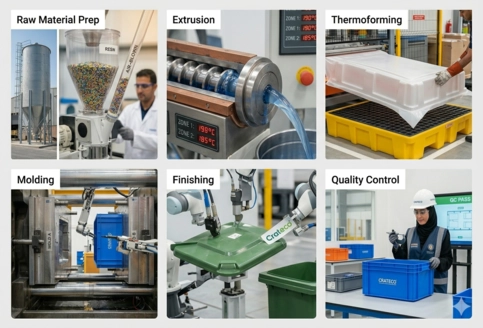
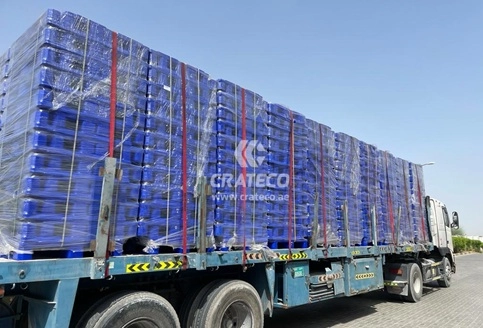
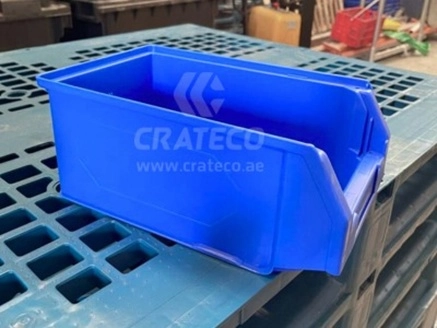
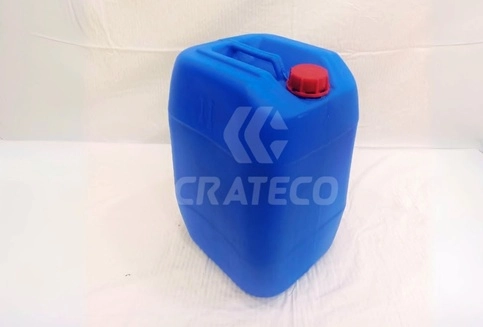
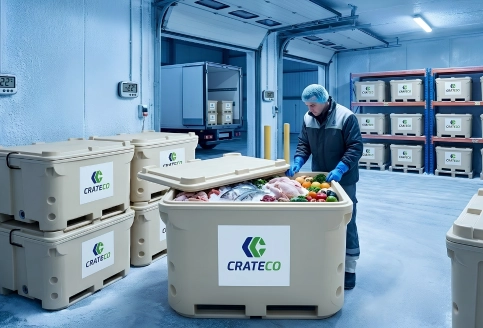
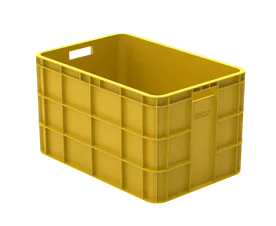
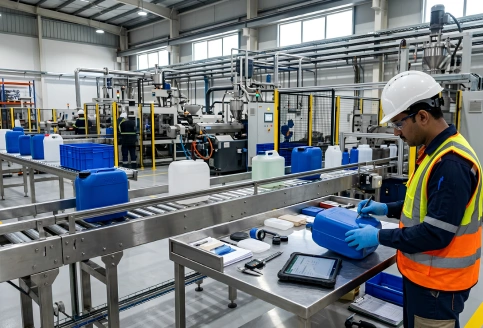
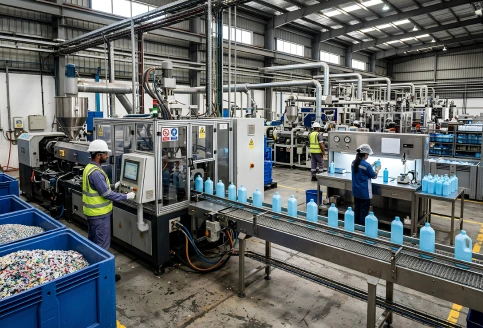
Crateco is the best plastic manufacturer and supplier in the UAE for waste bins and storage products. It helps hospitals, kitchens, and businesses choose the right waste bin for safe and clean waste handling. It also makes many plastic products like crates, pallets, garbage bins, and jerry cans for daily use.
Crateco makes strong plastic products that work well in extreme heat and heavy use. Its products are used in hospitals, food places, warehouses, and factories. The range includes storage crates, industrial pallets, waste bins and jerry cans for many different needs.
Choosing the right waste bin keeps hospitals and kitchens clean and safe. It helps stop germs, bad smells, and messy waste areas. Good bins also reduce infection risk in busy facilities. This makes daily work safer for staff and visitors.
Good waste bins make cleaning easy and fast every day. They also work better in hot weather and keep places more hygienic. Proper bins help staff manage waste without stress. This improves overall cleanliness in all facilities.