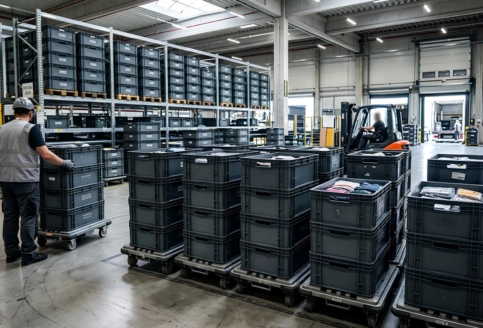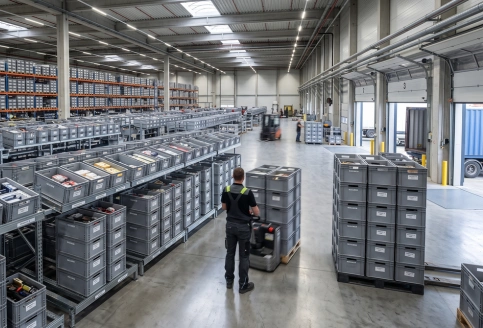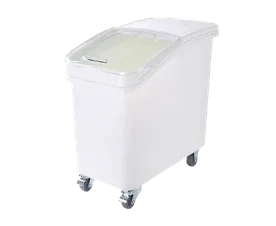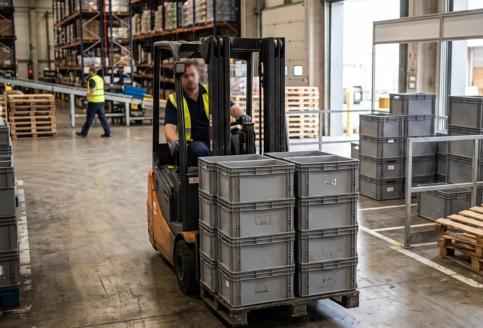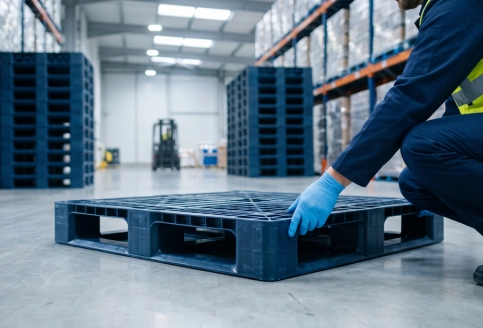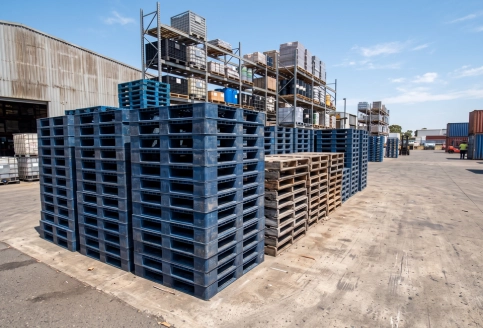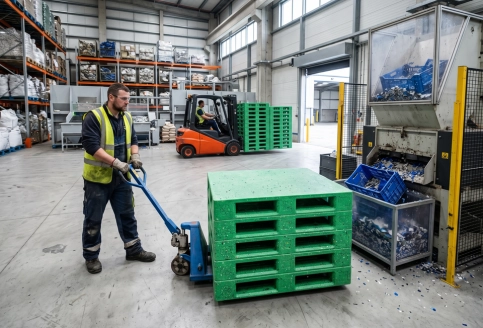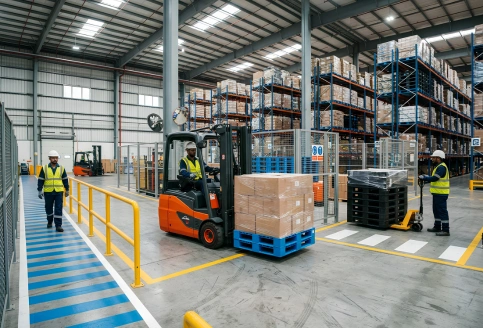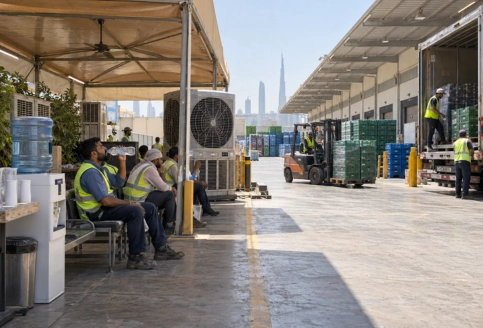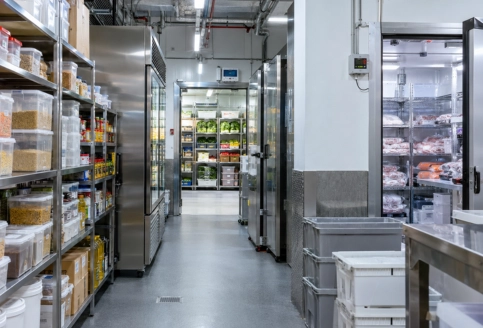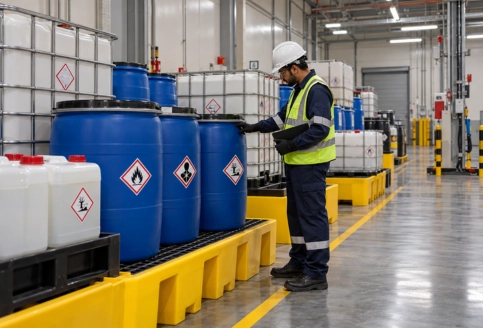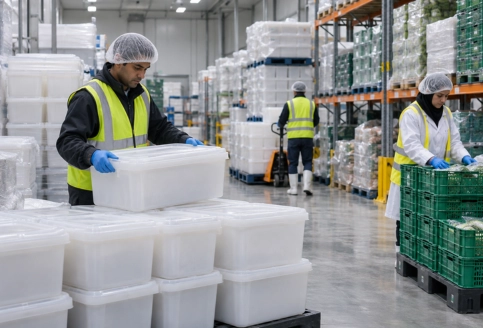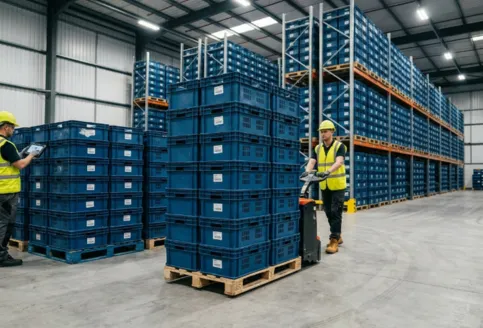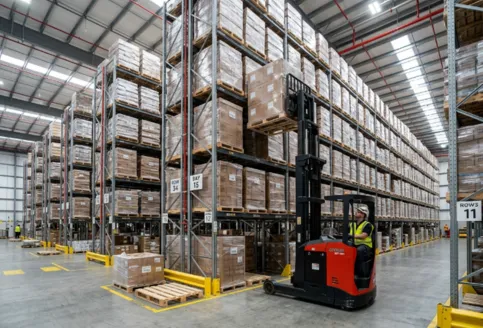
Implementing a 5S workplace organization system using plastic bins improves efficiency by reducing clutter, decreasing search time, and increasing safety. The 5S system consists of five distinct phases: Sort, Set in order, Shine, Standardize, and Sustain. Each phase helps teams eliminate waste in a warehouse or backroom environment.
You achieve maximum results by using durable plastic bins to categorize, store, and label every item in your inventory if you follow the structured methodology outlined below.
The 5S workplace organization system is a lean manufacturing method that organizes a workspace for efficiency and effectiveness. It identifies and stores items used, maintains the area and items, and sustains the new order.
This system creates a visual workplace where team members can identify problems, such as missing tools or misplaced inventory, within 30 seconds of inspection.
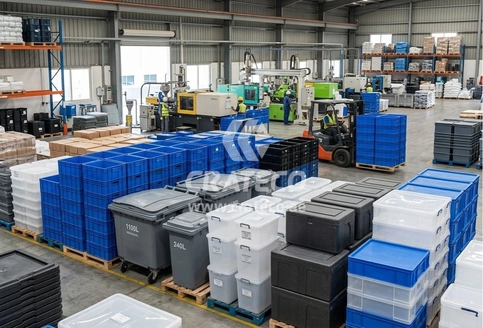
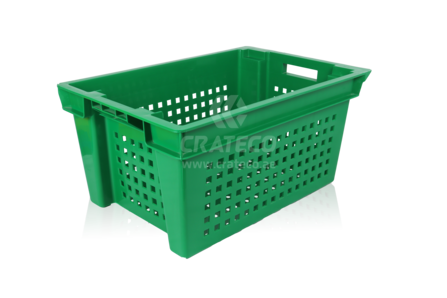
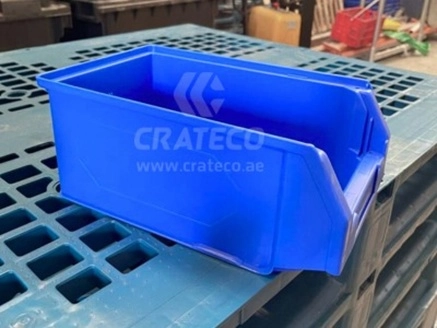
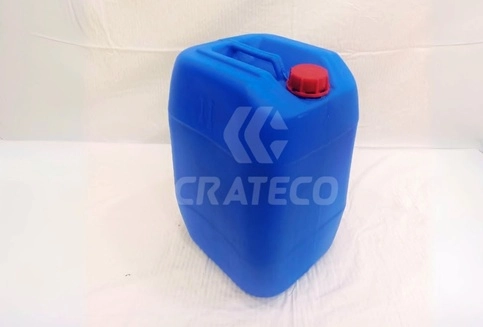
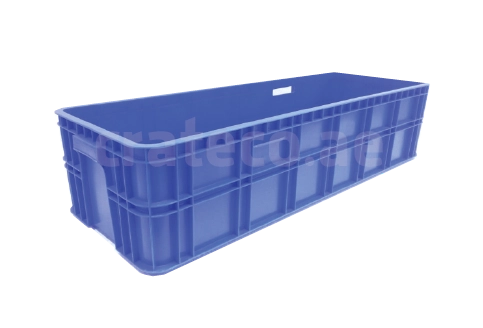
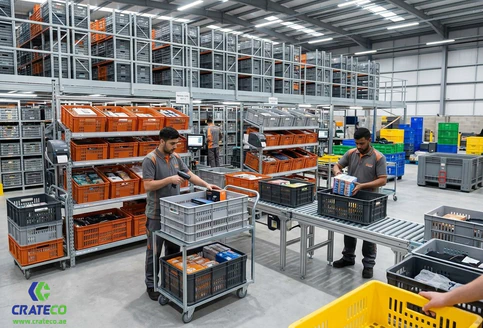
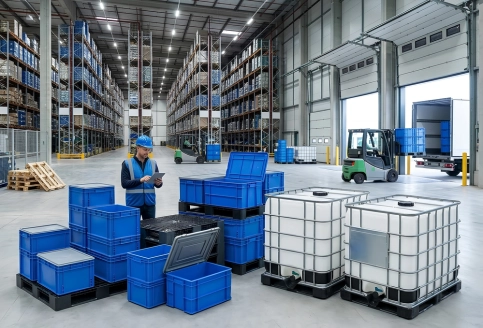
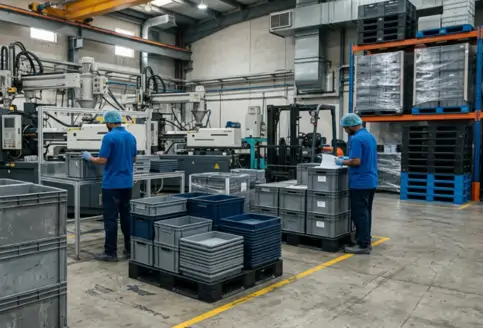
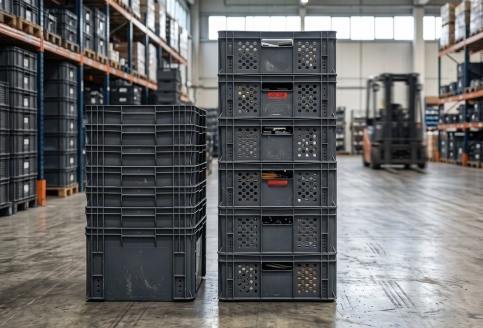
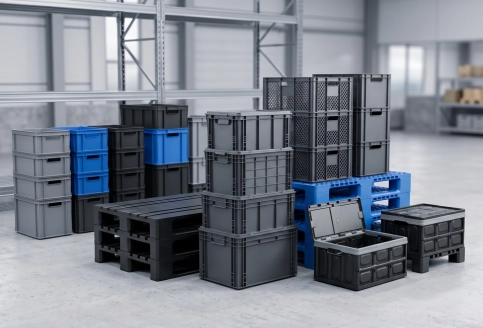
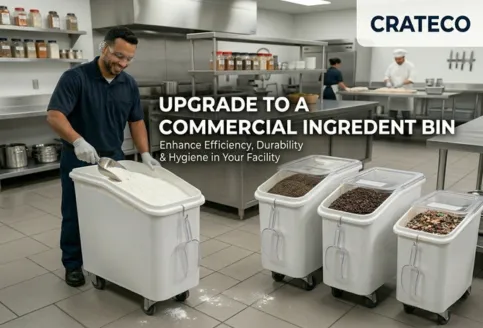
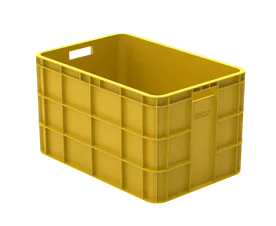
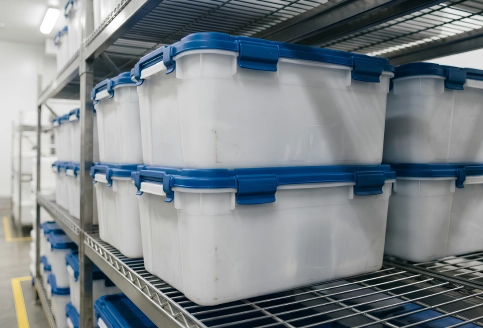
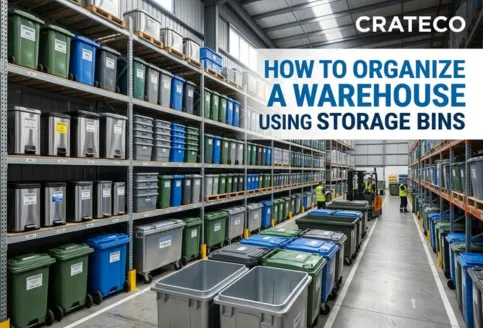
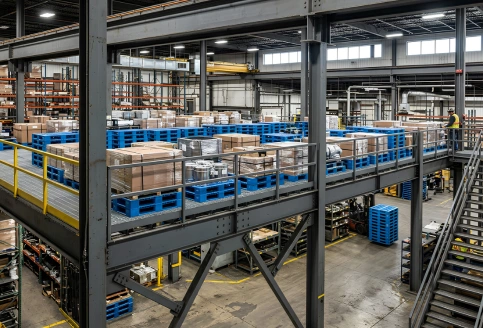
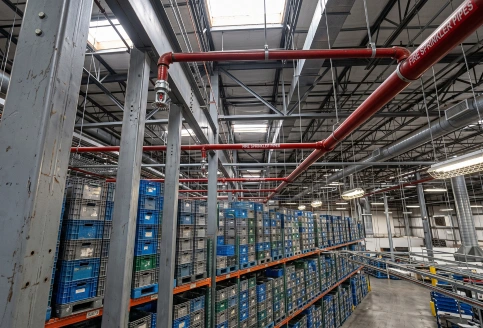
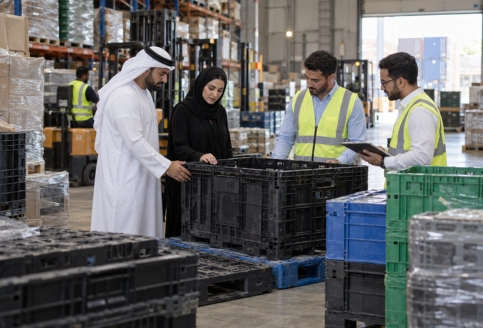
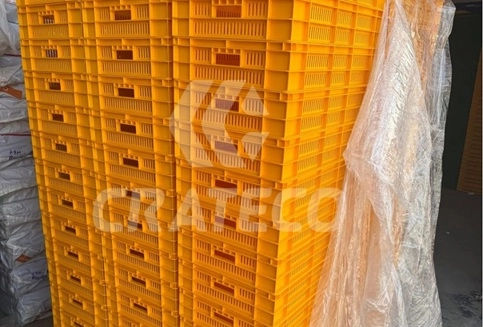
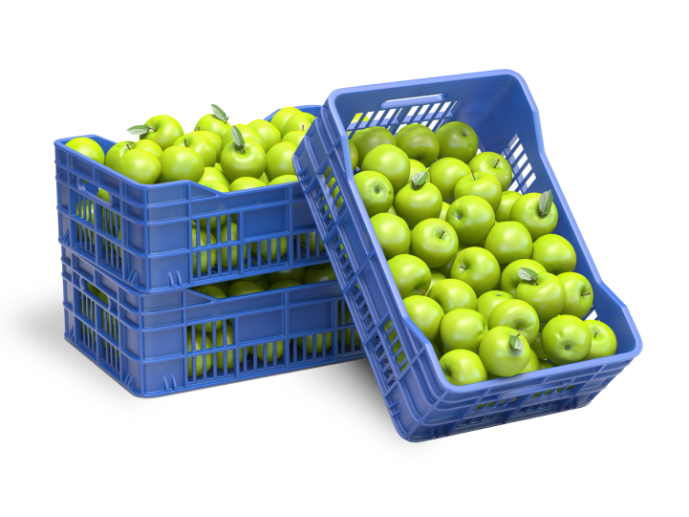
Plastic bins provide the structural foundation for 5S because they are modular, stackable, and easy to clean. They offer a physical boundary for inventory, which helps keep items separated and organized.
Standardizing with plastic bins allows for uniform storage density across your facility. This prevents the "piling" effect common in warehouses using cardboard or mixed materials.
You need specific storage equipment to ensure your 5S implementation lasts. The right equipment reduces the need for constant re-organization.
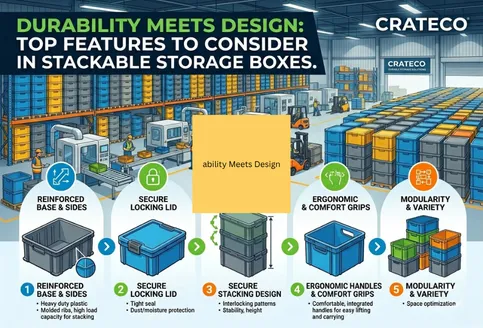
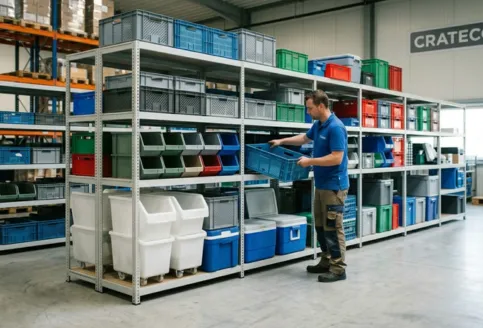
Stackable Plastic Bins: These maximize vertical storage space.
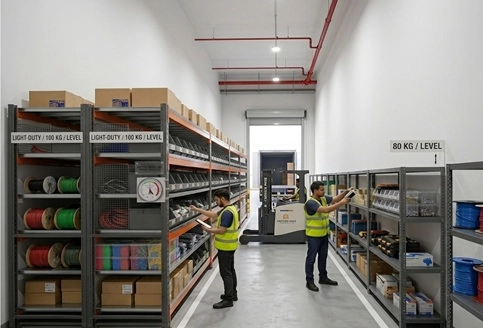
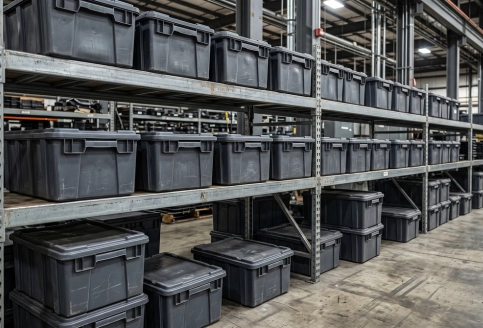
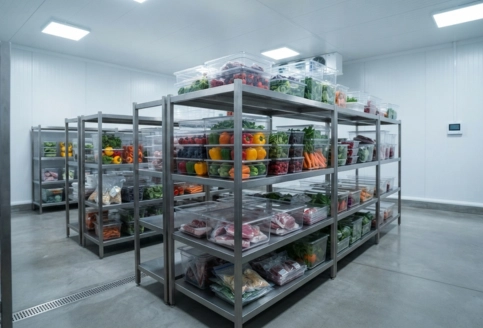
Shelving Units: These support the weight of the bins while keeping items visible.
Label Makers: These provide clear, professional markers for your inventory.
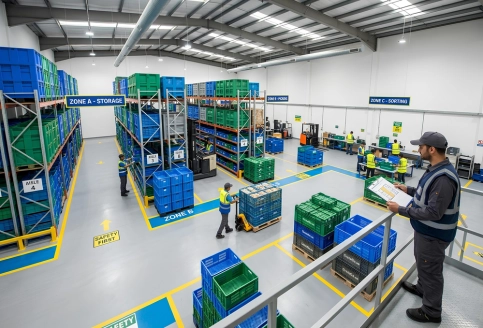
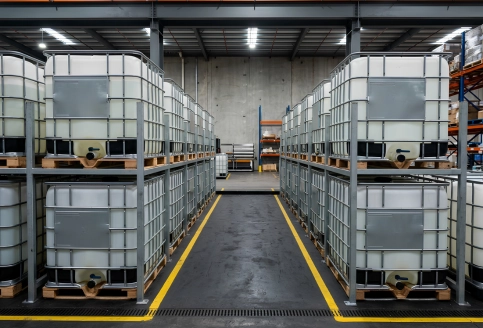
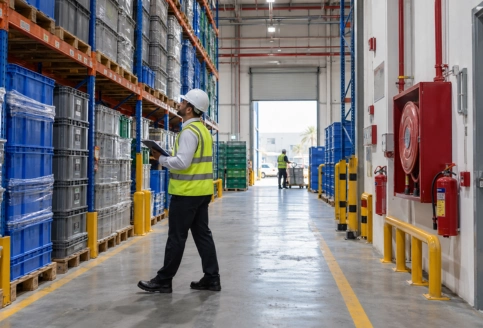
Floor Tape: This marks off aisles and storage zones for bins and pallets.
Executing 5S requires a disciplined approach, moving sequentially from organizing inventory to maintaining the system long-term.
The Sort phase involves removing all unnecessary items from the workspace. You must only keep the items you need for daily operations.
Red-Tagging: Place items that are not used daily in a separate "Red Tag" plastic bin.
Evaluate: Review these items after 14 days. If the items remain untouched, move them to long-term storage or discard them.
Clear Space: Remove all items that do not add value to the current workflow.
Set in Order means arranging items so they are easy to find, use, and return. You must assign a specific location for everything.
Frequency of Use: Place high-turnover items in bins at waist height. Store low-turnover items in bins on higher or lower shelves.
Logical Grouping: Place items used for the same task in the same bin or on the same shelf.
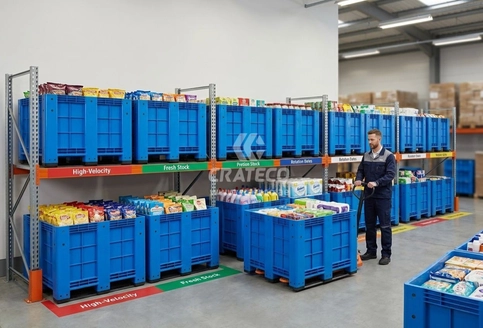
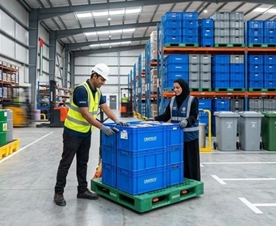
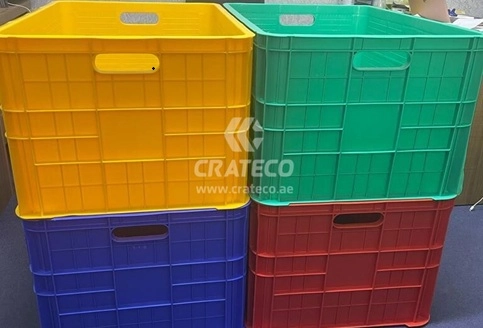
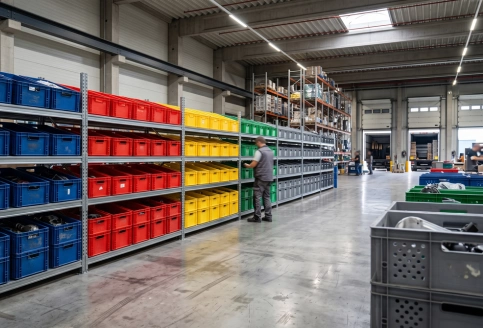
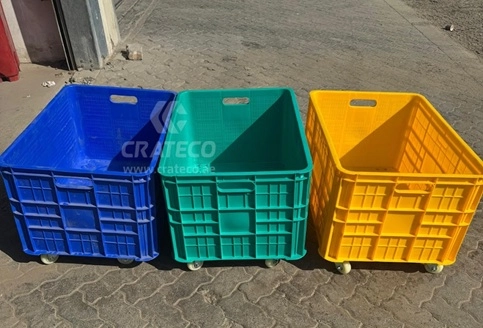
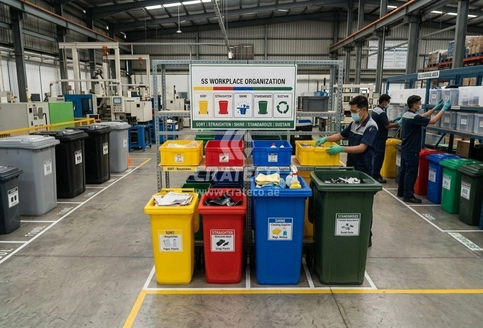
Visual Management: Use color-coded plastic bins to distinguish between different product categories or teams.
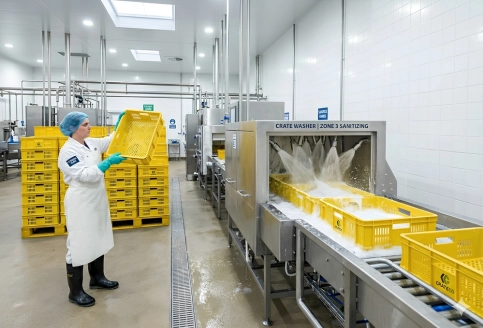
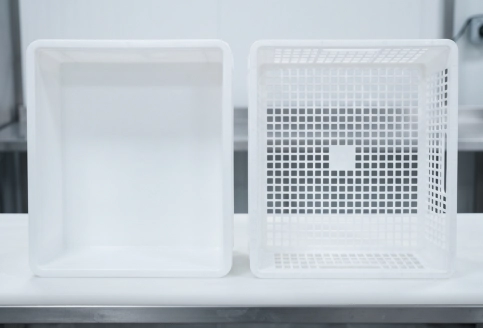
Shine involves cleaning the workplace and equipment daily. Using plastic bins simplifies this because they are non-porous and easy to sanitize.
Preventative Cleaning: Inspect storage areas for dust or debris each day.
Bin Maintenance: Wash plastic bins monthly to ensure no dirt accumulates.
Source Control: Address the root cause of dirt, such as cardboard dust or loose packaging, by replacing flimsy materials with robust plastic containers.
Standardization means creating rules to maintain the first three S's. You must make the organization process repeatable and predictable for every employee.
Labeling: Place clear labels on the front of every plastic bin. Include the item name, SKU, and a barcode.
Shadow Boards: Use outlines on shelves to show exactly where each bin belongs.
Documentation: Create standard operating procedures (SOPs) that include photos of the "perfect" storage state.
Sustain ensures that the 5S system becomes a habit for the team. This phase requires discipline, leadership, and regular performance tracking.
Daily Audits: Conduct 5-minute walkthroughs to ensure every bin is in its proper place.
Feedback Loops: Encourage staff to suggest improvements for the bin layout, if they find a more efficient way to store items.
Visual Scorecards: Post audit results in a public area to keep the team motivated.
Plastic bins improve warehouse workflow by providing structure, visibility, and protection.
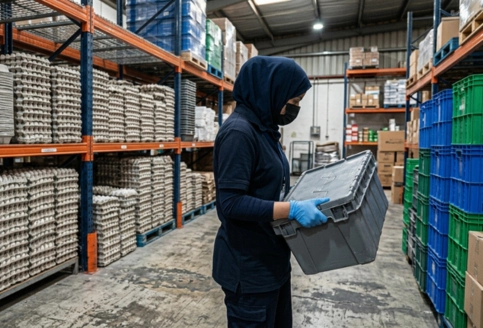
Plastic bins act as containers for your 5S activities. They prevent items from spreading across the floor or shelves. This reduces the time spent clearing clutter before beginning a task.
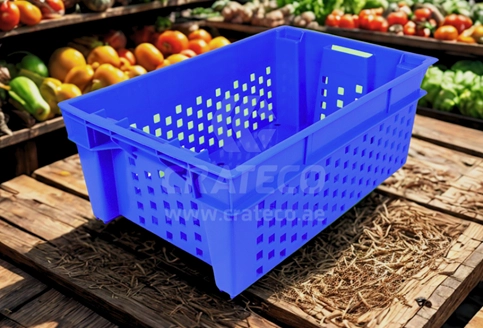
You reduce search time by 20% when you use clear or open-front plastic bins. Staff can see the stock levels without removing the bin from the shelf.
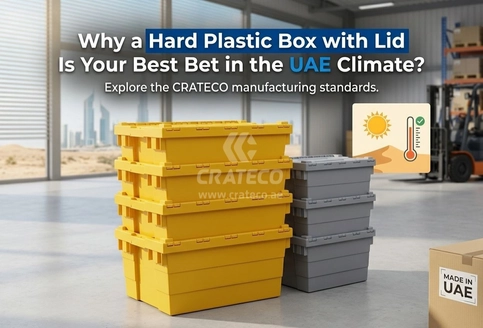
You protect inventory from dust, moisture, and pests by using closed plastic bins. This reduces the waste generated from damaged goods, which supports the "Sort" phase of 5S.
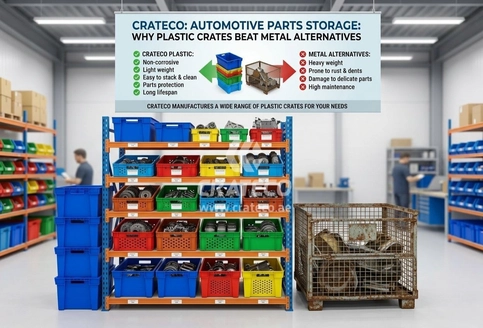
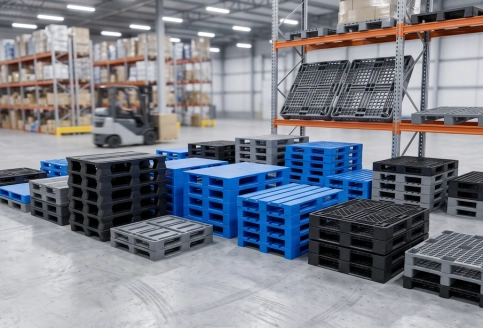
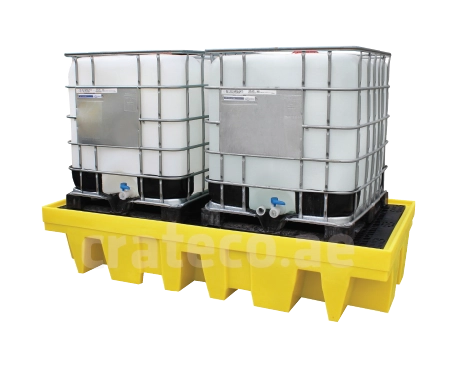
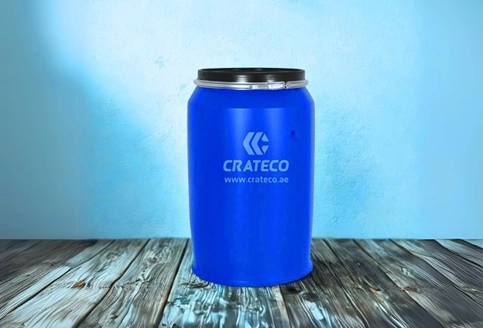
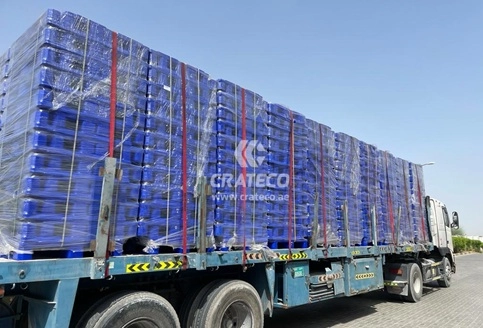
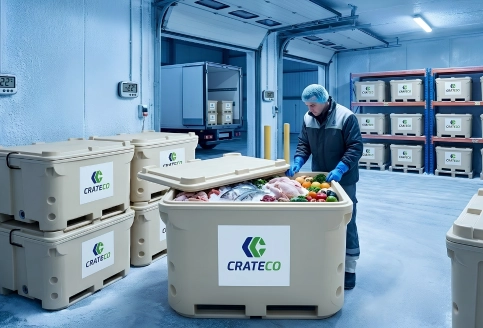
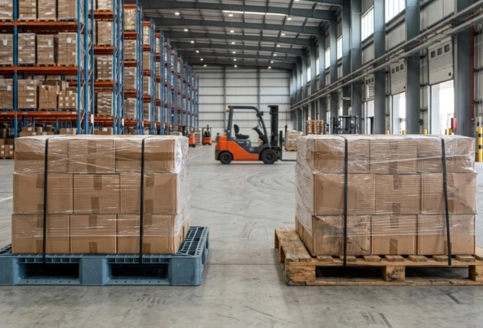
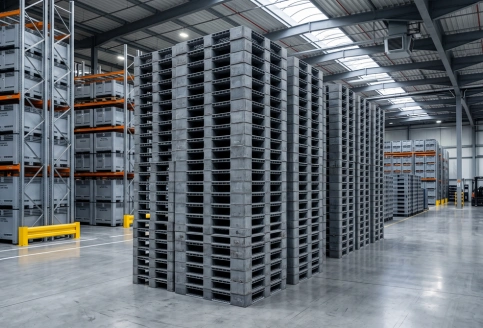
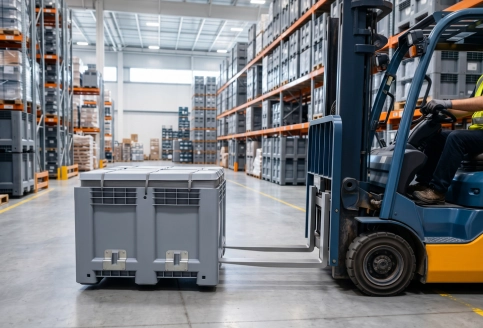
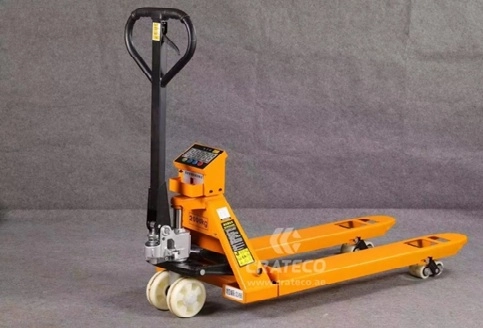
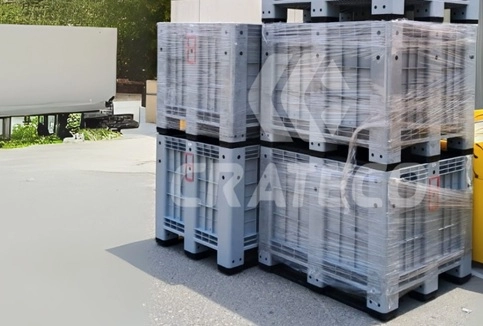
Crateco serves as a trusted industrial plastic pallet manufacturer in the UAE. We provide the high-quality storage containers and pallet systems needed to build a durable 5S environment.
We ensure that your bins and pallets are compatible with standard warehouse shelving. This compatibility is vital for the "Standardize" phase, as it prevents mismatching and wasted space.
You calculate the ROI by comparing the labor costs before 5S to the labor costs after 5S.
Baseline Measurement: Track the time spent finding inventory for one week.
Implementation: Set up your 5S system using bins.
Post-Measurement: Track the time spent finding inventory for one week after implementation.
Financial Value: Multiply the time saved by the average hourly wage of your warehouse staff to see the daily financial impact.
Most warehouses reduce their search time by 15–25% within the first 6 months of using a bin-based 5S system.
You might encounter resistance or failure if you do not approach 5S as a continuous process.
Lack of Management Support: You will fail to sustain 5S, if management does not enforce the rules.
"One-Time" Cleaning: 5S is not a one-time project. It is a daily routine.
Ignoring Staff Input: Your team knows the workflow best. You must include them in the bin layout design if you want the system to stick.
Over-Complexity: Do not over-label. Keep the system simple so that anyone can learn it in less than 5 minutes.
Color-coding is a highly effective "Set in Order" tactic. It reduces the reliance on reading text and allows staff to identify zones visually.
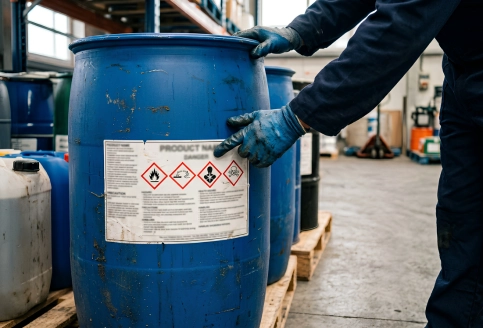
Define Categories: Assign colors to different categories, such as "Fast-Moving," "Slow-Moving," or "Hazmat."
Purchase Bins: Buy plastic bins in these specific colors.
Train Team: Explain the color code to all warehouse personnel.
Enforce: Ensure that only the correct items go into the correct colored bins.
Safety is a major benefit of 5S. An organized warehouse is a safe warehouse.
Clear Aisleways: You remove trip hazards if every bin is secured on a shelf or pallet.
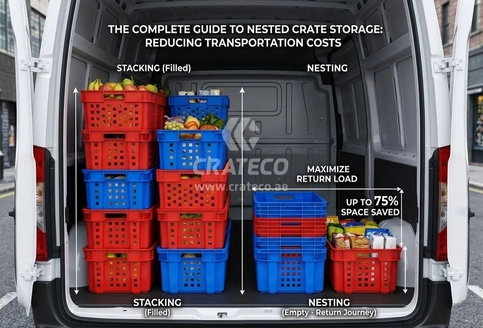
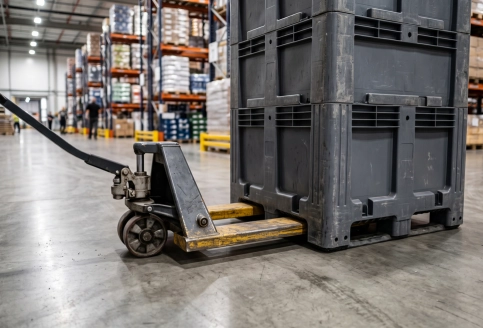
Secure Stacking: You prevent products from falling if you use bins designed for stacking.
Ergonomics: You reduce back strain if you place frequently used bins at waist height.
Maintaining 5S requires consistent practice and leadership involvement.
Audit Sheets: Use a simple checklist for your daily 5S audits.
Training: Provide 5S training for all new hires.
Continuous Improvement: Look for ways to save time if you notice an area where the 5S system feels slow.
Praise Success: Recognize staff members who maintain their zones the best.
Implementing a 5S workplace organization system using plastic bins creates a cleaner, safer, and more efficient warehouse. You start by sorting your items, setting them in order with organized bins, shining the area, standardizing the process, and sustaining the gains through audits.
Using bins makes this process manageable and scalable. Crateco provides the storage tools required for this transition. Your investment in bins and shelving pays for itself through time saved, reduced damage, and improved morale.