
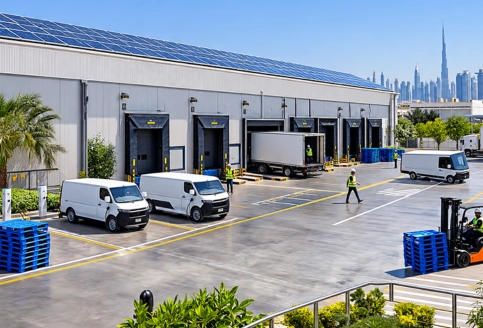
For years, sustainability in UAE logistics was a slide in a client pitch. That changed in 2025, when emissions reporting became law. Freight and storage firms in Dubai now face real deadlines, real records and real fines.
Dubai's green logistics push combines federal law with local strategy. The UAE Climate Law requires covered entities to measure, report and plan cuts to their greenhouse gas emissions.
Dubai layers on its Net Zero 2050 and Clean Energy strategies, a target to divert all waste from landfill by 2041, and green building codes for new facilities. For freight and storage companies, meeting these rules means tracking fuel, power, and packaging, then cutting waste across all three.
Federal Decree-Law No. 11 of 2024 on the Reduction of Climate Change Effects came into force on 30 May 2025. It applies across the UAE, including free zones. According to PwC, entities had until 30 May 2026 to comply fully.
Failing to measure, keep records, or report emissions can bring fines from AED 50,000 to AED 2 million, and emissions records must be kept for at least five years.
Cabinet and ministerial resolutions define which entities count as reporting sources and how emissions are calculated. Logistics firms should check how those rules apply to their fleet size and facilities, because the details continue to evolve.
The compliance window has now closed. Any freight or storage business without an emissions inventory is already behind.
The federal law sets the floor. Dubai's own strategies set the direction.
| Strategy or rule | Key target | What it means for logistics |
|---|---|---|
| UAE Net Zero 2050 | Net zero emissions nationally by 2050 | Long-term pressure to decarbonise fleets and buildings |
| UAE Climate Law (Decree-Law 11/2024) | Measure, report and reduce emissions | Emissions inventory, reduction plans, five-year records |
| Dubai Clean Energy Strategy 2050 | Higher share of clean energy | Rooftop solar on warehouses, cleaner power contracts |
| Dubai Integrated Waste Management Strategy 2041 | 100% landfill diversion, at least 56% recycled | Packaging waste must be reduced, reused or recycled |
| Dubai green building regulations (Al Sa'fat) | Efficiency standards for new buildings | Insulation, efficient cooling and lighting in new warehouses |
| Single-use plastic ban (Resolution 380 of 2022) | Phased bans from 2024 to 2026 | Changes to packaging and consumables |
The RTA is also moving. Its Climate Change Adaptation Strategy, launched in September 2026, ties transport planning to the Dubai Net Zero Carbon Emissions Strategy 2050 and the Dubai Clean Energy Strategy 2050, according to the RTA announcement. The authority has also approved a framework for autonomous heavy vehicles in logistics, which opens the door to more efficient freight routes.
Growth makes all of this urgent. The RTA reports that Dubai's commercial transport sector grew more than 40% in 2025, with annual revenues of AED 8.4 billion. More trucks and more warehouses mean more emissions to manage.
Most emissions reporting splits sources into three scopes. For a freight and storage business, they look like this.
| Scope | Source | Typical logistics examples | Main levers |
|---|---|---|---|
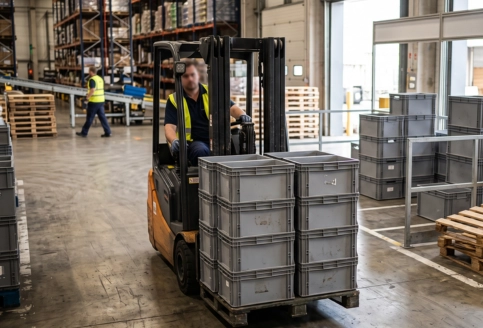
| Scope 1 | Fuel burned directly | Diesel trucks, diesel forklifts, generators | Electric forklifts, route planning, better load fill |
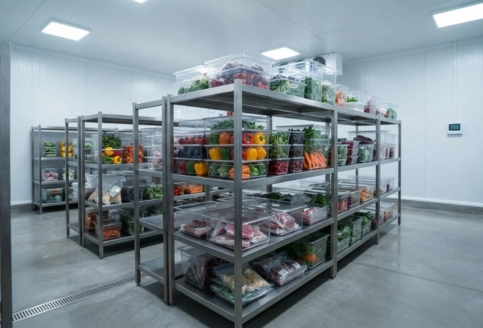
| Scope 2 | Purchased electricity | Warehouse cooling, lighting, cold rooms, charging | Solar, LED lighting, insulation, efficient chillers |
| Scope 3 | Value chain | Subcontracted haulage, packaging, waste, client transport | Reusable packaging, supplier data, waste diversion |
Scope 3 is usually the largest and hardest to measure. It is also where packaging decisions have a real effect.
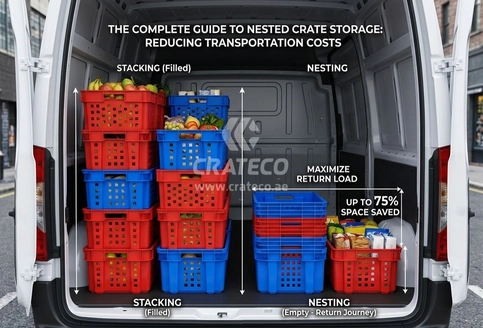
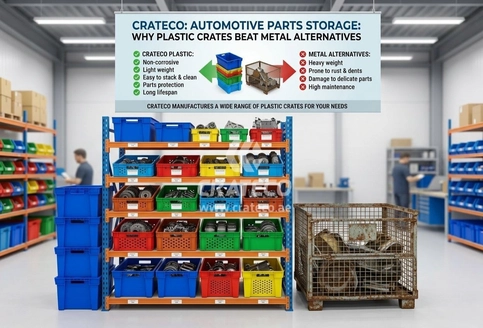
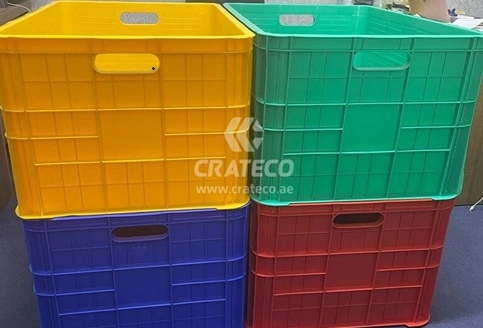
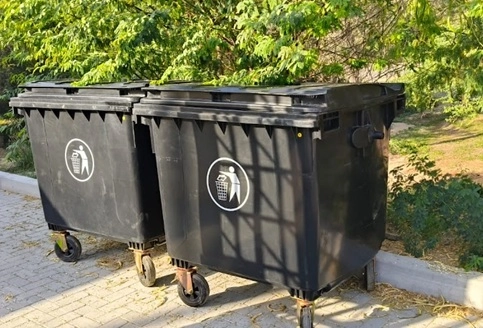
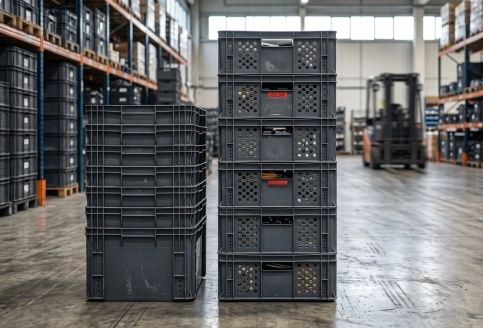
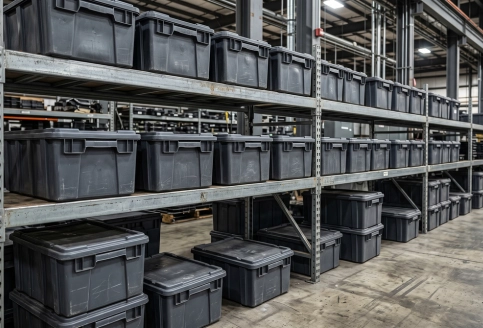
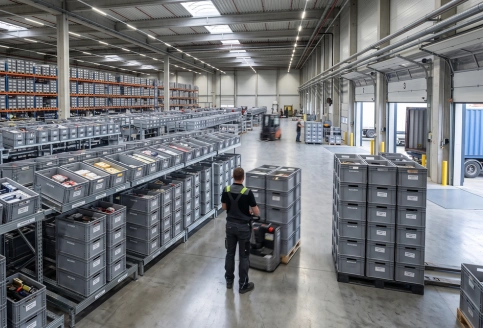
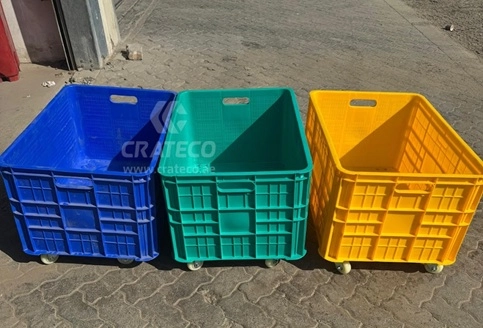
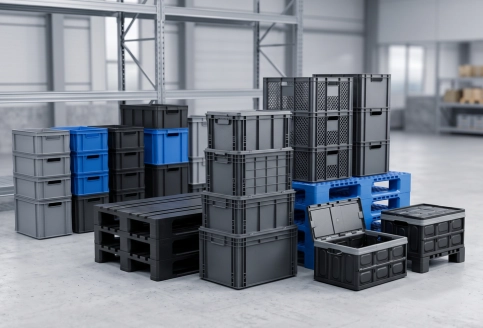
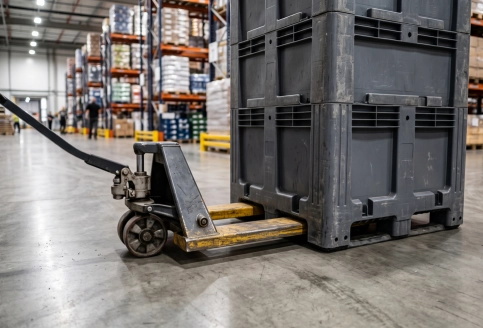
Packaging touches every scope. Heavier packaging burns more fuel per trip. Single-use packaging creates waste that must be collected and processed. Packaging that cannot nest or fold sends trucks back half full of air.
Three practical shifts make a measurable difference:
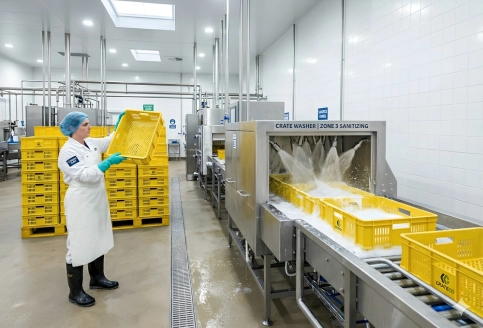
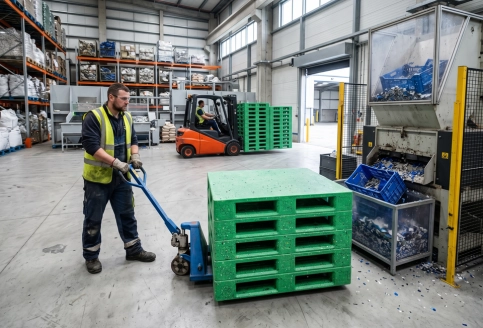
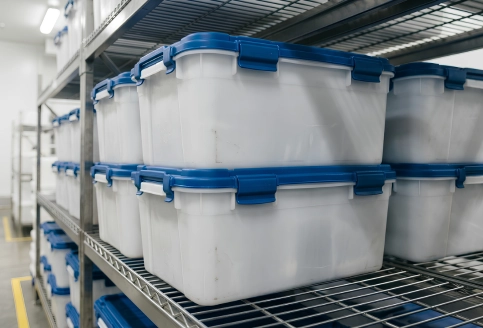
Returnable systems work best with a clear process for collecting, cleaning and redeploying containers. You need to set up reverse logistics.
| Step | Action | Output |
|---|---|---|
| 1. Map sources | List every fuel, power, and waste stream by site and vehicle | Emissions source register |
| 2. Collect data | Pull fuel cards, utility bills, waste invoices, and packaging purchases | Monthly activity data |
| 3. Calculate | Convert activity data into emissions using recognised factors | Baseline inventory |
| 4. Set targets | Pick reduction goals aligned with UAE annual targets | Reduction plan |
| 5. Act | Electrify forklifts, add solar, switch to reusable packaging | Lower emissions per shipment |
| 6. Report and retain | Submit required reports and keep records for at least five years | Audit-ready file |
Start with the data you already have. Fuel cards and electricity bills cover most Scope 1 and 2 emissions. Packaging and waste invoices give a first view of Scope 3.
Yes. Federal Decree-Law No. 11 of 2024 applies across sectors, including free zones, to entities designated as emission sources. Logistics firms with fleets and warehouses should check how the implementing resolutions apply to their operations.
Fines for failing to measure, keep records or report emissions can range from AED 50,000 to AED 2 million, depending on the violation. Records must also be kept for at least five years, so missing data is a risk in itself.
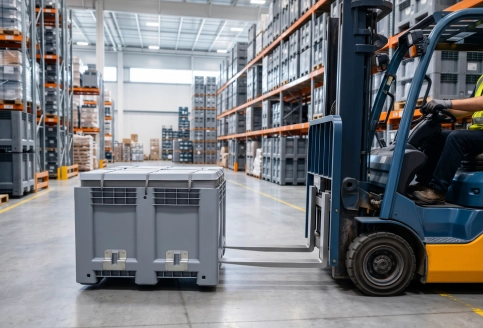
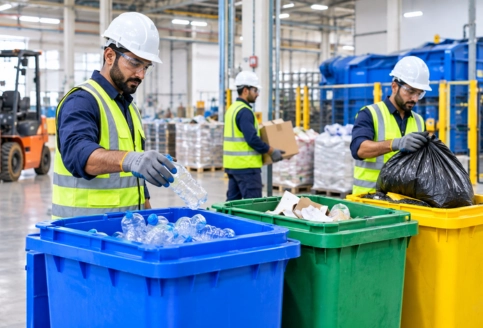
The fastest wins are usually LED lighting, better insulation, efficient cooling settings and switching diesel forklifts to electric. Moving to reusable packaging and recycling cardboard and plastic also cuts waste-related emissions.
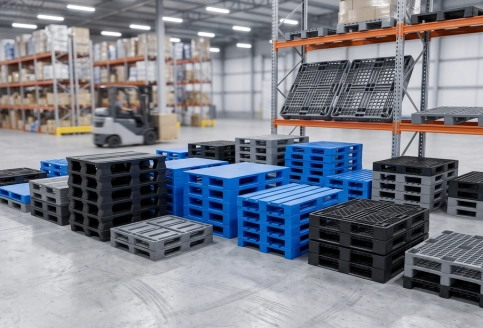
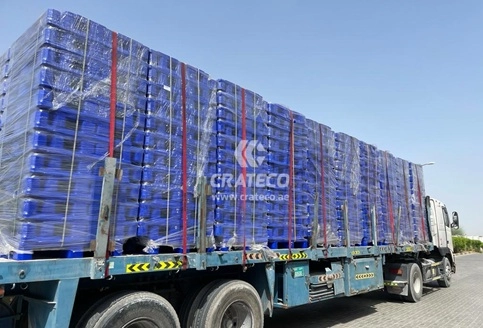
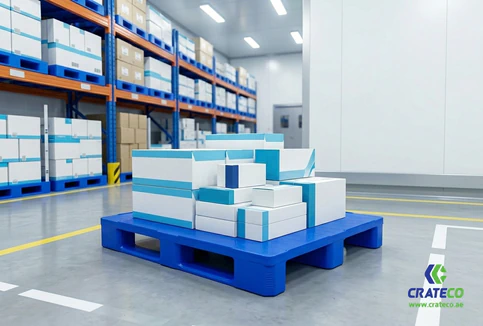
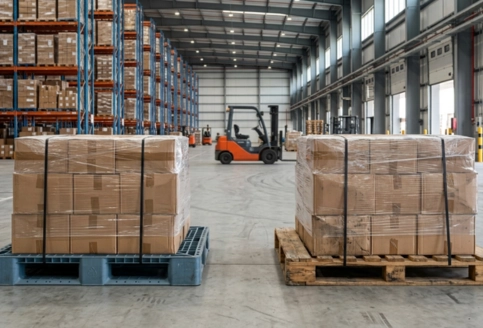
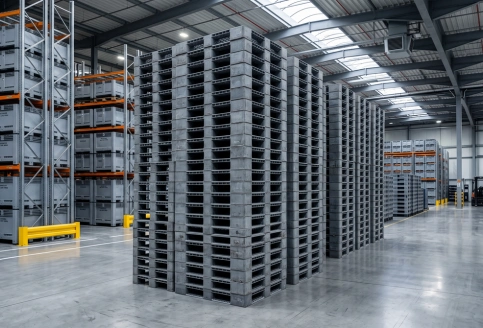
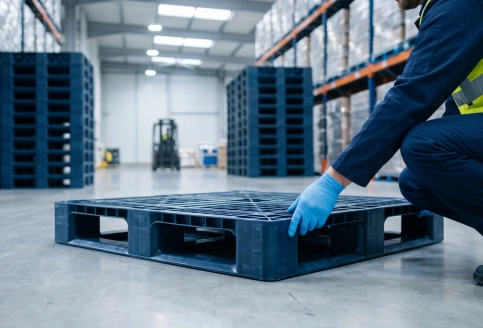
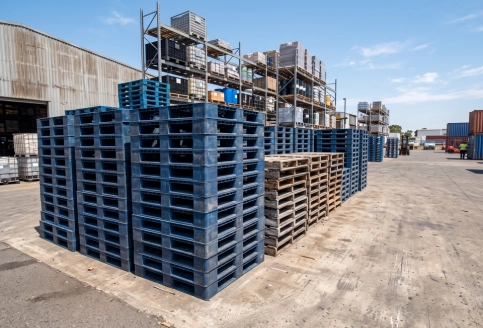
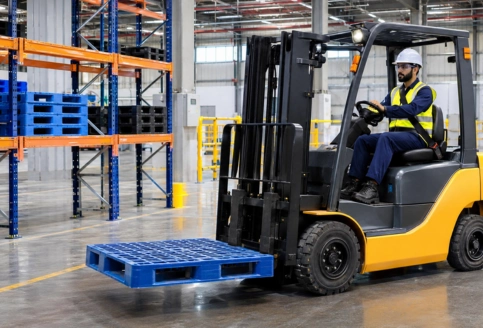
On closed-loop routes with many trips, reusable plastic pallets usually beat single-use wooden pallets over their lifetime. They last for years, avoid repeated tree harvesting and can be recycled at end of life.
Scope 3 covers indirect emissions in the value chain, such as subcontracted transport, packaging materials and waste. It is often the largest share of a logistics company's footprint and needs data from suppliers and partners.
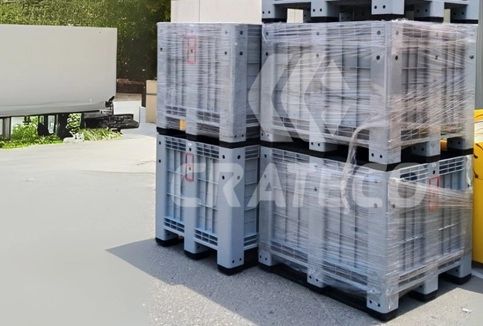
Green logistics in Dubai is no longer optional. The Climate Law sets binding reporting duties, Dubai's strategies set clear targets for energy and waste, and the RTA is folding climate goals into transport planning. Freight and storage firms that measure their emissions and fix the easy wins first will stay compliant and competitive. Reusable packaging is one of the simplest places to start. Build a lower-waste supply chain with durable plastic pallets from Crateco Pack LLC.