

The packaging used by a logistics company can affect more than product protection. It can also influence waste, transport efficiency, worker safety, supplier data, and environmental reporting. This makes packaging an important part of a wider sustainability plan.
For UAE logistics companies, packaging choices can affect several ESG areas, especially waste, carbon emissions, resource use, and supply chain management. Smaller and lighter packaging can reduce transport volume, while reusable and recyclable materials can help reduce waste.
Better packaging design can also make warehouse work safer and easier. Although there is no single ESG score used for every UAE logistics company, these factors can affect sustainability reporting, customer requirements, investor reviews, and third-party ESG assessments.
The UAE's Net Zero by 2050 strategy also places greater focus on reducing emissions and supporting a more sustainable economy.
ESG stands for Environmental, Social, and Governance. It is a way of looking at how a company manages environmental impacts, people and safety, and business controls.
For logistics companies, ESG can cover fuel use, emissions, waste, worker safety, supplier management, compliance, and resource use. Packaging connects with all three areas. The material used affects waste and resource consumption.
The weight and size of packaging can affect transport efficiency. Packaging design can also affect how safely warehouse staff handle products. From a governance point of view, companies need proper purchasing rules, supplier records, and reliable data. The UAE's sustainability framework encourages businesses across different sectors to take part in the move toward a lower-carbon economy.
Packaging is easy to overlook because it is often treated as a basic operating cost. However, a logistics company may use thousands or millions of boxes, plastic films, pallets, crates, labels, and protective materials every year. This creates a measurable material footprint.
Packaging can affect how much waste a company creates and how much material it buys. Oversized boxes can also take up more space in delivery vehicles, while heavy packaging adds weight to shipments.
Reusable crates and properly designed transport packaging may reduce the amount of single-use material used over time. When companies measure these areas, packaging becomes useful ESG data rather than just a purchasing expense.
Packaging can support environmental, social, and governance goals at the same time. Each area looks at a different part of the company's operations.
The environmental side looks at material use, waste, emissions, recycling, and resource consumption. Packaging made from recyclable or reusable materials can support waste reduction when proper collection and recycling systems are available.
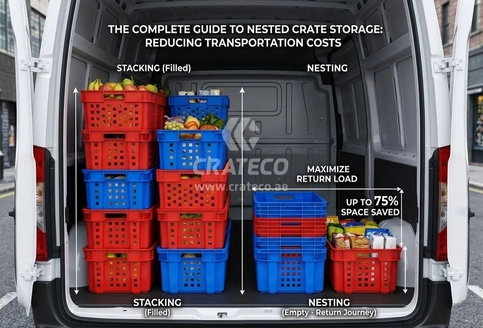
Packaging size also matters. An oversized box may require more filling material and occupy more space in a truck or van. This can reduce the number of products carried per trip.
Right-sized packaging can help improve vehicle space use and reduce unnecessary material. Companies should measure actual material use and transport data instead of assuming that one packaging type is always better.
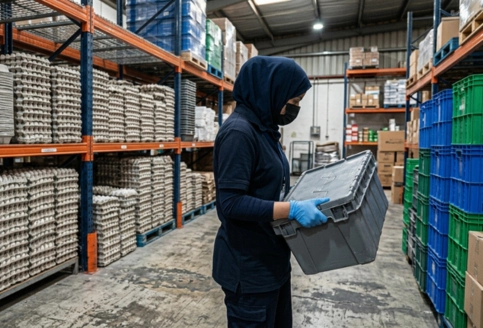
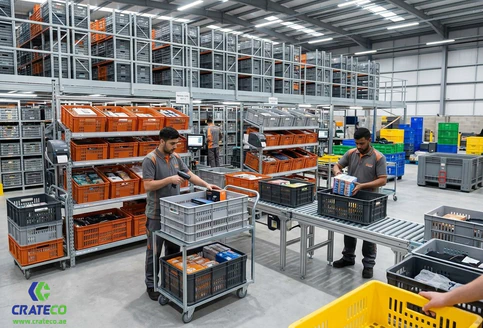
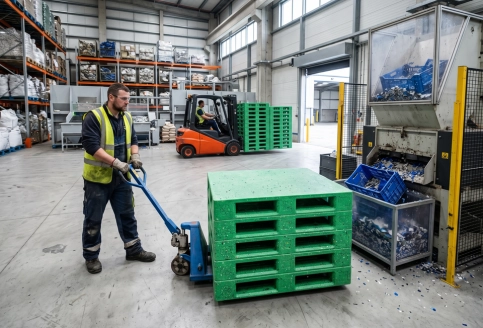
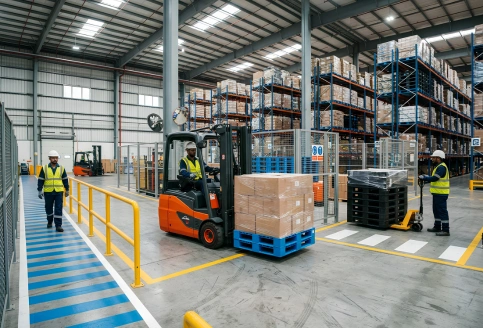
The social side includes worker health, safety, working conditions, and community effects. Packaging can affect warehouse workers because they may lift, move, open, stack, and dispose of it throughout the day.
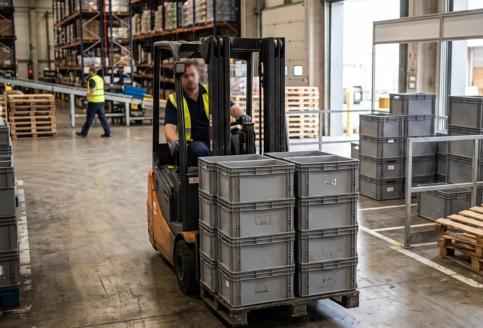
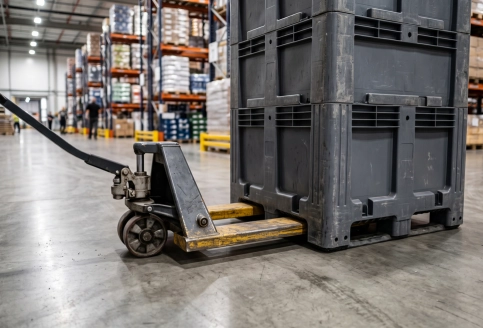
Heavy boxes, unstable loads, sharp edges, or difficult-to-open packaging can increase handling risks. Lighter and better-balanced packaging can make some warehouse tasks easier. Good packaging design can also reduce manual handling problems when it is combined with suitable equipment and safe work procedures.
Companies should consider employee feedback when changing packaging because a material that looks sustainable may still create practical problems for workers.
Governance covers how a company manages risk, suppliers, policies, records, and compliance. Packaging purchasing can become part of this system through a green procurement policy.
For example, a logistics company can ask packaging suppliers to provide material specifications, recycled content information, product certificates, and environmental data. The company can then keep this information in its procurement records.
This makes sustainability claims easier to check. Good governance means having clear rules rather than simply asking suppliers for products described as "green" or "eco-friendly."
Scope 3 emissions are indirect greenhouse gas emissions that occur across a company's value chain. They can come from purchased goods and services, transportation, waste, and other activities outside the company's direct operations.
Packaging can contribute to this area because companies purchase packaging materials and move packaged goods through supply chains. The impact depends on the material, quantity, manufacturing process, transport distance, and end-of-life treatment.
For logistics companies, reducing packaging weight and volume can be one practical area to examine. However, companies should measure the full life cycle before claiming that one material always produces lower emissions.
A lighter package may use less material, but its production, durability, recycling options, and transport requirements also matter.
A box that is much larger than its product contains unused space. The company may then need extra paper, plastic, or other void-fill materials to stop the product from moving. The larger box also takes up more space in a delivery vehicle.
Right-sized packaging reduces this unused space. More products may fit into a vehicle, pallet, or storage area when packaging dimensions are better matched to the product. This can improve cube utilization and may reduce the number of trips needed for the same volume of goods.
The actual result should be measured using company transport data. Useful measurements include average package volume, vehicle fill rate, number of packages per trip, and packaging material used per shipment.
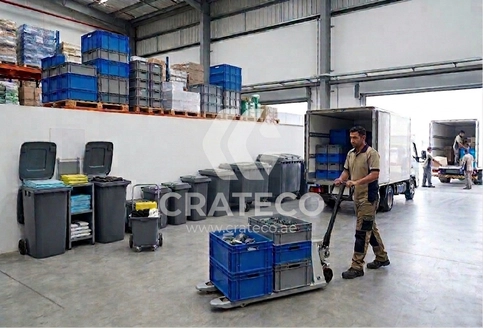
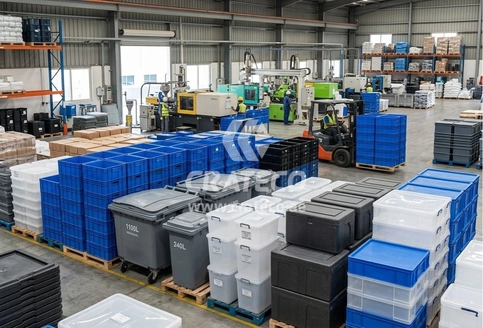
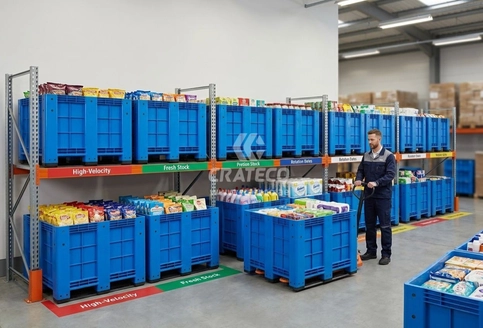
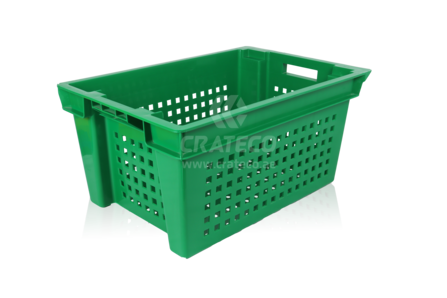
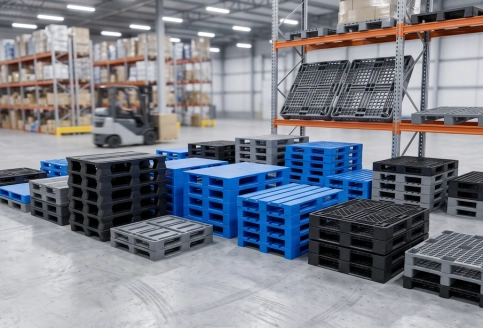
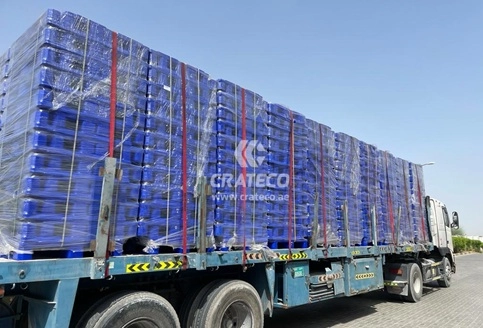
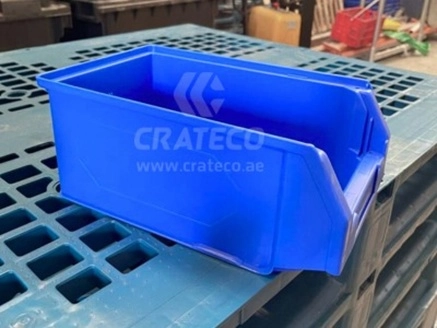
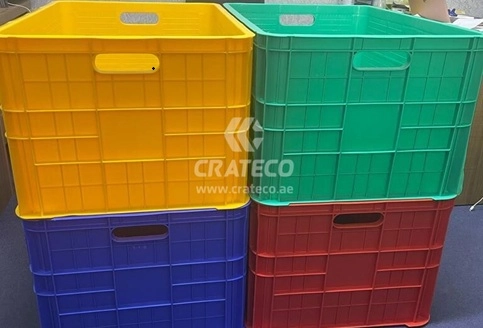
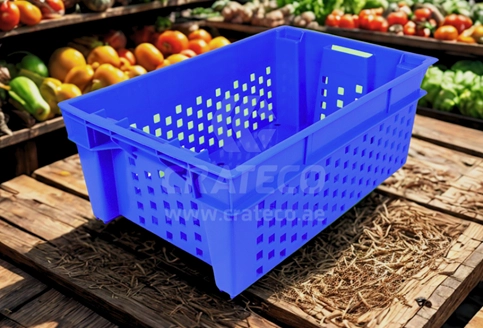
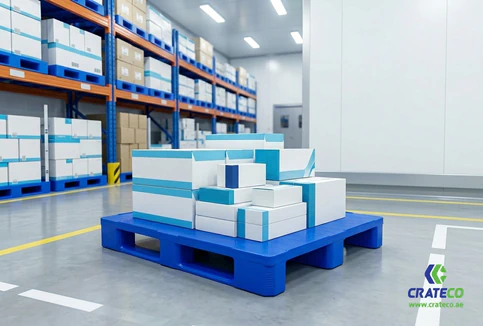
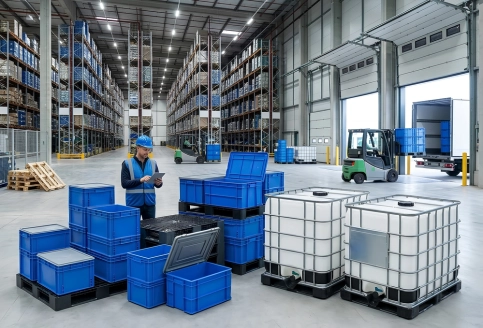
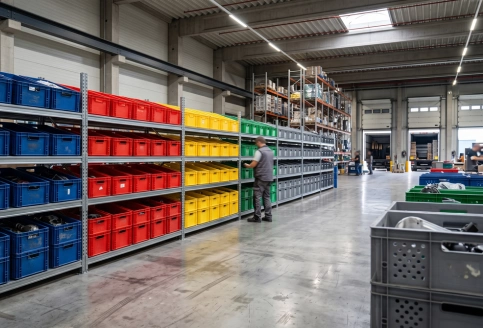
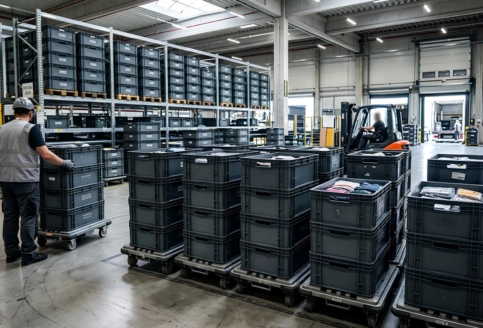
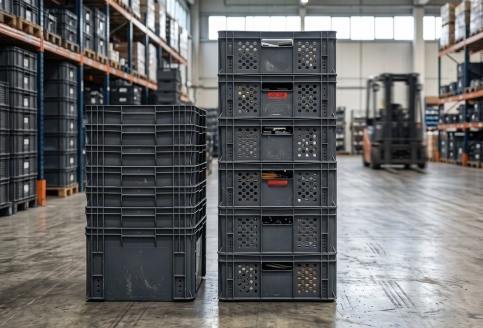
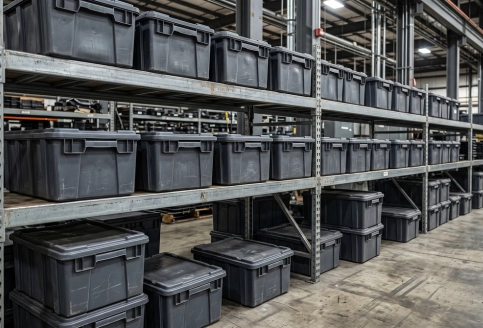
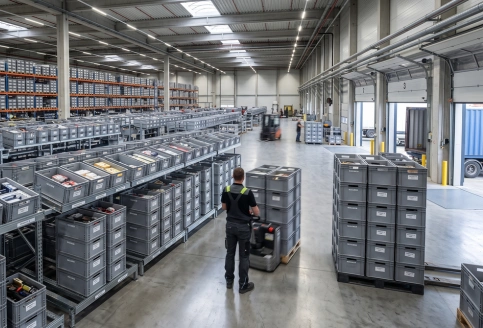
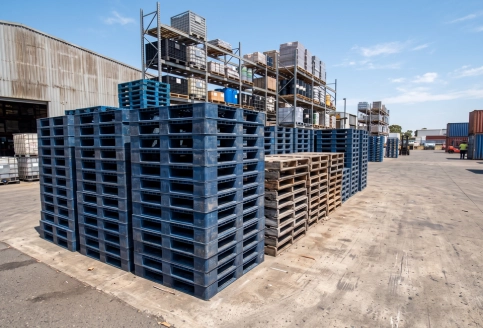
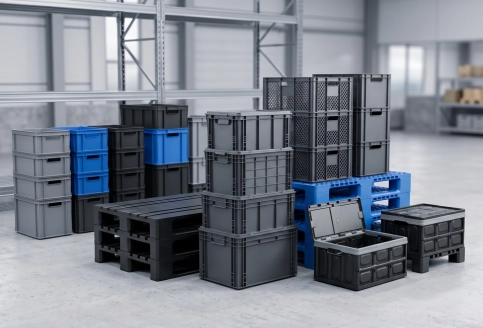
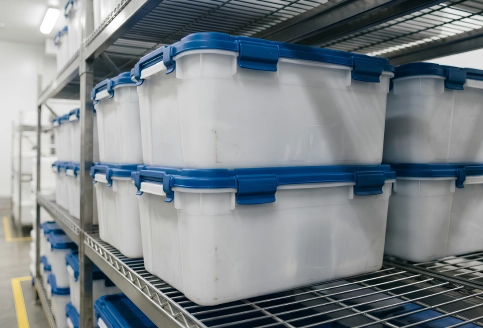
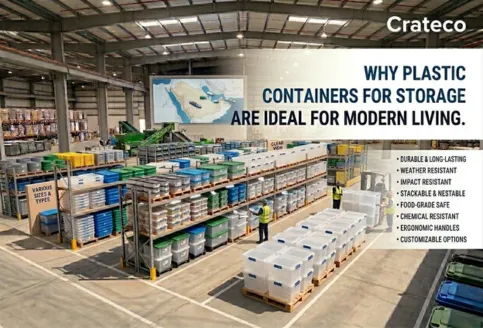
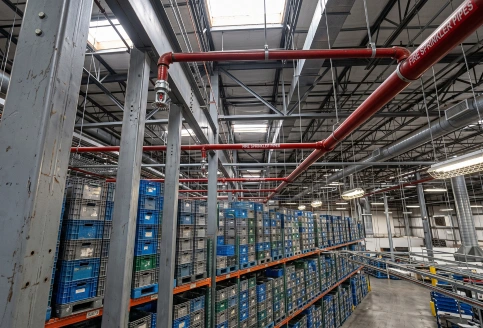
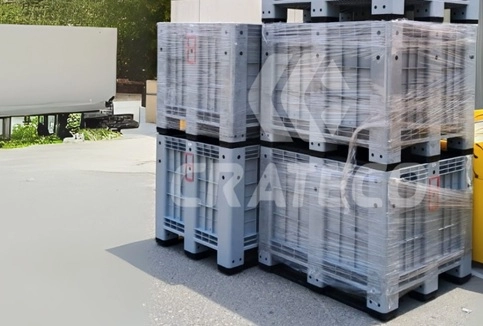
Reusable packaging can help logistics companies reduce dependence on single-use materials when it is used enough times to justify its production and cleaning needs. Plastic crates, reusable pallets, durable containers, and returnable transport packaging are common examples.
A circular economy approach focuses on keeping products and materials in use for longer. Reusable packaging fits this model when companies have a practical return, cleaning, inspection, and reuse system.
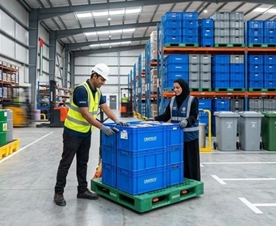
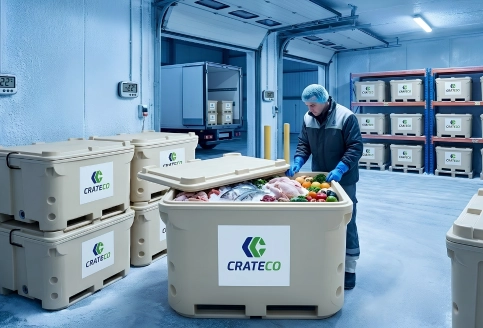
For example, a logistics company could use durable plastic crates for repeated movement between a warehouse and distribution center. Instead of purchasing new cartons for every internal movement, the same crates can be inspected and reused.
Companies should track the number of uses, repair rates, cleaning needs, and end-of-life options to understand the actual benefit.
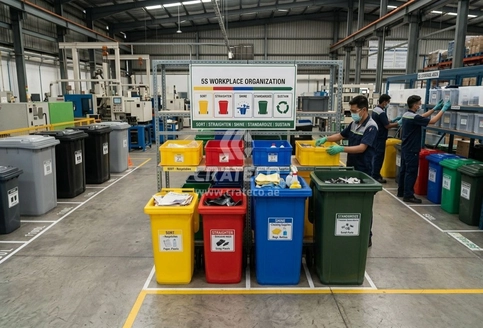
Recyclable and recycled packaging can support waste reduction, but companies should look beyond the label. A package being technically recyclable does not always mean that it will actually be collected and recycled in the local market.
When selecting materials, logistics companies should consider:
This approach gives the company better information for sustainability reporting and procurement decisions.
ESG is not only about carbon emissions. Worker safety is an important social factor, and packaging can affect daily warehouse tasks.
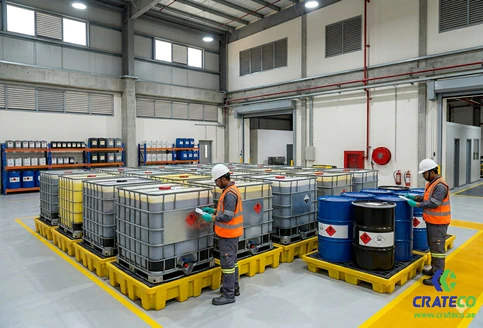
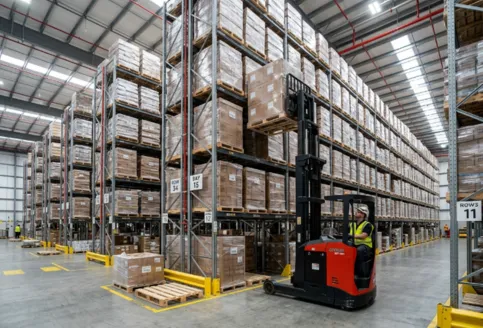
A package that is too heavy may increase lifting strain. Poorly balanced cartons can be harder to move safely. Sharp edges, broken wooden components, and loose packaging materials can also create hazards in busy storage areas.
Companies can improve packaging design by considering weight, shape, handles, stacking strength, and ease of opening. This does not mean that every package must be lighter. Some goods need strong packaging for safety and protection. The goal is to balance product protection with safe handling. Worker feedback, incident records, and warehouse observations can help identify packaging-related risks.
A logistics company's sustainability data is only as useful as the information it receives from suppliers. Packaging suppliers should therefore become part of the company's ESG procurement process.
A green procurement policy can ask suppliers for information such as:
Companies should keep evidence for important environmental claims. This is better than relying on general words such as "sustainable," "green," or "environmentally friendly." Clear supplier data can make ESG reporting more accurate and help procurement teams compare products using measurable factors.
UAE businesses are operating in a market where sustainability and resource efficiency are receiving greater attention. The UAE's Net Zero by 2050 Strategic Initiative provides a national direction for reducing greenhouse gas emissions. The government also lists circular economy and environmental strategies as part of its wider sustainability framework.
UAE has also introduced rules on single-use products. The final phase of single-use plastic regulation in the UAE took effect on January 1, 2026, covering additional single-use plastic products and building on earlier phases. The regulation promotes reusable and alternative materials and supports circular economy principles.
These rules do not mean every type of logistics packaging is banned. Companies should check the exact product categories, exemptions, and requirements that apply to their operations.
Good ESG reporting depends on data. If a company does not know how much packaging it purchases or discards, it will struggle to measure improvements.
A logistics company can start by recording basic information such as:
1. Total packaging purchased each year.
2. Weight of plastic, paper, cardboard, wood, and other materials.
3. Percentage of reusable packaging.
4. Percentage of recycled content.
5. Packaging waste sent for recycling or disposal.
6. Average packaging weight per shipment.
7. Average package volume.
8. Supplier environmental information.
9. Packaging-related costs.
10. Changes in packaging use over time.
This information creates a baseline. Once the baseline is available, the company can set targets and compare results from one reporting period to another.
A packaging sustainability plan does not need to start with a complete change of materials. A better approach is to first understand current usage and then improve the areas with the largest impact.
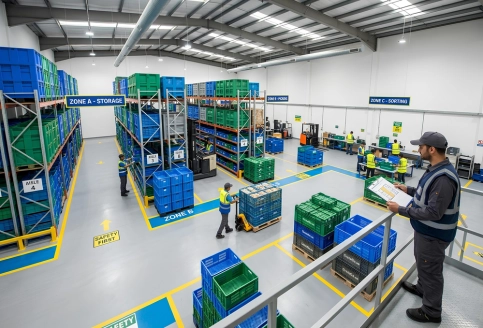
List every major packaging material used by the business. Record quantities, weights, sizes, suppliers, costs, and disposal methods. Include internal warehouse packaging as well as packaging used for customer deliveries.
Look for oversized boxes, unnecessary layers, damaged packaging, single-use materials, and packaging that cannot be recovered or recycled through available systems.
Trial reusable crates, right-sized cartons, recyclable materials, or suitable recycled-content products. Check their performance before making a large purchase. Product protection should not be reduced simply to achieve a lower material weight.
Compare material use, waste, package volume, transport efficiency, costs, and worker feedback before and after the change. This creates evidence that can support internal sustainability reports and customer discussions.
Make packaging sustainability part of supplier selection. Request technical and environmental data and review supplier performance regularly.
The most useful packaging metrics depend on the company's activities and reporting framework. There is no single set of measurements that applies equally to every logistics business.
Some useful metrics include:
| Area | Example metric |
|---|---|
| Material use | Packaging kg per shipment |
| Waste | Packaging waste generated per year |
| Reuse | Number of reuse cycles per container |
| Recycling | Percentage of packaging sent for recycling |
| Recycled content | Percentage of recycled material purchased |
| Transport | Average package volume per shipment |
| Procurement | Percentage of suppliers providing environmental data |
| Worker safety | Packaging-related handling incidents |
| Cost | Packaging cost per shipment |
| Emissions | Packaging-related emissions calculated under the company's chosen method |
These measurements should be based on a consistent method. Companies should also explain assumptions and data limits when reporting ESG information.
A packaging product may be marketed as sustainable, but the company should still check the evidence. For example, a reusable product may require more material to manufacture than a single-use product. Its environmental benefit may depend on how many times it is reused.
The same applies to biodegradable and recyclable packaging. End-of-life facilities, collection systems, contamination, and local conditions can affect the real outcome.
Companies should therefore compare the full use cycle rather than selecting materials based on marketing language. Life cycle data, supplier information, actual usage figures, and waste records provide a stronger basis for ESG reporting.
Packaging can become an important part of ESG management for UAE logistics companies because it affects material use, waste, transport efficiency, worker safety, supplier oversight, and sustainability data. Right-sized packaging can reduce unnecessary volume, while reusable and recyclable options can help reduce waste when they are suitable for the operation. Better supplier records can also improve the quality of ESG reporting.
The UAE's Net Zero by 2050 direction and growing focus on sustainable resource use make packaging worth reviewing as part of a wider business strategy. However, companies should measure actual results instead of assuming that one material or product will automatically improve an ESG rating.
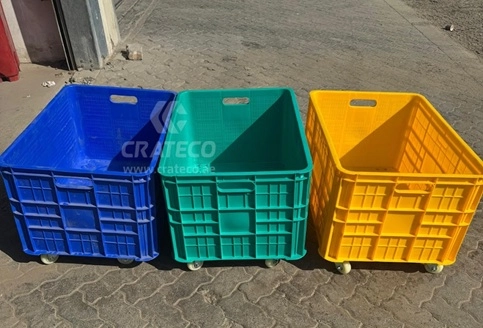
For UAE businesses looking for durable and practical material handling solutions, Crateco Pack LLC provides industrial plastic crates and other packaging products for storage, transport, and supply chain operations. Choosing the right packaging system can help businesses improve handling efficiency while supporting better material management and sustainability goals.