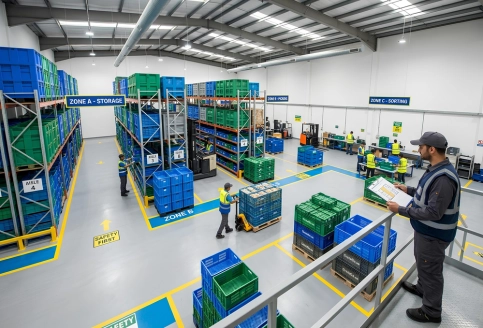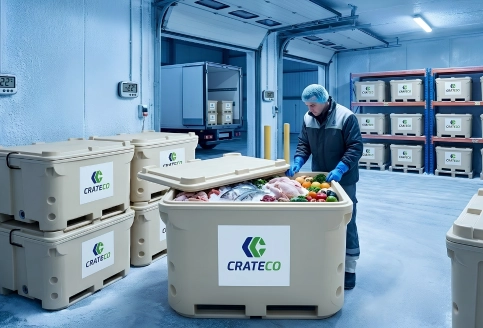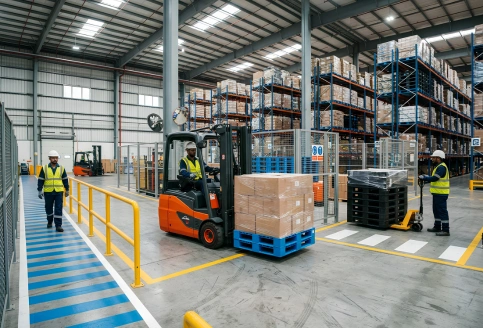
Fast-moving warehouses need a clear way to store and move goods without losing track of older stock. A FIFO system with stackable and nestable crates helps businesses use older goods first while making better use of storage space.
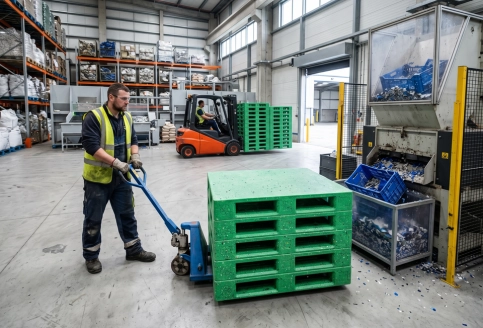
Reusable plastic crates are an eco-friendly packaging option because they can be used many times. Recycled plastic crates can also reduce the need for new plastic materials.
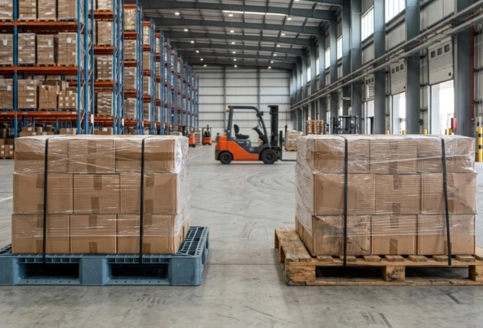
Wooden pallets are another reusable choice for moving heavy loads. Corrugated boxes are useful for lighter goods and can be recycled after use.
FIFO means First-In, First-Out. It is an inventory method where the goods that arrive first are picked, used, or sold before newer goods. This helps prevent old stock from staying at the back of a storage area for too long.
FIFO is useful for food, beverages, medicines, spare parts, and other products where age can affect quality. A clear physical stock flow makes the process easier for warehouse workers.
When different plastic crates, labels, and storage lanes all follow the same order, there is less chance of picking newer goods before older ones.
A good FIFO setup depends on more than choosing the right crate. The storage layout, crate design, labels, and picking process must work together. New stock should enter from the rear or one side, while older stock stays close to the picking area.
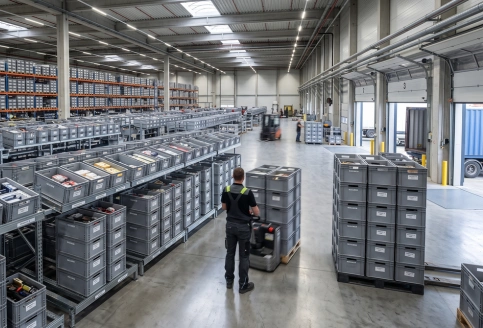
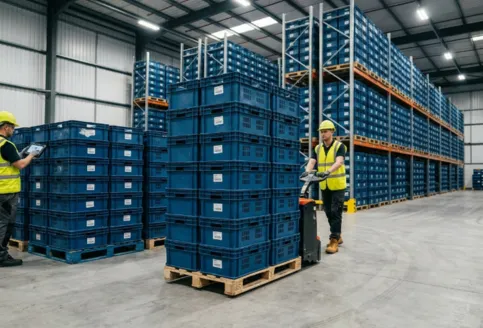
This creates a simple movement from receiving to storage and then to dispatch. Stackable crates can support vertical storage, while nestable crates help reduce empty storage space.
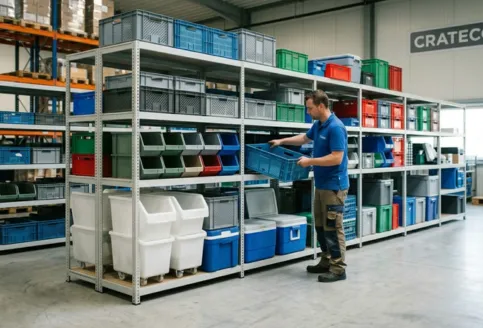
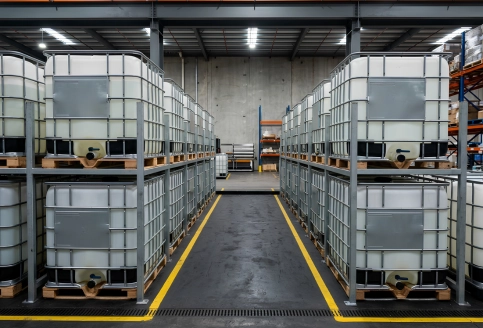
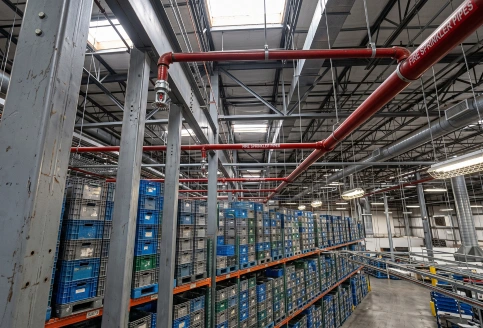
Floor lanes, pallet positions, shelving, and flow racks can all be used based on the warehouse size and product type.
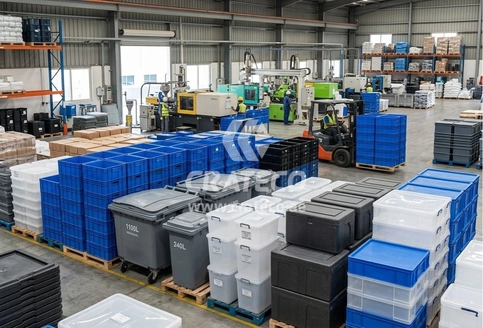
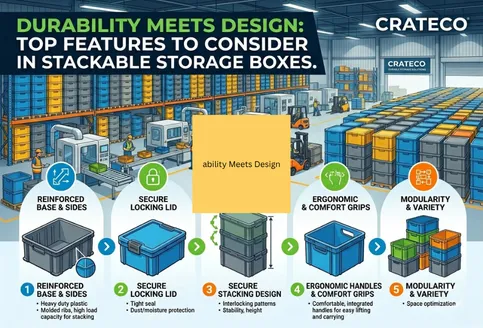
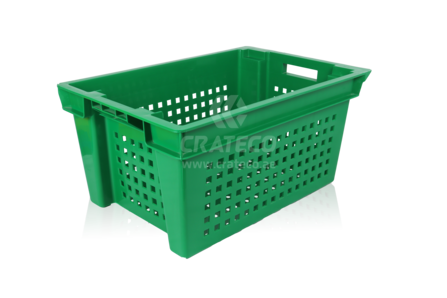
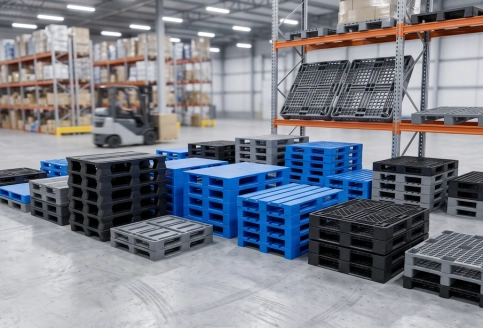
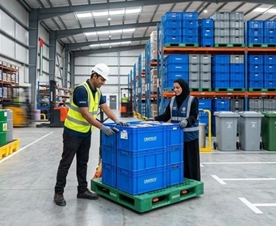
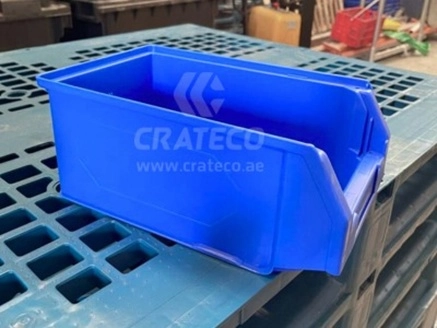
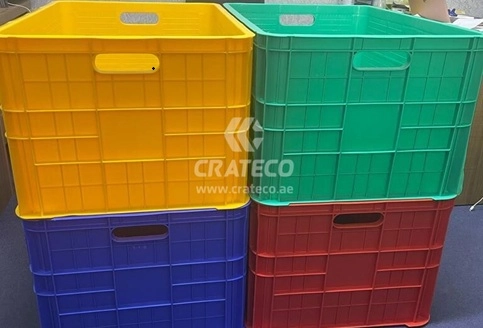
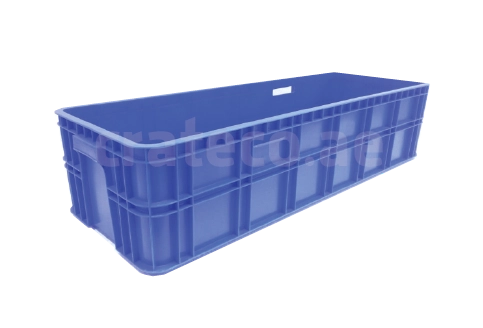
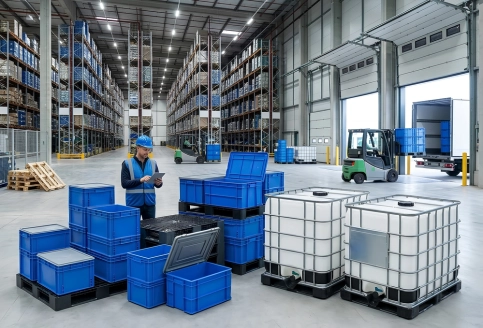
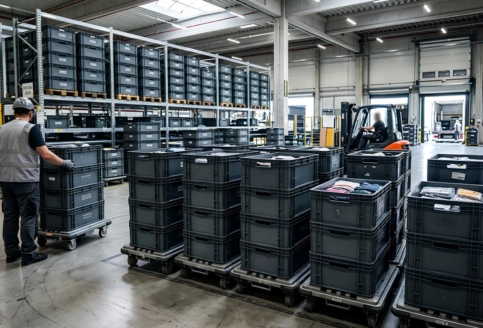
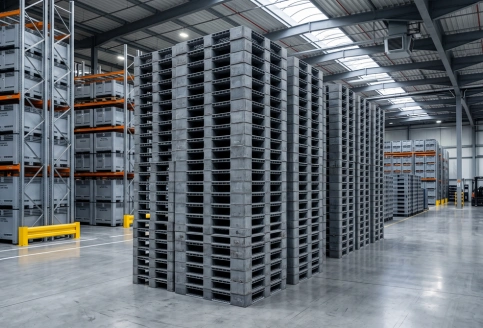
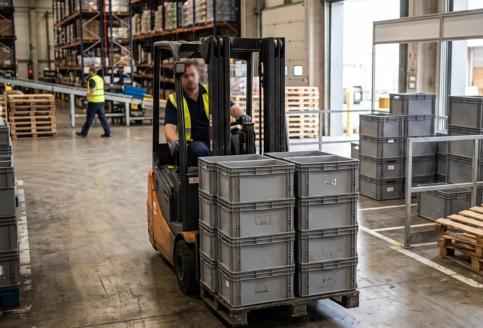
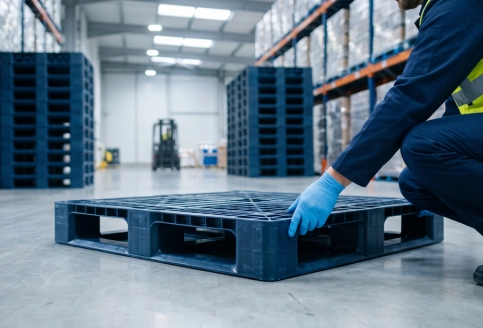
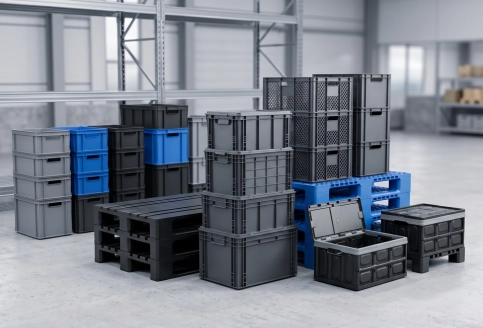
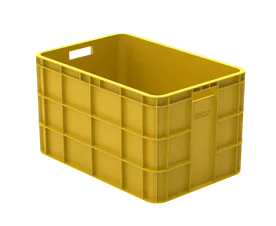
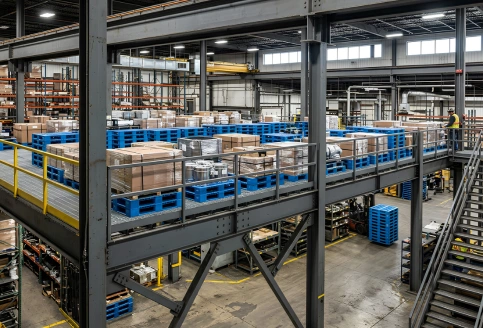
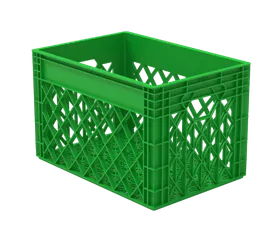
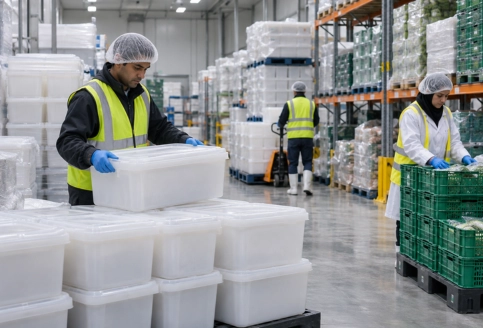
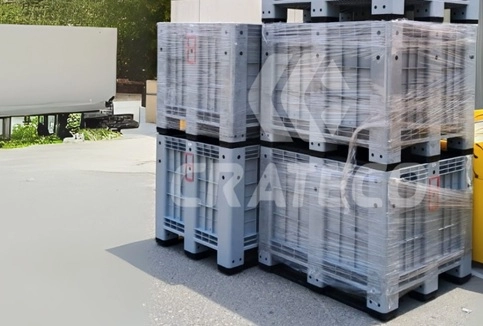
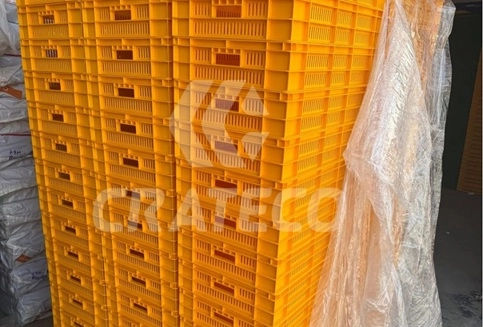
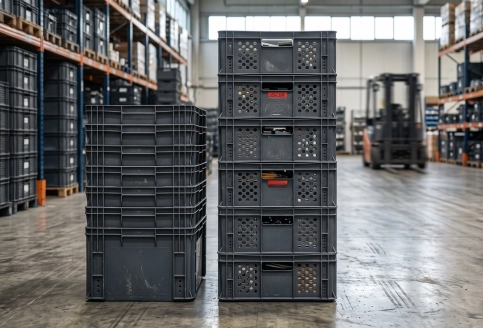
Stackable crates have strong bases, reinforced walls, or interlocking rims that allow filled crates to be placed safely on top of each other. This helps warehouses use vertical space without placing excessive pressure on the products inside. Stackable pallets can maximize warehouse space.
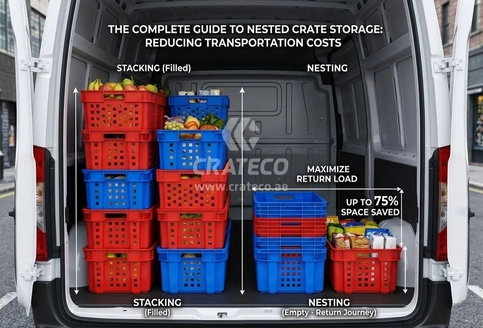
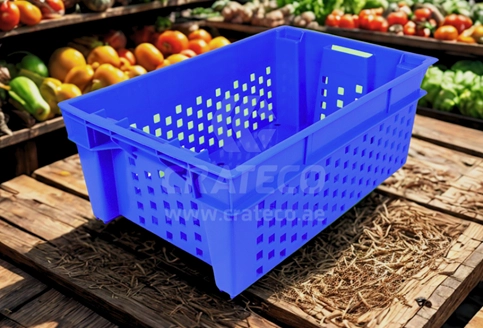
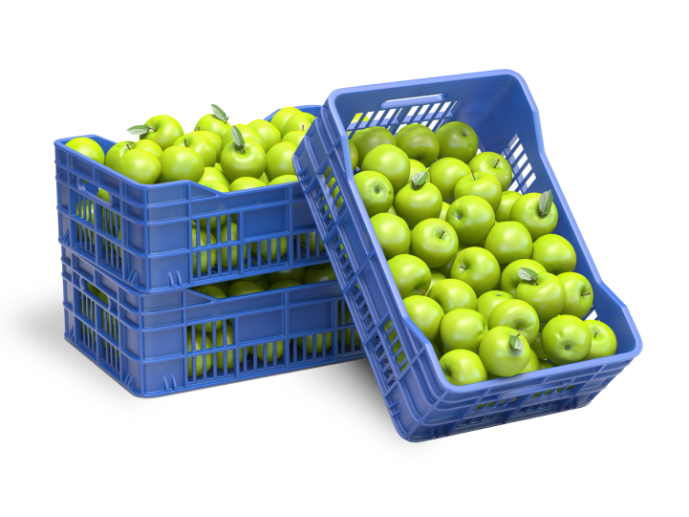
Nestable crates have a shape that allows empty units to fit inside one another. Some industrial models can both stack and nest. They stack when loaded and nest after being turned around, often by 180 degrees.
This dual-purpose design supports efficient storage during full-load operations and saves space when empty crates return from picking or delivery areas.
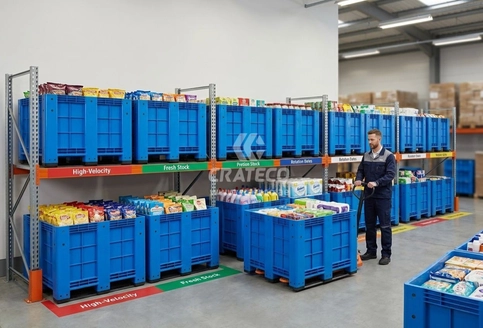
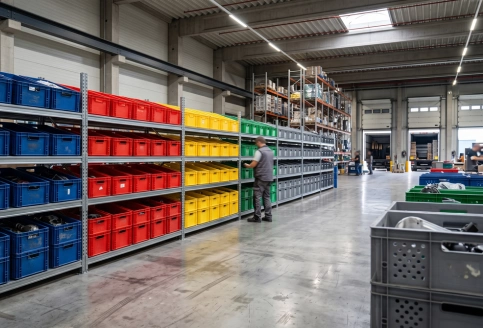
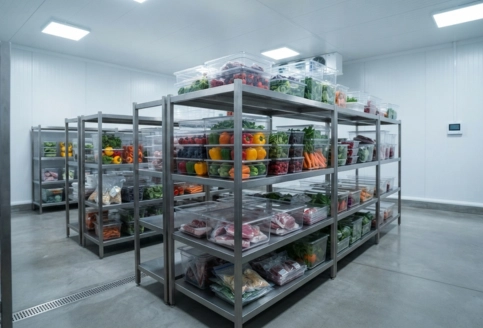
New products should be placed behind or below older stock instead of in front of it. The exact method depends on the warehouse layout and crate load capacity. In a floor storage lane, newer crates can be placed toward the rear while older crates stay near the picking face.
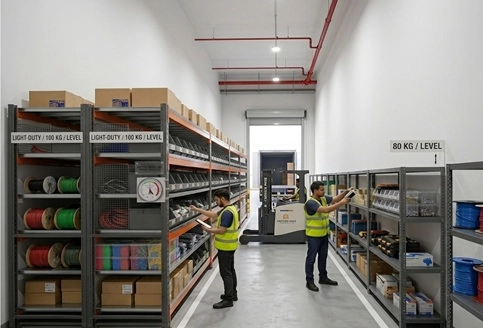
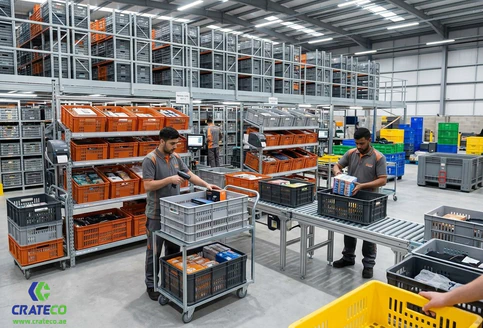
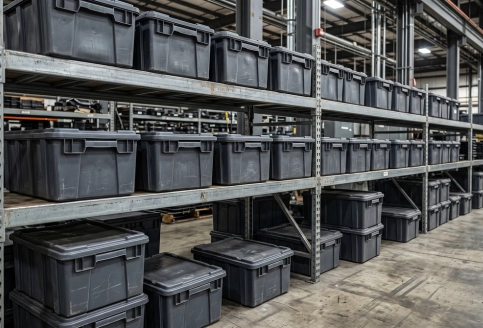
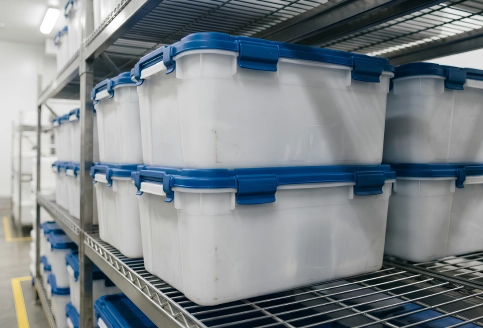
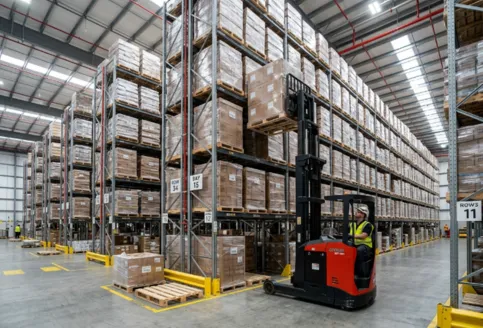
In a rack system, workers can load new crates from the rear and remove older crates from the front. This creates a physical FIFO path. Workers do not need to move new stock out of the way before reaching older goods, which can save time and reduce handling errors.
Workers should start picking from the crate that contains the oldest suitable stock. The date, batch number, production code, or barcode can be checked before the goods are removed.
This becomes important when several crates contain the same product. A label facing the aisle allows workers to identify stock without opening every crate.
For products with expiry dates, warehouses may use FEFO, or First-Expired, First-Out, instead of relying only on arrival dates. This method gives priority to the product that will expire first, helping reduce spoilage and waste.
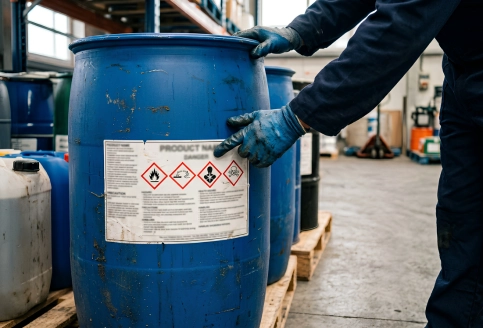
Visual controls make stock rotation easier during busy warehouse operations. Each crate can have a barcode, QR code, batch number, arrival date, or production date.
Labels should face the aisle so workers can read or scan them quickly. Color coding can also provide a simple visual signal. For example, different colors can represent different arrival weeks or production periods.
These controls reduce dependence on memory and make stock age easier to identify. They can also support faster inventory checks, picking tasks, cycle counts, and warehouse audits.
The crate layout should match the products, storage equipment, and movement pattern. Small components may work well with individual crates on shelving, while heavier or high-volume goods may need pallet-based stacks.
Crates should always stay within their rated load capacity and stacking height. Their dimensions should also match pallet sizes, rack openings, conveyor widths, and handling equipment.
Good dimensional planning prevents unused space and reduces the chance of unstable stacks. A well-planned layout also keeps picking aisles clear and gives workers enough room to move safely.
Businesses can use several packaging types to reduce waste and improve material use. The best option depends on product weight, storage conditions, cleaning needs, and how often the packaging is reused.
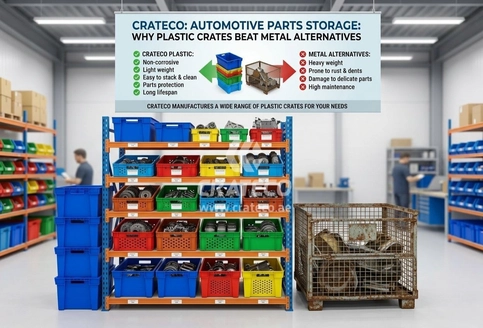
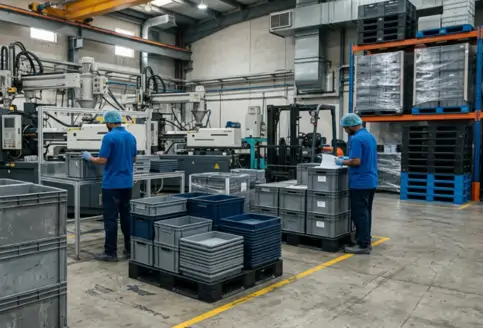
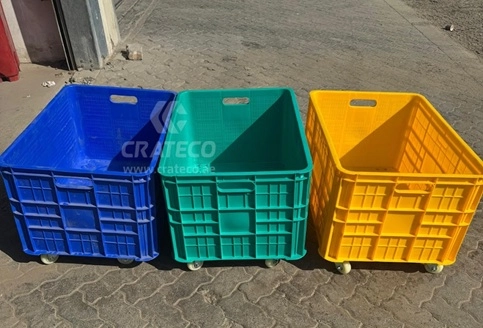
Reusable plastic crates are made for repeated storage and transport cycles. They can move between suppliers, warehouses, production areas, and customers without needing replacement after every trip.
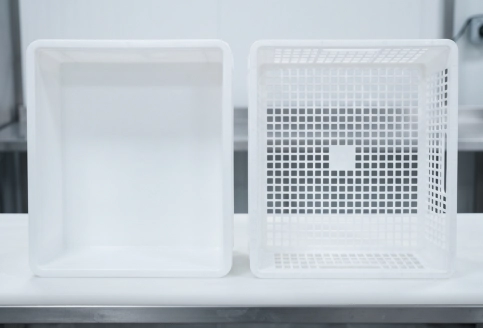
Their smooth surfaces also make many models easy to clean. This makes them useful for food, agriculture, automotive parts, retail goods, and industrial products.
Nestable designs provide another benefit by reducing the space needed when empty. For businesses with regular return trips, reusable crates can support a closed-loop packaging system and reduce dependence on single-use containers.
Recycled plastic crates can help reduce the need for virgin plastic materials. They can be suitable for applications where the crate design provides enough strength for the expected load and handling conditions.
The exact material choice should depend on factors such as impact resistance, temperature, hygiene requirements, and load capacity. When recycled material is combined with repeated reuse, the packaging can support better resource efficiency.
Businesses should still select crates based on technical requirements rather than choosing a material only for its environmental benefit.
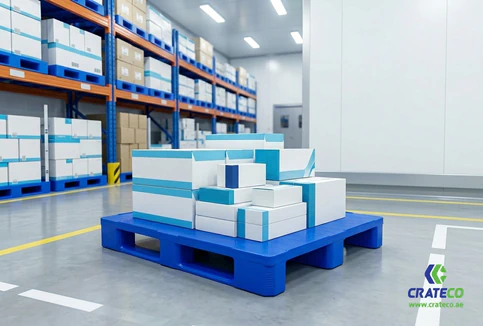
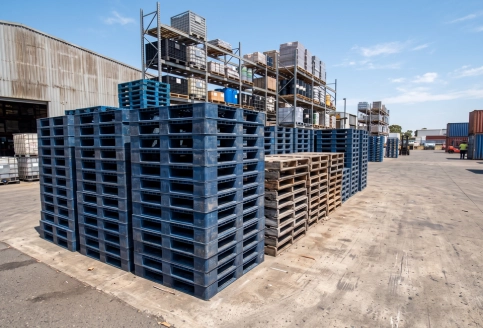
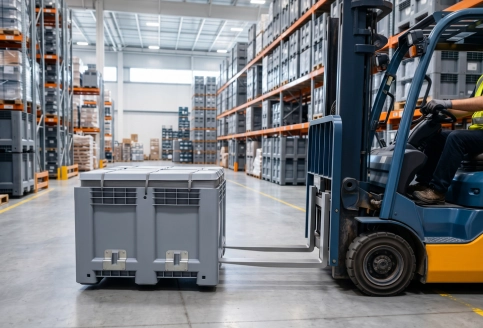
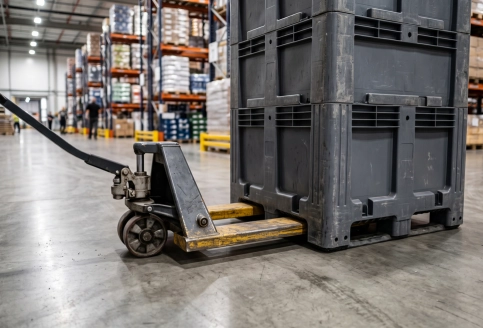
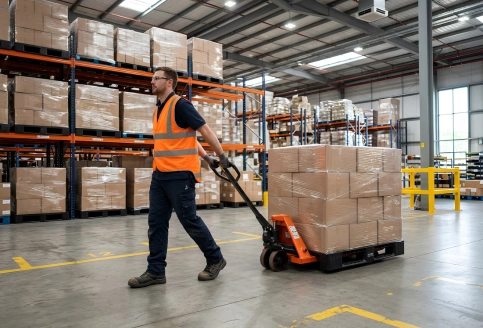
Wooden pallets are widely used for heavy goods and bulk handling. They can be reused and repaired when they remain structurally sound. Their design works well with forklifts and pallet jacks, making them common in warehouses and distribution centers.
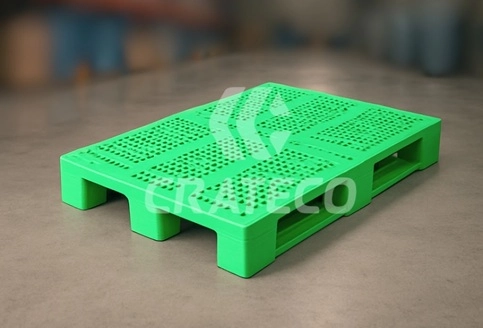
However, wood can absorb moisture and may require more care in wet or hygiene-sensitive environments. Plastic pallets may be a better fit where easy cleaning, consistent dimensions, and moisture resistance are important. The right choice depends on the product and handling conditions.
Corrugated boxes are useful for lightweight goods and one-way shipments. They are easy to handle and can be recycled through suitable waste collection systems. However, they may lose strength when exposed to moisture or repeated handling.
They also need to be replaced more often than durable reusable crates. For businesses with frequent return movements, reusable plastic packaging may offer better long-term performance.
Corrugated packaging remains useful when the shipment is one-way, the product is light, or the packaging does not need to return to the warehouse.
Once the basic FIFO process is in place, storage equipment and empty-crate handling can make the system more efficient. The aim is to keep products moving in the correct order while preventing storage areas from becoming crowded.
Gravity flow racks can support FIFO by using slightly inclined rollers or wheels to move loaded crates from the loading side toward the picking side. New stock enters from the rear, while older stock reaches the front for picking.
This creates a controlled stock flow and can reduce the need for workers to enter storage lanes. However, the crate size must match the rack design.
Rack capacity, crate weight, roller spacing, load distribution, and safety limits should be checked before installation. Proper setup is important for smooth movement and safe operation.
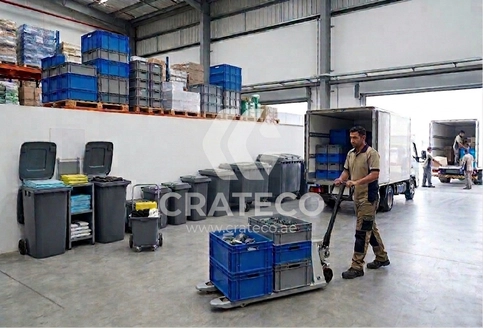
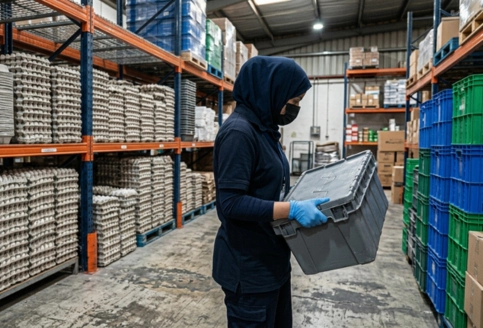
Empty crates can quickly create clutter when they are left in picking aisles. Nestable crates solve part of this problem because empty units can fit inside one another. A simple warehouse rule can require workers to nest an empty crate as soon as its contents are removed.
The nested group can then move to a dedicated return area. This keeps walkways clear and reduces the floor space used for empty packaging.
During return transport, nested crates also take up less vehicle space, which can improve truck utilization and reduce unnecessary transport movements.
Both crate types help improve warehouse space use, but they solve different problems. Stackable crates are mainly useful when goods are stored vertically, while nestable crates are especially useful when containers are empty.
Some crates combine both features, giving warehouses more flexibility.
| Feature | Stackable Crates | Nestable Crates |
|---|---|---|
| Main purpose | Vertical storage | Empty-space reduction |
| Full crates | Stack securely | Depends on design |
| Empty crates | Take more space | Fit inside each other |
| Storage benefit | Uses height | Reduces floor area |
| Return transport | More vehicle space | Better load utilization |
| Best use | Full inventory storage | Empty crate handling |
Choosing a dual-purpose model can be useful when the same crate must support both storage and return logistics.
Combining a stock rotation method with reusable crates can improve both storage and handling. The main benefits include:
Better stock rotation: Older goods remain easier to access.
Less product waste: Old inventory is less likely to remain forgotten.
Better space use: Full crates can be stacked while empty ones can be nested.
Product protection: Strong crate walls and bases help protect stored goods.
Faster picking: Labels and fixed storage positions make stock easier to find.
Lower return volume: Nested empty crates need less transport space.
Cleaner aisles: Empty containers can be moved away from picking areas quickly.
Easier stock checks: Dates, colors, and barcodes make inventory age visible.
FIFO can fail when the physical storage process does not match the planned stock flow. Common mistakes can create delays, picking errors, and product loss.
Placing new stock in front of older goods: This can hide older inventory and prevent workers from following the correct rotation order.
Using unclear or missing labels: Poor identification makes it harder for workers to find the correct crate, batch, or arrival date.
Overstacking crates beyond safe limits: Excessive stacking can damage products, exceed crate capacity, and create unstable storage conditions.
Blocking picking and storage aisles: Poor placement can restrict worker movement, slow picking tasks, and increase handling and safety risks.
Relying only on worker memory: Clear procedures, labels, and visual controls reduce mistakes when warehouses handle large amounts of inventory.
Mixing different stock dates: Separating batches helps workers identify older goods quickly and prevents newer products from being picked first.
Regular checks help warehouses find problems before they affect stock quality, picking speed, or storage efficiency.
Track stock age and picking errors: Reviewing these records helps managers identify rotation problems and correct repeated mistakes before they increase.
Use barcode or QR code scanning: Digital identification improves traceability and helps workers confirm products, batches, locations, and movement records quickly.
Connect physical storage with WMS: A Warehouse Management System can assign locations and picking tasks based on stock age.
Keep labels clearly visible: Front-facing labels allow workers to identify arrival dates, batches, and products without moving several crates.
Review storage lanes regularly: Routine checks can reveal blocked areas, poor crate placement, damaged containers, or inefficient stock movement patterns.
Train workers on FIFO rules: Consistent training helps every worker follow the same receiving, storage, picking, and empty-crate handling process.
A well-planned FIFO system helps businesses use older goods first, reduce waste, and maintain product quality. Stackable crates make better use of vertical storage, while nestable crates reduce the space needed for empty containers.
Labels, color codes, flow racks, and clear picking lanes make stock movement easier to control. Reusable plastic crates, recycled plastic packaging, wooden pallets, and corrugated boxes can all play a role in more responsible packaging, depending on the application.
For durable plastic crates, pallets, and industrial packaging solutions, Crateco Pack LLC is a leading crate supplier in the UAE, providing products for storage, transport, and material handling needs.