Foodborne illness affects millions of people every year, and most cases trace back to one common root cause: poor storage and handling somewhere along the supply chain. A single weak link, whether it is a contaminated surface, an incorrect temperature, or a poorly designed container, can put an entire batch of food at risk.
The good news is that a structured system exists to prevent this from happening before it starts. HACCP, which stands for Hazard Analysis and Critical Control Points, is an internationally recognized food safety management system.
It shifts food safety from reactive testing after something goes wrong to active prevention at every stage of production and distribution. The system identifies where biological, chemical, and physical hazards can enter the food supply and puts controls in place to stop them.
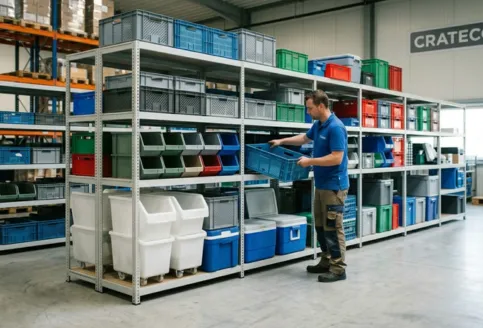
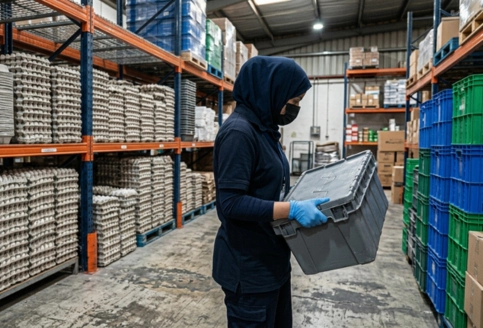
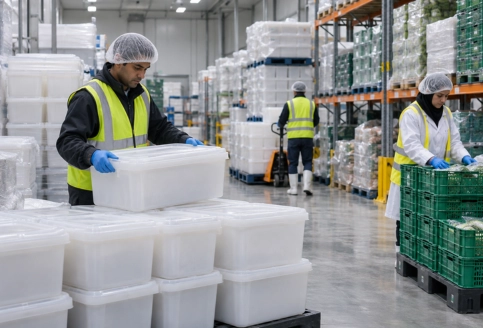
Storage plays a central role in this system because it is where perishable goods spend a significant amount of time between harvest and consumption. The equipment used for storage, including crates, pallets, shelving, and containers, is not just a logistics tool. It is a direct participant in food safety compliance and is closely examined during every HACCP audit.
HACCP is a science-based framework developed to identify and control food safety hazards before they reach the consumer. It was originally developed for NASA's space food program and has since become the global standard adopted by regulatory bodies including the FDA, Codex Alimentarius, and food safety authorities across the Gulf and wider Middle East region.
The system is built on the principle that prevention is always better than a cure. Rather than testing finished products and discarding unsafe batches, HACCP maps out every step in the food production and distribution process, identifies where risks can occur, and applies specific controls to keep those risks within safe limits.
For storage facilities, distribution centres, food processors, and cold chain operators, this means that the environment, equipment, and procedures used to hold and move food must all meet defined safety criteria.
HACCP is built on seven principles. Storage facilities and the equipment used within them play a direct role in supporting each one.
This is the starting point of the HACCP system. It involves identifying all the ways a biological, chemical, or physical hazard could enter the food supply at each stage of handling.
For storage, this includes risks like improper cooling that allows bacteria to multiply, porous surfaces that trap organic matter, or physical contaminants like splinters and metal fragments from damaged equipment.
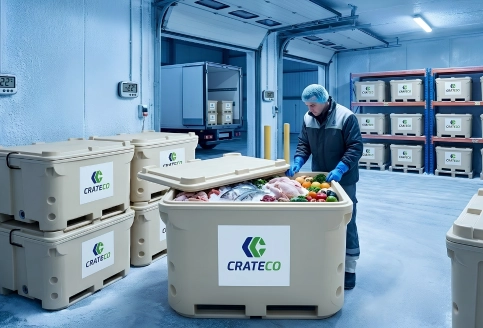
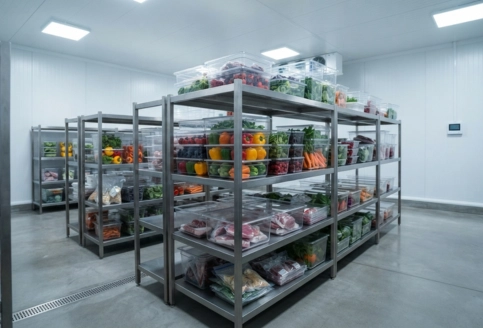
A Critical Control Point is a step in the process where a control measure can be applied to prevent, eliminate, or reduce a food safety hazard to an acceptable level. In storage, maintaining a freezer at -18°C is a classic CCP.
The storage container or pallet that holds the frozen product at this stage is directly connected to the integrity of that control point.
Every CCP must have a measurable safety threshold, called a critical limit. For fresh meat, this is a temperature range of 1°C to 4°C. For frozen goods, it is -18°C or below.
For equipment surfaces that come into contact with food, the critical limit relates to cleanliness, material safety, and the absence of contamination sources. If storage equipment traps moisture or cannot be fully sanitized, it becomes a risk to these critical limits.
Once critical limits are defined, they must be continuously monitored. In storage environments, this means using temperature-tracking systems that log conditions in real time.
It also means inspecting the condition of storage equipment regularly to ensure surfaces remain intact, clean, and free from damage that could introduce contaminants.
If monitoring reveals that a critical limit has been breached, immediate corrective action must be taken. In a storage context, this might mean discarding food if a freezer malfunctions or removing a damaged crate that could be shedding material into the food environment.
Having equipment that is easy to inspect and replace is an important part of an effective corrective action plan.
Verification involves auditing the entire HACCP system to confirm it is working as intended. This includes reviewing temperature logs, inspecting storage equipment, and checking that cleaning protocols are being followed.
Equipment that is easy to clean and inspect speeds up verification and reduces the risk of audit findings.
All deliveries, temperature logs, stock rotation records, and cleaning schedules must be documented. This creates a traceable paper trail that satisfies regulatory requirements and simplifies product recalls when needed.
Storage equipment that supports traceability, such as crates or pallets fitted with RFID tags or barcodes, directly strengthens this principle.
In the crates and pallets industry, products are not just logistics tools. They are classified as tertiary packaging and represent a potential Critical Control Point or a high-risk source of physical and biological contamination.
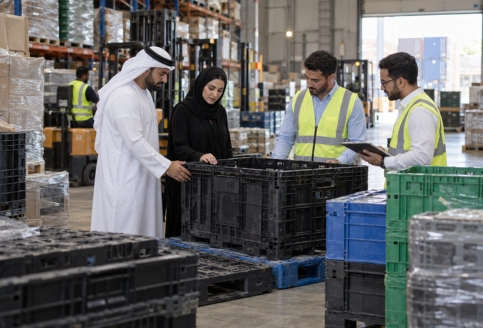
For clients in food production, pharmaceutical manufacturing, or cold chain logistics, storage containers and pallets are directly scrutinized during HACCP audits.
The material, design, and condition of storage equipment can either protect the food supply chain or undermine it. This is why the choice of crate or pallet material is not simply a cost decision. It is a food safety decision.
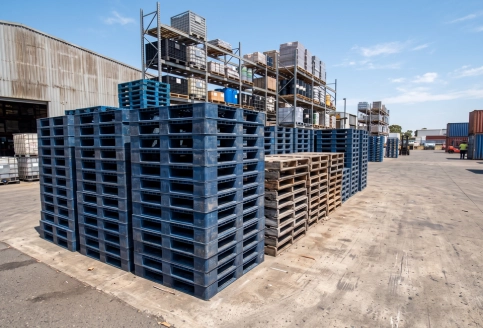
Traditional wooden pallets and crates remain common in general logistics, but they present serious risks in food-grade environments under HACCP protocols.
Splinters, loose nails, and fragments from broken wooden pallets or crates can puncture food packaging and end up in the final product. This is a direct physical hazard under HACCP classification and can lead to product recalls, regulatory action, and serious harm to consumers.
Wood is a porous material. It absorbs moisture, food juices, and organic matter, creating ideal conditions for mold, fungi, and dangerous bacteria, including Listeria, to grow and spread.
Once a wooden pallet or crate is contaminated at the biological level, it is nearly impossible to fully sanitize because the contamination has penetrated the material itself, not just the surface.
Untreated wood can harbor wood-boring insects and other pests. This not only creates a biological contamination risk but also fails to meet international phytosanitary standards, including ISPM-15, which governs the movement of wooden packaging materials across borders.
In export-heavy markets like the UAE, this represents a significant compliance risk.
The food supply chain is actively transitioning to food-grade plastic equipment to meet strict HACCP and FDA expectations. Hygienic plastic crates and pallets are specifically designed to eliminate the contamination risks that wooden equipment cannot avoid.
Compliant food-grade pallets and crates are manufactured from raw, virgin High-Density Polyethylene (HDPE) or Polypropylene (PP). These materials contain zero toxic plasticizers or heavy metals that could migrate into food.
Virgin polymers are the material standard required in high-care food and pharmaceutical environments.
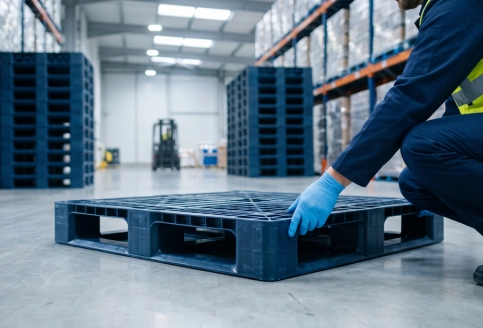
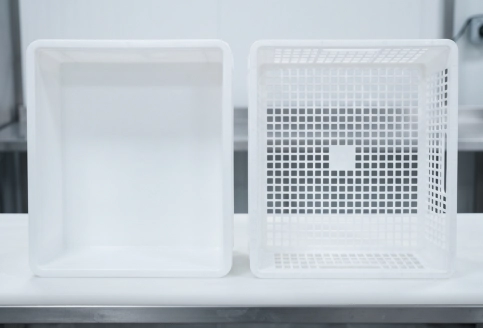
HACCP-compliant plastic crates and pallets feature completely smooth, closed-deck surfaces without deep gaps or open cavities.
This prevents dirt, food residue, and contaminated wash water from getting trapped inside the equipment structure. A surface that can be fully cleaned is a surface that can be fully controlled.
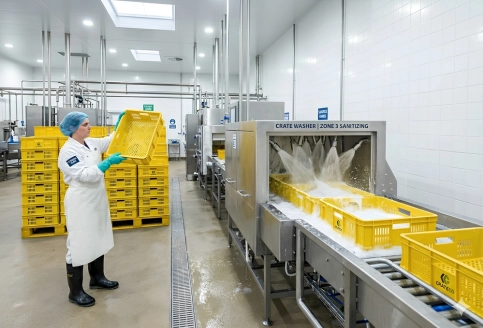
Storage equipment in food environments must withstand harsh sanitizing chemicals, automated tunnel-washing systems, and extreme temperature ranges.
Compliant plastic equipment handles everything from -30°C in blast freezers to +70°C during steam cleaning without warping, cracking, or degrading. This resilience ensures the equipment does not become a contamination source after cleaning cycles.
Unlike wood, plastic does not absorb moisture, organic matter, or cleaning chemicals. The non-porous nature of HDPE and PP means that bacteria cannot penetrate below the surface.
A quick wash-down with an approved sanitizer restores the equipment to a clean, food-safe condition every time.
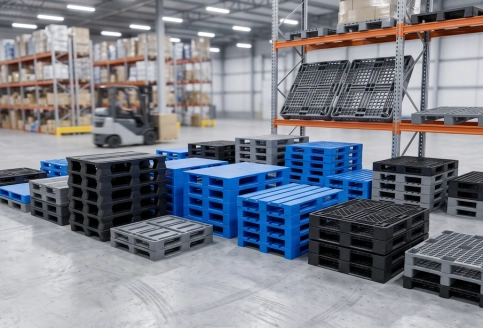
Not all food environments carry the same level of risk. HACCP uses zone segregation rules to categorize different areas of a food facility and the equipment used within them. The table below shows how food processors classify storage equipment based on these zones.
| Equipment Type | Material Expectation | Target Supply Chain Zone | Primary HACCP Objective |
|---|---|---|---|
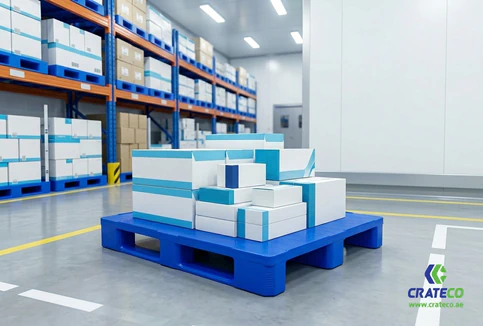
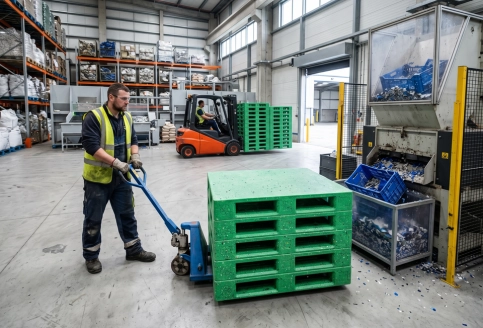
| Hygienic Solid Pallets | Virgin HDPE or PP | High-Care or Cleanroom | Eliminate bacteria, allow 100% sterilization |
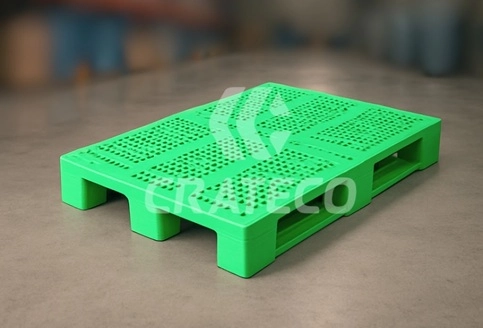
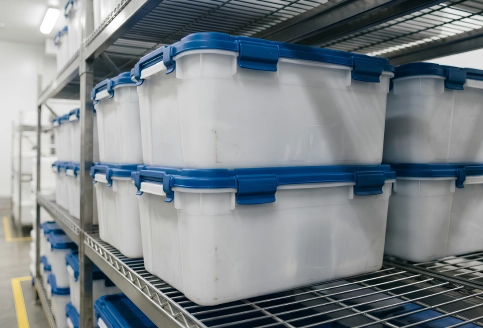
| Perforated Transport Pallets | Heavy-duty Plastic | Cold Storage or Distribution | Maintain airflow, resist moisture buildup |
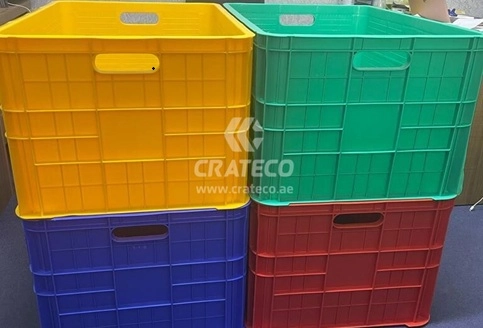
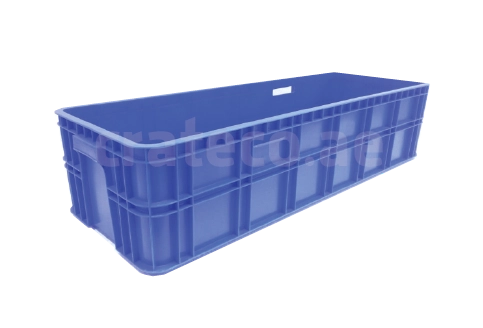
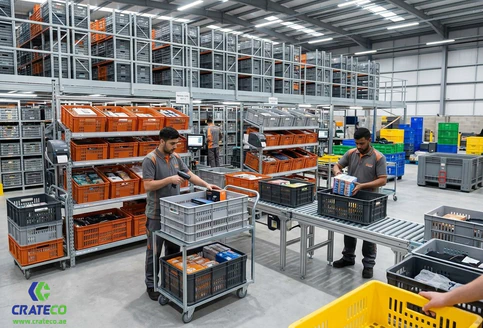
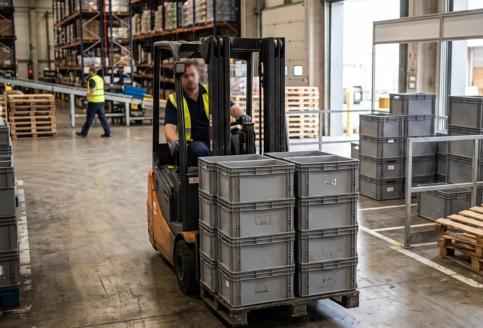
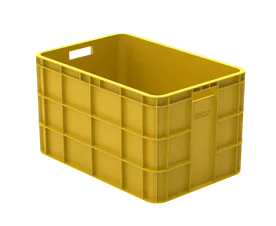
| Food Crates and Totes | Food-contact Certified Plastic | Harvest or Processing Floor | Prevent crushing of fragile goods, smooth cleaning |
| Standard Eco Pallets | Recycled Plastic Composite | External Logistics or Dry Goods | Prevent outer packaging dust and moisture transfer |
This zone-based approach means that the same pallet suitable for external logistics may not be acceptable on a processing floor or in a high-care area.
Food processors make these distinctions during every HACCP audit, and suppliers who understand this are far better positioned to meet their clients' exact requirements.
Whether you are a food processor selecting equipment for your facility or a supplier providing crates and pallets to the food industry, these are the core requirements that storage equipment must meet under HACCP standards.
Smooth, cleanable surfaces: All surfaces that come into contact with food or food packaging must be free from cracks, crevices, or rough textures where bacteria can accumulate. Smooth plastic surfaces meet this requirement. Rough or splintered wooden surfaces do not.
Non-toxic, food-safe materials: Equipment must be manufactured from materials that do not transfer harmful substances to food. Virgin HDPE and PP are certified food-safe. Recycled materials with unknown chemical histories are not acceptable in high-care zones.
Resistance to cleaning chemicals: Equipment must not degrade when exposed to the sanitizing agents used in food facilities. Plastic crates and pallets are chemically resistant and maintain their integrity through repeated cleaning cycles.
Structural integrity: Damaged equipment that sheds fragments, splinters, or particles is a direct physical hazard. Plastic equipment that remains structurally sound through hundreds of use cycles reduces this risk significantly compared to wood.
Traceability support: Modern HACCP compliance increasingly requires batch-level traceability. Storage equipment fitted with RFID tags or barcodes allows food companies to track which crates or pallets were used with which batch of product, directly supporting Principle 7 of the HACCP framework.
Investing in HACCP-compliant storage equipment delivers benefits well beyond passing an audit.
Adhering to standards set by bodies like the FDA, UAE food safety authorities, and international certification bodies protects your facility from citations, fines, and shutdowns. Non-compliance can result in product recalls, legal liability, and permanent reputational damage.
A transparent, documented storage environment minimizes food spoilage by ensuring temperature and hygiene conditions are maintained at every step. When a recall is necessary, clear records and traceable equipment dramatically simplify the process of identifying and removing affected products from the supply chain.
Consistently delivering uncontaminated, high-quality food builds long-term brand trust with consumers. Foodborne illness incidents linked to poor storage practices not only cause physical harm but permanently damage the public's confidence in a brand. HACCP compliance is the most effective way to prevent this from happening.
Equipment that is easy to clean, inspect, and document speeds up HACCP audits significantly. Smooth plastic surfaces, clearly labeled containers, and traceable equipment reduce the time and effort required to demonstrate compliance to auditors and regulators.
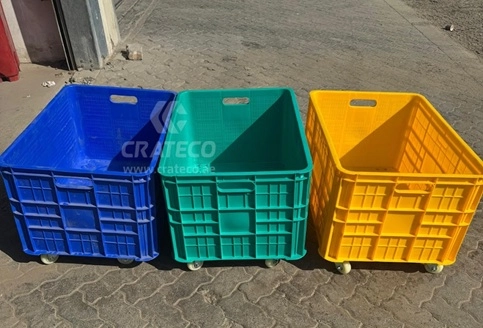
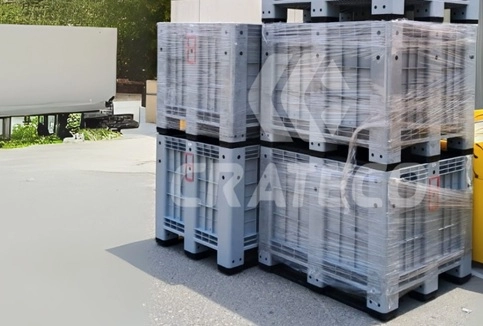
Crateco's range of food-grade plastic crates and pallets is designed to meet the demands of HACCP-compliant food environments. Made from virgin HDPE and PP with food-safe, non-toxic materials, Crateco Pack LLC's products deliver the smooth surfaces, chemical resistance, and structural integrity that food processors and cold chain operators need to pass audits and maintain the highest standards of food safety.
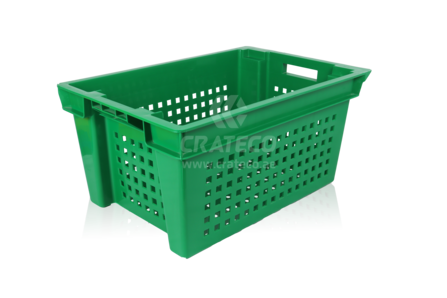
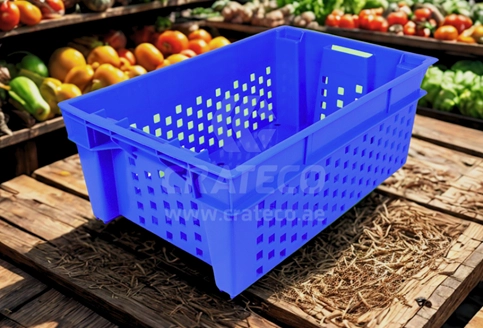
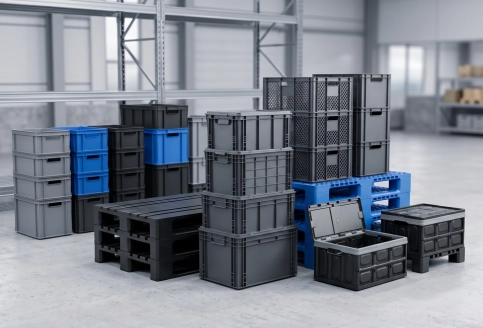
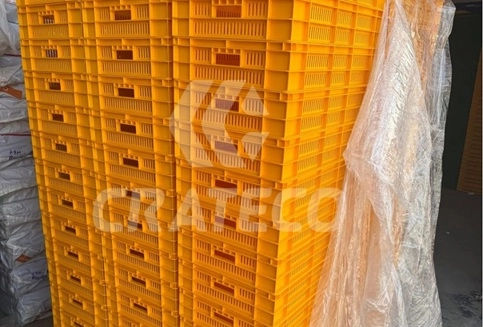
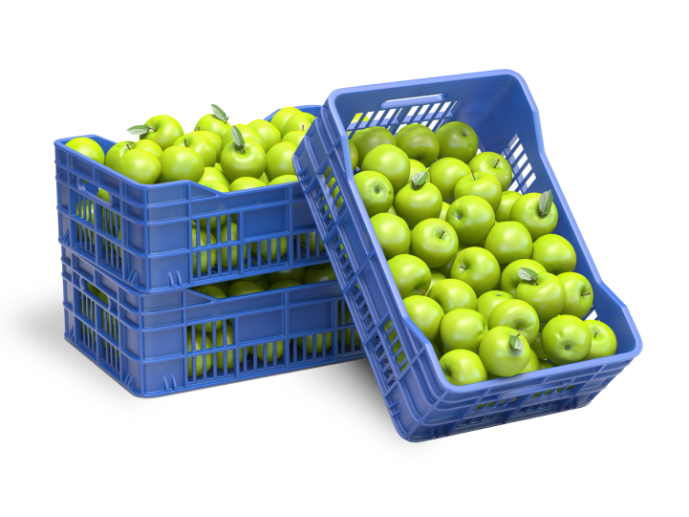
From ventilated crates that maintain airflow for fresh produce to hygienic flat pallets with fully closed decks for cleanroom environments, every product in the Crateco Pack LLC range is built with food safety in mind.
Custom options including printing, embossing, and RFID integration support full supply chain traceability, making Crateco Pack LLC's products audit-ready from day one.