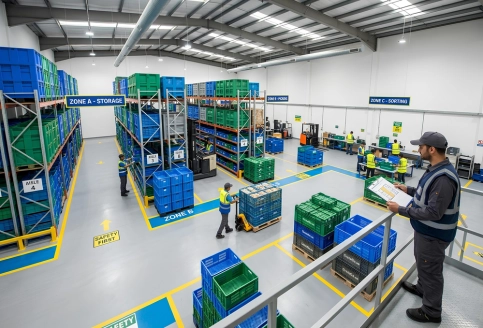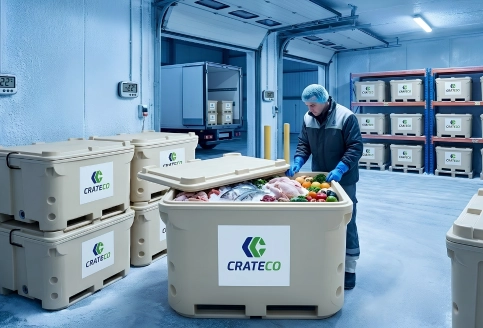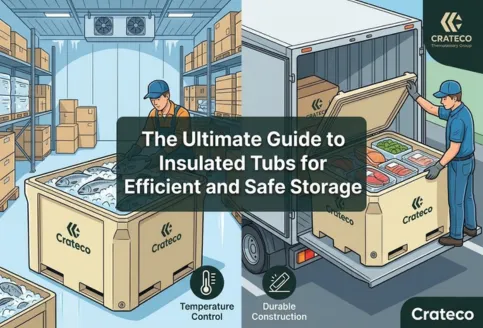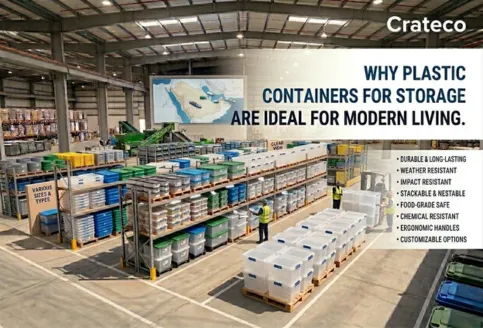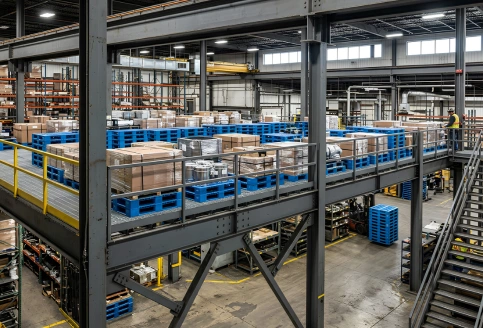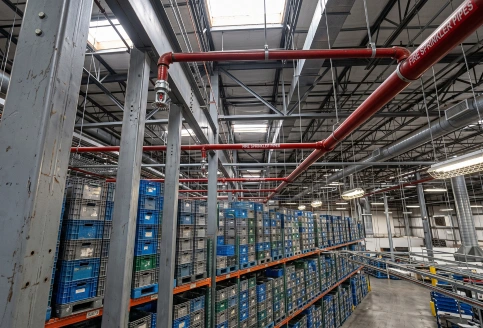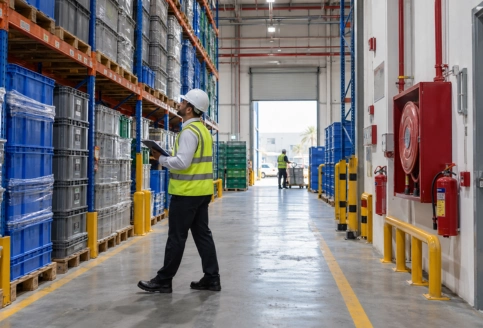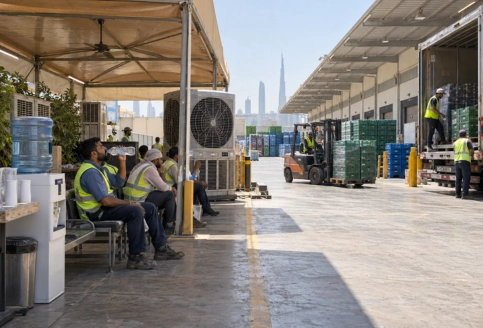
Food safety starts long before products reach store shelves. The type of crate used during transportation plays an important role in protecting food from contamination, maintaining freshness, and meeting hygiene standards.
Choosing the right crate depends on the type of food being transported and the conditions inside the supply chain. Food distributors use different types of plastic crates because every food product has different storage and transport needs.
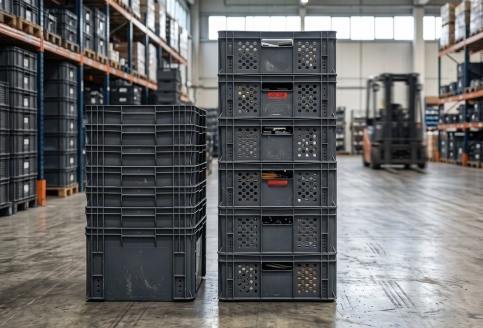
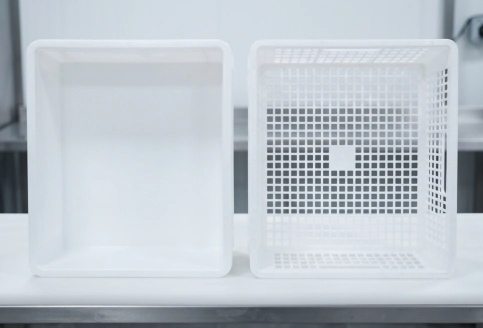
Closed crates offer excellent protection from outside contamination, while ventilated crates provide continuous airflow that helps preserve fruits and vegetables.
Selecting the right crate improves food safety, reduces spoilage, and supports compliance with hygiene requirements across the supply chain.
Food products pass through multiple handling points before reaching consumers. During storage, transportation, and warehouse operations, they may be exposed to dust, moisture, bacteria, pests, or temperature changes.
Using hygienic food-grade plastic crates helps reduce these risks. Proper crate selection also supports HACCP principles, food safety management systems, and overall product quality.
A clean supply chain not only protects consumers but also reduces product losses and improves business reputation.
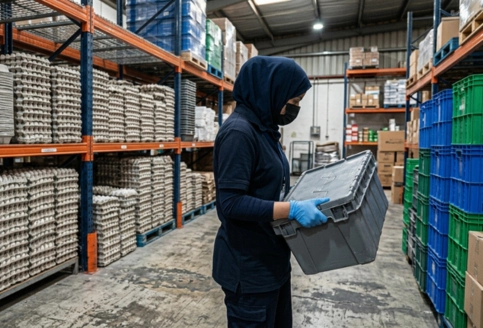
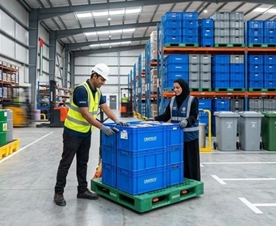
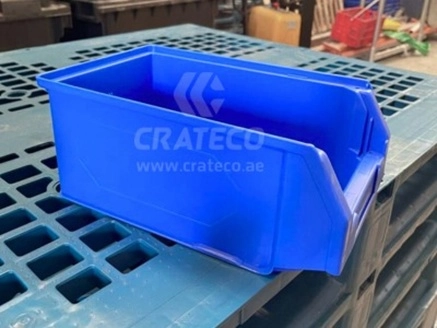
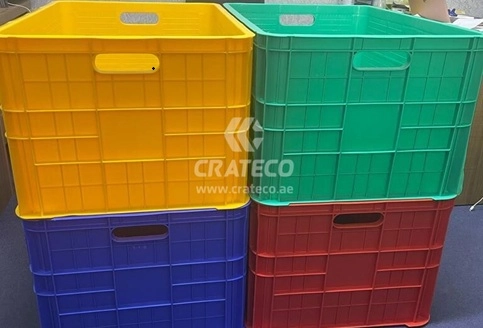
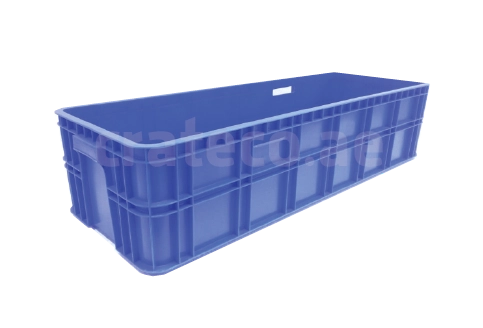
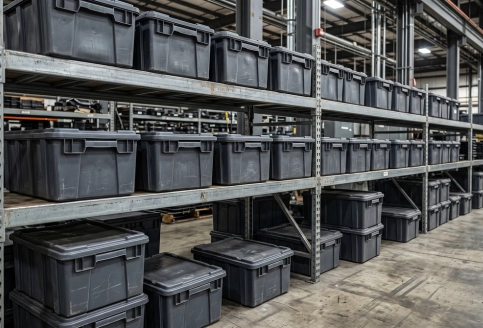
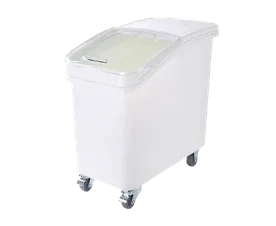
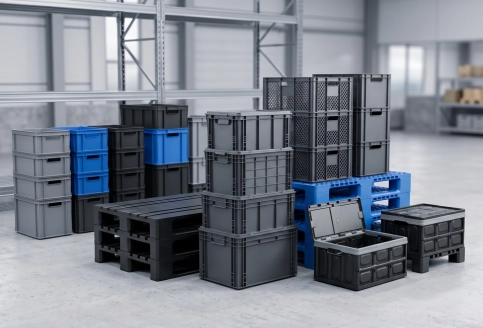
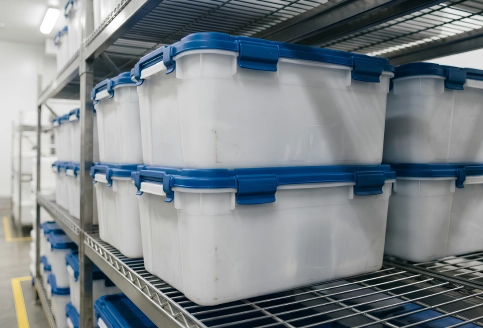
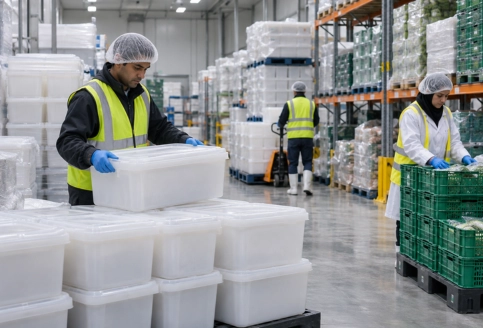
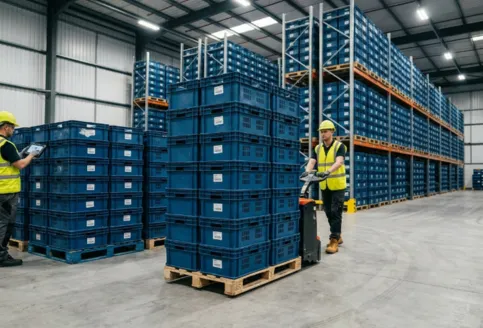
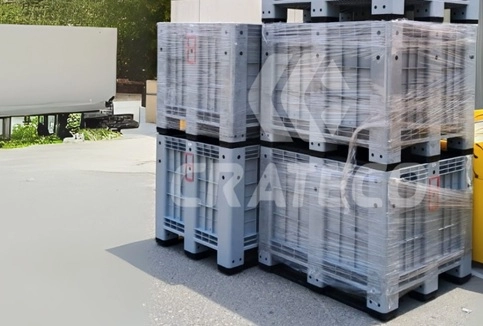
Closed plastic crates have solid sides and a solid base that fully enclose the products inside. They create a protective barrier between food and the outside environment.
Most food-grade closed crates are manufactured from High-Density Polyethylene (HDPE) or Polypropylene (PP), making them durable, washable, and resistant to moisture and chemicals.
Their smooth surfaces also make cleaning and sanitizing faster, reducing the risk of bacteria remaining after washing.
Here are the key features of closed plastic crates:
One of the biggest advantages of closed crates is their ability to protect food from outside contaminants. Their solid walls block dust, insects, dirt, vehicle exhaust, and airborne particles during transportation.
This makes them highly suitable for food products that require extra protection throughout the supply chain. By reducing exposure to external contamination, businesses can improve food safety and lower the chances of product rejection or spoilage.
Raw meat, poultry, seafood, and similar products may release liquids during transportation. Closed crates have solid bottoms that prevent these liquids from leaking onto products stored underneath.
This reduces cross-contamination between different food categories and supports better hygiene practices inside refrigerated vehicles and warehouses. Proper liquid containment is especially important for businesses handling multiple food products within the same shipment.
Closed crates can help maintain more consistent internal temperatures when used together with insulated liners, gel packs, or refrigerated transportation systems. The enclosed design reduces unnecessary air exchange, allowing chilled products to remain cooler for longer periods.
This makes them suitable for prepared meals, dairy products, bakery items, frozen foods, and other temperature-sensitive goods that require controlled transportation conditions.
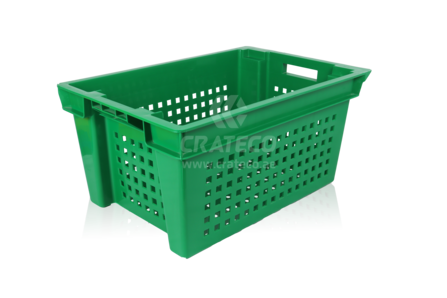
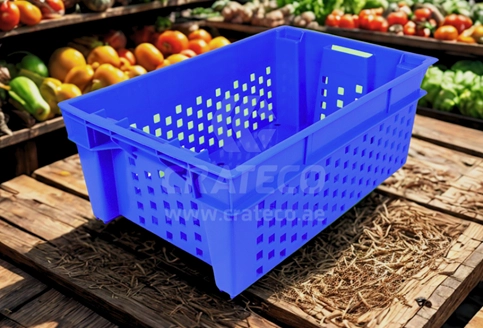
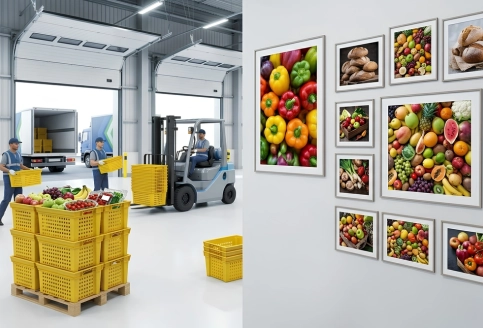
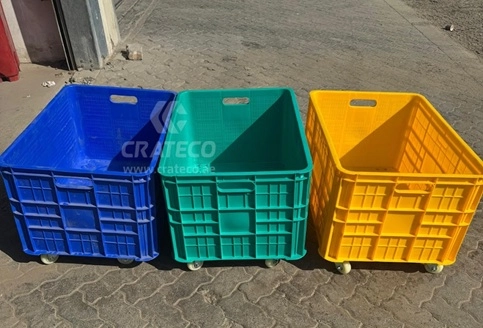
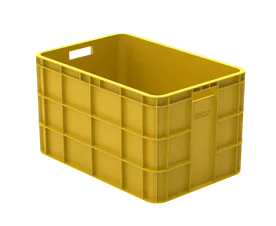
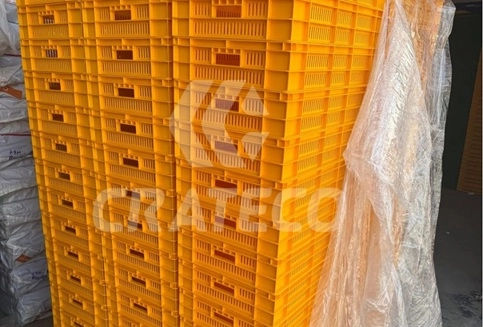
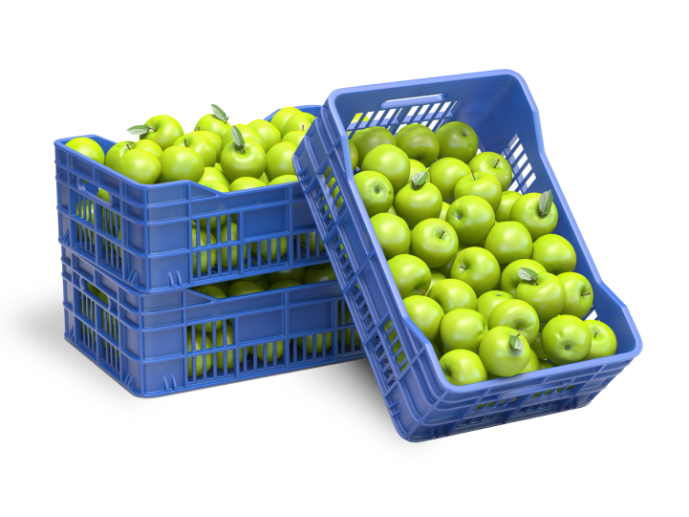
Ventilated plastic crates are designed with openings on the sides, bottom, or both. These openings allow continuous airflow around the stored products. Instead of completely sealing the contents, ventilated crates create better air circulation that helps maintain freshness.
They are commonly used for agricultural products, fresh fruits, vegetables, and products that continue natural respiration after harvesting.
Here are the key features of ventilated plastic crates:
Fresh produce naturally releases moisture during storage and transportation. Without proper ventilation, condensation forms inside containers, creating conditions that encourage mold and bacterial growth.
Ventilated crates allow excess humidity to escape while fresh air continues circulating the products. Better moisture control helps preserve product quality, reduce spoilage, and extend shelf life throughout the distribution process.
Cooling fresh produce quickly after harvesting is important for preserving quality. Ventilated crates allow refrigerated air to move freely through the container, helping cool products more evenly.
Faster cooling slows biological activity and helps maintain freshness during transportation. These crates also support cold chain logistics by improving airflow inside refrigerated trucks and storage facilities.
Many fruits and vegetables naturally release ethylene gas as they ripen. If this gas remains trapped inside the container, products may ripen too quickly and spoil sooner. Ventilated crates allow ethylene gas to escape while fresh air replaces it.
This natural ventilation helps maintain product freshness, making these crates an excellent choice for leafy vegetables, fruits, herbs, and harvested crops.
Choosing the right crate depends on the characteristics of the food product rather than selecting one crate for every application. Closed crates are ideal for products requiring maximum protection from contamination, while ventilated crates perform better for products needing constant airflow.
| Closed Crates Are Commonly Used For | Ventilated Crates Are Commonly Used For |
|---|---|
| Raw meat | Fresh fruits |
| Poultry | Leafy vegetables |
| Seafood | Herbs |
| Dairy products | Root vegetables |
| Prepared meals | Agricultural produce |
| Bakery products | Fresh flowers |
| Frozen food | — |
| Packaged food products | — |
| Feature | Closed Plastic Crates | Ventilated Plastic Crates |
|---|---|---|
| Primary Purpose | Maximum product protection | Maximum airflow and freshness |
| Protection from Dust | Excellent | Limited |
| Protection from Insects | Excellent | Moderate |
| Air Circulation | Low | Excellent |
| Moisture Control | Moderate, may retain humidity | Excellent, reduces condensation |
| Liquid Containment | Excellent | Poor |
| Cross-Contamination Prevention | Excellent | Lower protection |
| Cooling Performance | Moderate | Excellent |
| Ethylene Gas Release | Limited | Excellent |
| Cleaning & Sanitizing | Easy due to smooth surfaces | Requires extra attention around ventilation holes |
| Best Temperature-Controlled Transport | Yes | Yes, especially for fresh produce |
| Suitable Food Types | Meat, seafood, dairy, bakery, prepared meals | Fruits, vegetables, herbs, agricultural products |
| Warehouse Stacking | Excellent | Excellent |
| Food Safety Compliance | Very High | High when properly maintained |
The type of food is the first factor when selecting a plastic crate. Fresh fruits and vegetables require continuous airflow to stay fresh, making ventilated crates the better option.
Meat, seafood, dairy products, baked goods, and prepared meals need greater protection from outside contaminants, so closed crates are usually the safer choice. Matching the crate to the food helps maintain quality throughout storage and transportation.
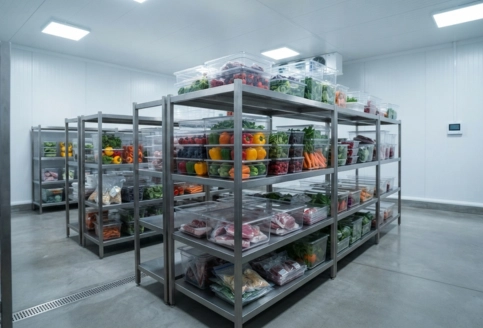
Temperature plays a major role in food safety. Products transported in refrigerated vehicles may require different crate designs depending on their cooling needs.
Closed crates help maintain stable temperatures for chilled packaged foods, while ventilated crates allow cold air to circulate fresh produce for faster and more even cooling. Choosing the right crate supports an effective cold chain.
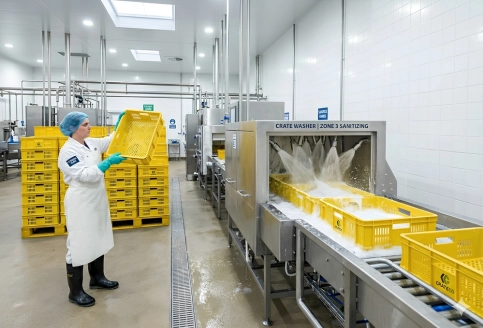
Food crates should be easy to clean after every use. Closed crates usually have smooth surfaces that can be washed and sanitized quickly, reducing the chance of bacteria remaining on the crate.
Ventilated crates also support good hygiene but require extra attention because food particles and dirt can collect around the ventilation openings. Regular cleaning helps businesses meet food safety standards.
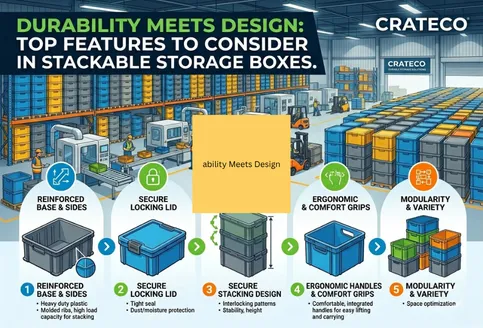
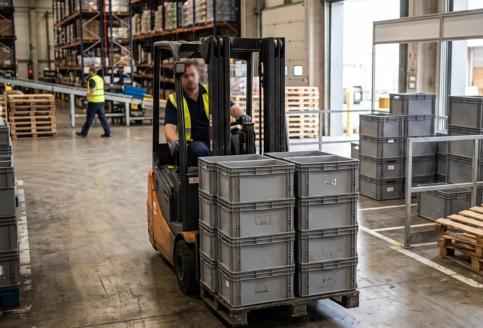
A food crate should be strong enough to handle repeated transportation and stacking without cracking or breaking. High-quality food-grade plastic crates maintain their shape even under heavy loads and frequent use.
Durable crates protect products from damage, reduce replacement costs, and provide consistent performance in warehouses, distribution centers, and delivery vehicles.
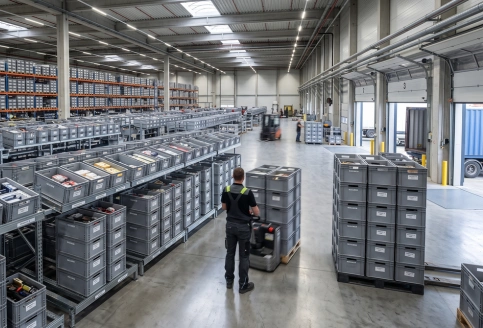
Stackable crate designs improve warehouse organization and maximize available storage space. They also make loading and unloading safer and more efficient.
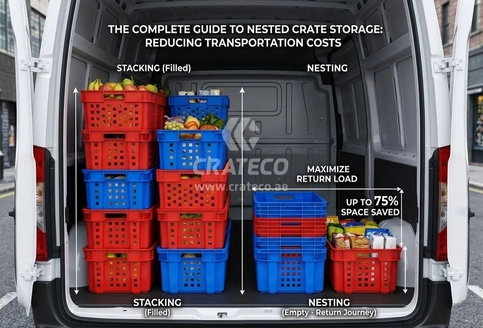
Some plastic crates are designed to nest or collapse when empty, helping businesses save valuable space during return transportation. Efficient storage reduces logistics costs and improves overall supply chain performance.
Always choose crates made from certified food-grade plastic materials such as HDPE or PP. These materials are non-toxic, resistant to moisture and chemicals, and safe for direct food contact.
Food-grade crates also support hygiene regulations and quality management systems, giving businesses greater confidence that their products remain protected throughout the distribution process.
Maintaining high hygiene standards in food distribution requires selecting the right crate for each product. Closed crates vs. ventilated alternatives show that both options serve different purposes within modern supply chains.
Closed crates provide superior protection against contamination, liquid leaks, and external hazards, while ventilated crates improve airflow, moisture control, rapid cooling, and product freshness. Understanding these differences helps businesses protect food quality, reduce waste, and meet industry hygiene requirements.
For reliable food-grade plastic crates designed for industrial and food distribution applications, Crateco Pack LLC is a trusted manufacturer and supplier in the UAE. We offer high-quality closed crates, ventilated plastic crates, plastic pallets, spill pallets, waste bins, and complete material handling solutions to support safe, hygienic, and efficient food logistics.