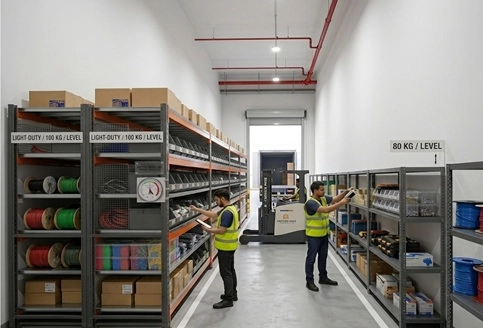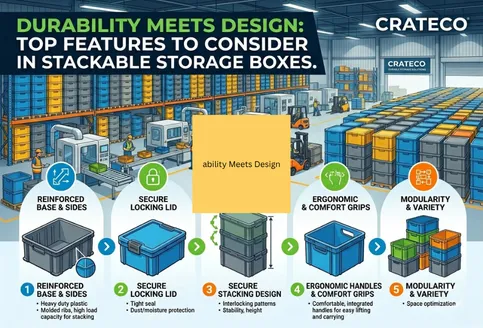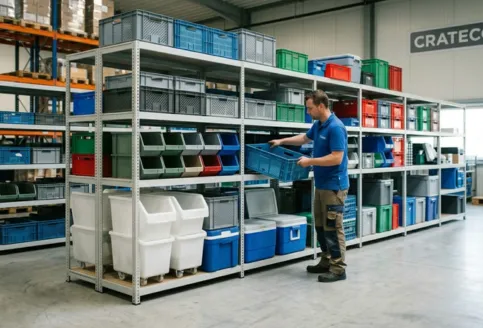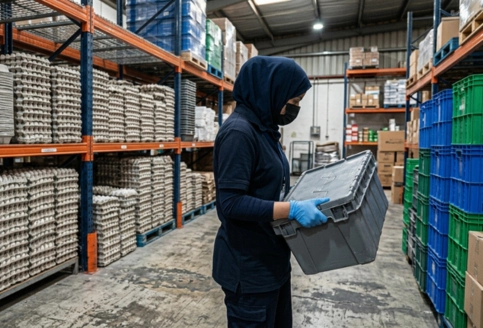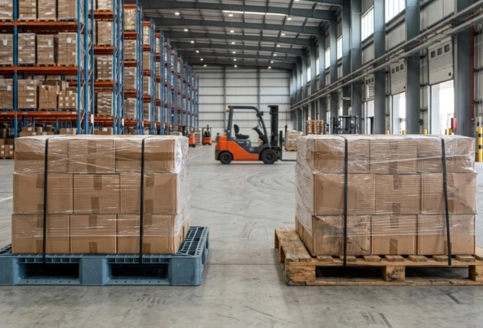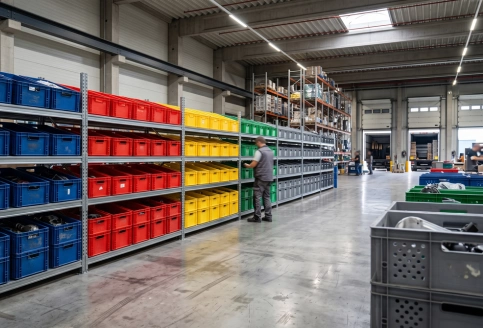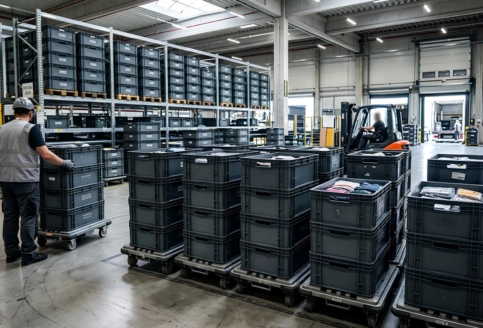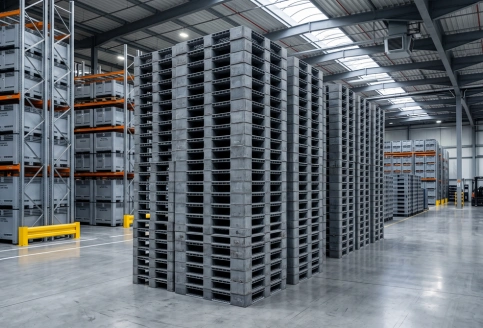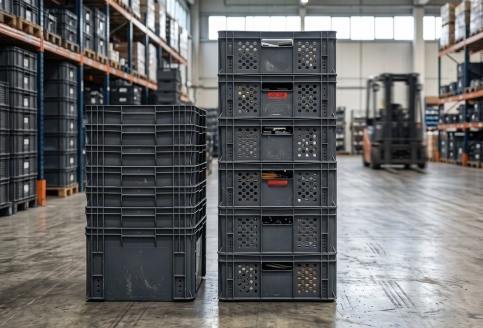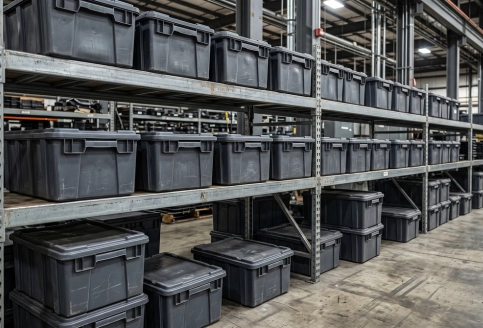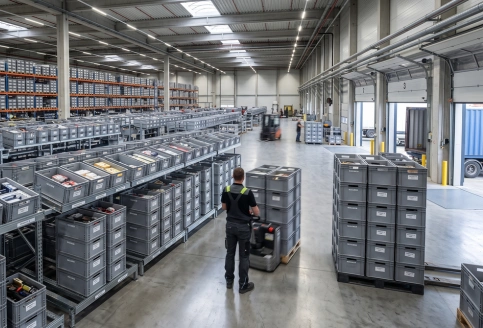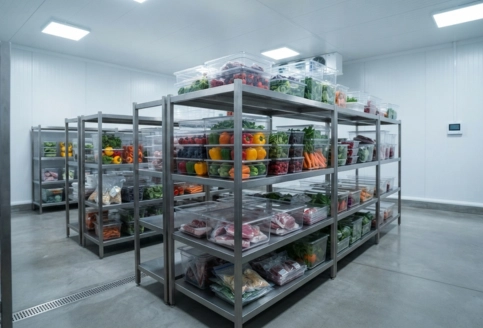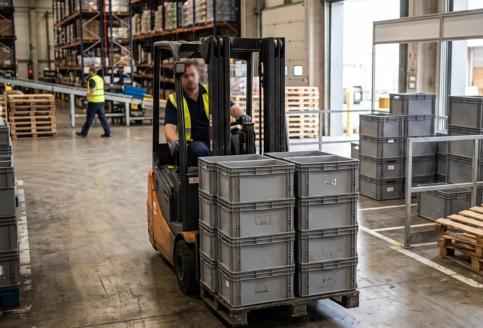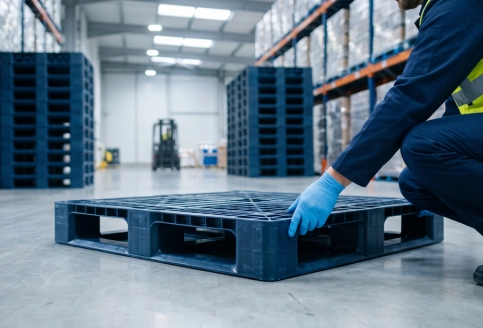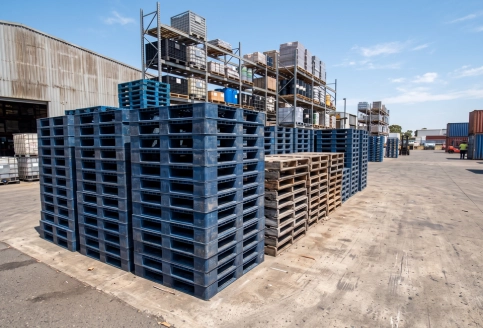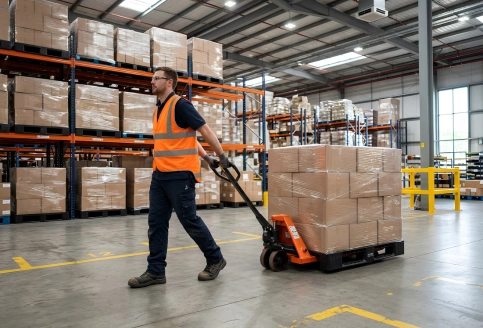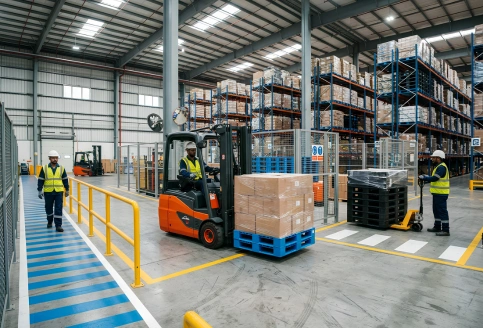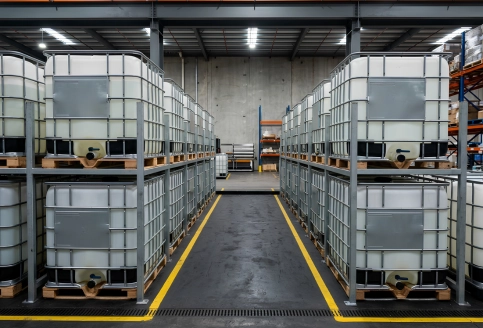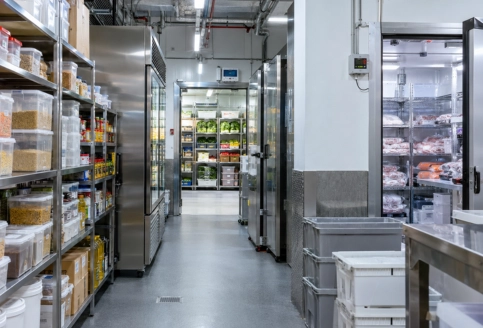

A warehouse can hold thousands of products, but one small fire can spread quickly when goods are packed closely on tall racks. Good rack planning is therefore important for both daily operations and emergency safety.
In 2026, UAE warehouses must meet the UAE Fire and Life Safety Code and Civil Defence requirements for sprinkler protection, storage height, rack layout, fire load, alarms, and emergency access. High-rack and multi-tier storage may need in-rack sprinklers, while the type and amount of goods can affect the required fire protection level.
Warehouse owners also need approved drawings, suitable fire protection systems, regular maintenance, and professional rack inspections. Using compliant warehouse racking and fire safety practices helps reduce fire risk and supports approval requirements.
Warehouse racks do more than store products. Their height, spacing, load, and design can affect how quickly fire spreads and whether sprinklers can control it.
A tightly packed rack may stop water from reaching lower storage levels and can also restrict the movement of smoke toward detection equipment. Civil Defence reviews the storage arrangement along with the building's fire protection system.
This means a rack layout should be planned together with sprinklers, aisles, exits, fire doors, and stored goods instead of treating storage equipment as a separate part of the warehouse.
Several factors need attention when planning a compliant storage area. The exact requirements can vary based on the building, storage height, commodity type, rack design, and fire hazard level. Key points include:
| Safety Area | What Warehouse Operators Should Check |
|---|---|
| Sprinkler protection | Provide suitable ceiling or in-rack protection based on storage conditions |
| Rack height | Higher storage can require additional fire protection |
| Flue spaces | Keep suitable vertical spaces for smoke and water movement |
| Top clearance | Maintain the required distance below sprinkler heads |
| Fire load | Assess the quantity and type of combustible goods |
| Aisles | Keep forklift and emergency routes clear |
| Fire alarms | Use suitable smoke, heat, or other approved detection systems |
| Drawings | Obtain approval before major layout or use changes |
| Maintenance | Keep fire systems tested and maintained |
| Rack inspection | Check racks regularly for damage, overloading, and instability |
These points should be reviewed by qualified fire safety and warehouse design professionals before installation.
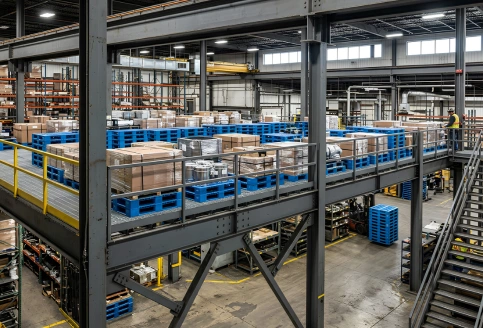
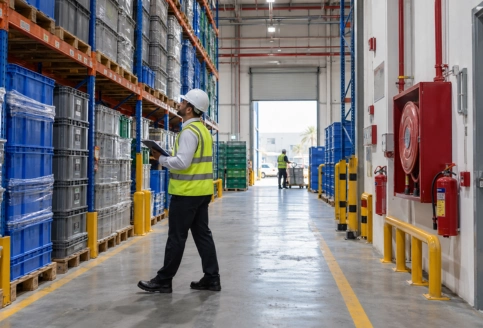
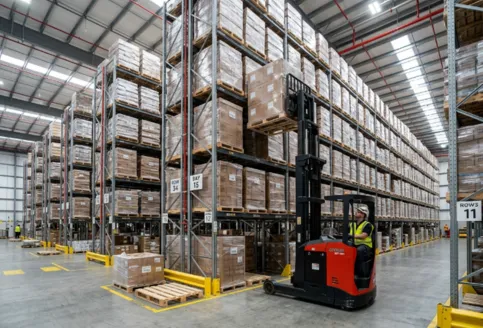
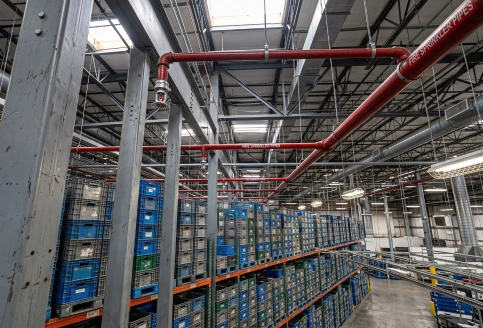
Tall racks can create a serious challenge for fire sprinklers. When products are stored on several levels, the upper pallets can prevent water from reaching a fire lower down. For this reason, high-rack storage, multi-tier shelving, and mezzanine areas may require additional sprinkler protection.
Storage above approximately 7.5 metres can trigger more stringent protection requirements, but the actual design should be based on the approved fire engineering assessment and the applicable code. In-rack sprinklers may be placed within the rack structure to provide better protection at different storage levels.
A sprinkler can only work properly when its discharge is not blocked by pallets, cartons, rack beams, or stored products. Warehouse operators should therefore avoid placing goods directly in front of sprinkler heads or changing rack levels without checking the fire protection design.
Rack density also matters because tightly packed storage can restrict water movement. Any change in rack height, pallet position, commodity type, or storage arrangement should be reviewed when it could affect sprinkler performance. This simple step can prevent a storage change from creating an unexpected fire safety problem.
Flue spaces are open vertical channels that allow heat and smoke to move upward through a rack system. They can also help sprinkler water reach areas where a fire starts. Closing these spaces with pallets or other goods can reduce the effectiveness of fire protection.
Top clearance is also important. Stored products should not be pushed too close to the roof or sprinkler heads. The required clearance depends on the approved system and storage arrangement, so warehouse operators should follow the distances shown on approved fire protection drawings rather than relying on a general measurement.
Not every warehouse has the same fire risk. A building storing metal parts has a different fire load from one filled with plastic products, packaging, chemicals, or aerosols. A fire load assessment considers the amount and type of combustible material in a storage area.
Product height, packaging, pallet type, rack arrangement, and commodity classification can also affect the protection needed. This assessment becomes especially important in high-bay warehouses with mixed products.
Before increasing stock levels or changing the product mix, operators should check whether the existing fire protection system can safely handle the new storage conditions.
Early detection gives workers more time to respond and evacuate. Warehouses may use smoke detectors, heat detectors, beam detectors, or other approved detection technology depending on the building and storage conditions.
Large storage areas need careful detector placement because tall racks can affect smoke movement. Some modern facilities also use advanced monitoring systems to identify abnormal heat conditions.
The alarm system should be properly connected to the required monitoring network where applicable. Testing and maintenance are equally important because a detector or alarm that has not been serviced may fail when it is needed most.
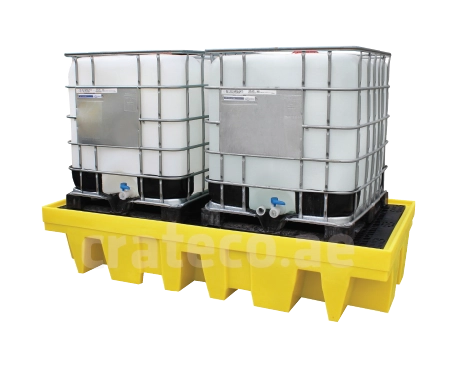
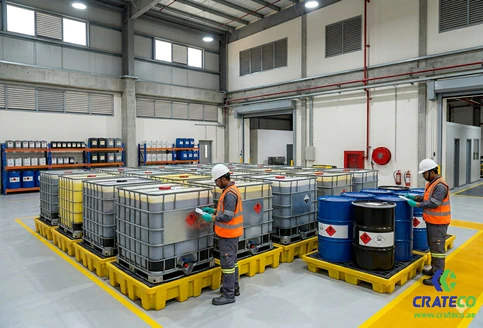
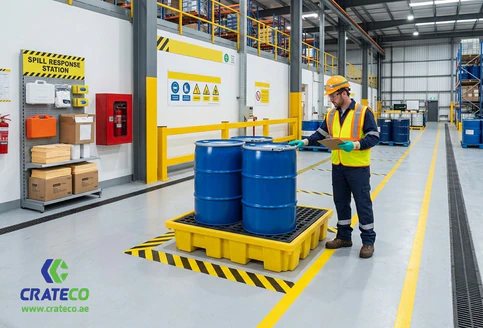
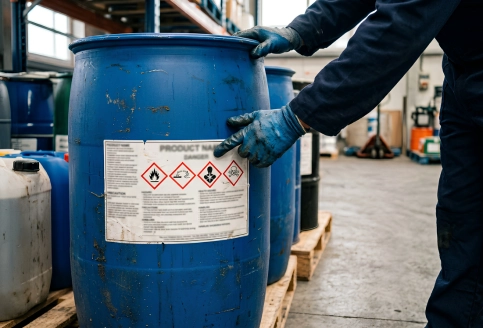
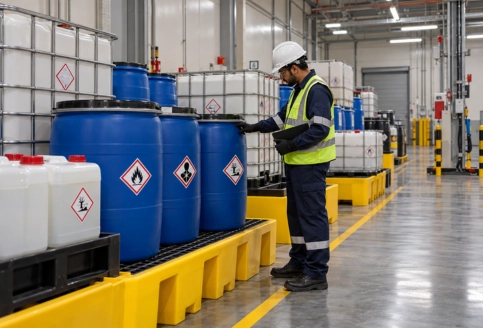
Flammable liquids, chemicals, aerosols, and other hazardous materials require greater control than ordinary warehouse products. Their storage can increase the fire load and may require dedicated areas, suitable ventilation, fire-rated construction, and specialised electrical equipment.
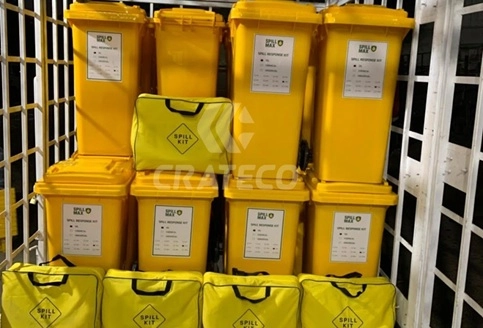
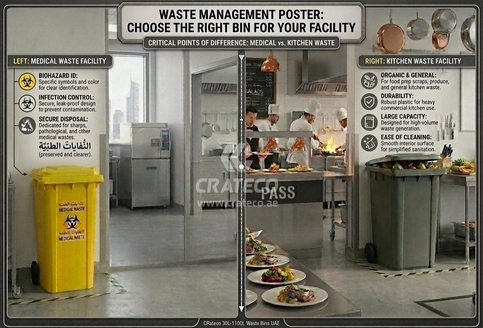
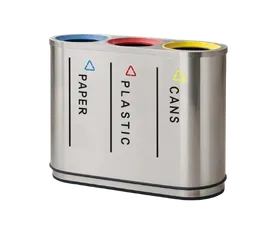
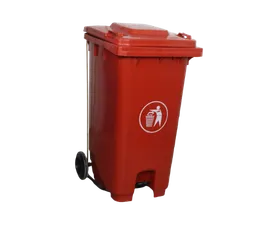
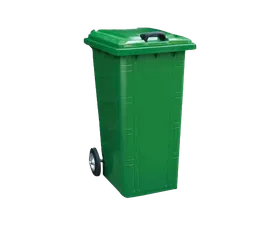
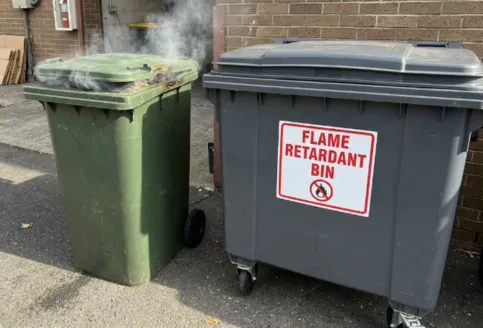
Fire-retardant bins can also be considered for suitable waste or material handling needs where fire-resistant storage is required. However, the bin type should match the material being handled and the warehouse's approved safety plan. Proper segregation, safety signs, spill control, and emergency procedures should also be maintained.
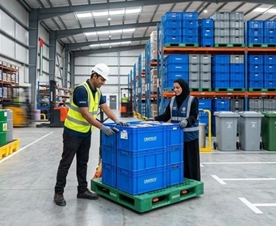
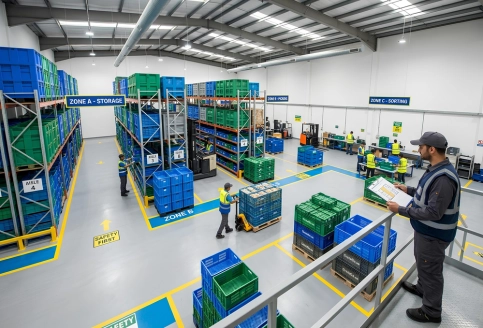
A warehouse must allow people to leave quickly during an emergency. Rack rows should not block fire exits, emergency doors, fire equipment, or marked escape paths. Forklifts and pallets should never be left in these areas, even for a short period.
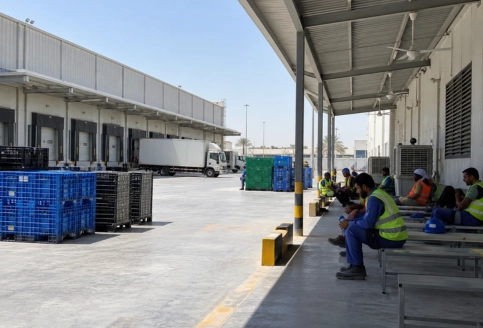
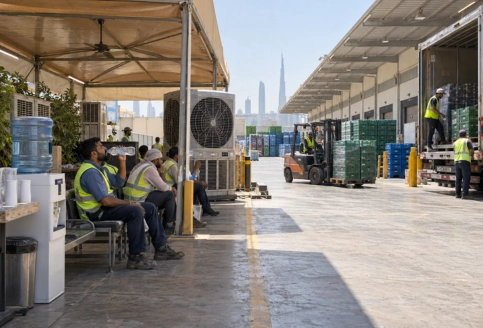
Aisle width should suit the equipment used in the facility while also supporting safe movement during an emergency. Loading areas need similar attention because vehicles, charging equipment, packaging, and stored materials can create additional hazards.
Regular housekeeping helps keep these routes open and makes it easier for workers and emergency teams to move through the facility.
Fire safety is only one part of a safe storage system. Racks can also become dangerous when they are overloaded, damaged by forklifts, poorly anchored, or changed without proper engineering review.
Regular inspections should look for bent uprights, damaged beams, loose connections, missing safety pins, uneven loading, and other signs of failure. A professional inspection can identify structural problems that may not be obvious to warehouse staff.
Internal checks should also be carried out frequently, while formal inspections should follow the applicable safety requirements and the rack manufacturer's recommendations.
Adding new racks may seem like a simple warehouse improvement, but a major change can affect the approved fire safety design. Increasing rack height, changing storage use, adding a mezzanine, or altering the warehouse layout can change sprinkler coverage and fire load.
Such changes should be reviewed before work starts. Where required, updated drawings and approvals should be obtained from the relevant authority.
Keeping approved plans, inspection records, maintenance reports, equipment certificates, and test documents organised can also make inspections easier and help demonstrate that the facility is being properly managed.
Different warehouses need different protection methods. The right option depends on storage height, goods, rack design, building structure, and the approved fire strategy. Common systems and safety measures include:
Ceiling sprinklers are installed at roof level and can provide broad fire protection across a warehouse. They may be suitable for some storage arrangements, but tall or dense rack storage can require additional protection. The sprinkler design must match the storage height and commodity hazard.
In-rack sprinklers are installed within the storage rack area. They can help deliver water closer to the point where a fire starts, especially in taller or denser storage systems. Their location must be carefully coordinated with rack beams, pallets, flue spaces, and stored products.
Smoke, heat, beam, or other approved detectors can provide early warning. The correct system depends on the warehouse environment and ceiling height. Regular testing is needed to make sure the detection system remains reliable.
Portable extinguishers and fixed hose systems provide first-response protection where appropriate. They should be easy to reach, clearly marked, regularly inspected, and suitable for the types of fire that could occur in the warehouse.
Modern warehouses can use digital records to track inspections, maintenance, alarms, extinguishers, and other safety equipment. These systems can reduce paperwork and make it easier to identify overdue checks. However, digital tracking does not replace physical inspection and proper maintenance.
Compliance should be treated as an ongoing process rather than a one-time inspection. Warehouse managers can reduce risk by following a simple routine:
Check racks for impact damage and overloading.
Keep emergency aisles and exits clear.
Maintain sprinkler and detector clearance.
Do not change rack height without technical review.
Keep flammable goods in approved storage areas.
Test fire alarms and firefighting equipment as required.
Maintain updated warehouse and fire safety drawings.
Keep inspection and maintenance records.
Train workers on evacuation and fire response procedures.
Arrange professional rack and fire safety inspections.
These actions support safer daily operations and can also help identify problems before they become serious.
Safe warehouse storage in the UAE requires more than strong steel racks. Rack height, storage density, fire load, sprinkler coverage, flue spaces, detection systems, emergency routes, and structural condition all need to work together.
In 2026, warehouse operators should also pay close attention to approved layouts, required Civil Defence processes, maintenance records, and professional inspections. Any major change to storage height, rack design, or the type of goods stored should be reviewed before implementation.
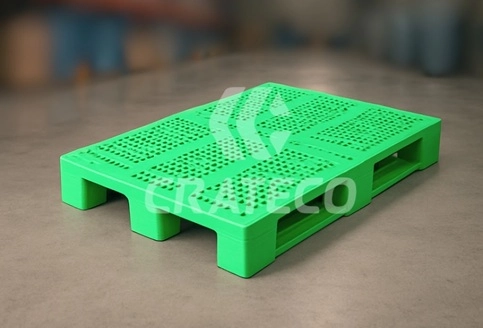
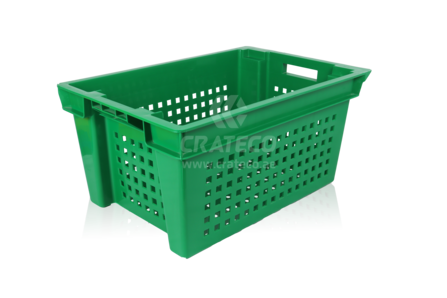
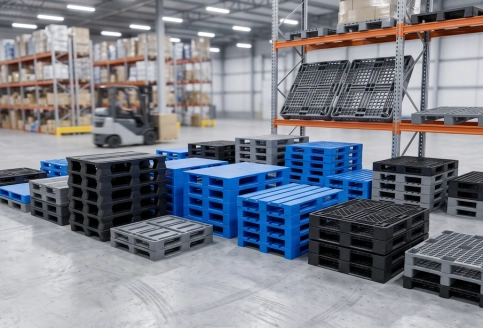
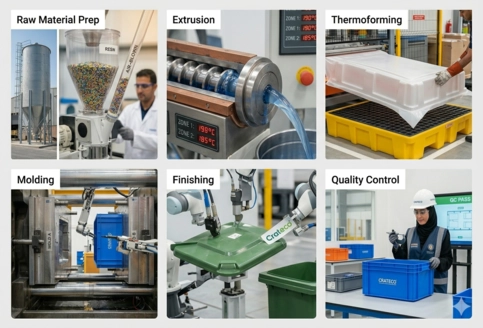
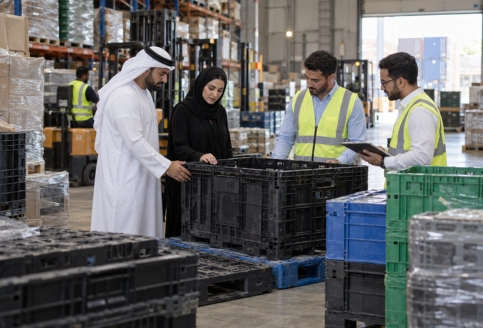
For businesses that need reliable industrial storage and handling products, Crateco Pack LLC is a UAE-based manufacturer and supplier of plastic pallets, crates, spill pallets, waste bins, and other industrial packaging solutions. Contact Crateco Pack LLC when you need a trusted crate supplier in the UAE for warehouse and material handling needs.