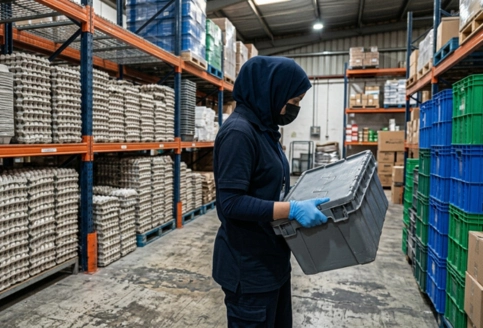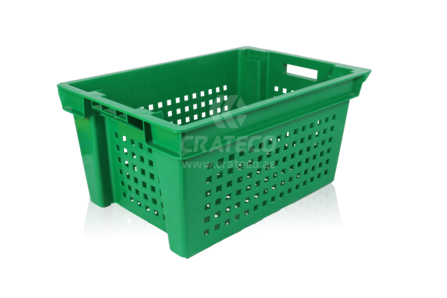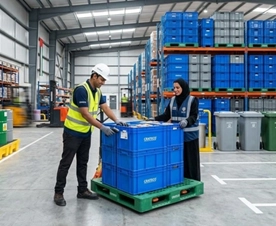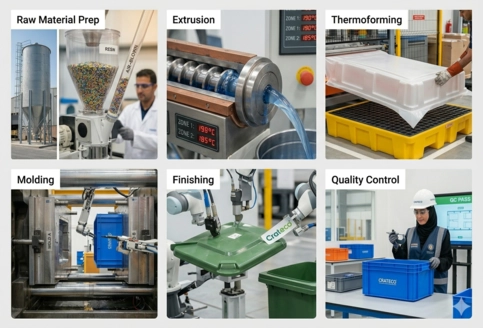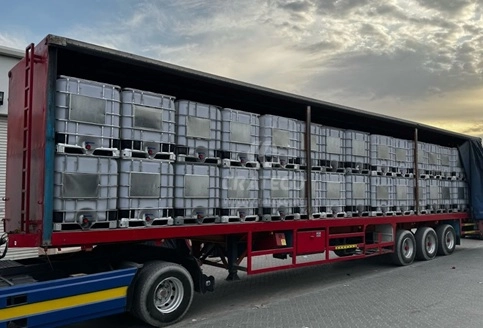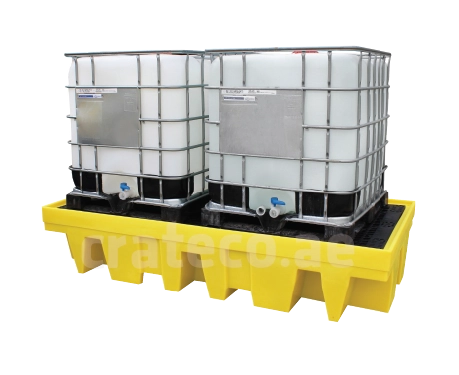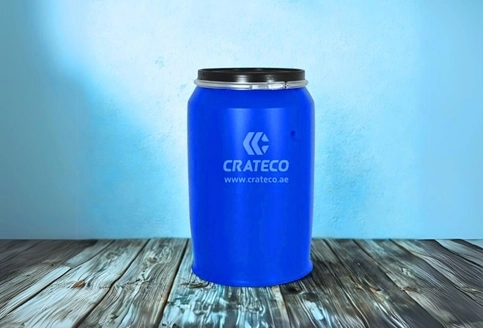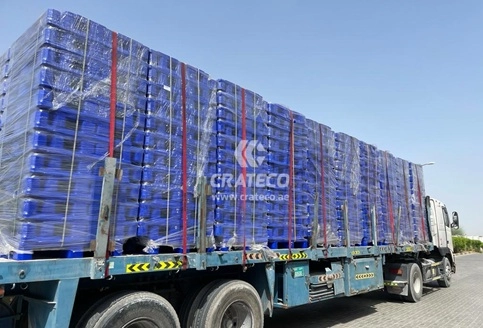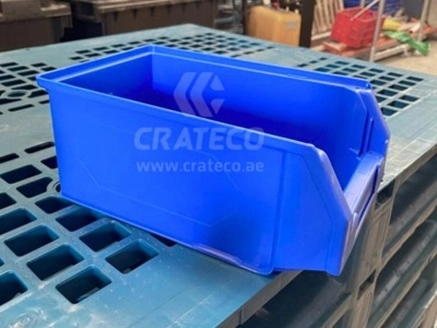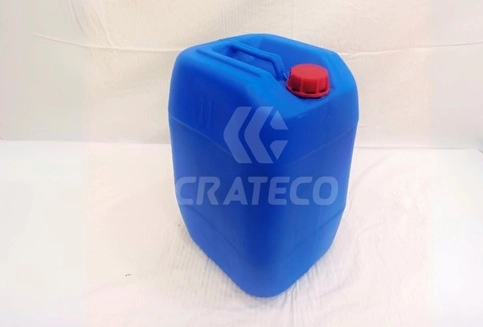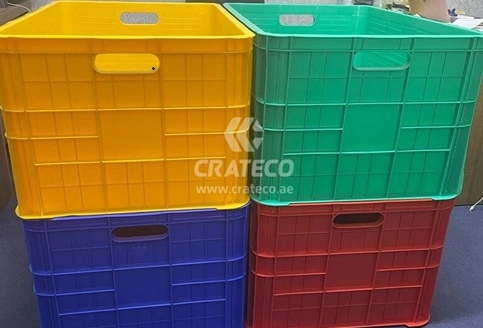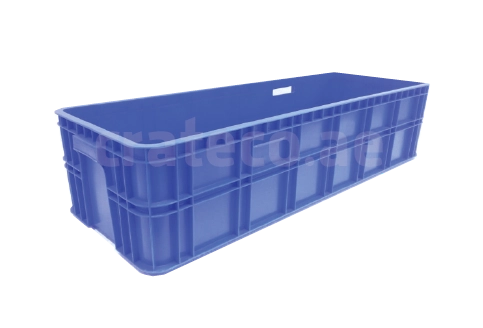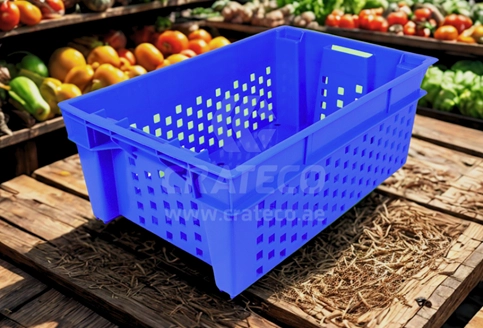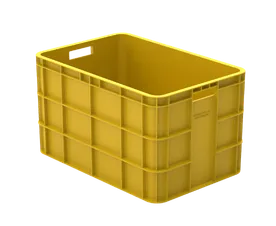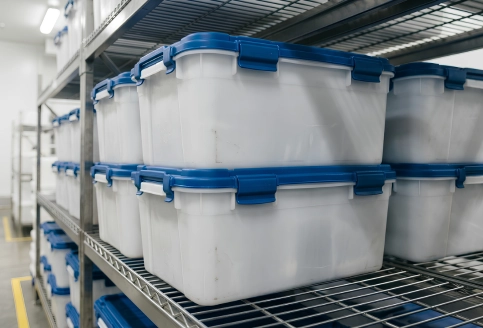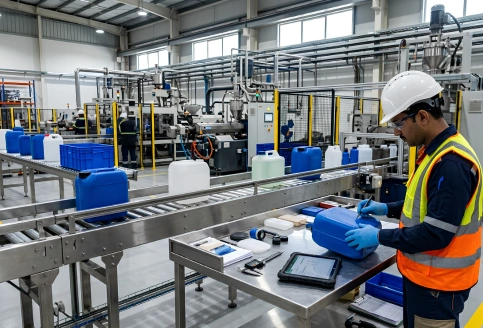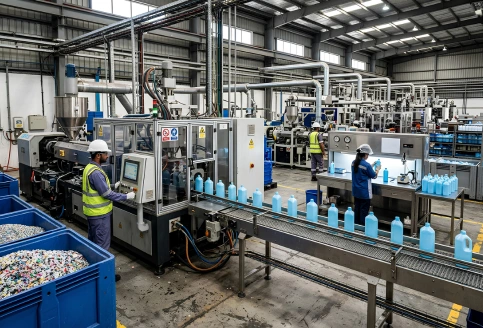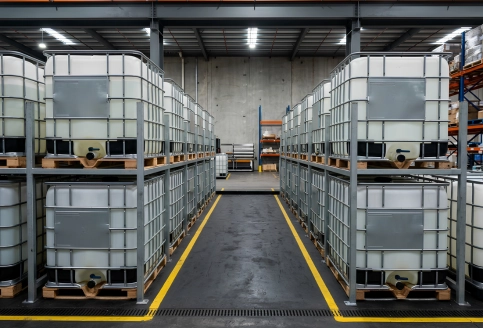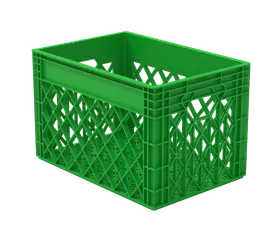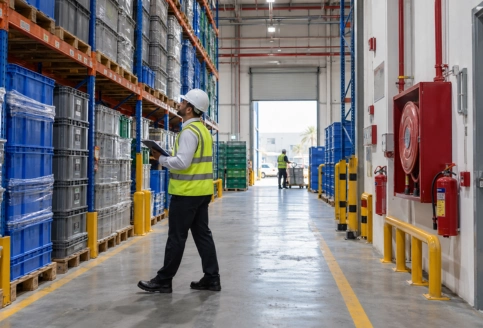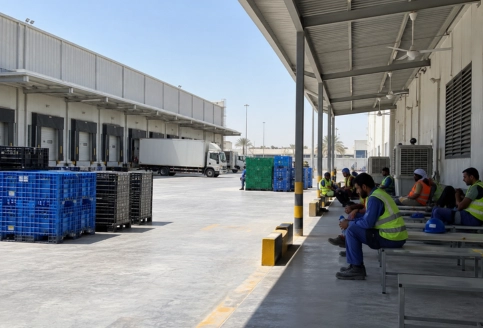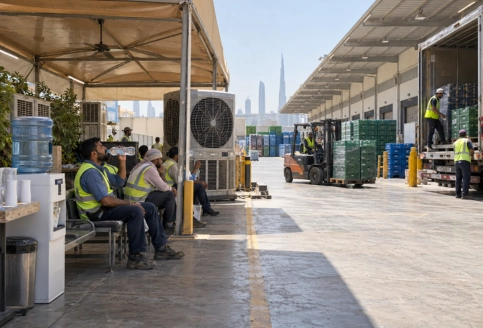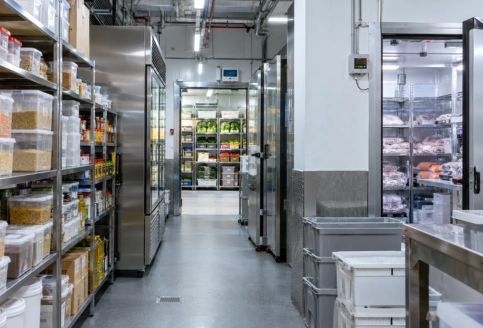
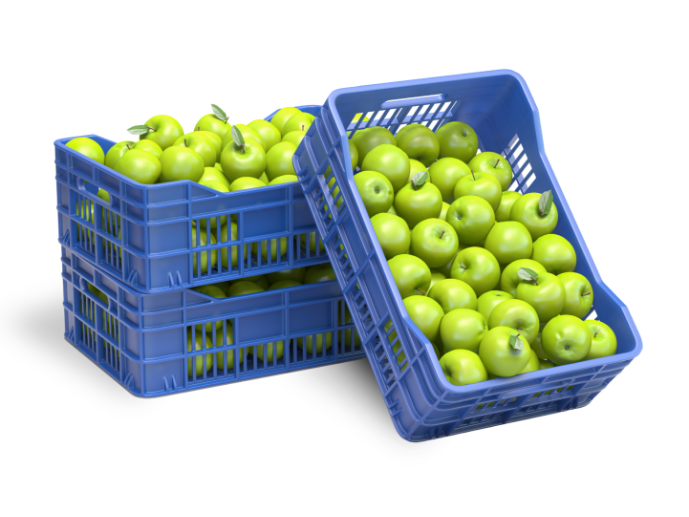
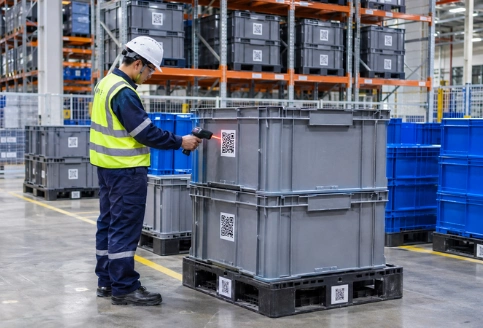
A reusable crate might make hundreds of trips, carrying food one week and medical supplies the next. Regulators care about every one of those trips.
Traceability matters for reusable packaging because it proves each container was clean, intact, and fit for the product it carried. It supports recalls, cuts asset losses, backs food and pharma audits, and gives hard data for sustainability reports.
Good traceability combines unique IDs such as GS1 GRAI codes, scan points at each step, and cleaning and repair records linked to every crate or pallet.
Food and medicine rules focus on the product, but packaging is what touches it. A crate with residue, cracks, or pest damage can contaminate a whole shipment.
The UAE already tracks medicines closely. Since December 2022, the Tatmeen platform has required serialisation, aggregation and movement reporting for pharmaceuticals across the supply chain, built on GS1 standards.
Aggregation links each pack to its case and its pallet. When pallets and crates carry their own IDs, the record can run from the medicine all the way to the container that moved it.
GS1 created the Global Returnable Asset Identifier, or GRAI, for exactly this job. According to GS1, returnable assets such as crates, bread trays, pallets and beer kegs are reused for many deliveries, and the GRAI lets owners identify them by type or one by one.
A GRAI can be up to 30 characters long and combines a company prefix, an asset type, a check digit, and an optional serial number. It can be printed as a barcode or written to an RFID tag.
RFID allows many crates to be read at once as they pass a dock door. Barcodes cost less and work well where items are scanned one at a time.
| ID method | How it works | Best for |
|---|---|---|
| Printed barcode or 2D code | Scanned one container at a time | Low-cost tracking, smaller fleets |
| RFID tag (GRAI-96) | Read in bulk without line of sight | High-volume loops, dock doors |
| Moulded or hot-stamped serial | Permanent number in the plastic | Basic ID and cleaning logs |
| Asset register software | Links IDs to every event | Audits, loss reports, trip counts |
For each container, a useful record shows when it was issued, where it went, what it carried, and when it came back. It should also show each wash, inspection, and repair.
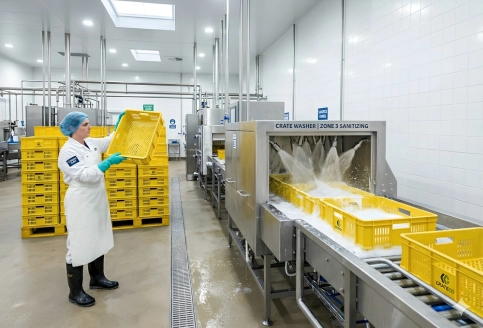
Cleaning records matter most in food and pharma loops. Logs should name the wash method, the detergent or sanitiser used, the date, and the person who signed it off.
Damage and retirement records close the loop. Cracked crates should leave service with the reason logged, so repeat causes can be spotted and fixed.
Reuse loops lose containers at every hand-off, from washing to delivery to returns. Precise identification cuts the number of crates and pallets that go missing along the way.
Each lost crate is both a replacement cost and a gap in the record. Scan points show where losses happen, so the weak link can be fixed.
When a batch goes wrong, records show which containers touched it and where they went next. Those containers can be pulled and cleaned before they spread the problem.
Without IDs, a recall often means washing or scrapping a whole fleet. Traceability narrows the action to the containers that matter.
Reuse only counts if you can prove it. Trip counts per crate turn a sustainability claim into data that clients, auditors and future EPR rules can check.
The UAE's 2026 single-use plastics ban and new climate reporting duties point the same way. Businesses with clear reuse data are better placed for both.
Start with an audit of every reusable container you own, by type and location. Then assign IDs, whether printed labels, moulded serials or RFID tags.
Choose scan points that match your loop: dispatch, customer receipt, return, washing and storage. Link each scan to simple software, or even a well-kept spreadsheet at first.
Train staff to scan every movement and log damage straight away. Review loss rates and cleaning logs each month, and fix the weak points first.
A GRAI is a GS1 identifier for returnable assets such as crates, pallets, and kegs. It can identify assets by type or individually and can be stored in a barcode or RFID tag.
There is no general UAE rule requiring an ID on every crate. However, food safety, pharma, and audit requirements make cleaning and handling records essential in regulated sectors.
No, barcodes or moulded serial numbers work well for smaller fleets. RFID makes sense at high volumes, where many crates must be read at once.
Records show which containers carried an affected batch and where they went next. Those containers can then be found, cleaned, and checked quickly.
A reusable crate is only as trustworthy as its history. In regulated industries, that history has to be written down.
Traceability proves each container was clean and fit for use, speeds up recalls and cuts asset losses. GS1 GRAI codes, barcodes, or RFID tags give every crate and pallet an identity, while cleaning and repair logs complete its record. With Tatmeen already tracking medicines and reuse expectations growing, documented traceability is becoming standard practice for reusable packaging.
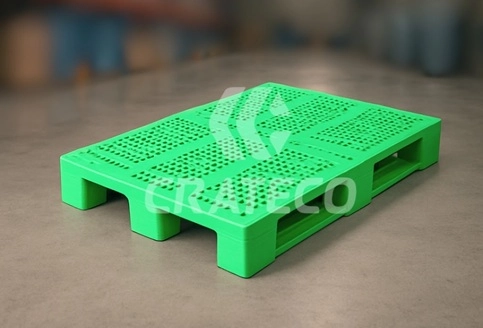
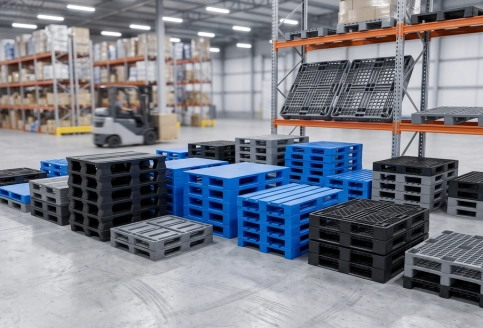
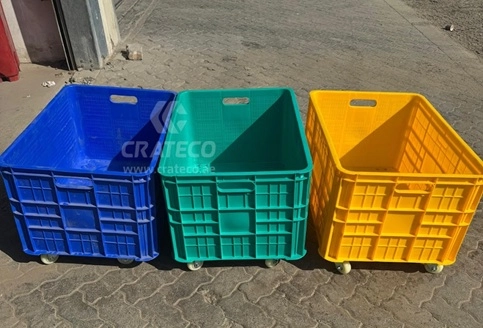
Crateco Pack LLC supplies durable plastic crates and pallets built for repeated trips in food, pharma, and industrial loops. Explore the plastic pallets range to build a reusable fleet that is easy to track.