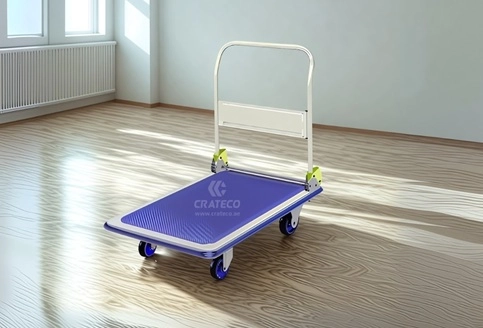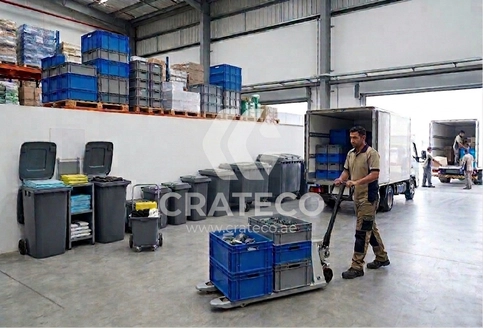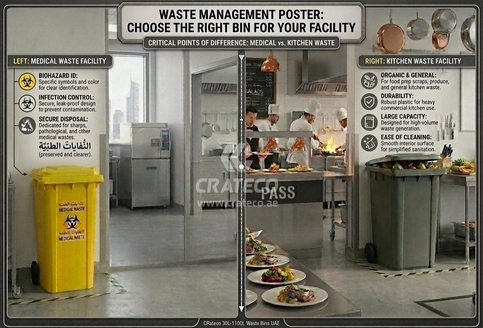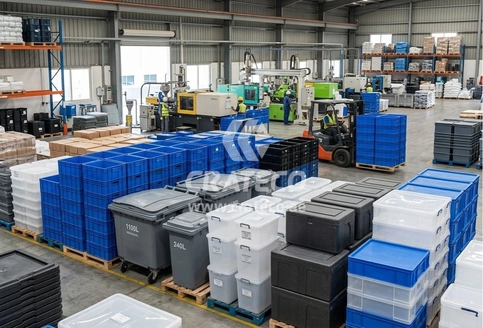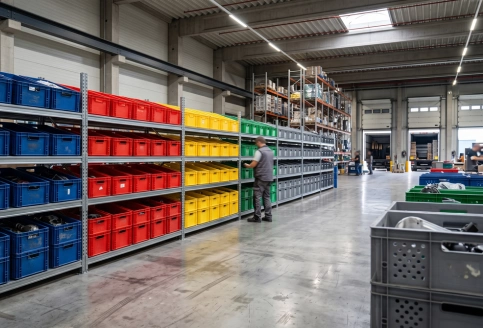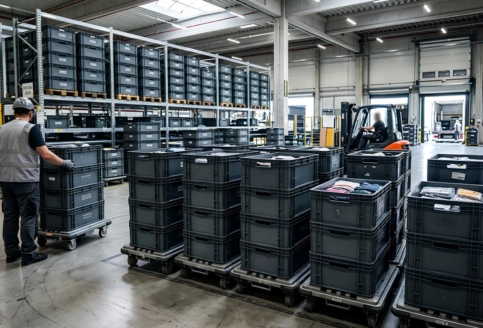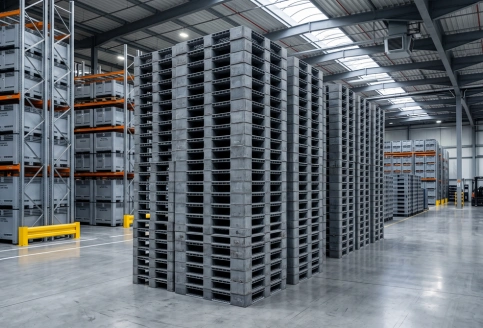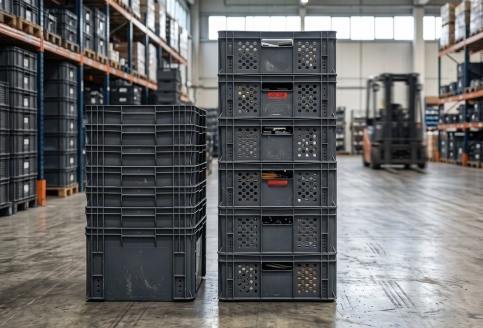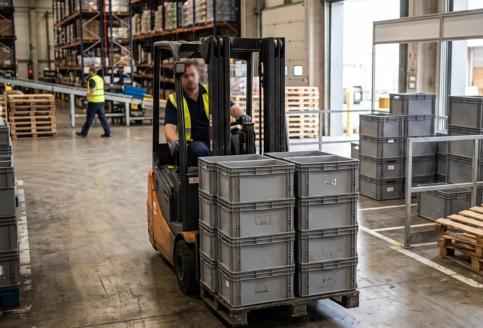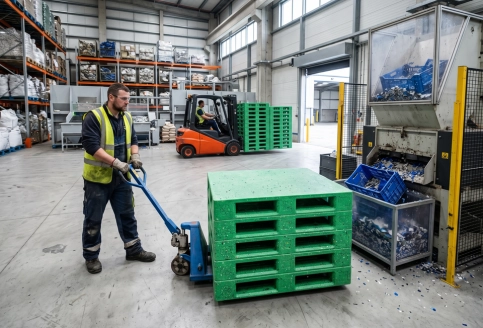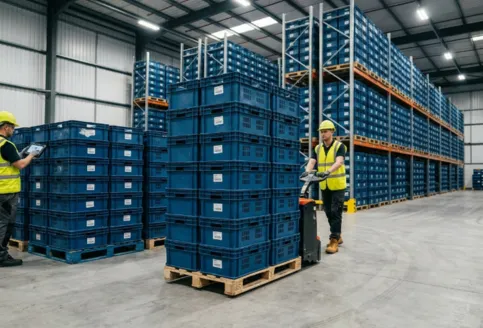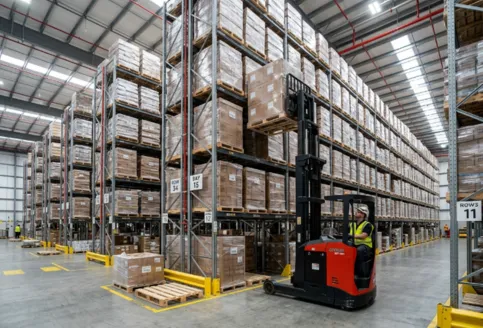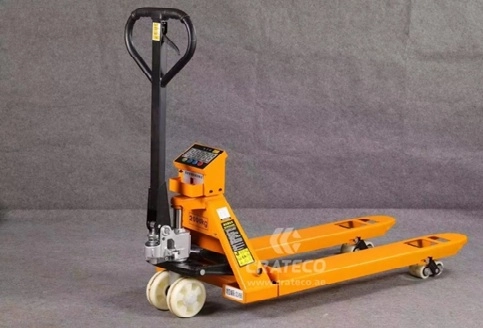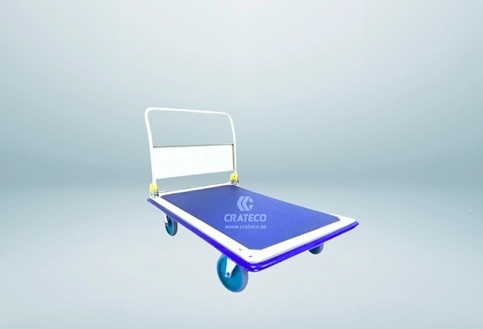

Material handling equipment is essential in UAE warehouses, factories, logistics centers, and construction sites. Forklifts, pallet trucks, cranes, hoists, conveyors, and other equipment make it easier to move heavy goods, but improper use can expose workers to serious risks.
Under UAE labour and occupational health and safety requirements, employers are responsible for taking appropriate measures to protect workers from workplace hazards.
For businesses using material handling equipment, this means providing suitable equipment, keeping it in safe condition, training workers, controlling workplace risks, and maintaining proper safety procedures.
UAE Federal Decree-Law No. 33 of 2021 provides the federal framework for employment relationships in the private sector, including important employer responsibilities related to workplace health and safety.
Its implementing regulation provides additional requirements for protecting workers from occupational risks. Material handling operations may also be subject to requirements from the relevant emirate, industry, and competent authority.
Businesses should therefore identify the rules that apply to their specific equipment and activities. The main employer responsibilities can be grouped into equipment safety, worker competency, workplace risk control, PPE, emergency procedures, and documentation.
Employers using material handling equipment must take practical steps to keep workers and workplace operations safe. The following obligations cover the main areas businesses should address when managing MHE.
Employers should provide material handling equipment that is appropriate for the task, load, workplace, and operating conditions. The equipment should be capable of safely handling the expected weight and dimensions of the goods.
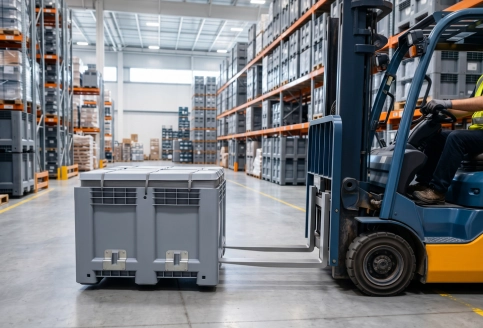
For example, a forklift used in a warehouse should be suitable for the required lifting capacity, aisle width, floor conditions, and storage height.
Choosing unsuitable equipment can increase the risk of dropped loads, collisions, tipping, and equipment damage.
MHE should be kept in safe working condition through suitable inspections and maintenance. Depending on the equipment, checks may cover brakes, steering, tires, forks, hydraulic systems, lifting components, warning devices, guards, and structural condition.
Operators should carry out appropriate pre-use checks, while employers should arrange planned maintenance and any required formal inspection, testing, examination, or certification.
If equipment has a serious defect, it should be removed from service until the problem has been properly assessed and corrected.
Employers must ensure that equipment is used within its rated capacity and manufacturer's instructions. Operators should know the maximum load their equipment can safely handle before beginning an operation.
Loads should also be stable, properly positioned, and suitable for the equipment. Overloading a forklift, crane, hoist, pallet truck, or lifting accessory can affect stability and increase the risk of mechanical failure or dropped loads.
Workers should receive appropriate training before operating material handling equipment. Training should cover the equipment's controls, operating limits, load handling, workplace hazards, pedestrian awareness, and emergency procedures.
Where a particular machine or activity requires a license, certification, authorization, or competency assessment, employers should verify that operators meet the applicable requirements before allowing them to operate the equipment.
Refresher training may also be necessary when equipment changes, procedures are updated, unsafe practices are identified, or an incident occurs.
Employers should identify hazards associated with material handling activities and establish controls to reduce those risks.
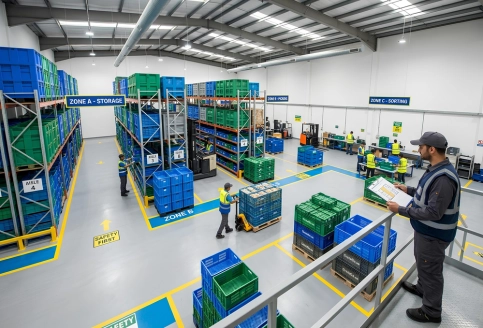
A warehouse risk assessment may consider moving vehicles, heavy or unstable loads, falling objects, blind corners, narrow aisles, uneven floors, storage racks, loading areas, suspended loads, and poor visibility.
Risk assessments should be reviewed when equipment, processes, workplace layouts, or operating conditions change.
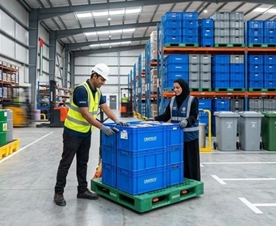
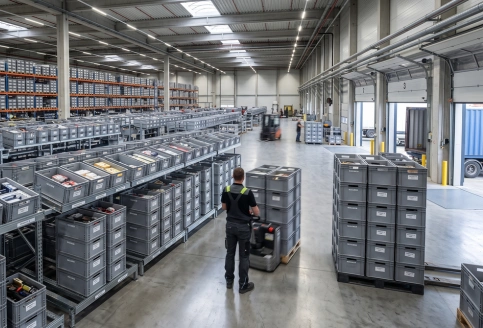
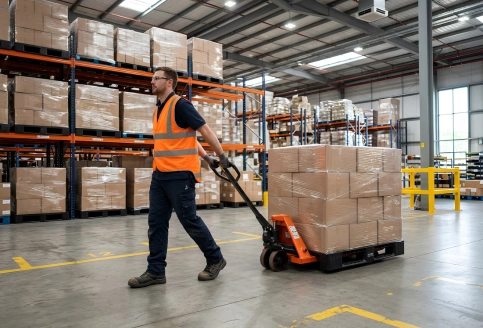
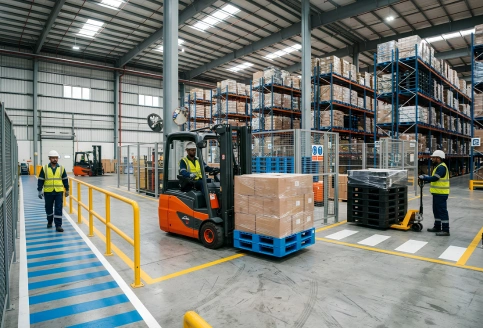
Forklifts and other mobile equipment can create significant risks when they operate in the same areas as pedestrians. Employers should organize workplace traffic routes to reduce the chance of collisions.
Where practical, pedestrian walkways should be separated from MHE routes. Floor markings, barriers, mirrors, warning signs, designated crossings, and suitable traffic procedures can provide additional controls.
Operators should also follow designated routes and speed limits established for the workplace.
Certain material handling activities require restricted access. Crane lifting, hoisting, loading, unloading, and movement of suspended or unstable loads can create areas where unauthorized workers should not enter.
Employers should establish suitable exclusion zones based on the risk assessment. Barriers, warning signs, designated personnel, or other controls may be used to keep workers away from dangerous areas.
Only workers directly involved in the operation should enter a controlled area where there is a risk of falling objects or moving equipment.
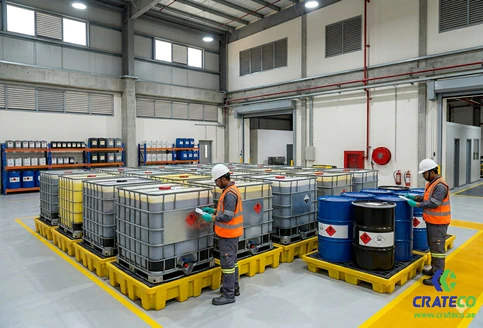
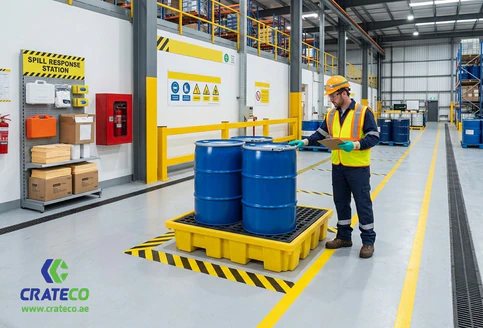
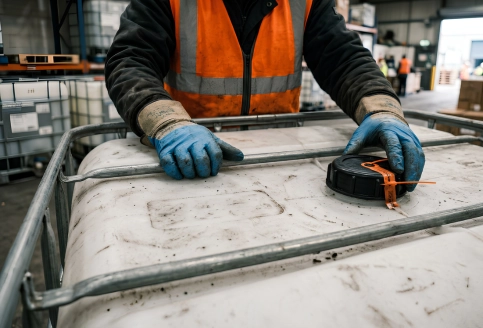
Employers should provide suitable personal protective equipment based on the hazards identified in the workplace. MHE workers may require safety footwear, high-visibility clothing, helmets, gloves, eye protection, or hearing protection depending on the operation.
PPE should be appropriate for the task and kept in usable condition. Workers should also receive instructions on how to use and care for their protective equipment.
PPE should work alongside other controls rather than replace proper equipment selection, maintenance, guarding, and workplace planning.
Workers should be informed about the hazards associated with material handling operations. Employers should provide clear instructions and display appropriate warning signs in areas where hazards exist.
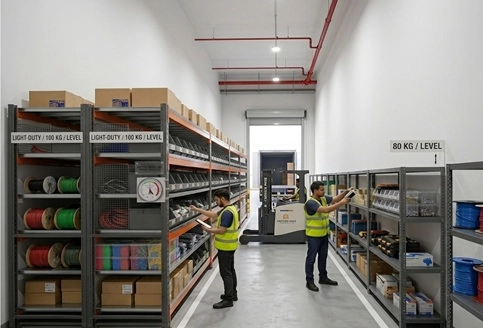
Signs can identify forklift routes, restricted areas, PPE requirements, maximum load limits, emergency exits, pedestrian crossings, and other important safety information.
Instructions should be communicated in a way that workers can understand, particularly in workplaces where employees speak different languages.
Employers should have procedures for dealing with equipment failures, collisions, dropped loads, injuries, fires, and other workplace emergencies.
Workers should know how to report an emergency, where to go, and who is responsible for handling the situation. Emergency exits, communication methods, first-aid arrangements, and response procedures should be clearly established.
Employers should also record relevant accidents, equipment failures, and near misses. Reviewing these incidents can help identify weaknesses in equipment, training, workplace layout, or safety procedures.
Proper documentation helps businesses monitor equipment and demonstrate that safety measures are being managed systematically.
Records may include equipment inspection reports, maintenance records, testing and certification documents, operator training records, competency assessments, risk assessments, PPE records, incident reports, and other relevant safety documents.
Keeping these records organized also helps businesses identify overdue inspections, recurring equipment problems, and workers who may require additional training.
Employers have the main responsibility for providing a safe workplace, but employees also have duties when working with material handling equipment. Workers must follow the safety procedures established by their employer and take reasonable care during operations.
Employees should follow workplace safety instructions, equipment operating procedures, warning signs, designated traffic routes, and other controls established by management.
Workers should not bypass safety devices, ignore warning signs, or use equipment outside the procedures provided by the employer.
Workers should use the PPE provided for their assigned tasks and follow instructions for its correct use.
They should also take reasonable care of their protective equipment and report damaged or unsuitable PPE to the responsible person.
Employees should report damaged or malfunctioning MHE as soon as they identify a problem.
Warning lights, hydraulic leaks, damaged forks, faulty brakes, unusual noises, broken guards, and visible structural damage should not be ignored. Equipment suspected of being unsafe should not be operated until it has been inspected and cleared for use.
Workers should only operate equipment for which they have received the required training, authorization, competency assessment, license, or certification where applicable.
Employees should not operate unfamiliar machinery simply because they have experience with another type of equipment. Different MHE can have different controls, capacities, stability characteristics, and operating risks.
| Obligation | What the Employer Should Do |
|---|---|
| Safe and suitable MHE | Select equipment appropriate for the task and workplace |
| Inspection and maintenance | Keep equipment in safe working condition |
| Load limits | Ensure operators follow rated capacities |
| Operator training | Provide suitable equipment-specific training |
| Certification | Verify applicable licenses, authorizations, or certifications |
| Risk assessment | Identify and control material handling hazards |
| Traffic management | Control movement of MHE and pedestrians |
| Exclusion zones | Restrict access to high-risk operating areas |
| PPE | Provide suitable protective equipment |
| Safety signs | Display clear warnings and instructions |
| Emergency procedures | Prepare workers for accidents and equipment failures |
| Compliance records | Maintain relevant inspection, training, and safety records |
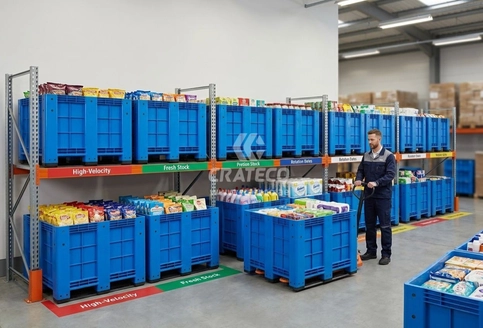
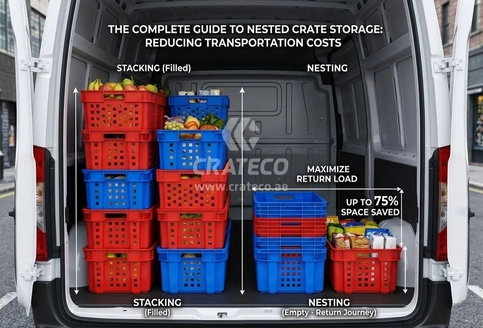
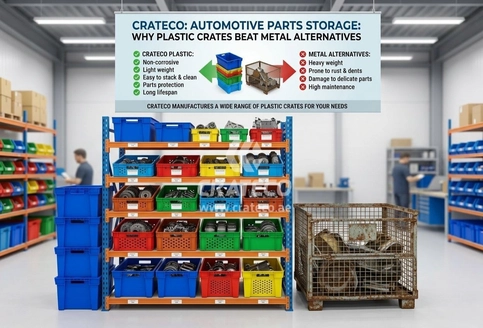
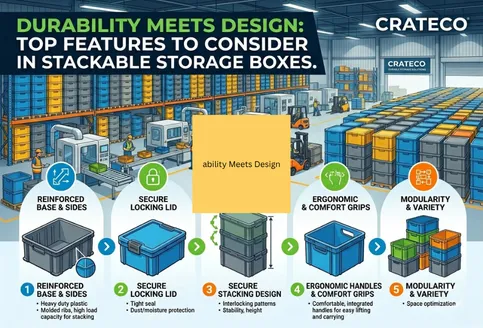
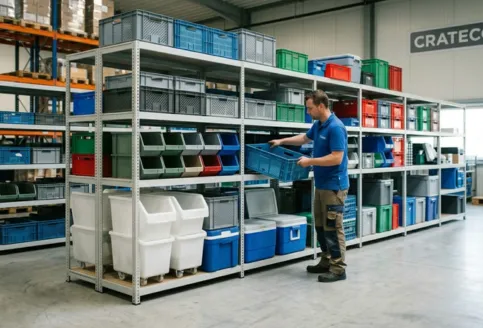
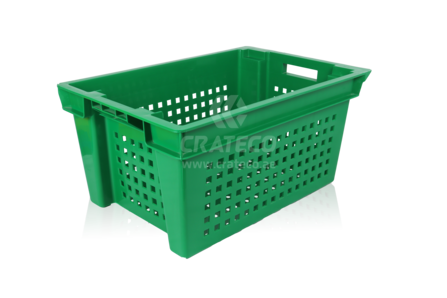
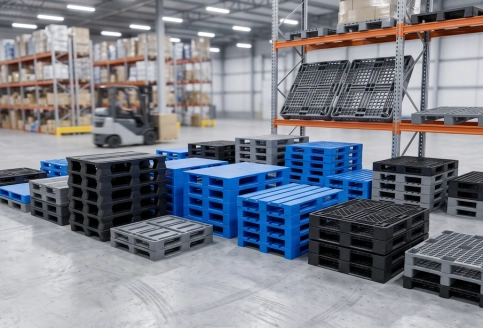
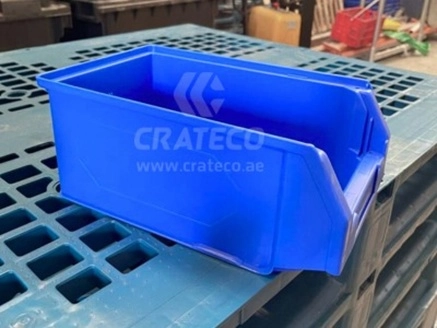
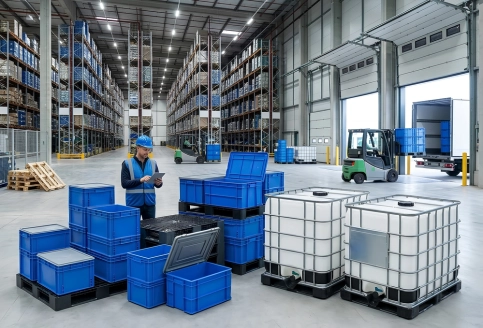
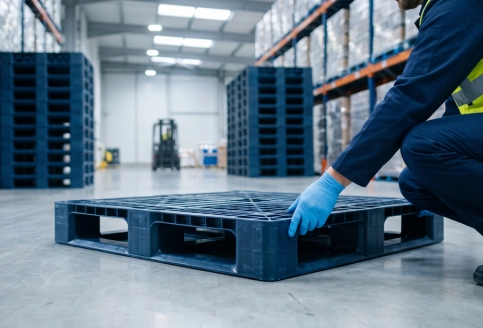
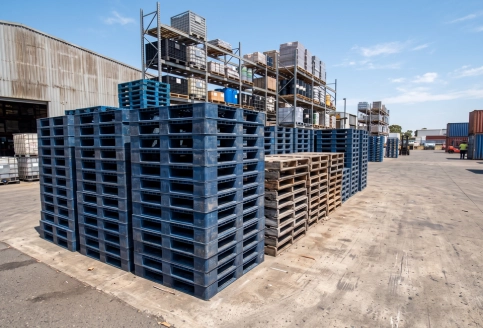
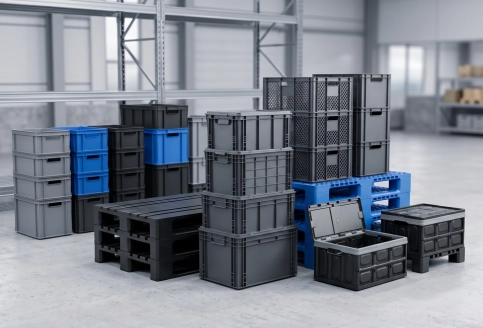
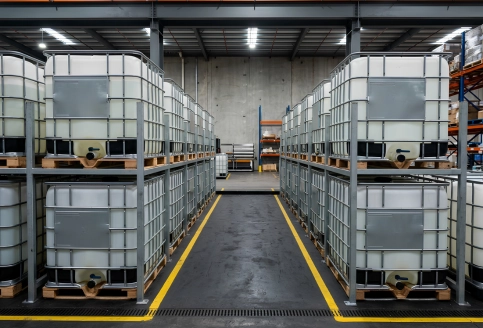
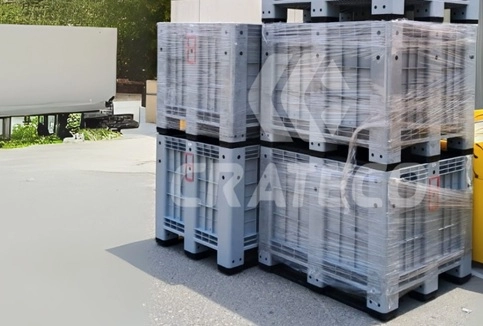
Selecting the right products can support safer and more efficient material movement. Businesses should consider load capacity, dimensions, storage conditions, floor surfaces, and the type of equipment used to move the products.
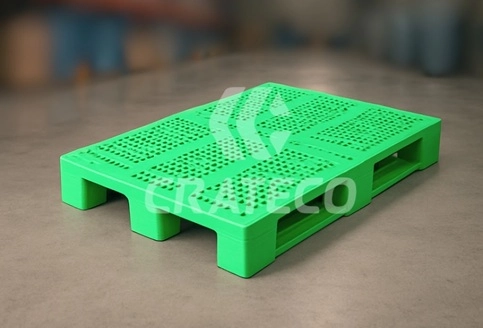
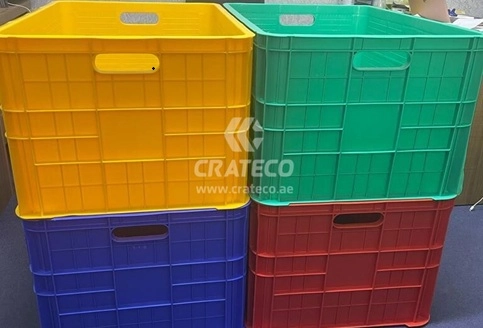
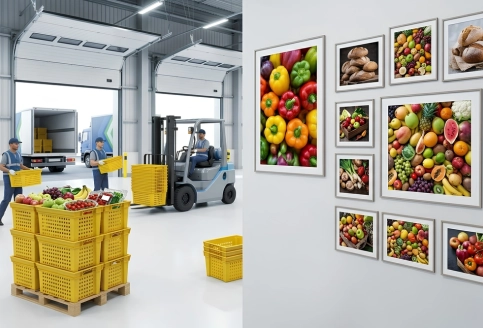
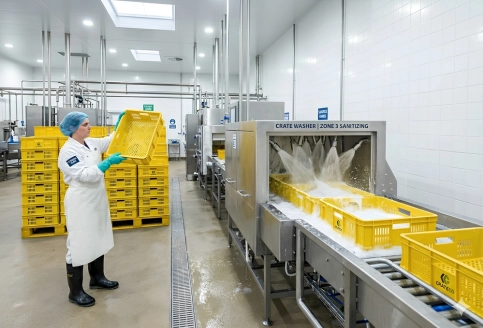
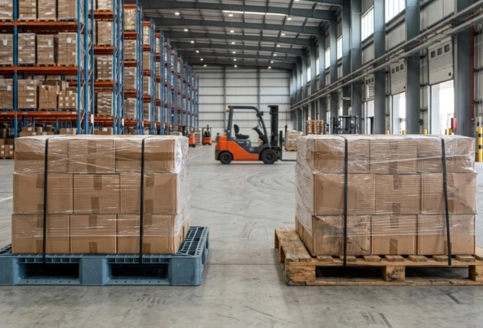
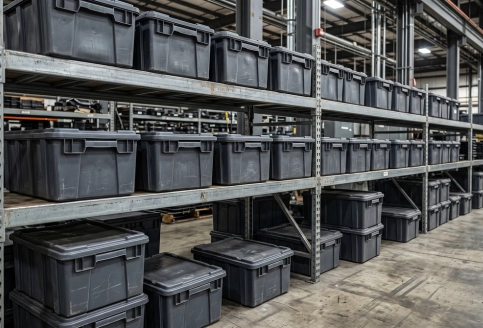
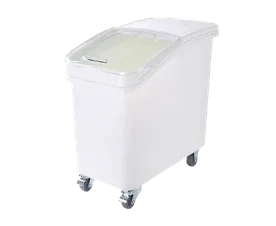
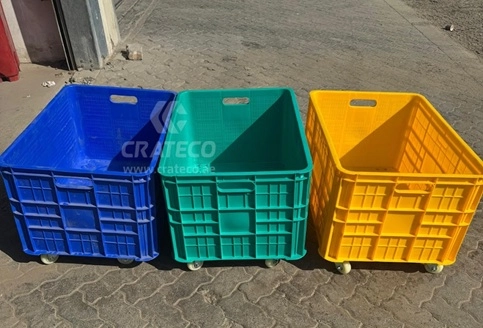
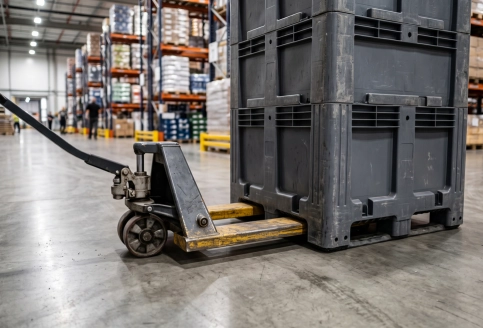
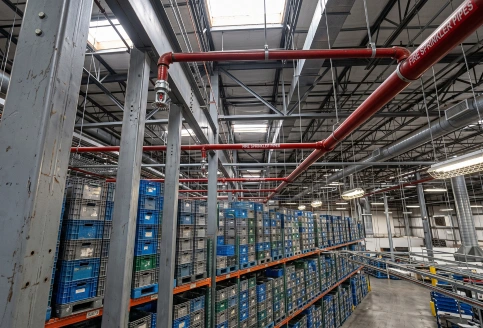
Material handling equipment compatibility is also important because pallets, crates, bins, and other handling products should work properly with forklifts, pallet trucks, racks, and conveyors.
Choosing compatible products helps reduce handling problems, load instability, and unnecessary equipment strain. Businesses should also check product specifications before purchasing equipment for regular warehouse operations.
Following workplace safety requirements should be an ongoing process rather than a one-time exercise. Employers should regularly review equipment condition, operator competency, workplace traffic, risk controls, PPE, emergency procedures, and safety records.
It is also important to remember that requirements can vary depending on the equipment, industry, emirate, and type of operation. Businesses involved in higher-risk lifting activities should verify the current requirements of the relevant competent authority.
A well-managed MHE program combines suitable equipment with proper training, maintenance, risk assessment, and clear workplace procedures. This approach can reduce workplace risks while helping warehouses and industrial facilities operate more efficiently.
UAE employers using material handling equipment have important responsibilities for protecting workers and maintaining safe operations. These obligations include providing suitable MHE, inspecting and maintaining equipment, following load limits, training operators, assessing workplace risks, controlling traffic and exclusion zones, providing PPE, and keeping appropriate records.
Employees also have responsibilities. They must follow safety procedures, use PPE correctly, report damaged equipment, and operate only equipment they are authorized and competent to use.
By combining applicable UAE safety requirements with proper equipment management and effective workplace controls, businesses can create safer and more efficient material handling operations.