
Hotline +971 50 3436 930 Export +971 50 3436 475

Recycled Content Requirements: What UAE Regulations Mean for Packaging Manufacturers

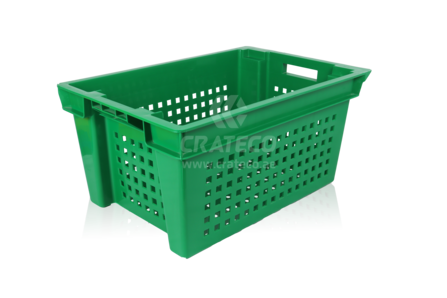
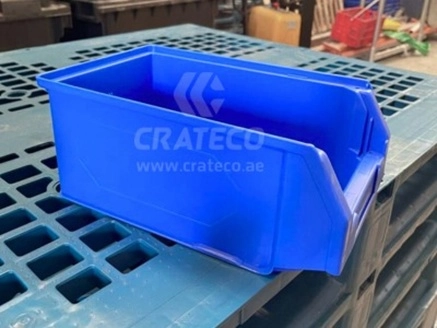
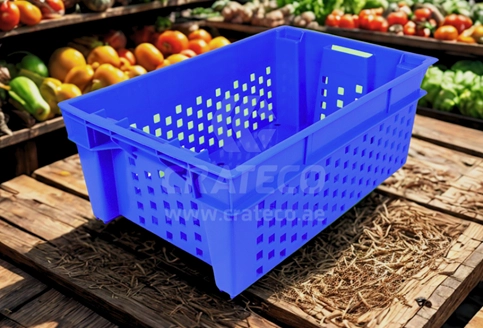
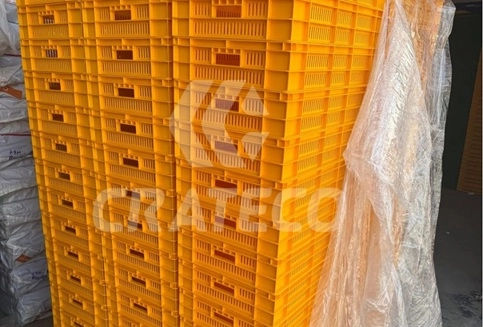
Close-up of recycled plastic crate showing resin identification code, moulded rib walls, stacking lip and capacity marking

The UAE is changing how plastic packaging is designed, manufactured, and managed after use. The country's focus on circular economy practices, single-use plastic restrictions, recycling, and producer responsibility is creating new considerations for packaging manufacturers.

For manufacturers, recycled content is becoming an important part of material selection. However, compliance is not only about replacing virgin plastic with recycled material. Manufacturers also need to consider product design, recyclability, food-contact safety, testing, material identification, and traceability.

Understanding these requirements can help packaging companies make better material choices and prepare their products for the changing UAE market.

Key UAE Requirements for Recycled Content in Packaging

UAE packaging regulations are placing greater attention on material selection, recycled content, recyclability, food-contact safety, and producer responsibility. The exact obligations can vary depending on the packaging type, material, intended use, and whether the product comes into contact with food.

1. Compliance With Single-Use Plastic Restrictions

Manufacturers producing single-use plastic products must check whether their products fall within UAE restrictions on specific disposable plastic items. These restrictions can apply to products such as certain plastic bags, cups, plates, cutlery, lids, and other single-use items.

Specific exemptions or conditions can apply depending on the product and material used. This means manufacturers should review the applicable product category before changing materials or continuing production.

Adding recycled content should not automatically be treated as making every restricted product compliant. Manufacturers need to check the requirements that apply to the specific product they manufacture or supply.

2. Use of Approved Recycled Plastic Materials

Where recycled content is permitted for a particular application, manufacturers need to use suitable recycled polymers that meet applicable technical and safety requirements.

Common recycled plastics include rPET, rPE, and rPP. Other recycled polymers may also be suitable for specific applications when they meet the relevant requirements.

Manufacturers should verify the source, quality, composition, and intended use of recycled material before introducing it into production. The recycled content must also provide suitable performance for the finished packaging.

3. Food-Contact Safety and Testing

Recycled plastic intended for direct food contact requires additional safety controls. Manufacturers need to demonstrate that the material and finished packaging are suitable for the intended food-contact application.

Depending on the applicable requirements, this can involve quality controls, migration testing, laboratory evaluation, and risk assessment. Manufacturers should maintain relevant test reports and technical documentation to demonstrate that the material is suitable for its intended use.

This is particularly important because contaminants or unsuitable substances in recycled material can create safety concerns when packaging comes into direct contact with food.

4. Design for Recyclability

Packaging manufacturers should consider whether their products can be effectively sorted and recycled within available waste management systems.

Complex multi-layer structures and combinations of incompatible materials can make recycling more difficult. Where practical, manufacturers can consider mono-material structures and components that are easier to identify and process.

Recyclability should still be balanced with product performance. Packaging needs to provide the required strength, protection, durability, and barrier properties for its intended application.

5. Clear Material Identification

Packaging should provide accurate information about its material composition so that products can be identified and handled correctly.

Clear resin identification can support sorting and recycling processes. Manufacturers should ensure that material codes and other packaging information accurately represent the materials actually used in the product.

Accurate identification is also useful for traceability. It allows manufacturers and downstream recycling stakeholders to better understand the material entering the waste stream.

6. Traceability and Compliance Documentation

Manufacturers using recycled materials should maintain reliable records showing where materials came from and how they were used during production.

Documentation may include supplier information, material specifications, certificates, laboratory reports, batch records, and production information.

Strong traceability helps manufacturers verify material quality and investigate problems if a quality or compliance issue occurs. It can also make audits and customer verification easier.

7. Extended Producer Responsibility

Extended Producer Responsibility, or EPR, increases the focus on what happens to packaging after it enters the market.

Depending on the applicable UAE framework, producers may have responsibilities related to the collection, recovery, recycling, or end-of-life management of packaging.

Manufacturers should therefore consider the complete lifecycle of packaging during product development. Packaging that is easier to identify, collect, sort, and recycle can support better end-of-life management.

Why UAE Regulations Are Changing Packaging Manufacturing

The UAE's shift toward a circular economy is changing the traditional approach to plastic packaging. Previously, manufacturers could focus mainly on production cost, product strength, appearance, and shelf life.

Today, end-of-life considerations are becoming more important. A packaging product may need to be evaluated based on how much virgin material it uses, whether recycled content can be incorporated, and whether the final product can enter available recycling systems.

This means packaging development now requires closer cooperation between material suppliers, designers, production teams, quality departments, and customers.

How Recycled Content Affects Material Selection

Recycled plastic can reduce reliance on virgin polymers, but manufacturers need to choose the right material for each application.

For example, recycled PET may be suitable for certain bottles and containers, while recycled PE and PP can be used in various rigid and flexible packaging applications.

The correct choice depends on factors such as strength, flexibility, temperature resistance, chemical compatibility, appearance, processing requirements, and intended use.

Manufacturers should therefore avoid selecting recycled material based only on its recycled-content percentage. Technical performance and regulatory suitability are equally important.

Evaluating Recycled PE and PP

PE and PP are widely used in industrial and consumer packaging because of their durability and versatility.

Recycled PE can be used in applications such as containers, films, and other plastic products. Recycled PP is also useful where strength, stiffness, and chemical resistance are important.

Before switching from virgin material, manufacturers should test recycled grades against the requirements of the finished product. Differences in material quality can affect processing and final product performance.

Understanding Recycled PET

Recycled PET, commonly called rPET, is widely used in packaging applications. It can provide a way to incorporate recycled material into products while maintaining useful mechanical and clarity characteristics for suitable applications.

However, food-contact applications require appropriate safety evaluation. Manufacturers should confirm that the recycled PET grade and production process meet the requirements for the intended use.

Designing Packaging for a Circular Economy

Circular packaging requires manufacturers to think about the entire product lifecycle rather than only the manufacturing stage. A package should be designed to perform its intended function while also considering material recovery and recycling after use.

This is where recyclable plastic solutions can help businesses reduce difficult-to-process materials and support better end-of-life management.

The objective is not simply to make packaging lighter or use less plastic. The design should support the product's required performance while improving its potential for responsible end-of-life management.

Why Mono-Material Packaging Is Gaining Attention

Mono-material packaging is made primarily from one type of polymer. This approach can simplify sorting and recycling compared with packaging that combines several incompatible plastic types.

For example, a packaging structure based primarily on PE or PP may be easier to process than one containing multiple polymer layers.

However, mono-material packaging is not suitable for every application. Some products require stronger barrier properties or other technical features that may require more complex structures.

Manufacturers should therefore assess the complete performance of the package before changing its material structure.

Testing Is Essential When Using Recycled Content

Recycled material can vary depending on its source, collection system, processing method, and previous use. Quality control is therefore essential when introducing recycled polymers into production.

Manufacturers should establish procedures for checking incoming materials and finished products.

Testing can cover physical properties, strength, dimensions, appearance, contamination, processing behavior, and other characteristics relevant to the product.

For food-contact packaging, additional safety testing may be required to assess whether substances could migrate from the packaging into food.

Migration Testing for Food Packaging

Migration testing evaluates whether substances from packaging can transfer into food under specified conditions.

This is particularly important when recycled plastic is intended for direct food contact. Manufacturers need appropriate evidence that the material is suitable for the intended application.

Testing should be carried out according to applicable requirements using appropriate laboratory procedures. Relevant reports should be retained as part of the manufacturer's compliance documentation.

Documentation and Traceability Matter

Recycled-content packaging requires good documentation throughout the supply chain.

Manufacturers should know the source of recycled material, its technical specifications, the applicable batch information, and how it was used during production.

Maintaining this information can help businesses demonstrate consistency and respond quickly if a material quality issue occurs.

Important records may include:

  • Material specifications: Details of polymer type, grade, and technical properties.
  • Supplier records: Information about the source and supplier of recycled material.
  • Test reports: Evidence of relevant quality, safety, or performance testing.
  • Batch records: Information that connects incoming materials with production batches.
  • Compliance documents: Certificates and supporting records required for the intended application.

Strong documentation also helps manufacturers prepare for customer audits and regulatory reviews.

How Extended Producer Responsibility Affects Manufacturers

EPR introduces a broader approach to packaging responsibility. Instead of focusing only on the manufacturing stage, businesses increasingly need to consider what happens when packaging reaches the end of its useful life.

This can influence packaging design and material selection.

A package that is easy to identify, collect, sort, and recycle can support better waste management outcomes. Manufacturers should therefore consider end-of-life performance when developing new products.

Companies supplying packaging to the UAE should monitor applicable EPR obligations and understand how responsibilities are allocated between manufacturers, importers, brand owners, and other parties in the supply chain.

Practical Steps for Packaging Manufacturers

Manufacturers can prepare for changing requirements by reviewing their existing products and identifying areas where improvements are possible.

A practical review should cover materials, product design, testing, documentation, recyclability, and supply chain controls.

Audit Existing Plastic Materials

Start by reviewing the polymers currently used across the production line.

Identify products that rely heavily on virgin plastic, complex material combinations, or components that may create recycling difficulties.

The objective is not to replace every material immediately. Instead, manufacturers should identify products where recycled content or simpler material structures can be introduced without compromising performance.

Review Packaging Design

Packaging teams should assess whether existing designs can be simplified without affecting product protection.

This may involve reducing unnecessary layers, reviewing labels and closures, or considering mono-material alternatives where technically suitable.

Design changes should always be tested before full-scale production.

Strengthen Supplier Controls

Reliable recycled content depends on reliable suppliers.

Manufacturers should evaluate suppliers based on material consistency, technical documentation, traceability, and their ability to provide the required volume.

For critical applications, having a consistent supply of suitable recycled material is particularly important.

Maintain Accurate Records

All material changes should be documented.

Manufacturers should maintain records of suppliers, batches, test results, specifications, and production details. This creates a clear link between raw materials and finished products.

Good recordkeeping can also reduce problems during customer audits or compliance reviews.

What Manufacturers Should Check Before Using Recycled Content

Before introducing recycled plastic into a packaging product, manufacturers should consider several questions:

  • Is the recycled polymer suitable for the intended application?
  • Does the product fall under any UAE single-use plastic restrictions?
  • Is the packaging intended for direct food contact?
  • Are the required safety and migration tests available?
  • Can the packaging be effectively sorted and recycled?
  • Is the material clearly identified?
  • Can the recycled content be traced back to a reliable source?
  • Are the required technical and compliance records maintained?
  • Could the packaging design be simplified without affecting performance?
  • Are applicable EPR responsibilities being considered?

Answering these questions before production can help manufacturers identify compliance and quality issues earlier.

Choosing Plastic Packaging for UAE Industrial Applications

The move toward recycled content and circular packaging does not eliminate the need for durable industrial plastic products. Warehouses, logistics companies, manufacturers, and other businesses still require packaging that can handle repeated use and demanding operating conditions.

Reusable plastic crates, pallets, bins, and containers can be evaluated based on durability, material composition, service life, and end-of-life recovery.

Crateco Pack LLC provides plastic packaging and material-handling solutions for businesses in the UAE. When selecting industrial plastic products, companies should consider more than the initial purchase price. Material quality, durability, reuse potential, recyclability, and suitability for the application can all affect the long-term value of the product.

Conclusion

The UAE's move toward a circular economy is changing the way packaging manufacturers approach plastic materials. Recycled content, single-use plastic restrictions, food-contact safety, recyclability, traceability, and producer responsibility are all becoming important considerations.

Manufacturers should not treat recycled content as simply a replacement for virgin plastic. The material must be suitable for the application and supported by appropriate testing, documentation, and quality controls.

By reviewing material choices, simplifying packaging designs where practical, improving traceability, and considering end-of-life recycling, manufacturers can prepare for evolving UAE requirements while developing packaging that supports a more circular economy.
Recent Blogs
Jerry can buying guide showing material, seal, and safety features for fuel and water storage
The Ultimate Guide to Choosing the Right Jerry Can for Your Needs
Plastic pallets vs wood pallets comparison for modern shipping and warehouse use
Why More Companies Are Switching to Plastic Pallets for Shipping
Workplace spill kit for chemical and oil hazard safety and compliance in UAE
Choosing the Right Spill Kit for Your UAE Workplace: What You Need to Know
Plastic drums for industrial chemical, food, and liquid storage solutions
The Complete Guide to Plastic Drums for Industrial Storage Needs
IBC tanks in UAE for industrial liquid storage and transport solutions
IBC Tanks UAE: Your Complete Guide to Industrial Storage & Transport Solutions
Durable platform trolley for efficient warehouse and logistics operations
Top 5 Features to Look for in a Quality Platform Trolley
Material handling equipment for efficient warehouse and supply chain management in UAE
How Material Handling Equipment Improves Supply Chain Management in UAE
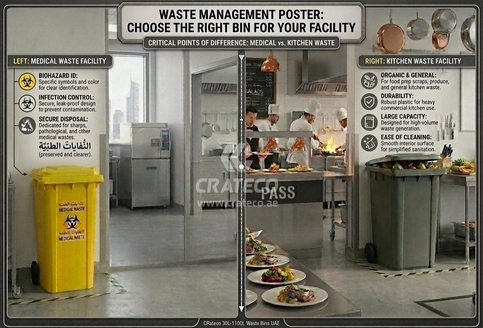
Medical and kitchen waste bins for hygienic facility waste management in UAE
Medical & Kitchen Waste Bins UAE: How to Choose the Right One for Your Facility
Plastic manufacturer UAE bulk supply guide for industrial buyers and procurement teams
What Defines a Trusted Plastic Manufacturer in UAE for Large-Scale Supply?
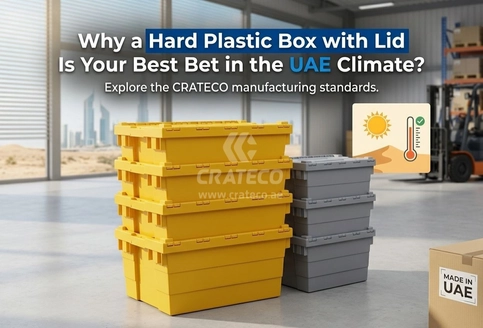
Hard plastic box with lid for durable storage in UAE homes and warehouses
Why a Hard Plastic Box with Lid Matters in UAE Climate Conditions
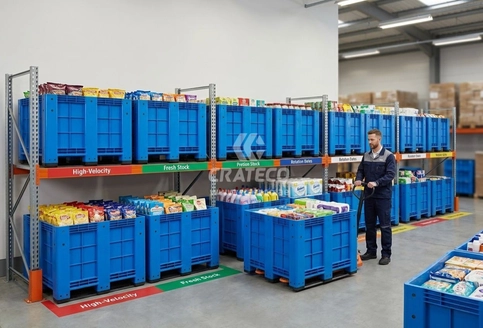
Plastic pallet boxes for retail backroom organisation and inventory management by Crateco UAE
How to Use Plastic Pallet Boxes for Retail Backroom Organization
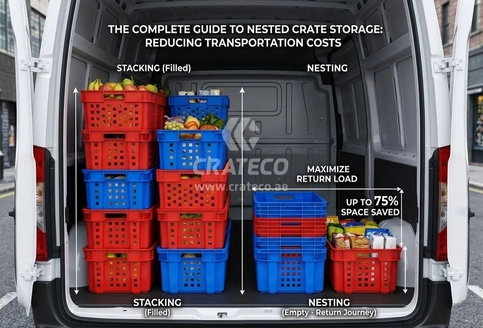
Nested crate storage solution for reducing transportation costs and saving space in UAE
The Complete Guide to Nested Crate Storage: Reducing Transportation Costs
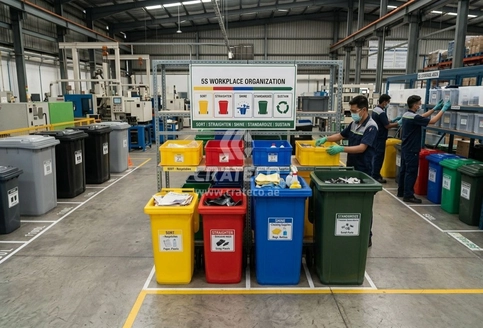
5S workplace organisation system using plastic bins for UAE warehouse efficiency by Crateco
How to Implement a 5S Workplace Organization System Using Plastic Bins
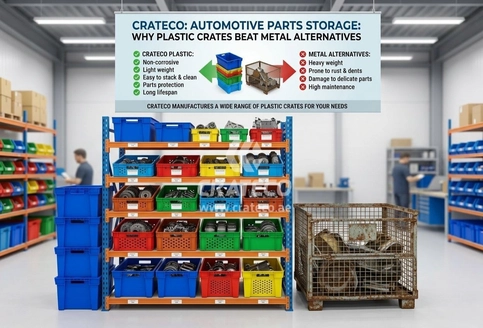
Plastic crates for automotive parts storage outperforming metal alternatives in UAE warehouses
Automotive Parts Storage: Why Plastic Crates Beat Metal Alternatives
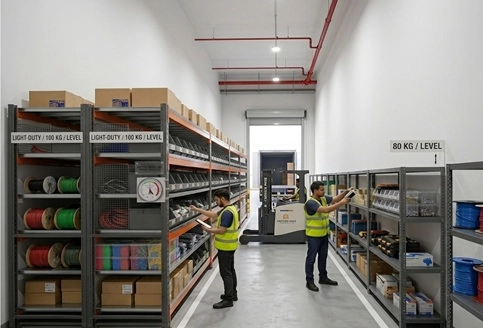
Medium duty racking system for organised warehouse logistics and inventory in UAE
How Medium Duty Racking Streamlines Logistics Operations in the UAE
Stackable storage boxes for space-saving organisation and item protection in UAE
How to Choose the Right Stackable Storage Boxes in the UAE
Slotted angle shelving system for organised warehouse and workspace storage in UAE
Slotted Angle Shelving: The Practical Storage Choice for UAE Businesses
Compliant reusable packaging options for UAE businesses replacing restricted single-use plastics under the 2026 ban.
UAE's 2026 Single-Use Plastics Ban: What It Means for B2B Packaging Buyers
Assorted plastic crate types including ventilated, nestable, and jumbo crates displayed for industrial use in UAE
A Complete Guide to Types of Plastic Crates and How to Choose the Right One
Various plastic pallet types and styles for warehouse storage in the UAE
A Complete Guide to Pallet Types, Styles & Materials
Smart storage solutions for UAE SMEs to reduce costs and improve efficiency
Cut UAE SME’s Costs with Smart Storage Solutions
Plastic manufacturing process in UAE showing production steps and materials
Understanding the Plastic Manufacturing Process in the UAE
IBC tank capacity comparison chart for industrial storage by Crateco UAE
Comparing IBC Tank Capacities: Which One Is Right for You?
IBC chemical storage tank for safe and efficient liquid handling in UAE industries
Why IBC Tanks Are the Preferred Choice for Chemical Storage?
Liquid storage solutions including jerry cans, drums, and IBC tanks by Crateco
Picking Right Liquid Storage Solutions: Jerry Cans, Drums & IBC | Crateco
Plastic pallets for durable and cost-effective logistics solutions in UAE
Plastic Pallets: The Smarter Logistics Choice for UAE Businesses
Spare parts bins for efficient storage and organization by Crateco UAE
Organize, Store, and Simplify with Spare Parts Bins from Crateco
Industrial jerry cans for safe chemical, fuel, and food-grade fluid storage in UAE
Industrial Jerry Cans: Your Complete Guide to Fluid Handling & Storage in UAE
Plastic crates for durable storage and transport solutions across UAE industries
Plastic Crates: Your Complete Guide to Durable Storage & Transport in UAE
Jumbo crates for heavy-duty storage and product protection across industries
Jumbo Crates: The Complete Guide to Heavy-Duty Storage Solutions
Modern waste bins for homes and offices offering hygiene and style in UAE
Top 5 Waste Bins for Modern Homes and Offices in the UAE
vegetable-crates-smart-choice-storage
Why Vegetable Crates Are the Smartest Choice for Fresh Produce Storage in UAE
Water and energy efficient plastic manufacturing facility in the UAE with closed-loop cooling systems and rooftop solar panels
How UAE Plastic Manufacturers Cut Water and Energy Use in Daily Production
Hygienic pallets for pharmaceutical storage compliance and efficiency in UAE facilities
Pharmaceutical Storage UAE: Hygienic Pallets and Compliance Standards
Ventilated crates for e-commerce picking systems and warehouse efficiency in UAE
E-Commerce Picking Systems UAE: Boost Efficiency with Ventilated Crates
IBC tanks and spill containment for UAE chemical storage regulation compliance
UAE Chemical Storage Regulations: IBC Tanks and Spill Containment Guide
Spill control products and practices for workplace hazard prevention in UAE industrial facilities
Spill Control Best Practices for UAE Industrial Facilities
Lightweight plastic crates for reducing logistics costs and improving ROI in UAE warehouses
Reducing Logistics Costs: The ROI of Lightweight Plastic Crates in UAE
Plastic products for supply chain resilience and operational risk reduction in UAE
Supply Chain Resilience: Why Plastic Products Reduce Risk and Downtime
Plastic crate sanitization guide for food-grade operations and contamination prevention in UAE
Cleaning and Sanitizing Plastic Crates: Best Practices for UAE Food Operations
Warehouse layout design using different crate types for maximum storage efficiency in UAE
Warehouse Layout Design: Choosing the Right Crate Types for Maximum Efficiency
Insulated tubs for temperature control and perishable product storage efficiency by Crateco UAE
Temperature Control in Storage: Why Insulated Tubs Are Essential for Perishables
Plastic and wood pallets side by side in a UAE warehouse, compared for carbon footprint and logistics performance.
Carbon Footprint Comparison: Plastic Pallets vs. Wood Pallets in UAE Logistics
UAE EPR compliance overview for plastic manufacturers and B2B buyers, covering material tracking and recycling obligations.
Extended Producer Responsibility (EPR) in the UAE: What Plastic Manufacturers and Buyers Need to Know
Color-coded plastic crates organised by category in a UAE warehouse to improve inventory control and picking accuracy.
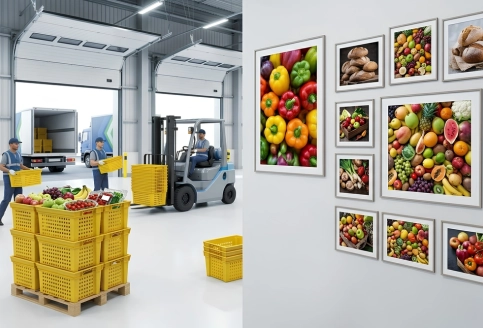
Color-Coded Crate Systems: Improving Inventory Management and Warehouse Efficiency
Standardized plastic containers stacked for reverse logistics returns in a UAE distribution centre.
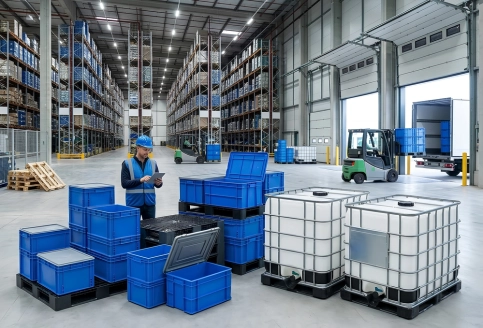
Return Logistics: Using Standardized Plastic Containers for Reverse Supply Chains
Safely stacked plastic crates and pallets maximising vertical storage space in a UAE warehouse.
Stacking Height Optimization: Maximizing Vertical Space Without Compromising Safety
Stackable and nestable plastic crates arranged for FIFO inventory rotation in a UAE warehouse.
Inventory Rotation: FIFO Systems Using Stackable and Nestable Crates
Closed plastic crates protecting sensitive components from dust and contamination in a UAE cleanroom facility.
Dust and Contamination Control: Using Closed Crates in Sensitive Environments
Reusable plastic crates replacing cardboard and stretch wrap in a UAE packing and distribution facility.
Packaging Integration: How Crates Reduce Secondary Packaging Needs
Heavy-duty commercial ingredient bin for hygienic food storage by Crateco UAE
Upgrade to a Heavy-Duty Commercial Ingredient Bin
Jumbo Crates for Warehouse Efficiency
How Jumbo Crates Can Streamline Your Warehouse Operations
HACCP-compliant plastic storage containers supporting food safety compliance in UAE facilities
Food Safety Standards: Why HACCP-Compliant Storage Matters
Stacked reusable plastic crates on pallets in a UAE warehouse for cost-efficient logistics.
Waste Reduction Strategy: How Reusable Containers Lower Operational Expenses
Heavy-duty commercial pallets used for warehouse and logistics storage in UAE.
Maintenance Tips to Extend Pallet Lifespan in Commercial Operations
UV-resistant plastic pallets stored outdoors in a UAE warehouse yard.
Choosing UV-Resistant Pallets for Exposed Outdoor Storage Areas
Recyclable plastic pallets and crates supporting circular economy logistics in UAE.
Circular Economy in Logistics: Recyclable Plastic Solutions Explained
Eco-friendly reusable packaging alternatives used in UAE supply chain logistics.
Eco-Friendly Packaging: Reducing Environmental Impact in UAE Supply Chains
Closed and ventilated plastic food crates used in UAE food distribution.
Hygiene Standards for Food Distribution: Closed vs. Ventilated Crates
Forklift-compatible plastic crates used for material handling in UAE warehouses.
Material Handling Compatibility: Choosing Crates That Work With Your Forklifts
Pallet jack-compatible industrial containers used in UAE warehouse operations.
Ensuring Your Containers Work With Standard Pallet Jack Equipment
Heavy-duty commercial ingredient bins for food-grade bulk storage by Crateco UAE
Why Upgrading to a Heavy-Duty Commercial Ingredient Bin Makes Sense
Fish crates used for seafood storage and transport in the fishing industry
Importance of Fish Crates in the Fishing Industry
Stacked plastic Halal storage containers in a UAE warehouse used for segregated food handling and transport
Halal Supply Chain Compliance: Why Storage and Transport Containers Matter
UAE plastic manufacturing facility with finished products undergoing MOIAT safety testing and ECAS conformity checks
MOIAT Product Safety Standards: What UAE Plastic Manufacturers Must Meet
Crateco pallet supplier comparison guide for UAE logistics and warehouse businesses
Crateco vs Other Pallet Suppliers in UAE: Which One Is Right for You?
Warehouse storage bins for efficient organization and inventory management by Crateco UAE
How to Organize Your Warehouse Efficiently Using Storage Bins
Waste management solutions for UAE businesses promoting sustainability and efficiency
The Rising Importance of Waste Management for UAE Businesses
Insulated tubs for safe and efficient heavy-duty storage by Crateco UAE
The Ultimate Guide to Insulated Tubs for Efficient and Safe Storage
Plastic storage containers for modern home and office organisation by Crateco UAE
Why Plastic Storage Containers Are Ideal for Modern Homes and Offices
Multi tier warehouse mezzanine with guardrails and load capacity signage in a UAE industrial storage facility
Working at Height and Mezzanine Load Compliance: Storage Standards for UAE Warehouses
Warehouse worker moving a loaded pallet with an ergonomic hand pallet truck in a UAE distribution facility
Manual Handling and Ergonomics: Reducing Injuries with the Right Trolleys and Pallet Trucks
Supervisor checking a forklift operator safety record on a clipboard inside a UAE warehouse facility
UAE Labour Law and Employer Obligations for Material Handling Equipment
Stacked chemical storage drums with GHS hazard pictogram labels in a UAE industrial warehouse
GHS Labeling Explained: Chemical Container Compliance for UAE Businesses
UN-certified plastic drums and jerry cans marked with UN codes in a UAE hazardous goods storage area
UN-Certified Packaging: Why It Matters for Transporting Hazardous Goods in the UAE
Chemical drums stored inside a bunded spill containment pallet in a UAE industrial facility
Spill Containment Compliance Checklist: What UAE Environmental Inspectors Look For
Cooler box guide UAE for choosing the best ice cooler for outdoor use
Your Complete Guide to Choosing the Perfect Cooler Box in the UAE
Plastic dairy crates stacked for efficient storage and transport
Why the Modern Plastic Dairy Crates Are a Logistics Must
Stainless steel trash bin by Crateco for clean waste management
Why a Stainless Steel Trash Bin Is the Smart Choice for Every Space
Waste bins for businesses offering hygienic and efficient waste management
How to Choose the Right Waste Bin for Your Business
Metal waste bin for durable and eco-friendly waste management in the UAE
Metal Waste Bins: Durable & Eco-Friendly Waste Solution
UAE warehouse with high bay pallet racking, overhead sprinkler pipework, and clear aisle spacing for fire safety compliance
What UAE Civil Defence Requires from Warehouse Racking and Fire Safety Systems
Flame-retardant garbage bins for fire risk control in UAE industrial and commercial areas
Understanding the Importance of Flame-Retardant Garbage Bins in UAE
Modular plastic crates for scalable warehouse storage and business growth in UAE
Why Modular Plastic Crates Are Key to Warehouse Efficiency in the UAE
Stackable pallets for vertical warehouse space optimization and efficiency in UAE
Maximize Warehouse Space with Stackable Pallets: A Vertical Storage Guide
Pallet truck safety and maintenance guide for efficient UAE warehouse operations
Pallet Truck Safety & Maintenance: A Complete Guide for UAE Warehouses
Platform trolley guide for warehouse, office, and retail efficiency and heavy lifting
Maximize Efficiency with Platform Trolleys: Your Complete Buying Guide
Sustainable warehousing trends showing eco-friendly storage solutions in UAE
Top 5 Sustainable Storage Trends Shaping Modern Warehousing in UAE
Packaging strategies for operational resilience using plastic crates and pallets in UAE
How Packaging Strategies Drive Operational Resilience in UAE Supply Chains