
Plastic waste is becoming an important business issue in the UAE. Manufacturers, importers, brand owners, and packaging buyers need to look beyond the initial purchase and consider what happens to plastic after use.
Extended Producer Responsibility (EPR) in the UAE is part of the country's move toward a circular economy. It aims to place greater responsibility on businesses for the collection, recovery, recycling, and proper management of products and packaging after use.
For B2B buyers, this means supplier checks, material tracking, packaging design, and end-of-life planning are becoming more important.
Extended Producer Responsibility is a system that gives producers more responsibility for products after they enter the market and are used.
Instead of placing most waste management responsibility on public systems, EPR encourages businesses to take part in managing the materials they introduce into the market.
The UAE has been developing its EPR framework as part of its wider waste management and circular economy goals.
Packaging is one of the key areas covered by the framework, making it relevant to plastic manufacturers, brand owners, importers, and packaging buyers.
The main goal is to reduce waste and increase the recovery of useful materials. EPR encourages companies to think about recycling and end-of-life management when they design and sell products.
It can also support better collection, sorting, and recycling systems. For manufacturers, this creates a reason to use simpler packaging designs and reduce unnecessary material.
For buyers, it creates a need to understand what packaging they are purchasing and whether suppliers can provide reliable material information. The wider aim is to keep valuable resources in use for longer instead of sending them to landfill.
EPR is not limited to companies that physically manufacture plastic. Different businesses can have responsibilities depending on how they place products or packaging on the UAE market.
Manufacturers control material and product design, while brand owners often decide which packaging is used. Importers and distributors can also bring packaged products into the country.
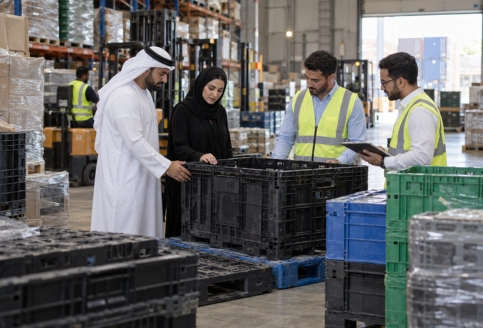
B2B buyers may face supply chain pressure because the packaging they purchase must meet current restrictions and may need stronger material and traceability records as the EPR framework develops.
Plastic manufacturers should start building accurate records of the materials used in their products. This includes polymer type, product weight, production volume, and recycled content where applicable.
Manufacturers can also review their packaging designs and identify ways to reduce unnecessary material without affecting product strength or safety. Mono-material structures may be easier to sort and recycle than complex mixed-material designs.
Early action can help manufacturers improve production data and prepare for future reporting requirements without making major changes at the last minute.
Brand owners have a strong influence over packaging because they often decide how products are packed before reaching customers. They should work with suppliers to understand the material, weight, recycled content, recyclability, and end-of-life options of their packaging.
A brand that uses large volumes of packaging can make a significant difference by selecting simpler and more recyclable designs.
Procurement teams should also include clear material and compliance requirements in supplier agreements. This makes it easier to compare suppliers and avoid packaging that creates future compliance problems.
Importers and distributors should review the packaging that comes with products entering the UAE. Imported goods can contain plastic bottles, films, trays, containers, caps, and other components that need to be identified.
Businesses should request material details from overseas suppliers and keep supporting records. This is especially important because the UAE's single-use plastic restrictions already affect several disposable products.
Checking packaging before shipment can help companies avoid bringing restricted items into the market and reduce the risk of costly supply changes later.
Manufacturers can prepare for EPR by improving three main areas: material data, packaging design, and traceability. These steps do not require companies to wait for every future detail of the framework. Instead, they create a stronger system for managing plastic use today.
Manufacturers should know how much plastic they use, which materials are used in each product, and where those products are placed on the market. They should also review whether their packaging can be made lighter or easier to recycle without reducing performance.
Accurate data is important for any future reporting system. Manufacturers should record the type and weight of plastic used across their products and packaging. Materials such as PE, PP, and PET should be identified separately where possible instead of being recorded simply as "plastic."
Companies should also track production volumes and recycled content. Digital records can connect raw material purchases with production and sales data.
This creates a clearer picture of total plastic use and reduces the need to rely on estimates when preparing internal reports or responding to future regulatory requirements.
Packaging design affects how easily materials can be recovered after use. Manufacturers should review unnecessary layers, difficult-to-separate parts, and mixed materials that may make recycling harder.
Where suitable, mono-material packaging can simplify sorting and recycling. Lightweighting can also reduce the amount of raw material used for each package. However, reducing weight should not weaken the package or affect product safety.
Packaging still needs to meet requirements for strength, temperature, moisture, food contact, shelf life, and transport. Good design should balance performance with easier recovery at the end of the product's life.
Traceability helps businesses know where materials come from and where finished products go. Manufacturers can use batch numbers, supplier records, purchase documents, and production data to build a clear material trail.
This is especially useful when recycled plastic is used because businesses need reliable information about its source and quantity. Good traceability also makes audits and supplier checks easier.
Larger manufacturers can use digital systems to connect purchasing, production, warehouse, and sales information. This reduces manual work and provides a stronger record of material use across the supply chain.
The UAE's single-use plastic restrictions make packaging procurement an important compliance task. The second phase of the federal restrictions took effect on January 1, 2026, and covers several disposable products, including certain plastic cups and lids, plates, cutlery, straws, stirrers, and expanded polystyrene food containers.
Businesses should therefore review their packaging portfolio instead of waiting for suppliers to suggest replacements.
Buyers need to identify restricted items, check supplier documents, test alternatives, and secure reliable supply. These steps can reduce both compliance risk and unexpected purchasing problems.
Start by creating a list of the packaging used across your business. Include cups, lids, trays, containers, cutlery, bags, films, and other relevant items. Record the material, size, weight, supplier, and approximate annual volume for each product.
Then identify items that may be affected by current federal or emirate-level restrictions. This audit helps procurement teams understand where changes are needed first.
High-volume products should usually receive priority because replacing them can have the greatest effect on overall packaging use and purchasing costs.
Buyers should not rely only on claims such as "eco-friendly," "green," or "recyclable." Ask suppliers for technical specifications, material details, test reports, certificates, and supporting documents where required.
If a product contains recycled content, request information that supports the claim. For compostable products, check the exact certification and make sure it applies to the product being purchased.
Keeping these documents in a central supplier file can make future reviews easier. It also gives procurement teams stronger evidence when comparing products and checking whether packaging meets the intended requirements.
Businesses should select replacements based on how the packaging will actually be used. Bagasse can be suitable for many food trays, bowls, and takeaway containers. Paperboard and cardboard can work well for dry products, while reusable plastic products may be better for applications involving repeated handling.
Bamboo and wood can replace some disposable tableware products. The right option depends on heat, moisture, grease, strength, storage, transport, and food-contact needs. Buyers should test alternatives before placing large orders because a replacement that looks suitable may not perform well in real operating conditions.
Not every product labelled "biodegradable" or "compostable" automatically meets UAE requirements. Buyers should check the exact material, application, and supporting certification before approving these products.
For compostable plastics, standards such as EN 13432 and ASTM D6400 can be relevant depending on the product and applicable rules.
Procurement teams should ask for documentation that relates to the exact product rather than accepting a general certificate from the supplier. This simple check can prevent businesses from replacing one compliance problem with another.
New packaging should be tested before a complete switch. Depending on the application, buyers may need to check compression strength, heat resistance, moisture resistance, grease resistance, sealing performance, stacking, and transport durability.
Businesses using automated packing equipment should also test dimensions, thickness, stiffness, and machine compatibility. A small trial order can reveal problems before the company commits to high volumes.
Testing also gives warehouse and production teams time to adjust handling procedures. This is especially important when moving from rigid plastic or EPS packaging to fiber-based alternatives.
Packaging changes can create shortages when businesses wait until existing stock is nearly finished. Buyers should identify reliable suppliers early and discuss product specifications, expected volumes, lead times, and documentation.
A strong supplier should provide consistent quality and clear technical information. Local sourcing can also make product testing, communication, and repeat orders easier.
For UAE and GCC businesses, building long-term supplier relationships can reduce the risk of sudden supply gaps and help procurement teams make controlled changes as packaging requirements continue to develop.
EPR and the single-use plastic ban are different measures, but both support the UAE's wider goal of better resource management. The single-use plastic rules restrict certain products from being imported, produced, or traded.
EPR focuses more broadly on the responsibility of businesses for covered products and their waste after use. This means businesses need to manage both immediate product restrictions and longer-term material planning.
A packaging item may be allowed today but still require better tracking, recycling planning, or supplier information as the EPR framework becomes more detailed.
Procurement teams should regularly review products affected by the current federal restrictions. These include several disposable plastic food-service items, such as cups, lids, plates, cutlery, straws, stirrers, and expanded polystyrene food containers.
Businesses should check each product against the latest official requirements rather than assuming that every plastic item is banned. They should also review any applicable exemptions before removing products from their purchasing lists.
Keeping an updated packaging register makes these reviews easier and helps procurement teams act quickly when requirements change.
The best packaging material depends on the product and operating conditions. Bagasse can provide rigidity for many food applications, while paperboard and cardboard can work well for dry goods.
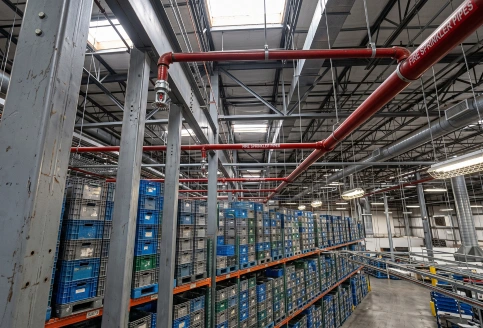
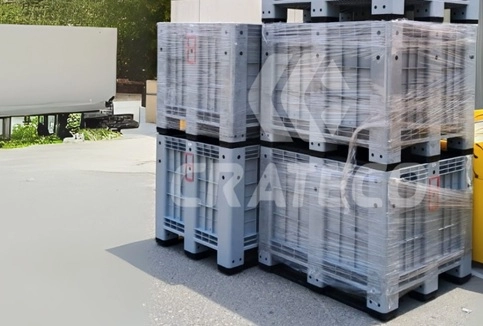
Reusable plastic crates and pallets are suitable for repeated transport and material handling. Certified compostable products may work for specific applications when they meet the applicable requirements.
Buyers should compare strength, temperature resistance, moisture protection, food-contact suitability, storage needs, and end-of-life options. Choosing based on performance helps businesses avoid switching to an alternative that creates operational problems.
Businesses should create a simple packaging record that shows what materials they use and where those materials come from. This information can support supplier audits, internal reporting, purchasing decisions, and future EPR requirements.
At a minimum, companies should record the material type, unit weight, annual volume, supplier, recycled content, and end-of-life route where this information is available.
| Data | Why It Matters |
|---|---|
| Material type | Identifies the polymer or packaging material |
| Unit weight | Helps calculate total material use |
| Annual volume | Shows overall packaging demand |
| Recycled content | Supports circular material tracking |
| Supplier details | Improves traceability |
| End-of-life route | Shows whether material is reused, recycled, recovered, or disposed of |
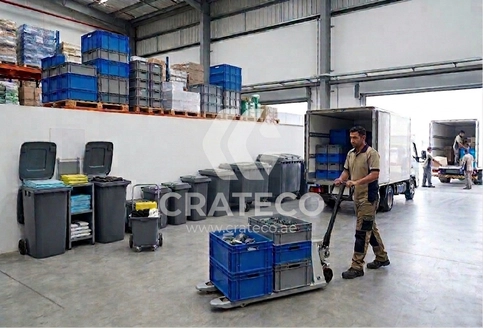
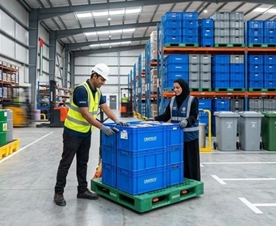
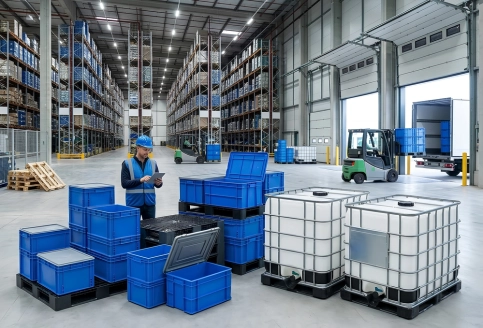
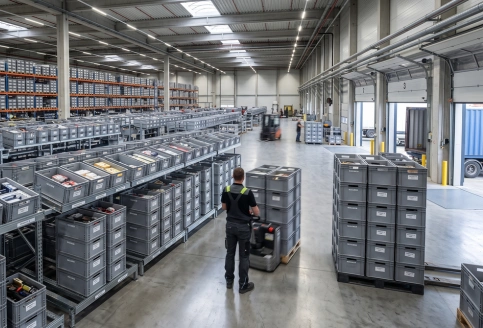
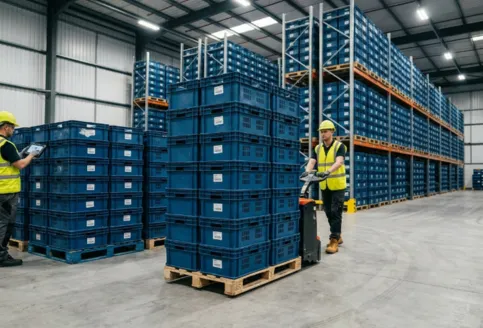
Reusable packaging can support a more circular supply chain because products remain in use for multiple handling cycles. This can be useful for manufacturers, warehouses, distributors, retailers, and logistics companies that move goods repeatedly between the same locations.
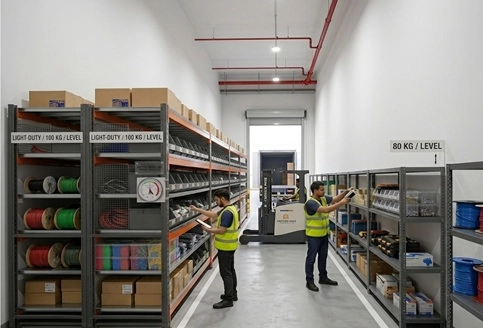
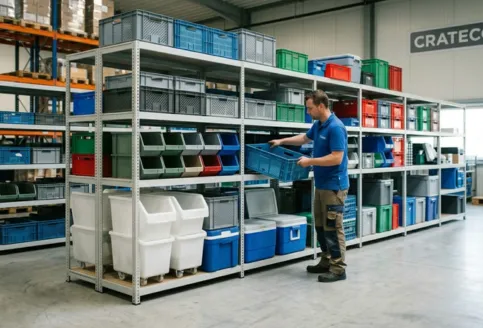
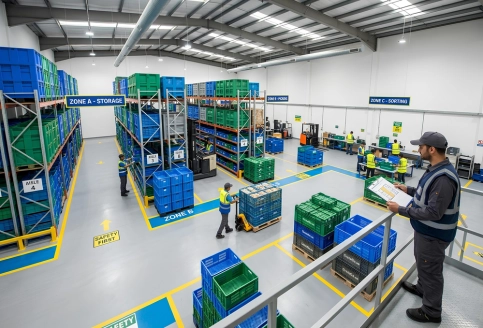
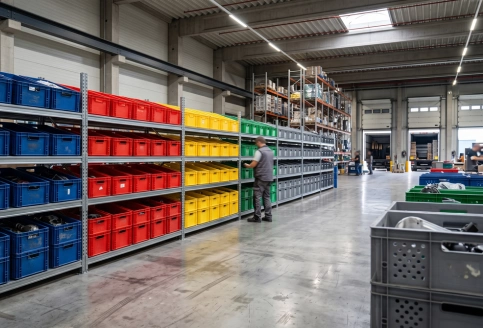
Reusable crates and pallets can also support product protection, stacking, warehouse organization, and material handling. The full system should include cleaning, return transport, storage, repair, and replacement planning.
When these factors are managed properly, reusable packaging can reduce dependence on disposable transport materials and support better control over packaging assets.
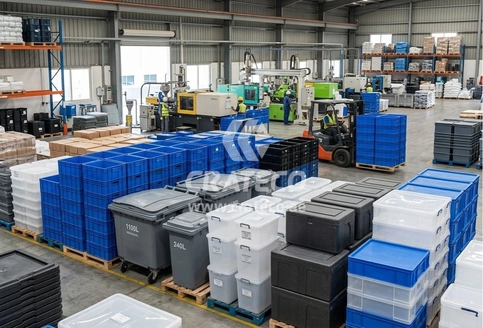
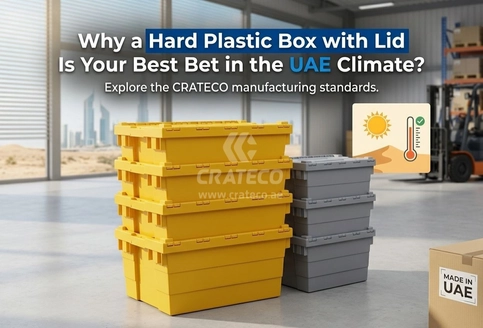
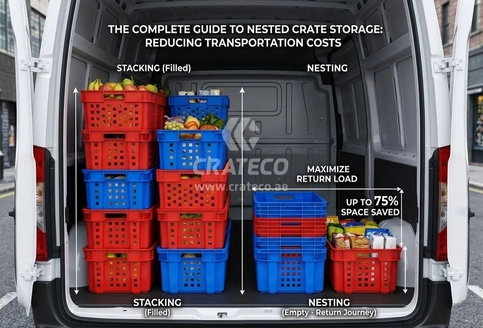
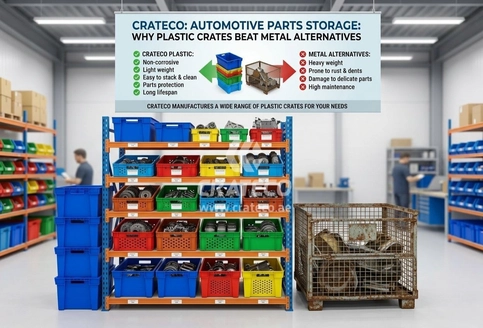
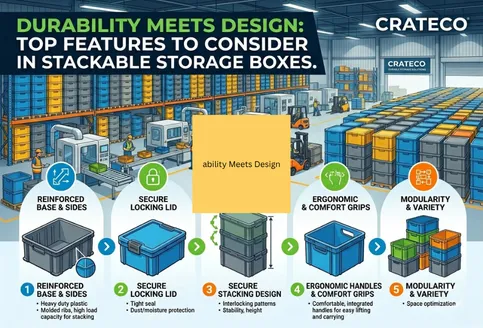
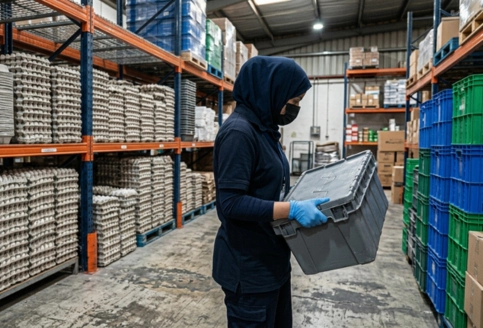
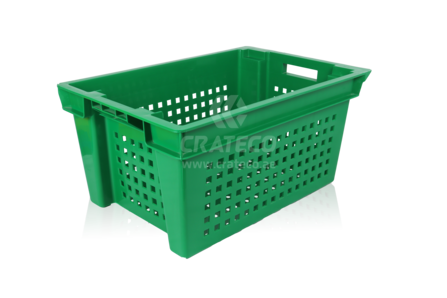
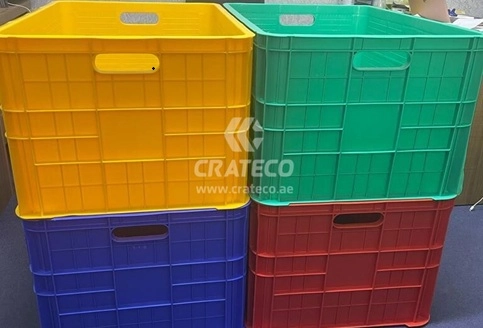
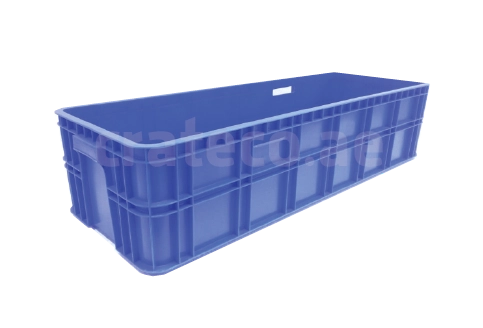
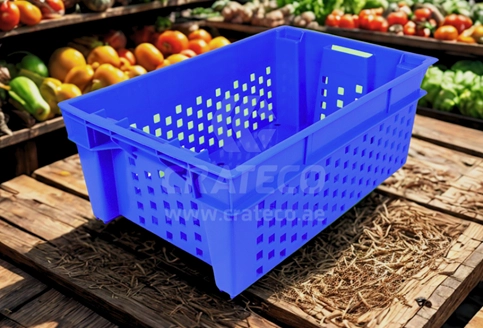
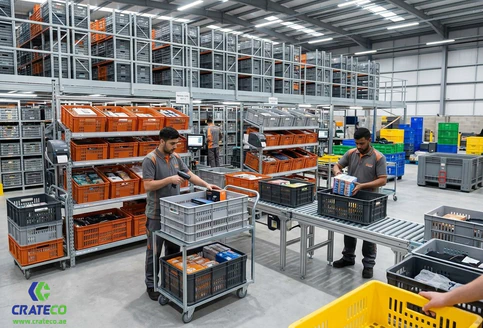
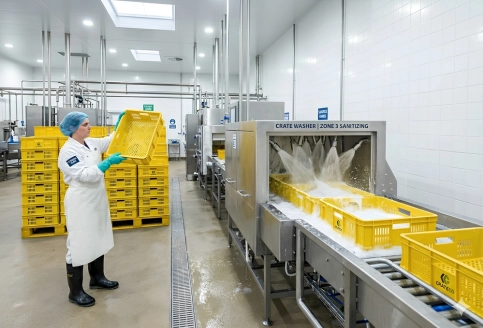
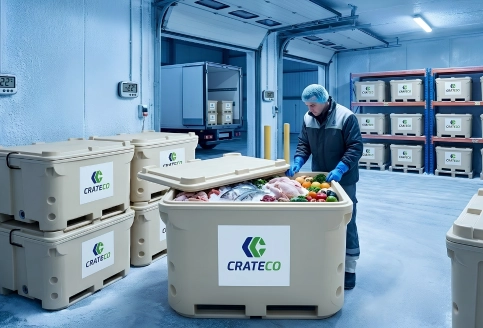
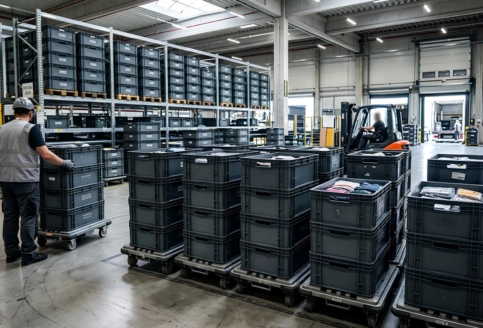
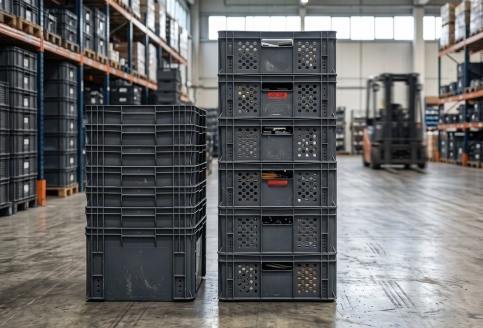
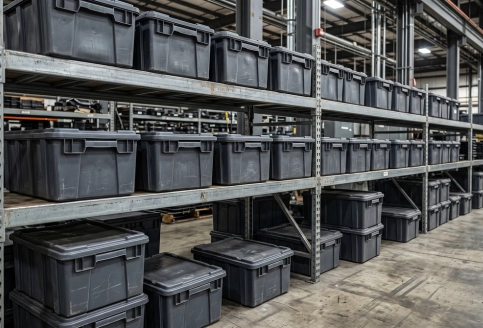
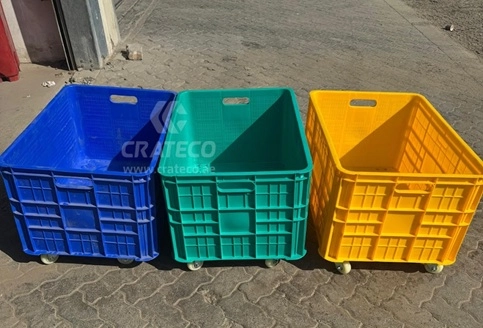
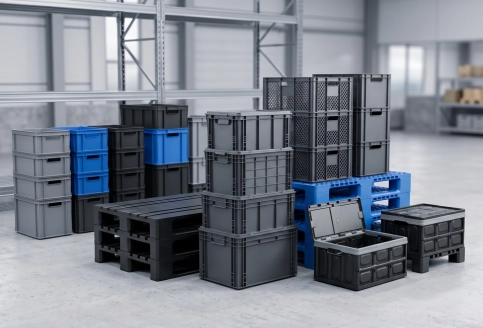
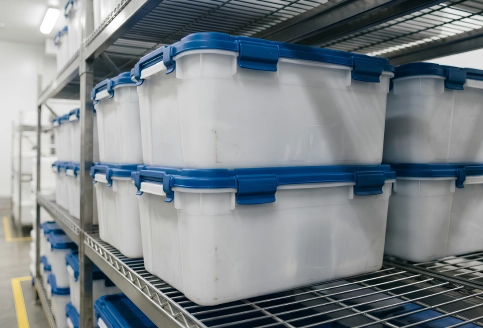
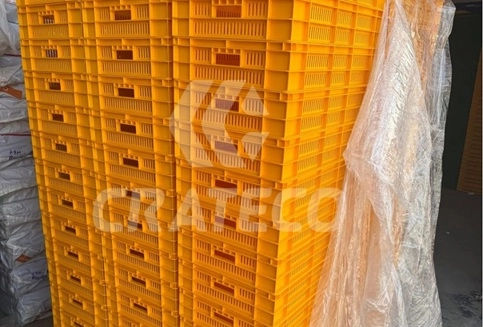
Reusable plastic crates can support the movement of products between factories, warehouses, distributors, and retail locations. Their rigid construction can protect goods during repeated handling, while stackable or nestable designs can help improve warehouse space.
When used across multiple delivery cycles, reusable container cut costs by reducing the need to repeatedly purchase disposable transport packaging. Buyers should compare dimensions, load capacity, wall strength, ventilation, cleaning requirements, and expected service life.
UAE and GCC operations may also expose crates to heat, dust, frequent loading, and long transport routes, so material quality matters.
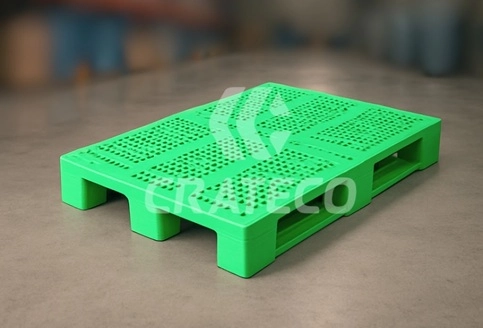
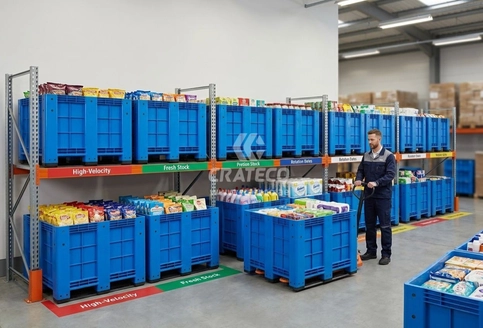
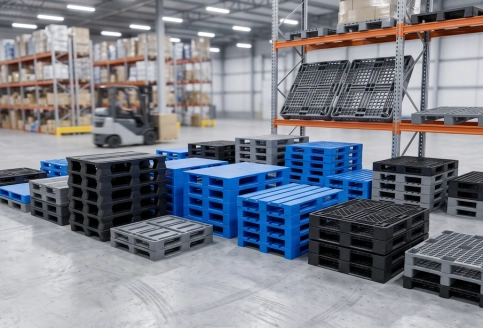
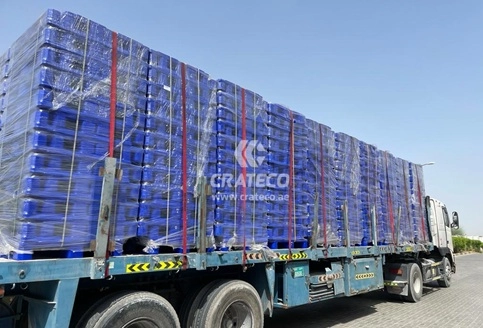
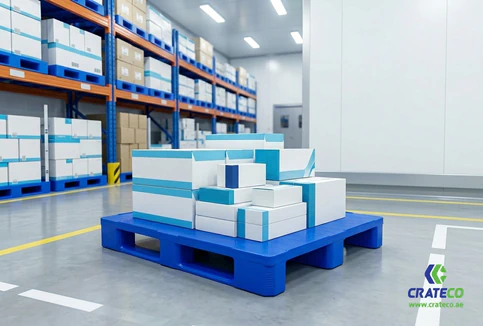
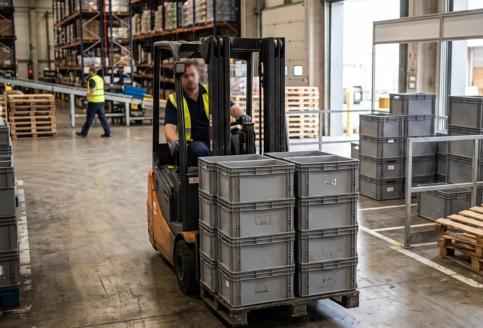
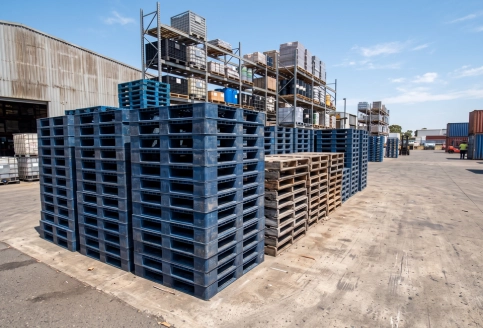
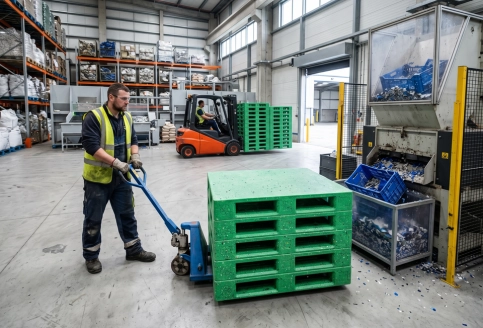
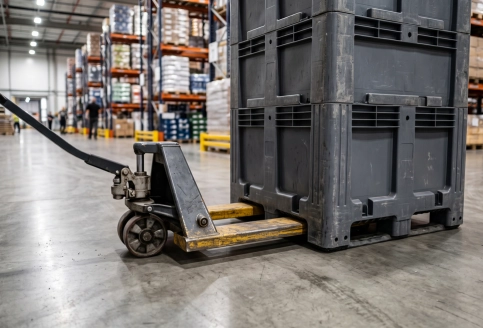
Plastic pallets can support repeated movement through warehouses, factories, distribution centers, and retail networks. They offer consistent dimensions and can be designed for forklifts, pallet trucks, or racking systems.
Buyers should check static load, dynamic load, racking capacity, pallet weight, and deck design before choosing a model. Reusable containers and pallets can be particularly useful in closed-loop supply chains where they return to the same facility or distribution network.
Their repeated use can reduce reliance on disposable shipping materials while improving handling and asset control.
Businesses can prepare by treating packaging compliance as an ongoing supply chain task. Start by auditing packaging, identifying restricted products, and recording material volumes. Next, review suppliers, collect technical documents, test alternatives, and improve traceability.
Manufacturers should also review packaging design and recycling options. Buyers should build reliable supplier relationships and avoid last-minute changes.
Most importantly, businesses should continue monitoring official UAE and emirate-level requirements because the EPR framework is still developing. Early preparation gives companies more time to adjust purchasing, production, contracts, and packaging systems.
EPR is changing how UAE businesses need to approach plastic packaging. Manufacturers should improve material tracking, recyclable design, and traceability, while brand owners, importers, and B2B buyers should strengthen supplier checks and packaging records.
The 2026 single-use plastic restrictions make this work even more important. Businesses should identify restricted products, select suitable alternatives, verify material claims, and test new packaging before placing large orders.
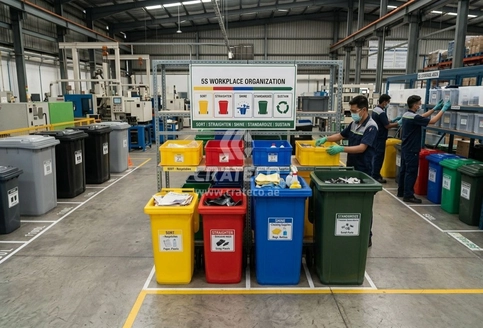
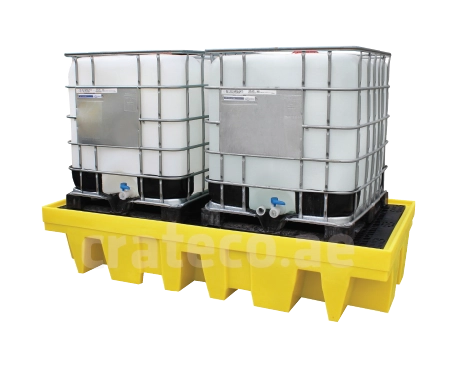
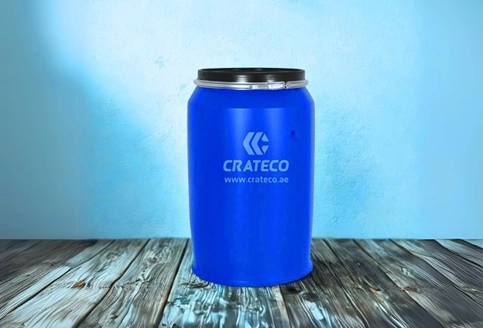
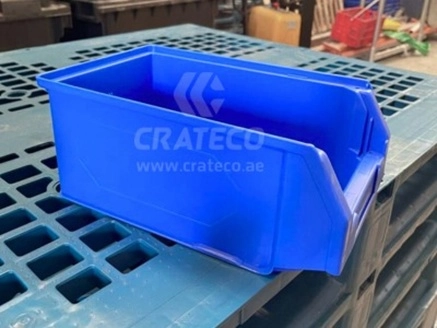
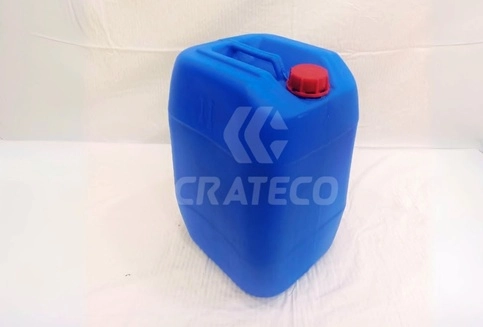
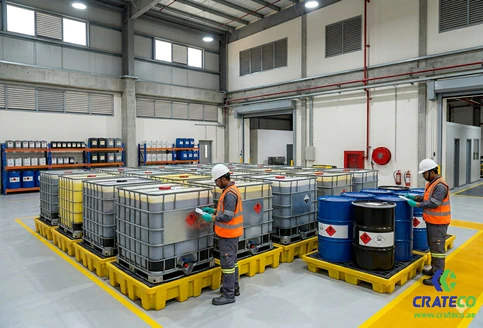
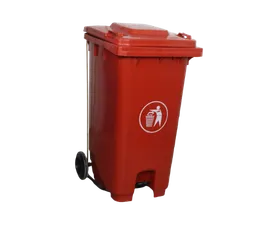
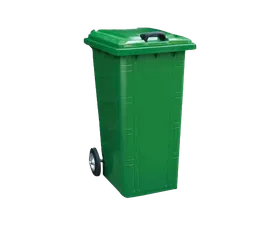
Reusable crates and pallets can also support longer material use in industrial supply chains. For durable and practical material handling solutions, Crateco Pack LLC is a trusted crate supplier in the UAE, offering plastic crates, plastic pallets, spill pallets, waste bins, and other industrial packaging solutions for businesses across the UAE and GCC.