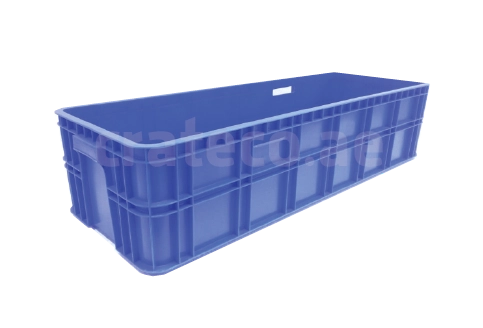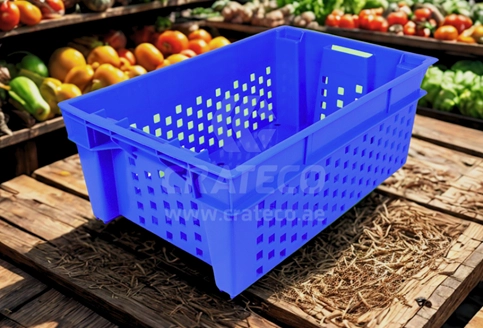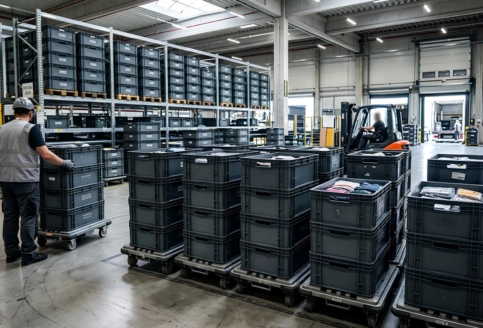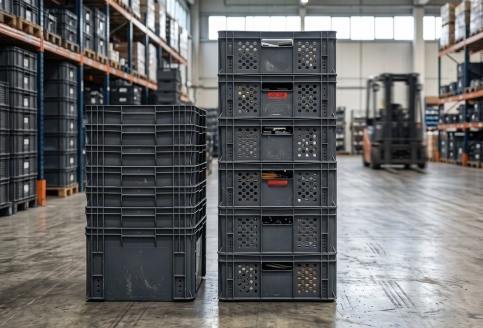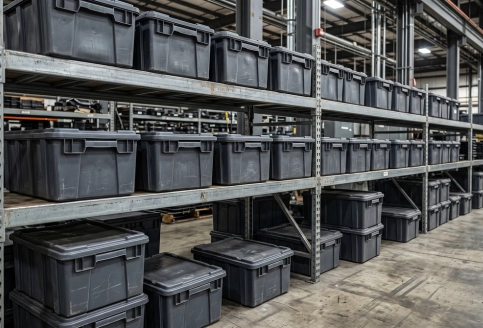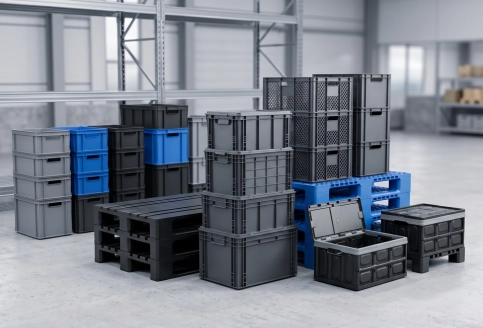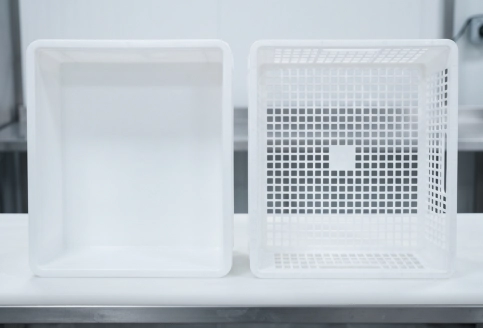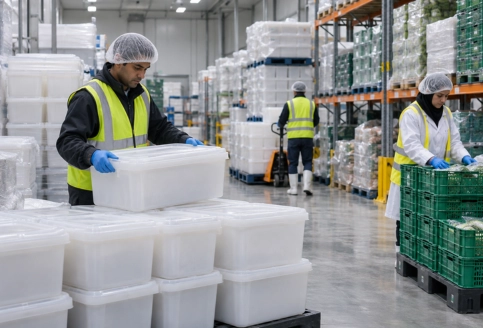
Plastic crates are the superior choice for storing automotive parts because they do not rust, are lighter than metal, and resist chemical damage from engine oils. Automotive warehouses need storage solutions that handle heavy, jagged, and oily components without failing. Plastic offers a modern, efficient, and safe alternative to traditional metal bins if you want to optimize your space and reduce costs.
Automotive parts vary greatly in shape, weight, and material. You store everything from small, sharp bolts to heavy engine blocks. These parts are often covered in grease, oil, or cleaning fluids.
You need a storage system that manages three things:
Weight: Parts are often heavy and put stress on containers.
Corrosion: Fluids leak and can rust metal containers.
Sharp Edges: Parts can scratch or dent the inside of a container.
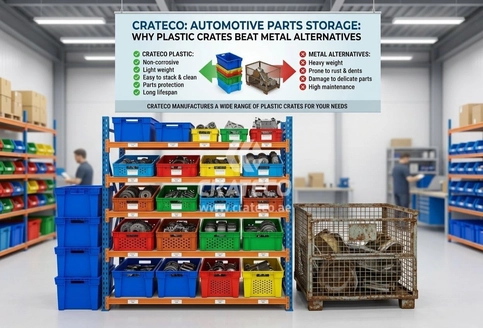
Plastic crates offer a lower total cost of ownership and better safety for your staff. Metal bins are heavy, prone to denting, and often require painting to prevent rust. Plastic, on the other hand, is a modern solution that improves warehouse performance.
Weight Reduction: Plastic is much lighter than metal, which makes it easier for staff to move items.
Corrosion Resistance: Plastic does not rust, if it comes into contact with water or cleaning chemicals.
Impact Strength: Plastic absorbs energy from impacts, which prevents the permanent dents that plague metal bins.
Safety: Plastic edges are smooth and rounded, which lowers the risk of cuts and scrapes for your team.
High-Density Polyethylene (HDPE) is the industry standard for plastic automotive crates. This material is designed to withstand harsh industrial environments, where temperature changes and chemical spills occur.
Chemical Resistance: HDPE does not react with oil, transmission fluid, or brake cleaner.
Thermal Stability: The material remains strong if the temperature in your warehouse changes.
UV Protection: High-quality plastic crates are UV-stabilized, which prevents the material from getting brittle under harsh warehouse lighting or sunlight.
| Feature | Plastic Crates | Metal Crates |
|---|---|---|
| Rust Potential | None | High |
| Weight | Very Light | Very Heavy |
| Maintenance | Low (Wipe only) | High (Paint/Repair) |
| Noise Level | Quiet | Loud (Clanging) |
Plastic crates are more cost-effective because they last longer and require less maintenance. While metal might seem "tougher" at first, it often degrades due to rust, dents, and sharp metal edges.
Lower Replacement Costs: You replace fewer units over 5 years.
Reduced Disposal Fees: You do not have to pay for the removal of scrap metal.
Energy Efficiency: Lighter containers mean your forklifts and conveyors use less energy to move them around the shop.
Safety is the most important factor in a busy automotive workshop. Heavy metal bins are a leading cause of workplace injury, because they are difficult to handle and have sharp edges.
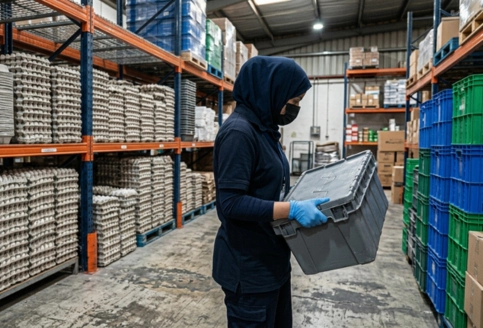
Handling: Staff can lift and move empty plastic crates without strain. This reduces back injuries by up to 20%, if you switch from heavy steel bins.
Noise Reduction: Metal bins create loud clanging noises when stacked or moved. Plastic crates are silent, which creates a better working environment.
No Splinters or Burrs: Metal bins develop sharp burrs over time. Plastic crates stay smooth, which keeps your staff safe from cuts.
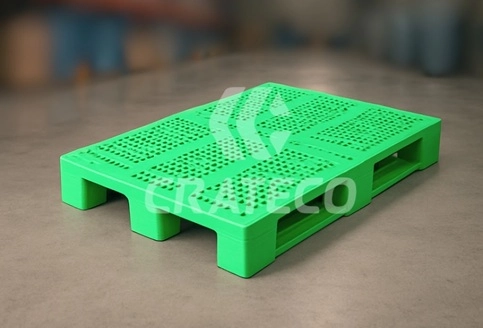
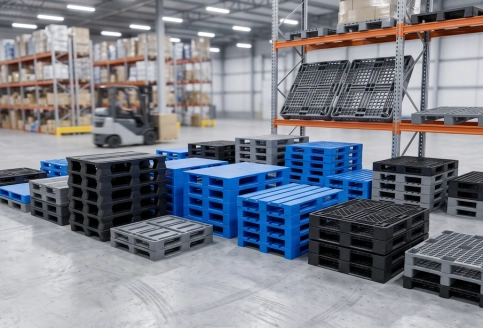
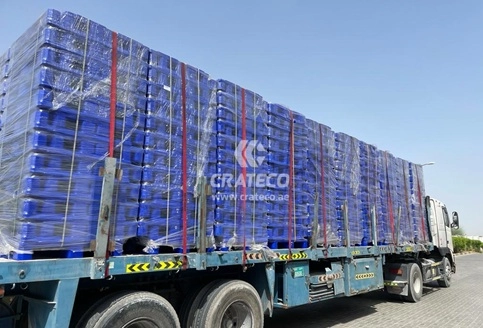
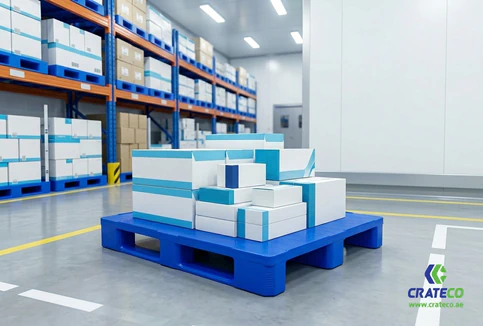
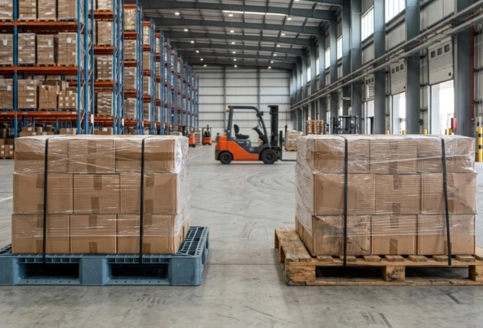
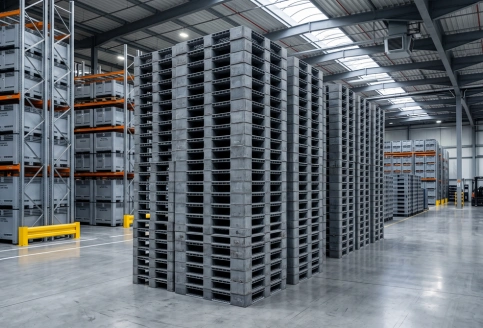
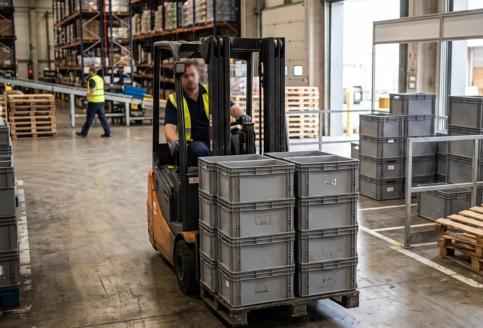
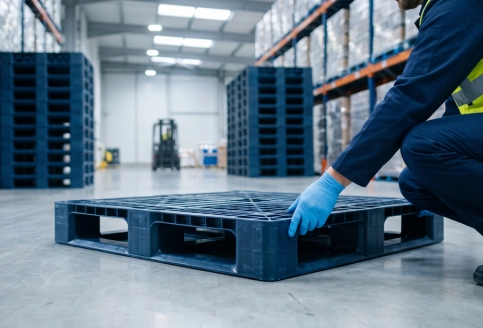
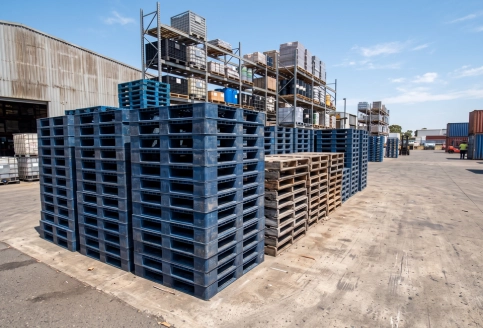
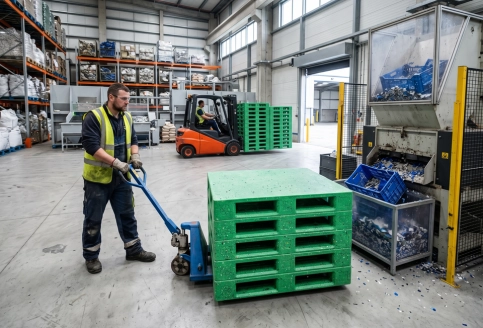
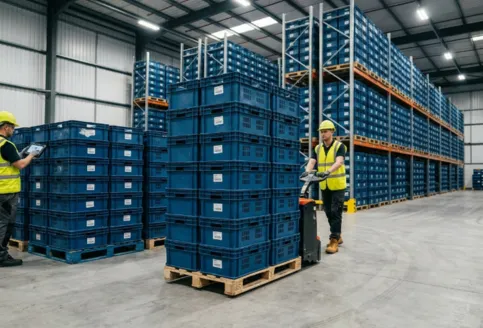
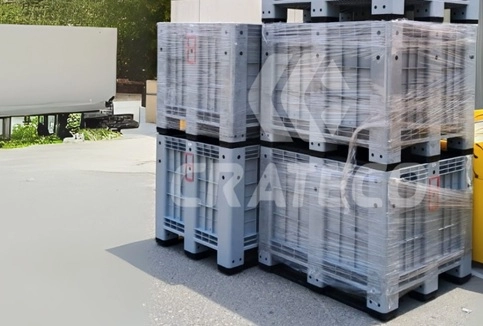
You need your storage crates to fit perfectly on your pallets to ensure stable transport. As a premier plastic pallets manufacturer & supplier in the UAE, Crateco ensures that your storage crates work seamlessly with our pallet solutions for a stable and secure load.
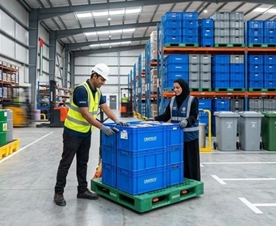
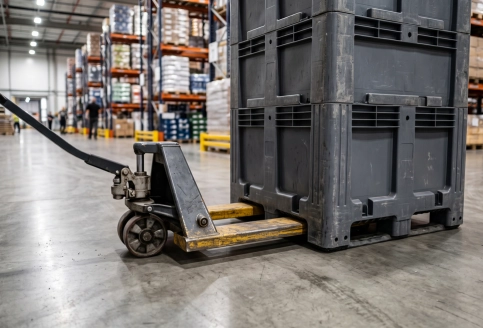
The bottom of a high-quality crate is designed to interlock with the top deck of a plastic pallet. This prevents the load from shifting if your forklift driver turns a corner quickly.
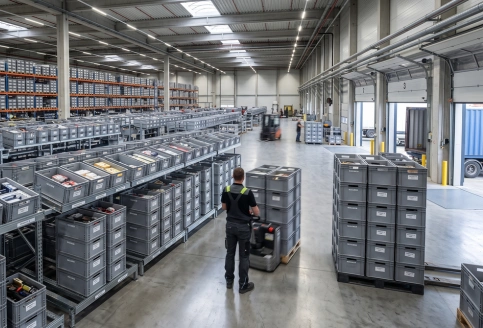
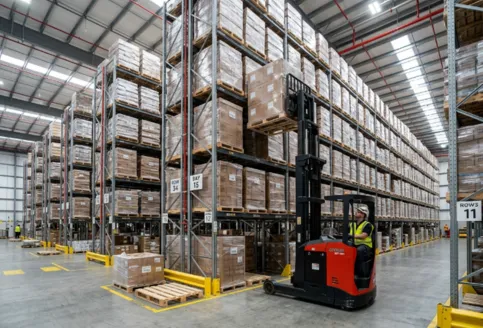
When you use standardized sizes, you can fit more crates on each pallet. This increases the density of your storage and helps you organize your parts by SKU more effectively.
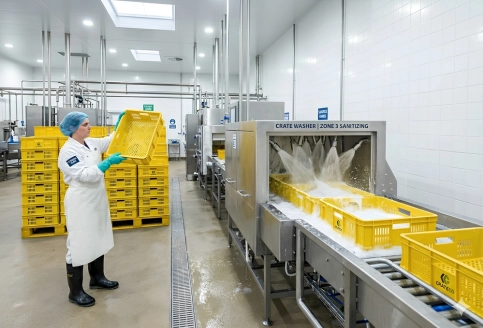
You maintain plastic storage bins with a simple cleaning schedule. Because the material is non-porous, grease and oil sit on the surface rather than soaking in.
Oil Removal: Wipe away excess oil daily to keep the bin surface clean.
Pressure Washing: Use a mild soap and water mixture if you need to remove heavy grime buildup.
Inspection: Check for stress cracks every 3 months. You can safely continue to use the bin for lighter parts if a crack appears in a non-load-bearing area.
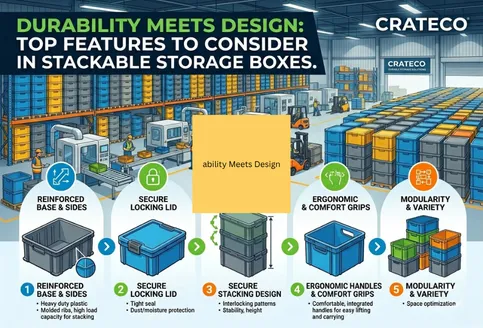
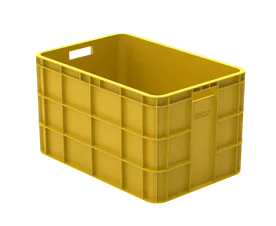
You choose the right crate by matching the crate features to your specific automotive parts.
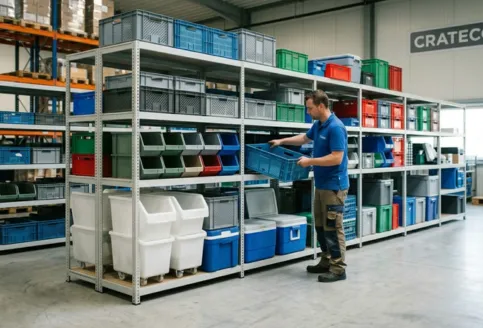
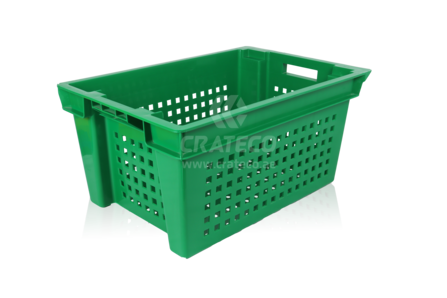
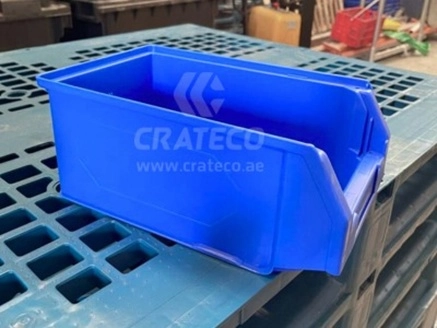
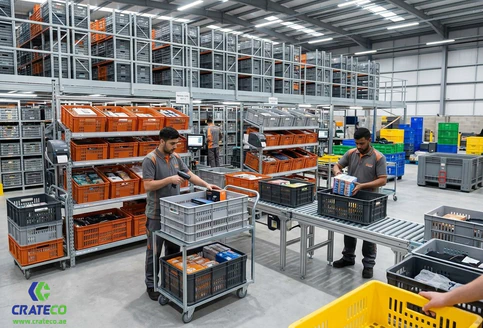
Small Parts (Bolts, Clips): Use small, open-front bins. This allows staff to reach inside without moving the bin.
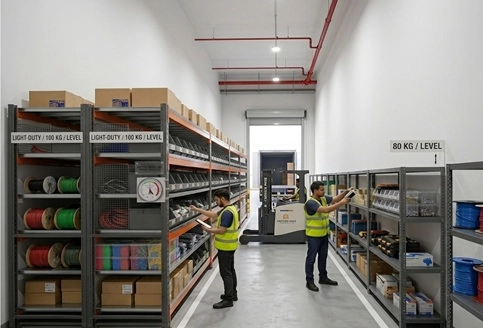
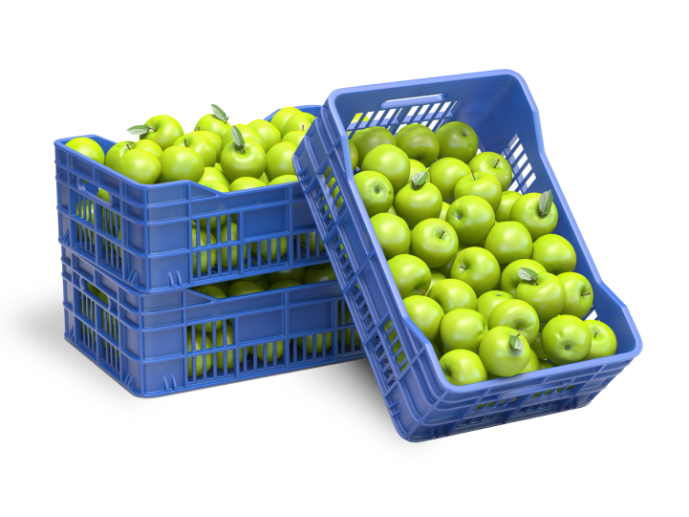
Medium Parts (Gears, Pumps): Use stackable, medium-sized crates. These maximize vertical shelf space.
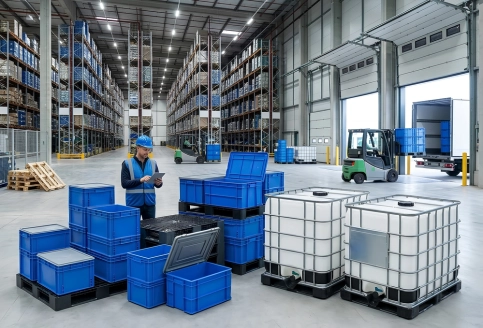
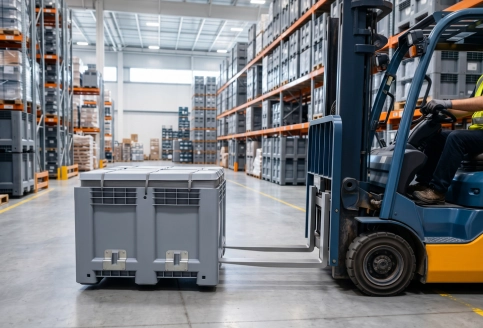
Large Parts (Engine Components): Use heavy-duty pallet boxes. These are designed to hold the weight of dense metal components.
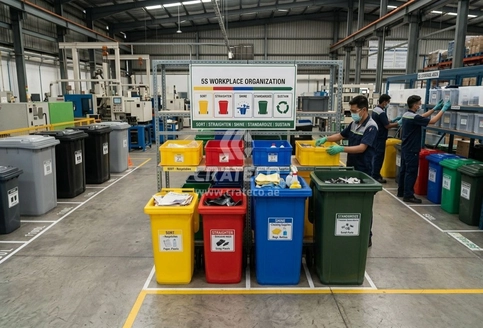
The 5S system is vital for automotive workshops, because thousands of small parts can cause total chaos. You must use plastic bins to sort your inventory immediately.
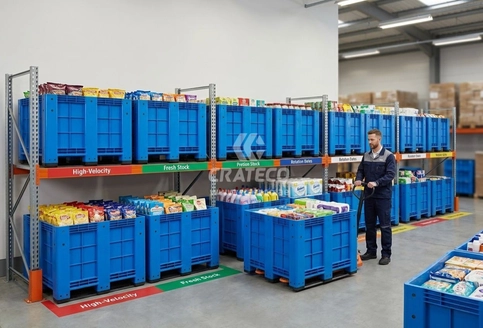
Fast-Movers: Place parts like oil filters and brake pads in the easiest-to-reach bins at eye level.
Slow-Movers: Move parts like trim or specialty gaskets to higher or lower bins.
Obsolete Parts: Tag old or damaged parts with a "Red Tag" and move them to a designated "disposal" plastic crate.
"Set in Order" requires every bin to have a permanent home. Plastic bins are ideal because you can easily label and color-code them.
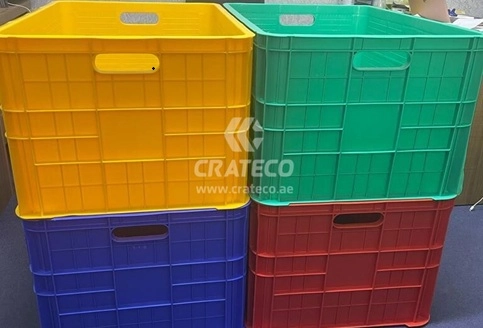
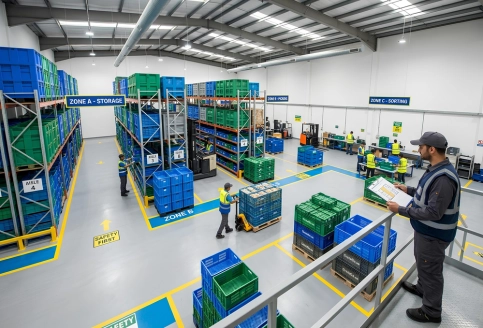
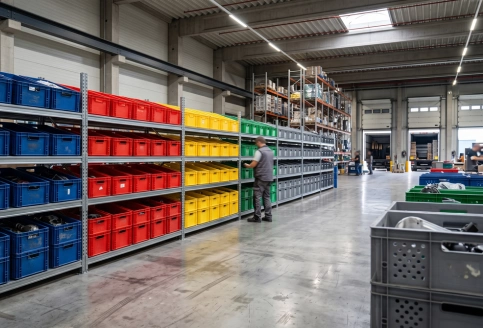
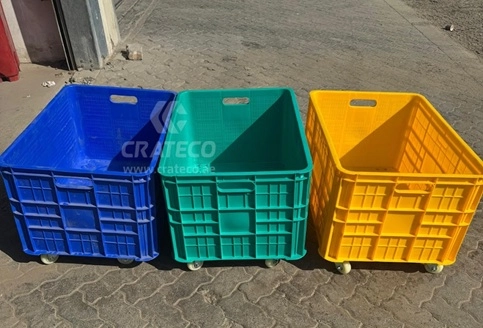
You can color-code your bins based on the vehicle brand or the part type. For example, use blue bins for engine parts and yellow bins for suspension parts. This visual system reduces search time by 15% if your team is trained on the color-coded guide.
"Shine" is about cleaning the workplace. Metal bins often hide grease and dirt in their corners and rusted crevices. Plastic bins show dirt immediately, which forces your team to keep the area clean.
You maintain a higher standard of shop hygiene, if you use plastic crates. This makes your workshop look professional, which helps build trust with your customers.
You execute a successful transition by running a pilot test. Do not try to replace every metal bin in your warehouse on the first day.
Audit: Identify the 3 most disorganized areas in your shop.
Pilot: Replace the metal bins in those 3 areas with plastic crates.
Feedback: Ask your mechanics if the plastic bins make their daily work easier.
Scale: Order more plastic crates for the rest of the facility, if the pilot results in cleaner and faster workflows.
Plastic crates provide benefits that go beyond simple storage. They are part of a larger logistics strategy.
Modern automotive warehouses often use robots to pick parts. Plastic crates have the smooth, consistent dimensions required by automated systems. Metal bins often jam in these systems because they can be slightly out of square due to damage.
You protect your high-value inventory from moisture. Metal bins can create condensation inside, which leads to surface rust on precision engine parts. Plastic bins maintain a neutral environment that keeps parts in showroom condition.
Plastic crates are the clear winner for automotive parts storage, because they offer durability, safety, and cost efficiency that metal cannot match. They resist the harsh conditions of a workshop, improve staff ergonomics, and support a leaner 5S workflow.
By choosing high-quality plastic, you reduce replacement costs, increase warehouse density, and ensure your parts remain free from rust and damage.
Crateco provides the storage solutions that help you streamline your operations. Transition your workshop to plastic today to build a cleaner, safer, and more productive environment for your team. The efficiency gains will support your growth for years to come.