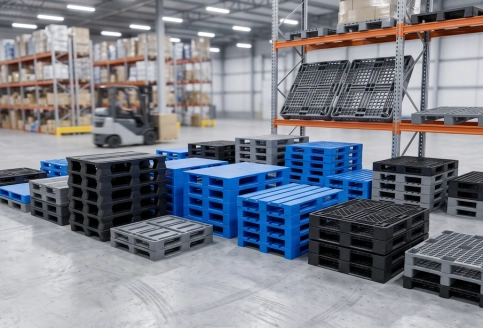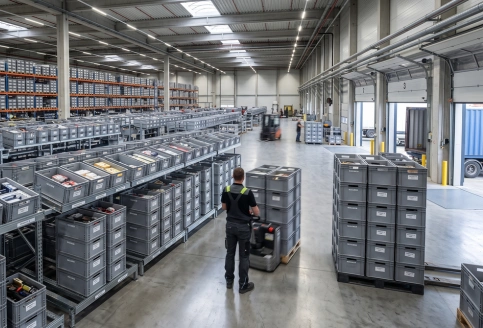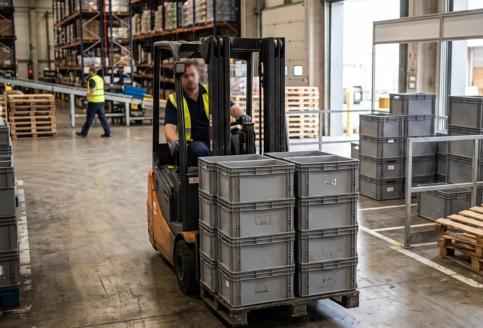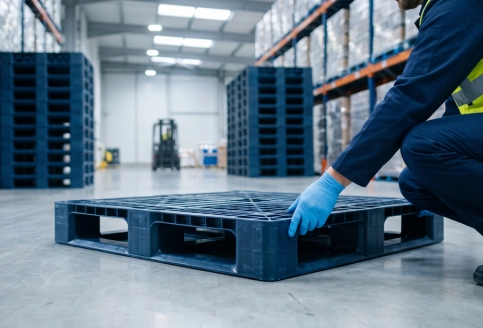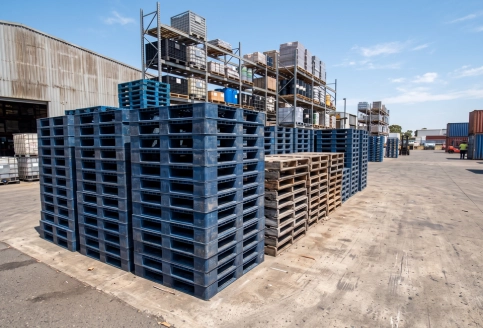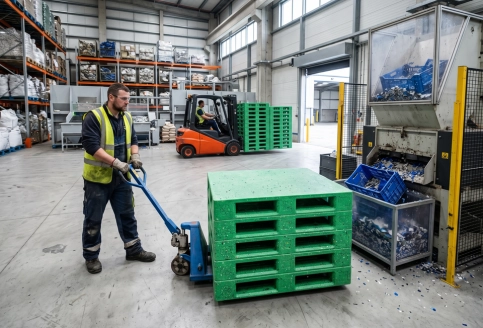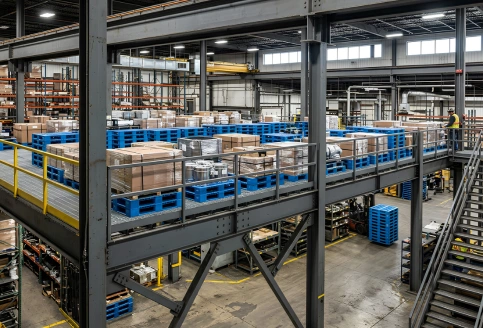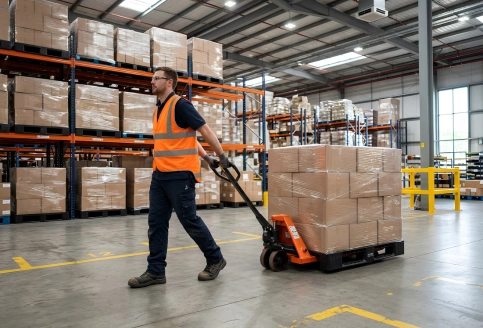
Have you noticed a change in modern warehouses lately? The familiar sight of splintered wood and rusty nails is fading away. In its place, sleek, colorful, and incredibly tough plastic pallets are taking over.
At Crateco, we see this shift happening every day. Major global brands and local businesses alike are making the switch. But why now? What makes plastic so much better than the traditional wooden pallet we've used for decades? The answer lies in a mix of durability, safety, and long-term savings.
Let's explore why plastic pallets are the future of shipping and why your company might be next to make the move.
For a long time, wood was the only choice because it was cheap. However, "cheap" up front doesn't always mean "cheap" in the long run. Companies are realizing that wooden pallets come with hidden costs: repairs, product damage, and disposal fees.
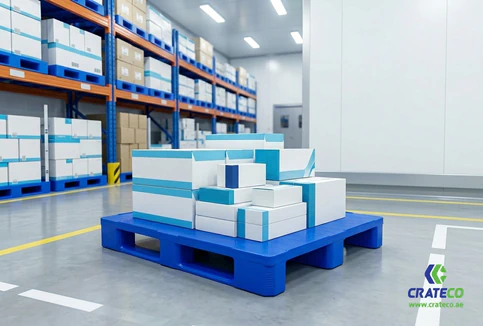
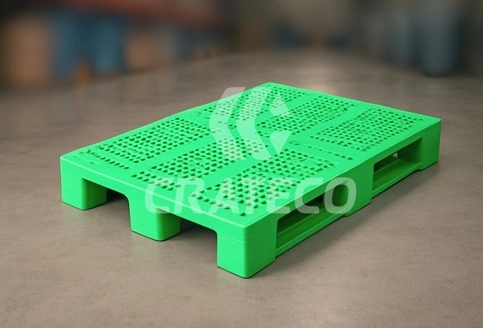
Plastic pallets, made from high-quality materials like High-Density Polyethylene (HDPE), offer a consistent solution. They don't change shape, they don't absorb water, and they don't break easily. In a world where efficiency is everything, plastic is the more reliable partner.
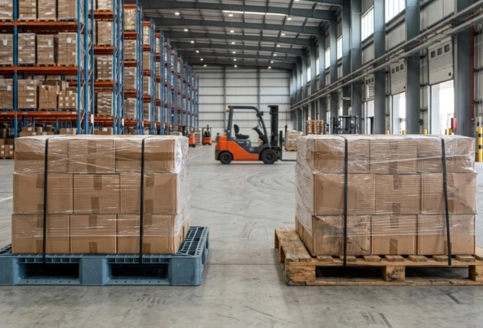
One of the biggest reasons for the switch is pure toughness. A wooden pallet is lucky to survive 10 trips without needing a hammer and nails.
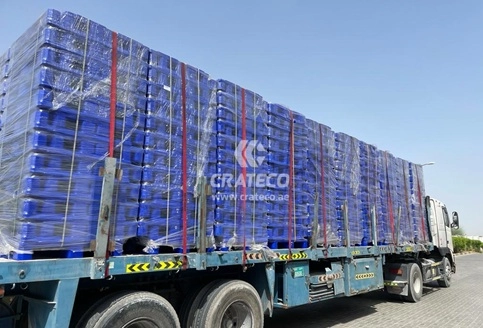
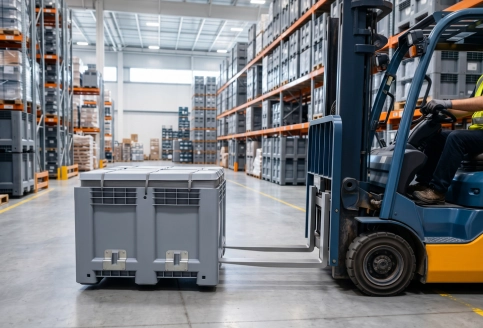
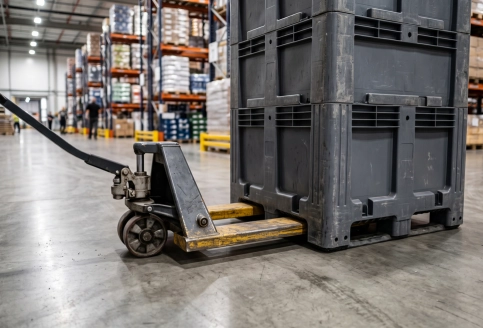
A high-quality plastic pallet from Crateco can easily last for over 250 trips. Because they are molded as one solid piece, there are no weak joints to snap. They can handle being dropped, bumped by forklifts, and stacked high without cracking.
Does your shipping involve rain, humidity, or extreme heat?
Wood: Absorbs water, gets heavy, and eventually rots or grows mold.
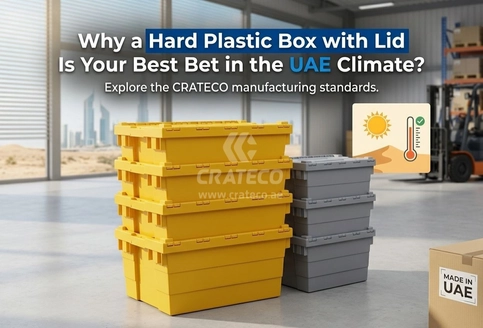
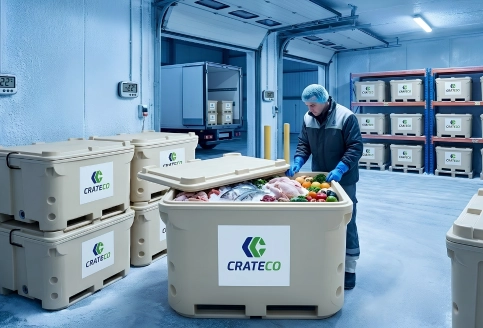
Plastic: Completely waterproof. It stays the same weight and strength whether it's in a desert or a walk-in freezer.
In industries like food, beverages, and pharmaceuticals, cleanliness isn't optional; it's the law. Plastic pallets are the clear winner here.
Wooden pallets often hide bugs or larvae. Because of this, they must be heat-treated (ISPM-15) before they can cross international borders. Plastic is naturally pest-free. It requires no chemicals or heat treatments, saving you time and paperwork at customs.
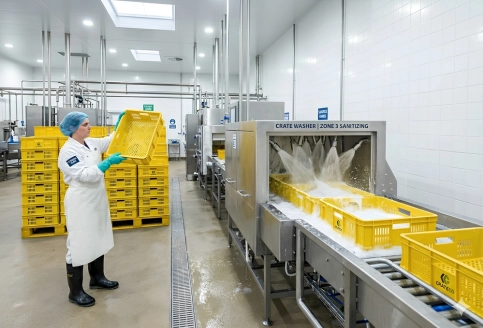
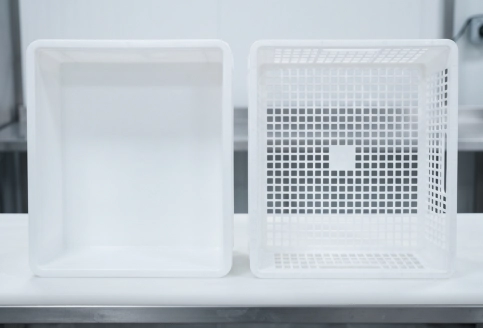
You can power-wash or steam-clean a plastic pallet in seconds. Because the surface is non-porous, bacteria and chemicals can't soak into the material. This keeps your warehouse smelling fresh and your products uncontaminated.
Wait, aren't plastic pallets more expensive than wood? Yes, the initial price tag is higher. But smart managers look at the total cost of ownership.
Reduced Product Damage: No splinters or nails means no punctured bags or scratched boxes.
Lower Freight Costs: Plastic pallets are often 30% lighter than wood. Lighter loads mean you spend less on fuel and shipping rates.
No Repair Costs: You don't need a team to fix broken boards.
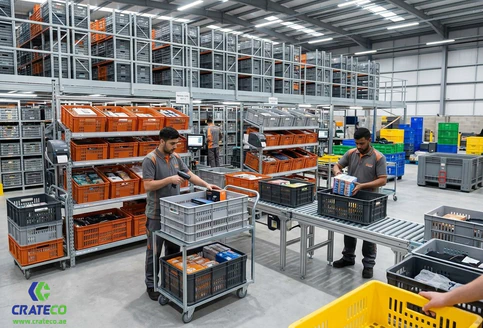
Automation Friendly: Since every plastic pallet is the same size, they never jam automated conveyor belts or robotic arms.
It might feel strange to say plastic is "green," but it's true! The "circular economy" is at the heart of the plastic pallet movement.
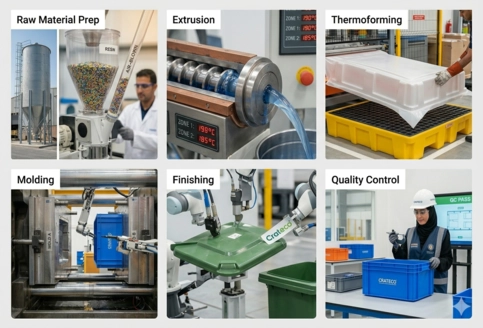
When a wooden pallet breaks, it usually ends up in a landfill or is burned. When a Crateco plastic pallet finally wears out after years of use, we can grind it down and melt it to create a brand-new pallet.
By using one plastic pallet that lasts as long as 25 wooden ones, you are directly reducing the demand for timber. This helps preserve forests and reduces the carbon footprint associated with logging and wood processing.
A happy warehouse crew is a productive crew. Working with wood can be painful and dangerous.
No Injuries: Plastic pallets have no splinters, jagged edges, or rusty nails to cut hands or legs.
Consistent Weight: A wet wooden pallet can double in weight, leading to back strains. Plastic stays lightweight and easy to handle.
Ergonomic Grips: Most Crateco designs include hand-holds that make it easier for workers to move empty pallets safely.
| Feature | Wooden Pallets | Plastic Pallets |
|---|---|---|
| Lifespan | Short (5–10 trips) | Very Long (250+ trips) |
| Weight | Heavy (and varies) | Lightweight (and consistent) |
| Hygiene | Porous (holds bacteria) | Non-porous (easy to clean) |
| International Shipping | Requires Heat Treatment | No Treatment Needed |
| Recyclability | Difficult/Limited | 100% Recyclable |
As warehouses get "smarter," they get pickier. Robots and sensors need things to be perfect. Wooden pallets often warp or change size. A board might stick out just an inch, but that's enough to trigger a sensor and shut down an entire multi-million dollar sorting line.
Plastic pallets are dimensionally stable. They are made in a mold, so every single one is a perfect twin of the last. This consistency is why giant tech and retail companies are switching so fast.
Making the move from wood to plastic is a big step. You need a partner who understands your specific needs. As an industrial plastic supplier in the UAE, Crateco doesn't just provide pallets; it provides shipping solutions.
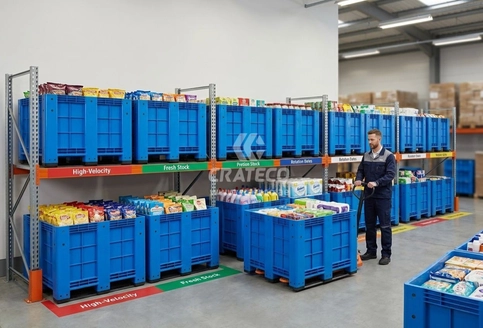
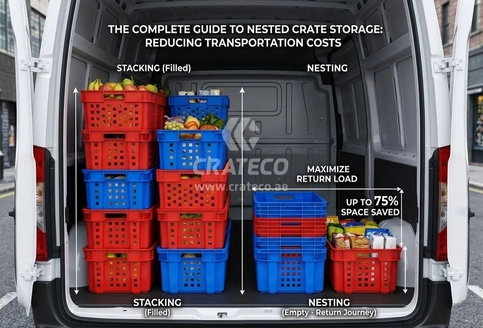
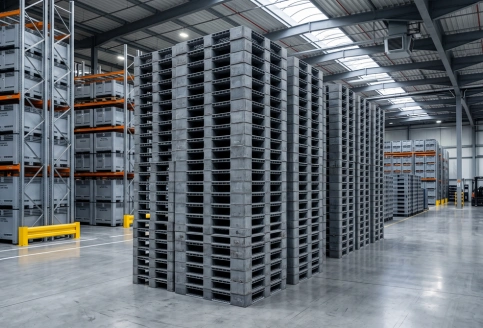
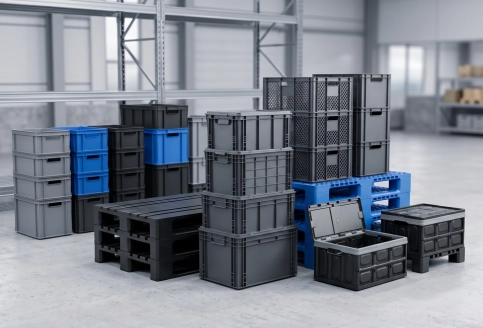
Variety: From nestable pallets that save space to rackable pallets for high shelves.
Expertise: We help you calculate your ROI so you can see exactly when the pallets will pay for themselves.
Quality: Our pallets are built to survive the toughest conditions in the Middle East and beyond.
The shift toward plastic pallets is a clear win for modern logistics. By choosing durability, hygiene, and sustainability, companies are moving away from the hidden costs of broken wood. These pallets protect your products, keep your workers safe, and integrate perfectly with automated systems.
While the initial investment is higher, the long-term savings in shipping and replacement costs make Crateco plastic pallets the smartest choice for a more efficient future.
Yes! In many cases, they can hold more. We offer "Heavy Duty" models that can support several tons of static weight.
Modern designs include anti-slip surfaces and rubber grommets. These act like "brakes" to keep your cargo from sliding during transport.
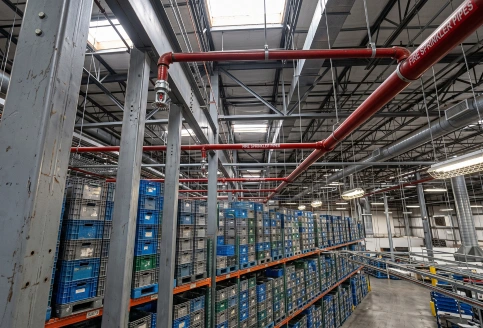
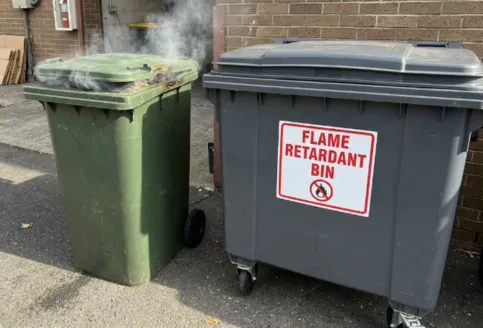
Crateco offers pallets made with fire-retardant materials that meet strict safety standards for high-pile storage.