

The fishing industry depends on speed, safety, and freshness. Fish must remain clean and protected from the moment they are caught until they reach the market. Even minor handling errors can reduce quality and lead to losses. This is why fish crates play an important role in seafood operations.
In the United Arab Emirates, the fishing industry is growing fast. Businesses need strong and reliable storage solutions to keep seafood fresh and safe. Trusted plastic crates supplier in the UAE, providing modern plastic fish crates that support fishing businesses across the UAE and the GCC.
Fish crates are more than simple containers. They help improve hygiene, protect seafood, and make transport easier. They also reduce waste and support smooth operations. This guide explains why fish crates are essential and how they are used in the fishing industry.
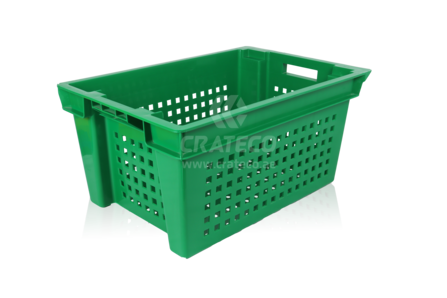
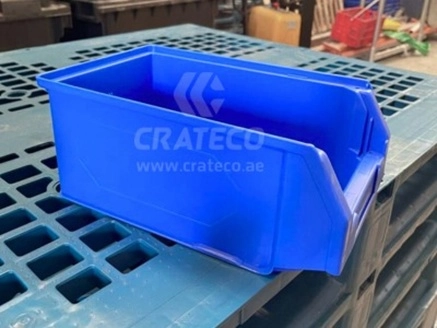
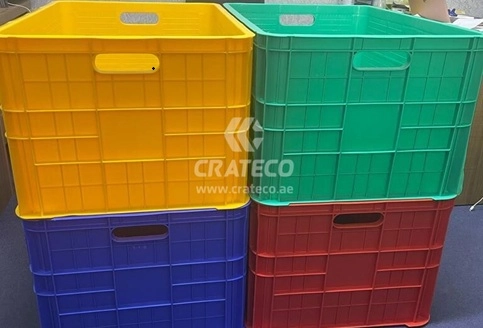
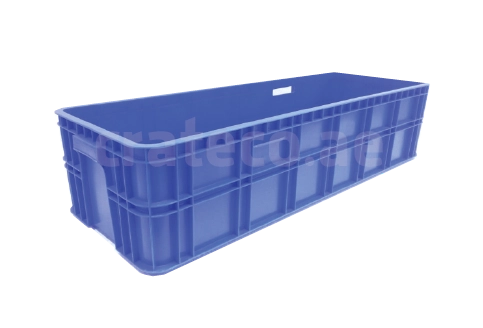
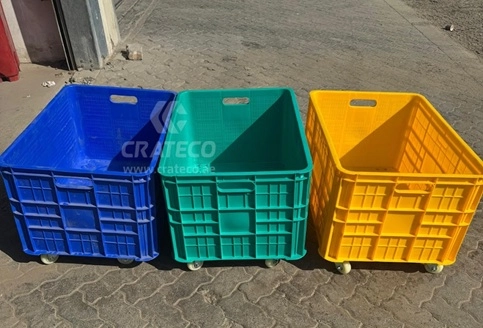
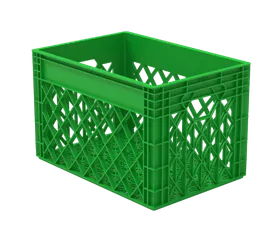
Fish crates are strong containers designed to store and transport seafood safely. They are usually made from durable plastic that is water-, salt-, and heavy-load-resistant.
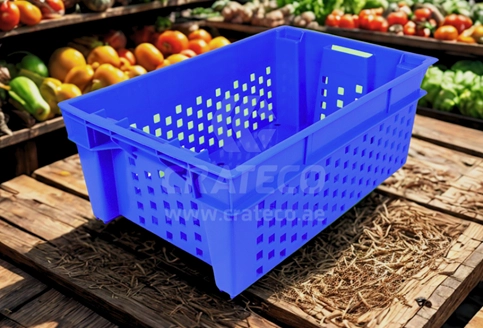
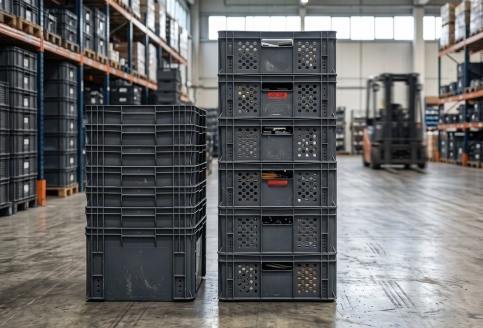
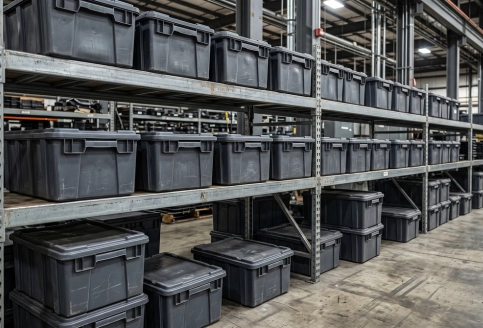
Modern fish crates are lightweight and easy to carry. They allow proper airflow and drainage, which helps keep fish fresh. Their design also supports easy stacking, which improves storage and transport efficiency.
Fish crates are widely used by fishermen, seafood processors, distributors, and fish markets. They help maintain product quality throughout the supply chain.
Fish crates play a key role in seafood handling and storage. They help maintain quality, safety, and efficiency throughout the fishing process.
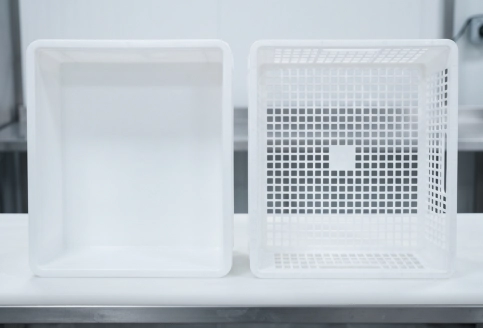
Fish crates help keep seafood fresh for longer periods. Their design allows for proper air circulation and drainage. Melted ice and water flow out easily, which prevents spoilage.
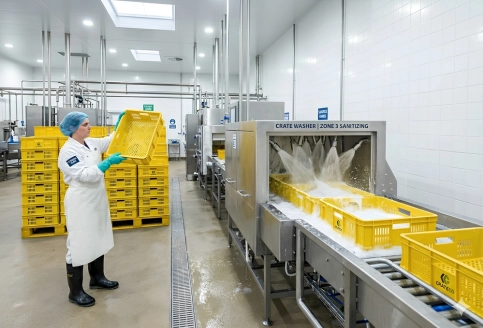
Fish crates are made from non-porous plastic. They do not absorb moisture or bacteria. They are easy to clean and sanitize, which helps businesses meet food safety standards.
Strong crate walls protect fish from crushing or pressure during stacking and transport. This keeps the product in good condition.
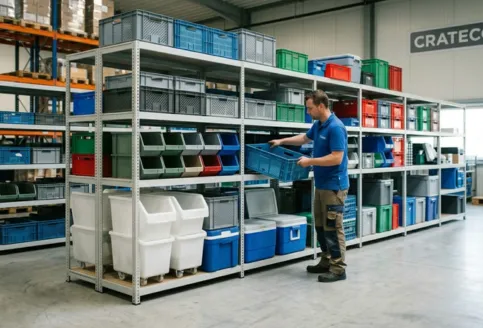
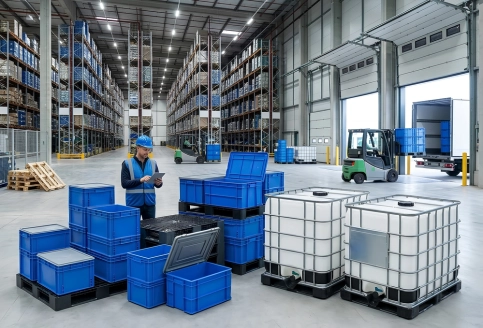
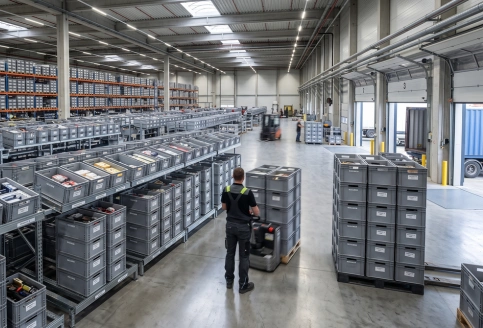
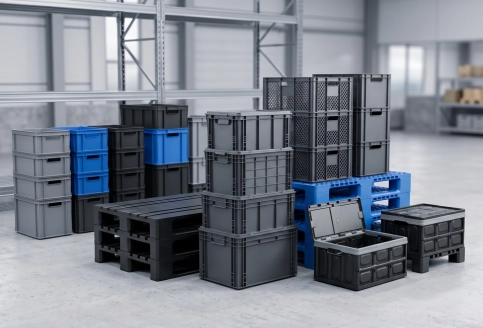
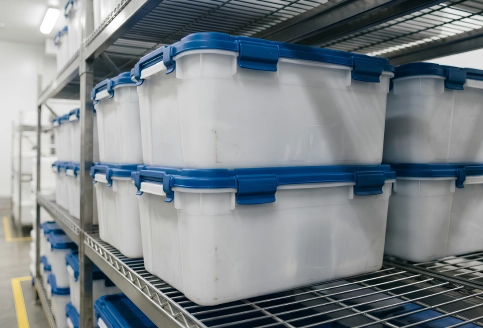
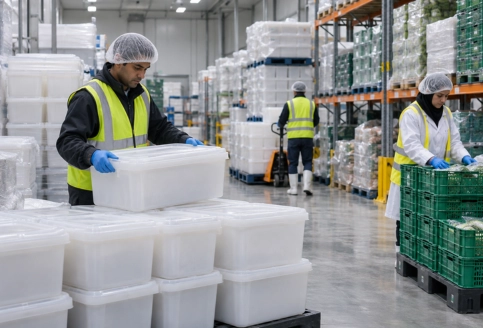
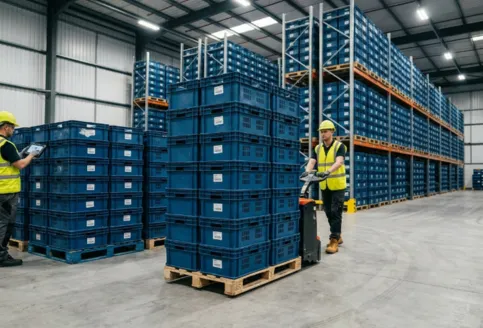
Fish crates are stackable and uniform in size. They help organize storage areas and improve space use on boats and in warehouses.
Fish crates keep seafood stable during transport. Their strong structure reduces movement and protects fish from damage.
Better protection means less spoilage and damage. This helps seafood businesses reduce waste and increase profit.
Fish crates are resistant to saltwater, moisture, and rough handling. Their durability ensures long-term performance in fishing environments.
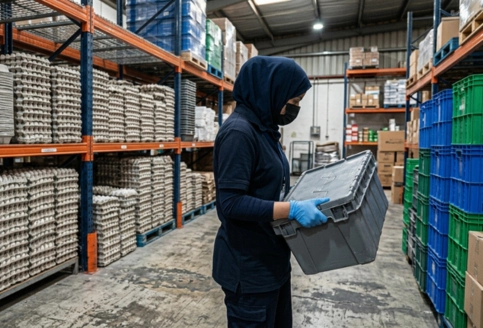
Lightweight crates are easy to handle. Workers can move seafood more quickly, improving productivity.
Fish crates are used at every stage of the seafood supply chain. They help businesses handle fish safely from catch to delivery.
Fishermen place freshly caught fish directly into crates. Ice is added to maintain the temperature and preserve freshness.
At landing sites, fish crates help sort seafood by size or quality. This improves processing speed.
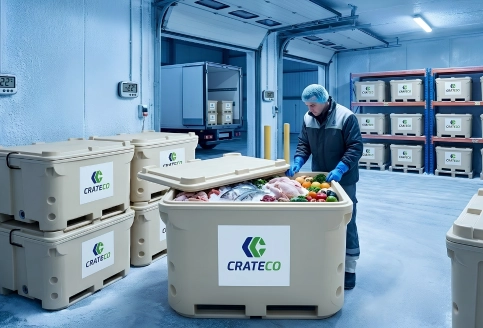
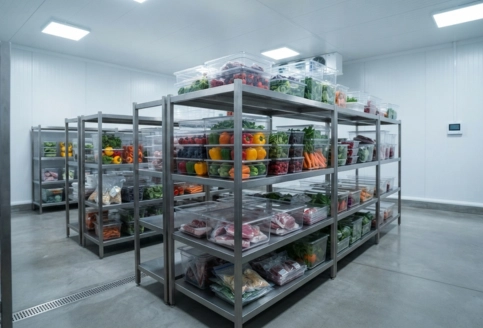
Fish crates are used in cold storage rooms and freezers. Their ventilated design allows proper cooling.
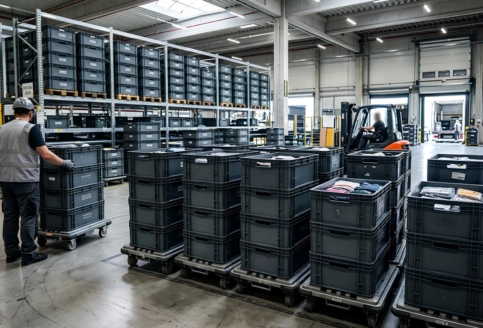
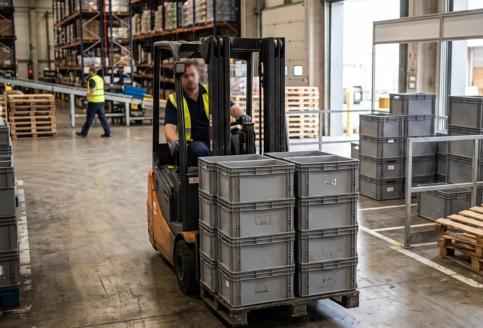
Seafood is transported in fish crates from fishing ports to markets or processing plants. Their stackable design supports safe shipping.
Processing plants use fish crates to move seafood between the cleaning, cutting, and packaging stages.
Retailers use fish crates to store and display seafood in an organized, hygienic manner.
Export companies use fish crates for international shipping. The strong design protects seafood during long journeys.
Fish crates are reusable. Businesses clean and use them many times, making them cost-effective and eco-friendly.
Freshness is the most important factor in the seafood business. Customers expect clean and high-quality fish. Proper storage plays a major role in maintaining this quality.
Fish crates help control temperature by supporting ice storage and drainage. Their strong structure protects seafood from pressure damage during stacking. This helps maintain taste, texture, and market value.
When fish remains fresh, businesses build customer trust and improve sales.
Hygiene is critical in seafood handling. Poor storage can cause contamination and health risks. This can damage the brand's reputation and lead to financial losses.
Plastic fish crates are easy to clean and sanitize. Their smooth surface prevents bacterial buildup. They also resist moisture and odor.
Clean storage helps businesses maintain product quality and meet safety regulations.
Fishing equipment must perform in harsh environments. It is exposed to saltwater, sunlight, and heavy use every day. Traditional storage materials often fail in such conditions.
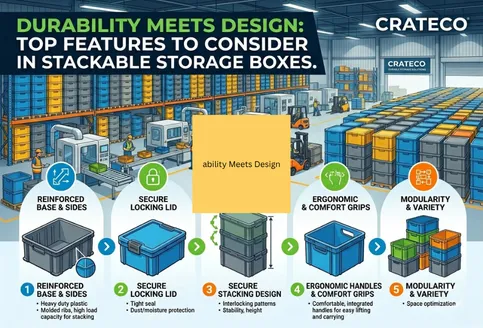
Modern fish crates are made from durable plastic. They resist corrosion and impact. Their durable design ensures reliable performance for long periods.
Key durability features:
Durable storage reduces replacement costs and improves efficiency.
Fishing boats and warehouses often have limited space. Poor storage systems waste valuable room and slow operations.
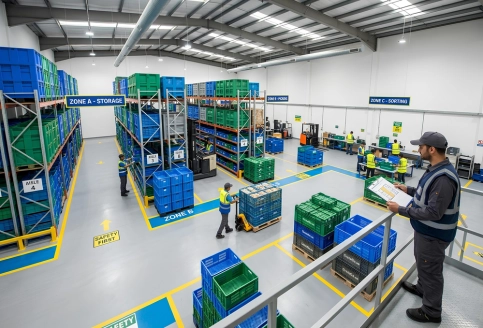
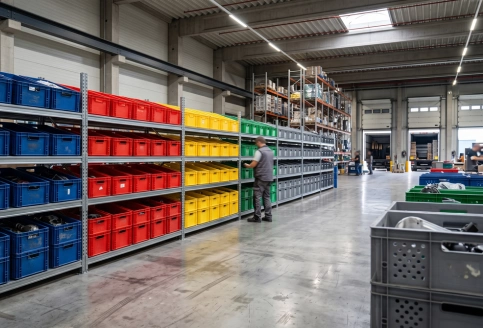
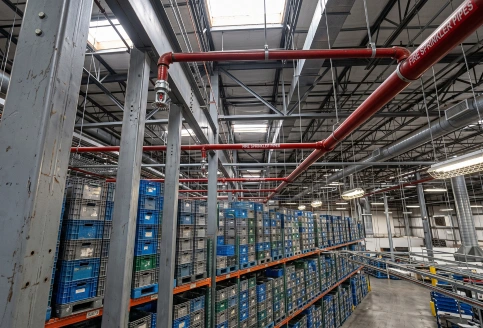
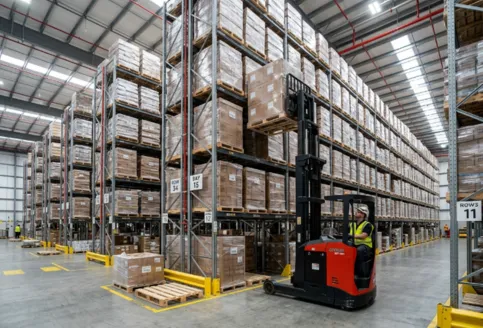
Fish crates provide an organized storage solution. Their stackable design allows vertical storage. Uniform sizes make the arrangement simple and efficient.
Better space use helps businesses manage large seafood volumes without increasing storage costs.
Seafood must travel safely from fishing sites to markets. Poor packaging can cause damage and spoilage during transit.
Fish crates provide strong protection during transport. They support airflow and maintain cooling conditions. Their secure design prevents movement and product loss.
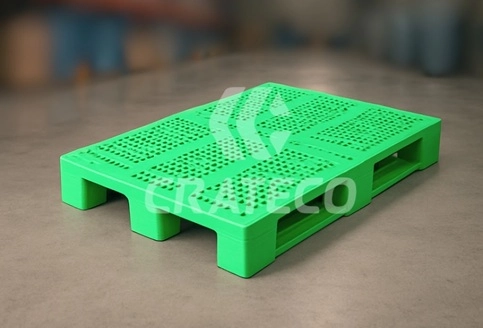
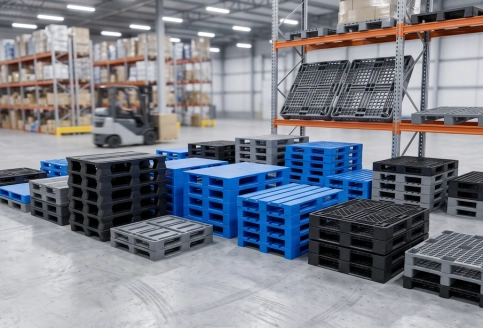
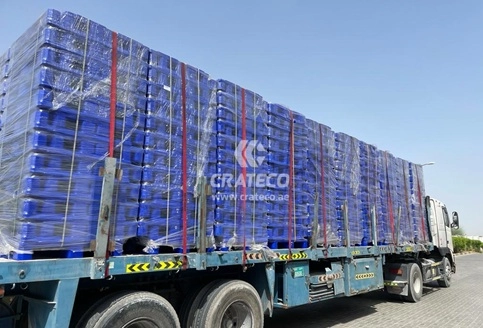
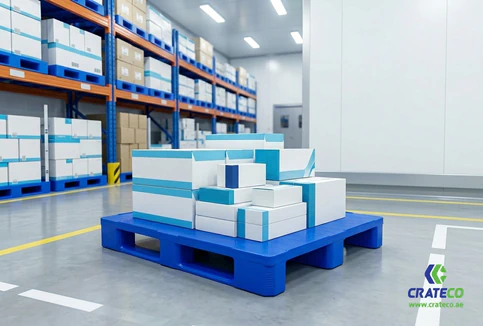
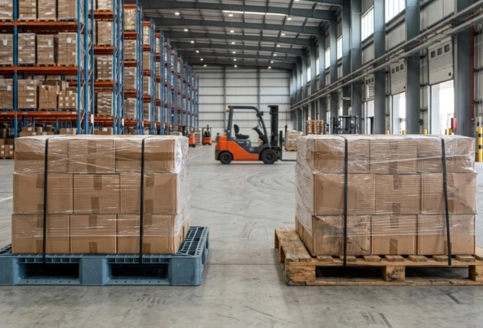
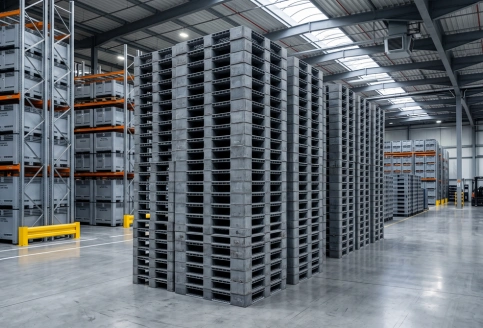
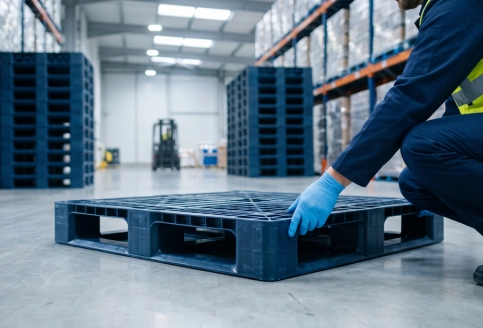
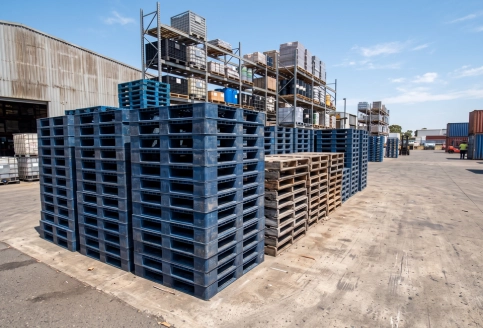
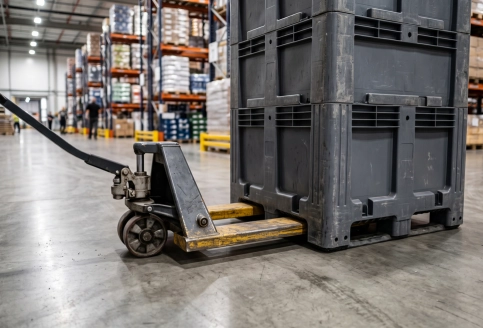
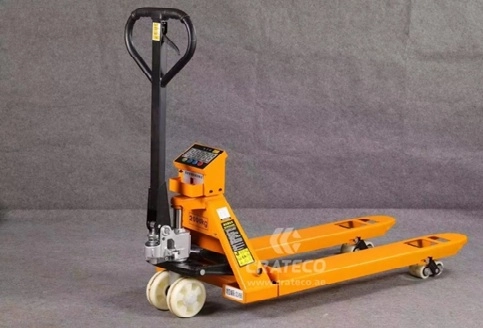
Businesses that work with a reliable plastic pallet supplier in the UAE can improve transport efficiency. Plastic pallets provide stable support for stacked fish crates and make loading easier.
Seafood waste leads to financial loss. Damaged or spoiled fish cannot be sold. This affects business performance.
Fish crates help reduce waste by protecting seafood from damage and contamination. Their drainage system prevents spoilage, and their strong design protects products during handling.
Lower waste increases profit and improves resource use.
Sustainability is important in modern fishing operations. Businesses want storage solutions that reduce environmental impact.
Plastic fish crates are reusable and recyclable. They last for many years and reduce the need for single-use packaging. This supports eco-friendly practices and lowers disposal costs.
Sustainable operations also improve brand image and customer confidence.
Fish crates provide strong financial value. Although they require an initial investment, they reduce long-term expenses. Businesses save money through lower replacement costs and reduced product loss.
Reliable storage also improves productivity and workflow. For seafood businesses, fish crates are a smart long-term investment.
The fishing industry continues to modernize. Businesses focus on efficiency, hygiene, and sustainability. Fish crate designs are improving to meet these needs.
Future developments may include stronger materials, improved cooling support, and more eco-friendly production methods. These innovations will help seafood businesses operate more efficiently.
Fish crates play a vital role in the fishing industry. They protect seafood, improve hygiene, and support safe transport. Their durable and reusable design reduces waste and lowers costs.
Modern fish crates help businesses maintain freshness from sea to market. They improve efficiency, protect product quality, and support sustainable operations. Investing in high-quality fish crates is a smart step toward long-term success.