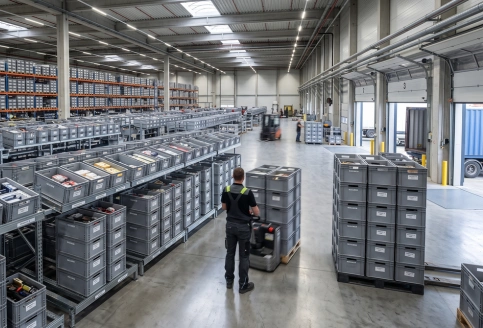

Moving heavy goods is part of daily warehouse work. But lifting, pushing, and pulling loads without the right equipment can put stress on the back, shoulders, and joints. Over time, this strain can lead to injuries and lower work performance.
Manual handling and ergonomics help reduce workplace injuries by matching the right equipment to each task. Platform trolleys, sack trucks, and manual pallet trucks make it easier to move goods without carrying their full weight by hand.
Safe pushing methods, proper load balance, and regular equipment checks also protect workers. In UAE warehouses, the right material handling tools are important for reducing muscle strain, fatigue, and the risk of accidents.
Manual handling means using physical effort to lift, lower, carry, push, or pull goods. It is common in warehouses, factories, retail stores, and industrial packaging areas. Ergonomics means designing work tasks and choosing tools that fit the natural movement of the human body.
When workers repeatedly bend, twist, or carry heavy items, their muscles and joints can become strained. The right trolley or pallet truck reduces the force needed to move goods.
It also helps workers keep better control of loads. A safer setup supports comfort, reduces tiredness, and makes daily warehouse work easier.
Poor handling methods can cause both sudden injuries and problems that develop over time. The risk increases when workers move heavy goods many times during a shift or work in awkward positions.
Common problems include:
Using mechanical handling aids can reduce the physical effort required for many tasks. However, workers still need proper training and safe working methods.
A trolley is a wheeled handling tool used to move goods from one place to another. It replaces much of the carrying effort with rolling movement. The best choice depends on the weight, size, shape, and number of items being moved.
A small two-wheel truck may suit stacked cartons, while a platform trolley is better for several boxes or flat items. Some models include adjustable platforms, brakes, or multiple shelves.
Choosing the correct trolley reduces bending, improves balance, and makes it easier to move goods through warehouse aisles.
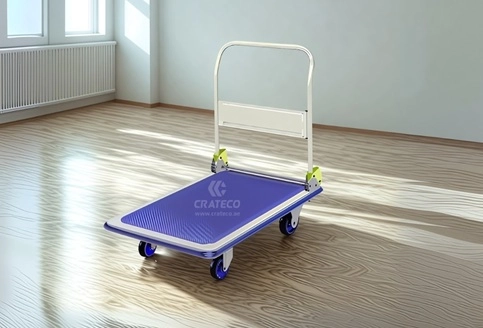
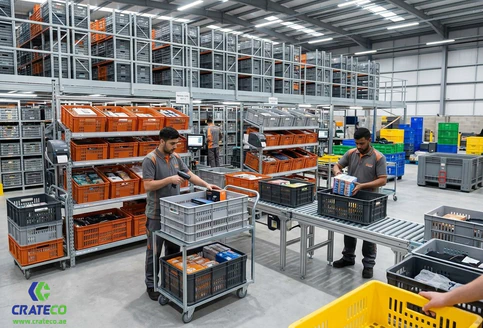
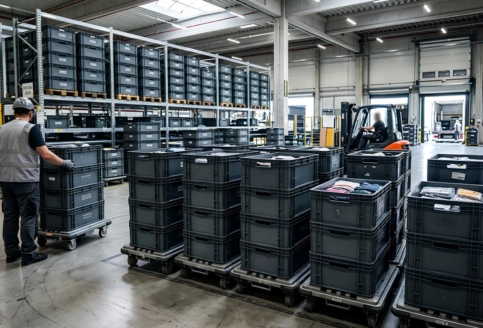
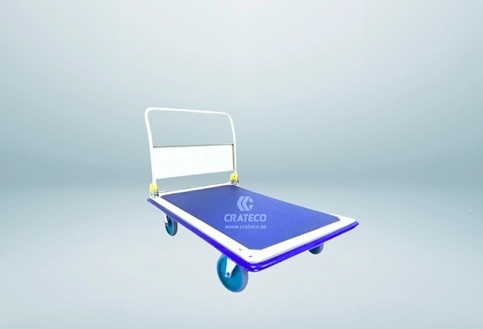
Platform trolleys have a flat base with wheels and a handle. They are useful for moving cartons, containers, tools, and other items across a warehouse.
Workers can place several goods on the platform instead of carrying them one by one. This saves time and reduces repeated lifting.
When choosing a platform trolley, check:
For warehouses with frequent picking work, a trolley with several shelves can help keep goods organized and reduce unnecessary bending.
A sack truck, also called a hand truck, has two wheels and a small base plate. It is useful for moving stacked boxes, bags, and other upright loads.
Instead of lifting a full stack, the worker tilts the truck back and moves it on its wheels. This reduces the need to carry the entire load by hand.
A good sack truck should have a strong frame, suitable wheels, and handles that provide a firm grip. The load must remain balanced while moving.
Workers should not stack goods so high that they block their view. Heavy items should be placed lower on the truck to improve stability and reduce the chance of tipping.
Some warehouses use height-adjustable trolleys to reduce bending during loading and unloading. These models can raise or lower the platform so goods stay closer to a comfortable working height.
Scissor lift trolleys are useful when workers repeatedly move items between different heights. They can help keep goods near waist or knuckle level, reducing repeated bending.
The lift must be used within its rated capacity. Workers should also keep hands and feet away from moving parts and pinch points.
These trolleys are helpful for packing stations, picking areas, and production work where goods are moved often.
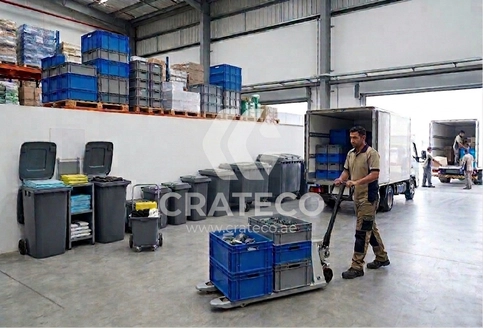
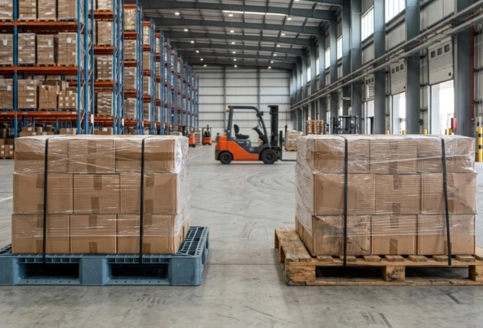
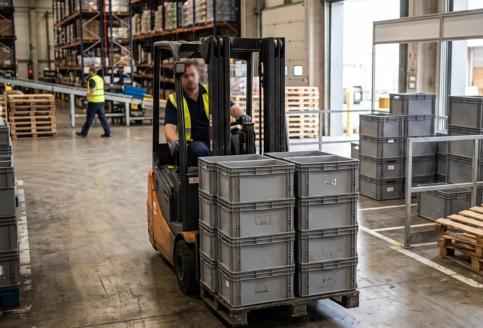
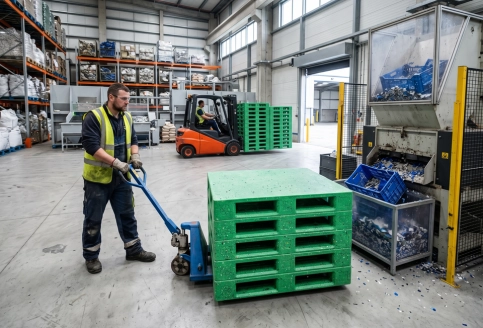
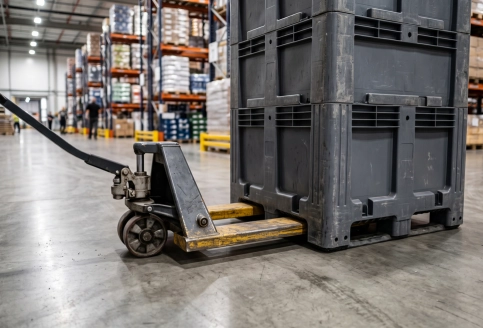
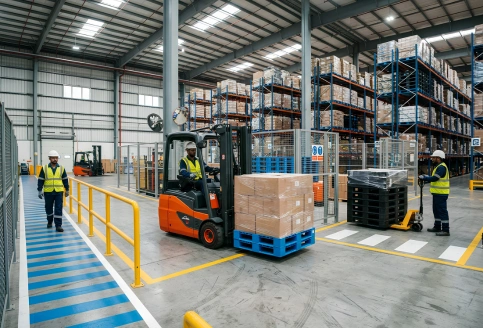
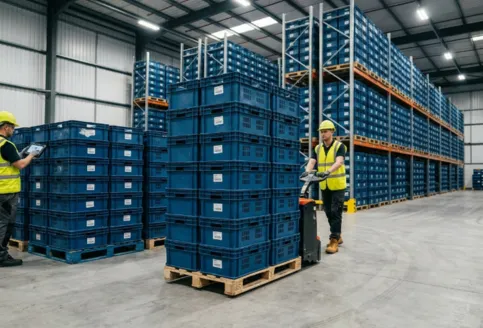
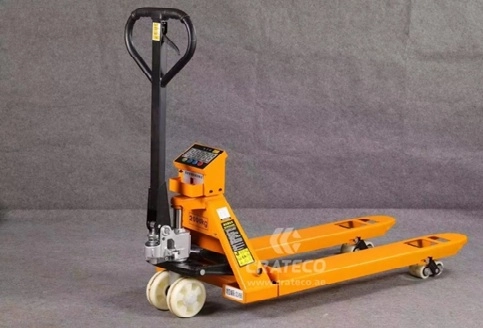
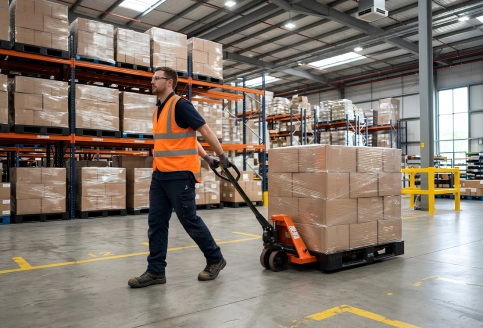
A manual pallet truck, often called a pallet jack, is designed to move palletized goods. It has two forks that slide under a pallet and a hydraulic pump that raises the load slightly above the floor.
This tool is useful for moving heavy goods without carrying them manually. It is common in warehouses, loading areas, factories, and industrial packaging operations.
The right pallet truck must match the weight and size of the pallets being moved. A standard model may not be suitable for unusually heavy or large loads. Always check the manufacturer's capacity and the warehouse floor conditions before use.
A pallet truck should safely support the heaviest load it is expected to move. The rated capacity must not be treated as a target weight to exceed.
Before choosing a pallet truck, consider:
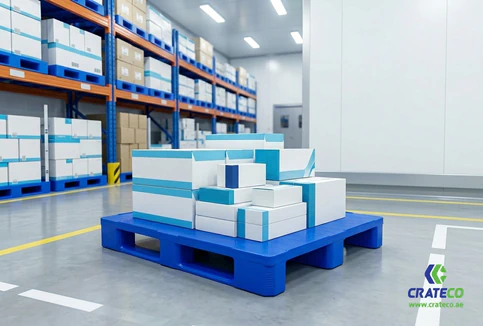
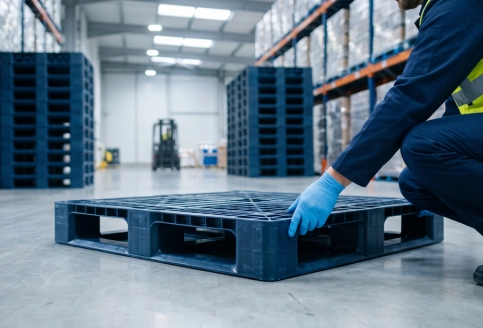
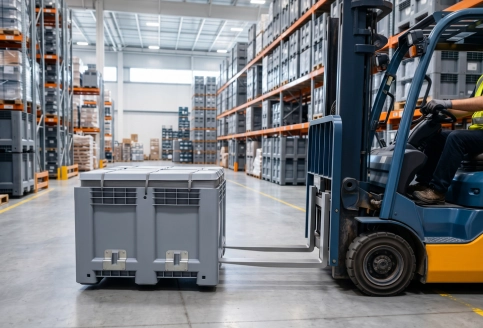
For warehouses using plastic pallets, check that the pallet design is compatible with the truck forks. The pallet should remain stable during lifting and movement.
A pallet truck is designed to lift a load only enough to clear the floor. Raising the forks too high can make movement less stable and increase the risk of tipping.
The load should be placed evenly across both forks. The forks must go fully under the pallet, and goods should not hang dangerously over the sides.
Heavy items belong at the bottom of the pallet, with lighter items above them. This lowers the center of gravity and improves stability.
Workers should move at a controlled speed and avoid sudden turns. Never carry a load that blocks the path ahead.
Good ergonomic design makes handling equipment easier to control. It reduces the force workers need to use and helps them maintain a more natural posture.
A trolley with poor wheels may require strong pushing force. A handle at the wrong height can cause workers to bend forward. A pallet truck with damaged steering can create extra strain on the wrists and shoulders.
Choosing equipment with suitable handles, wheels, brakes, and load support can make a major difference in daily work. The equipment should also match the worker's height, the task, and the warehouse floor.
Handle design affects how much effort a worker uses to push or steer a trolley. Handles should be easy to grip and placed at a comfortable height.
Wheels also affect the force needed to start and maintain movement. Larger wheels may roll more easily over small floor bumps, while suitable rubber or polyurethane wheels can help with grip and smooth movement.
Important features include:
A trolley should be tested with a normal load before being used for regular warehouse work.
Pushing is generally safer than pulling when moving wheeled equipment. It allows workers to use their body weight and keep a better view of the direction of travel.
Pulling can place more stress on the shoulders and back, especially when the load is heavy or the route is uneven. It may also increase the risk of twisting while steering.
However, pushing is not safe in every situation. The best method depends on the load, equipment, floor, and available space. Workers should follow the equipment manufacturer's instructions and use a method that keeps the load under control.
Good pushing technique reduces strain and improves control. Workers should avoid sudden force, awkward bending, and fast turns.
Follow these basic practices:
If a trolley is hard to move, stop and check the wheels, load, and floor before using more force.
The right equipment is only one part of workplace safety. Workers must also understand how to inspect handling tools, prepare routes, and move goods safely.
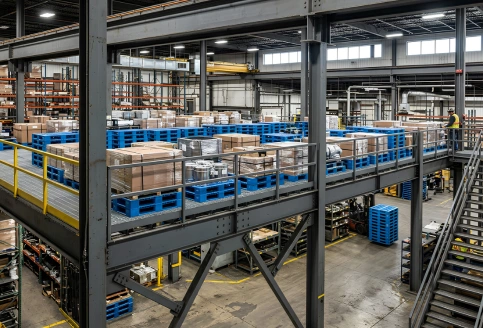
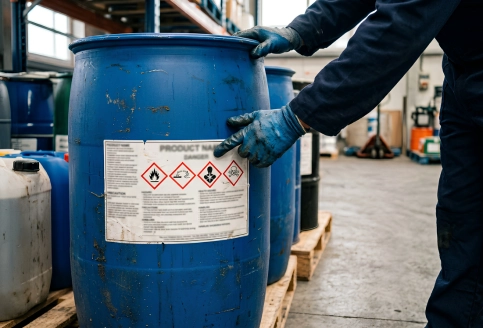
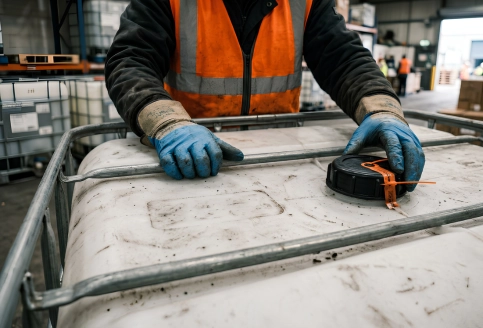
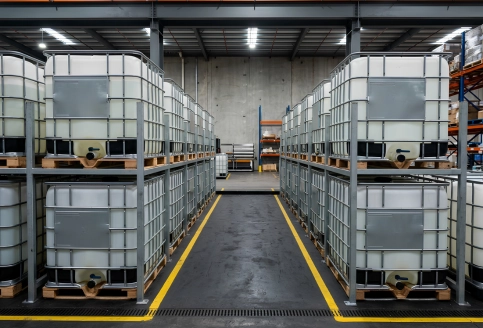
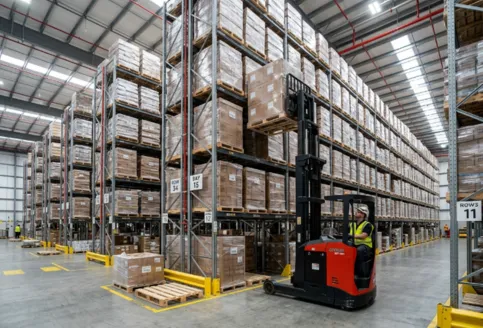
Warehouses in the UAE may handle heavy cartons, plastic products, pallets, drums, and other industrial materials. Heat, dust, uneven surfaces, and busy loading areas can increase handling risks.
A clear safety process helps workers avoid sudden stops, falling goods, and muscle strain. Supervisors should provide training and make sure workers use the correct tool for each task.
Equipment checks help identify problems before they cause an accident. A damaged wheel or weak hydraulic system can make a heavy load difficult to control.
Before each shift or use, check:
Do not use damaged equipment. Report the problem and have it repaired or replaced before returning it to service.
A clear route makes it easier to push loads safely. Debris, broken flooring, spilled liquids, and uneven surfaces can cause sudden stops or loss of control.
Before moving goods, check the route from the starting point to the destination. Remove obstacles and make sure the aisle is wide enough for the trolley or pallet truck.
Workers should also watch for people, open doors, and other equipment. In busy warehouse areas, marked pedestrian routes can help separate workers from moving loads.
Good housekeeping reduces trips, collisions, and unnecessary effort during material handling.
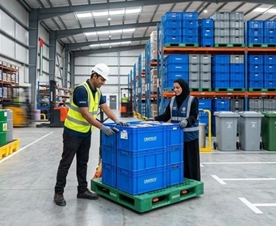
A balanced load is easier to move and less likely to fall. Goods should be placed close to the center of the trolley platform or evenly across the pallet forks.
Heavy items should stay low. Lighter items can be placed above them, provided the stack remains stable.
Do not overload a trolley or pallet truck. The total weight must remain within the rated capacity, and the load should not block the worker's view.
For loose cartons, crates, and containers, use suitable stacking methods or restraints when needed. Secure goods before moving through busy areas or over uneven flooring.
Even well-designed equipment cannot prevent injuries if workers do not know how to use it. Training should cover lifting, pushing, pulling, load balance, equipment checks, and safe movement.
Workers should learn how to recognize tasks that create high physical strain. Repeated lifting, long pushing distances, heavy loads, and awkward working heights may require changes to the process.
Supervisors can reduce risk by observing work methods and asking employees about discomfort or difficult tasks. Small changes, such as raising a work surface or using a trolley, can improve comfort and reduce repeated strain.
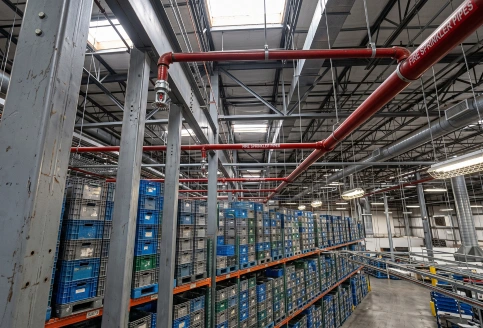
Ergonomics also applies to the layout of the warehouse. Workers should not need to bend deeply or reach far for items they handle often.
Useful improvements include:
These changes work best when combined with suitable trolleys and pallet trucks.
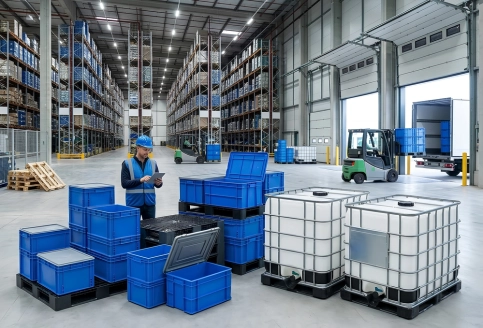
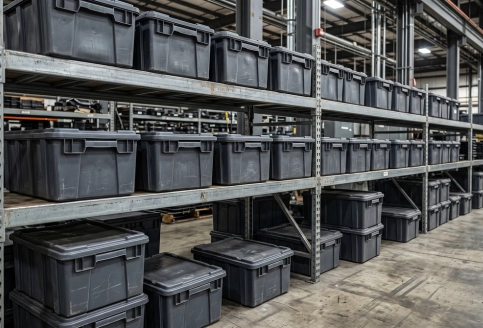
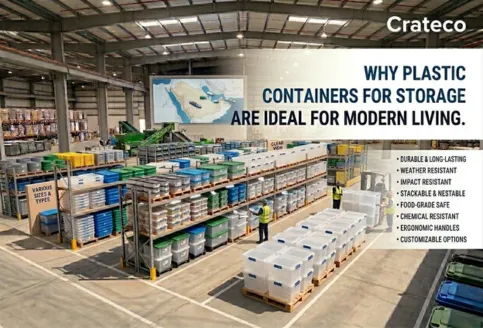
Industrial packaging affects how easily goods can be moved, stored, and stacked. The right packaging can help workers handle items more efficiently and reduce the need for repeated lifting.
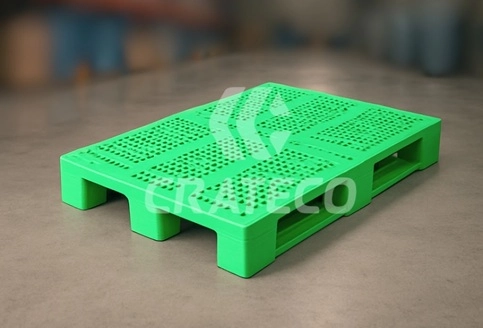
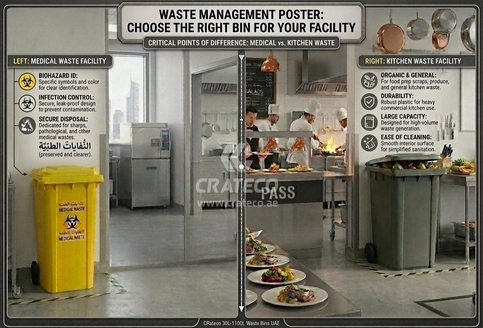
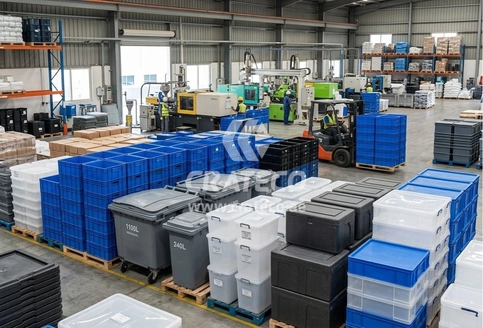
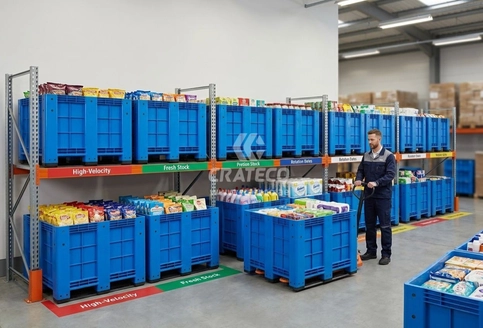
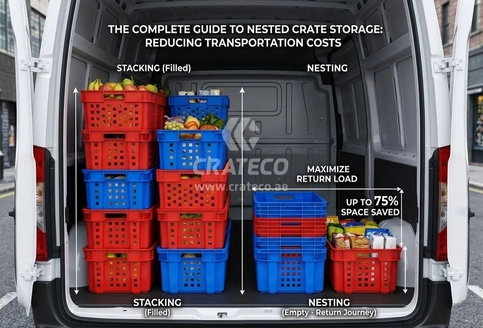
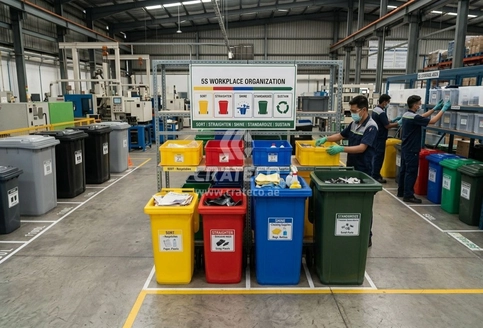
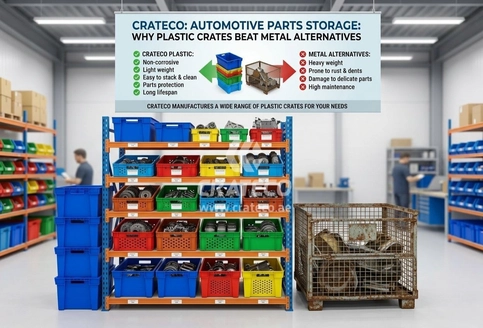
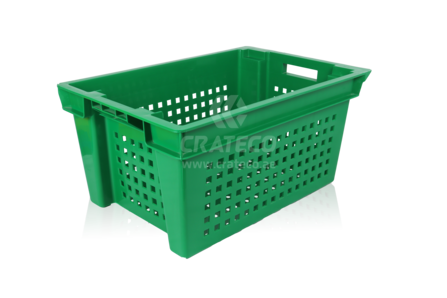
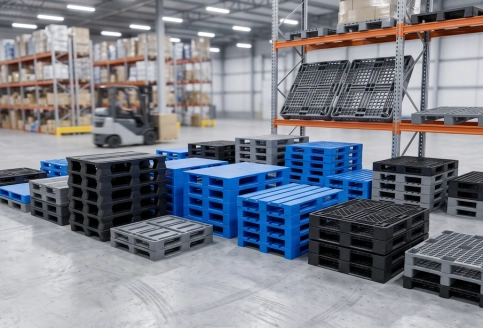
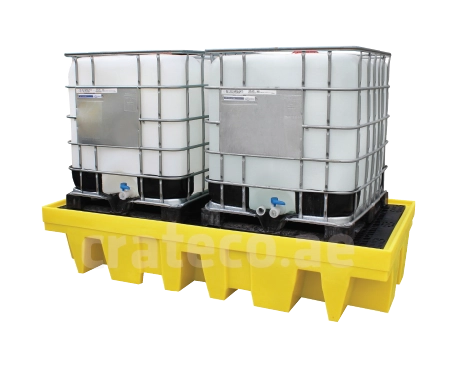
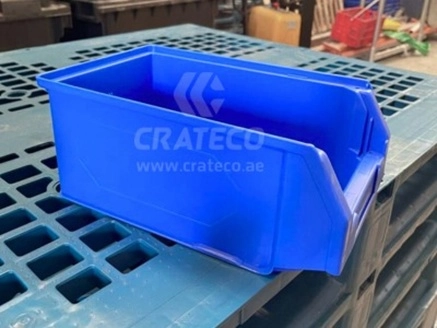
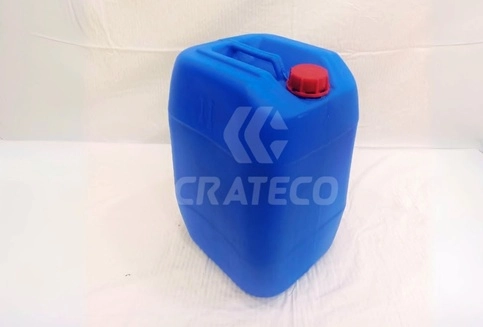
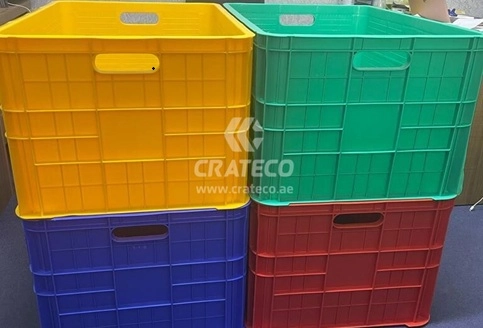
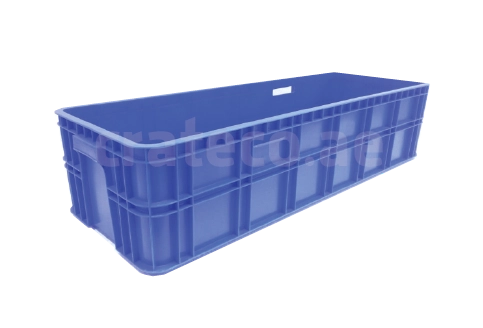
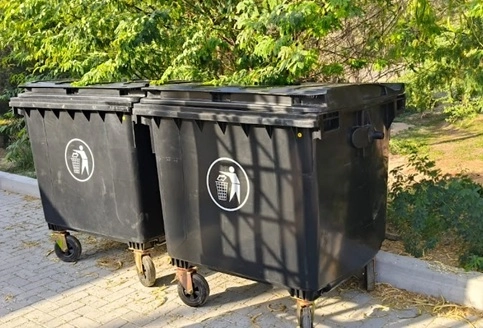
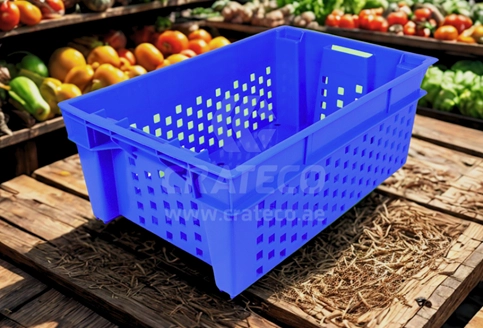
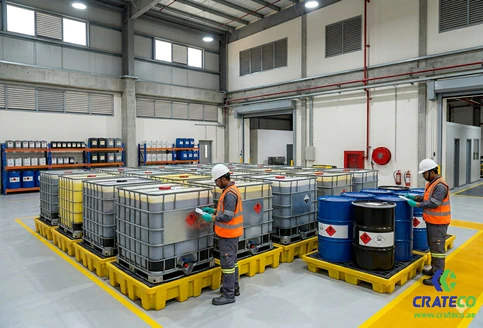
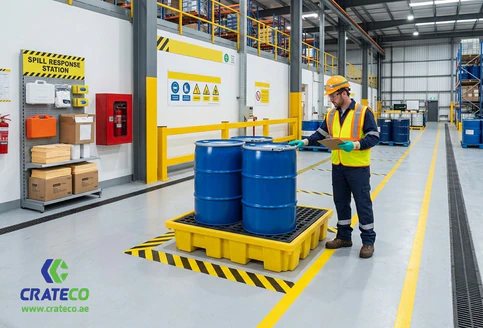
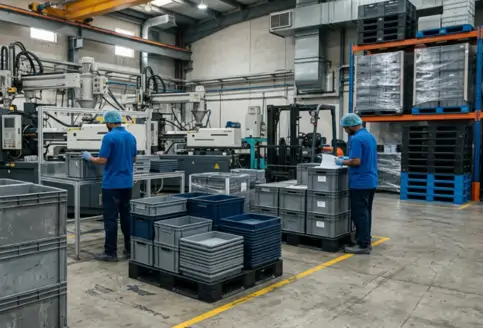
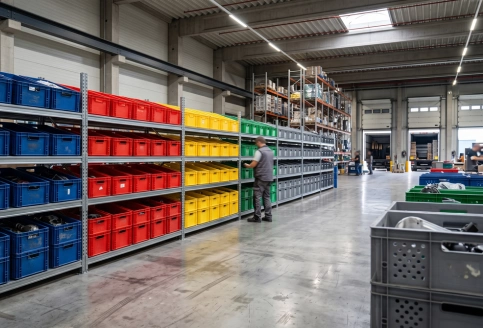
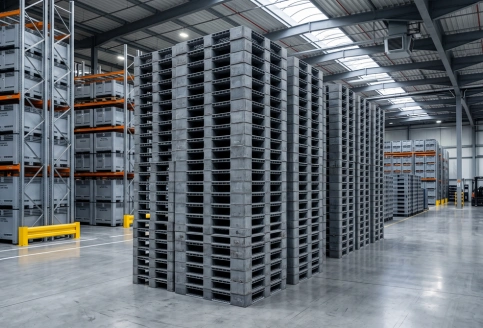
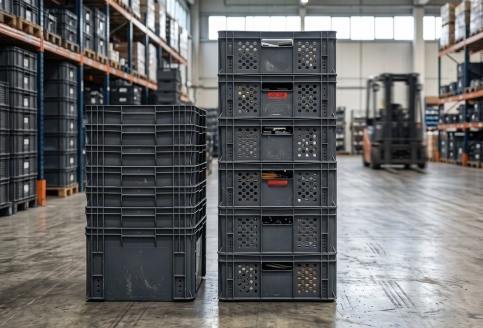
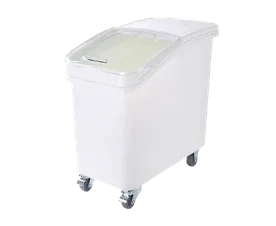
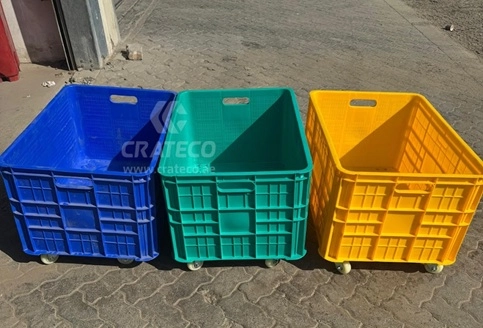
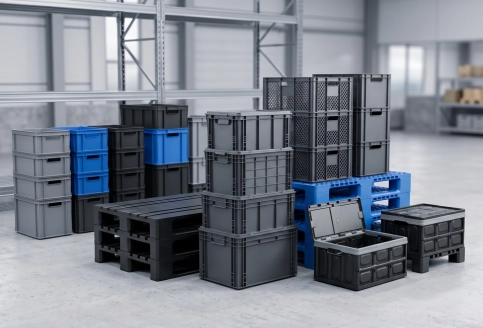
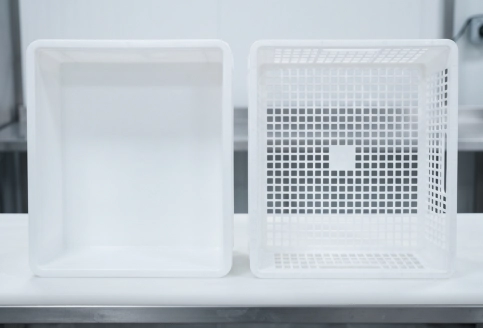
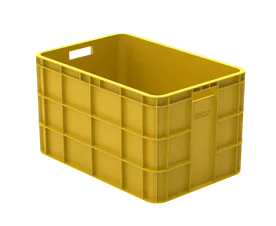
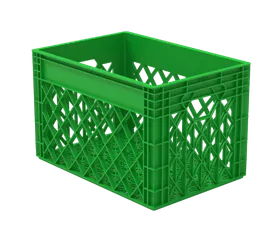
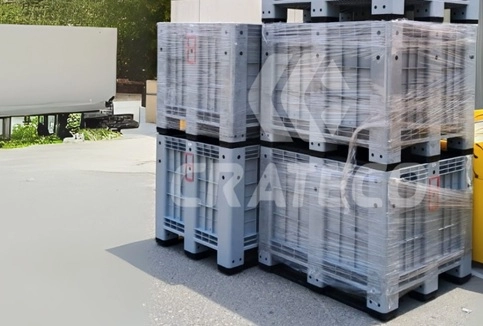
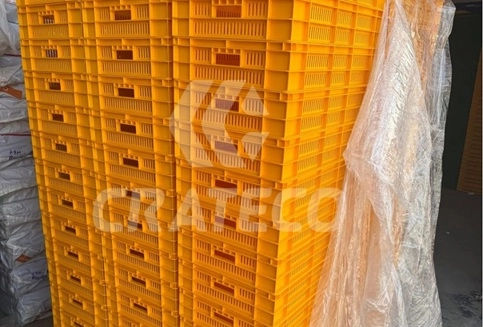
Plastic crates are useful for organizing smaller products and parts. Plastic pallets support goods during transport and storage. Spill pallets help contain leaks from drums or containers, while waste bins support organized waste handling.
When selecting these products, check the weight, size, stacking method, and handling equipment used in the warehouse. Packaging should match the storage system and the needs of workers.
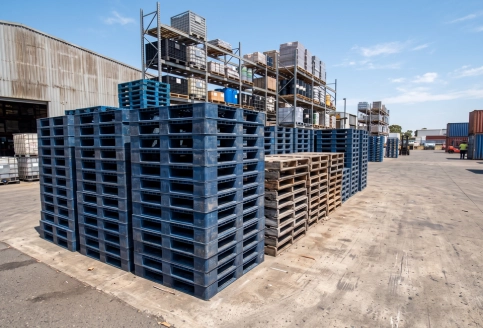
Plastic pallets and crates are useful for warehouses that need organized storage and regular movement of goods.
Plastic pallets can support products during transport and storage when their load ratings match the application. Crates help keep smaller items together, reducing loose goods and repeated handling.
Before choosing packaging, consider:
Well-matched packaging makes goods easier to move and can support safer warehouse operations.
Manual handling and ergonomics play an important role in reducing workplace strain and improving warehouse safety. The right trolley or pallet truck can replace much of the effort needed to carry heavy goods.
Platform trolleys suit multiple items, sack trucks help move stacked boxes, and manual pallet trucks support palletized loads.
Safe pushing methods, balanced loads, clear routes, and regular equipment checks also reduce handling risks. Workers should receive proper training and use equipment within its rated capacity.
For reliable industrial packaging products, Crateco Pack LLC is one of the best crate suppliers in the UAE, offering plastic pallets, crates, spill pallets, waste bins, and other solutions for warehouse and material handling needs.