Plastic packaging rules in the UAE have changed how businesses plan their packaging supply. For B2B buyers, the 2026 rules mean that several common disposable plastic food-service items can no longer be imported, made, or traded in the UAE.
Businesses must carefully review materials and switch to approved options such as bagasse, paper, cardboard, and certified compostable bioplastics. Buyers also need to review suppliers, product certifications, stock levels, and production needs before making the switch.
The expanded restriction is based on Ministerial Decision No. 380 of 2022 and is fully in force from January 1, 2026. It covers the manufacture, import, and trade of several single-use plastic products used in food service and retail.
The change affects businesses across the UAE, including restaurants, catering companies, hotels, food manufacturers, distributors, and other commercial buyers.
For procurement teams, the key point is that buying a product simply because it is labelled as recyclable or eco-friendly does not automatically make it compliant with UAE rules.
The restricted list includes many items that were common in daily food-service operations. These include plastic cups, plates, lids, cutlery, stirrers, straws, and food containers made from expanded polystyrene, also called EPS or Styrofoam.
Forks, knives, spoons, and chopsticks are also covered when they fall within the restricted single-use category. Businesses should review each SKU rather than assuming that an entire product range is allowed or banned.
Packaging buyers should also keep product specifications and supplier documents available for compliance checks.
The new rules make packaging procurement more than a simple price comparison. Buyers now need to check the material, intended use, certification, supplier records, and delivery capacity before approving a product.
A low-cost item that cannot meet UAE requirements can create much higher costs through rejected shipments, wasted stock, or supply delays. Procurement teams should therefore add regulatory checks to their purchasing process.
Product samples should also be tested before large orders are placed, especially when the replacement packaging will be used on automated filling, sealing, or packing equipment.
Terms such as "biodegradable" and "eco-friendly" are not enough to prove compliance. For certified compostable plastic products, buyers should look for recognized standards such as EN 13432 or ASTM D6400, along with proper supporting documents.
These standards relate to controlled composting performance and help show that a material has been tested against defined requirements. Procurement teams should ask suppliers for current certificates, test reports, and product specifications.
Keeping these records makes supplier checks easier and gives businesses stronger evidence when reviewing whether a replacement material meets the required standard.
Businesses have several material choices, but there is no single replacement for every use. Bagasse is useful for hot food because it is made from sugar cane residue and can provide good rigidity.
Kraft paper and cardboard work well for dry products and many takeaway uses, although wet or oily foods may need a suitable barrier coating.
PLA, or polylactic acid, is a plant-based biopolymer that can be used for certain applications such as cold cups and lids when the product meets the required rules and certifications.
Bagasse is made from the fibrous material left after sugar cane processing. It can be pressed into bowls, plates, trays, and clamshell containers with enough strength for many food-service uses.
It also handles heat better than many simple paper products, making it useful for hot meals and takeaway food. For B2B buyers, the main points to check are thickness, strength, temperature limits, grease resistance, and storage conditions.
Choosing the right specification is important because a cheaper container may not perform well during transport, stacking, or extended food contact.
Kraft paper and cardboard are practical options for many businesses that need lightweight packaging. They can be used for takeaway boxes, cartons, sleeves, trays, and other applications where high moisture resistance is not required.
For foods containing sauces, oils, or high moisture, buyers may need packaging with a functional barrier coating. Water-based coatings can provide added protection while keeping the package suitable for its intended use.
Businesses should compare compression strength, coating type, food-contact suitability, and sealing performance before replacing existing plastic packaging with paper-based products.
PLA is a biopolymer made from plant-based raw materials and is often used for cups, lids, and other clear packaging products. It can provide a plastic-like appearance while using a plant-derived material.
However, buyers should not treat every PLA product as automatically compliant. The finished product must meet the applicable UAE requirements and have the correct certification where required.
Procurement teams should check the exact product certificate rather than relying only on the supplier's general statement that the material is compostable, biodegradable, or plant-based.
The packaging change can affect sourcing, storage, production, transport, and customer service. Businesses that wait until existing stock runs out may face shortages or rushed purchases.
A better approach is to map every affected packaging item and create a transition schedule. Buyers should identify alternative suppliers early, request samples, confirm certifications, and test products under real operating conditions.
Long-term supply agreements may also help companies secure regular access to high-demand materials such as bagasse, certified paper packaging, and PLA products. This reduces the risk of sudden supply gaps and inconsistent product quality.
Supplier checks should cover more than price and delivery time. Buyers should confirm where the product is manufactured, what material is used, which standards apply, and whether the supporting certificates are current.
Product specifications should match the exact item being purchased because a certificate for one model may not cover another. Businesses can also ask suppliers about batch control, quality testing, storage requirements, and replacement lead times.
This creates a stronger procurement process and helps prevent problems caused by unclear product claims or incomplete technical documents.
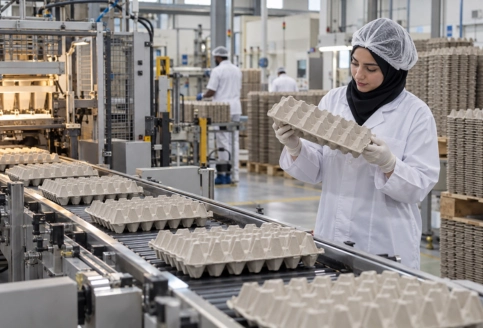
Changing packaging can affect production lines and product quality. A new tray may have different thickness, stiffness, heat resistance, or sealing behavior than the plastic item it replaces.
Food manufacturers, airlines, caterers, and large kitchens should run controlled trials before placing high-volume orders. Testing should cover filling, sealing, stacking, transport, temperature exposure, and customer handling.
Technical checks are especially important for automated equipment because even a small change in dimensions or material stiffness can affect machine performance, production speed, and waste levels.
Not every plastic product is treated in the same way under the rules. Certain products may qualify for exemptions, so businesses should check the exact scope before removing an item from their purchasing list.
Products manufactured specifically for export may be exempt when they are correctly labelled for export. Thin plastic rolls and bags used for hygiene or wrapping fresh meat, fish, vegetables, and bread are also among the stated exemptions.
Recycled-content plastic products manufactured locally in the UAE can also fall under an exemption. Buyers should confirm the current legal conditions before relying on any exemption.
| Packaging Area | Key Buyer Check |
|---|---|
| Single-use food items | Confirm whether the item is restricted |
| Compostable plastic | Check EN 13432 or ASTM D6400 certification where required |
| Bagasse | Test strength, heat, and grease resistance |
| Paper and cardboard | Check moisture protection and coating |
| PLA products | Confirm product-specific compliance and certification |
| Export packaging | Confirm export status and required labelling |
| Fresh food wrapping | Check whether the item meets the stated exemption |
| Recycled-content plastic | Confirm local UAE production and exemption conditions |
Non-compliant packaging can create problems at several points in the supply chain. A shipment may be rejected at the border, while existing stock may become difficult to use or sell.
Businesses can also face municipal fines, with penalties reported at levels reaching AED 2,000, along with possible commercial licensing consequences depending on the violation.
The financial impact can be larger than the fine itself because companies may also pay for disposal, replacement stock, urgent transport, and production delays. Strong supplier checks can reduce these risks before products enter the warehouse.
The 2026 rules show why packaging buyers need a long-term approach to material selection. Businesses serving the UAE and wider GCC should track local regulations, review packaging every year, and avoid depending on one supplier for critical items.
Early purchasing plans can help secure capacity when demand for compliant materials rises. Companies should also keep technical specifications, certificates, test results, and supplier records in one place.
This makes audits easier and supports faster purchasing decisions. Building relationships with reliable packaging manufacturers can also improve supply stability as regional demand changes.
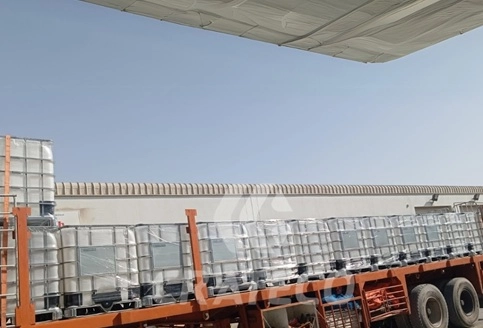
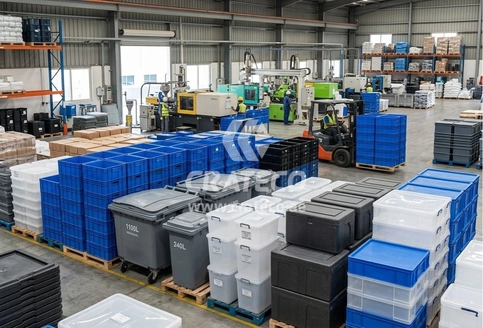
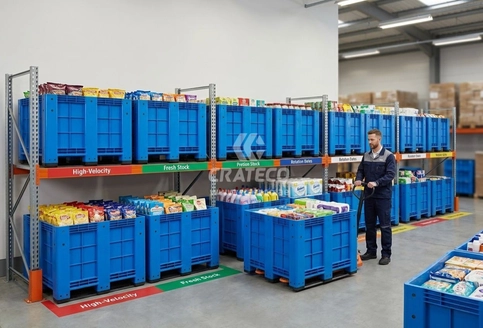
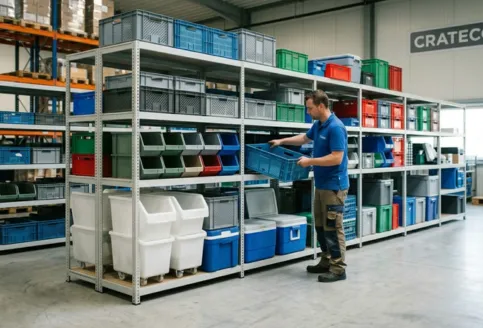
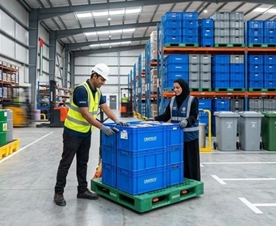
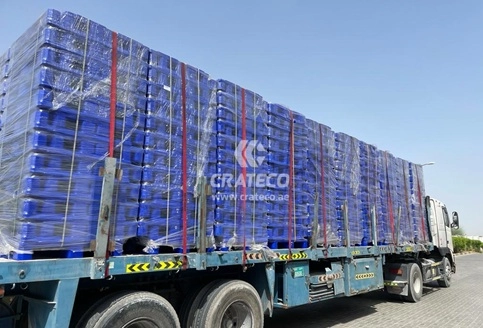
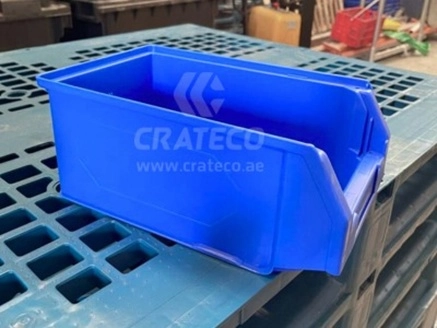
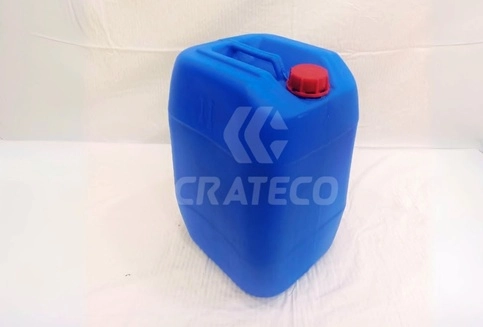
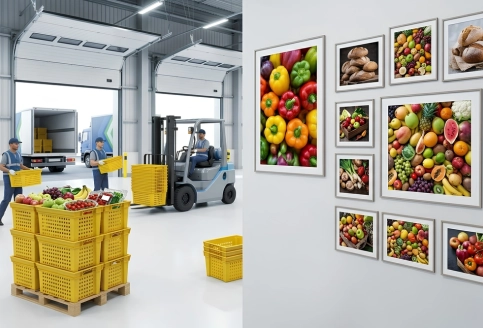
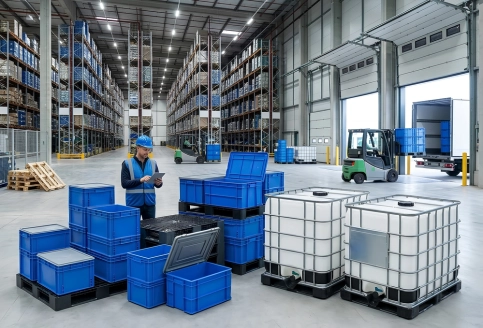
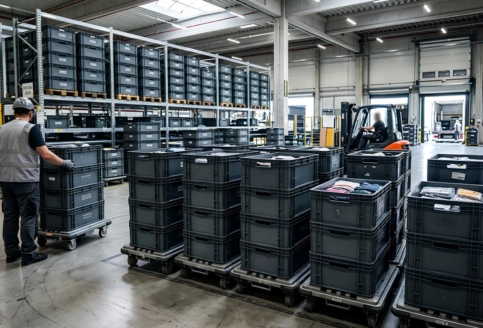
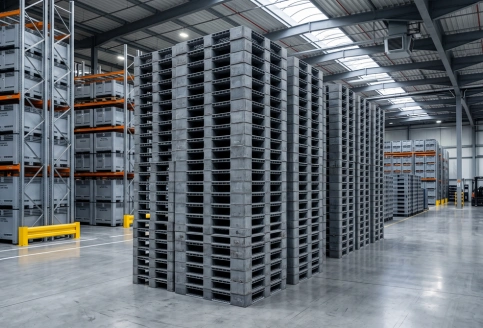
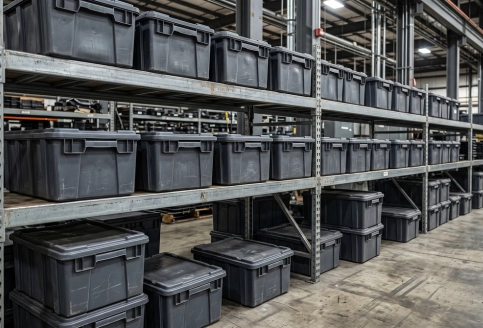
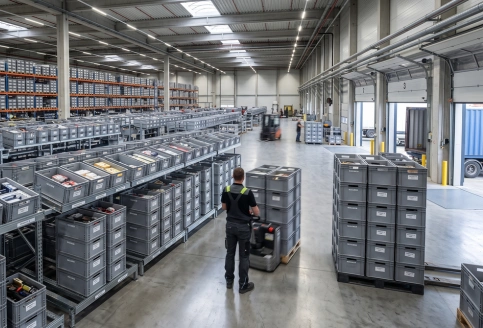
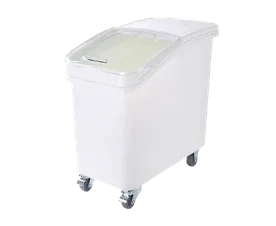
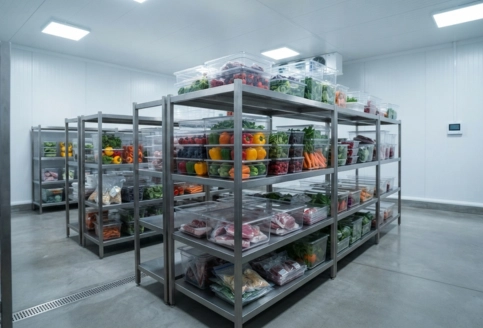
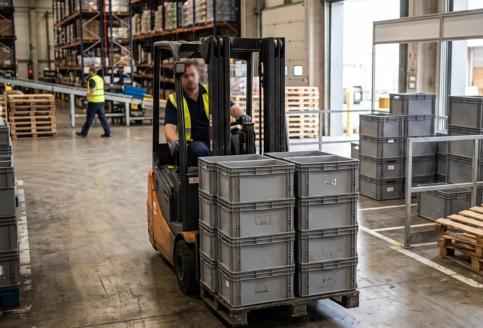
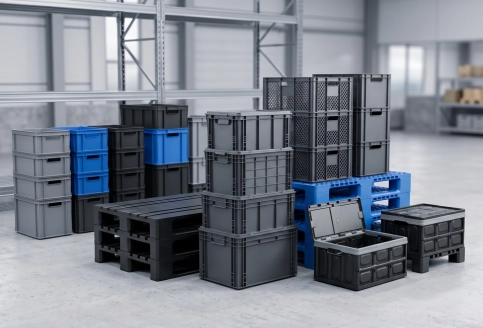
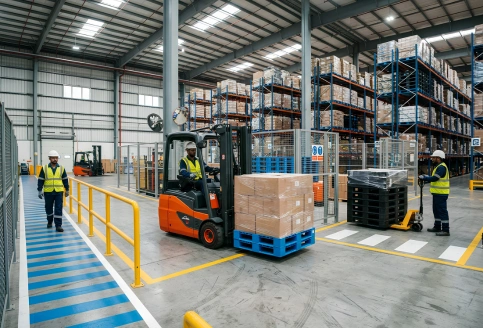
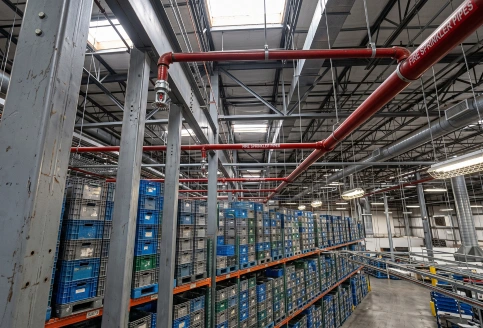
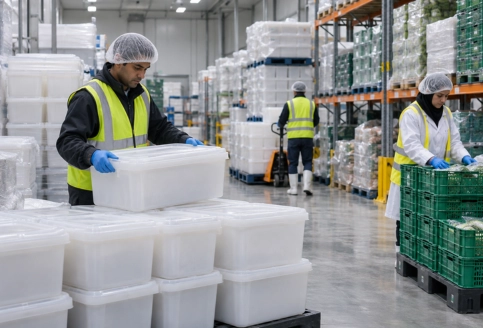
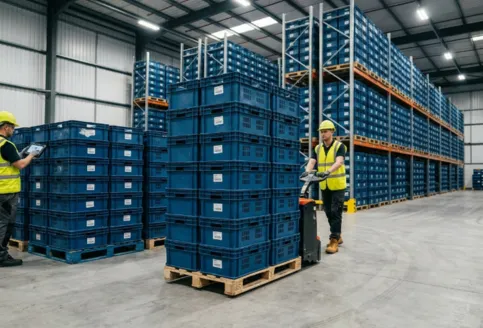
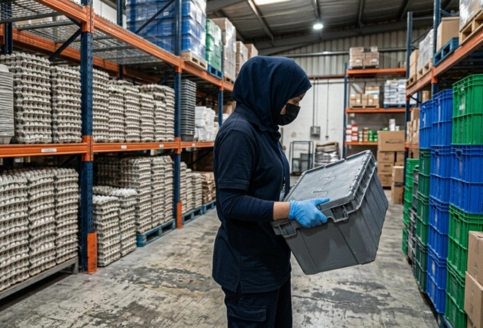
The single-use plastics rules mainly affect disposable products, but B2B companies should also consider reusable packaging where the application allows it. Different reusable plastic crates and pallets can support repeated handling between warehouses, factories, distributors, and customers.
They can reduce the need for disposable transport packaging while providing consistent dimensions for storage and material handling systems.
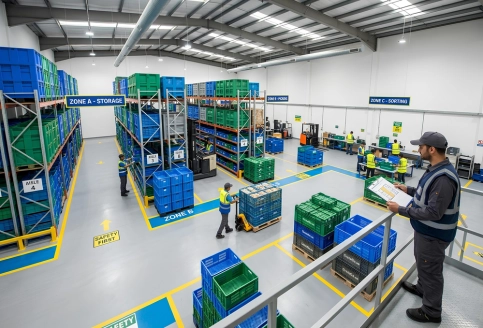
For businesses moving goods across the UAE and GCC, durable industrial packaging can also improve stacking, handling, and warehouse organization. The right choice depends on product weight, load type, cleaning needs, storage conditions, and transport cycles.
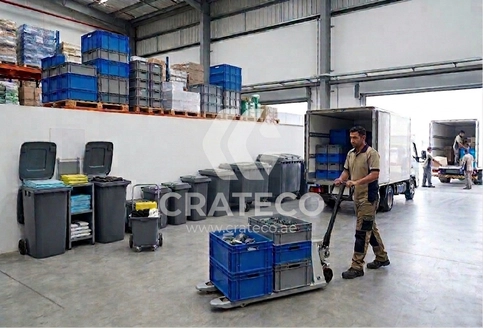
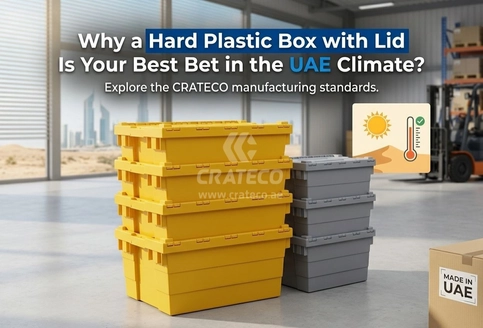
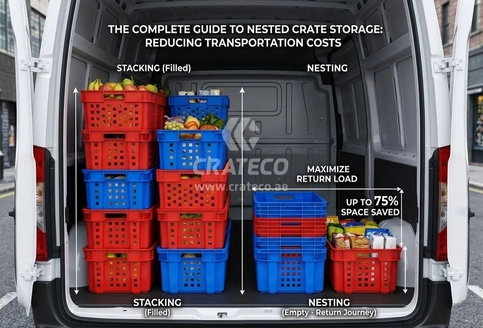
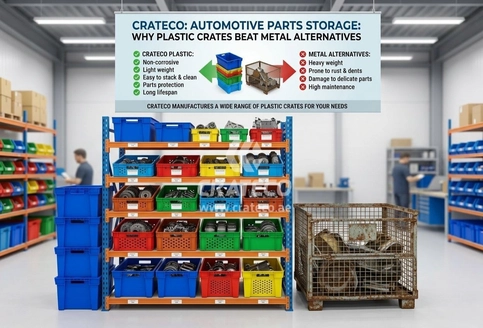
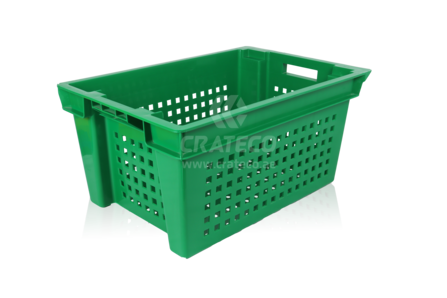
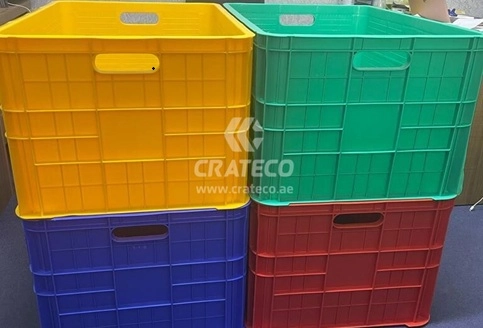
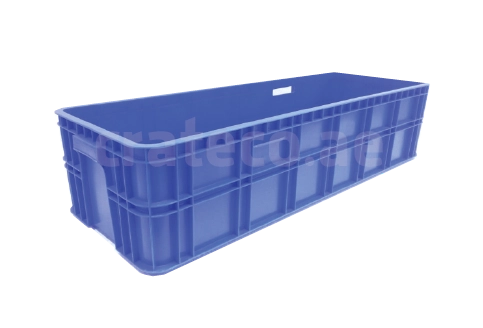
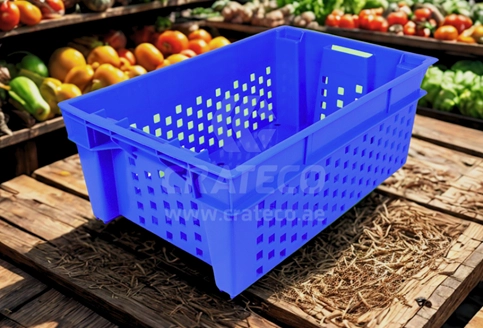
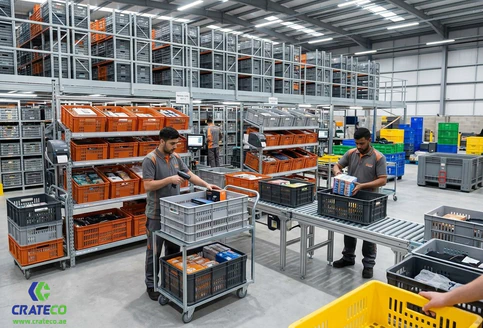
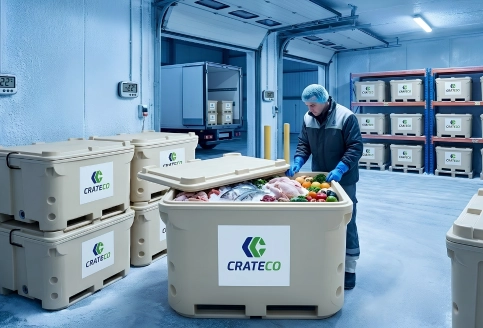
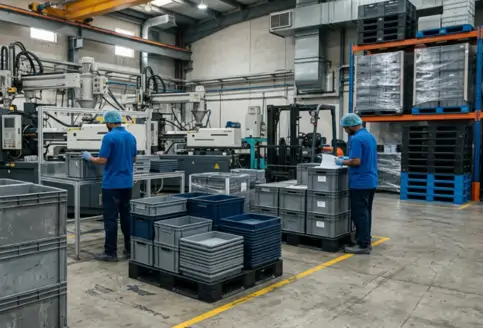
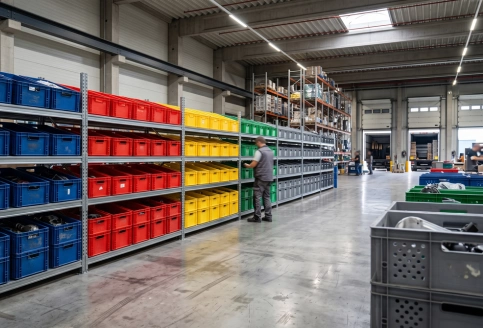
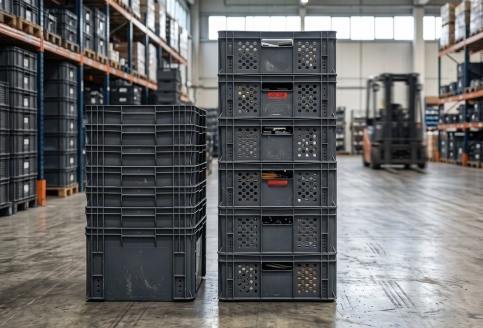
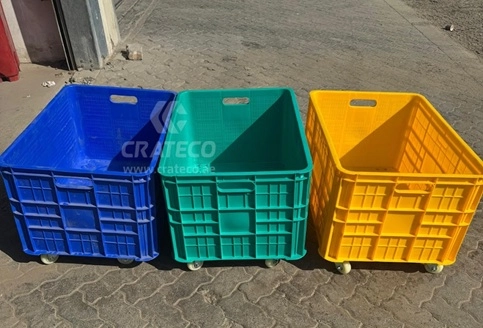
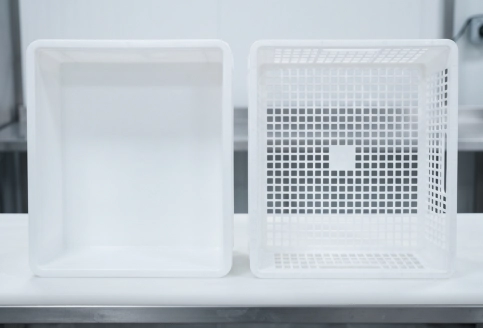
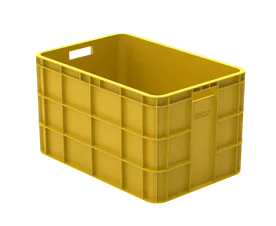
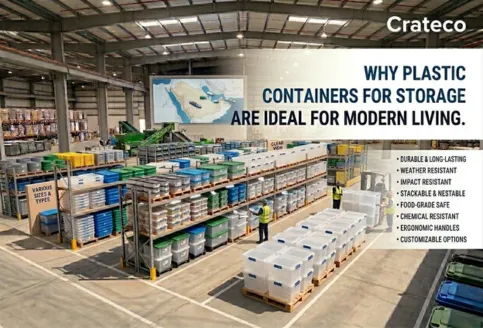
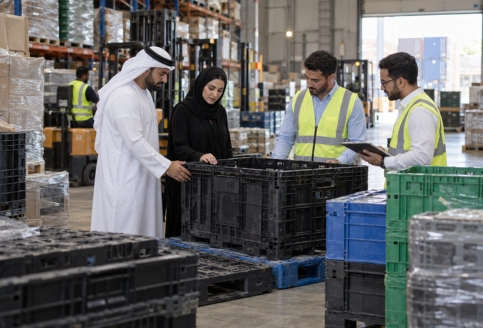
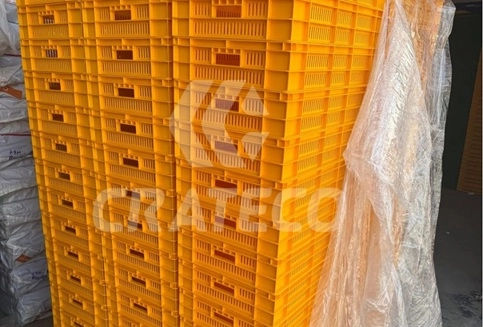
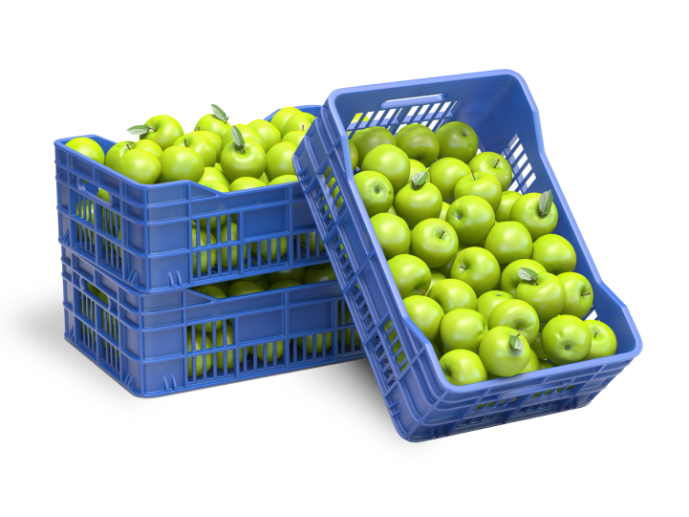
Reusable plastic crates are suitable for businesses that need strong containers for repeated movement and storage. They can be used across warehouses, production areas, distribution centers, and retail supply chains.
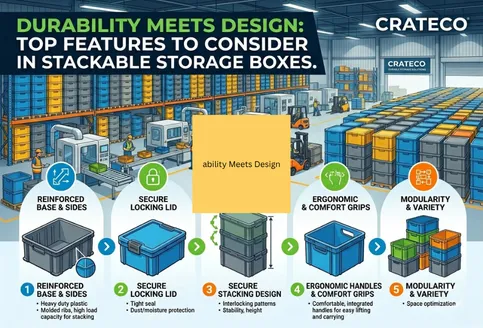
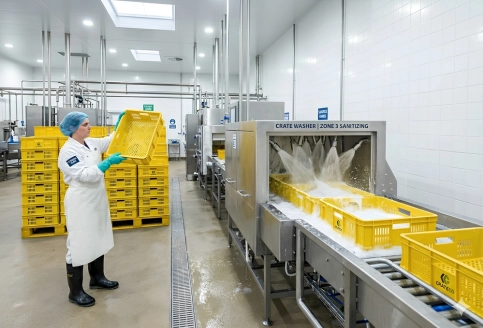
Their rigid construction helps protect products during handling, while stackable designs can make better use of warehouse space. Buyers should compare load capacity, dimensions, wall strength, ventilation, and cleaning requirements before selecting a crate.
For food, industrial, and logistics applications, choosing the correct crate design can help create a more reliable handling system without depending on disposable containers.
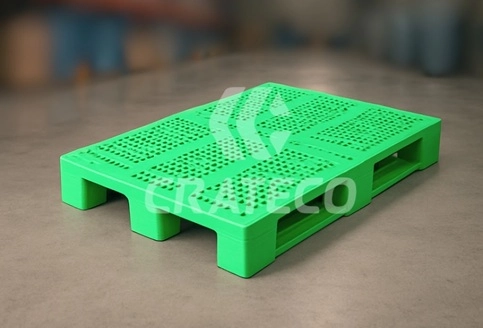
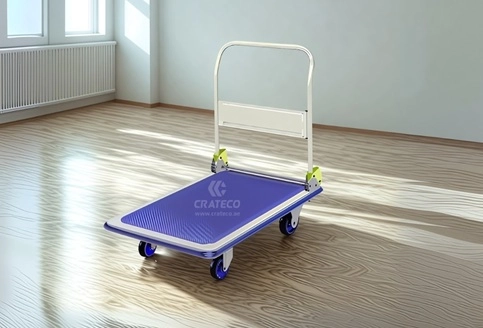
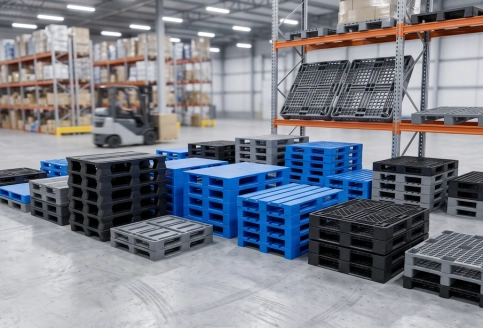
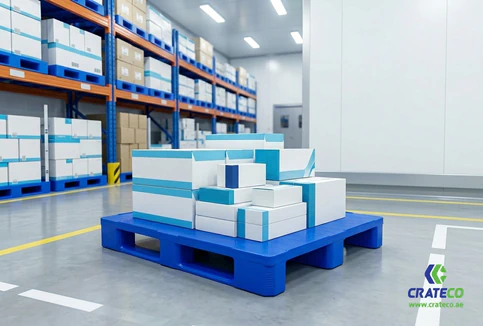
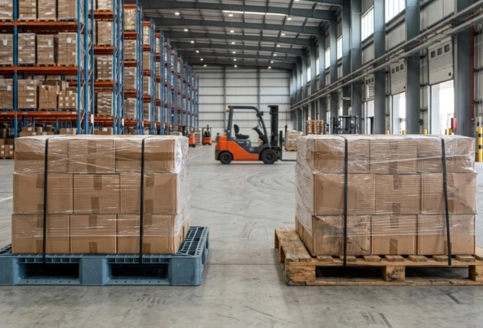
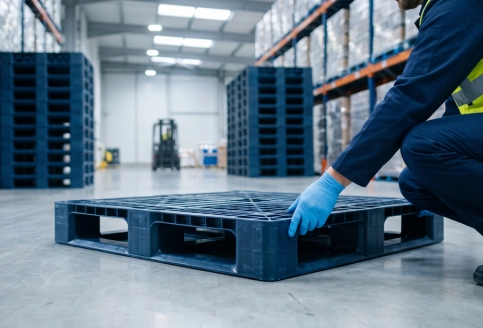
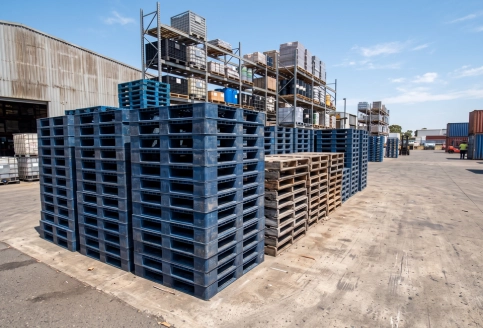
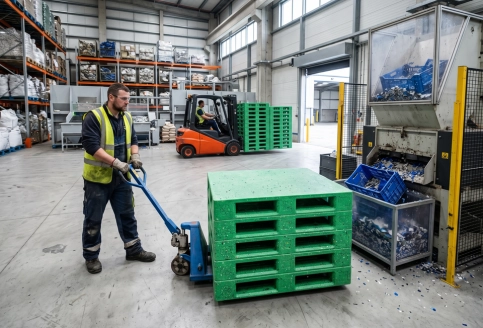
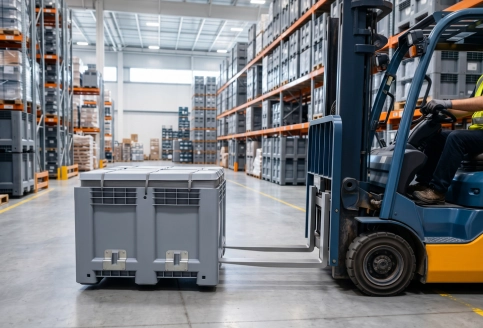
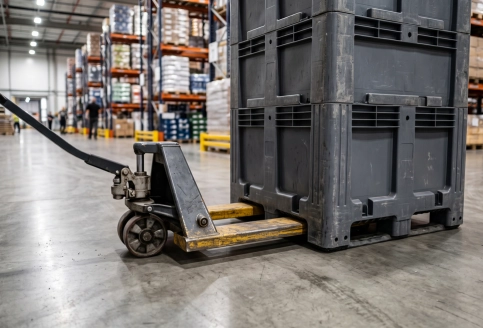
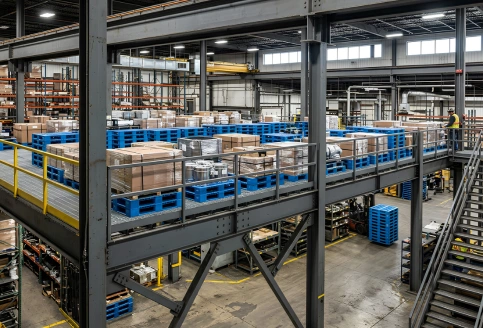
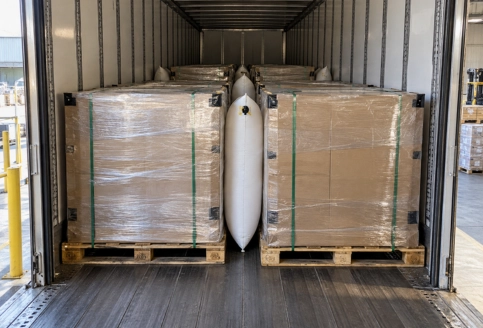
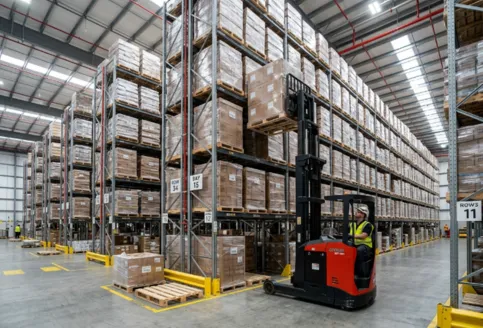
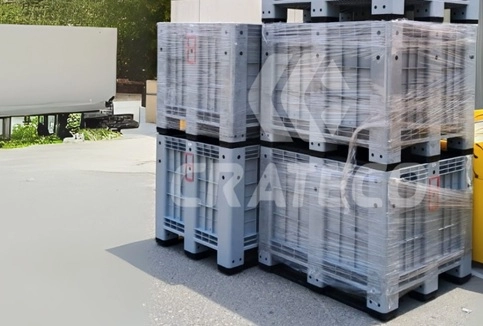
Plastic pallets can support repeated movement of goods through warehouses and transport networks. They are useful where businesses need consistent pallet dimensions, easy cleaning, and resistance to moisture.
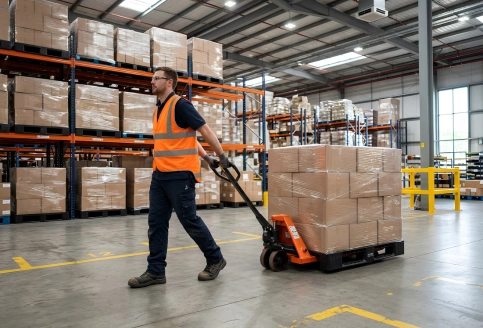
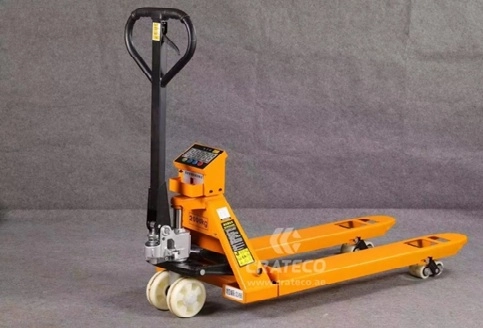
Buyers can select pallet designs based on static load, dynamic load, racking needs, and handling equipment such as forklifts or pallet trucks. For UAE operations, durable material is important because pallets may be exposed to heat, dust, and frequent handling.
A properly selected reusable pallet can support safer storage and smoother movement of goods across different parts of the supply chain.
The UAE's 2026 single-use plastics rules require B2B buyers to look beyond price when selecting packaging. Companies need to identify restricted items, check certifications, test replacement materials, and secure reliable supply before making large purchasing decisions.
Bagasse, paper, cardboard, and certified PLA can serve different needs, while reusable crates and pallets offer practical options for industrial transport and storage. Businesses that review their packaging early can reduce compliance risk and avoid sudden supply problems.
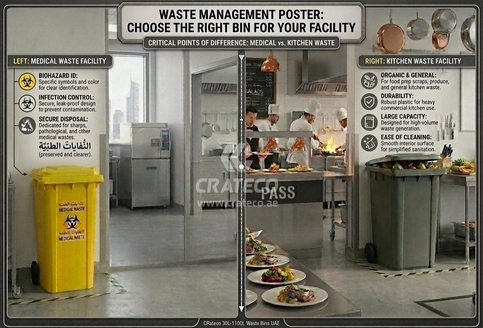
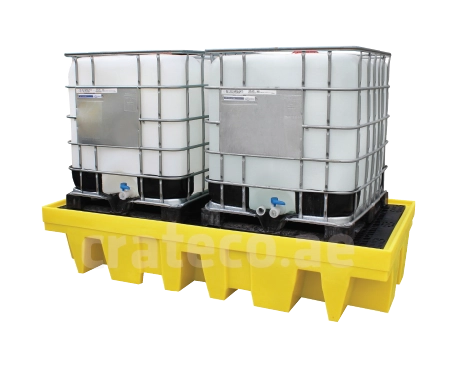
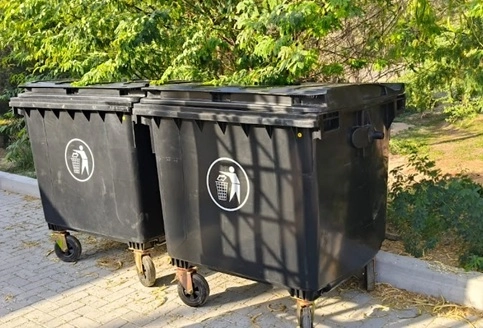
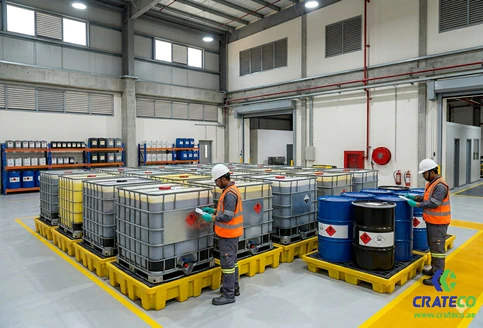
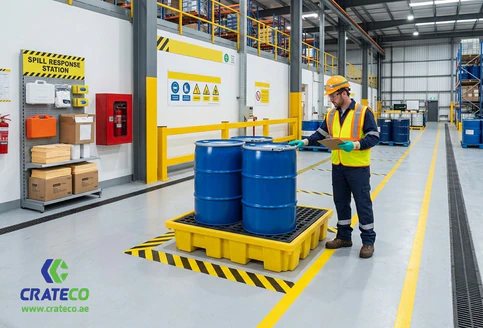
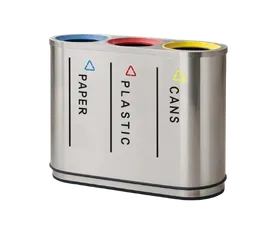
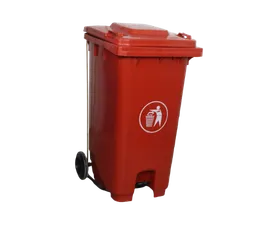
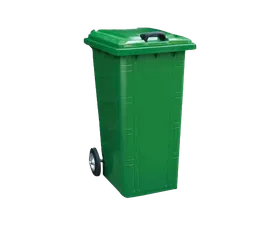
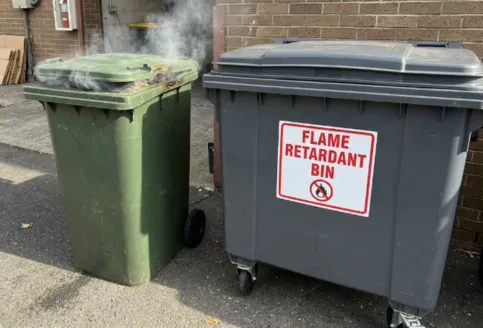
For reliable industrial packaging, Crateco Pack LLC is a leading crate supplier in the UAE, providing plastic crates, pallets, spill pallets, waste bins, and other material handling solutions for businesses across the UAE and GCC.