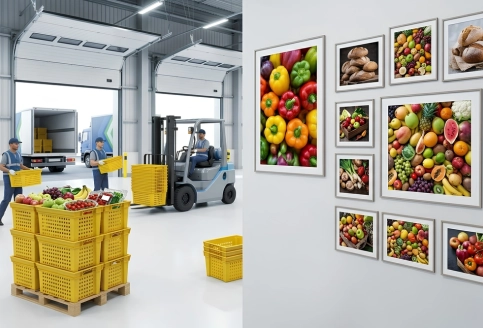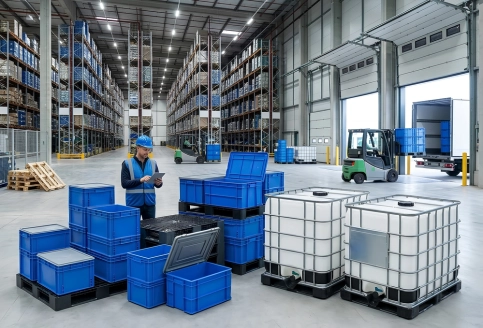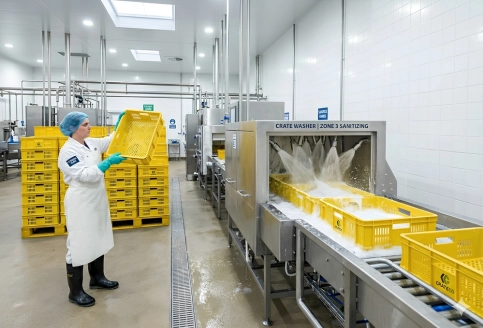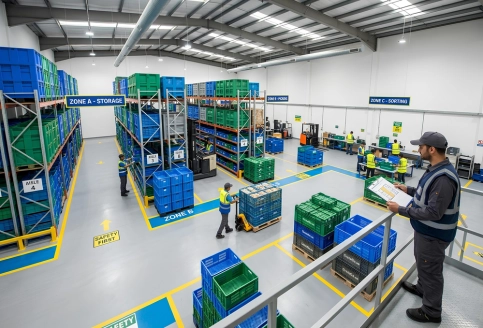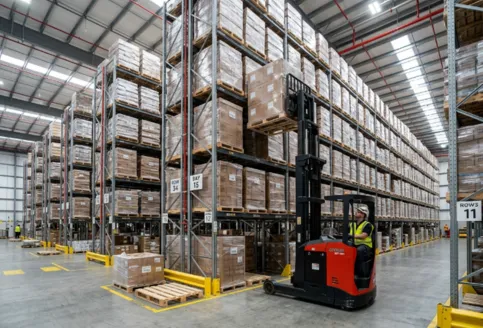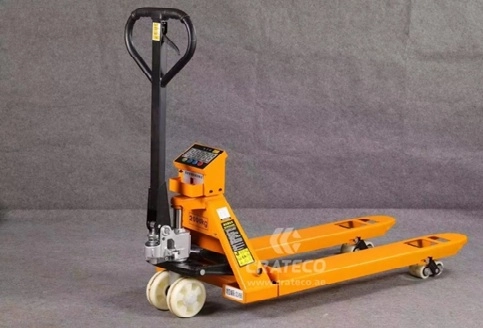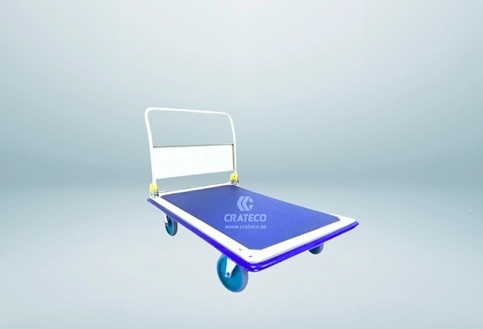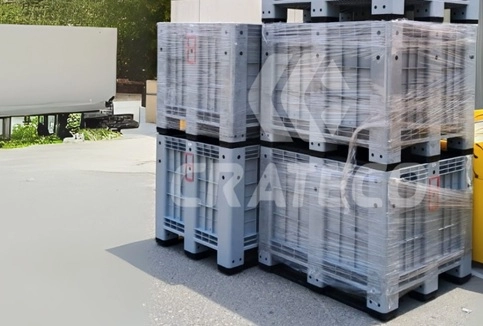
The 7 most impactful upgrades to e-commerce fulfillment picking systems in the UAE begin with one question: what are your products sitting in?
Customers in Dubai, Abu Dhabi, and Sharjah now expect same-day or next-day delivery. That pressure lands on your warehouse floor. More specifically, it lands on your picking system.
Order picking accounts for 55% of total warehouse operating costs. It is the single most expensive activity in any fulfillment center. Fix picking, and everything else gets better too: fewer errors, faster dispatch, and lower return rates.
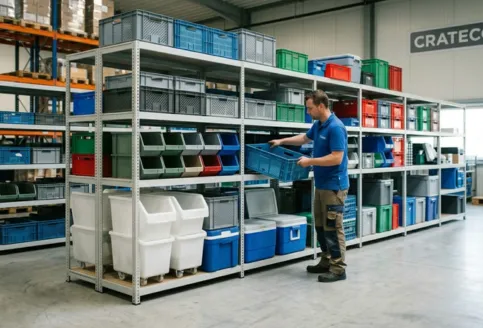
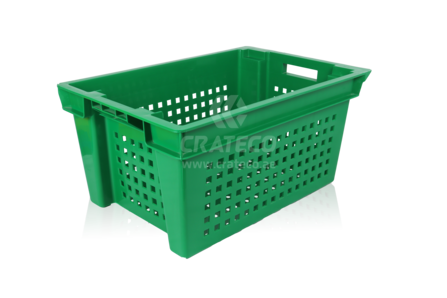
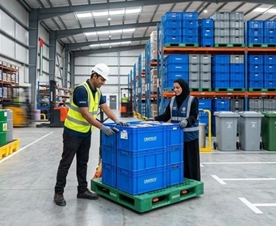
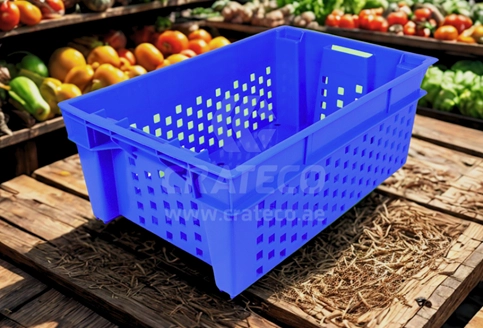
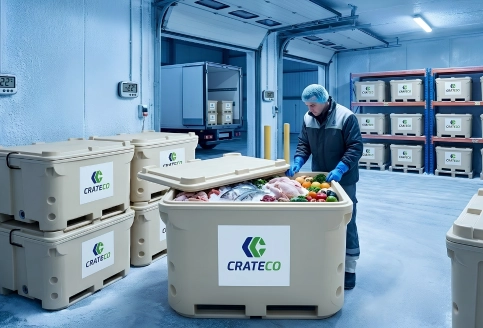
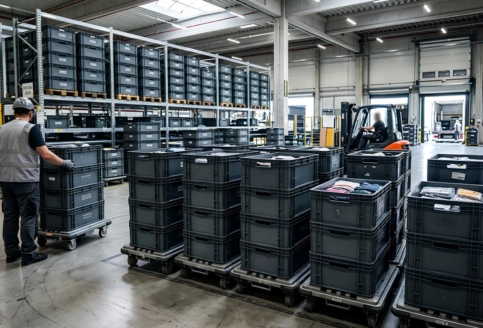
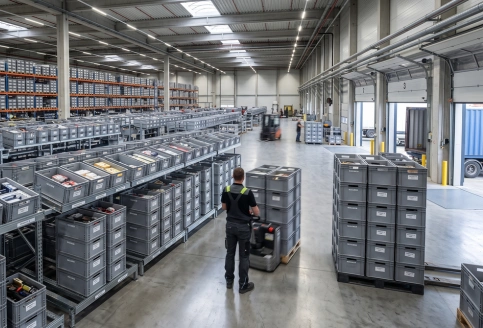
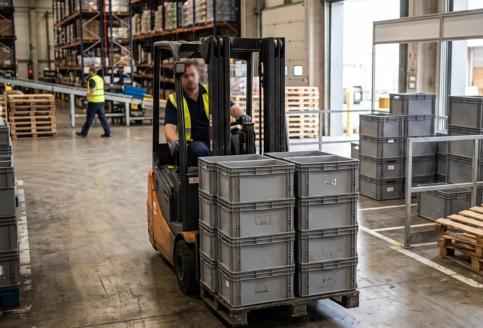
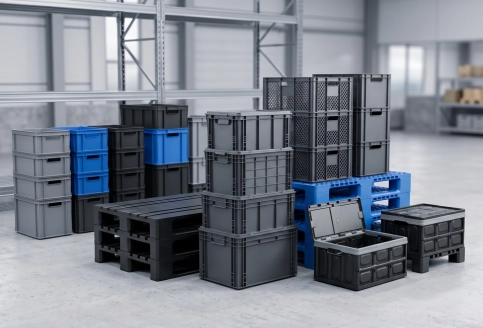
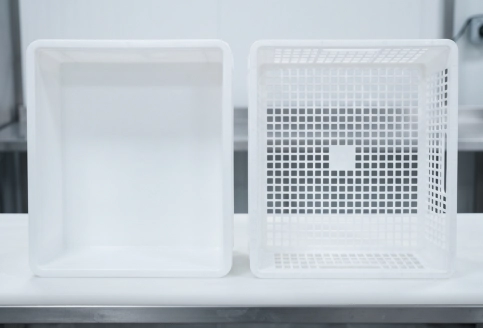
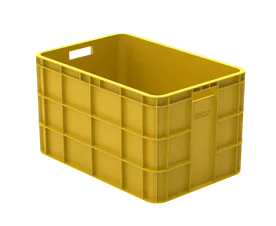
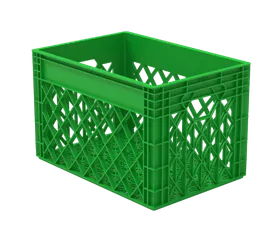
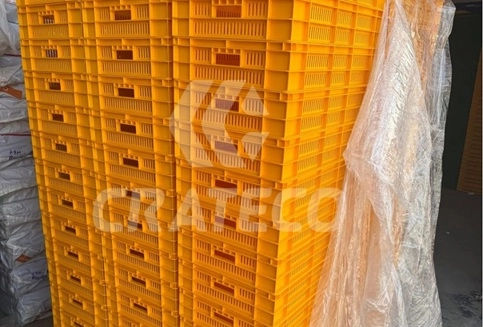
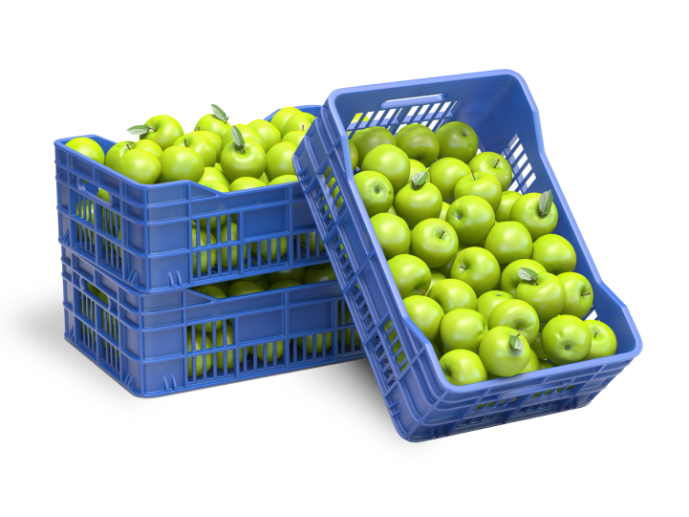
Ventilated crates are one of the best tools for building a faster picking system in the UAE. They are not just storage containers. They are the link between your inventory and your picker's hands. Get that link right, and the whole system runs smoother.
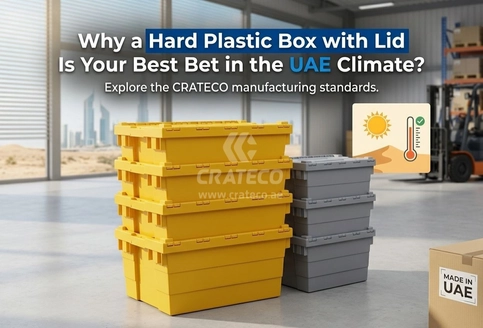
Heat is a real problem: Warehouses in Mussafah, Jebel Ali, and Sharjah hit temperatures above 45°C from June to September. Products in sealed containers trap heat. That heat melts adhesives, warps labels, and damages goods before a picker even touches them.
SKU variety is wide: Fulfillment centers often store food, cosmetics, electronics, and apparel together. Each product type needs different handling. One container type rarely works for all of them.
Delivery windows are short: Same-day delivery in Dubai means orders must leave the warehouse within two to four hours. Every second a picker spends searching or struggling with a container eats into that window.
These three challenges make a clear case for standardized, open-wall, ventilated crates as the base of any picking system.
Open crate walls mean pickers see the product before they touch it. In high-SKU environments, most pick errors come from misidentification. A picker grabs the wrong item from a sealed box and does not notice until packing. That becomes a return, a refund, and a reverse logistics cost.
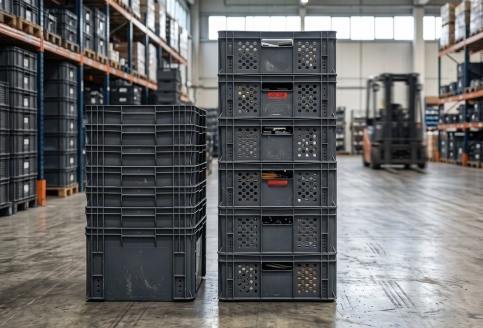
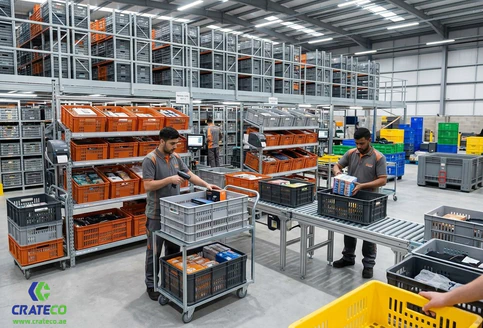
Ventilated crates stop that from happening. The product is visible from the aisle, from shelf height, and on the conveyor. Barcode labels on the crate face let WMS scanners confirm picks in under two seconds. No crate removal needed.
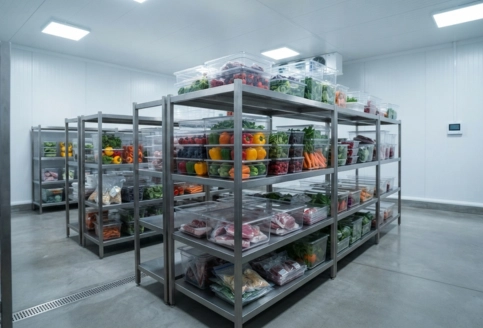
Air moving through ventilated walls stops heat from building up around stored products. In warehouses during summer, this matters a lot. Sealed containers absorb heat from the air, from equipment, and from sunlight through the roof.
Ventilated crates keep air flowing through the inventory at all times. Packaging stays intact. Labels stay readable. Seals stay secure. This applies from the moment goods arrive to the moment they are picked.
First-In-First-Out rotation happens naturally in open crates. Workers do not need extra time to check product age. FIFO is needed for food, medicine, cosmetics with expiry dates, and any dated product. In sealed containers, confirming rotation means removing items and checking dates by hand.
With ventilated crates on open shelving, pickers see product depth and stock order at a glance. Research on pick and pack planning shows that removing manual checks reduces idle time and lifts warehouse throughput. FIFO through ventilated crates is one of the easiest ways to make this work.
When all crates are the same size, pick paths work more reliably. Irregular containers force pickers to change their grip and angle at every shelf slot. That adds time to every single pick. Standardized crates remove that friction entirely.
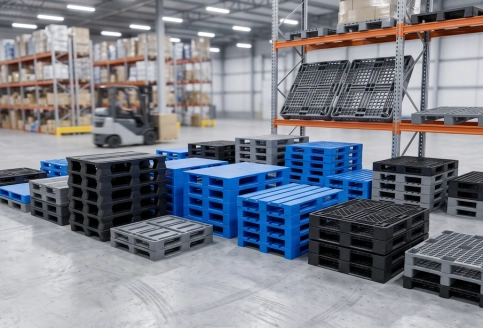
The Euro footprint of 600 x 400 mm fits standard shelving, conveyors, and pallet systems in warehouses, including JAFZA, KEZAD, and Hamriyah Free Zone. Research shows that storage assignment has a stronger effect on pick speed than routing methods alone. Standardized crates make both work better together.
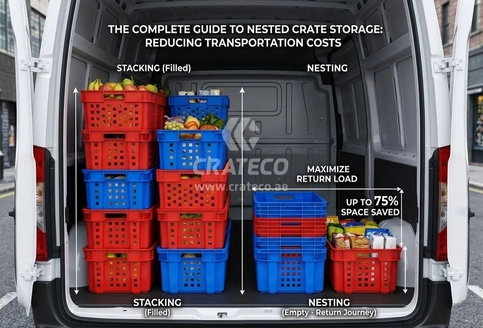
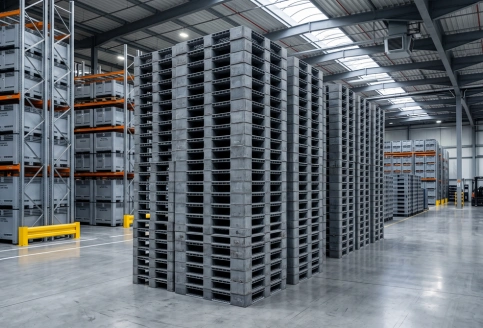
Nestable ventilated crates reduce empty storage volume by up to 75%. The UAE has clear peak seasons: Ramadan, White Friday, National Day, and back-to-school. After each peak, empty crates pile up fast. Without a nesting plan, those empties can take up 20 to 30% of your active floor space.
Nestable crates from Crateco fit inside each other when empty. In warehouses along Sheikh Mohammed Bin Zayed Road or in Al Quoz, where floor space costs are high, this saves real money every season.
HDPE ventilated crates last for 300 to 500 or more pick cycles before showing wear.
That durability adds up fast in a busy fulfillment center. A center doing 1,000 orders a day puts huge stress on its containers. Cardboard breaks down after one use. Thin plastic cracks under load.
Industry data confirms that plastic crates outperform cardboard in moisture resistance, heat range, and compatibility with automated handling systems. Over 12 months, the cost per cycle of a quality ventilated crate is much lower than any single-use option.
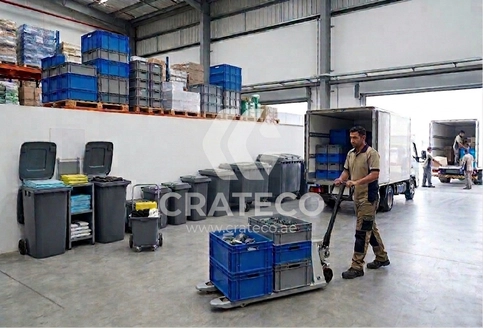
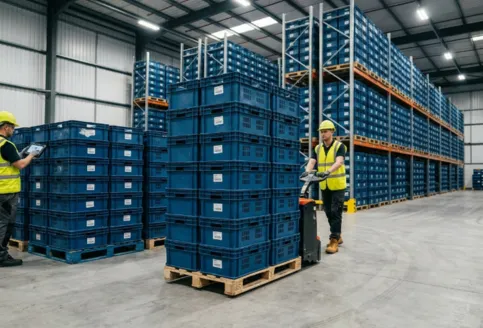
Flat-bottomed ventilated crates move smoothly on roller and belt conveyors. Irregular packaging jams conveyor transitions and confuses sensors. Standardized crates travel cleanly through pick zones, sorting areas, and packing stations.
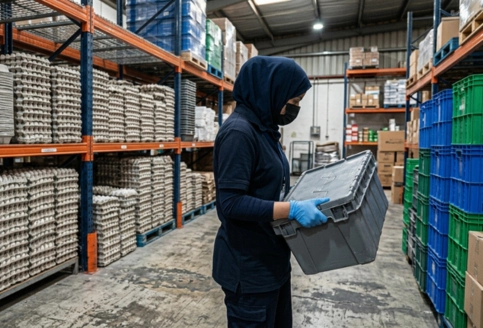
Add barcode labels on the crate face and connect to your WMS. Each crate becomes a trackable unit from inbound receipt to dispatch. This is critical for operations that need to hit same-day delivery across Dubai, Abu Dhabi, and Sharjah.
To build an efficient e-commerce picking system using ventilated crates, follow these 8 steps:
| Step | Action | Details |
|---|---|---|
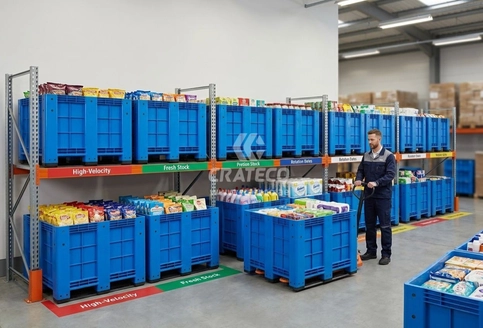
| Step 1 | Classify SKUs by Velocity | Split all products into three groups: fast (A), medium (B), and slow (C). Fast-moving SKUs go on the most accessible shelves, at waist to shoulder height. |
| Step 2 | Match Crate Size to Product Type | Small crates (400 x 300 mm) work for single-unit SKUs like cosmetics and packaged food. Medium crates (600 x 400 mm) suit bundles and boxed items. Jumbo crates handle bulk and seasonal goods. |
| Step 3 | Position Products by Velocity Zone | Put A-tier SKUs in the zone closest to the packing station. B-tier products go on secondary shelves within 10 metres. C-tier items go to the back of the warehouse. |
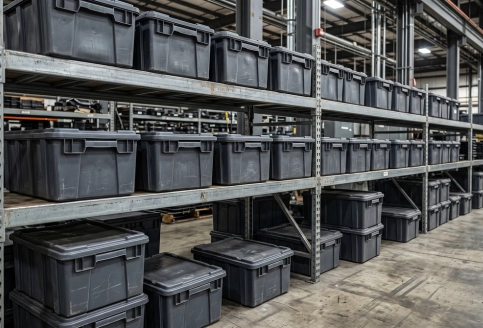
| Step 4 | Install Open Shelving with Euro-Compatible Bay Widths | Use shelving with 600 x 400 mm bays. Every ventilated crate slides in and out with no repositioning. Cantilever shelving keeps the crate face open and visible from the aisle. |
| Step 5 | Choose a Zone-Based or Batch Picking Method | Zone picking gives each worker a fixed area to pick from. It works well in large UAE centers with 10,000 or more SKUs. Batch picking lets one worker collect items for several orders at once. Research confirms that combining zone and batch strategies cuts travel time in high-SKU environments. |
| Step 6 | Label Every Crate Face at Eye Level | Put a barcode or QR label on the front of each crate. Scanners verify picks without removing the crate from the shelf. |
| Step 7 | Set Up a Crate Return and Cleaning Protocol | Place an empty crate nesting area near each pick zone. Empty crates nest inside each other, keeping aisles clear. A daily rinse with water and mild soap is enough. Ventilated walls dry fast. |
| Step 8 | Review Pick KPIs Monthly and Re-Slot Accordingly | Track picks per hour, error rate, and replenishment speed by SKU. Re-slot before peak seasons. Move Ramadan and Eid gift SKUs to the A-zone two weeks early. Move them back after the season ends. |
| Factor | Ventilated Plastic Crates (Crateco) | Closed Cardboard Boxes |
|---|---|---|
| Lifespan | 300 to 500+ cycles | 1 cycle |
| Heat resistance | Excellent (HDPE, UAE-rated) | Poor (collapses above 40°C) |
| Pick visibility | Immediate (open walls) | None (sealed) |
| FIFO support | Natural (open design) | Requires manual label checks |
| Empty storage | Up to 75% space saving (nestable) | Flat fold only |
| WMS integration | Barcode-ready, durable surface | Label degrades quickly |
| Cost per cycle | Lower over 12 months | High, recurring purchases |
| Heat damage risk | Low | High in UAE summer months |
The e-commerce fulfillment market was worth USD 2.37 billion in 2024. It is expected to reach USD 4.64 billion by 2030, growing at 11.9% per year.
Micro-fulfillment is the fastest-growing part of this market. The micro-fulfillment segment is growing at 29.8% per year and is forecast to hit USD 460.9 million by 2030. These small hubs near Dubai Marina, Downtown Dubai, Al Ain, and Sharjah city center depend on compact, standardized crate systems. Products must be picked by hand and restocked quickly.
Seasonal demand in the UAE is predictable. Plan your crate volume and slotting changes around these 4 peak windows:
| Peak Season | Period | Key Categories | Picking Impact |
|---|---|---|---|
| Ramadan | March to April | FMCG, gifting, food | A-zone crates need restocking two to three times a day |
| White Friday | November | Electronics, apparel, beauty | Orders surge by 200 to 400% |
| National Day | December 2 | Brand products, home goods | Sharp rise across all Emirates |
| Back-to-School | August to September | Stationery, apparel, electronics | Demand rises across Dubai and Abu Dhabi |
A Crateco ventilated crate system lets you reconfigure pick zones before each peak. No new shelving. No retraining.
| Mistake | Problem | Solution |
|---|---|---|
| Mixing container types in the same pick zone | Sealed boxes, open bins, and ventilated crates in one aisle make pickers slow down at every slot | Use ventilated crates for all pick-zone SKUs. Keep sealed containers in back-of-warehouse bulk storage |
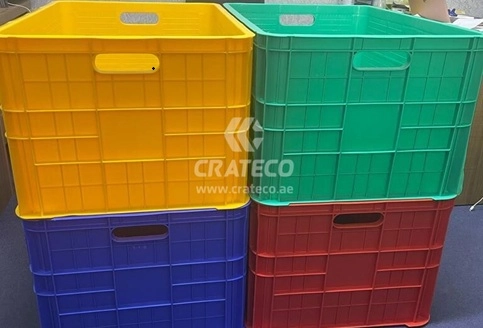
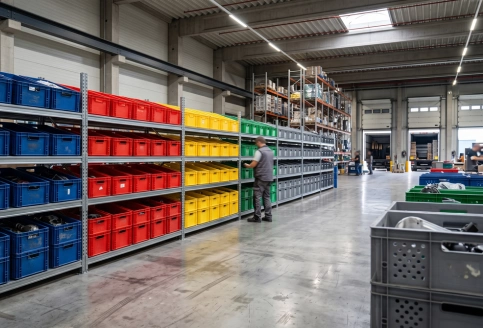
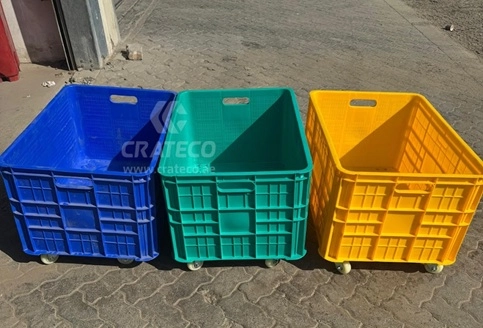
| No visual system to separate SKU tiers | Pickers cannot spot the right tier quickly in large operations | Color-coded crates let pickers spot the right tier at a glance. Blue for A-zone, green for B-zone, yellow for C-zone |
| Using undersized crates for heavy SKUs | Risk of breakage and injury when load ratings are not matched to product weight | Ventilated crates come in load ratings from 15 kg to 50+ kg. Match the load rating to the product weight before you deploy |
| Not accounting for empty crate volume | Empty crates eat up 20 to 30% of active floor space without a nesting plan | Nestable crates from Crateco remove this problem completely |
| Treating picking containers as a low-priority purchase | Extra weight, wasted depth, and opaque walls all slow down picks | A better container makes the whole picking system faster, with no other changes needed |
Crateco is the UAE's leading manufacturer and supplier of plastic crates. It is based in Ajman and serves clients across Dubai, Abu Dhabi, Sharjah, Ras Al Khaimah, Fujairah, and Umm Al Quwain. Crateco also exports across the GCC.
The 7 most important reasons UAE fulfillment operations trust Crateco include:
| # | Feature | Details |
|---|---|---|
| 1 | Wide Size Range | Ventilated crates in 8+ standard sizes, from compact 400 x 300 mm to jumbo configurations |
| 2 | Load-Rated Designs | 15 kg to 60 kg per crate for safe picking across all product categories |
| 3 | Nestable and Stackable | Built for high-frequency picking and seasonal return cycles |
| 4 | Food-Grade HDPE | Materials meeting UAE and GCC food safety standards |
| 5 | Custom Color Options | Visual SKU zoning and pick accuracy in large operations |
| 6 | Euro-Compatible Footprint | 600 x 400 mm sizing for WMS integration and conveyor compatibility |
| 7 | 24/7 Customer Support | Bulk quotes, technical guidance, and fast delivery across all Emirates |
A strong picking system starts with the right container. Ventilated crates give pickers clear sight of every product, keep goods safe from heat, and fit neatly into any WMS or conveyor setup. These are not small gains. They add up to faster orders, fewer errors, and lower costs every single day.
The UAE e-commerce market is growing fast and customer expectations are only getting higher. Warehouses that invest in the right tools now will handle peak seasons, same-day targets, and rising order volumes with far less pressure. Crateco ventilated crates are built for exactly that.