Hotline +971 50 3436 930 Export +971 50 3436 475

Return Logistics: Using Standardized Plastic Containers for Reverse Supply Chains

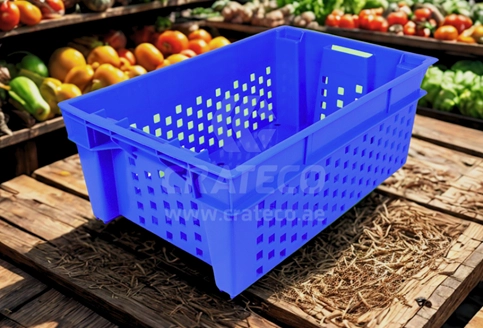
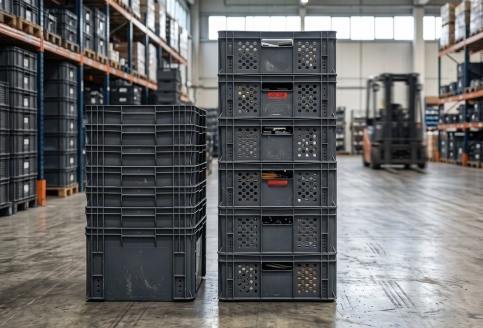
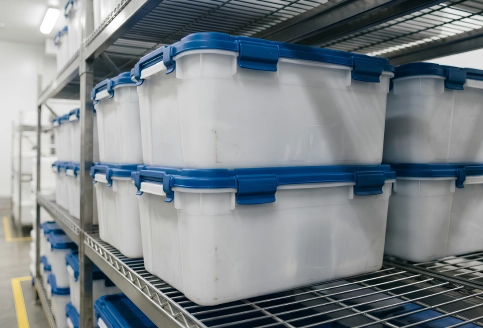
Close-up of nestable plastic container showing hinged lid, ventilation slots, stacking rim and moulded handle grips.

Returns are a normal part of modern business, especially in retail, manufacturing, and e-commerce. The way companies manage returned products has a direct impact on costs, warehouse efficiency, and customer satisfaction.

A reverse supply chain becomes much more efficient when businesses use standardized plastic containers instead of single-use packaging. Durable, reusable containers protect returned goods, simplify storage and handling, reduce transport costs, and improve inventory tracking.

Their uniform size also supports faster warehouse operations and helps companies build a more sustainable logistics system while lowering long-term packaging expenses.

What Is Return Logistics?

Return logistics is the process of moving products from customers, stores, or distribution centers back to a warehouse, manufacturer, or recycling facility. Products may be returned because they are damaged, defective, unsold, expired, or simply no longer needed.

Unlike forward logistics, where products move in a planned direction, reverse logistics deals with many different product types, package sizes, and return conditions.

A structured system helps companies inspect, repair, restock, recycle, or safely dispose of returned goods while keeping operating costs under control.

Why Standardized Plastic Containers Improve Reverse Supply Chains

Reverse supply chains often become slow because returned products arrive in different box sizes and packaging materials. Standardized plastic containers solve this problem by creating a consistent handling system.

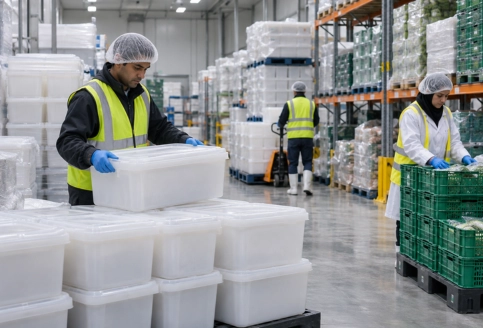
Workers know exactly how every container fits on shelves, conveyors, forklifts, and pallets. This consistency reduces loading errors, speeds up sorting, improves warehouse organization, and creates a smoother workflow from collection to inspection and storage. Businesses also spend less time replacing damaged packaging materials.

Main Benefits of Using Standardized Plastic Containers

Benefit How It Helps Businesses
Lower operating costsReduces spending on single-use cardboard boxes and wooden pallets
Better product protectionStrong plastic walls reduce damage during transportation
Improved warehouse efficiencyUniform sizes simplify stacking and storage
Easier transportationStable loads improve vehicle space utilization
Sustainable operationsContainers can be reused for many years
Faster trackingSupports barcode labels and RFID technology
Reduced wasteMinimizes packaging waste sent to landfills

Types of Plastic Containers for Reverse Logistics

Different industries have different return requirements. Choosing the right container depends on product type, transport distance, storage method, and handling equipment.

Several container designs are available to support different reverse logistics operations while improving efficiency and reducing transportation costs.

1. Attached Lid Containers (ALCs)

Attached Lid Containers have strong built-in lids that close securely without separate covers. These containers protect valuable products from dust, moisture, and accidental opening during transportation.

Retail businesses, pharmaceutical companies, and electronics suppliers commonly use them because returned products remain secure throughout the return journey.

Their stackable design also improves warehouse organization while reducing the need for additional packaging materials.

2. Collapsible or Foldable Plastic Crates

Collapsible plastic crates provide excellent space savings when empty. Their side walls fold inward, allowing many empty crates to fit into a single truck. This significantly lowers return freight costs and improves transportation efficiency.

Businesses operating long-distance return routes often choose foldable crates because they maximize vehicle capacity during empty return trips while maintaining strong protection when fully assembled.

3. Stack and Nest Totes

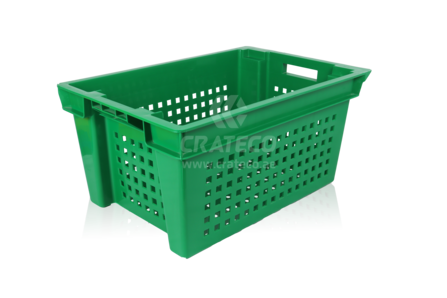
Stack and nest totes offer two functions in one design. When full, they stack securely to save warehouse space. When empty, workers simply rotate the containers before nesting them together.

This greatly reduces storage space and transportation volume. These containers are widely used in e-commerce fulfillment centers, retail distribution, automotive supply chains, and warehouse operations that require continuous return loops.

How Standardized Plastic Containers Improve Reverse Supply Chains?

Reduce Transportation Costs

Transportation is one of the largest expenses in reverse logistics. Standard container sizes help businesses load trucks more efficiently by reducing empty spaces between packages.

Stable stacking lowers the risk of load movement during transit, reducing product damage. Empty foldable crates occupy much less space than rigid containers, allowing trucks to carry more units back to the warehouse.

Better vehicle utilization directly lowers fuel consumption, transportation costs, and overall logistics expenses.

Improve Warehouse Storage and Material Handling

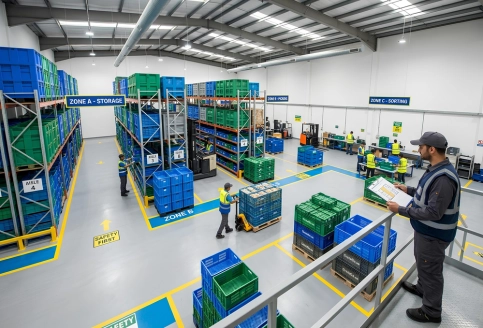
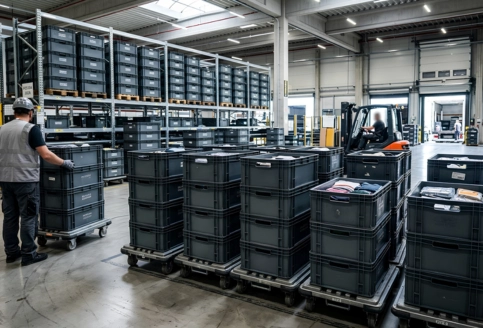
Warehouse efficiency improves when every container follows the same dimensions. Standardized containers stack safely, fit storage racks properly, and move smoothly through conveyor systems.

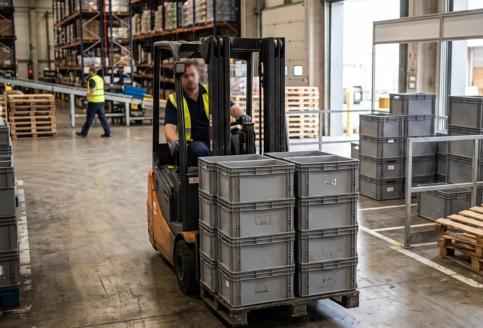
Forklift operators can transport loads more safely because container sizes remain consistent. Employees spend less time rearranging packages or searching for suitable storage locations.

Organized storage also improves inventory visibility, allowing returned goods to be inspected, sorted, and processed much faster.

Protect Products During Returns

Returned products often travel through several handling stages before reaching their final destination. Weak cardboard boxes can collapse, tear, or absorb moisture during transportation.

Heavy-duty plastic containers provide better protection against impacts, vibration, dust, and weather conditions.

This helps preserve product quality and increases the chances of repairing, reselling, or recycling returned items. Better protection also reduces replacement costs caused by additional transit damage.

Improve Asset Tracking with Digital Technologies

Modern plastic containers support advanced tracking technologies that improve visibility throughout the reverse supply chain. Barcode labels provide simple identification, while RFID tags allow automatic scanning without direct line-of-sight.

Some businesses also install IoT sensors to monitor container movement in real time. These technologies reduce misplaced assets, improve inventory accuracy, shorten processing times, and help managers quickly identify delays or bottlenecks within the logistics network.

Best Practices for Successful Implementation

Businesses achieve better results when reusable container systems follow clear operational standards. A well-planned implementation reduces mistakes and improves long-term efficiency across warehouses and transportation networks.

1. Choose Uniform Container Sizes

Selecting a limited number of container sizes simplifies warehouse storage, vehicle loading, pallet configuration, and inventory planning. Uniform dimensions allow better compatibility with racking systems, forklifts, conveyor belts, and automated handling equipment.

Standardization also makes employee training easier because workers handle fewer container variations during daily operations.

2. Create Efficient Return Routes

Reverse logistics works best when empty containers return through planned transportation routes. Instead of moving empty containers individually, businesses should consolidate return shipments whenever possible.

Well-designed return loops improve truck utilization, reduce transportation costs, and ensure containers become available again quickly for the next shipping cycle.

3. Train Employees Properly

Employees should understand the correct methods for packing, stacking, transporting, and storing reusable containers. Proper training reduces handling errors, prevents product damage, and improves workplace safety.

Workers should also know how to inspect containers before reuse and report damaged units for repair or replacement.

4. Inspect and Clean Containers Regularly

Returned containers should always be checked for cracks, broken handles, contamination, or structural damage. Plastic containers are easy to wash and sanitize, making them suitable for repeated use across many industries.

Regular cleaning helps maintain hygiene standards while extending container lifespan and protecting future shipments.

Common Challenges and Practical Solutions

High empty return transportation costs: Rigid containers occupy unnecessary truck space during return trips, increasing freight expenses and reducing transport efficiency.

Foldable container designs: Stack-and-nest or collapsible containers reduce empty transport volume, allowing trucks to carry more units on return journeys.

Asset loss risks: Reusable containers can go missing without proper tracking, reducing return on investment and disrupting supply chain operations.

Digital tracking systems: RFID tags, QR codes, and inventory software improve container visibility and help prevent misplaced reusable assets.

Cleaning requirements: Food, pharmaceutical, and healthcare industries require returned containers to be cleaned regularly before they are reused.

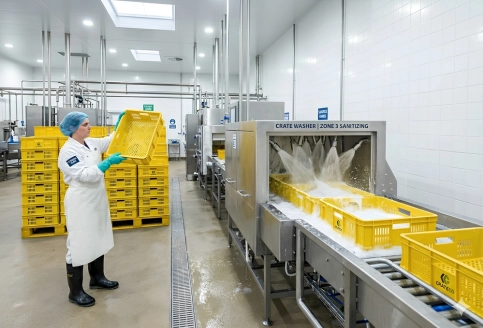
Centralized washing stations: Regular inspection and sanitation keep reusable containers safe, hygienic, and ready for the next logistics cycle.

Sustainability Benefits of Reusable Plastic Containers

Reduced packaging waste: Reusable plastic containers replace disposable cardboard packaging, lowering landfill waste and reducing raw material consumption.

Long service life: A single container can complete hundreds of shipping cycles, reducing replacement costs and packaging purchases.

Lower carbon emissions: Better truck utilization reduces fuel consumption and supports more environmentally responsible transportation operations.

Support for the circular economy: Reusing containers for multiple logistics cycles minimizes waste and encourages sustainable resource management.

Stronger environmental performance: Sustainable packaging helps businesses meet corporate sustainability goals while improving overall supply chain efficiency.

Conclusion

A well-planned reverse supply chain helps businesses recover products faster, reduce operating costs, and improve warehouse productivity.

Standardized reusable plastic containers create a more organized process by protecting returned items, improving storage efficiency, supporting digital tracking, and reducing packaging waste.

Over time, they also deliver significant savings while supporting sustainable business operations.

If your business needs high-quality plastic crates, pallets, spill pallets, waste bins, or complete industrial packaging and material handling solutions, Crateco Pack LLC is a trusted UAE plastic container manufacturer and supplier. Our durable products help businesses improve logistics efficiency while building a more reliable and sustainable packaging system.
Recent Blogs
Jerry can buying guide showing material, seal, and safety features for fuel and water storage
The Ultimate Guide to Choosing the Right Jerry Can for Your Needs
Plastic pallets vs wood pallets comparison for modern shipping and warehouse use
Why More Companies Are Switching to Plastic Pallets for Shipping
Workplace spill kit for chemical and oil hazard safety and compliance in UAE
Choosing the Right Spill Kit for Your UAE Workplace: What You Need to Know
Plastic drums for industrial chemical, food, and liquid storage solutions
The Complete Guide to Plastic Drums for Industrial Storage Needs
IBC tanks in UAE for industrial liquid storage and transport solutions
IBC Tanks UAE: Your Complete Guide to Industrial Storage & Transport Solutions
Durable platform trolley for efficient warehouse and logistics operations
Top 5 Features to Look for in a Quality Platform Trolley
Material handling equipment for efficient warehouse and supply chain management in UAE
How Material Handling Equipment Improves Supply Chain Management in UAE
Medical and kitchen waste bins for hygienic facility waste management in UAE
Medical & Kitchen Waste Bins UAE: How to Choose the Right One for Your Facility
Plastic manufacturer UAE bulk supply guide for industrial buyers and procurement teams
What Defines a Trusted Plastic Manufacturer in UAE for Large-Scale Supply?
Hard plastic box with lid for durable storage in UAE homes and warehouses
Why a Hard Plastic Box with Lid Matters in UAE Climate Conditions
Plastic pallet boxes for retail backroom organisation and inventory management by Crateco UAE
How to Use Plastic Pallet Boxes for Retail Backroom Organization
Nested crate storage solution for reducing transportation costs and saving space in UAE
The Complete Guide to Nested Crate Storage: Reducing Transportation Costs
5S workplace organisation system using plastic bins for UAE warehouse efficiency by Crateco
How to Implement a 5S Workplace Organization System Using Plastic Bins
Plastic crates for automotive parts storage outperforming metal alternatives in UAE warehouses
Automotive Parts Storage: Why Plastic Crates Beat Metal Alternatives
Medium duty racking system for organised warehouse logistics and inventory in UAE
How Medium Duty Racking Streamlines Logistics Operations in the UAE
Stackable storage boxes for space-saving organisation and item protection in UAE
How to Choose the Right Stackable Storage Boxes in the UAE
Slotted angle shelving system for organised warehouse and workspace storage in UAE
Slotted Angle Shelving: The Practical Storage Choice for UAE Businesses
Compliant reusable packaging options for UAE businesses replacing restricted single-use plastics under the 2026 ban.
UAE's 2026 Single-Use Plastics Ban: What It Means for B2B Packaging Buyers
Assorted plastic crate types including ventilated, nestable, and jumbo crates displayed for industrial use in UAE
A Complete Guide to Types of Plastic Crates and How to Choose the Right One
Various plastic pallet types and styles for warehouse storage in the UAE
A Complete Guide to Pallet Types, Styles & Materials
Smart storage solutions for UAE SMEs to reduce costs and improve efficiency
Cut UAE SME’s Costs with Smart Storage Solutions
Plastic manufacturing process in UAE showing production steps and materials
Understanding the Plastic Manufacturing Process in the UAE
IBC tank capacity comparison chart for industrial storage by Crateco UAE
Comparing IBC Tank Capacities: Which One Is Right for You?
IBC chemical storage tank for safe and efficient liquid handling in UAE industries
Why IBC Tanks Are the Preferred Choice for Chemical Storage?
Liquid storage solutions including jerry cans, drums, and IBC tanks by Crateco
Picking Right Liquid Storage Solutions: Jerry Cans, Drums & IBC | Crateco
Plastic pallets for durable and cost-effective logistics solutions in UAE
Plastic Pallets: The Smarter Logistics Choice for UAE Businesses
Spare parts bins for efficient storage and organization by Crateco UAE
Organize, Store, and Simplify with Spare Parts Bins from Crateco
Industrial jerry cans for safe chemical, fuel, and food-grade fluid storage in UAE
Industrial Jerry Cans: Your Complete Guide to Fluid Handling & Storage in UAE
Plastic crates for durable storage and transport solutions across UAE industries
Plastic Crates: Your Complete Guide to Durable Storage & Transport in UAE
Jumbo crates for heavy-duty storage and product protection across industries
Jumbo Crates: The Complete Guide to Heavy-Duty Storage Solutions
Modern waste bins for homes and offices offering hygiene and style in UAE
Top 5 Waste Bins for Modern Homes and Offices in the UAE
vegetable-crates-smart-choice-storage
Why Vegetable Crates Are the Smartest Choice for Fresh Produce Storage in UAE
Hygienic pallets for pharmaceutical storage compliance and efficiency in UAE facilities
Pharmaceutical Storage UAE: Hygienic Pallets and Compliance Standards
Ventilated crates for e-commerce picking systems and warehouse efficiency in UAE
E-Commerce Picking Systems UAE: Boost Efficiency with Ventilated Crates
IBC tanks and spill containment for UAE chemical storage regulation compliance
UAE Chemical Storage Regulations: IBC Tanks and Spill Containment Guide
Spill control products and practices for workplace hazard prevention in UAE industrial facilities
Spill Control Best Practices for UAE Industrial Facilities
Lightweight plastic crates for reducing logistics costs and improving ROI in UAE warehouses
Reducing Logistics Costs: The ROI of Lightweight Plastic Crates in UAE
Plastic products for supply chain resilience and operational risk reduction in UAE
Supply Chain Resilience: Why Plastic Products Reduce Risk and Downtime
Plastic crate sanitization guide for food-grade operations and contamination prevention in UAE
Cleaning and Sanitizing Plastic Crates: Best Practices for UAE Food Operations
Warehouse layout design using different crate types for maximum storage efficiency in UAE
Warehouse Layout Design: Choosing the Right Crate Types for Maximum Efficiency
Insulated tubs for temperature control and perishable product storage efficiency by Crateco UAE
Temperature Control in Storage: Why Insulated Tubs Are Essential for Perishables
Plastic and wood pallets side by side in a UAE warehouse, compared for carbon footprint and logistics performance.
Carbon Footprint Comparison: Plastic Pallets vs. Wood Pallets in UAE Logistics
UAE EPR compliance overview for plastic manufacturers and B2B buyers, covering material tracking and recycling obligations.
Extended Producer Responsibility (EPR) in the UAE: What Plastic Manufacturers and Buyers Need to Know
Color-coded plastic crates organised by category in a UAE warehouse to improve inventory control and picking accuracy.
Color-Coded Crate Systems: Improving Inventory Management and Warehouse Efficiency
Safely stacked plastic crates and pallets maximising vertical storage space in a UAE warehouse.
Stacking Height Optimization: Maximizing Vertical Space Without Compromising Safety
Stackable and nestable plastic crates arranged for FIFO inventory rotation in a UAE warehouse.
Inventory Rotation: FIFO Systems Using Stackable and Nestable Crates
Closed plastic crates protecting sensitive components from dust and contamination in a UAE cleanroom facility.
Dust and Contamination Control: Using Closed Crates in Sensitive Environments
Reusable plastic crates replacing cardboard and stretch wrap in a UAE packing and distribution facility.
Packaging Integration: How Crates Reduce Secondary Packaging Needs
Heavy-duty commercial ingredient bin for hygienic food storage by Crateco UAE
Upgrade to a Heavy-Duty Commercial Ingredient Bin
Jumbo Crates for Warehouse Efficiency
How Jumbo Crates Can Streamline Your Warehouse Operations
HACCP-compliant plastic storage containers supporting food safety compliance in UAE facilities
Food Safety Standards: Why HACCP-Compliant Storage Matters
Stacked reusable plastic crates on pallets in a UAE warehouse for cost-efficient logistics.
Waste Reduction Strategy: How Reusable Containers Lower Operational Expenses
Heavy-duty commercial pallets used for warehouse and logistics storage in UAE.
Maintenance Tips to Extend Pallet Lifespan in Commercial Operations
UV-resistant plastic pallets stored outdoors in a UAE warehouse yard.
Choosing UV-Resistant Pallets for Exposed Outdoor Storage Areas
Recyclable plastic pallets and crates supporting circular economy logistics in UAE.
Circular Economy in Logistics: Recyclable Plastic Solutions Explained
Eco-friendly reusable packaging alternatives used in UAE supply chain logistics.
Eco-Friendly Packaging: Reducing Environmental Impact in UAE Supply Chains
Closed and ventilated plastic food crates used in UAE food distribution.
Hygiene Standards for Food Distribution: Closed vs. Ventilated Crates
Forklift-compatible plastic crates used for material handling in UAE warehouses.
Material Handling Compatibility: Choosing Crates That Work With Your Forklifts
Pallet jack-compatible industrial containers used in UAE warehouse operations.
Ensuring Your Containers Work With Standard Pallet Jack Equipment
Heavy-duty commercial ingredient bins for food-grade bulk storage by Crateco UAE
Why Upgrading to a Heavy-Duty Commercial Ingredient Bin Makes Sense
Fish crates used for seafood storage and transport in the fishing industry
Importance of Fish Crates in the Fishing Industry
Crateco pallet supplier comparison guide for UAE logistics and warehouse businesses
Crateco vs Other Pallet Suppliers in UAE: Which One Is Right for You?
Warehouse storage bins for efficient organization and inventory management by Crateco UAE
How to Organize Your Warehouse Efficiently Using Storage Bins
Waste management solutions for UAE businesses promoting sustainability and efficiency
The Rising Importance of Waste Management for UAE Businesses
Insulated tubs for safe and efficient heavy-duty storage by Crateco UAE
The Ultimate Guide to Insulated Tubs for Efficient and Safe Storage
Plastic storage containers for modern home and office organisation by Crateco UAE
Why Plastic Storage Containers Are Ideal for Modern Homes and Offices
Cooler box guide UAE for choosing the best ice cooler for outdoor use
Your Complete Guide to Choosing the Perfect Cooler Box in the UAE
Plastic dairy crates stacked for efficient storage and transport
Why the Modern Plastic Dairy Crates Are a Logistics Must
Stainless steel trash bin by Crateco for clean waste management
Why a Stainless Steel Trash Bin Is the Smart Choice for Every Space
Waste bins for businesses offering hygienic and efficient waste management
How to Choose the Right Waste Bin for Your Business
Metal waste bin for durable and eco-friendly waste management in the UAE
Metal Waste Bins: Durable & Eco-Friendly Waste Solution
Flame-retardant garbage bins for fire risk control in UAE industrial and commercial areas
Understanding the Importance of Flame-Retardant Garbage Bins in UAE
Modular plastic crates for scalable warehouse storage and business growth in UAE
Why Modular Plastic Crates Are Key to Warehouse Efficiency in the UAE
Stackable pallets for vertical warehouse space optimization and efficiency in UAE
Maximize Warehouse Space with Stackable Pallets: A Vertical Storage Guide
Pallet truck safety and maintenance guide for efficient UAE warehouse operations
Pallet Truck Safety & Maintenance: A Complete Guide for UAE Warehouses
Platform trolley guide for warehouse, office, and retail efficiency and heavy lifting
Maximize Efficiency with Platform Trolleys: Your Complete Buying Guide
Sustainable warehousing trends showing eco-friendly storage solutions in UAE
Top 5 Sustainable Storage Trends Shaping Modern Warehousing in UAE
Packaging strategies for operational resilience using plastic crates and pallets in UAE
How Packaging Strategies Drive Operational Resilience in UAE Supply Chains