The single-use plastic ban that hit UAE shelves in January 2026 was only the visible part. Behind it sit waste targets that reach into warehouses, factories, and supply chains. Businesses that treat packaging as a disposable cost will feel the pressure first.
UAE packaging waste rules now work on three levels. Federal bans under Ministerial Resolution No. 380 of 2022 remove many single-use plastic items. Emirate strategies set hard diversion targets, such as Dubai's goal of sending zero waste to landfill by 2041.
And the UAE Climate Law requires covered businesses to track emissions, including those from waste. To prepare, businesses should audit their packaging, switch to reusable transit packaging where possible, separate waste at source, and keep records.
Dubai has the clearest goals. The Dubai Integrated Waste Management Strategy 2041 aims for 100% diversion of waste from landfill, with at least 56% of it recycled, according to Dubai Municipality. Its Circle Dubai programme also aims to cut daily waste per person from about 2.2 kg to 1.76 kg, an 18% reduction by 2041.
Abu Dhabi is moving too. Tadweer, the emirate's waste management centre, aims to divert 80% of Abu Dhabi's waste from landfill by 2030.
The gap is large. Around three-quarters of UAE waste was going to landfill when Dubai launched its updated waste strategy in 2021. Closing that gap means less packaging in bins, more reuse and far more recycling.
Ministerial Resolution No. 380 of 2022 is rolling out in phases. Dubai runs its own matching rules, with the final phase set out by Dubai Municipality from 1 January 2026.
| Phase | Date | Items banned from import, production or trade |
|---|---|---|
| Phase 1 | 1 January 2024 | Single-use plastic shopping bags, including biodegradable plastic bags |
| Dubai extension | 2024 to 2025 | All single-use bags, then polystyrene cups, plates and containers, straws, stirrers, cotton buds and table covers in Dubai |
| Phase 2 | 1 January 2026 | Plastic beverage cups and lids, cutlery, plates, straws, stirrers and polystyrene food containers nationwide |
| Bags rule | From 2026 | Single-use bags under 50 microns, plastic or paper, unless they contain recycled material |
The ban mainly targets consumer items, not B2B transit packaging. But it signals where policy is heading: away from single-use and toward reuse and recycled content. Our guide to the 2026 plastics ban covers what it means for packaging buyers in more detail.
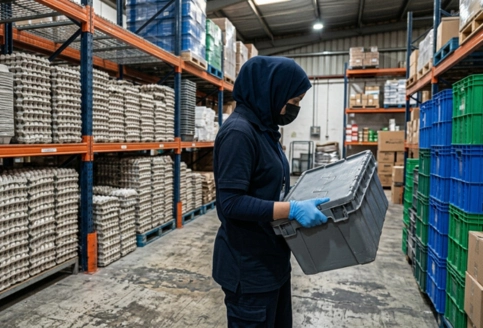
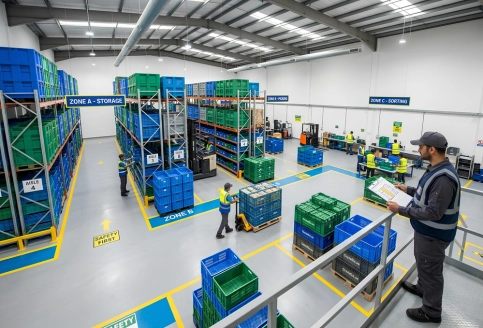
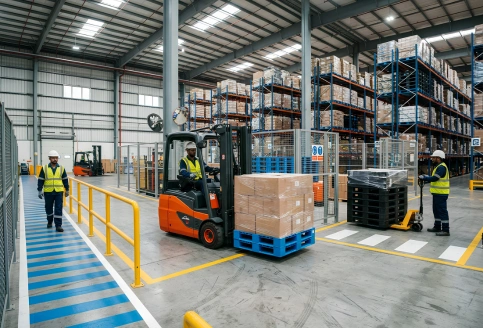
Most companies underestimate how much packaging passes through their doors. A typical warehouse or factory deals with several streams at once.
| Waste stream | Common sources | Reduction option |
|---|---|---|
| Cardboard and paper | Inbound cartons, dividers, void fill | Reusable crates on regular routes, baling for recycling |
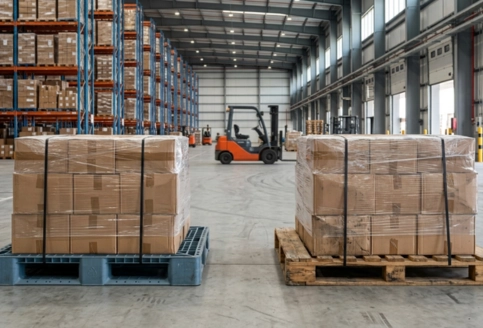
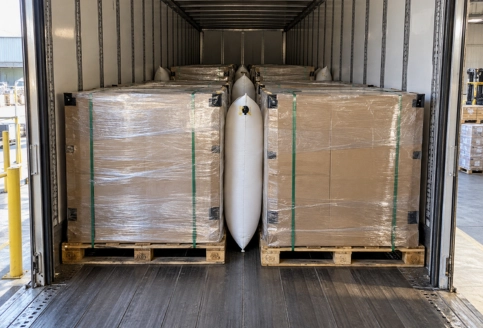
| Stretch film and plastic wrap | Pallet wrapping, shrink film | Strapping and edge protectors, reusable pallet covers |
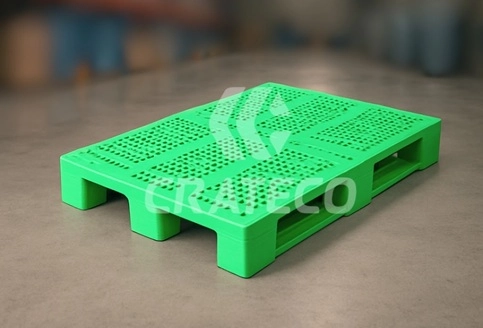
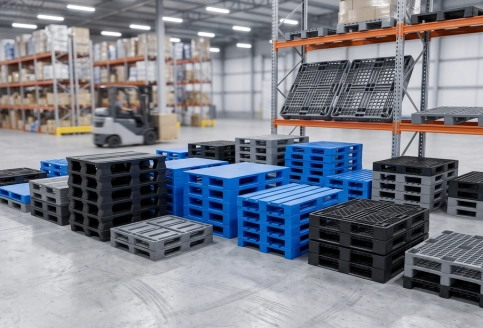
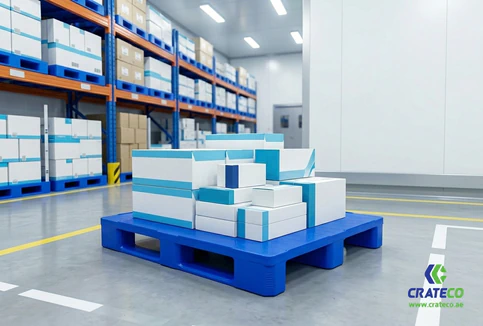
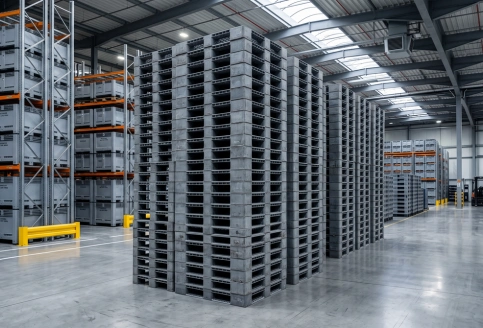
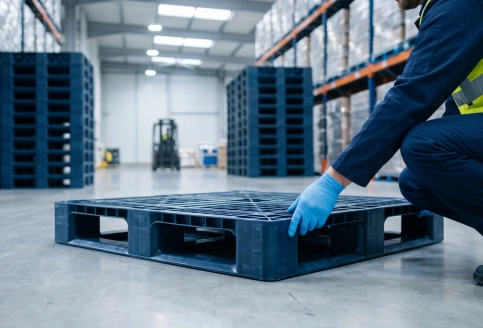
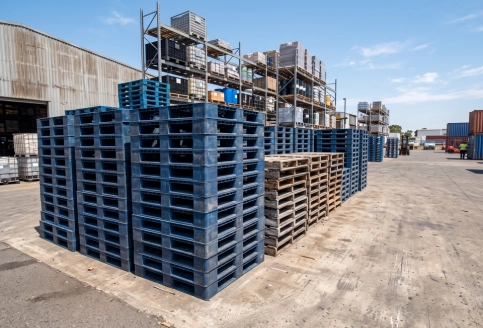
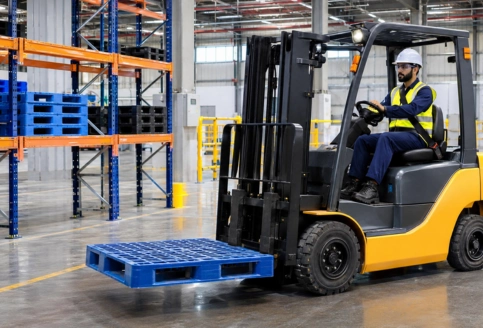
| Wooden pallets | Inbound shipments, one-way exports | Plastic pallet pooling, repair programmes |
| Foam and polystyrene | Protective inserts | Moulded or paper-based protection, reusable inserts |
| Mixed packaging | Retail returns, small parcels | Source separation, return-to-supplier agreements |
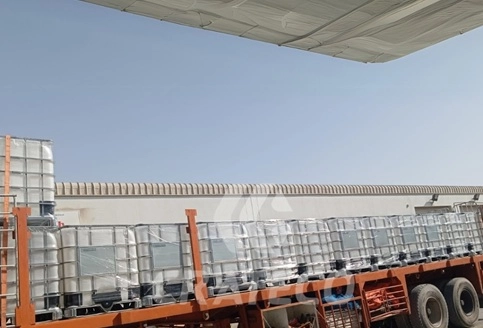
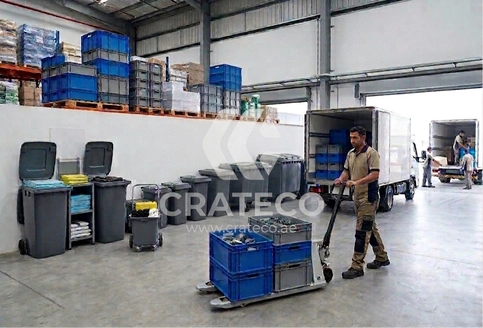
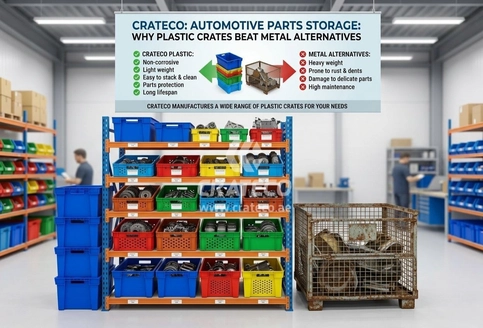
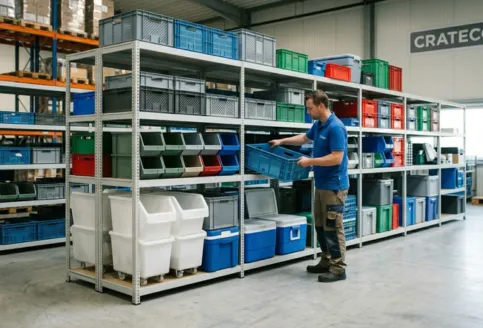
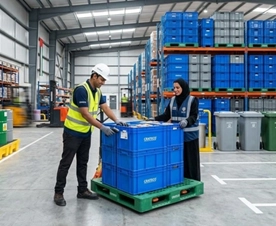
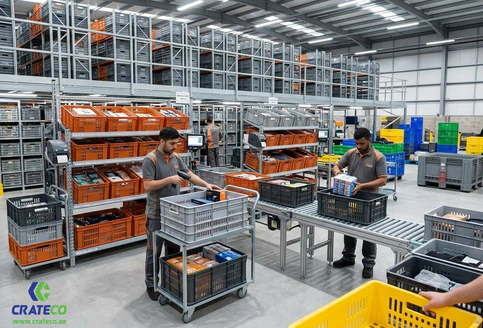
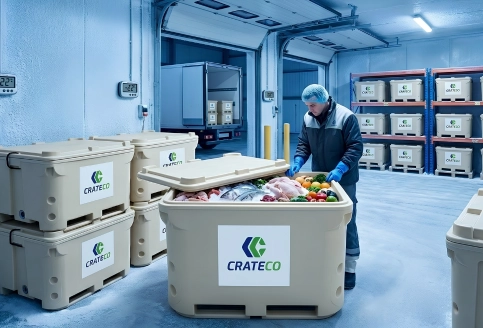
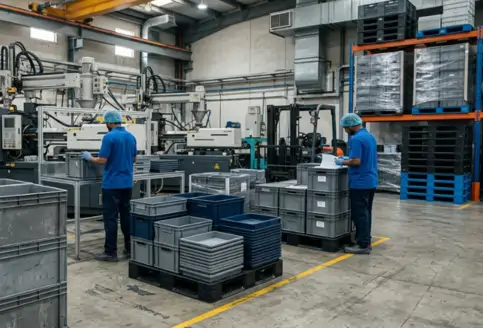
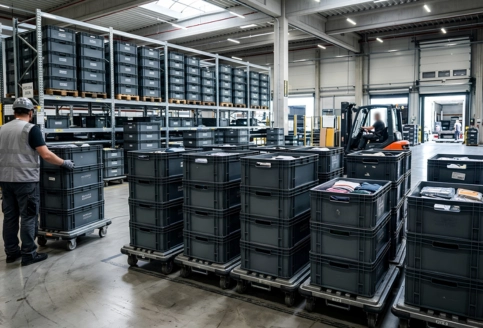
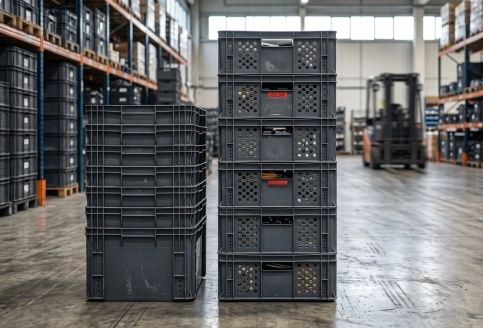
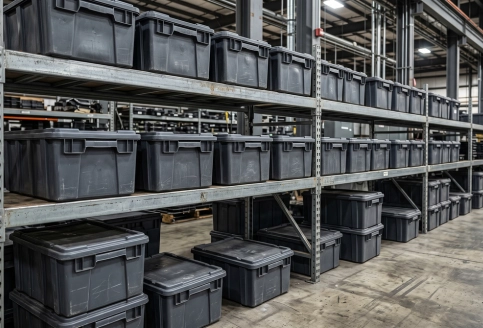
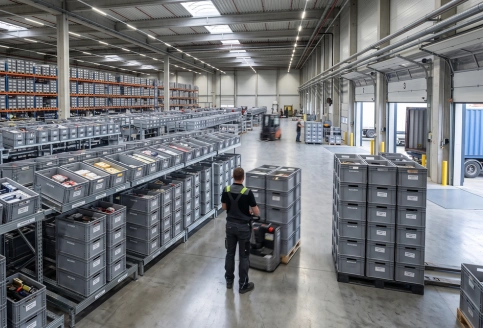
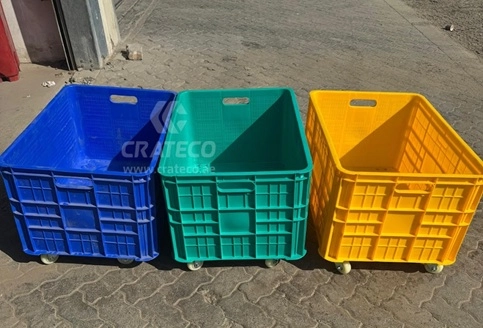
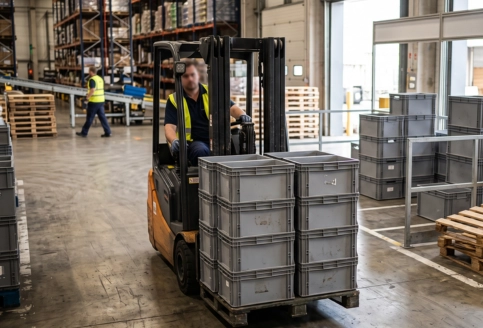
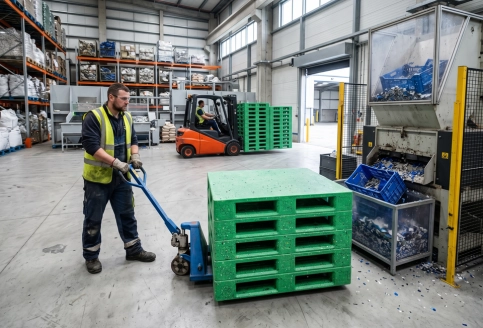
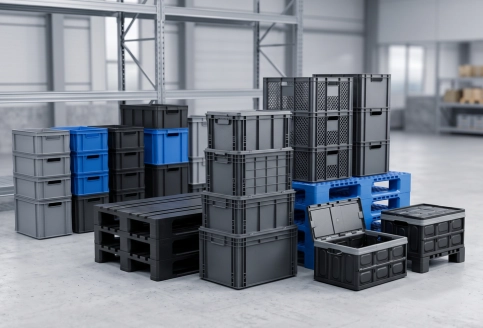
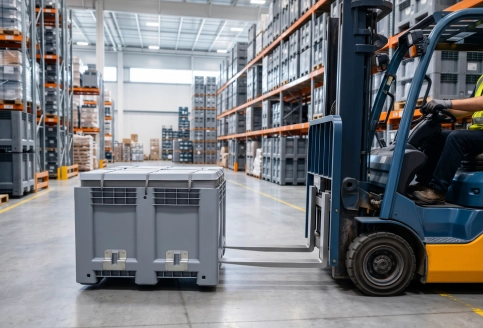
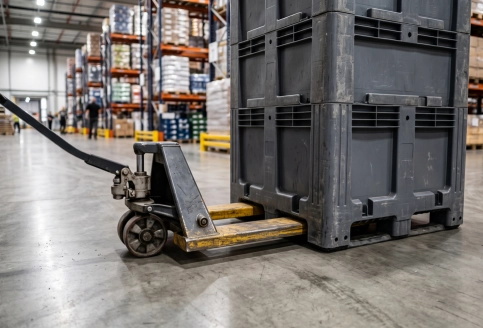
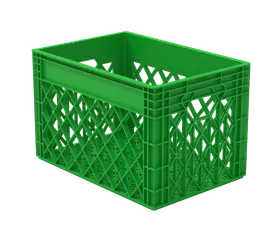
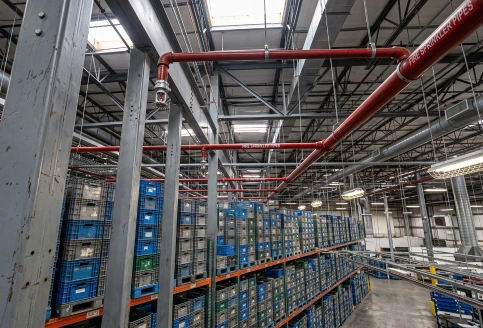
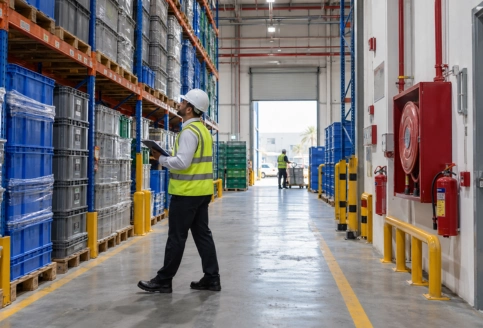
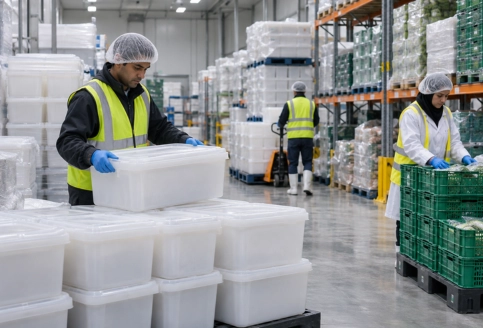
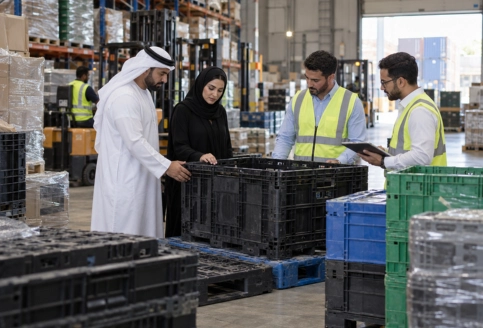
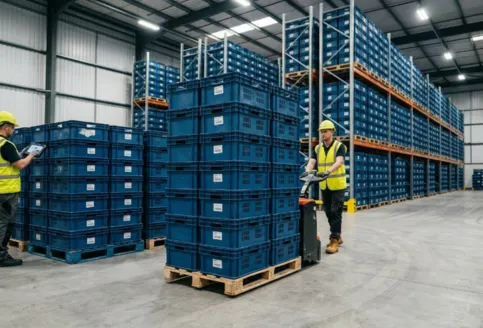
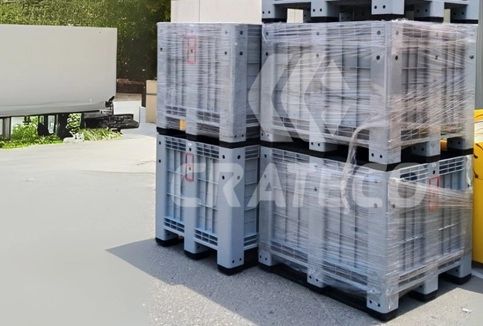
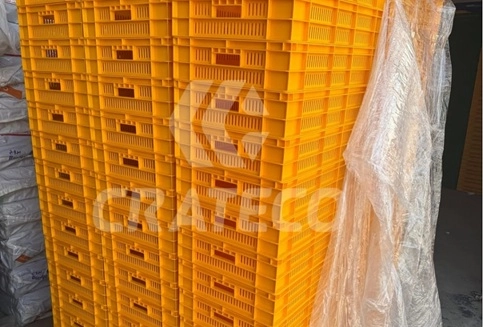
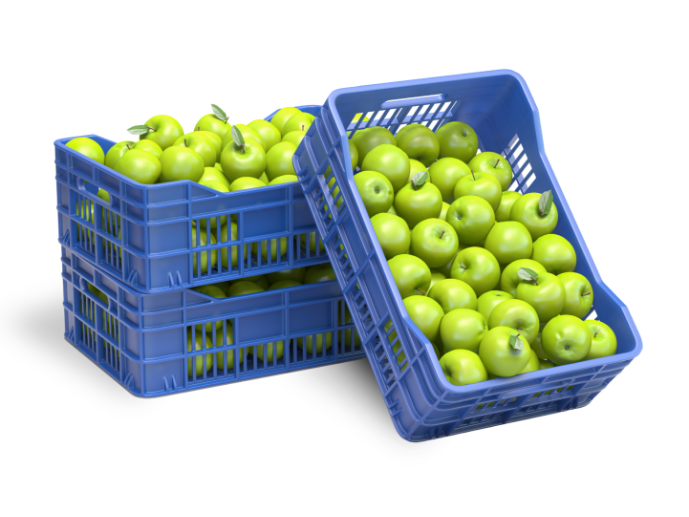
The biggest gains usually come from transit packaging used again and again on the same routes. A crate that makes hundreds of trips replaces hundreds of boxes.
No emirate has yet published binding numeric targets for B2B transit packaging. Still, several pressures point in the same direction.
| Step | What to do | Why it matters |
|---|---|---|
| 1. Audit | Measure packaging in and out by type and weight for one month | Shows the biggest streams and costs |
| 2. Eliminate | Remove packaging layers that add no protection | Cuts waste at source, the top of the waste hierarchy |
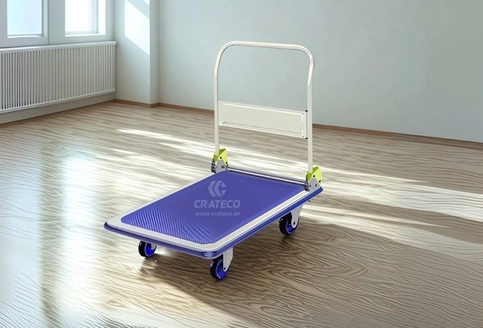
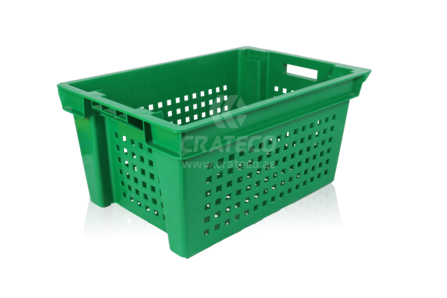
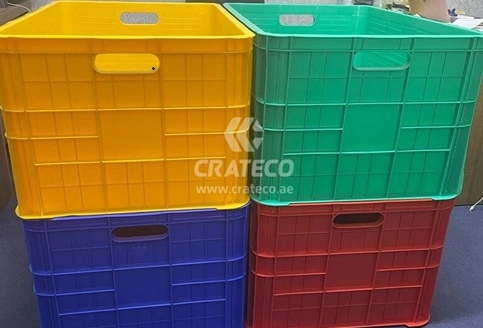
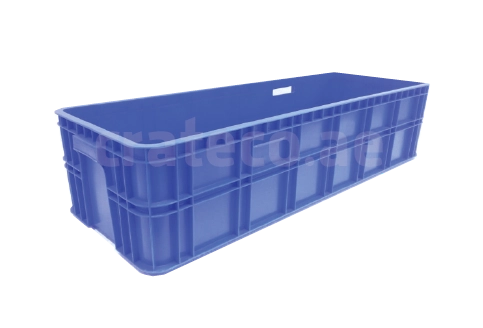
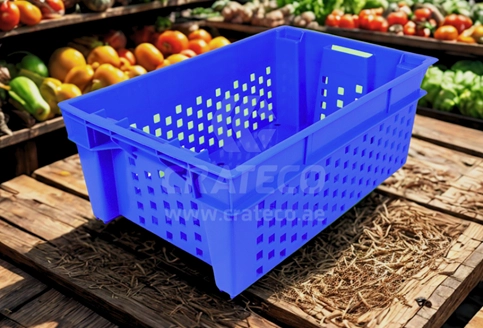
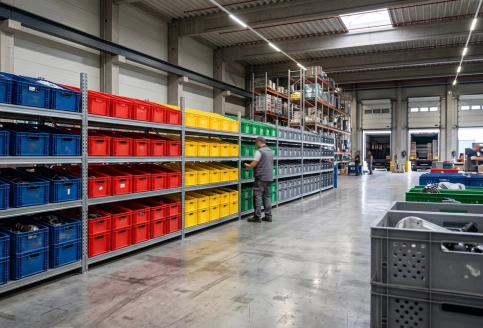
| 3. Reuse | Move regular routes to returnable crates and plastic pallets | Replaces repeated single-use purchases |
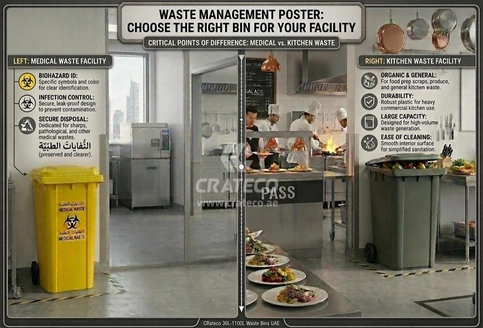
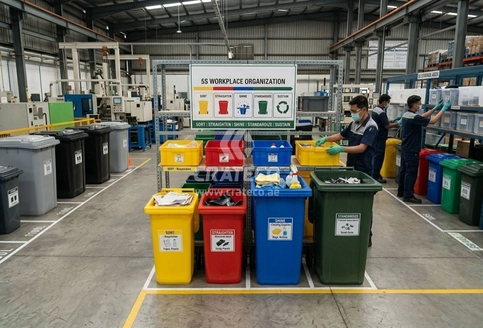
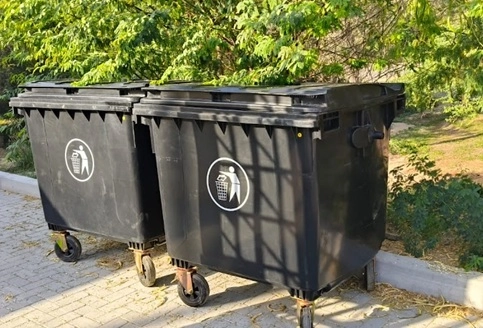
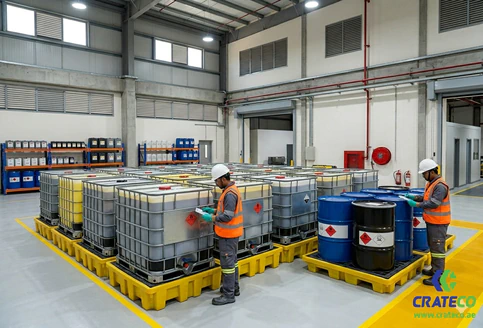
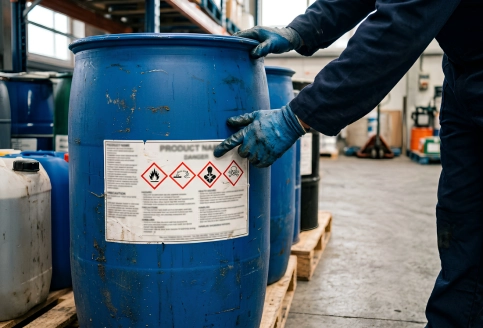
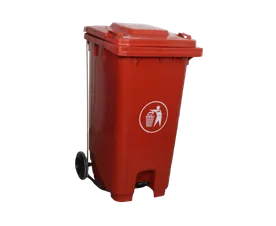
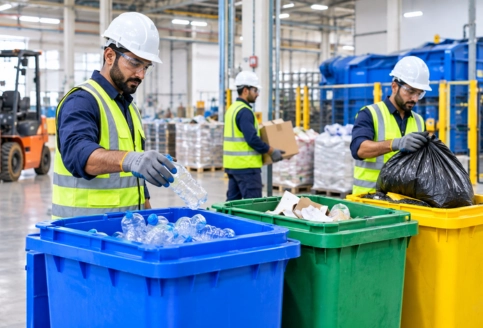
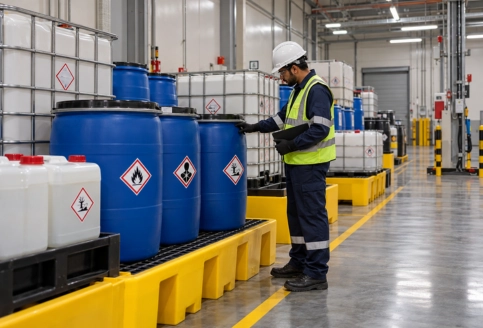
| 4. Separate | Set up colour-coded bins for cardboard, plastic, general and hazardous waste | Raises recycling rates and avoids contamination |
| 5. Partner | Agree take-back with suppliers and licensed recyclers | Diverts material from landfill |
| 6. Record | Keep waste invoices, recycling certificates and tonnage data | Supports audits, client reports and emissions reporting |
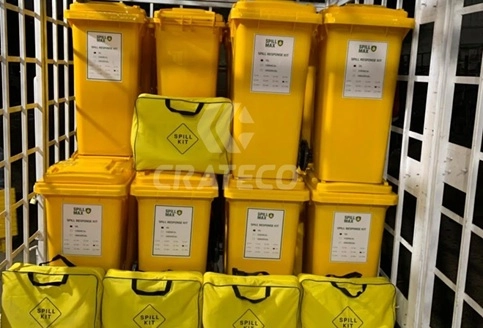
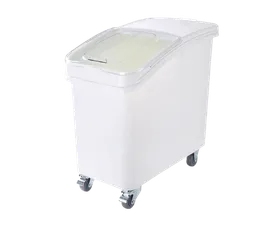
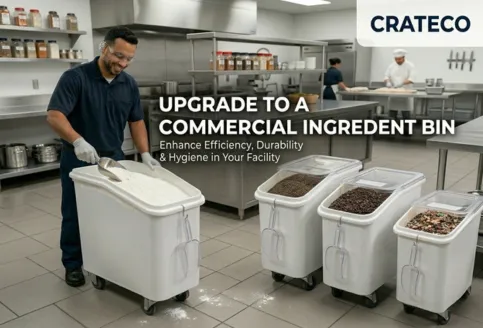
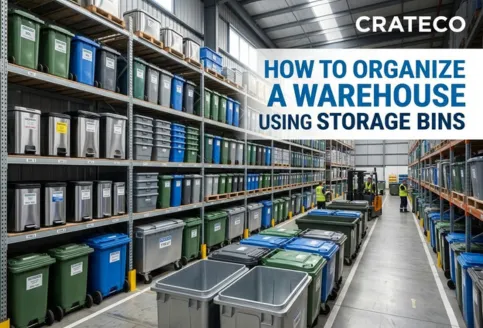
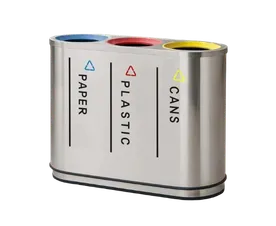
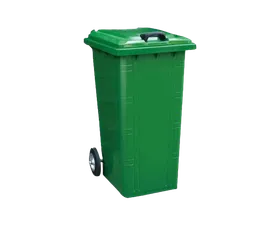
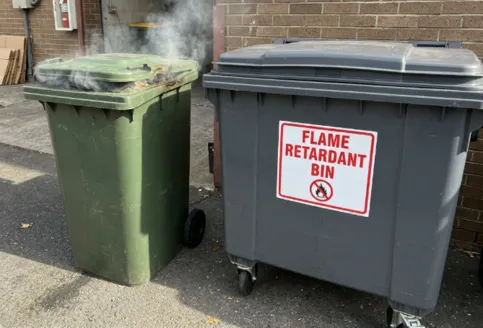
Source separation is where many sites stall. Clearly labelled bins in the right places make it easy. A multi-compartment bin lets staff sort waste in one spot instead of walking to separate areas.
The ban under Ministerial Resolution No. 380 of 2022 mainly covers consumer single-use items such as bags, cups, cutlery, and food containers. Industrial transit packaging is not directly banned, but waste targets and EPR are pushing businesses toward reuse.
Dubai's Integrated Waste Management Strategy 2041 aims to divert 100% of waste from landfill by 2041, with at least 56% recycled. The Circle Dubai programme supports this by targeting an 18% cut in waste generated per person.
Start by auditing what comes in and goes out. Then remove unnecessary layers, switch regular routes to reusable crates and pallets, and separate cardboard and plastic for recycling. These steps often cut both waste and costs.
Dubai Municipality encourages waste producers, including companies and hotels, to separate recyclables at source. Its waste regulations include fines for violations, so businesses should check the rules for their activity and location.
EPR is being developed for several waste streams in the UAE, and packaging is a likely focus. Businesses that already track packaging volumes and use reusable systems will find any future EPR rules much easier to meet.
The UAE is closing in on packaging waste from several directions at once. Federal bans remove single-use plastics, Dubai and Abu Dhabi have set firm landfill diversion targets, and climate reporting turns waste into a measurable liability.
Businesses that audit their packaging now, reuse where they can, and separate the rest will meet tomorrow's rules without disruption. Start with durable, reusable transit packaging from the plastic crates range at Crateco Pack LLC.