
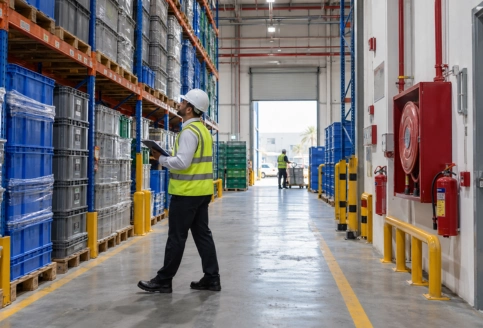
A warehouse can look clean and well managed but still fail an official inspection because of a blocked exit, expired certificate, or missing safety record. Small issues can lead to delays, fines, or extra work before the warehouse can continue normal operations.
Preparing for UAE Municipality and Civil Defence compliance audits starts with checking fire protection systems, emergency exits, storage areas, electrical safety, permits, and staff safety. All required documents should be valid and easy to access during the inspection.
Regular maintenance, clear aisles, safe storage, and proper records help warehouse operators reduce risks and make the audit process easier.
Warehouse inspections are not only about paperwork. They are designed to check whether the building, equipment, stored goods, and daily operations are safe for workers and visitors. Good preparation helps identify problems before an inspector finds them.
The main reason for compliance is to protect people inside the warehouse. Fire alarms, sprinklers, emergency lighting, exits, and fire extinguishers must work when they are needed. Safe storage and clear walkways reduce the chance of accidents during normal work.
A warehouse that follows safety rules also reduces the risk of major property damage during a fire or other emergency. Regular checks allow managers to find damaged equipment, blocked routes, unsafe wiring, or poor storage before these issues become serious problems.
An inspection can become difficult when certificates have expired, or important safety systems have not been maintained. Missing documents can cause delays even when the warehouse itself looks safe.
Operators should check trade licenses, Civil Defence approvals, tenancy records, maintenance contracts, approved plans, and other required documents before an inspection. Keeping these records together makes them easier to present.
Early preparation also gives the warehouse team enough time to fix problems instead of trying to make urgent repairs after an inspector reports them.
The actual use of a warehouse should match its approved activity. For example, a site approved for general goods may have different safety requirements from a facility storing chemicals or other dangerous goods.
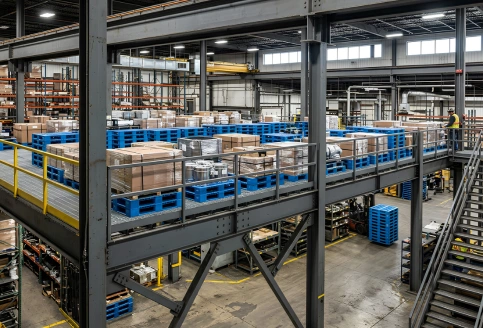
Changes to the layout, storage type, mezzanine areas, or building use may need approval before they are made. Warehouse operators should compare the current setup with approved plans and permits.
This helps ensure storage areas, work zones, and building changes don't create a compliance problem during a municipal or Civil Defence inspection.
Compliance should not be treated as something that matters only before an audit. Safe storage, clean floors, working fire systems, proper PPE, and clear emergency routes should be part of daily warehouse work.
When employees follow the same safety rules every day, the site is easier to maintain and inspect. Managers can use simple daily and weekly checklists to monitor common problems.
This approach also helps staff understand their responsibilities and makes it easier to keep the warehouse ready for an unplanned inspection.
Paperwork is an important part of a warehouse inspection. Physical safety systems may be working correctly, but missing or outdated records can still create problems. Keep all important documents in one organized file, either in printed form or through a suitable digital record system.
The trade license should be valid and should reflect the actual business activity carried out at the warehouse. The registered tenancy contract or Ejari should also be current. Operators should check the warehouse address, activity, and other key details for consistency across their records.
If the warehouse stores special goods, additional approvals may apply. Keeping these documents updated helps inspectors confirm that the business is operating from an approved location and under the correct activity.
Fire safety systems need regular inspection and maintenance. Keep valid certificates and Annual Maintenance Contracts for systems such as fire alarms, sprinklers, firefighting equipment, and ventilation where required.
Service records should show that the equipment has been checked by the relevant approved service provider. Fire extinguishers, hose reels, pumps, detectors, and alarms should have clear service information. If a certificate or maintenance contract is close to expiry, renew it before the audit instead of waiting for the inspection date.
Keep approved engineering drawings, building layouts, fire safety plans, and other required approvals available for review. The current warehouse should match the approved layout as closely as possible.
Records for emergency drills, equipment testing, pest control, waste disposal, and other required services should also be maintained. For warehouses handling chemicals or hazardous products, Safety Data Sheets should be available for the stored materials.
Good records help prove that safety controls are not only installed but are being checked and maintained over time.
Fire protection is one of the most important parts of a warehouse safety inspection. A complete check should cover both active fire protection systems and the space around them. Equipment must be easy to reach, properly maintained, and free from stored goods or other objects.
Smoke detectors, heat detectors, manual call points, fire alarms, and related control panels should be tested as part of the maintenance program. The system should show no active faults or warnings that have not been addressed.
Alarm sounders and visual indicators should be easy to notice in the warehouse. If the system is connected to a monitoring service, the connection should be active and properly maintained. Service records should be available to show when the equipment was last tested and whether any faults were repaired.
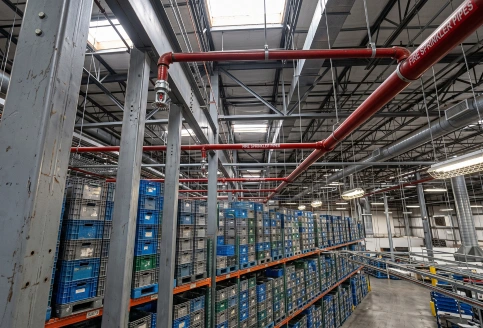
Sprinkler heads must remain clear and should not be covered, damaged, painted, or blocked by stock. A suitable gap should be maintained between stored goods and sprinkler heads according to the approved fire protection design and applicable requirements.
Fire pumps, water tanks, hose reels, and hydrants should be checked regularly. Pressure testing and maintenance records should be available where required. Warehouse teams should never use firefighting equipment areas for temporary storage, even during busy periods or stock movements.
Fire extinguishers, hose reels, hydrants, and other firefighting equipment should be easy to see and reach. Pallet boxes, racks, or waste should not block access. Equipment should have valid service tags and should be free from visible damage.
Managers can mark clear access zones around important equipment to prevent accidental storage in these areas. A simple daily walk-through can identify blocked equipment before it becomes a problem. Staff should also know the locations of firefighting equipment and understand how to report damaged or missing items.
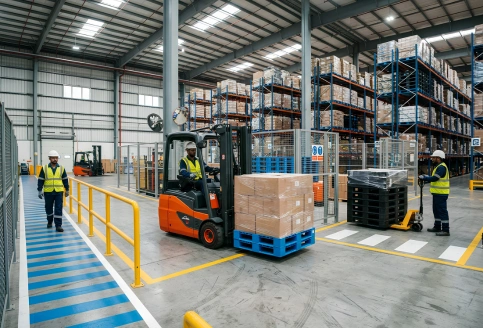
Emergency escape routes must remain clear at all times. A warehouse can quickly become unsafe when pallets, cartons, equipment, or temporary stock are placed in walkways. Inspectors will look at whether people can leave the building quickly during a fire or other emergency.
Emergency doors should be easy to identify and should not be blocked by stock or equipment. Where outward-opening doors are required, they should operate correctly and should not be restricted by stored materials. Exit doors should remain available during working hours and should have suitable emergency hardware where required. Staff should never place pallets in front of an exit simply because there is limited storage space. Exit routes should be checked during every shift, especially when goods are being received or moved.
Exit signs should be visible from the relevant areas of the warehouse, including during low-light conditions. Emergency lighting should operate correctly when normal power is lost. Damaged signs, weak lights, or covered exit markers should be repaired quickly.
Evacuation maps should be placed where workers can easily see them. These maps should show emergency exits and assembly areas clearly.
Managers should make sure employees understand the evacuation route instead of assuming that workers will know where to go during an emergency.
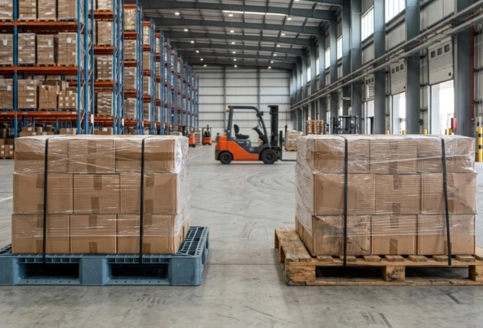
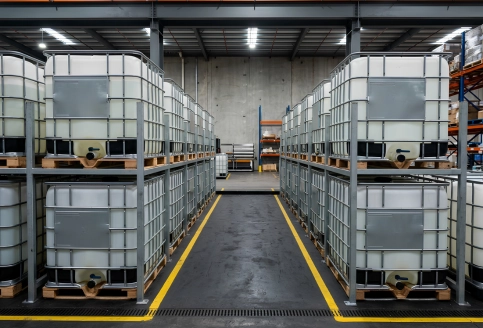
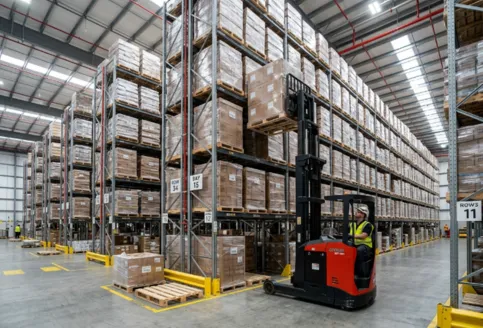
Storage systems are another major area of concern during inspections. Heavy goods, high stacks, damaged racks, and blocked aisles can create serious safety risks. The warehouse layout should support safe movement for workers, forklifts, and emergency teams.
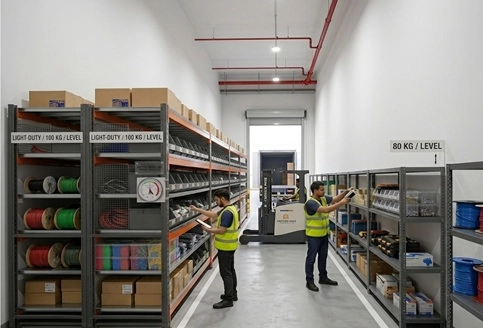
Storage racks should be stable, properly anchored, and free from serious damage. Load capacity information should be displayed where required so workers know how much weight each rack can safely hold.
Heavy goods should not be placed in positions that could make the rack unstable. Bent frames, damaged beams, loose anchors, and missing safety parts should be inspected by a qualified person.
Managers should avoid adding extra shelves or changing rack layouts without checking whether the change affects the approved design or safe load limits.
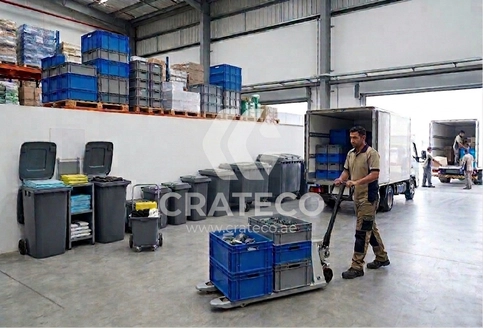
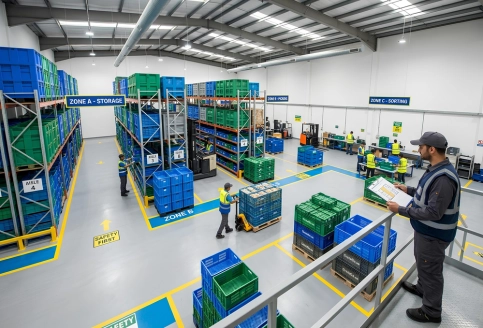
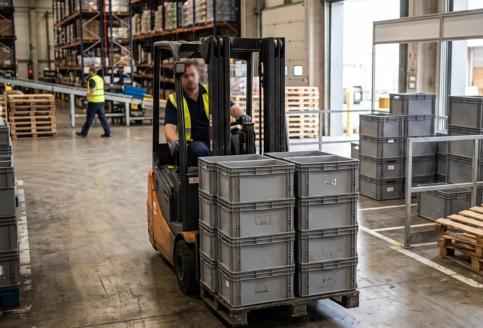
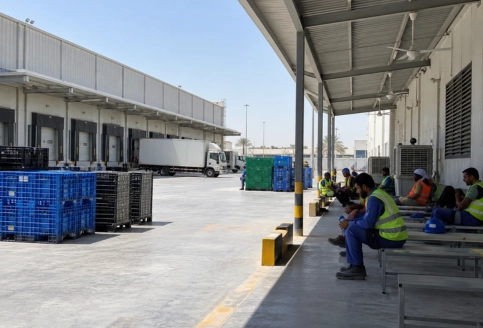
Warehouse aisles should provide enough space for the equipment and people using them. Forklift routes and pedestrian paths should be clearly defined where needed. Pallets, cartons, empty containers, and waste should not be left in travel lanes.
Regular housekeeping checks can help prevent aisle blockage during busy periods. Good aisle management also improves picking and loading work because employees can move goods without unnecessary obstacles.
The exact aisle width should be based on the equipment, layout, and applicable safety requirements rather than using one fixed size for every warehouse.
Electrical systems can become a major risk when warehouses have damaged cables, overloaded outlets, poor earthing, or exposed wiring. Before an inspection, check electrical panels, distribution boards, sockets, cables, and other equipment for visible problems.
Electrical panels should be accessible and should not be covered by stock or equipment. There should be no exposed wires, damaged insulation, loose connections, or signs of overheating. Proper earthing and suitable protection devices are important parts of electrical safety.
Only qualified personnel should carry out electrical testing or repairs. Warehouse teams should not use makeshift wiring to power temporary equipment. Any repeated electrical fault should be investigated instead of being solved with a temporary fix.
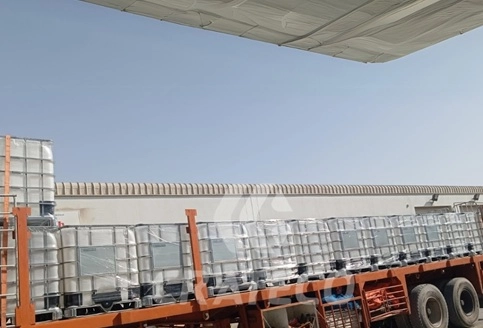
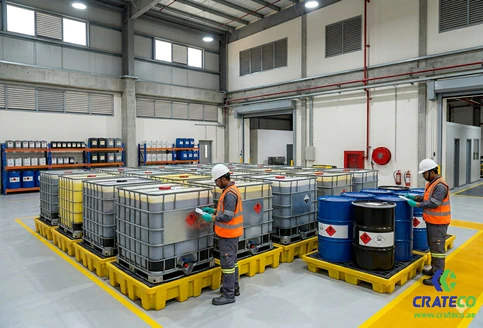
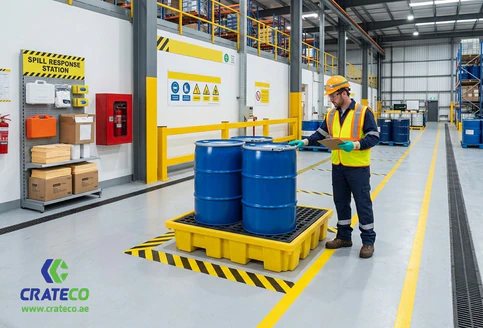
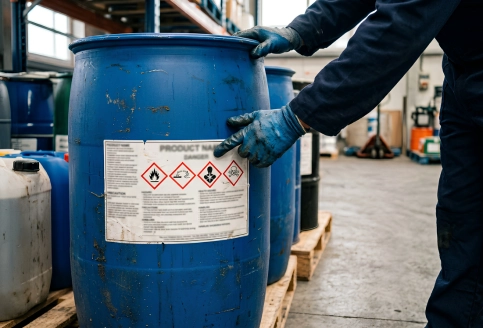
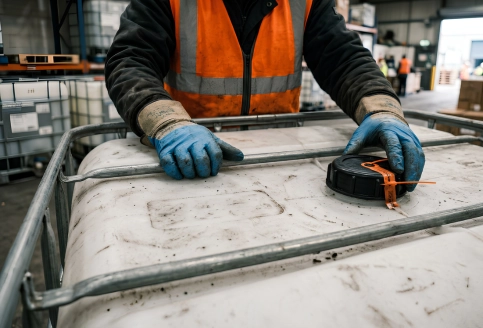
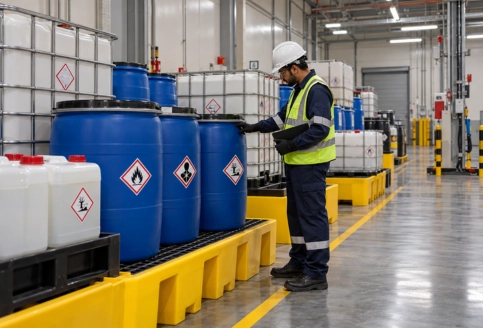
Flammable liquids, chemicals, and other hazardous goods need suitable storage controls. These materials should be kept in approved areas with the required fire protection, labels, separation, and containment measures.
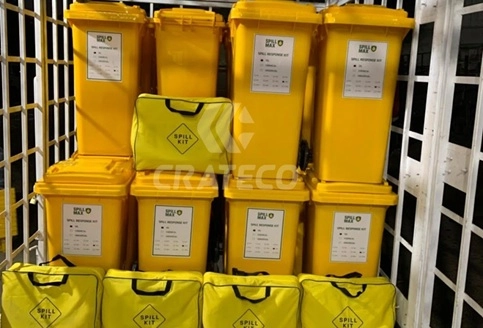
Safety Data Sheets should be available for relevant products. Staff should know how hazardous goods must be handled and what to do during a spill or fire. A common mistake is storing dangerous goods in an area designed only for general products.
The approved warehouse activity and fire safety design should always support the type of materials being stored.
Municipality checks can cover more than fire protection. Cleanliness, waste handling, ventilation, pest control, and general workplace conditions can affect the overall safety of a warehouse. A clean site is easier to manage and creates fewer hazards for workers.
Warehouse floors should be kept dry, clean, and free from oil, loose packaging, broken pallets, and other trip hazards. Waste should be removed regularly rather than allowed to build up near storage areas.
Cleaning chemicals should be stored safely and labeled correctly. Restrooms and staff areas should also be kept clean. Good housekeeping should be part of the normal work routine, not a last-minute activity before an inspection. Managers can assign cleaning duties and use checklists to make sure important areas are checked regularly.
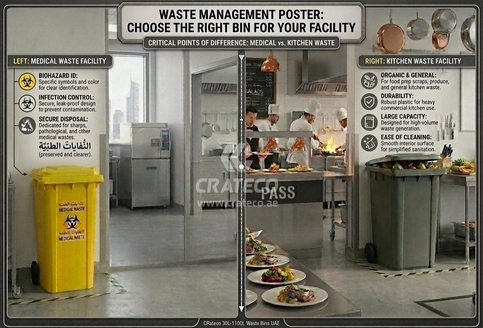
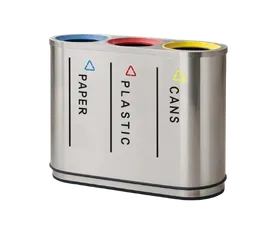
Warehouses handling food, packaging, consumer goods, or other sensitive products may need regular pest control. Keep service records and treatment reports available where required. Waste should be separated and placed in suitable, labeled containers.
Hazardous waste should follow the correct handling and disposal process. Poor waste management can attract pests, create odors, and increase fire risk.
A regular waste collection schedule helps prevent these problems. Warehouse operators should keep contracts and service records together so they can quickly show evidence of proper site management.
A safe warehouse depends on people as much as equipment. Employees should understand the site's emergency procedures, storage rules, and basic safety requirements. Workers should receive suitable PPE based on the risks of their job.
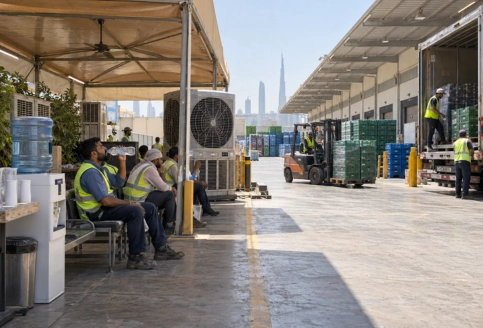
PPE may include safety shoes, high-visibility vests, gloves, helmets, eye protection, or hearing protection depending on the work being performed. Equipment should be in good condition and available to workers who need it.
Staff should know when and how to use each item. Visitors and contractors should follow the warehouse's safety rules as well. Managers should replace damaged PPE and monitor whether employees are using it correctly during daily operations.
Employees should know where emergency exits, fire extinguishers, first aid kits, and assembly points are located. Selected staff should receive suitable first aid and fire safety training where required.
Evacuation drills can help workers understand what to do without creating panic during a real emergency. First aid kits should be complete and checked regularly for expired items. Clear instructions are especially important for new employees, temporary workers, and contractors who may not know the warehouse layout.
Many warehouse compliance problems are simple issues that could have been fixed before the inspection. A final internal walk-through should focus on areas that are often overlooked. Check fire exits, electrical panels, fire extinguishers, sprinkler clearance, rack condition, and storage areas.
Look for expired certificates and missing maintenance records. Unapproved mezzanine extensions or changes to the warehouse layout should be reviewed.
Hazardous materials should never be stored in an area that is not approved for them. Fixing these issues early can reduce the chance of fines, failed inspections, or costly corrective work.
A final inspection should be completed several days before the official visit rather than on the same morning. Managers can walk through the site using a simple checklist and assign each issue to a responsible person.
Confirm that documents are valid, fire systems have current service records, exits are clear, emergency lights work, racks are safe, electrical panels are accessible, and hazardous goods are stored correctly.
Check cleanliness, pest control, waste areas, PPE, first aid supplies, and evacuation signs as well. This final review gives the team time to correct issues before the official inspection.
Preparing for UAE Municipality and Civil Defence compliance audits requires more than cleaning the warehouse before an inspector arrives. Operators should keep fire protection systems maintained, emergency routes clear, storage racks safe, electrical systems properly managed, and all required documents current.
Staff should know the emergency procedures and use the right PPE for their work. Regular checks are the best way to find problems early and keep the warehouse ready throughout the year.
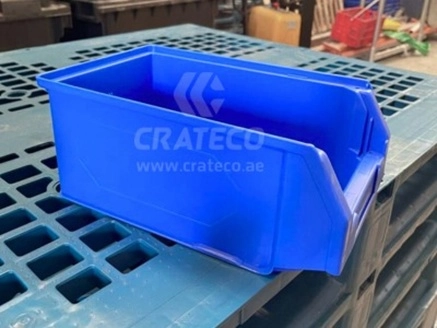
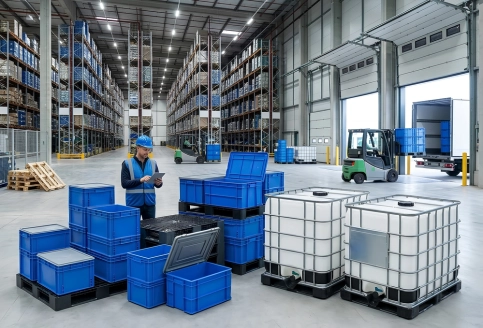
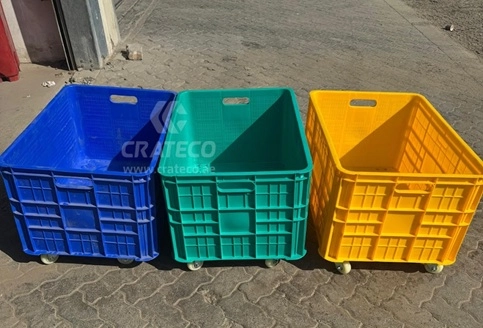
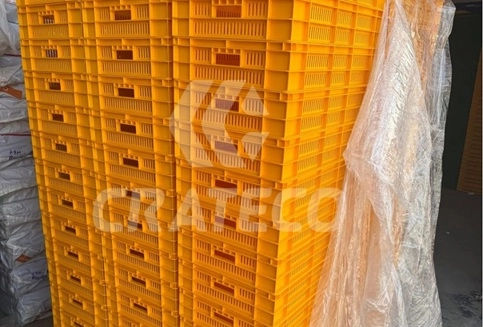
For better warehouse organization and safer material handling, businesses can explore industrial packaging and storage products from Crateco Pack LLC, including durable plastic crates designed for organized warehouse use.