
Hotline +971 50 3436 930 Export +971 50 3436 475

MOIAT Product Safety Standards: What UAE Plastic Manufacturers Must Meet

Close-up of ECAS conformity label and EQM mark on a plastic container lid beside batch and capacity markings

Plastic products are used in warehouses, factories, food packing, and many other industries across the UAE. But producing a good plastic product is not only about choosing the right material. Manufacturers must also follow the safety and quality rules that apply to their products.

The Ministry of Industry and Advanced Technology (MOIAT) sets product conformity requirements for regulated goods in the UAE.

Plastic manufacturers may need a Certificate of Conformity (CoC) through the Emirates Conformity Assessment Scheme (ECAS), approved laboratory test reports, and a valid UAE trade or industrial license.

Some products may also qualify for the Emirates Quality Mark (EQM). The exact requirements depend on the product type, material, and intended use.

For manufacturers of plastic crates, pallets, spill pallets, and waste bins, meeting these requirements helps support safe production, reliable product quality, and customer trust. The right material, proper testing, and clear records are important parts of the process.

What Are MOIAT Product Safety Standards?

MOIAT product safety standards are rules that help ensure products meet approved safety, quality, and technical requirements in the UAE. They are designed to protect users and support the production of reliable goods.

Not every plastic product follows the same rules. A food container may need food-contact testing, while an industrial pallet may need checks for strength and load capacity. Disposable plastic products can also have special environmental requirements.

Manufacturers must first identify which regulations apply to their products. This helps them choose the right testing process, prepare the correct documents, and avoid applying under the wrong product category.

Why Product Safety Compliance Matters for Plastic Manufacturers?

Plastic manufacturing involves raw materials, additives, moulds, machines, and different production steps. A problem in any part of the process can affect the final product.

For example, a weak plastic crate may break under a heavy load. A poorly designed spill pallet may fail to contain a liquid leak. These problems can lead to product damage, workplace risks, and financial losses.

Following MOIAT requirements helps manufacturers control product quality and meet the rules that apply to their goods. It also gives customers more confidence when purchasing plastic packaging for industrial use.

Core MOIAT Requirements for UAE Plastic Manufacturers

The requirements for plastic products depend on their type and use. However, several important areas should be reviewed before manufacturing or selling regulated products.

Valid UAE Trade or Industrial License

A valid UAE trade or industrial license is an important part of the conformity application process. The business activity should match the company's actual manufacturing or trading work.

A plastic packaging manufacturer should keep its license updated and ensure that the business details match the products it supplies. This helps maintain accurate records and supports the certification process.

Manufacturers should also keep other business documents ready when required. These may include company details, product information, and records of the manufacturing facility.

Certificate of Conformity

A Certificate of Conformity, or CoC, shows that a product has been assessed against the requirements of the applicable conformity scheme.

For regulated plastic products, manufacturers may need to apply through ECAS or another approved route. The certificate process can involve document reviews, laboratory test reports, and technical checks.

A CoC does not automatically cover every product made by a factory. Its scope depends on the product category and the conditions stated in the certificate. Manufacturers should confirm which products require approval before placing them on the market.

Laboratory Testing and Technical Reports

Laboratory testing helps confirm whether a plastic product meets the required safety and performance limits. The type of testing depends on the material and intended use.

For industrial packaging, tests may check strength, impact resistance, dimensions, and load performance. For food-contact plastics, chemical migration testing may be needed.

Manufacturers should use laboratories accepted under the applicable MOIAT requirements. Test reports should match the actual product, material, and production specifications. Keeping these records makes it easier to show that the product meets the required standard.

ECAS vs EQM: Understanding the Two Certification Routes

ECAS and EQM are important conformity routes in the UAE, but they have different purposes. Manufacturers should choose the route that applies to their products.

Emirates Conformity Assessment Scheme (ECAS)

ECAS is a product conformity scheme used to assess goods against applicable technical requirements.

The process may include product details, a valid trade license, laboratory test reports, and other documents required for the product category.

For plastic manufacturers, ECAS can help show that a regulated product meets the required safety and quality conditions. The manufacturer should check the current application requirements and certificate scope before submitting documents.

Emirates Quality Mark (EQM)

The Emirates Quality Mark is a separate quality and conformity assessment route. It is linked to product quality and the systems used to control production.

Depending on the applicable requirements, the assessment may include factory inspections, quality management records, and technical checks.

Manufacturers should not assume that EQM replaces every product-specific approval. Certain plastic products may still need to meet additional material, environmental, or food-contact requirements.

Product-Specific Certification

Some products need special approval because of their material or intended use. For example, recycled plastic used for food packaging may have different requirements from plastic used for warehouse storage.

The correct certification route depends on the product category and the current regulations. Manufacturers should identify the product's use before choosing a conformity scheme.

Plastic Material Standards Manufacturers Must Follow

Material selection plays an important role in plastic product safety. The type of resin, additives, and recycled content can affect product performance and compliance.

Food-Contact and Recycled Plastics

Plastic used for food and drink packaging may need additional safety checks. Recycled plastic, such as rPET, can require evidence that it is suitable for its intended use.

Important areas include:

  • Chemical migration testing: Checks whether harmful substances can move from plastic into food or drinks.
  • Material traceability: Shows where recycled materials came from and how they were handled.
  • Quality management: Helps keep raw materials and production processes consistent.
  • Risk assessment: Reviews the safety of recycled materials for the intended application.

These requirements are mainly relevant to products designed for food contact. Industrial crates and pallets used for general warehouse storage may follow different rules.

Oxo-Biodegradable Plastic Products

Oxo-biodegradable plastics have specific requirements under UAE regulations. These products may need approved additives and testing to confirm their environmental performance.

Testing can include checks for degradation, biodegradability, and the effects of the material on the environment. Manufacturers may also need records showing the type and amount of additive used.

A normal plastic product should not be marketed as oxo-biodegradable without meeting the applicable requirements. The correct standard and product marking should be confirmed before manufacturing or selling these goods.

Chemical Safety in Plastic Products

Some plastic products contain additives that affect flexibility, color, strength, or other properties. Certain chemicals may be restricted in consumer products, toys, and childcare items.

Manufacturers should maintain material composition records and supplier information. Where required, they should check the limits for restricted substances.

For industrial packaging, the material must also suit the job. A heavy-duty pallet needs suitable strength, while a spill pallet needs resistance to the liquids it is designed to contain.

Safety Requirements for Industrial Plastic Packaging

Industrial plastic packaging is used in warehouses, factories, farms, and transport operations. Its safety requirements depend on the load, handling method, and working environment.

Plastic Crates

Plastic crates are used for storing and moving goods. Their design should match the weight and type of products they will carry.

Important areas to check include:

  • Load strength: The crate should support its intended weight.
  • Stacking ability: Stacked crates should remain stable during storage.
  • Impact resistance: The material should handle normal handling conditions.
  • Dimensions: The crate should fit the required storage or transport system.
  • Material suitability: The plastic should match the intended use.

Food-related crates may also need hygiene and food-contact checks. Industrial crates should be tested for the conditions in which they will be used.

Plastic Pallets

Plastic pallets carry goods during storage, transport, and warehouse operations. Their performance depends on the material, design, and load conditions.

A pallet used for static storage may have different needs from one used in warehouse racking or automated handling.

Manufacturers should define the intended load rating and test the pallet for its expected use. They should also check the pallet's dimensions, impact resistance, surface condition, and compatibility with handling equipment.

A pallet that is suitable for one application may not be suitable for another. Customers should always match the pallet to their load and storage system.

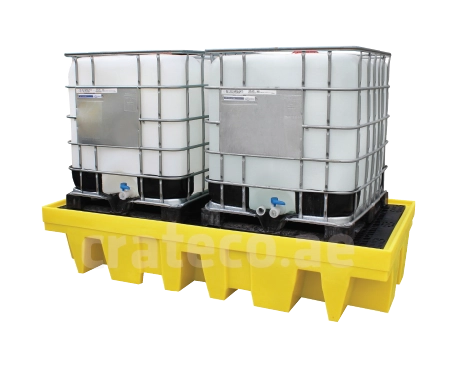
Spill Pallets

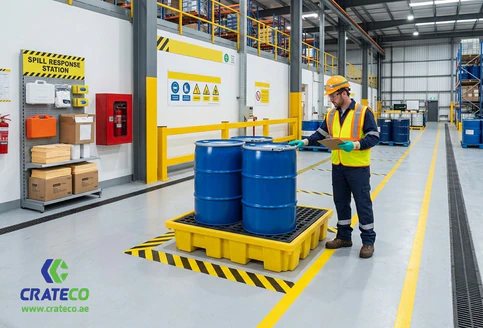
Spill pallets are designed to hold containers and collect liquid leaks. They are used in areas where chemicals, oils, or other liquids are stored.

The plastic material must be suitable for the intended liquid. Some chemicals can damage certain plastics, so chemical compatibility is important.

Manufacturers should also check:

  • Containment capacity: The amount of liquid the pallet can hold.
  • Load strength: Whether it can support the containers placed on it.
  • Leak resistance: Whether the design helps prevent unwanted leakage.
  • Safe handling: Whether the pallet can be moved and used properly.

The applicable chemical storage and environmental rules should be reviewed for each application.

Waste Bins

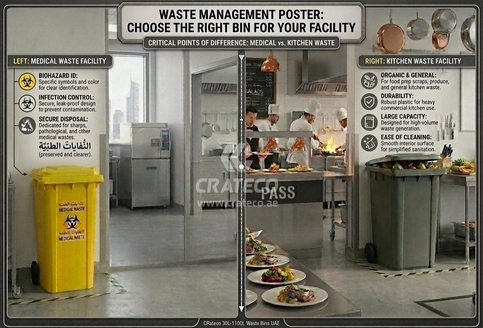
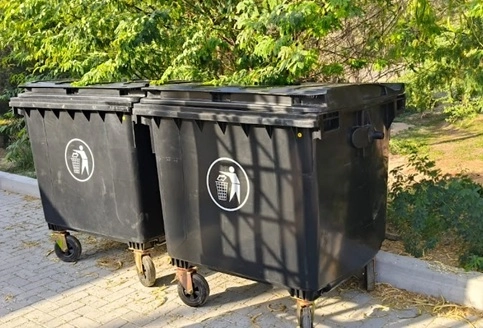
Waste bins should be designed for the type of waste they will hold. General waste, food waste, chemicals, and medical waste may have different handling needs.

Material strength, lid design, wheel quality, and stability all affect safe use. A bin used outdoors may also need resistance to sunlight and weather conditions.

Manufacturers should make sure the product suits its intended use. Special waste applications may require additional safety or handling requirements.

Documents Required for Plastic Product Certification

Good documentation helps manufacturers show that their products meet the applicable requirements. The exact documents depend on the product and certification scheme.

Document Purpose
UAE trade or industrial licenseConfirms the business activity
Product specificationsDefines the product, material, size, and intended use
Laboratory test reportsProvides technical and safety test results
Material composition recordsShows the raw materials and additives used
Quality control recordsSupports consistent production
Declaration of ConformityStates that the product meets applicable requirements
Product labels and marksHelps identify approved products where required

Manufacturers should keep these records updated and ensure that the documents match the actual products being made. A test report for one material or design may not cover a different product.

How to Prepare for MOIAT Certification?

Manufacturers can make the process easier by preparing before submitting an application. The first step is to identify the product category and the requirements that apply.

Identify the Product and Its Intended Use

Start by defining the product clearly. This includes its material, dimensions, purpose, and expected working conditions.

For example, a plastic pallet for warehouse racking may need different performance checks from a pallet used for floor storage. A food-contact crate may also have different material requirements from a general industrial crate.

Clear product information helps manufacturers select the right tests and prepare accurate documents.

Arrange the Required Laboratory Tests

The next step is to arrange the tests required for the product. The laboratory should be accepted under the applicable conformity requirements.

Manufacturers should provide accurate product samples and specifications. The test report should relate to the material and design used in production.

If the product changes after testing, the manufacturer should check whether further assessment is needed. This helps prevent problems caused by differences between the tested sample and the final product.

Apply Through the Correct Conformity Route

After preparing the required documents, manufacturers can apply through the relevant MOIAT service.

The application may involve document review, test report checks, and other technical assessments. Some products may require additional inspections or quality records.

Manufacturers should confirm current fees, certificate validity, and processing requirements before applying. These details can vary depending on the certification route and product category.

Common Mistakes That Can Delay Product Approval

Many compliance problems happen when product details and supporting documents do not match. Manufacturers should review their application carefully before submission.

Common mistakes include:

  • Wrong product category: Applying under a category that does not match the actual product.
  • Incomplete test reports: Missing required laboratory results or product details.
  • Expired license: Using an outdated trade or industrial license.
  • Poor material records: Not keeping clear information about raw materials and additives.
  • Incorrect product marks: Using a conformity or environmental mark without meeting its conditions.
  • Ignoring special requirements: Missing food-contact, recycled plastic, or biodegradable plastic rules.

A proper document review can help identify these issues early and reduce unnecessary delays.

How to Maintain Product Safety After Certification

Certification is not the end of quality control. Manufacturers must continue to make products that match the approved specifications and applicable requirements.

Regular inspections can help identify changes in raw materials, moulds, machines, or production settings. Quality teams should keep records of material batches, product dimensions, and test results.

Manufacturers should also review customer complaints and product defects. If a product fails during normal use, the cause should be investigated and corrective action taken.

Keeping production consistent helps protect product quality and supports long-term customer trust.

Choosing the Right Plastic Packaging for UAE Industries

Plastic packaging must be selected according to the job it needs to perform. A lightweight crate may be suitable for small goods, while heavy-duty pallets are better for large warehouse loads.

Manufacturers and buyers should consider:

  • Load capacity: Match the product to the weight it must carry.
  • Material type: Choose plastic that suits the working environment.
  • Storage conditions: Check whether the product is used indoors, outdoors, or in racking.
  • Handling needs: Consider forklifts, pallets, conveyors, and manual handling.
  • Cleaning requirements: Choose a design that is easy to clean when hygiene matters.
  • Product lifespan: Consider durability and repeated use.

The right packaging improves handling, reduces product damage, and supports safer warehouse operations.

Conclusion: Meeting MOIAT Product Safety Standards in the UAE

MOIAT product safety standards help ensure that regulated plastic products meet the safety and technical requirements that apply to them. Manufacturers should identify the correct product category, choose suitable materials, arrange the required laboratory tests, and maintain valid business documents.

ECAS and EQM are different conformity routes, so the right option depends on the product and applicable regulations. Industrial packaging manufacturers should also focus on load strength, material suitability, chemical resistance, and safe handling.

For reliable industrial packaging, Crateco Pack LLC is the best crate supplier in the UAE, offering plastic crates, pallets, spill pallets, waste bins, and other material handling products. Choose Crateco Pack LLC for quality plastic packaging that supports the needs of UAE warehouses, factories, and industrial businesses.
Recent Blogs
Jerry can buying guide showing material, seal, and safety features for fuel and water storage
The Ultimate Guide to Choosing the Right Jerry Can for Your Needs
Plastic pallets vs wood pallets comparison for modern shipping and warehouse use
Why More Companies Are Switching to Plastic Pallets for Shipping
Workplace spill kit for chemical and oil hazard safety and compliance in UAE
Choosing the Right Spill Kit for Your UAE Workplace: What You Need to Know
Plastic drums for industrial chemical, food, and liquid storage solutions
The Complete Guide to Plastic Drums for Industrial Storage Needs
IBC tanks in UAE for industrial liquid storage and transport solutions
IBC Tanks UAE: Your Complete Guide to Industrial Storage & Transport Solutions
Durable platform trolley for efficient warehouse and logistics operations
Top 5 Features to Look for in a Quality Platform Trolley
Material handling equipment for efficient warehouse and supply chain management in UAE
How Material Handling Equipment Improves Supply Chain Management in UAE
Medical and kitchen waste bins for hygienic facility waste management in UAE
Medical & Kitchen Waste Bins UAE: How to Choose the Right One for Your Facility
Plastic manufacturer UAE bulk supply guide for industrial buyers and procurement teams
What Defines a Trusted Plastic Manufacturer in UAE for Large-Scale Supply?
Hard plastic box with lid for durable storage in UAE homes and warehouses
Why a Hard Plastic Box with Lid Matters in UAE Climate Conditions
Plastic pallet boxes for retail backroom organisation and inventory management by Crateco UAE
How to Use Plastic Pallet Boxes for Retail Backroom Organization
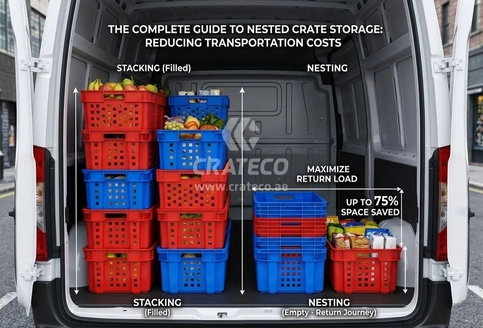
Nested crate storage solution for reducing transportation costs and saving space in UAE
The Complete Guide to Nested Crate Storage: Reducing Transportation Costs
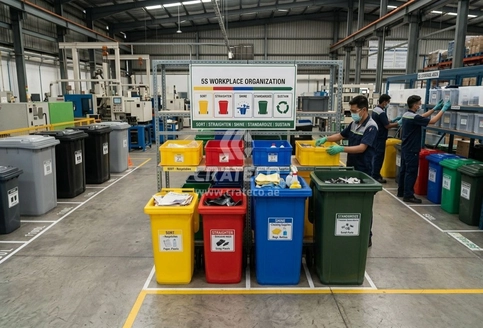
5S workplace organisation system using plastic bins for UAE warehouse efficiency by Crateco
How to Implement a 5S Workplace Organization System Using Plastic Bins
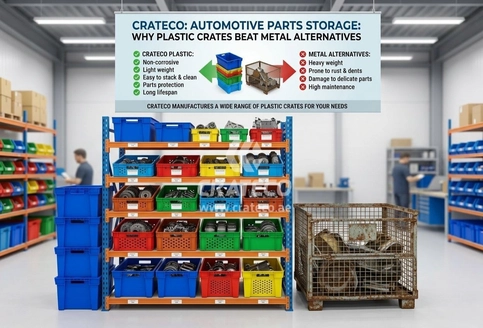
Plastic crates for automotive parts storage outperforming metal alternatives in UAE warehouses
Automotive Parts Storage: Why Plastic Crates Beat Metal Alternatives
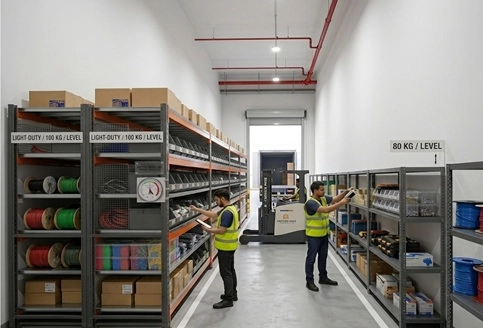
Medium duty racking system for organised warehouse logistics and inventory in UAE
How Medium Duty Racking Streamlines Logistics Operations in the UAE
Stackable storage boxes for space-saving organisation and item protection in UAE
How to Choose the Right Stackable Storage Boxes in the UAE
Slotted angle shelving system for organised warehouse and workspace storage in UAE
Slotted Angle Shelving: The Practical Storage Choice for UAE Businesses
Compliant reusable packaging options for UAE businesses replacing restricted single-use plastics under the 2026 ban.
UAE's 2026 Single-Use Plastics Ban: What It Means for B2B Packaging Buyers
Assorted plastic crate types including ventilated, nestable, and jumbo crates displayed for industrial use in UAE
A Complete Guide to Types of Plastic Crates and How to Choose the Right One
Various plastic pallet types and styles for warehouse storage in the UAE
A Complete Guide to Pallet Types, Styles & Materials
Smart storage solutions for UAE SMEs to reduce costs and improve efficiency
Cut UAE SME’s Costs with Smart Storage Solutions
Plastic manufacturing process in UAE showing production steps and materials
Understanding the Plastic Manufacturing Process in the UAE
IBC tank capacity comparison chart for industrial storage by Crateco UAE
Comparing IBC Tank Capacities: Which One Is Right for You?
IBC chemical storage tank for safe and efficient liquid handling in UAE industries
Why IBC Tanks Are the Preferred Choice for Chemical Storage?
Liquid storage solutions including jerry cans, drums, and IBC tanks by Crateco
Picking Right Liquid Storage Solutions: Jerry Cans, Drums & IBC | Crateco
Plastic pallets for durable and cost-effective logistics solutions in UAE
Plastic Pallets: The Smarter Logistics Choice for UAE Businesses
Spare parts bins for efficient storage and organization by Crateco UAE
Organize, Store, and Simplify with Spare Parts Bins from Crateco
Industrial jerry cans for safe chemical, fuel, and food-grade fluid storage in UAE
Industrial Jerry Cans: Your Complete Guide to Fluid Handling & Storage in UAE
Plastic crates for durable storage and transport solutions across UAE industries
Plastic Crates: Your Complete Guide to Durable Storage & Transport in UAE
Jumbo crates for heavy-duty storage and product protection across industries
Jumbo Crates: The Complete Guide to Heavy-Duty Storage Solutions
Modern waste bins for homes and offices offering hygiene and style in UAE
Top 5 Waste Bins for Modern Homes and Offices in the UAE
vegetable-crates-smart-choice-storage
Why Vegetable Crates Are the Smartest Choice for Fresh Produce Storage in UAE
Water and energy efficient plastic manufacturing facility in the UAE with closed-loop cooling systems and rooftop solar panels
How UAE Plastic Manufacturers Cut Water and Energy Use in Daily Production
Hygienic pallets for pharmaceutical storage compliance and efficiency in UAE facilities
Pharmaceutical Storage UAE: Hygienic Pallets and Compliance Standards
Ventilated crates for e-commerce picking systems and warehouse efficiency in UAE
E-Commerce Picking Systems UAE: Boost Efficiency with Ventilated Crates
IBC tanks and spill containment for UAE chemical storage regulation compliance
UAE Chemical Storage Regulations: IBC Tanks and Spill Containment Guide
Spill control products and practices for workplace hazard prevention in UAE industrial facilities
Spill Control Best Practices for UAE Industrial Facilities
Lightweight plastic crates for reducing logistics costs and improving ROI in UAE warehouses
Reducing Logistics Costs: The ROI of Lightweight Plastic Crates in UAE
Plastic products for supply chain resilience and operational risk reduction in UAE
Supply Chain Resilience: Why Plastic Products Reduce Risk and Downtime
Plastic crate sanitization guide for food-grade operations and contamination prevention in UAE
Cleaning and Sanitizing Plastic Crates: Best Practices for UAE Food Operations
Warehouse layout design using different crate types for maximum storage efficiency in UAE
Warehouse Layout Design: Choosing the Right Crate Types for Maximum Efficiency
Insulated tubs for temperature control and perishable product storage efficiency by Crateco UAE
Temperature Control in Storage: Why Insulated Tubs Are Essential for Perishables
Plastic and wood pallets side by side in a UAE warehouse, compared for carbon footprint and logistics performance.
Carbon Footprint Comparison: Plastic Pallets vs. Wood Pallets in UAE Logistics
UAE EPR compliance overview for plastic manufacturers and B2B buyers, covering material tracking and recycling obligations.
Extended Producer Responsibility (EPR) in the UAE: What Plastic Manufacturers and Buyers Need to Know
Color-coded plastic crates organised by category in a UAE warehouse to improve inventory control and picking accuracy.
Color-Coded Crate Systems: Improving Inventory Management and Warehouse Efficiency
Standardized plastic containers stacked for reverse logistics returns in a UAE distribution centre.
Return Logistics: Using Standardized Plastic Containers for Reverse Supply Chains
Safely stacked plastic crates and pallets maximising vertical storage space in a UAE warehouse.
Stacking Height Optimization: Maximizing Vertical Space Without Compromising Safety
Stackable and nestable plastic crates arranged for FIFO inventory rotation in a UAE warehouse.
Inventory Rotation: FIFO Systems Using Stackable and Nestable Crates
Closed plastic crates protecting sensitive components from dust and contamination in a UAE cleanroom facility.
Dust and Contamination Control: Using Closed Crates in Sensitive Environments
Reusable plastic crates replacing cardboard and stretch wrap in a UAE packing and distribution facility.
Packaging Integration: How Crates Reduce Secondary Packaging Needs
Heavy-duty commercial ingredient bin for hygienic food storage by Crateco UAE
Upgrade to a Heavy-Duty Commercial Ingredient Bin
Jumbo Crates for Warehouse Efficiency
How Jumbo Crates Can Streamline Your Warehouse Operations
HACCP-compliant plastic storage containers supporting food safety compliance in UAE facilities
Food Safety Standards: Why HACCP-Compliant Storage Matters
Stacked reusable plastic crates on pallets in a UAE warehouse for cost-efficient logistics.
Waste Reduction Strategy: How Reusable Containers Lower Operational Expenses
Heavy-duty commercial pallets used for warehouse and logistics storage in UAE.
Maintenance Tips to Extend Pallet Lifespan in Commercial Operations
UV-resistant plastic pallets stored outdoors in a UAE warehouse yard.
Choosing UV-Resistant Pallets for Exposed Outdoor Storage Areas
Recyclable plastic pallets and crates supporting circular economy logistics in UAE.
Circular Economy in Logistics: Recyclable Plastic Solutions Explained
Eco-friendly reusable packaging alternatives used in UAE supply chain logistics.
Eco-Friendly Packaging: Reducing Environmental Impact in UAE Supply Chains
Closed and ventilated plastic food crates used in UAE food distribution.
Hygiene Standards for Food Distribution: Closed vs. Ventilated Crates
Forklift-compatible plastic crates used for material handling in UAE warehouses.
Material Handling Compatibility: Choosing Crates That Work With Your Forklifts
Pallet jack-compatible industrial containers used in UAE warehouse operations.
Ensuring Your Containers Work With Standard Pallet Jack Equipment
Heavy-duty commercial ingredient bins for food-grade bulk storage by Crateco UAE
Why Upgrading to a Heavy-Duty Commercial Ingredient Bin Makes Sense
Fish crates used for seafood storage and transport in the fishing industry
Importance of Fish Crates in the Fishing Industry
Stacked plastic Halal storage containers in a UAE warehouse used for segregated food handling and transport
Halal Supply Chain Compliance: Why Storage and Transport Containers Matter
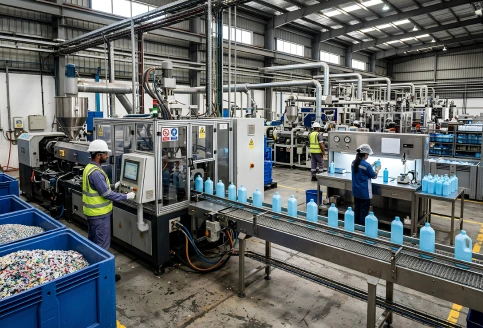
Recycled plastic packaging containers produced at a UAE manufacturing plant to meet recycled content and EPR requirements
Recycled Content Requirements: What UAE Regulations Mean for Packaging Manufacturers
Crateco pallet supplier comparison guide for UAE logistics and warehouse businesses
Crateco vs Other Pallet Suppliers in UAE: Which One Is Right for You?
Warehouse storage bins for efficient organization and inventory management by Crateco UAE
How to Organize Your Warehouse Efficiently Using Storage Bins
Waste management solutions for UAE businesses promoting sustainability and efficiency
The Rising Importance of Waste Management for UAE Businesses
Insulated tubs for safe and efficient heavy-duty storage by Crateco UAE
The Ultimate Guide to Insulated Tubs for Efficient and Safe Storage
Plastic storage containers for modern home and office organisation by Crateco UAE
Why Plastic Storage Containers Are Ideal for Modern Homes and Offices
Multi tier warehouse mezzanine with guardrails and load capacity signage in a UAE industrial storage facility
Working at Height and Mezzanine Load Compliance: Storage Standards for UAE Warehouses
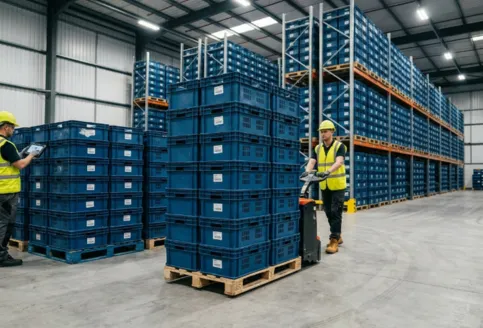
Warehouse worker moving a loaded pallet with an ergonomic hand pallet truck in a UAE distribution facility
Manual Handling and Ergonomics: Reducing Injuries with the Right Trolleys and Pallet Trucks
Supervisor checking a forklift operator safety record on a clipboard inside a UAE warehouse facility
UAE Labour Law and Employer Obligations for Material Handling Equipment
Stacked chemical storage drums with GHS hazard pictogram labels in a UAE industrial warehouse
GHS Labeling Explained: Chemical Container Compliance for UAE Businesses
UN-certified plastic drums and jerry cans marked with UN codes in a UAE hazardous goods storage area
UN-Certified Packaging: Why It Matters for Transporting Hazardous Goods in the UAE
Chemical drums stored inside a bunded spill containment pallet in a UAE industrial facility
Spill Containment Compliance Checklist: What UAE Environmental Inspectors Look For
Cooler box guide UAE for choosing the best ice cooler for outdoor use
Your Complete Guide to Choosing the Perfect Cooler Box in the UAE
Plastic dairy crates stacked for efficient storage and transport
Why the Modern Plastic Dairy Crates Are a Logistics Must
Stainless steel trash bin by Crateco for clean waste management
Why a Stainless Steel Trash Bin Is the Smart Choice for Every Space
Waste bins for businesses offering hygienic and efficient waste management
How to Choose the Right Waste Bin for Your Business
Metal waste bin for durable and eco-friendly waste management in the UAE
Metal Waste Bins: Durable & Eco-Friendly Waste Solution
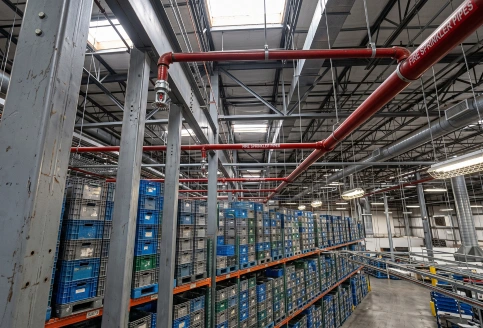
UAE warehouse with high bay pallet racking, overhead sprinkler pipework, and clear aisle spacing for fire safety compliance
What UAE Civil Defence Requires from Warehouse Racking and Fire Safety Systems
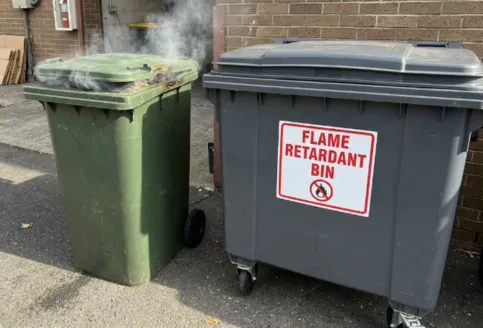
Flame-retardant garbage bins for fire risk control in UAE industrial and commercial areas
Understanding the Importance of Flame-Retardant Garbage Bins in UAE
Modular plastic crates for scalable warehouse storage and business growth in UAE
Why Modular Plastic Crates Are Key to Warehouse Efficiency in the UAE
Stackable pallets for vertical warehouse space optimization and efficiency in UAE
Maximize Warehouse Space with Stackable Pallets: A Vertical Storage Guide
Pallet truck safety and maintenance guide for efficient UAE warehouse operations
Pallet Truck Safety & Maintenance: A Complete Guide for UAE Warehouses
Platform trolley guide for warehouse, office, and retail efficiency and heavy lifting
Maximize Efficiency with Platform Trolleys: Your Complete Buying Guide
Sustainable warehousing trends showing eco-friendly storage solutions in UAE
Top 5 Sustainable Storage Trends Shaping Modern Warehousing in UAE
Packaging strategies for operational resilience using plastic crates and pallets in UAE
How Packaging Strategies Drive Operational Resilience in UAE Supply Chains