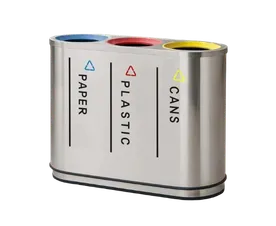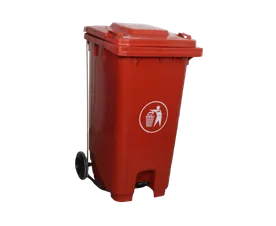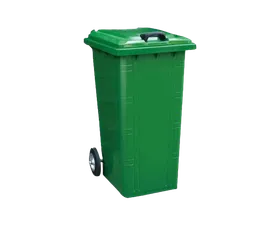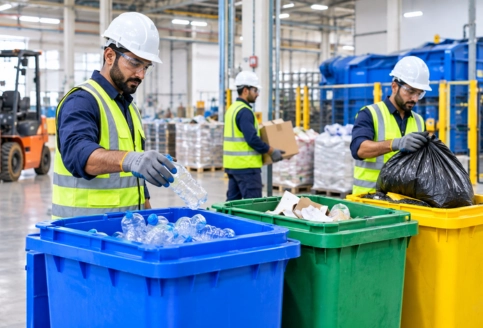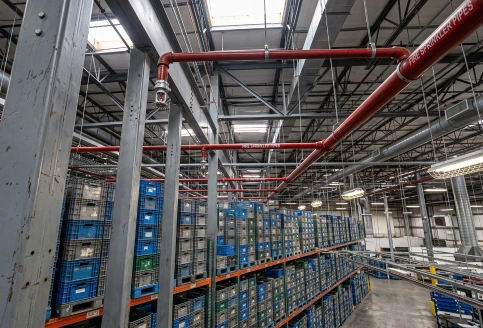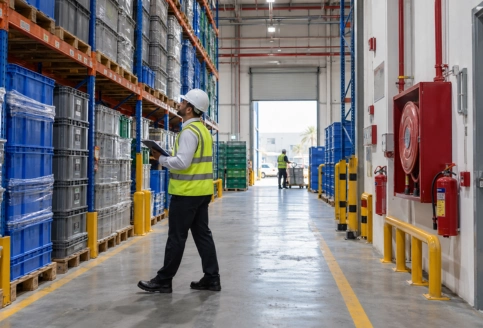


Green buildings are not just about energy-saving lights, water-efficient taps, and better insulation. The way a building stores and handles waste is equally important for creating a cleaner and more resource-efficient space.
Dubai's Al Sa'fat Green Building System sets standards that guide buildings towards better environmental performance. Facility storage choices can support these standards by making waste separation, recycling, and safe collection easier. Kitchen bins, floor-level garbage rooms, and construction waste storage areas all play a role in meeting waste management requirements.
Proper planning can help projects meet the required criteria for Silver, Gold or Platinum certification. It can also reduce waste, improve daily operations and make buildings easier to manage.
Dubai's Al Sa'fat Green Building System is a set of standards introduced by Dubai Municipality to improve the environmental performance of buildings. It covers areas such as energy use, water efficiency, indoor environmental quality, materials, and waste management.
The system helps developers, designers, and building owners make better choices during construction and building operation. Buildings are assessed against different requirements and can achieve Silver, Gold or Platinum ratings based on their performance and compliance with the applicable criteria.
Waste storage is an important part of green building design because it affects how easily people can separate, collect, and recycle materials. A building with suitable storage areas can prevent recyclable materials from mixing with general rubbish.
It can also make waste collection safer and more organised. For example, separate bins in kitchens and dedicated garbage rooms on each floor help residents and staff follow waste separation practices. These choices support the waste management goals of the Al Sa'fat system.
Chapter 2 of the Al Sa'fat regulations covers waste management requirements. It focuses on reducing waste, separating recyclable materials, and providing suitable storage facilities. These rules affect both building design and daily facility operations.
Developers need to consider waste storage before construction is complete rather than trying to add suitable areas later. Building owners and facility managers must then make sure the planned facilities remain usable after occupancy. This approach helps maintain waste separation throughout the building's working life.
Waste management planning can involve several parts of a building or project:
Each area serves a different purpose, but all contribute to better waste control.
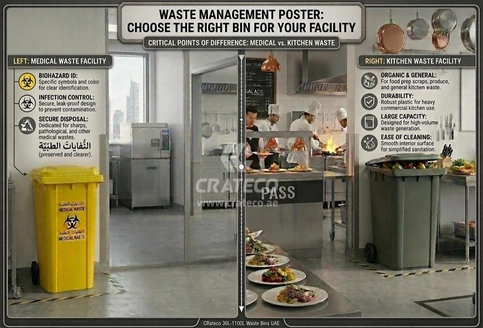
Kitchen waste is one of the most common types of waste produced in residential buildings. Under Article 702.03 of the earlier Al Sa'fat waste management requirements, new villas and apartments must have at least two waste receptacles with a capacity of 10 litres each.
One must be labelled for recyclable waste and the other for non-recyclable waste. Both containers should have a suitable place within the kitchen. This makes it easier for residents to separate waste before it reaches the building's main collection area.
The right storage products can make waste separation simple for residents. When planning kitchen storage, developers should consider:
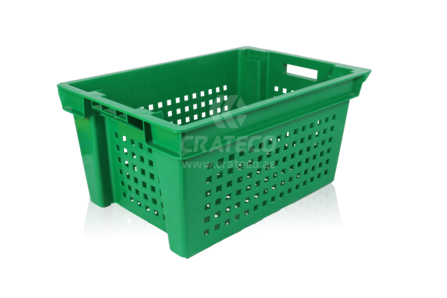
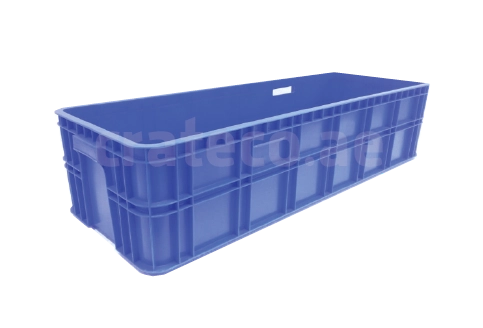
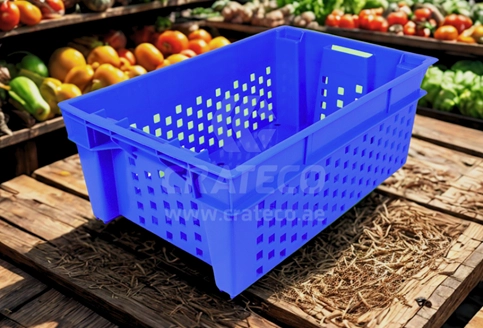
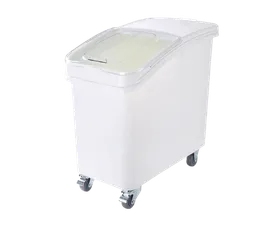
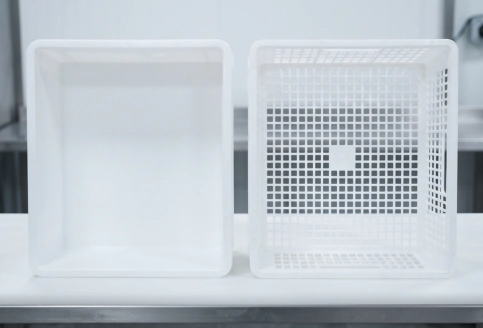
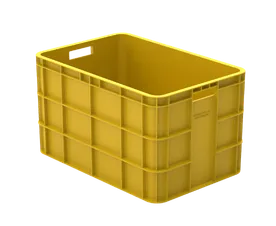
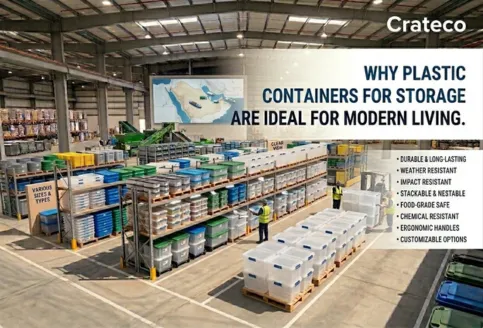
Plastic bins and storage containers can be useful because they are lightweight, easy to clean, and available in different sizes. However, the selected products must meet the building's design and applicable technical requirements.
In apartment buildings and commercial properties, waste needs to be collected from different floors before it reaches the central waste management area. Dedicated garbage rooms provide temporary storage space for this purpose.
Under the earlier Al Sa'fat requirements, buildings without a general waste chute must provide a garbage room of at least 3 m² on each floor. Buildings with a general waste chute have a different arrangement, including a second recycling chute or a separate recycling storage space of at least 2 m².
A well-planned garbage room should provide enough space for separate waste containers and safe movement. Important features include:
These features help prevent waste from building up in shared areas. They also make daily collection easier for facility management teams.
Floor-level garbage rooms are only one part of a building's waste management system. Larger buildings need a central area where recyclable materials can be sorted and stored before collection.
Article 702.05 of the Al Sa'fat system addresses recyclable waste management facilities. It requires new buildings other than villas to provide a sorting and storage facility for recyclable materials, following the relevant Dubai Building Code requirements.
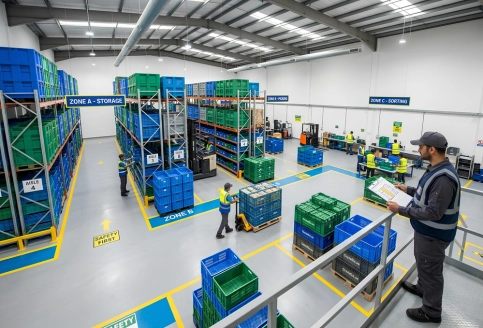
A central recycling area should be planned according to the building's size, expected waste volume, and collection needs. It may include separate storage for:
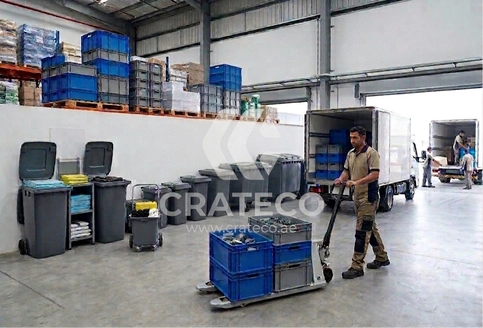
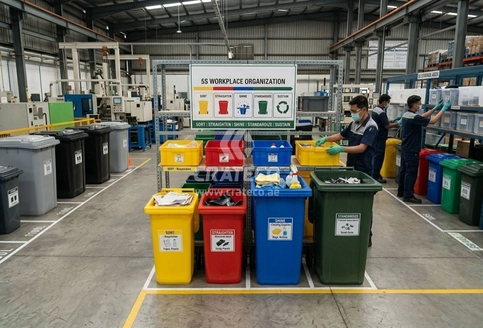
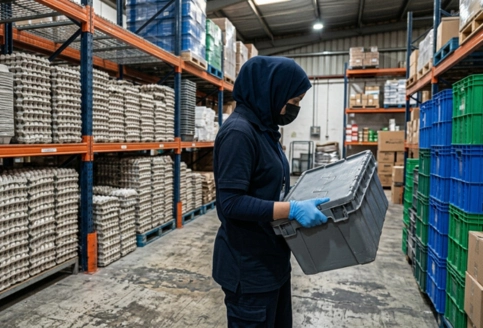
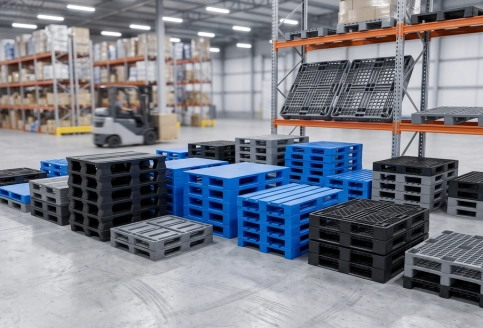
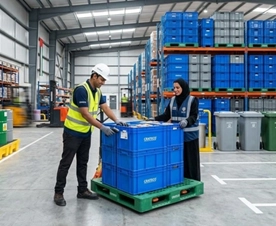
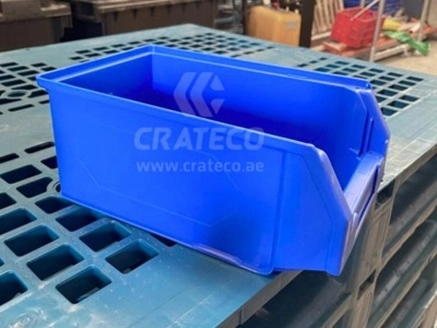
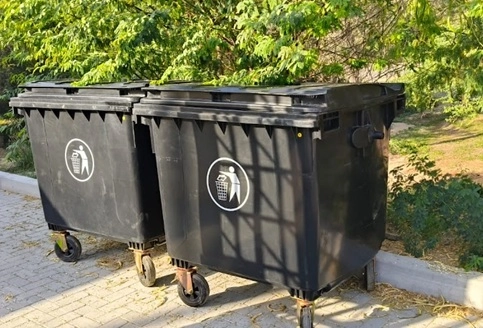
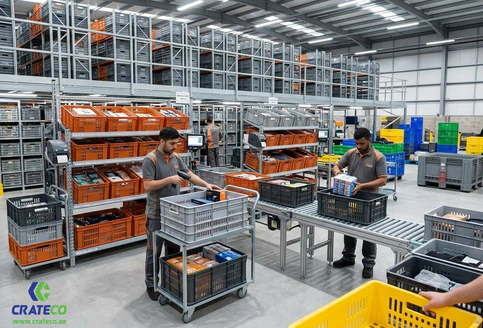
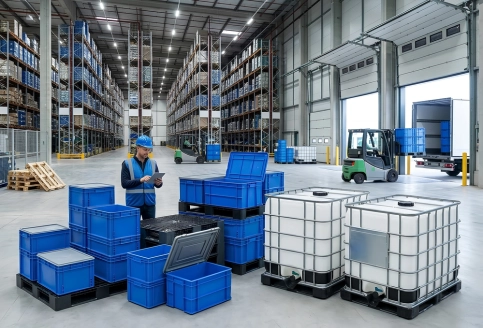
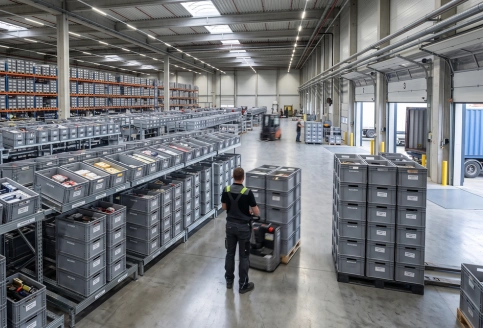
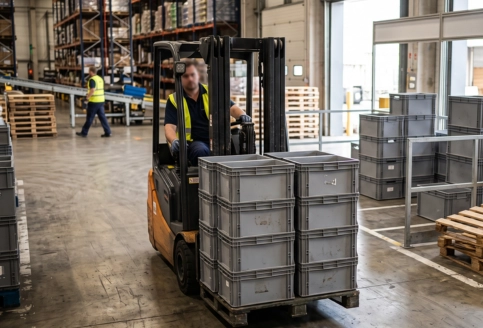
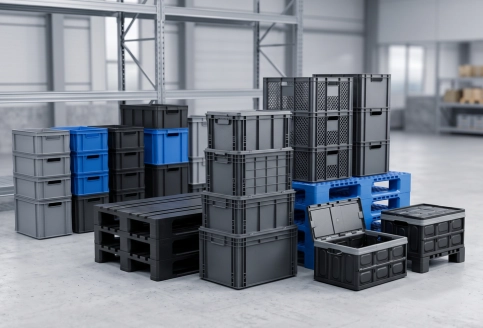
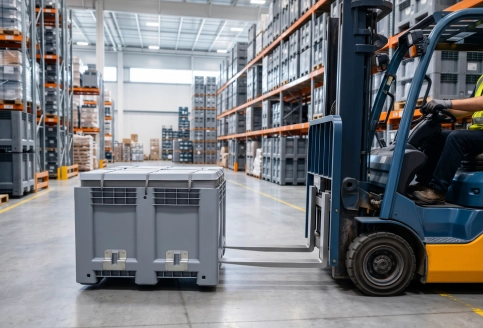
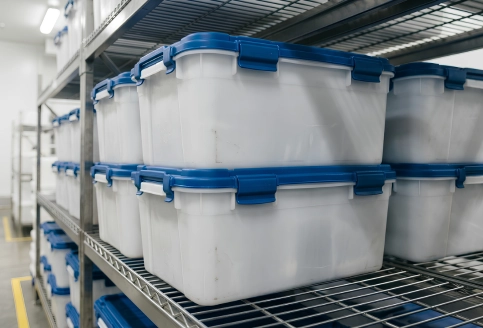
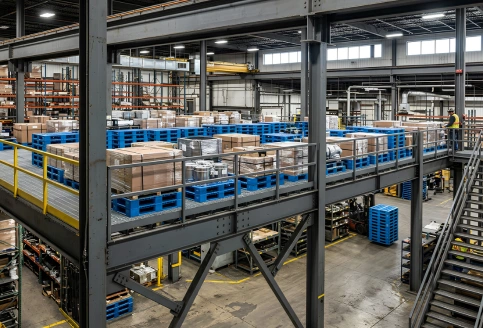
Storage containers should be easy to identify and access. The area should have enough space for staff to move materials without mixing different waste types. Choosing durable plastic bins, large storage containers and suitable material-handling products can help keep this area organised.
Construction sites produce large amounts of waste, including concrete, timber, metal, plastic and packaging materials. Poor storage can cause these materials to mix, making recycling and reuse more difficult.
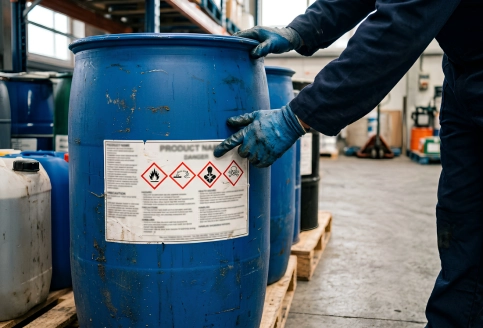
Al Sa'fat requires construction waste to be separated and stored on-site before collection. The minimum labelled storage categories include inert aggregates, metals, timber, dry recyclables and hazardous materials. For most new buildings outside the CBD area, at least 50% of construction and demolition waste by volume or weight must be diverted from landfill through recycling or reuse.
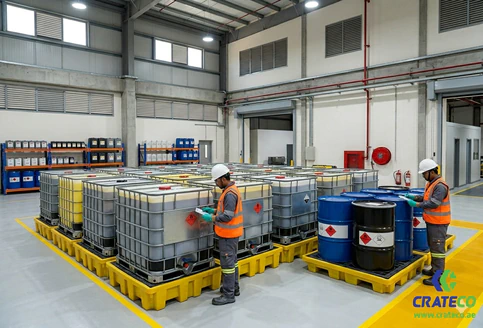
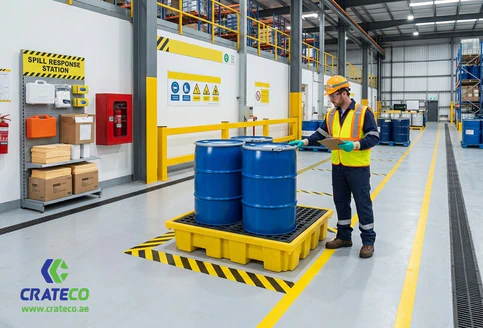
Developers and contractors should create clearly marked storage bays before construction work begins. Each area should be suitable for the type and volume of material being produced.
For example:
Proper storage makes it easier for contractors to track the amount of waste sent for recycling or reuse. It also provides useful records for project audits and sustainability assessments.
Al Sa'fat has three certification levels: Silver, Gold, and Platinum. Silver is the basic level required for most buildings in Dubai, while Gold and Platinum are optional levels for projects that meet additional sustainability requirements.
Good storage planning helps projects meet waste management criteria, but storage products alone do not guarantee a higher rating. The complete building must meet the applicable standards. Developers should consider waste storage alongside energy, water, materials and other environmental requirements.
| Certification | What it means |
|---|---|
| Silver Sa'fa | Basic mandatory requirements for applicable new buildings. |
| Gold Sa'fa | Higher sustainability performance through additional requirements. |
| Platinum Sa'fa | The highest rating, requiring stronger environmental performance. |
A well-designed storage system gives building managers the space and equipment needed to follow these practices.
Storage products should be selected according to the building's waste volume, available space, and type of materials. Using unsuitable containers can make waste separation difficult and create problems during collection.
Developers, contractors, and facility managers should consider durability, capacity, cleaning needs, and ease of use before purchasing storage products. The aim is to choose products that support daily waste handling while meeting the building's design and safety requirements.
Containers should have enough space for the expected waste volume. Small bins may fill quickly in busy residential and commercial buildings, while oversized containers can take up useful floor space.
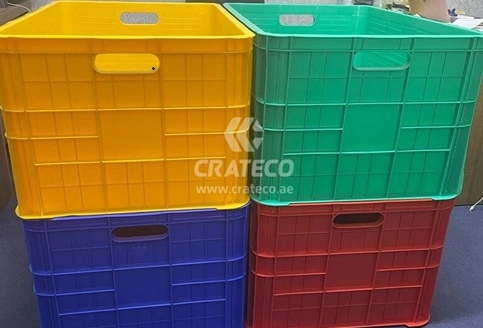
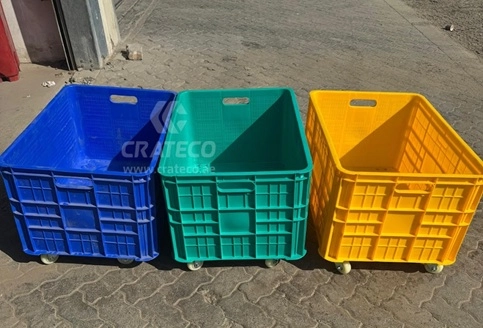
Choose strong materials that can handle regular use. High-quality plastic containers are useful for storing paper, packaging, plastic and other dry recyclables.
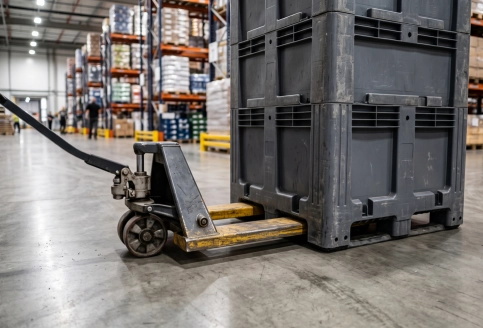
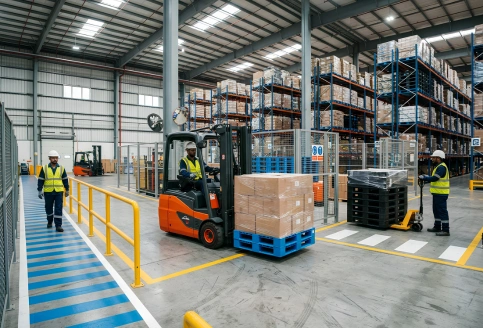
Storing products with suitable handles, lids, and wheels can make waste movement easier for cleaning and collection staff.
Labels and separate compartments help prevent recyclable materials from mixing with general waste.
Measure the available storage area before selecting containers. Leave enough room for staff to access, move, and clean them safely.
Meeting green building requirements during construction is only the first step. The waste storage system must remain useful after residents, employees, and tenants start using the building.
Facility managers should inspect bins, collection rooms, and recycling areas regularly. They should replace damaged containers, update labels, and make sure waste is collected on time.
Staff and residents should understand which materials belong in each bin. Regular checks can help identify problems early and keep waste management practices in line with the building's approved requirements.
These steps can improve daily building operations and help maintain the waste management practices considered during certification.
Poor storage planning can make it difficult for a building to meet waste management requirements. One common mistake is providing too little space for waste containers. Another is using the same bin for recyclable and non-recyclable materials.
Some construction sites fail to label storage areas, which can result in different materials being mixed. Buildings may also have suitable waste rooms but lack a proper collection plan.
Developers should avoid these problems by including storage requirements in the early design stage and checking them before project completion.
Other mistakes to avoid include:
Avoiding these issues can make waste management easier and reduce the need for costly changes after construction.
Dubai's Al Sa'fat Green Building System makes waste storage an important part of sustainable building design. Separate kitchen bins, properly planned garbage rooms, central recycling facilities, and organised construction waste storage all support better waste management.
These choices help buildings meet applicable Silver requirements and work towards Gold or Platinum certification. However, achieving a certification level depends on the full set of building standards, not storage choices alone.
Developers and facility managers should select durable storage products, plan enough space, and maintain proper waste separation throughout the building's life.
Looking for reliable storage and material-handling products for your facility? Crateco Pack LLC offers packaging and storage solutions for different business and industrial needs. Contact Crateco Pack LLC to explore suitable products for organising materials, improving storage, and supporting better facility operations.