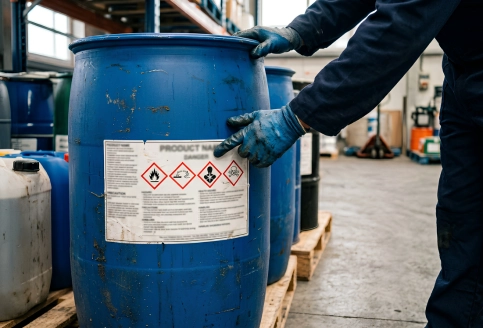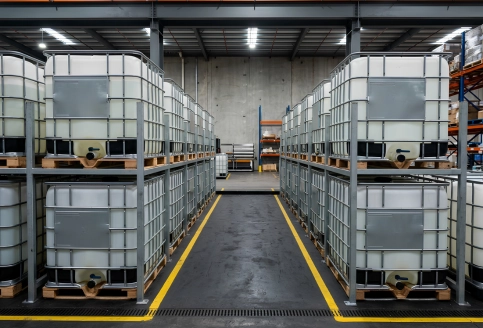


Transporting hazardous goods requires more than a strong box, drum, or bag. The packaging must be suitable for the material, the hazard classification, and the transport method. UN-certified packaging is designed and tested to meet international performance standards for certain dangerous goods shipments.
For UAE businesses, choosing the correct packaging is important because hazardous cargo may move through roads, airports, ports, warehouses, and international supply chains.
Proper packaging helps reduce the risk of leaks, breakage, contamination, and exposure while supporting compliance with applicable dangerous goods requirements.
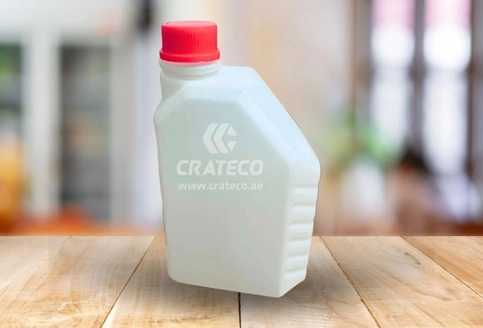
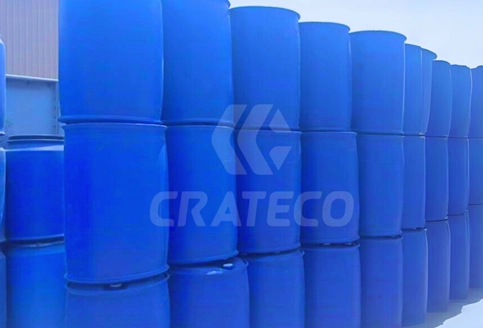
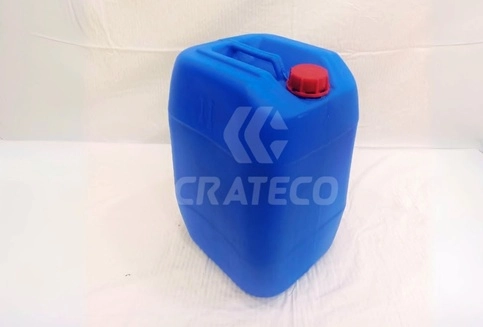
UN-certified packaging refers to packaging that has been tested against United Nations performance standards for the transport of dangerous goods. It can include drums, boxes, jerricans, combination packaging, and other approved packaging types.
The UN marking does not mean that every hazardous substance can be placed in the same container. The packaging approval applies to specific performance requirements, packing groups, packaging types, and conditions of use.
Businesses must first classify the material and then select packaging that is permitted for that particular substance.
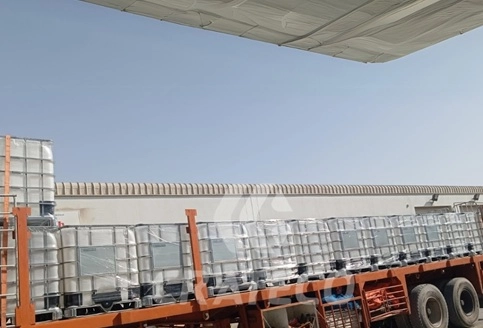
The UAE is a major logistics and trading hub, so hazardous goods can pass through multiple transport and handling stages. A shipment may move from a supplier to a warehouse, then by road to a port or airport before continuing to another country.
Hazardous goods transportation is subject to applicable national and international requirements. Depending on the transport mode, businesses may need to comply with road, air, or sea dangerous goods rules.
Using appropriate UN-specification packaging can help businesses meet the packaging performance requirements that apply to regulated dangerous goods.
However, packaging is only one part of compliance. Classification, marking, labeling, documentation, and transport requirements must also be addressed.
A damaged container can create problems throughout the supply chain. A chemical leak inside a warehouse, truck, or shipping container can expose workers, damage other cargo, and create environmental risks.
UN-tested packaging is designed to withstand defined performance tests. Choosing packaging based on the material's properties and packing group helps reduce the chance of packaging failure during normal transport conditions.
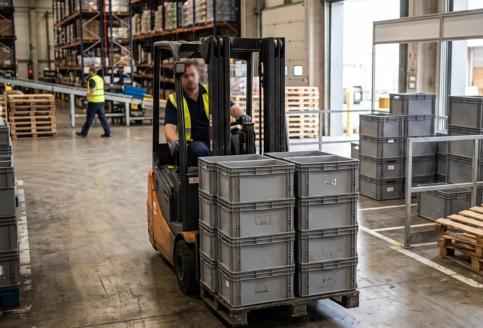
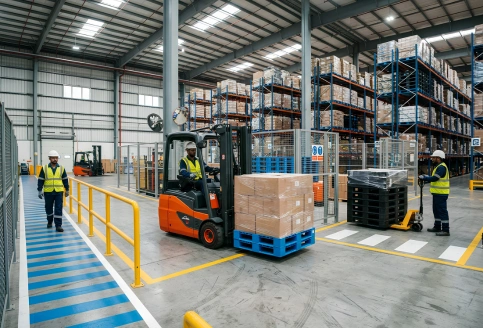
Hazardous goods can be lifted, stacked, loaded, unloaded, and moved several times during transportation. Packaging needs to withstand these handling conditions without losing its integrity.
Suitable UN packaging can provide greater confidence that containers will tolerate the specified performance conditions.
Businesses should still use proper handling equipment and follow the manufacturer's instructions because certification does not make packaging immune to misuse or severe damage.
Hazardous cargo leaving the UAE may be subject to international transport regulations. Air shipments can fall under IATA Dangerous Goods Regulations, while sea shipments are generally governed by the IMDG Code.
Using packaging that meets the applicable UN performance requirements can make it easier to prepare dangerous goods for international transportation. Shippers must still confirm the specific requirements for their chosen transport mode.
UN performance packaging is tested according to defined standards. The exact tests depend on the packaging type and approval.
Drop testing evaluates whether packaging can withstand impacts that may occur during handling and transportation. The test conditions are based on the applicable packaging specification.
The purpose is to check whether the packaging can maintain its integrity after impact. This is particularly important for containers carrying liquids or hazardous substances because a damaged package can quickly become a spill hazard.
Packages may be placed under pressure when stored or transported in stacked configurations. Stacking tests assess whether the packaging can withstand the required load without excessive deformation or failure.
This is important in warehouses, freight terminals, and shipping containers where packages may be arranged in multiple layers.
Certain packaging used for liquids must meet leakproofness or hydraulic pressure requirements. These tests help determine whether the container can hold its contents under the conditions specified for its approval.
The applicable test depends on the packaging design and the dangerous goods being transported.
UN markings provide information about the packaging specification and its approved performance level. A typical marking can contain several parts.
For example:
UN 4G/X15/S/24/USA/XXXX
The exact marking format can vary, but the elements can identify information such as:
Businesses should not interpret a UN code in isolation. The full marking and approval information should be checked against the packaging requirements for the specific dangerous goods.
Packing groups help indicate the degree of danger presented by certain substances. They are generally identified as follows:
| Packing Group | Level of Danger | General Meaning |
|---|---|---|
| I | High danger | Substances presenting the highest level of danger within applicable packing-group classifications |
| II | Medium danger | Substances presenting a medium level of danger |
| III | Low danger | Substances presenting a lower level of danger |
Not every dangerous good is assigned a packing group. Some hazard classes use different classification systems. This is why businesses should always check the applicable dangerous goods classification before selecting packaging.
The Safety Data Sheet is an important starting point when preparing a hazardous goods shipment. Section 14 normally provides transportation information, including details such as the UN number, proper shipping name, transport hazard class, and packing group where applicable.
Businesses should use this information together with the relevant transport regulations to determine the correct packaging.
The process should generally follow this order:
Different dangerous goods can require different packaging approaches. A container suitable for one chemical may not be suitable for another.
Businesses should consider factors such as:
Chemical compatibility is particularly important. The packaging material must be suitable for contact with the substance so that the container does not weaken, swell, crack, or otherwise fail.
The UAE's hot climate makes material selection and storage conditions especially important. However, businesses should not assume that a UN marking automatically means a package can withstand every possible temperature or exposure condition.
The packaging manufacturer's specifications should be reviewed for temperature limits, chemical compatibility, storage conditions, and closure requirements. Additional controls may also be necessary when hazardous goods are transported or stored in high-temperature environments.
For long-distance shipments, businesses should also consider the full journey rather than only the conditions at the point of dispatch. Cargo may experience changes in temperature, handling, vibration, stacking pressure, and transit duration.
UN-certified packaging does not replace dangerous goods marks and labels. A package can have an appropriate UN specification marking and still require additional hazard communication.
Depending on the shipment, requirements may include:
The exact requirements depend on the substance and transport mode. Businesses should check the applicable road, air, or sea regulations before dispatch.
Even businesses that purchase UN-certified packaging can make mistakes during shipment preparation.
| Area | What to Check |
|---|---|
| Product classification | Confirm the dangerous goods classification |
| UN number | Verify against current transport documentation and SDS |
| Packing group | Check whether the substance has a packing group |
| Packaging specification | Confirm the UN packaging type is permitted |
| Chemical compatibility | Ensure the packaging material suits the contents |
| UN marking | Check the complete packaging marking |
| Capacity | Stay within approved weight or volume limits |
| Closures | Follow the manufacturer's closure instructions |
| Package condition | Inspect for cracks, dents, corrosion, or damage |
| Hazard labels | Apply the required transport labels and marks |
| Documentation | Prepare applicable dangerous goods documents |
| Transport mode | Check road, air, or sea-specific requirements |
Businesses should treat dangerous goods packaging as part of their overall logistics process rather than as a last-minute shipping requirement. Procurement teams should confirm packaging specifications before purchasing containers, while warehouse teams should inspect packaging before loading.
Staff responsible for dangerous goods should also understand the difference between packaging approval, hazard labeling, and transport documentation. Each serves a different purpose.
For recurring shipments, businesses can create a packaging checklist for each product. This can include the UN number, hazard class, packing group, approved packaging type, quantity limits, labeling requirements, and transport mode. This approach can reduce errors and make shipment preparation more consistent.
The right packaging can make hazardous goods handling more organized and reliable. Businesses should work with suppliers that can provide clear product specifications and help identify suitable packaging based on load requirements, chemical use, and storage conditions.
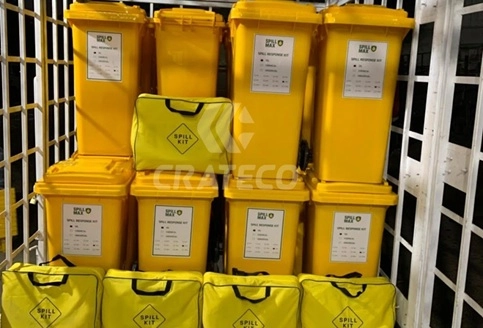
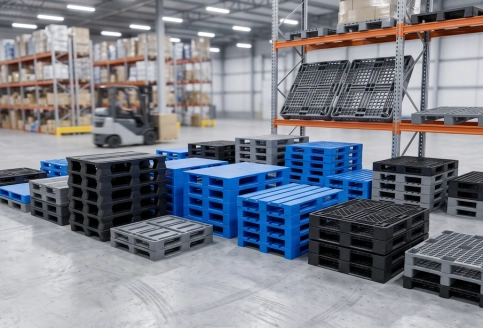
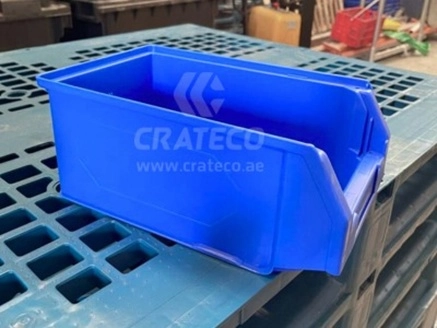
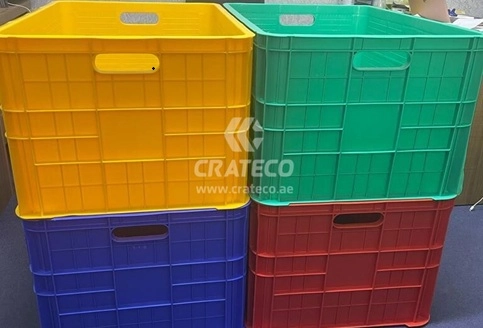
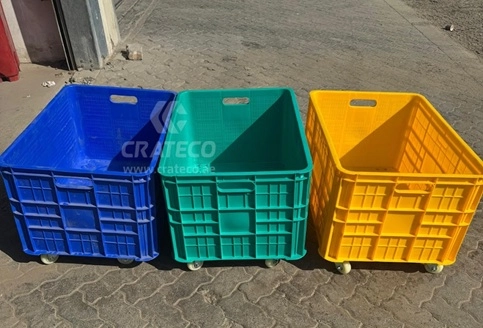
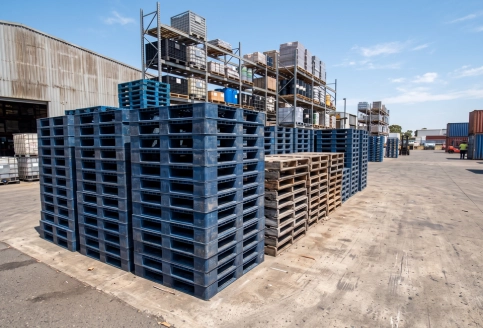
Crateco Pack LLC supplies industrial packaging and material handling products for businesses across the UAE. Its product range includes plastic pallets, crates, bins, spill containment solutions, and other products for demanding warehouse and logistics environments.
For hazardous goods operations, businesses should confirm the required UN specification and dangerous goods approval before selecting packaging for regulated transport.
UN-certified packaging plays an important role in the safe transportation of regulated hazardous goods. Its value comes from defined performance testing, appropriate packaging design, and compliance with the requirements that apply to the specific substance and transport method.
However, a UN mark alone is not enough. UAE businesses should correctly classify their goods, check the SDS, select compatible packaging, stay within approved limits, apply the required marks and labels, and prepare the correct documentation.
By treating packaging as part of the complete dangerous goods compliance process, businesses can reduce transport risks and improve the reliability of their hazardous cargo operations.