The world of logistics is changing fast. Businesses are no longer just looking for the cheapest way to move goods; they are looking for the smartest and greenest way. Sustainability is no longer a "nice to have" feature; it is a requirement for success.
At Crateco, we are leading this change. As a premier Industrial Plastic Product Supplier in the UAE, we help companies transition from old, wasteful habits to modern, eco-friendly systems. In this guide, we will explore the top five trends that are shaping the future of sustainable storage and how they can benefit your business.
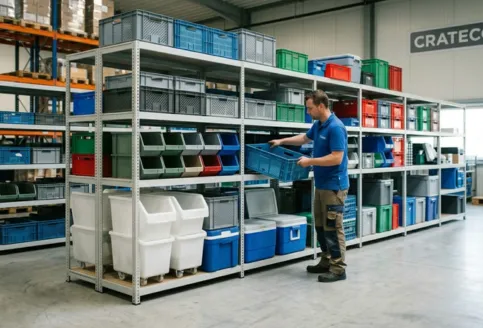
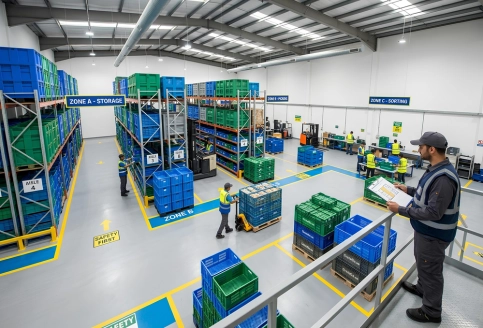
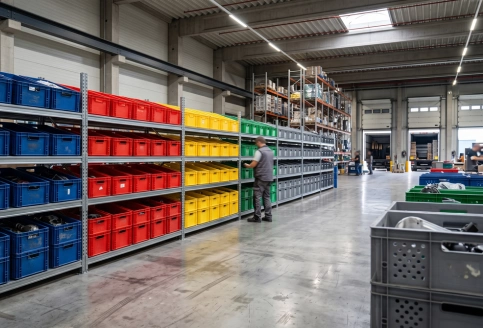
Sustainable storage is about reducing waste, saving energy, and choosing materials that last. Instead of using items once and throwing them away, companies are moving toward a "circular economy." This means using products that can be repaired, reused, and eventually recycled into brand-new items.
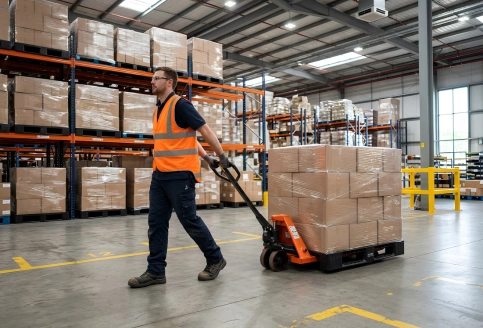
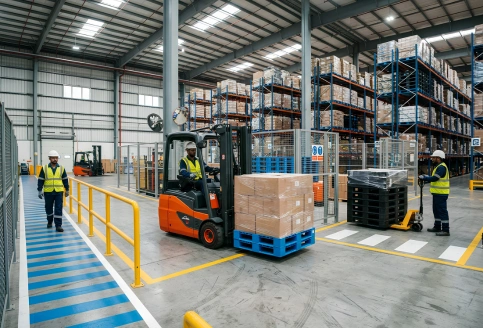
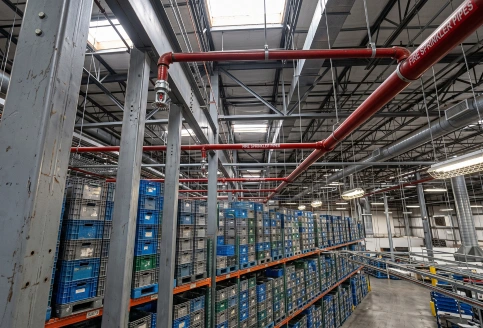
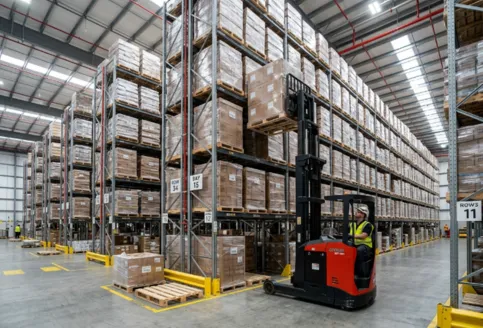
For a warehouse, this could mean switching from wooden pallets to recyclable plastic or using smart sensors to reduce electricity. The goal is to keep your operations running smoothly while leaving a smaller footprint on the planet.
The industrial sector is undergoing a massive transformation as "Green Logistics" becomes the new standard. Companies are moving away from single-use materials and embracing durable, high-performance solutions that protect both their bottom line and the environment.
The following are the trends that are defining the future of the industry:
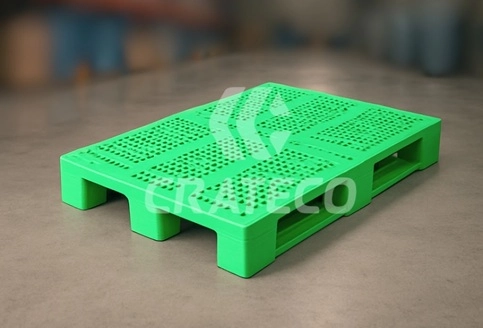
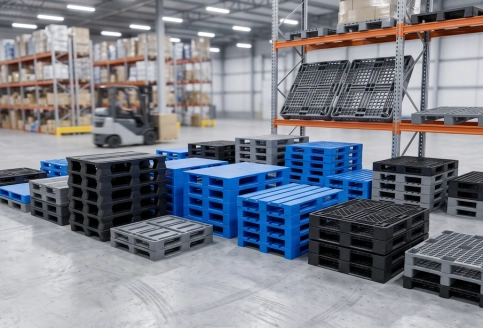
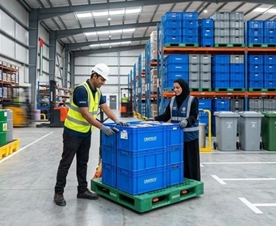
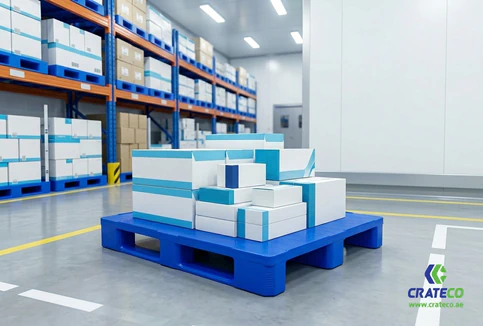
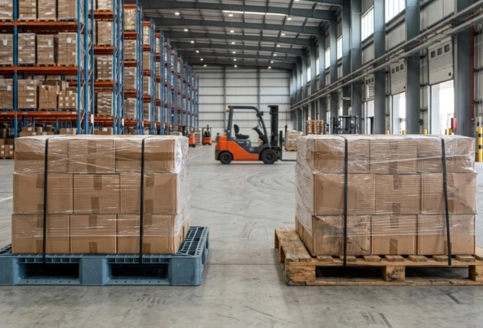
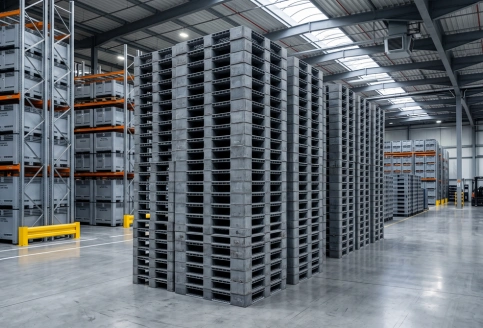
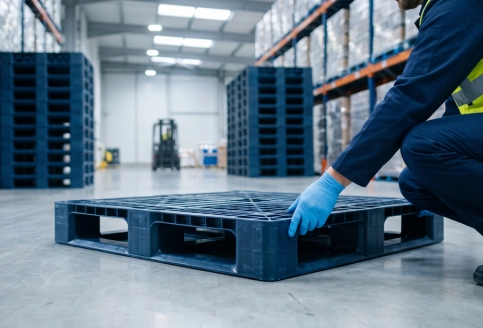
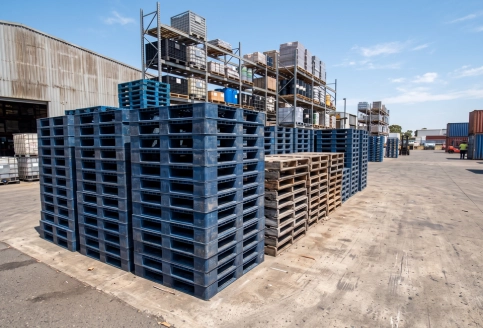
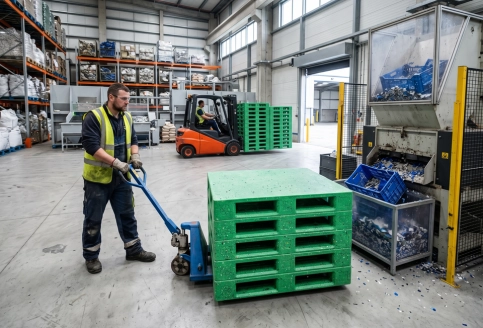
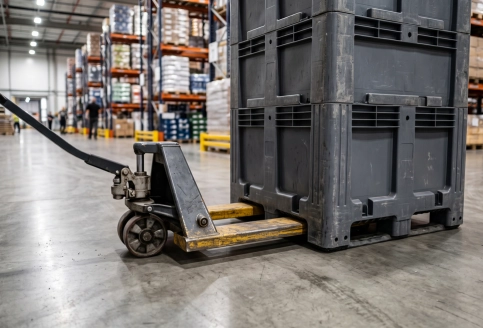
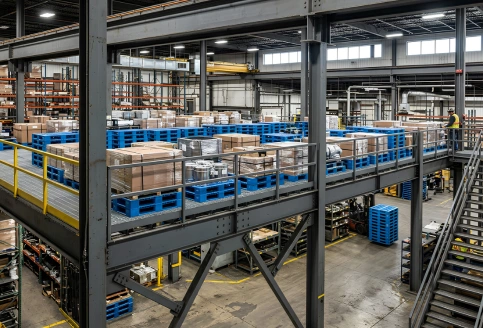
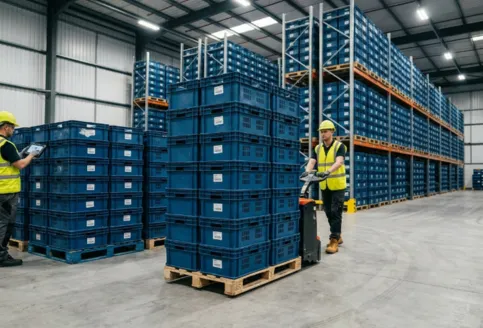
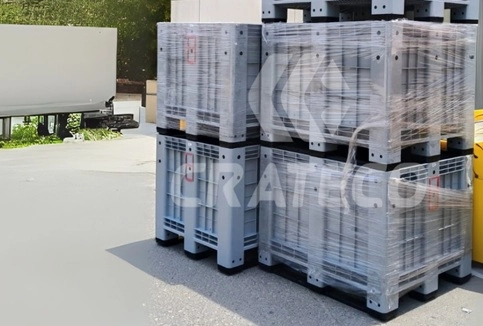
For decades, wood was the standard. But wood breaks, splinters, and eventually ends up in a landfill. The biggest trend right now is the move toward high-quality, 100% recyclable plastic pallets.
Why Is Plastic More Sustainable Than Wood?
It sounds strange to say plastic is better for the environment, but the math is simple.
Longevity: One Crateco plastic pallet can last for over 10 years and survive 250+ trips. You would need to cut down dozens of trees to make enough wooden pallets to match that lifespan.
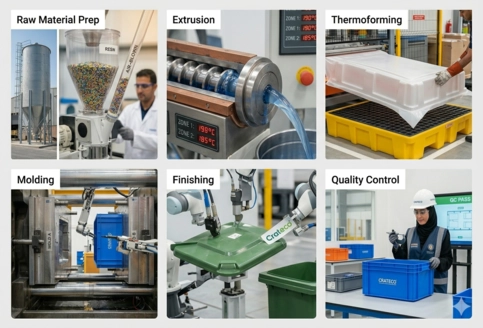
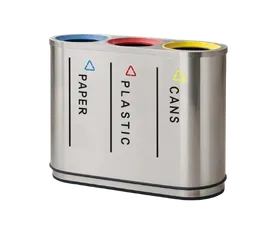
Closed-Loop Recycling: When a plastic pallet finally breaks, it doesn't become trash. It is ground down, melted, and molded into a new pallet. This "closed-loop" system means no new waste is created.
Did you know that "empty space" is one of the biggest enemies of sustainability? Shipping air is expensive and wasteful.
Nestable Solutions:
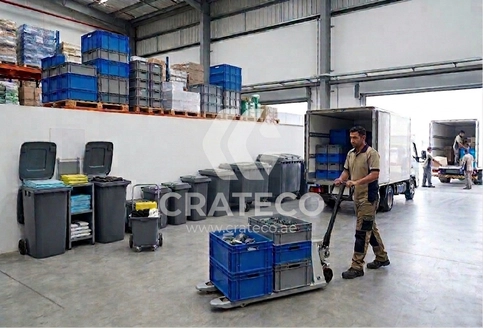
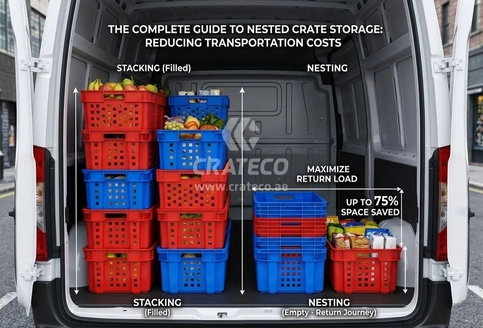
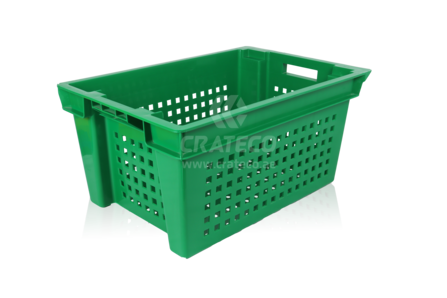
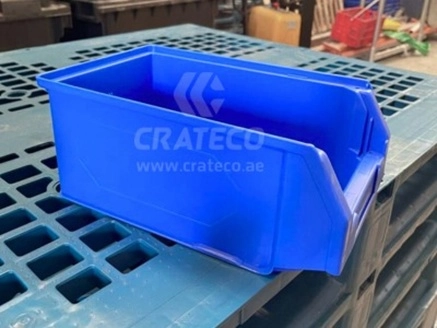
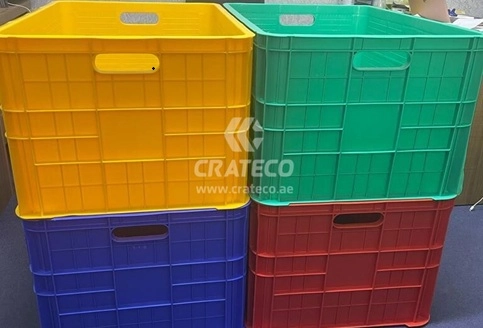
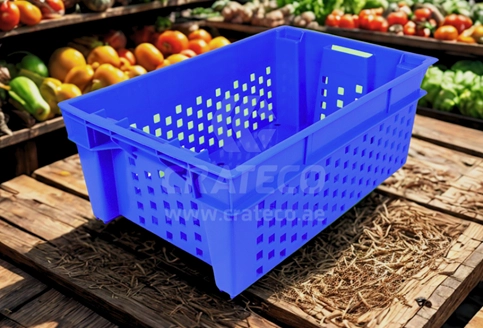
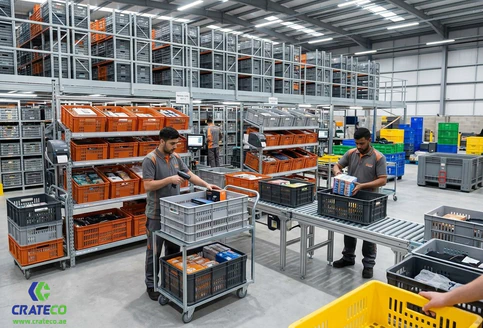
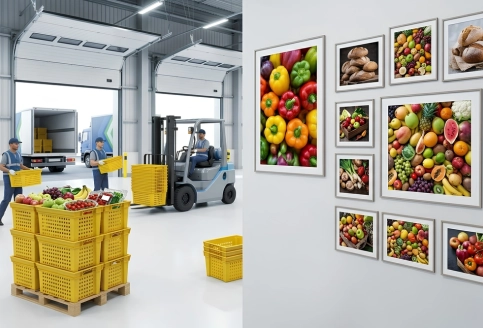
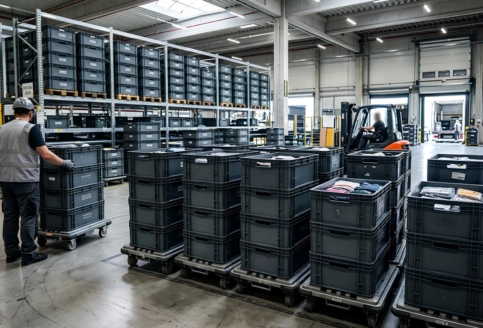
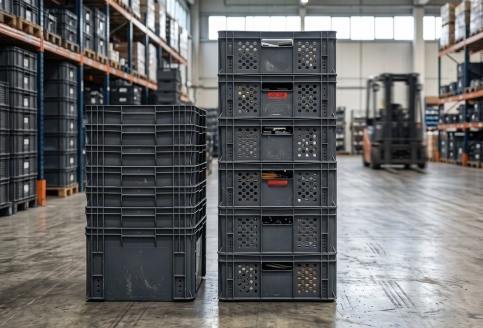
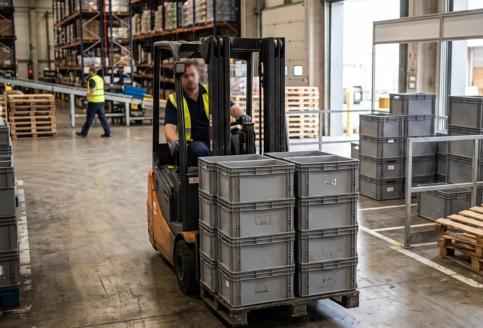
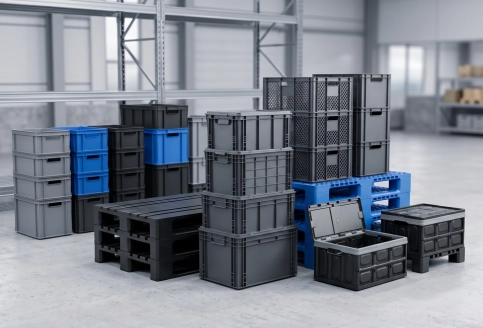
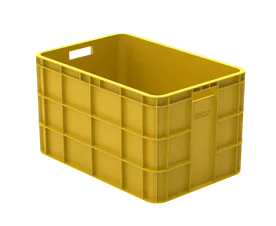
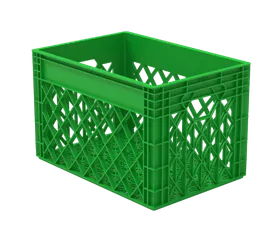
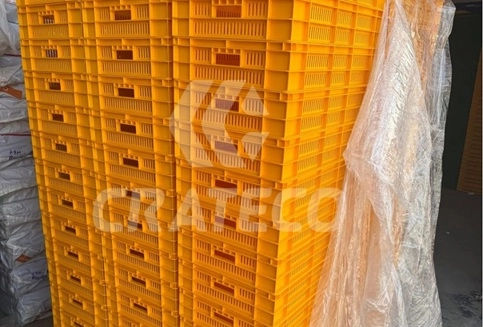
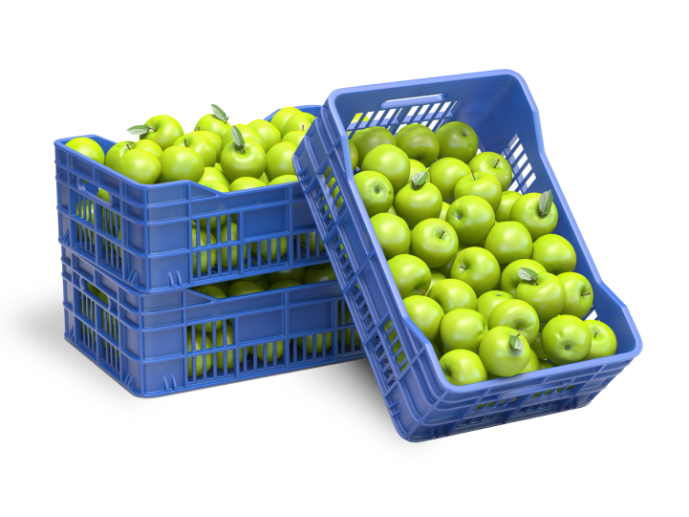
Nestable crates and pallets are designed to fit inside one another when they are empty. This is a game-changer for return logistics.
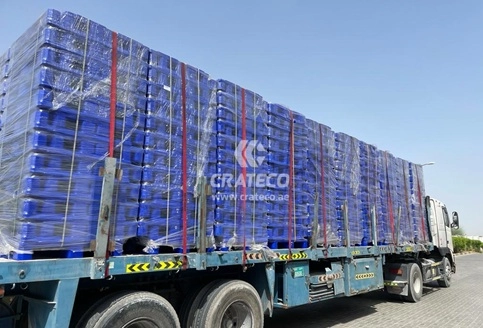
The Benefit: You can fit three times as many empty nestable crates in a single truck compared to standard ones.
The Result: Fewer truck trips mean less fuel used and lower CO2 emissions.
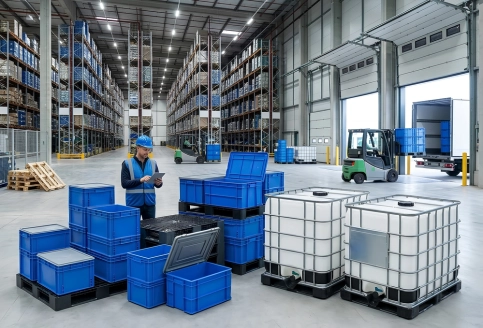
Foldable Large Containers (FLCs):
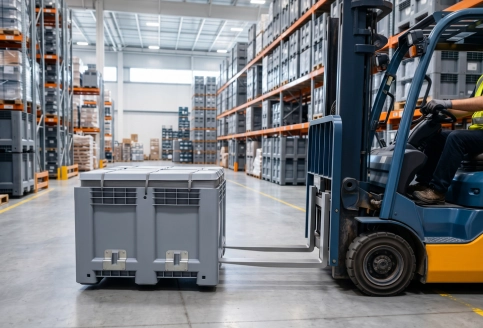
For heavy-duty storage, foldable containers allow you to collapse the walls when the container is not in use. This maximizes warehouse floor space and ensures that every delivery truck is packed as efficiently as possible.
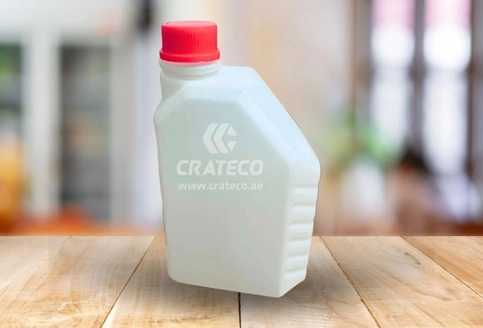
Not all plastics are equal. There is a clear focus on High-Density Polyethylene (HDPE). This is the material of choice for eco-conscious managers.
Why HDPE?
Strength: It handles the extreme heat of the UAE without becoming brittle.
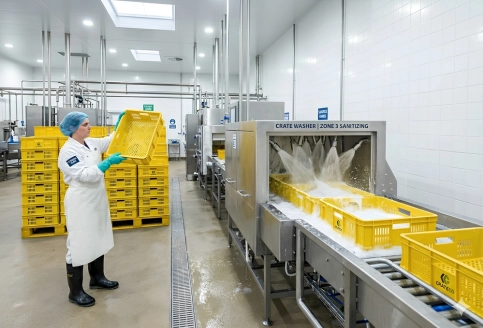
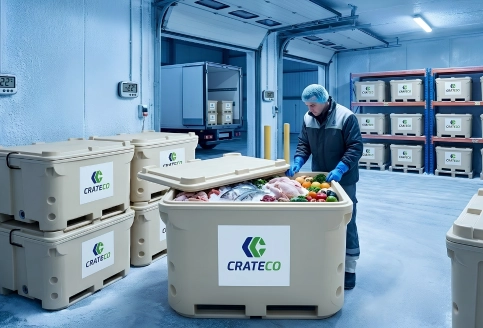
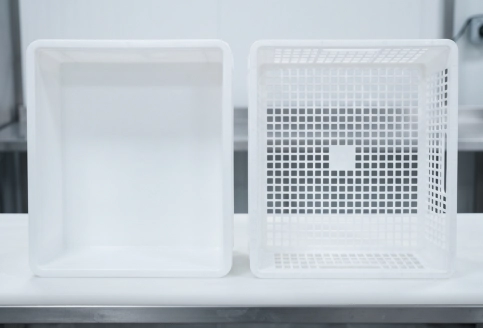
Safety: It is non-toxic and food-safe, making it perfect for the pharmaceutical and F&B industries.
Recyclability: HDPE is one of the easiest plastics to recycle globally.
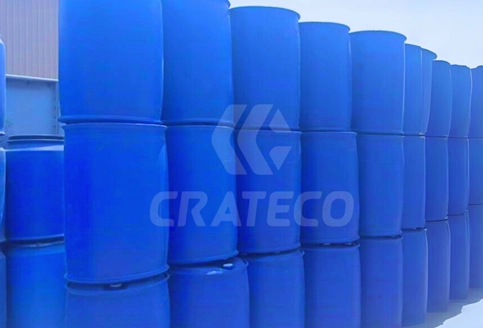
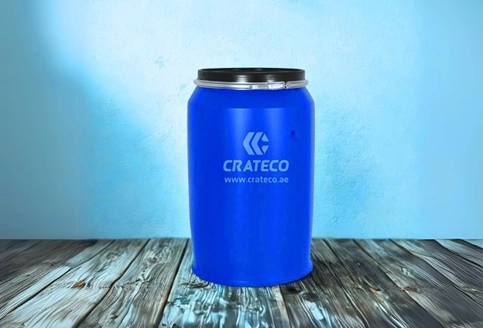
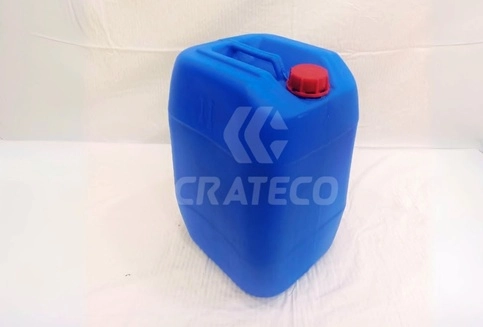
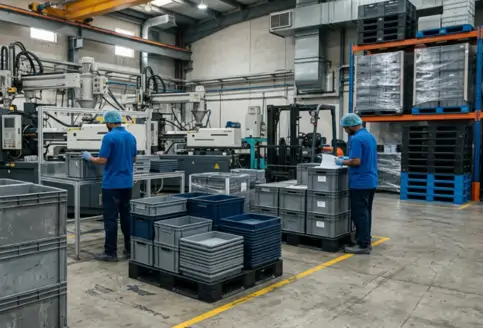
By choosing HDPE products, companies ensure their storage bins and drums stay in service for a decade or more, drastically reducing the need to buy replacement products.
Sustainability is also about data. If you know exactly where your pallets are, you don't lose them. If you don't lose them, you don't have to manufacture more.
IoT Integration
Many modern crates and pallets now come with slots for RFID tags or IoT sensors. This allows managers to:
Track Lifespans: Know exactly when a pallet needs maintenance.
Reduce Loss: Prevent pallets from being left behind at client sites or lost in transit.
Optimize Routes: Use data to find the shortest, most fuel-efficient delivery paths.
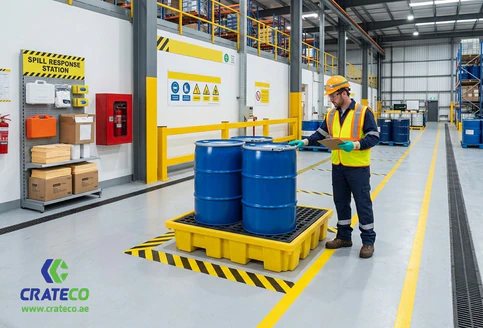
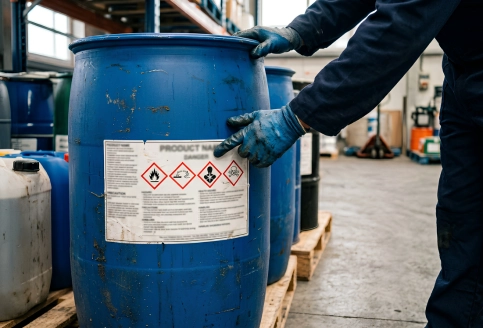
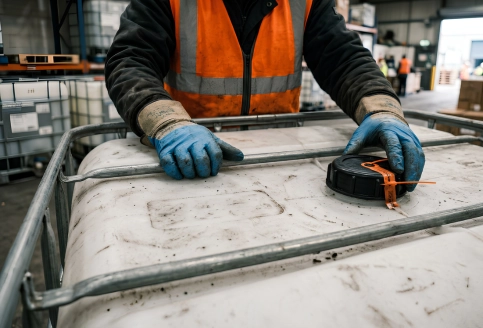
Protecting the environment isn't just about what you use; it's about preventing accidents. Spill containment has become a top priority for industrial sites.
Modern Spill Pallets
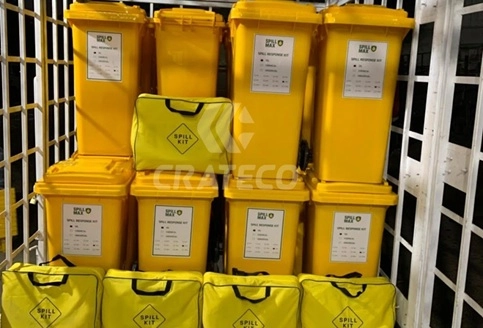
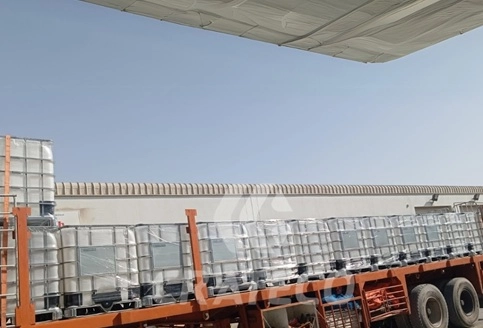
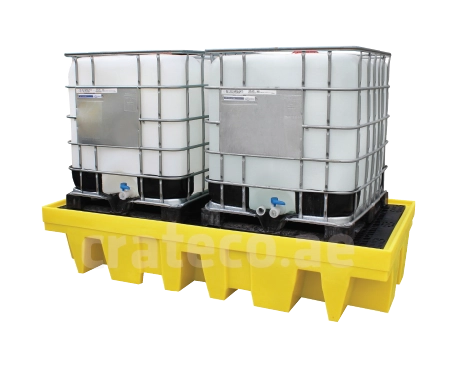
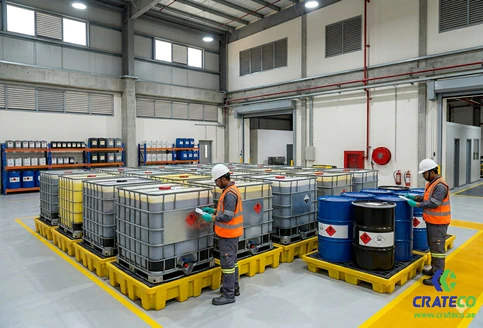
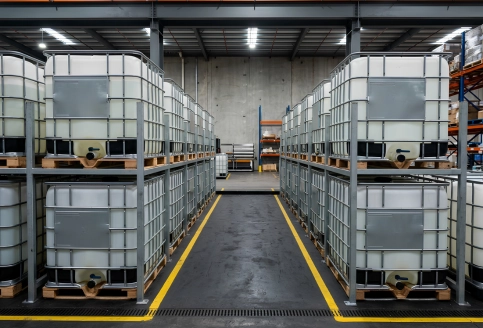
Instead of using messy sand or sawdust to clean up leaks, companies are using Spill Containment Pallets. These are specialized plastic platforms that catch leaks before they touch the ground.
Reusable: The captured liquid can often be reclaimed, and the pallet can be washed and reused.
Compliance: Using these products helps businesses meet strict UAE environmental regulations, avoiding heavy fines and environmental damage.
| Feature | Old Methods (Linear) | Sustainable Trends (Circular) |
|---|---|---|
| Primary Material | Wood or Single-use Plastic | 100% Recyclable HDPE |
| Lifespan | 6 months to 1 year | 10+ Years |
| Transport Efficiency | Bulky, non-stackable | Foldable and Nestable |
| Waste Goal | Disposal in Landfill | Zero-Waste / Fully Recycled |
| Hygiene | Requires chemical treatment | Naturally bacteria-resistant |
While eco-friendly products might have a higher price tag at first, they are much cheaper over time. Think of it as an investment rather than an expense.
Zero Repair Costs: You don't need to pay someone to fix broken wooden boards or bent metal.
Lower Shipping Fees: Lighter plastic pallets and nestable crates reduce the weight of your shipments, saving on petrol.
Brand Reputation: Customers today prefer to work with "Green" companies. Showing that your warehouse uses sustainable tools can help you win big contracts.
As a leading Industrial Plastic Product Supplier in the UAE, Crateco is at the forefront of eco-friendly logistics. By adopting the latest sustainable storage trends, businesses can significantly reduce their environmental impact while cutting long-term operational costs.
Switching to 100% recyclable HDPE products and space-saving nestable designs ensures a more efficient supply chain. These durable, circular solutions help UAE companies meet modern green standards, proving that professional safety and environmental responsibility go hand in hand.
Yes, when they are high-quality and recyclable. Because they last 25 times longer than wood and can be fully recycled back into pallets, their lifetime carbon footprint is much lower.
We encourage all our partners to look into recycling programs. Since we use high-grade HDPE, our products are highly valued by recycling centers.
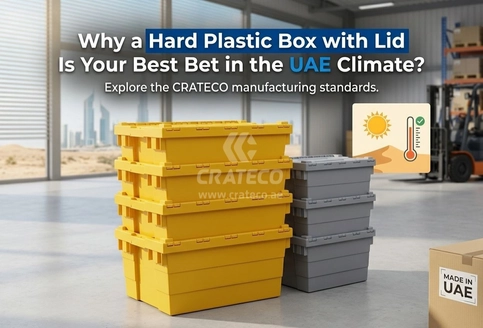
Absolutely. At Crateco, our products are UV-stabilized. This means they are specifically built to withstand the intense sun and heat of the Middle East without breaking down.