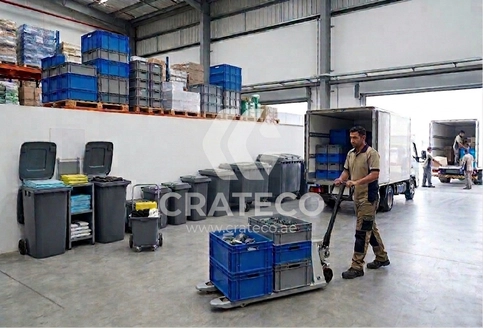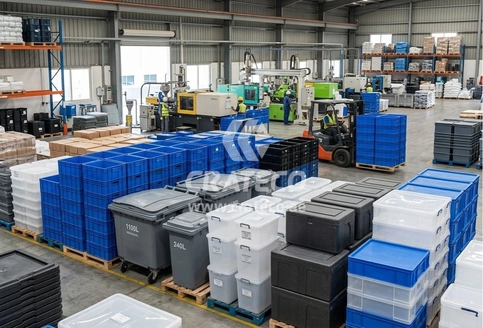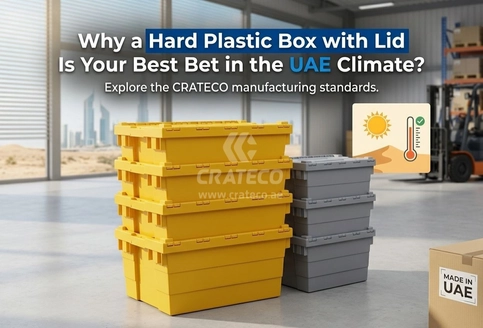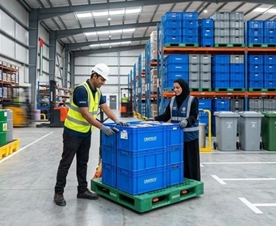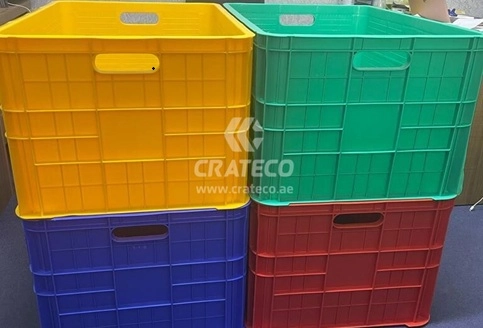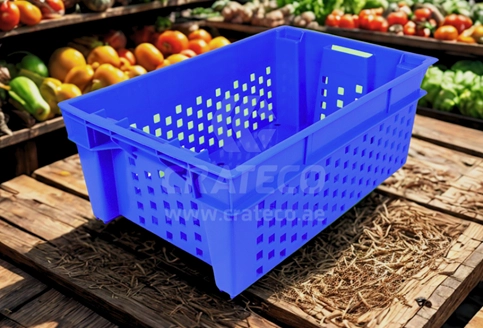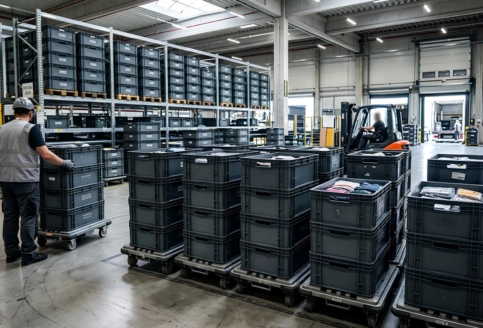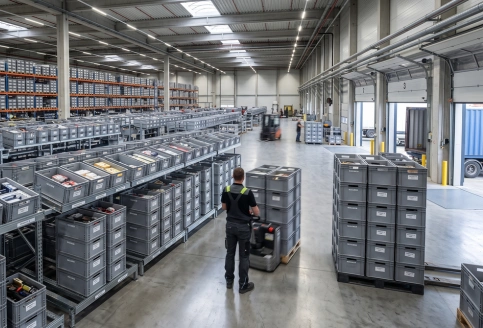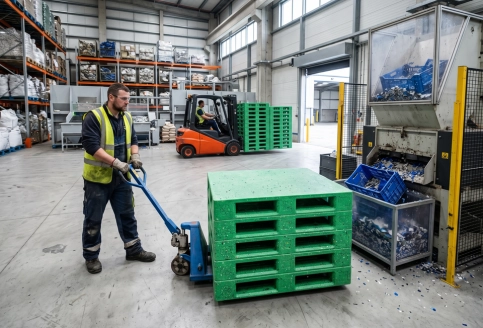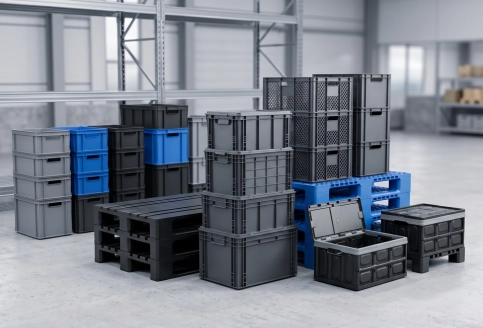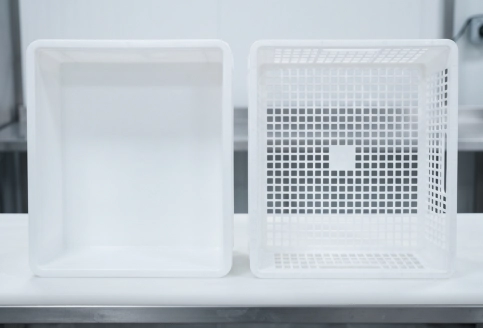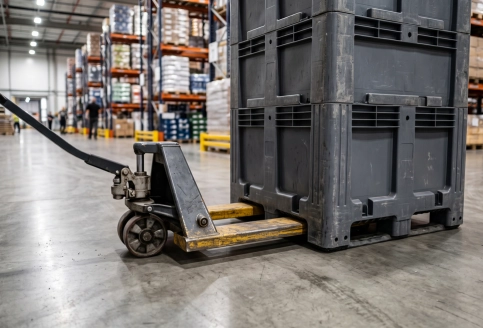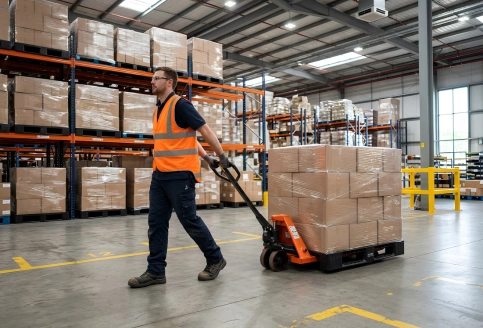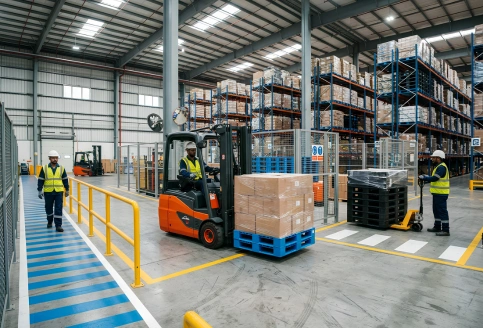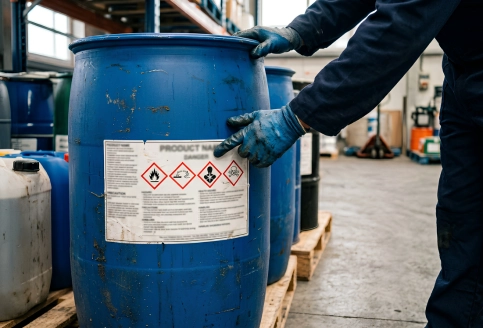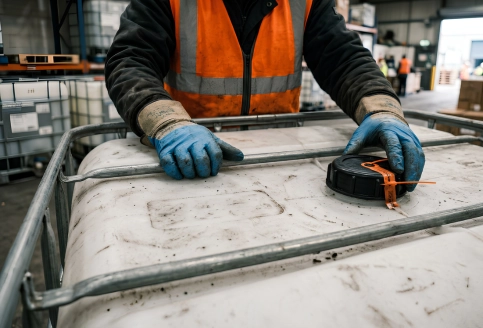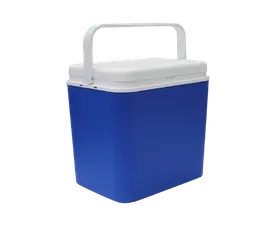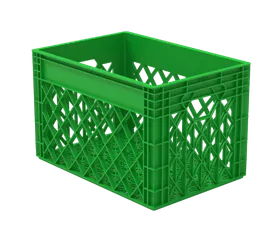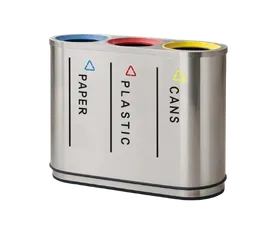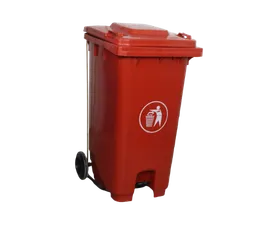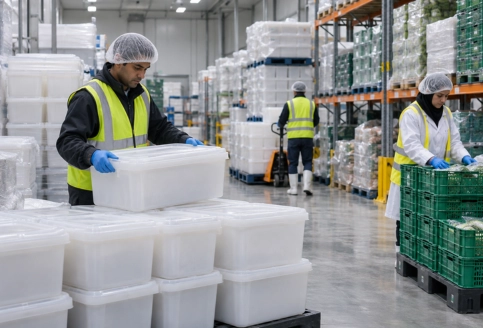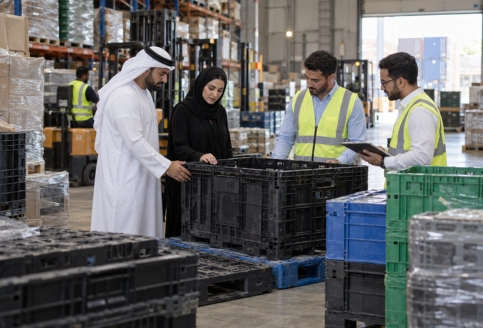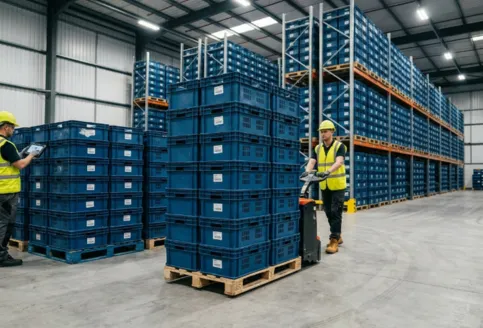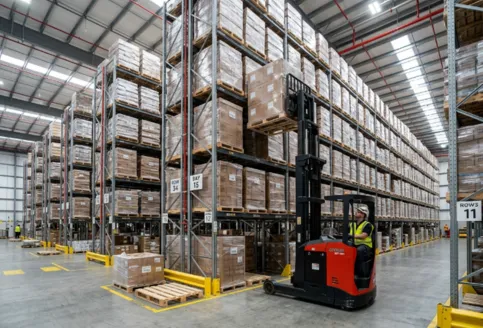
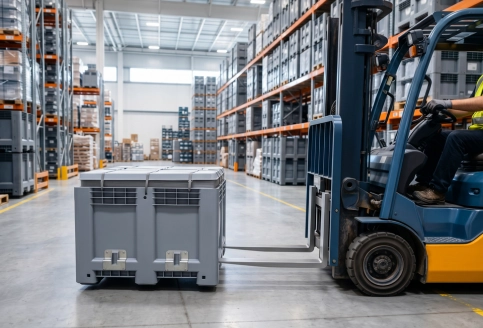
Warehouse operations depend on smooth material movement. Choosing crates that are fully compatible with your forklifts helps improve safety, reduce product damage, and increase handling speed.
The right crate design allows forklifts to lift, transport, stack, and store goods without causing unnecessary wear to equipment or packaging. Crates that work well with forklifts have the correct fork entry size, adequate load capacity, reinforced bases, proper dimensions, and stable stacking features.
Some operations also benefit from specialized forklift attachments that improve handling efficiency. Selecting compatible industrial crates helps businesses reduce downtime, protect products, and improve warehouse productivity.
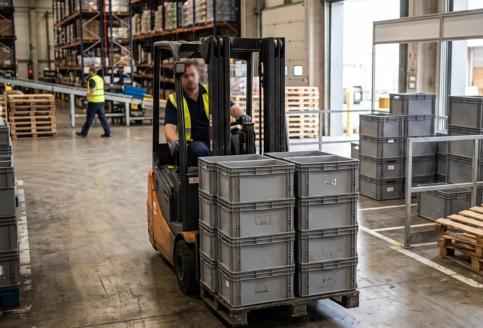
Forklifts move thousands of loads every day in warehouses, factories, and distribution centers. If crates are not designed to work with the equipment, lifting becomes difficult and unsafe. Poor compatibility can lead to damaged products, cracked crates, forklift strain, and workplace accidents.
Using forklift-compatible crates allows operators to work faster while maintaining safe handling practices. It also extends the life of both the forklift and the crate by reducing unnecessary stress during lifting, transportation, and stacking.
Several design features determine whether a crate will work efficiently with your material handling equipment. Understanding these features helps businesses choose packaging that improves daily warehouse operations.
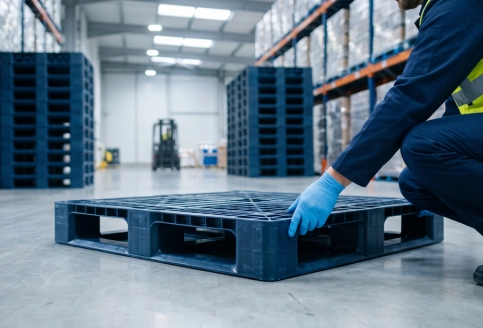
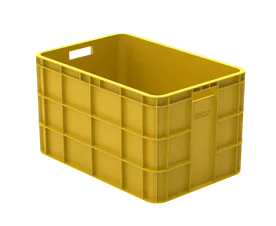
Fork entry openings are one of the most important design features. The slots should provide enough clearance for forklift forks to enter and exit smoothly without rubbing against the crate walls.
Proper spacing also reduces the chance of damage during repeated loading and unloading. Crates with correctly sized fork openings allow operators to move goods more quickly and safely throughout the warehouse.
Proper clearance helps prevent:
A well-designed fork entry improves handling speed while protecting both equipment and packaging.
Every crate has a maximum weight it can safely carry. This capacity should always match the lifting capability of the forklift and the weight of the stored products.
Using the correct load-rated crate helps maintain safe operations and extends the life of the packaging. It also reduces the risk of accidents caused by overloaded or damaged containers.
When evaluating load capacity, consider:
Overloading crates can weaken the structure and increase the risk of failure during lifting.
Forklifts are designed to carry loads with a specific center of gravity. If a crate is much deeper than the forklift's rated load center, the weight shifts forward and reduces lifting stability.
Maintaining proper balance makes steering easier and helps operators transport goods with greater control. It also improves workplace safety by lowering the chances of tipping during lifting or turning.
An unbalanced load can cause:
Selecting crates with suitable dimensions helps maintain proper load balance throughout transportation.
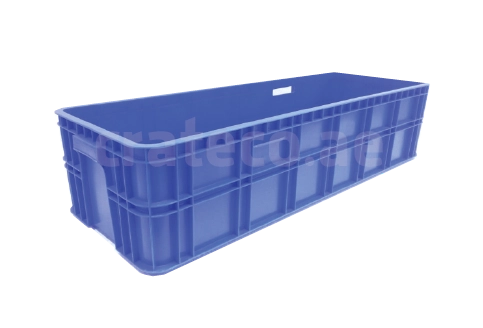
Long industrial crates require adequate support underneath. If forklift forks do not extend far enough beneath the crate, the middle section may bend during lifting. Proper fork support keeps the load balanced and minimizes stress on the crate structure.
This is especially important when moving heavy products over long distances inside warehouses or production facilities.
For larger crates, businesses should evaluate:
Proper support keeps the crate stable and reduces structural damage during movement.
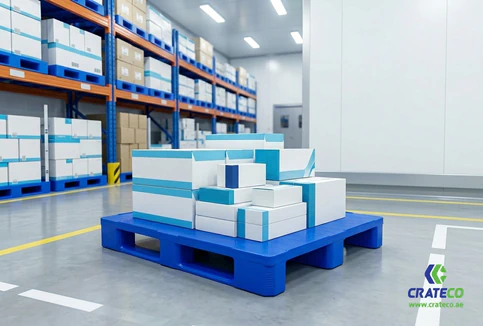
The bottom of a crate experiences the highest pressure during forklift handling. A reinforced base distributes the load evenly and improves long-term durability.
Strong base construction also helps the crate maintain its shape after repeated lifting and stacking. This reduces maintenance costs and increases the service life of the packaging.
Strong bottom designs may include:
These features help prevent cracking when carrying heavy industrial loads.
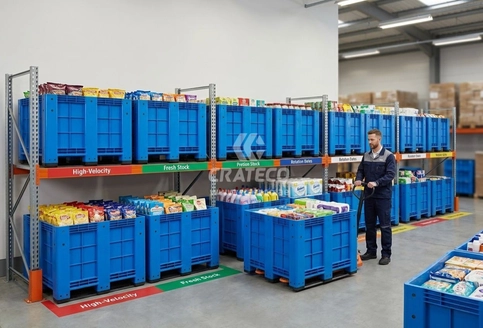
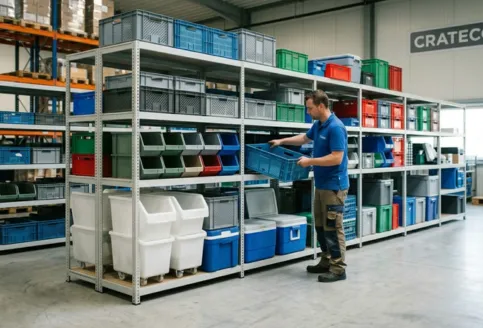
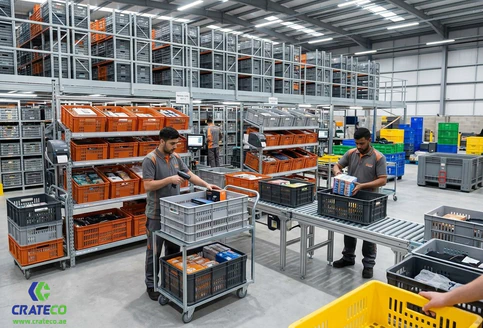
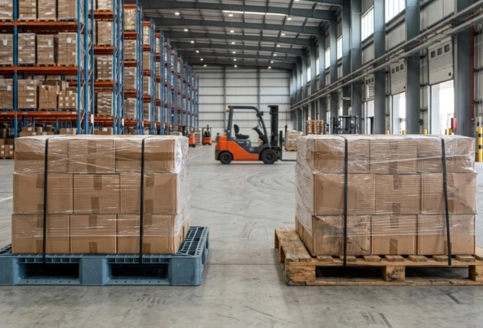
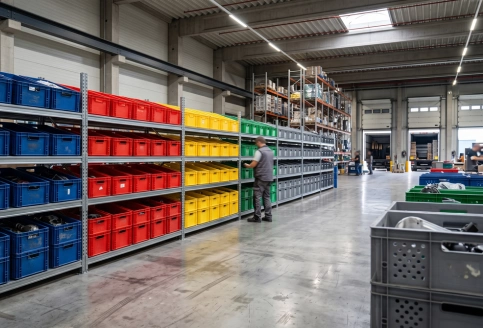
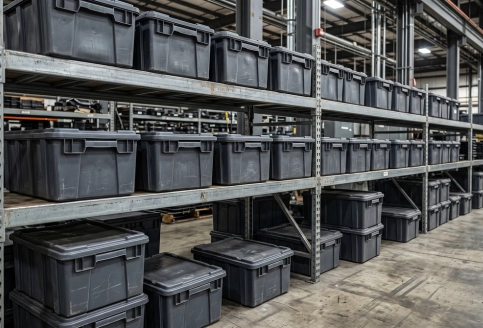
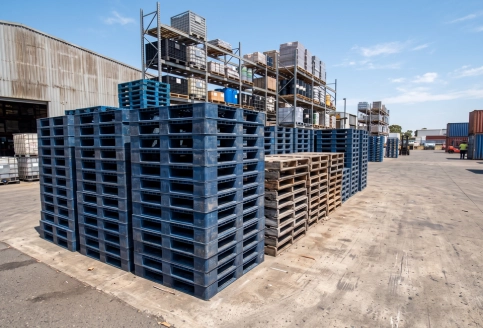
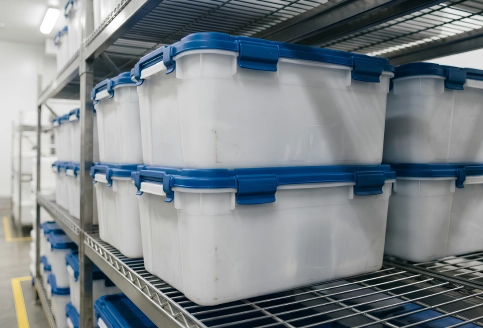
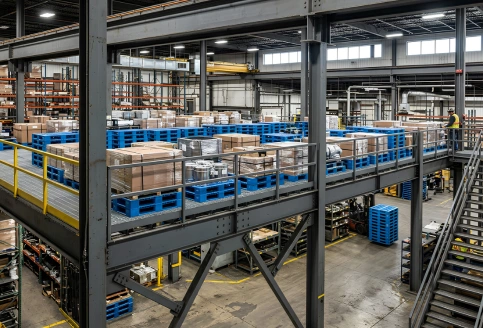
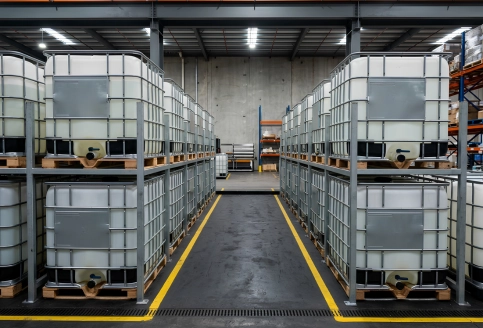
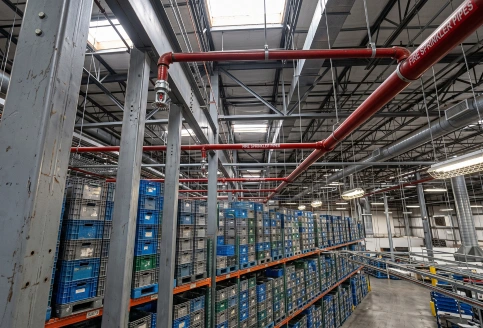
Many warehouses store crates inside pallet racking systems. Crates should be designed to fit safely within rack dimensions while remaining easy for forklifts to place and remove.
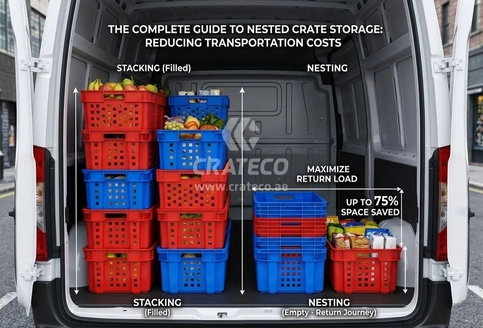
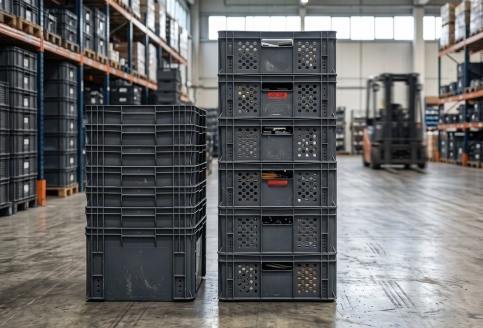
Good stackability improves storage capacity without reducing product safety. It also allows warehouse staff to organize inventory more efficiently and access goods with less effort.
Compatible stacking designs improve:
Matching crate dimensions with warehouse racking systems maximizes available storage space.
| Compatibility Feature | Why It Matters | Operational Benefit |
|---|---|---|
| Fork Entry Clearance | Smooth fork access | Faster handling |
| Load Capacity | Supports product weight | Safe lifting |
| Load Center Balance | Maintains stability | Reduced tipping risk |
| Reinforced Base | Distributes pressure | Longer crate life |
| Proper Length | Supports the entire load | Better load stability |
| Stackable Design | Safe warehouse storage | Improved space utilization |
Using crates that are not suitable for forklift handling creates several operational challenges. These problems increase maintenance costs and reduce warehouse efficiency.
Some common issues include:
Avoiding these problems starts with selecting crates designed specifically for industrial material handling.
Some industries handle products that cannot be moved using standard forks alone. Specialized forklift attachments improve handling flexibility for different crate types.
Fork positioners allow operators to adjust the spacing between forklift forks without leaving the driver's seat. This makes it easier to handle crates with different fork entry widths.
Benefits include:
Clamp attachments hold crates securely from the sides instead of lifting through fork openings. They are useful for containers without fork pockets or for certain collapsible crate designs.
These attachments help:
Rotator attachments allow forklifts to tilt or completely rotate crates. They are commonly used in manufacturing, recycling, agriculture, and food processing industries.
Typical applications include:
Choosing the right crate involves more than selecting the correct size. Businesses should evaluate how the crate will perform throughout its entire service life.
Important considerations include:
Following these steps helps prevent expensive operational problems later.
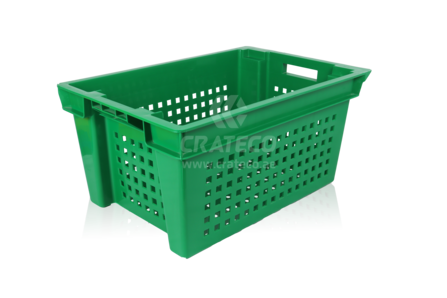
Industrial plastic crates offer several advantages for forklift operations. Their consistent dimensions, durable construction, and moisture resistance make them suitable for demanding warehouse environments.
High-quality plastic crates provide:
These benefits make plastic crates a practical choice for many manufacturing, logistics, food, and distribution businesses.
Many industries depend on efficient material handling to keep operations running smoothly. Forklift-compatible crates improve productivity across different sectors.
Common industries include:
Each industry has unique handling requirements, making proper crate selection an important part of operational efficiency.
Choosing crates that work with your forklifts improves safety, protects products, and increases warehouse efficiency. Features such as proper fork entry clearance, reinforced bases, suitable load capacity, balanced dimensions, and strong stacking performance help create smoother material handling operations.
Businesses should also consider specialized forklift attachments when handling unique crate designs or bulk materials. Selecting compatible industrial crates reduces equipment wear, lowers maintenance costs, and supports long-term warehouse productivity.
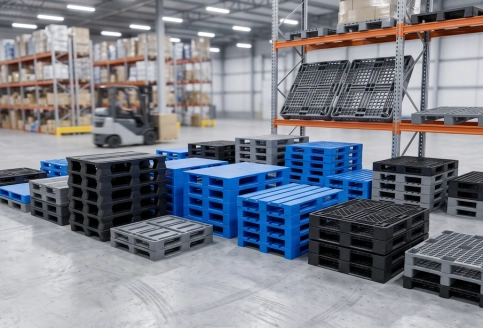
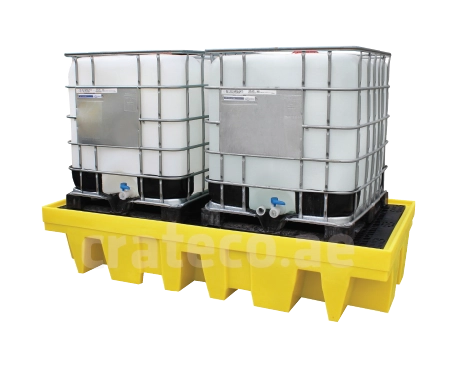
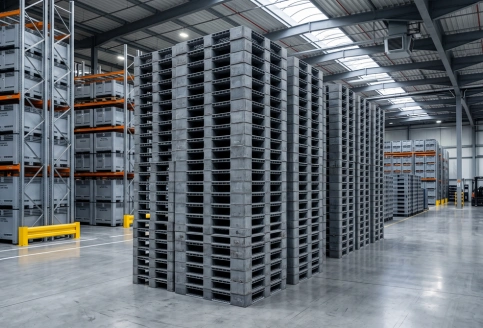
For reliable material handling solutions, Crateco Pack LLC is a trusted manufacturer and supplier in the UAE. We offer high-quality plastic crates, plastic pallets, spill pallets, waste bins, and industrial packaging products designed to work efficiently with modern forklifts and warehouse systems.