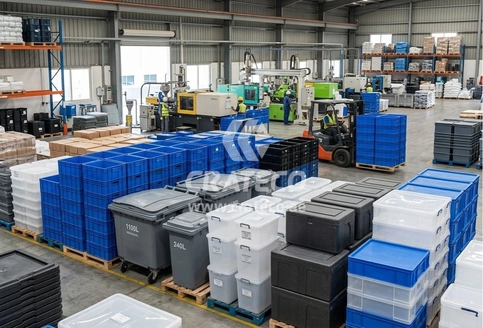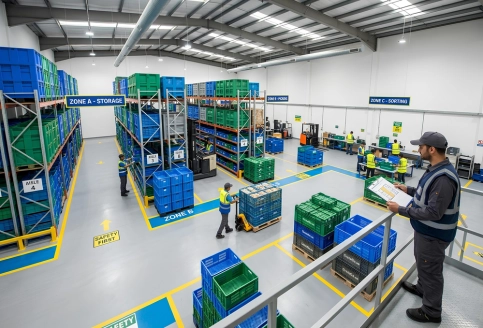
A well-organized warehouse is the backbone of any business. It helps save time, reduce errors, and improve safety. When items are stored in the right way, work becomes faster and smoother.
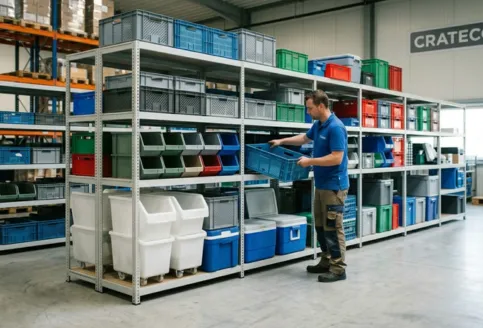
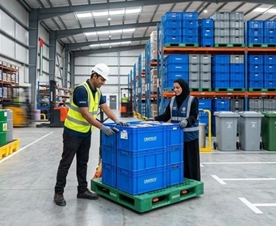
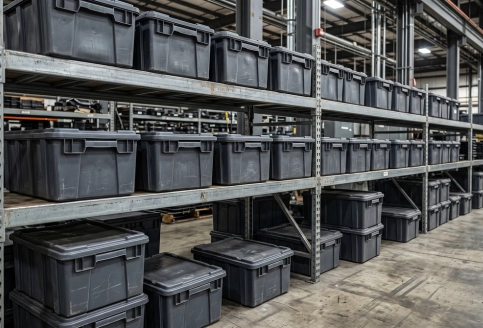
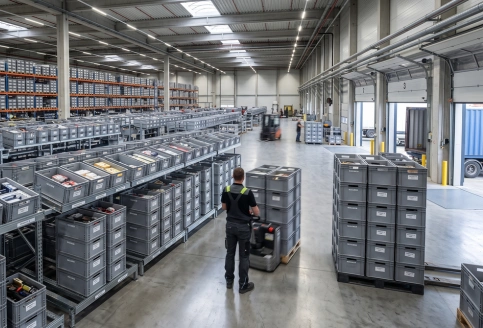
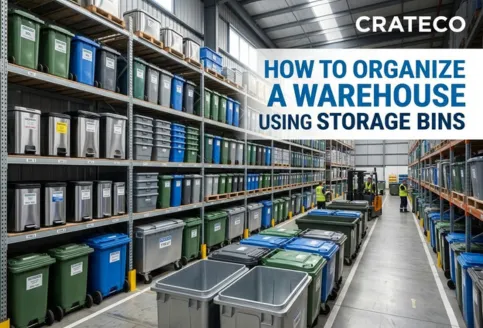
One of the easiest and most effective ways to organize a warehouse is by using storage bins. These bins help keep items in place, reduce clutter, and improve overall efficiency.
In this guide, you will learn how to organize your warehouse using storage bins simply and practically.
Think of your warehouse like a giant machine. If one gear is out of place, the whole thing grinds to a halt. Proper organization using bins offers:
Faster Picking: When every item has a specific "home," staff can find what they need in seconds.
Accurate Inventory: It is much easier to count items when they are neatly contained in bins rather than piled on shelves.
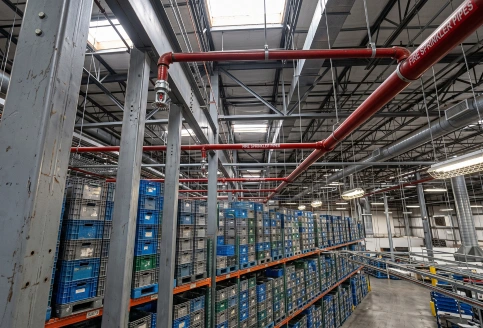
Maximized Space: Bins allow you to use every inch of your racking, including vertical space.
Reduced Damage: Sturdy bins protect fragile items from dust, moisture, and accidental bumps.
Organizing a warehouse may seem difficult, but it becomes easy with a clear plan. Start by understanding your current storage system and identifying problem areas.
Before you buy a single bin, you need to know what you are storing. You cannot organize chaos without a plan.
What Is the "ABC Analysis"?
This is a simple way to group your items based on how often they move:
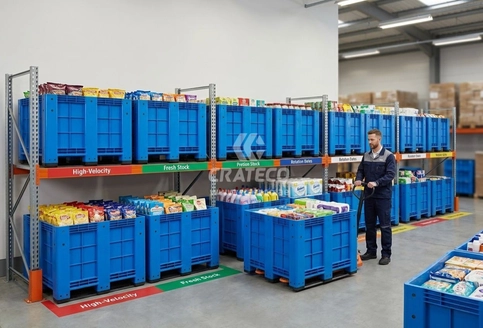
Category A: High-velocity items. These are your best-sellers. They should be in easy-to-reach bins at eye level.
Category B: Medium-velocity items. These move regularly, but not every day. Store these slightly higher or lower on the racks.
Category C: Low-velocity items. These are slow-movers. They can go in bins on the very top or bottom shelves.
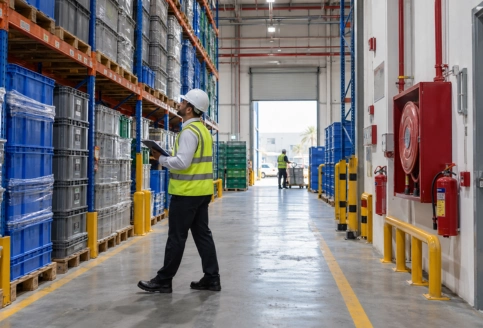
A bin without a label is just a mystery box. Labeling is the secret sauce of warehouse organization.
Be Consistent: Use the same font, size, and color for all labels in a section.
Use Barcodes: If you use an inventory management system, ensure every bin has a clear barcode that is easy to scan.
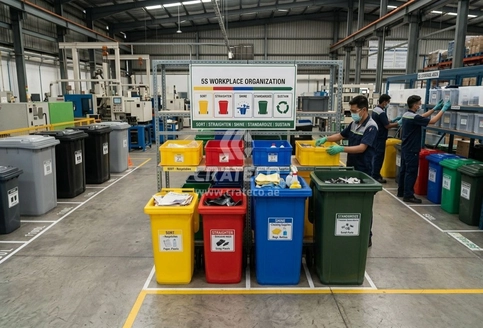
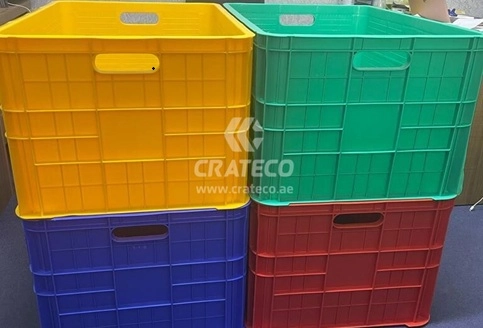
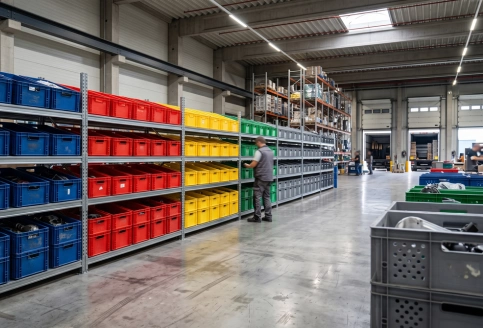
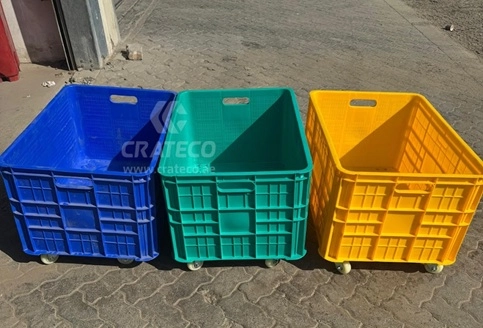
Color Coding: Use different colored bins for different departments. For example, blue bins for "Electronics" and red bins for "Tools." This helps staff orient themselves instantly.
How your bins are arranged determines how fast your warehouse breathes.
The "U-Shaped" Flow
This is a popular layout where goods come in at one end of the "U", move through storage and picking in the middle, and ship out at the other end.
Keep High-Traffic Bins Near the Front
Your "Category A" items should be stored in bins as close to the packing and shipping area as possible. Every step your workers save adds up to hours of reclaimed time every week.
The best organizational system in the world won't work if the team doesn't follow it.
Walkthroughs: Show everyone where the new bins are and explain the color-coding or labeling.
The "One-In, One-Out" Rule: Make sure staff know that if they take a bin out, it must go back to its designated spot.
Feedback: Ask your pickers what they think. They are on the floor every day and often have the best ideas for where bins should be placed.
Not all bins are created equal. To get the best results, you need to match the bin to the task.
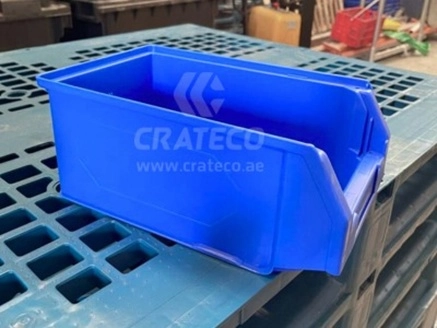
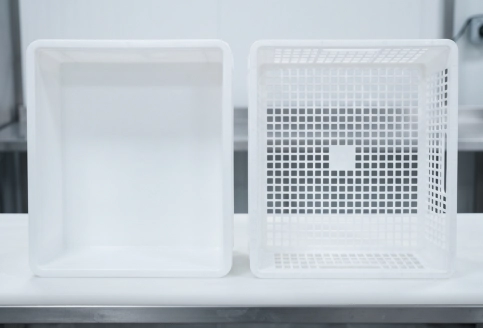
These are perfect for small parts or items that are picked frequently. The open front allows a worker to reach in and grab an item without moving the bin or taking off a lid.
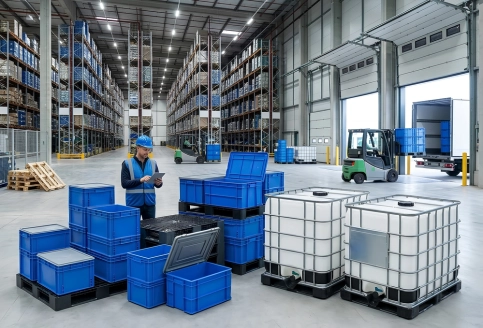
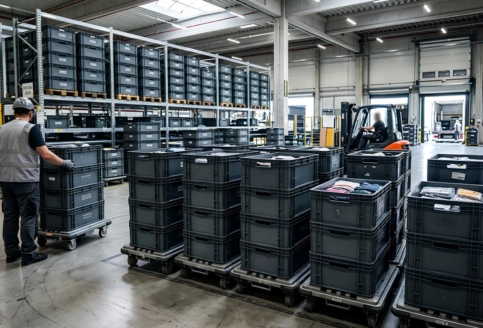
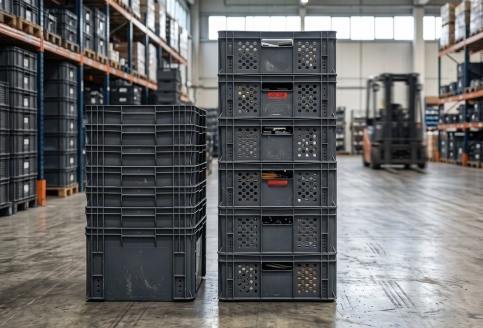
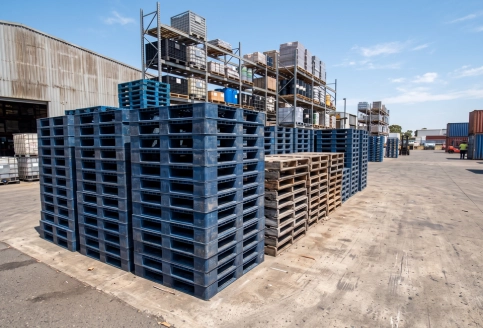
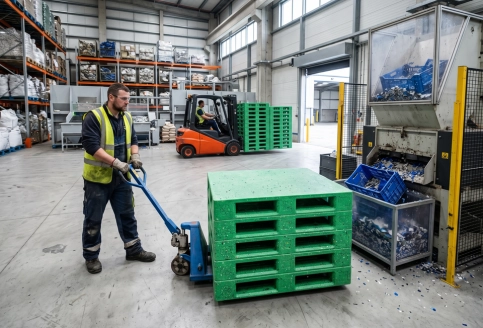
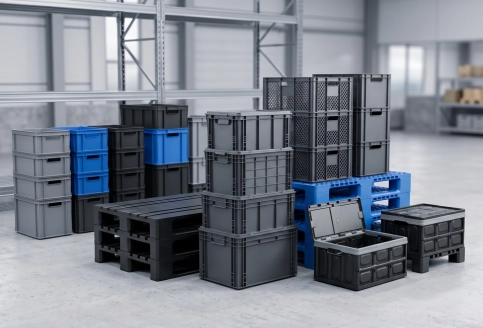
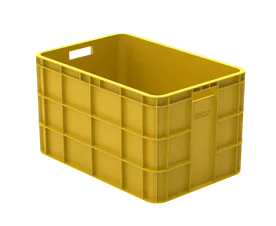
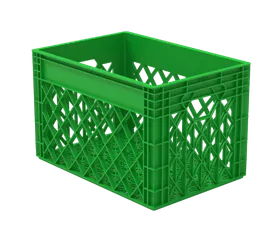
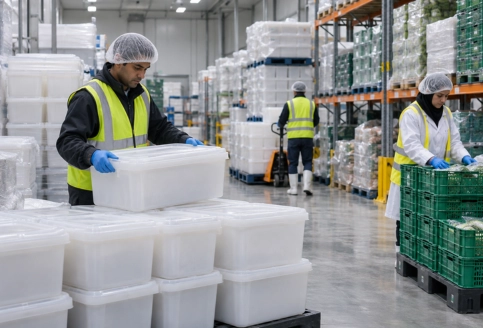
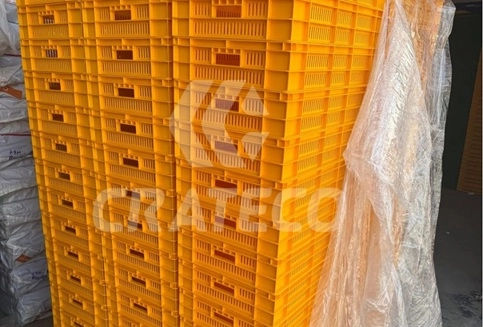
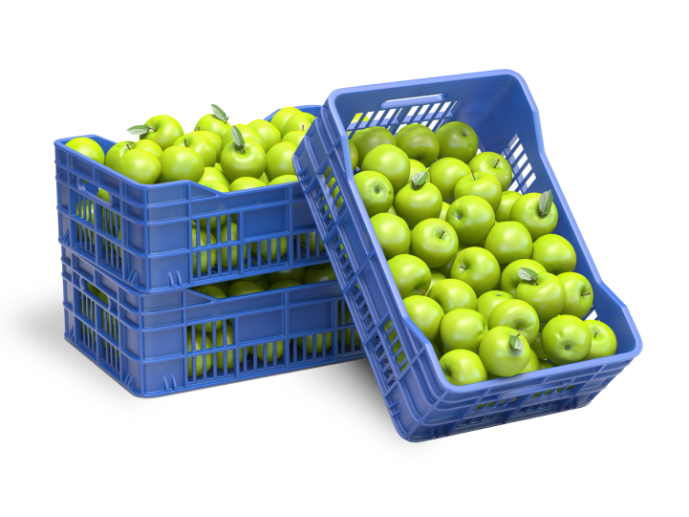
If you have a lot of items but limited shelf space, stackable crates are your best friend. They lock into each other safely, allowing you to build stable towers of inventory.
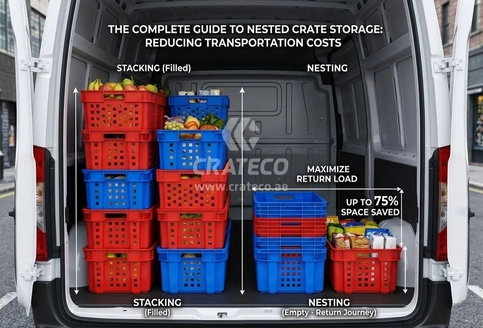
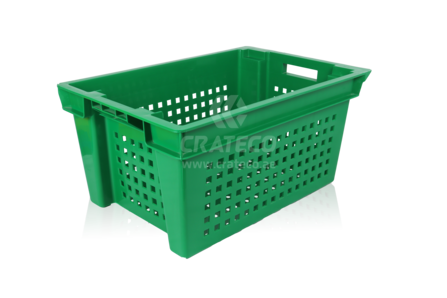
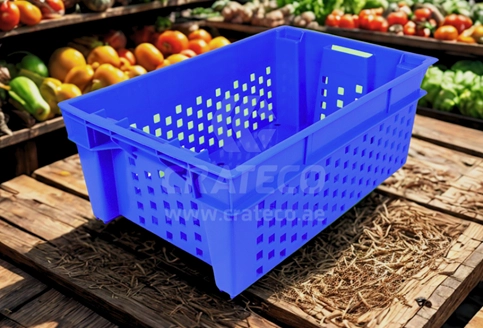
When crates are empty, you don't want them taking up space. Nestable crates slide inside one another, saving a massive amount of floor space when they aren't in use.
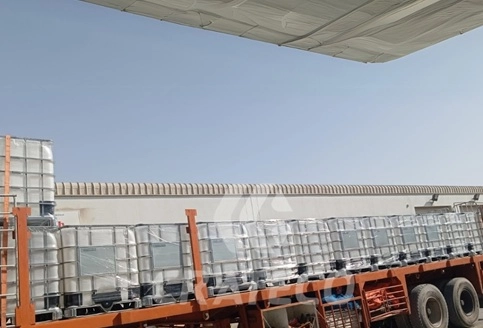
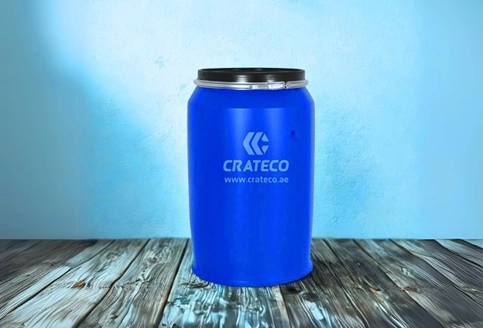
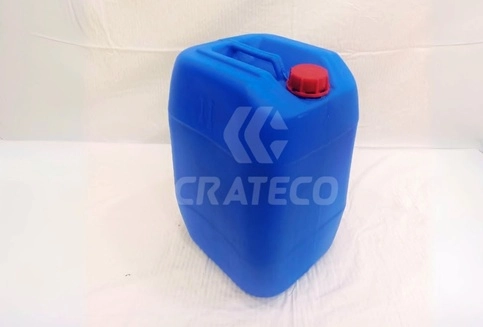
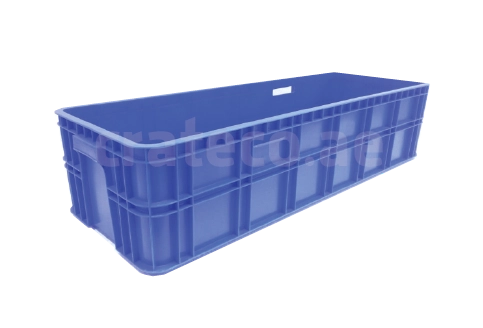
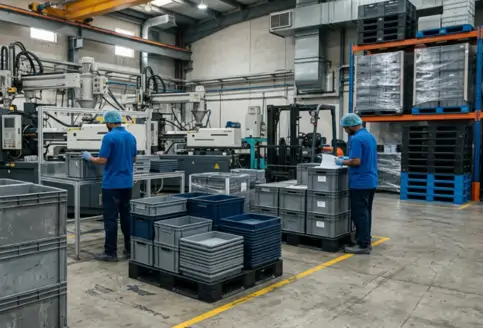
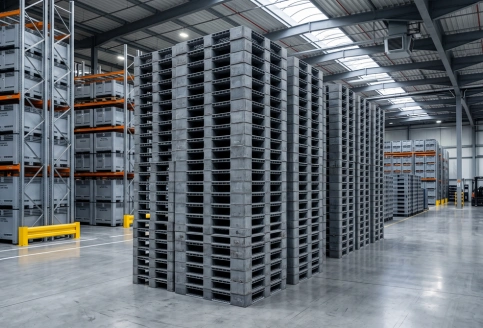
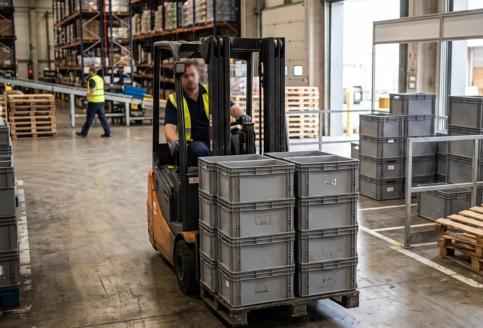
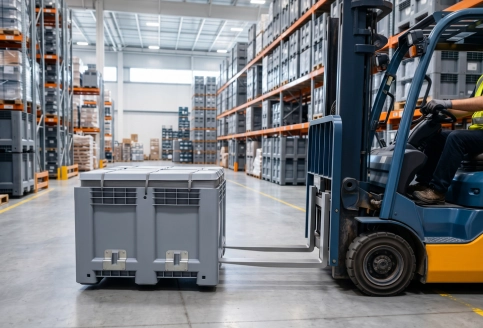
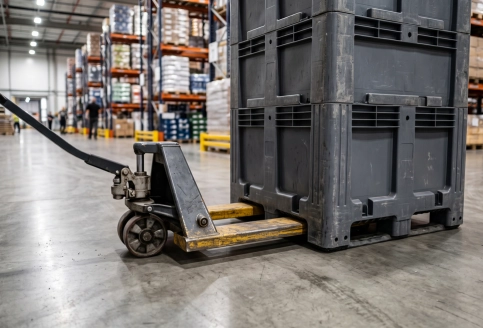
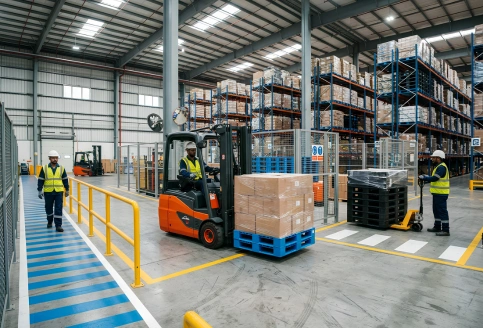
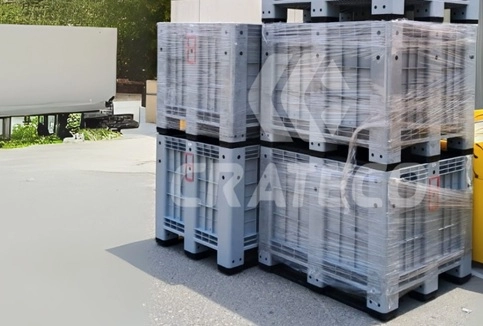
For bulk items or heavy raw materials, large industrial-strength bins are required. These are designed to be moved by forklifts and can hold hundreds of kilograms.
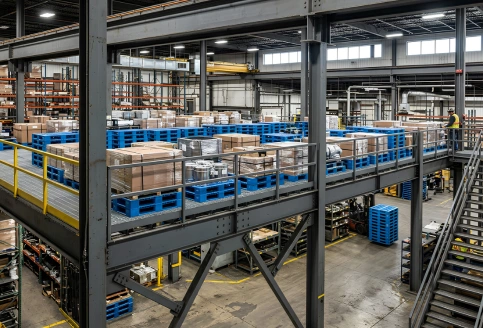
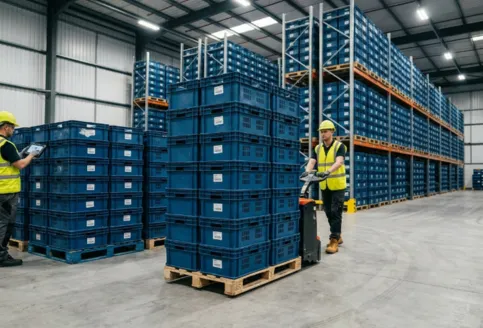
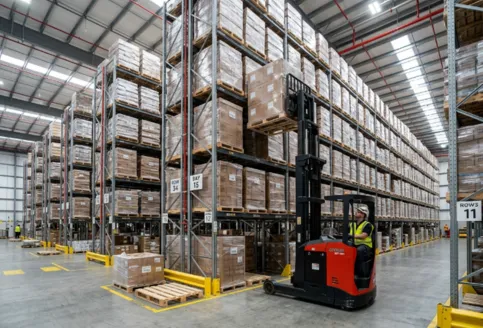
Many warehouses make the mistake of only looking at floor space. But your "real estate" goes all the way to the ceiling!
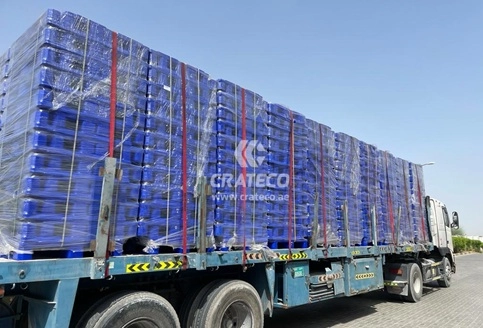
By using uniform, stackable bins from a reliable plastic crates manufacturer & supplier in the UAE, you can safely stack goods higher than ever before. This can effectively double your storage capacity without needing to move to a larger, more expensive building.
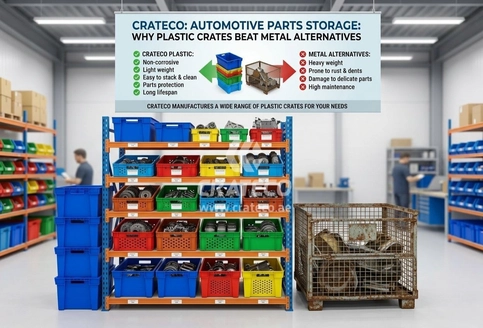
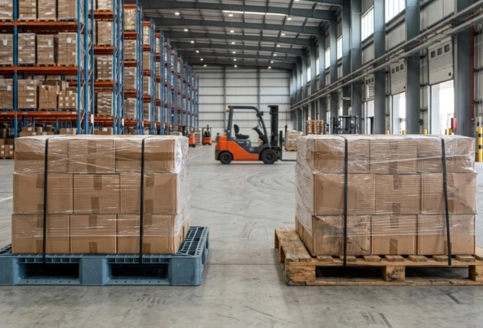
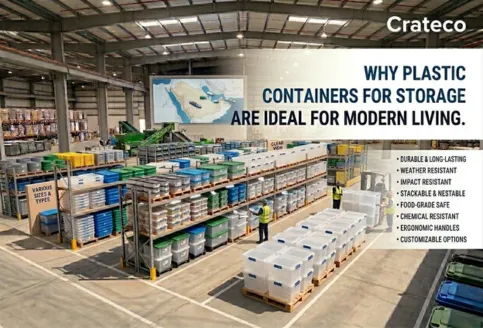
While some people use cardboard boxes, they rarely last in a professional environment. Here is why plastic storage bins are the industry standard:
| Feature | Plastic Bins | Cardboard Boxes |
|---|---|---|
| Durability | Lasts for years | Tears and collapses easily |
| Moisture Resistance | 100% Waterproof | Absorbs humidity and weakens |
| Cleanliness | Easy to wash and sanitize | Collects dust and pests |
| Safety | No sharp staples or splinters | Can cause paper cuts or collapse |
| Sustainability | Reusable and recyclable | Often ends up as waste |
Choosing the right type of bin is important for effective organization. Different bins serve different purposes.
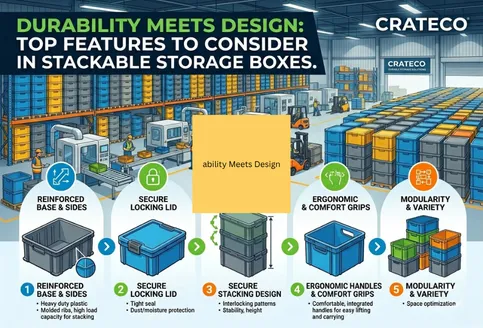
Stackable Bins: These bins can be placed on top of each other. They save space and keep storage areas neat and organized.
Heavy-Duty Bins: Designed for large or heavy items. They provide strength and durability for industrial use.
Open-Front Bins: Allow easy access to items without removing the bin. Ideal for fast-moving inventory.
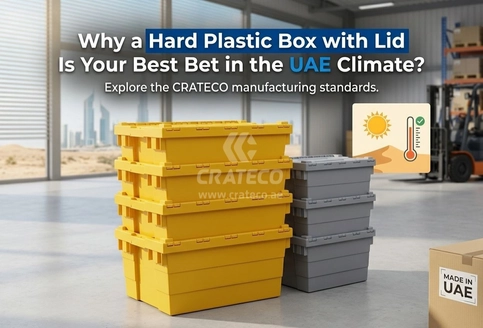
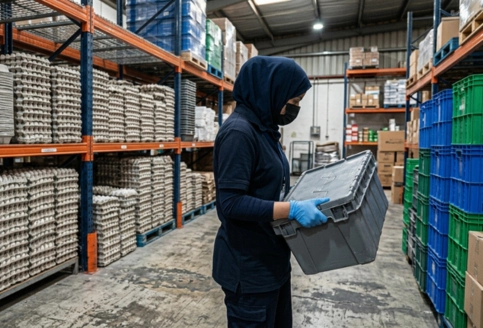
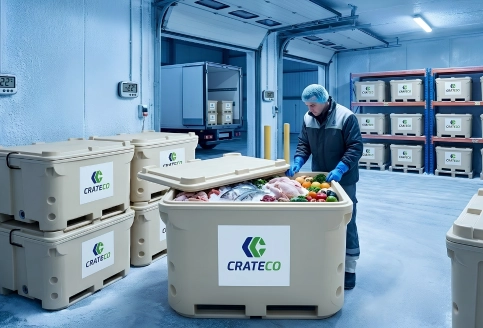
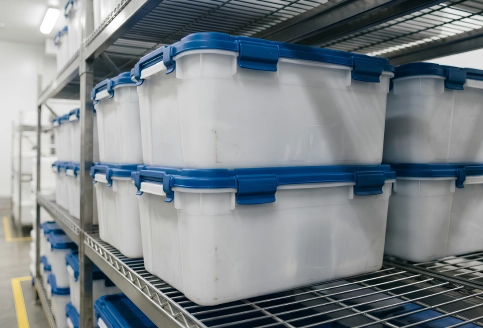
Lidded Bins: Protect contents from dust and damage. Suitable for sensitive or valuable items.
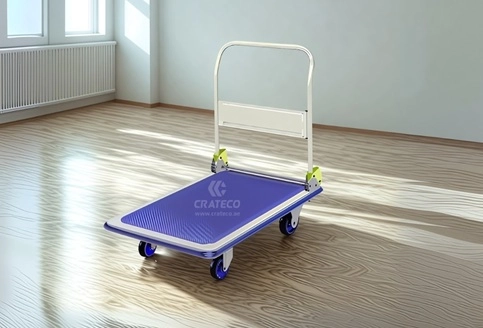
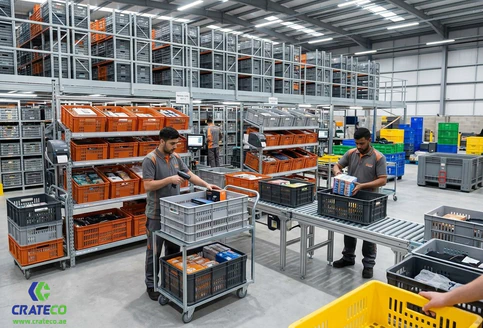
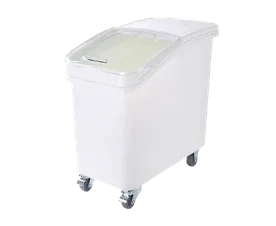
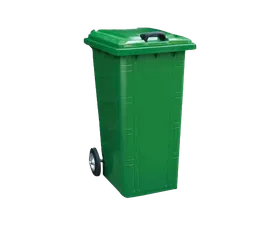
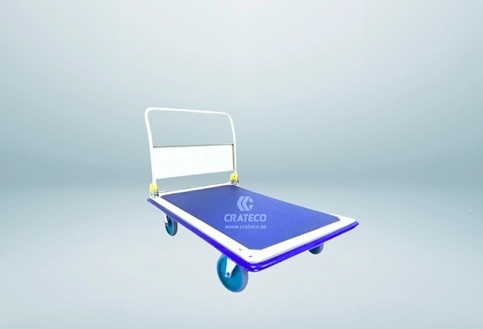
Mobile Bins: Equipped with wheels for easy movement. Useful for transporting items within the warehouse.
Safety is a major concern in any warehouse. Poor organization can lead to accidents and injuries. Storage bins help create a safer working environment.
Reduced Clutter: Bins keep items in place, reducing obstacles and improving movement within the warehouse.
Stable Storage: Proper stacking prevents items from falling and causing injuries or damage.
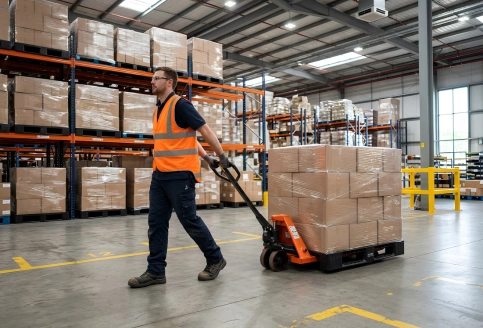
Easy Handling: Bins are designed for easy lifting and movement, reducing strain on workers.
Clear Pathways: Organized storage keeps aisles clear for safe walking and equipment movement.
Yes, storage bins can help reduce costs in many ways. They improve efficiency and reduce waste. A well-organized warehouse saves both time and money.
Cost Benefits:
Reduced product damage lowers replacement and loss expenses over time. Faster operations save labor costs and improve productivity. Better inventory control prevents overstocking and unnecessary purchases. Durable bins last longer, reducing the need for frequent replacements.
Some common mistakes can reduce the effectiveness of storage bins. Avoiding them ensures better results.
Using the wrong bin size for items, leading to wasted space or poor organization. Not labeling bins properly, causing confusion and delays in operations. Overloading bins, which can damage them and reduce their lifespan. Ignoring regular maintenance leads to clutter and reduced efficiency.
Warehouse systems are improving with new technology and better designs. Storage bins will continue to play a key role. Businesses are focusing on smarter and more efficient storage solutions.
Increased use of durable plastic bins for long-term storage solutions. Integration with automated systems for faster and more accurate operations. Use of eco-friendly materials to support sustainability goals. Improved designs for better handling and space optimization.
Organizing a warehouse using storage bins is a simple and effective solution. It improves efficiency, safety, and productivity.
With the right bins and proper planning, businesses can create a clean and structured storage system. This leads to better performance and lower costs.
If your warehouse feels cluttered or inefficient, storage bins can make a big difference. Start organizing today and see the results in your daily operations.
They are used to store and organize items. This keeps products safe. It also improves access and workflow.
Yes, they reduce search time for items. They also lower picking errors. This improves overall workflow and productivity.
Strong plastic bins are the best choice. They are durable and easy to clean. They suit many storage needs.
They reduce clutter in work areas. This keeps pathways clear. It also lowers the risk of accidents and injuries.
Yes, they help reduce product damage. They also save time during operations. This lowers overall business costs.
Bins should be cleaned regularly after use. This removes dust and dirt. It helps maintain hygiene and safe storage.