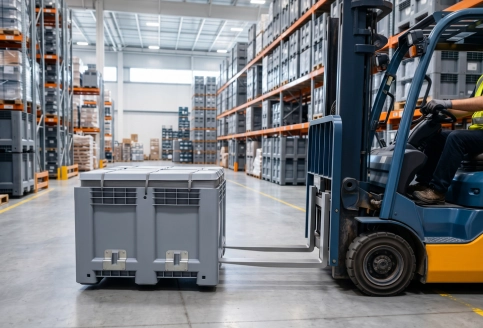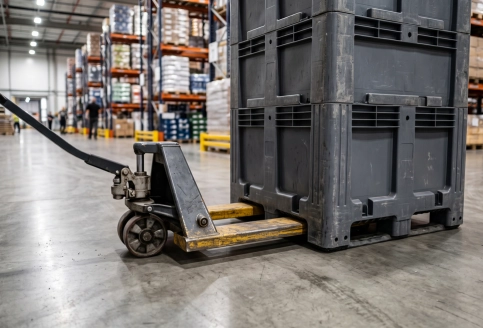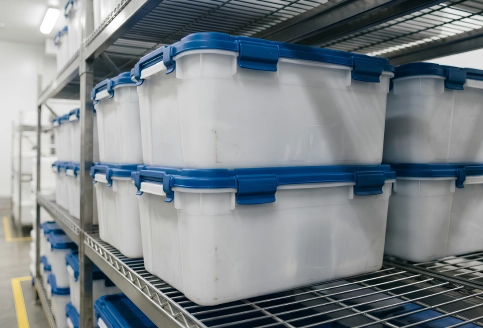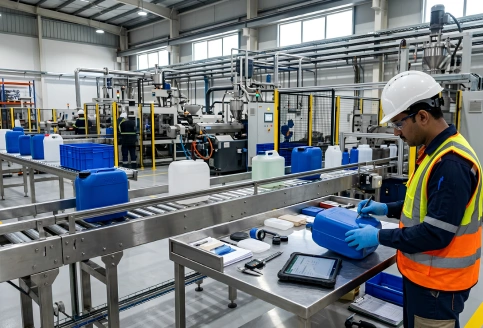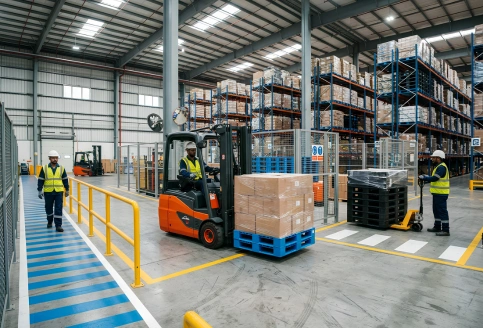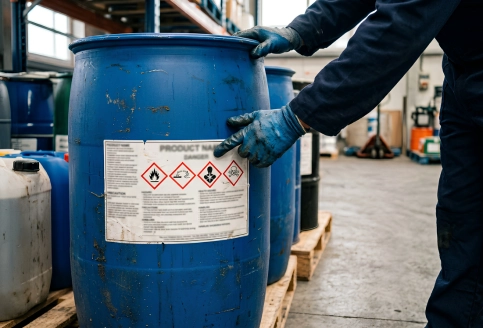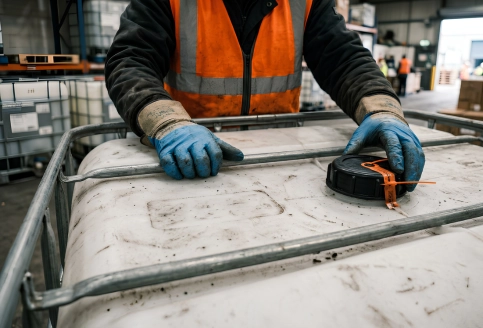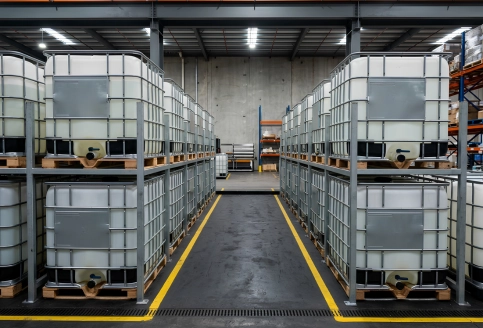

A pallet that fails mid-operation does not just mean a replacement purchase. It means collapsed loads, damaged goods, potential worker injuries, and unplanned downtime that disrupts your entire logistics flow.
In high-volume commercial environments where pallets move in and out of service dozens of times every week, the condition of your pallet fleet directly affects the safety, efficiency, and cost of your operation.
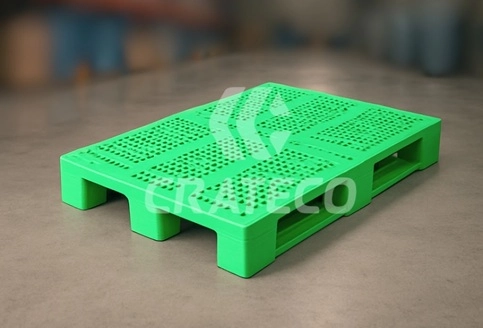
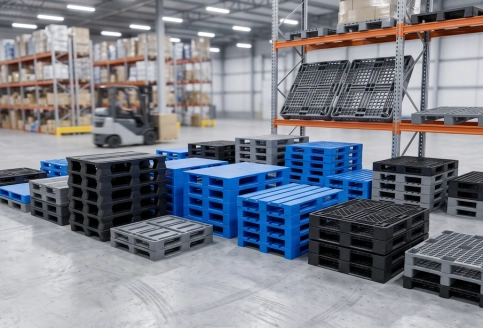
Plastic pallets used in heavy-duty commercial settings are built to last. A good quality HDPE or PP pallet can complete hundreds of load cycles over many years before reaching the end of its useful life.
But that lifespan is not automatic. It depends on how the pallets are used, how they are handled, how often they are cleaned, and how consistently they are inspected and maintained.
Businesses that treat their pallets as assets and manage them accordingly get significantly more value from their investment than those that simply use pallets until they break.
In light-duty or low-frequency applications, a pallet that receives minimal care may still last a reasonable amount of time simply because it is not under significant stress. In heavy-duty commercial use, the situation is very different.
Pallets in these environments face repeated forklift impacts, maximum load weights, harsh cleaning chemicals, extreme temperature exposure, and high-frequency use cycles that put every component of the pallet under consistent stress.
Without a structured maintenance approach, even high-quality pallets degrade faster than necessary, creating three types of cost that most businesses underestimate.
Premature replacement cost: A pallet that should last five to seven years may fail in two or three years without proper care. Replacing a fleet of pallets ahead of schedule is a significant and avoidable capital expense.
Product damage cost: A pallet that is cracked, warped, or structurally compromised is more likely to fail under load, dropping or damaging the goods it carries. In food, pharmaceutical, or fragile goods supply chains, a single pallet failure can result in losses worth many times the cost of the pallet itself.
Safety cost: A failed pallet in a racking system or under a forklift load is a serious workplace safety hazard. Injuries, incident reporting, insurance claims, and regulatory inspections that follow a pallet-related accident carry both financial and reputational consequences.
Structured pallet maintenance prevents all three of these cost categories and keeps your fleet performing at its rated capacity throughout its full intended lifespan.
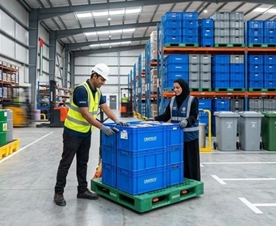
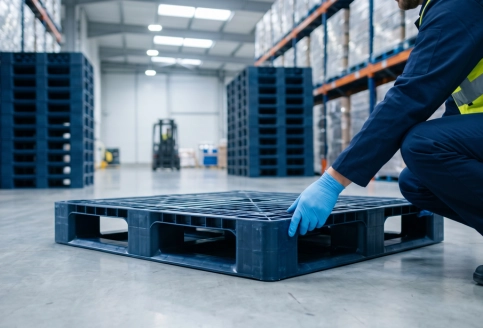
A quick visual check before each use is the simplest and most effective maintenance habit. Look for cracks in the top deck, runner damage, missing anti-slip plugs, and any warping or deformation.
Confirm the forklift entry points are clear and undamaged, and check that the pallet sits flat without rocking. Catching small problems early prevents them from becoming structural failures under load, avoiding damaged goods, safety incidents, and unplanned operational downtime.
Every pallet has a rated dynamic load capacity, static load capacity, and racking load capacity. These are maximum limits, not conservative estimates. Consistently exceeding them accelerates structural fatigue and causes permanent deformation.
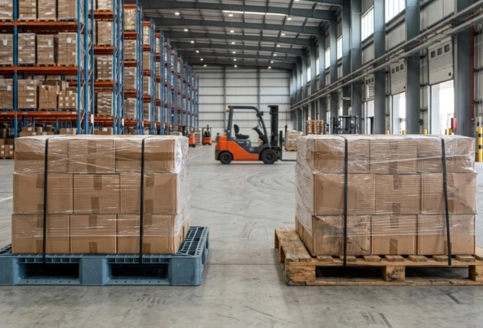
Racking capacity is always lower than static capacity because the load concentrates at the runner ends rather than spreading across the full base. Always verify that the pallet type matches both the load weight and the handling method before putting it into service.
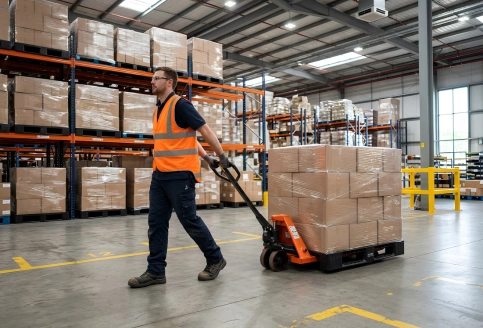
Always insert forklift tines fully through the entry points before lifting, and enter straight rather than at an angle. Angled entry levers the tines against the runner walls, causing cracking over time.
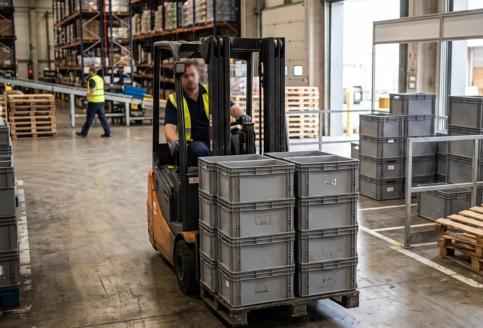
Avoid dropping loaded pallets, even from a short height, as the impact force far exceeds the static weight of the load. Train forklift operators to set pallets down at controlled speeds, particularly when positioning them in racking systems where impact stress is most damaging.
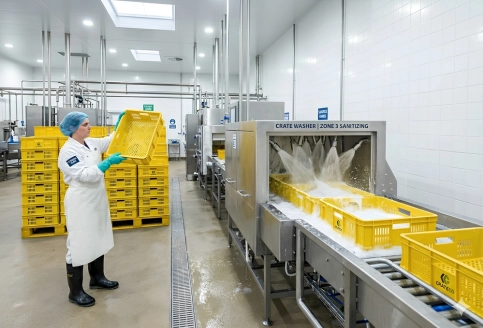
Regular cleaning removes food residue, chemical spills, and biological contamination that accelerate surface degradation. Use cleaning chemicals compatible with HDPE and PP, and avoid concentrated acids or solvents that break down the plastic surface and UV stabilizers.
Do not use excessively high-pressure washing at close range, as this forces water into micro-cracks and widens them. After washing, allow pallets to drain and dry fully before returning them to cold storage or stacking to prevent trapped moisture and biological growth.
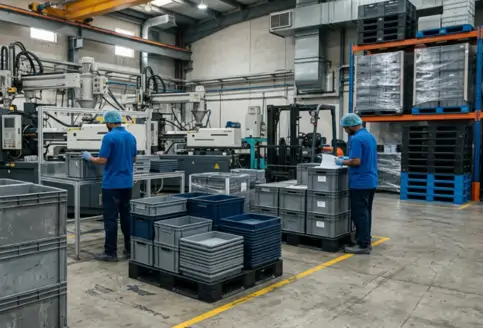
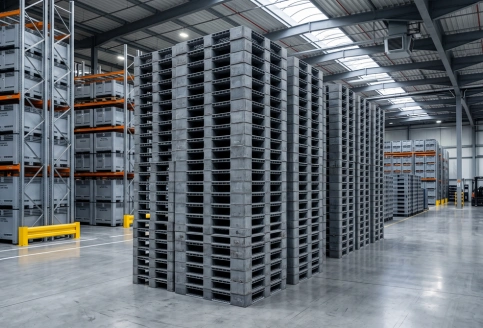
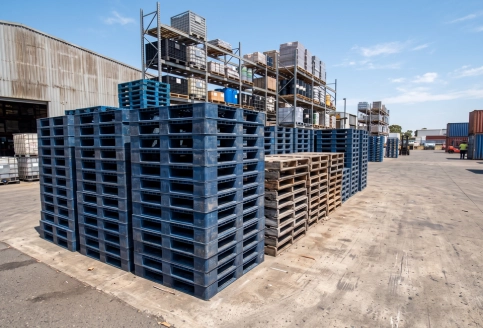
Stack empty pallets on flat, level surfaces to prevent runner warping from uneven weight distribution. Keep stacks at a manageable height to avoid excessive compressive load on the bottom units and reduce tipping risk.
Store pallets in covered or shaded areas wherever possible, as even UV-stabilized pallets age more slowly when not under continuous solar radiation. Keep stored pallets away from chemicals, oils, and fuels that could contaminate or degrade the plastic surface between use cycles.
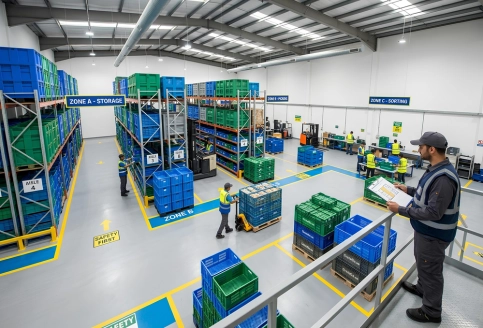
Uneven use patterns cause some pallets to wear out far faster than others, creating unpredictable replacement needs and inconsistent fleet condition. A simple first-in, first-out rotation system ensures all pallets accumulate use cycles at a similar rate.
This makes replacement budgeting more predictable, helps surface hidden damage in pallets that have been sitting unused, and ensures the active fleet always consists of pallets within their rated performance window throughout the year.
When a pallet shows structural damage, remove it from heavy-duty service straight away. Tag or mark it clearly to prevent accidental return to active use.
Depending on the damage extent, it can be downgraded to lighter-duty applications, sent for recycling, or returned to service after a documented inspection confirms that structural integrity is unaffected.
Never repair cracked pallets with adhesives or strapping and return them to racking or forklift service, as a repaired pallet does not recover its original load rating.
HDPE and PP are resistant to most cleaning agents, but prolonged contact with concentrated solvents or petroleum-based fluids can soften and weaken the plastic surface over time.
Always rinse pallets thoroughly after chemical cleaning. For heat exposure, avoid placing pallets on very hot surfaces or near industrial heat sources.
Even heat-resistant HDPE can deform under sustained high temperatures combined with heavy static loads, particularly at the runner contact points where load pressure concentrates during storage.
Assign each pallet a unique identity using barcodes or RFID tags and record use cycles, damage incidents, and inspection dates. Compare this data against the manufacturer's rated lifespan and schedule retirement from heavy-duty service before pallets reach the point of failure.
Proactive replacement during a planned operational window eliminates the disruption and safety risk of unexpected pallet failures, gives accurate data for budgeting, and ensures the active fleet always performs within its rated capacity.
Pallet damage in commercial operations is most commonly caused by human error. Training staff on correct forklift technique, load distribution, rated capacity limits, pre-use inspection, and damage reporting procedures reduces damage rates significantly.
Make pallet handling part of the standard onboarding process so correct habits are established from day one. In high-turnover warehouse environments, refresher training when new pallet types are introduced or when damage rates increase keeps standards consistently high across the team.
Use this checklist as a practical daily, weekly, and monthly guide for managing your pallet fleet in heavy-duty commercial use.
| Frequency | Maintenance Action |
|---|---|
| Before every use | Visual inspection for cracks, warping, runner damage, and missing anti-slip plugs |
| Before every use | Confirm the pallet is the correct type and rated capacity for the intended load |
| After every use in food or pharma | Clean and sanitize according to documented protocol |
| Weekly | Check stored empty pallet stacks for alignment, height, and condition |
| Weekly | Review any damage reports and confirm flagged pallets are out of active service |
| Monthly | Rotate the fleet to ensure an even distribution of use cycles across all pallets |
| Monthly | Full inspection of all active pallets in the fleet |
| Quarterly | Review usage tracking data and identify pallets approaching the end of their rated lifespan |
| Annually | Full fleet audit, schedule proactive replacement of pallets near the end of their life |
Even with the best intentions, certain habits in commercial operations consistently cause premature pallet failure. Here are the most common mistakes to avoid.
Overloading beyond rated capacity: Even occasional overloading causes cumulative fatigue that shortens pallet life. Always check the rated capacity before loading.
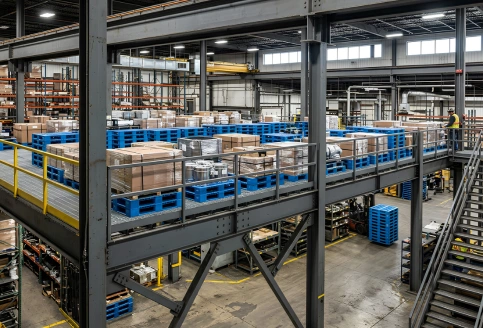
Using the wrong pallet type for racking: Placing a non-rackable pallet in a racking system where it is supported only at the runner ends will cause it to deflect and fail, sometimes suddenly under load.
Ignoring minor damage: Small cracks and chips that are not removed from service continue to grow under load and eventually become structural failures.
Stacking pallets unevenly: Uneven stacking during storage causes gradual warping that permanently affects the pallet's load-bearing geometry.
Using incompatible cleaning chemicals: Strong solvents or acids that are not compatible with HDPE or PP degrade the surface and reduce the effective lifespan of the UV stabilizer package.
Leaving pallets in direct sunlight unnecessarily: Even UV-stabilized pallets age faster under continuous direct solar exposure. Moving empty pallets to shaded storage when not in use is a simple habit that meaningfully extends their life.
Pallets are business assets, not consumables. In heavy-duty commercial use, the difference between a pallet fleet that lasts five years and one that lasts ten years comes down almost entirely to how consistently the pallets are maintained, handled, and monitored.
Pre-use inspection, correct forklift technique, load matching, regular cleaning, proper storage, fleet rotation, proactive replacement scheduling, and staff training are all practical, low-cost habits that compound into significant savings over the lifetime of a commercial pallet fleet.
The starting point for getting maximum lifespan from your pallets is buying the right product in the first place.
For businesses across the UAE looking for durable, high-quality pallets built for heavy-duty commercial use, Crateco Pack LLC is the trusted choice. As a leading plastic pallets supplier and manufacturer in the UAE, we offer a complete range of pallets across all duty levels, sizes, and structural styles.