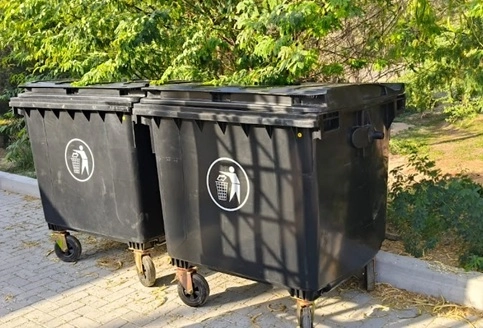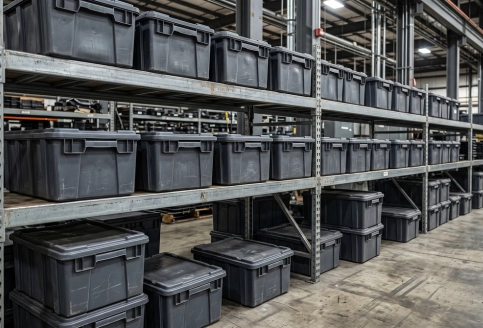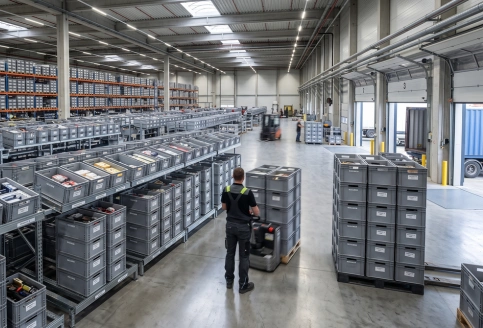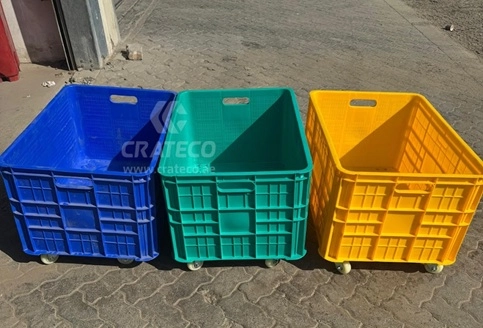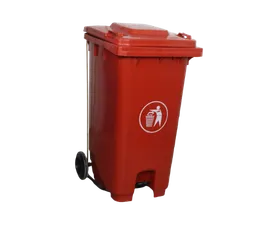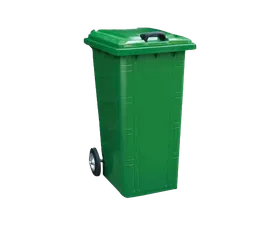

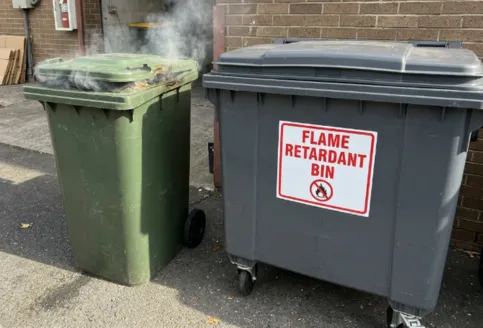
Flame-retardant garbage bins reduce fire risk by slowing ignition and limiting flame spread in waste storage areas. These bins use heat-resistant materials that maintain stability under high temperatures. Waste containing paper, plastic, and chemical residues increases ignition probability, especially in environments above 45°C.
These waste bins improve safety in industrial, commercial, and healthcare facilities. They use fire-retardant polymers designed to resist combustion under heat exposure. Certified materials like UL94-rated plastics improve reliability in high-risk waste handling zones.
Flame-retardant garbage bins are waste containers made from self-extinguishing materials that resist ignition and slow down fire spread. These bins use special polymer compounds that reduce how quickly fire starts and spreads in waste areas.
Unlike standard plastic bins, these containers:
Do not catch fire easily.
Slow down the burning process.
Reduce harmful smoke production.
Stop the fire from spreading to nearby materials.
Key material technologies include:
Modified polyethylene (PE) with flame-inhibiting additives.
Polypropylene (PP) with fire-retardant compounds.
UL94-rated plastics that control burning behavior under heat exposure.
Flame-retardant garbage bins reduce fire risk by controlling ignition and slowing flame spread in waste storage areas. These bins use heat-resistant materials that stay stable in high-temperature environments found in industries and commercial buildings.
Flame-retardant garbage bins reduce the chance of fire starting and spreading quickly in waste areas. They use self-extinguishing materials that react slowly to heat.
Key fire resistance properties:
Slow ignition in high temperatures.
Reduce flame spread speed.
Self-extinguish after heat removal.
Maintain structure during fire exposure.
UL94-rated plastics are commonly used to improve fire resistance performance in these bins.
These bins reduce smoke production and toxic gas release during fire exposure. This improves safety in enclosed spaces where smoke buildup becomes dangerous.
Key advantages:
Lower smoke density during burning.
Reduce toxic gas emissions.
Improve visibility in emergencies.
Support safer evacuation conditions.
Studies in fire safety environments show that smoke control improves survival chances during indoor fire incidents.
Flame-retardant garbage bins improve safety in workplaces where waste is generated continuously. They reduce the risk of small fires turning into large incidents.
Safety improvements include:
Reduce fire accidents in warehouses.
Control fire spread in storage zones.
Improve safety in hospitals and malls.
Lower operational fire risks.
Industrial fire reports show waste bins often act as initial ignition points in commercial facilities.
These bins maintain stability in high-temperature environments without melting or deforming easily. They are suitable for hot climates and outdoor use.
Durability features:
Work in temperatures above 45°C.
Resist UV damage in outdoor areas.
Maintain shape under thermal stress.
Improve long-term durability.
This makes them suitable for regions with extreme summer heat conditions.
Flame-retardant garbage bins follow international fire safety standards to ensure reliable performance. These standards define how materials react under heat and flame exposure.
Common standards include:
UL94 fire resistance rating.
ASTM material testing standards.
ISO safety compliance guidelines.
Verified industrial safety benchmarks.
These certifications improve trust and reduce compliance risks in commercial operations.
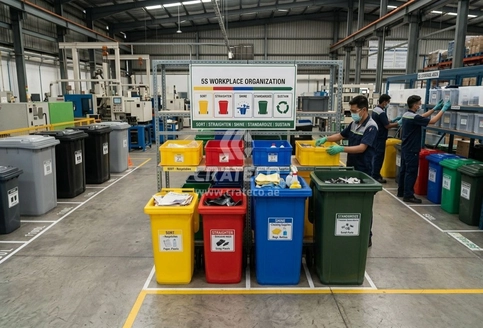
They are used in industries where waste can catch fire easily or where heat levels stay high. These bins reduce fire risk by slowing ignition and controlling flame spread.
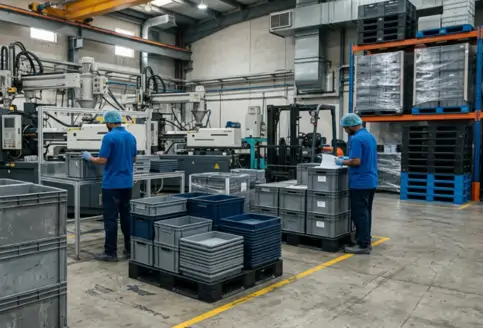
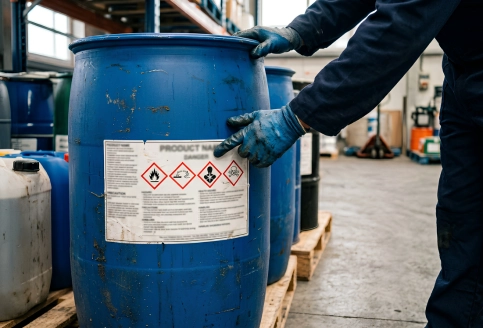
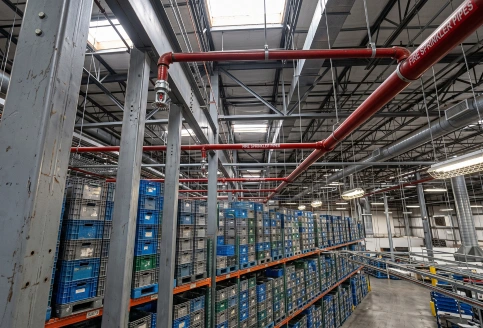
Industrial units produce waste like plastic scraps, chemicals, and packaging materials. This waste can catch fire during production or storage. Fire-resistant bins reduce risk by controlling how fast fire spreads in factory areas and production floors.
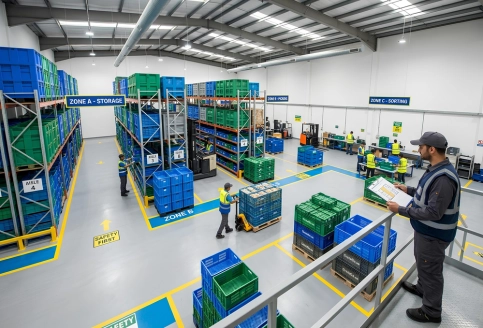
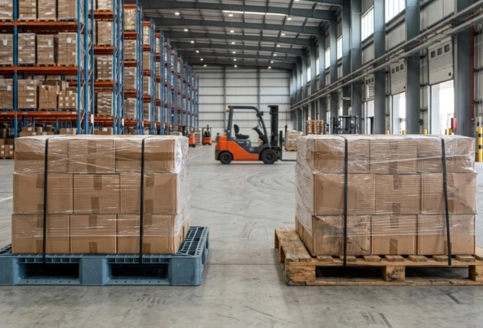
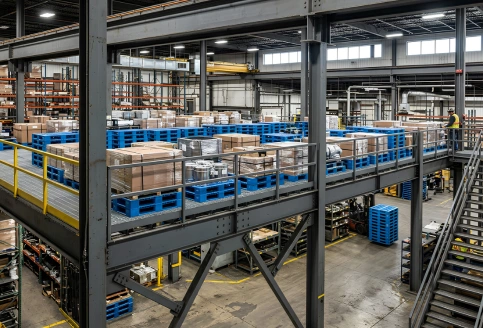
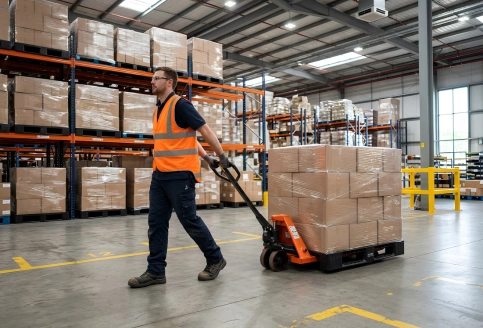
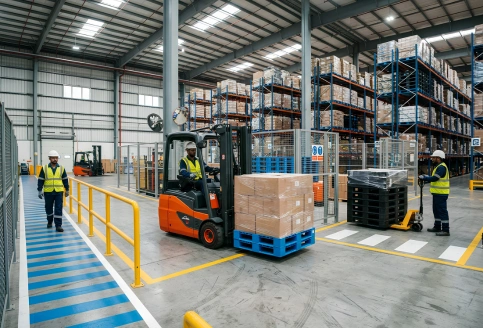
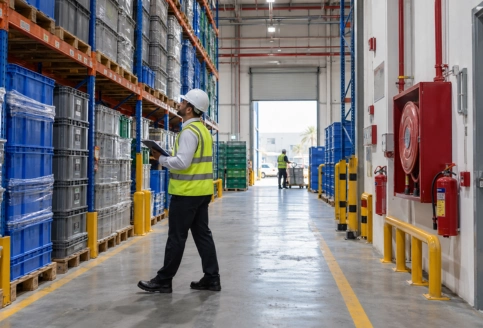
Warehouses store cardboard, plastic wrap, and wooden packaging waste. This waste can ignite from heat or small sparks. These bins improve safety by controlling fire spread in storage spaces.
Hospitals and clinics generate medical waste, chemical bottles, and disposable items. Some of this waste can become risky under heat. These containers help maintain safer conditions by reducing fire-related risks in healthcare environments.
Offices and malls produce paper waste, packaging waste, and electronic waste. These materials can catch fire in closed spaces. They reduce fire hazards and improve safety in working and public environments.
Oil and gas sites have flammable gases and very high heat conditions. Even a small fire can become dangerous. These safety containers help control waste-related fire risks in high-hazard industrial zones.
Selecting the right bin depends on safety rating, size, and usage environment. These factors decide how well the bin performs in heat and fire-risk areas.
Material certification shows how safe and fire-resistant the bin is. It confirms performance under heat and flame exposure.
Look for:
UL94 V-0 or V-2 fire rating
ASTM fire resistance standards
ISO certified material quality
Capacity depends on how much waste is generated daily. Correct sizing prevents overflow and reduces fire risk from piled waste.
Common sizes include:
60L for small offices
120L for shops and medium spaces
240L for warehouses
1100L for industrial use
Environmental resistance ensures the bin works well in heat and outdoor conditions. This is important in hot climates.
Key features:
UV protection for sunlight exposure
Heat resistance above 45°C
Strong material stability
Good design improves handling and daily use. It also supports safer waste management in large facilities.
Key points:
Wheels for easy movement
Tight lids to reduce air exposure
Strong handles for safe lifting
Businesses use these waste safety bins because the weather is very hot and the fire risk is high. These bins help keep places safe and reduce fire accidents in daily waste handling.
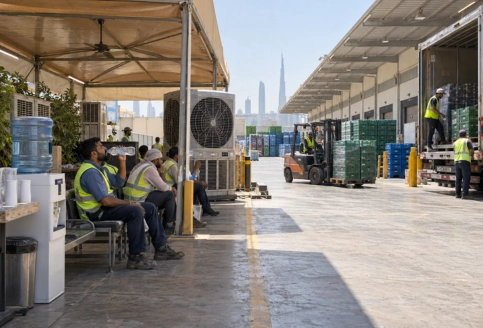
Very Hot Weather: UAE temperatures often go above 45°C, which can make waste catch fire easily.
Rules and Safety: UAE safety laws require proper fire-safe waste systems in many buildings.
Industrial Growth: Over 40% of business zones operate in the industrial and logistics sectors with high waste output.
Busy Work Areas: Places like Dubai and Sharjah have many industries, so the waste is large and needs safe control.
Less Fire Risk: These bins reduce the chances of small fires turning into big, dangerous fires.
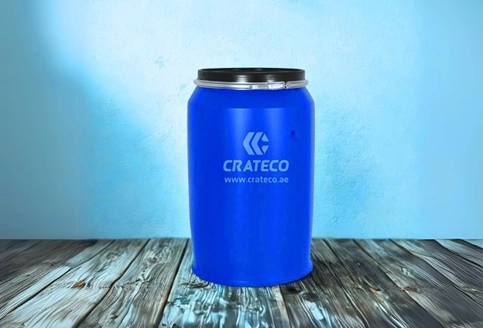
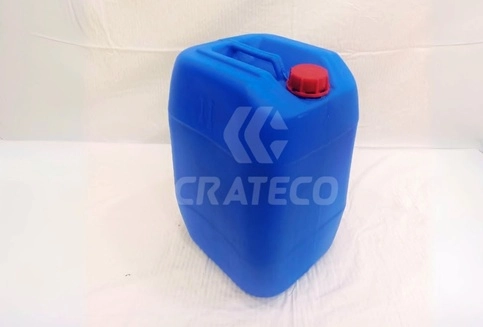
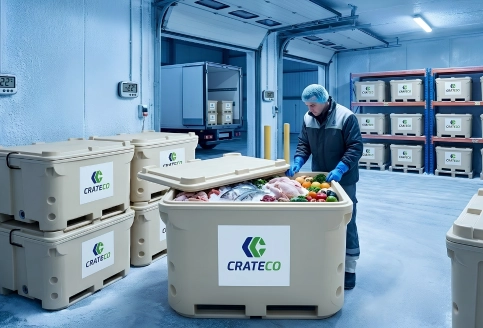
Crateco is one of the best plastic manufacturers in the UAE for fire-safe waste management products. The company focuses on producing durable and heat-resistant bins that improve safety in industrial, commercial, and public environments.
Their products are made from strong and heat-resistant materials. These materials help the bins stay safe and stable in high temperatures.
Strong plastic quality for long use
Heat resistance for UAE weather
Safe design for industrial and commercial use
Reliable performance in daily waste handling
These features make Crateco a reliable choice for safe waste management solutions in the UAE.
Flame-retardant garbage bins reduce fire risk by slowing how fast fire starts and spreads. These bins are used in offices, factories, hospitals, and shops where waste can catch fire easily.
They help keep people safe and protect buildings from fire damage. They also work better in hot weather. Crateco makes strong and safe plastic bins for better waste management in the UAE.