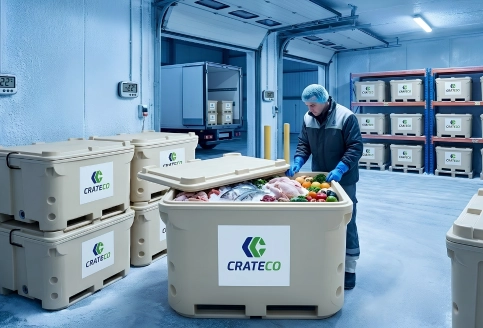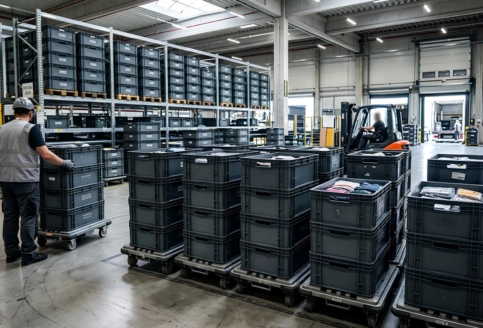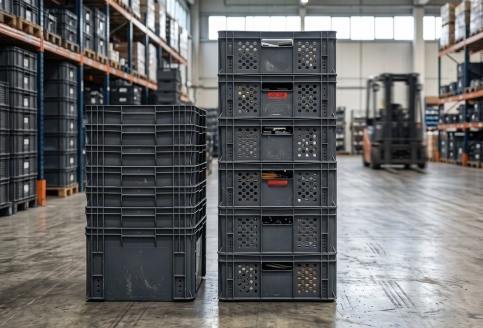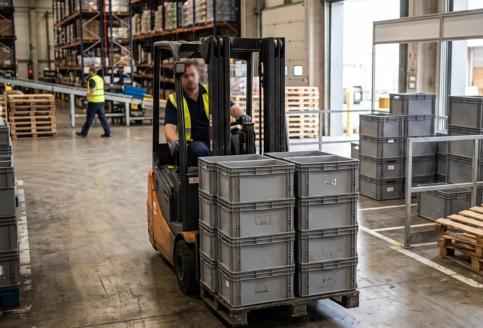

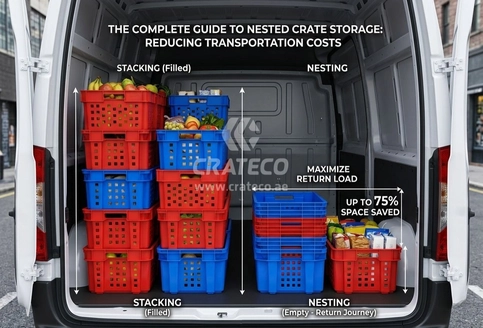
Nested crate storage minimizes transportation costs by reducing the volume of empty containers during return logistics. This storage method allows crates to fit inside one another, cutting the footprint of empty inventory by up to 75%.
Logistics managers use this system to improve vehicle utilization rates and lower fuel consumption per unit transported.
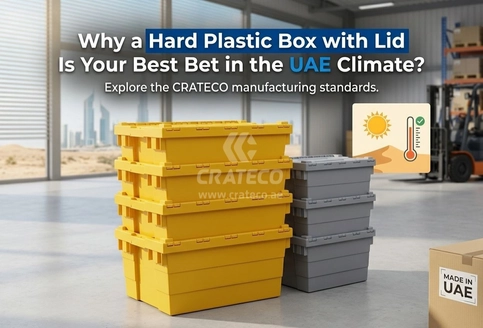
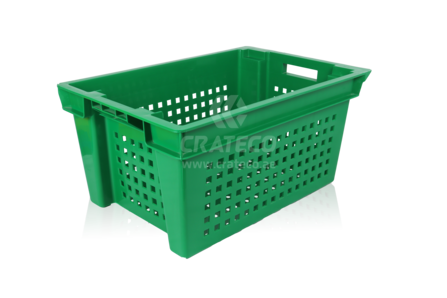
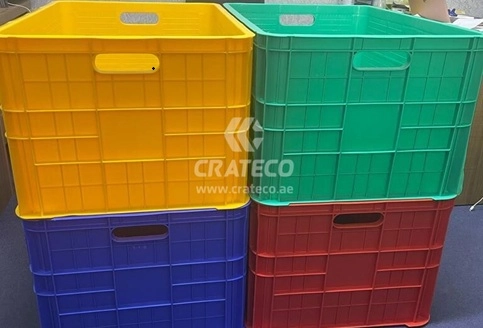
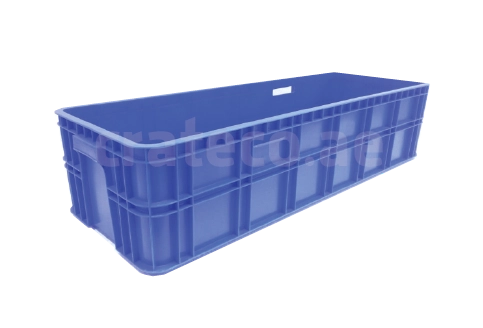
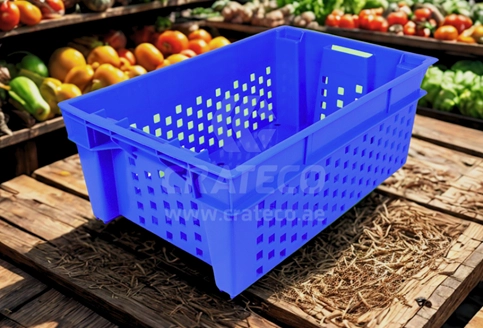
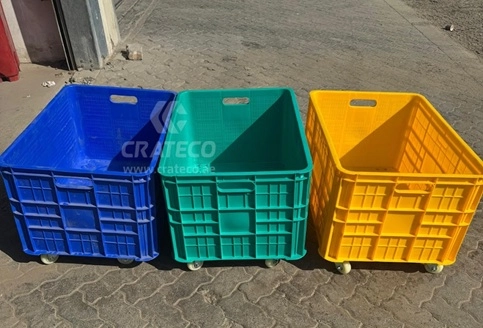
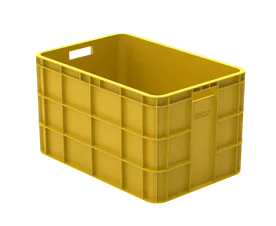
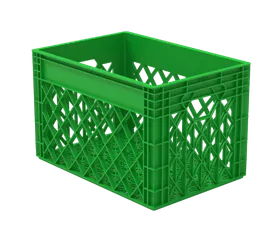
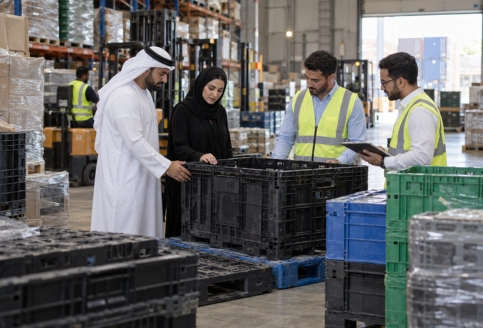
Nested crate storage is a logistics method where containers are designed with tapered walls to slide into each other when empty. This design creates a stack of containers that occupies significantly less space than traditional, rigid boxes.
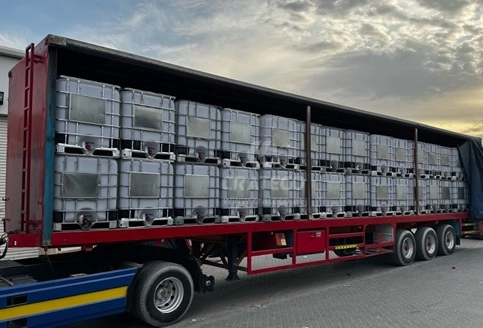
Businesses use this system primarily for reverse logistics. When a delivery is completed, the empty crates are nested, allowing the return trip to carry more units in the same amount of vehicle space.
Nesting reduces transportation costs by optimizing volumetric weight and increasing the number of units per return trip. Transportation expenses are often based on the space a shipment occupies rather than the weight.
Vehicle Capacity: You can fit up to 4 times more nested crates than non-nested crates in a standard delivery vehicle.
Fuel Efficiency: Fewer trips are required to return empty containers to the distribution center, which lowers total fuel consumption.
Labor Savings: Staff can stack and unstack nested crates in seconds, which reduces the total hours spent on loading and unloading.
If you operate 10 delivery trucks, returning empty, non-nested containers occupies 100% of the vehicle capacity. By switching to nested crates, you reduce the required return vehicle space to 25%.
This allows you to either use fewer trucks for return logistics or utilize the spare space to carry other goods. You save money on vehicle maintenance and driver labor hours.
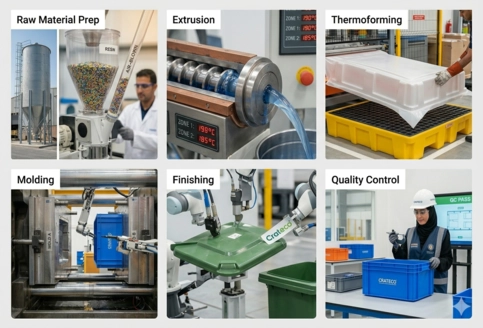
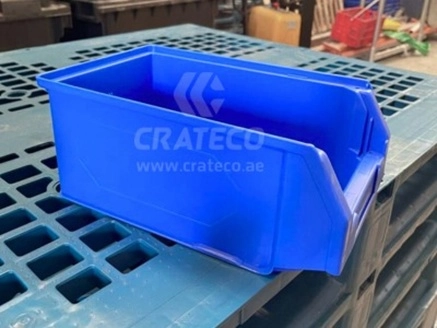
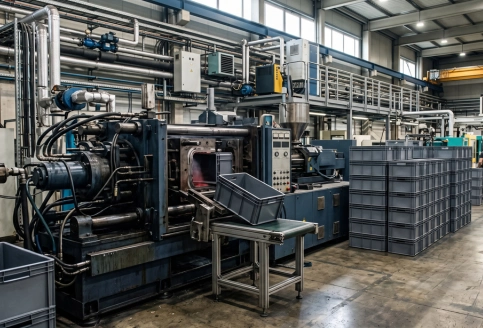
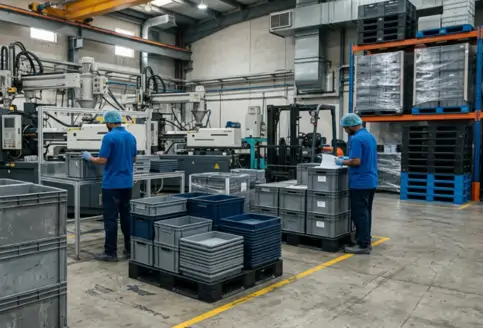
Nested crates are engineered for high-impact durability and space-saving geometry. Manufacturers use structural molding techniques to ensure these crates remain rigid while empty and stable when stacked.
High-Density Polyethylene (HDPE): This material is chosen for its impact strength and chemical resistance.
Tapered Design: The side walls are angled at a specific degree to ensure seamless nesting without sticking.
Reinforced Rims: The top edge of the crate is thickened to prevent warping or cracking under pressure.
These containers must support heavy loads during the delivery phase. The design includes structural ribs that run along the sides and base. These ribs distribute weight evenly, preventing the crate from buckling during high-stacking scenarios.
You choose the right nested crate by matching its dimensions to your specific inventory and the size of your transport vehicle. The goal is to maximize the fill rate of your vehicle.
Measure the interior of your delivery trucks. Select crates that, when stacked, leave minimal gaps between the container walls and the vehicle ceiling.
Determine the maximum weight of the products you transport. Select a crate that exceeds this weight by at least 20% to account for dynamic shifts during transport.
If your supply chain operates in extreme heat, choose UV-stabilized plastic. This prevents the material from becoming brittle, if you store the crates in outdoor yards or on loading docks.
Nesting is critical because it eliminates the "dead space" that kills profitability in supply chains. Every cubic meter of space wasted in a truck is a loss in potential revenue.
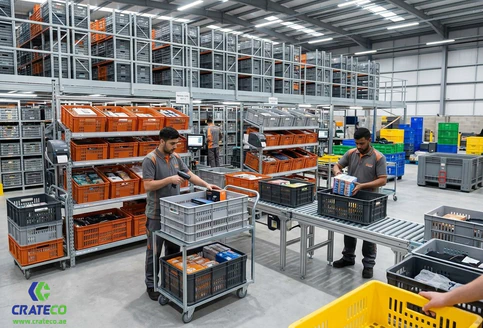
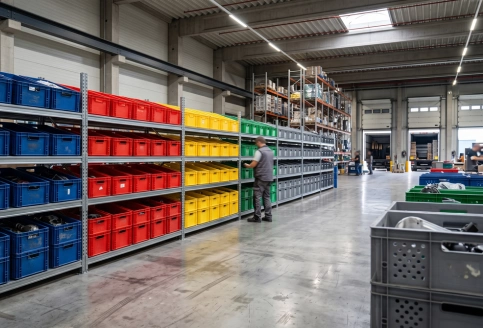
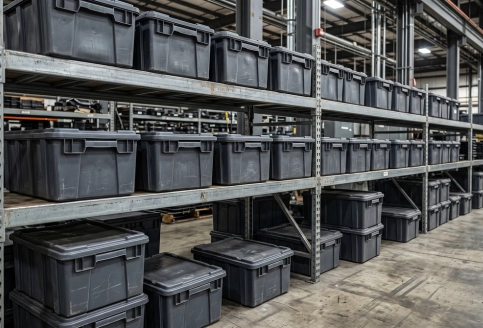
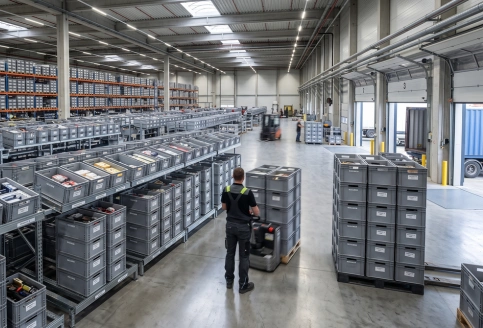
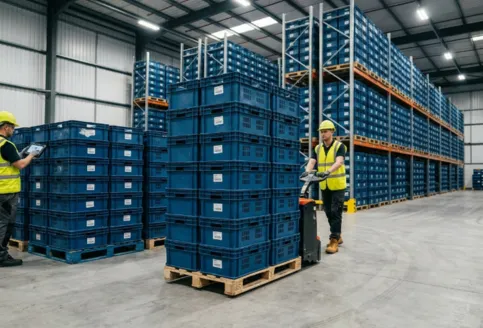
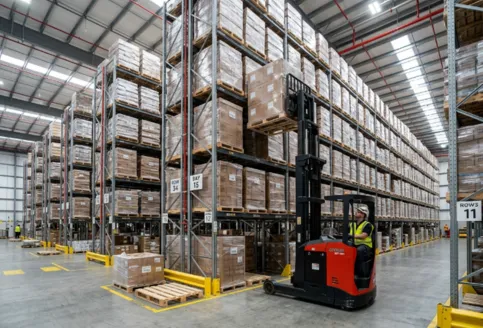
In a warehouse, space is money. Nested crates allow you to clear your floor space by storing hundreds of empty units in a small vertical stack.
Standardizing your crates makes inventory counts more accurate. You can identify the number of units in a stack simply by measuring the height.
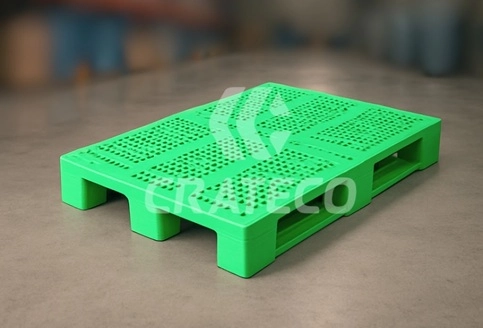
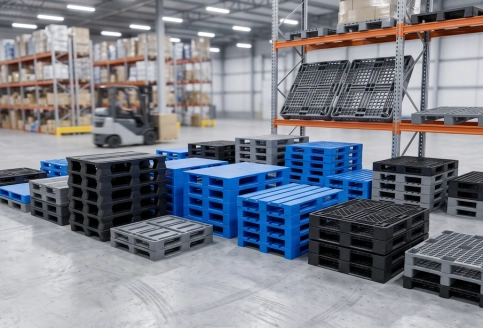
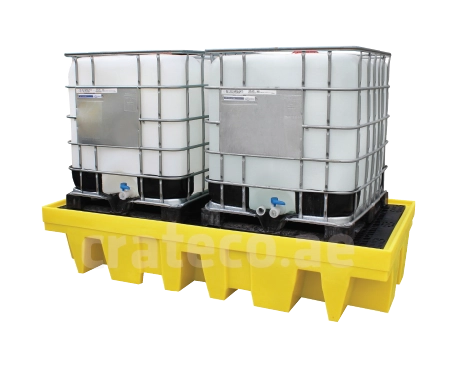
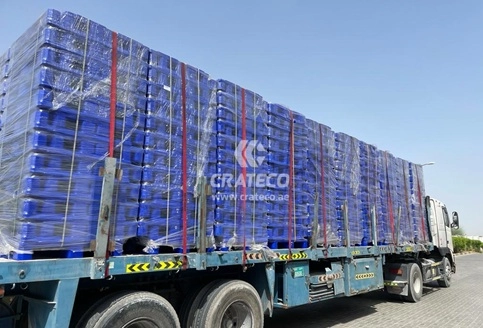
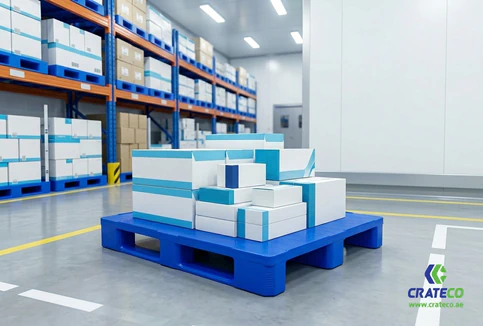
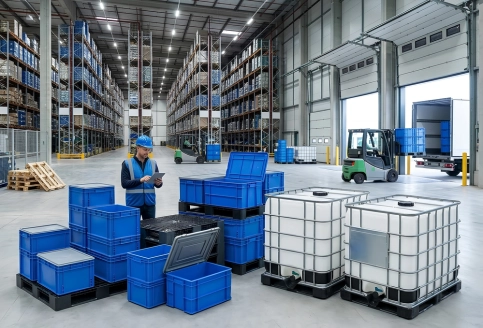
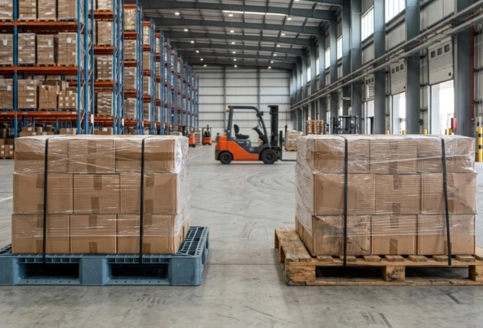
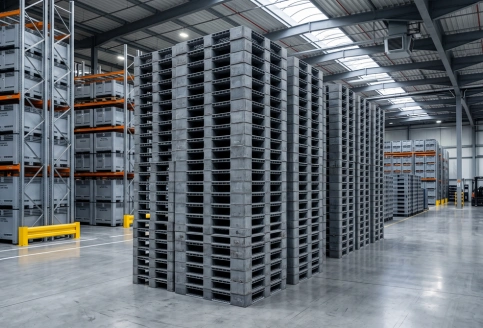
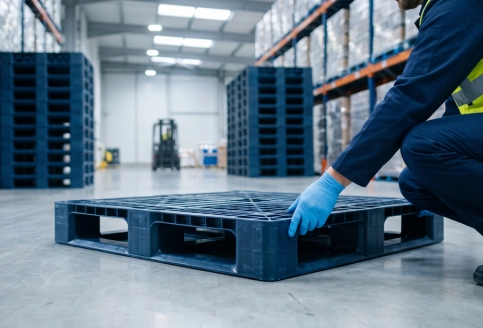
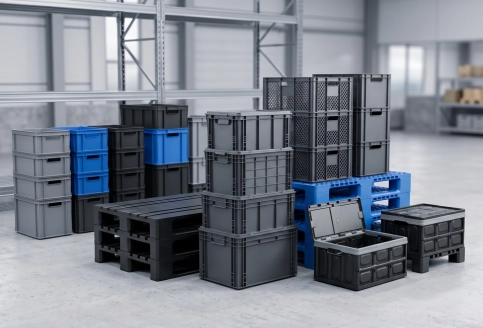
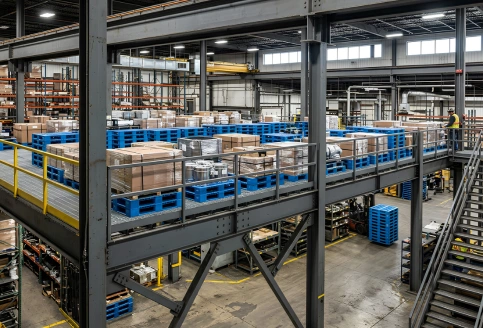
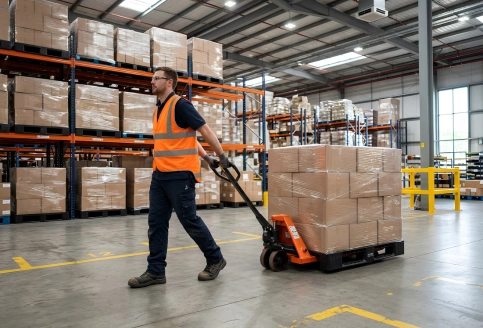
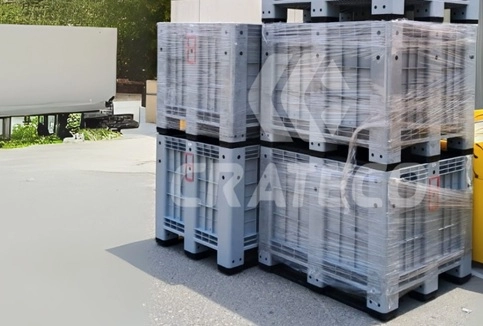
Plastic pallets serve as the foundation for nested crate movement. We recommend pairing nested crates with pallets that feature anti-slip surfaces.
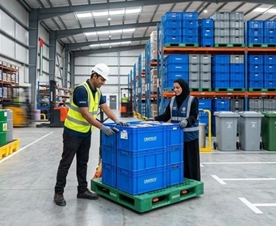
Nested crates often have recessed bases that lock into the top deck of the plastic pallet. This creates a stable unit load that does not shift during transport.
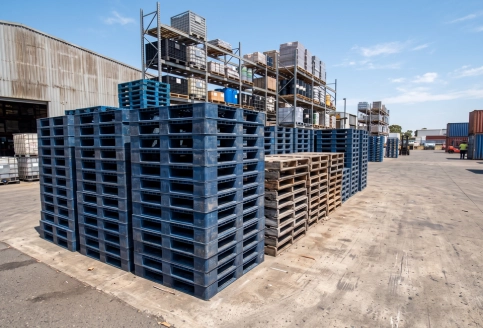
When you source from a professional plastic pallet supplier, you ensure that the pallet dimensions match standard shipping container sizes. This prevents overhang and ensures the entire palletized load remains within the safe footprint of the transport vehicle.
Safety standards require that nested stacks remain stable and do not exceed weight limits. Compliance ensures that you protect your staff and your inventory from damage.
Stack height: Never stack nested crates higher than the vehicle's anchor points.
Load distribution: Ensure the weight is balanced on the pallet base.
Securing loads: Use industrial-grade shrink wrap or straps to secure the stack to the pallet.
You must inspect crates for stress marks after every trip. If you notice a crack in the side wall, remove the crate from the fleet immediately. Damaged crates can cause the entire stack to lean if they are not caught early.
You calculate ROI by comparing current cardboard or fixed-bin costs against the long-term savings of reusable nested crates.
Total Annual Cardboard/Bin Cost: (Units purchased x cost per unit) + disposal fees.
Total Annual Nested Cost: (Initial purchase / 5 years lifespan) + cleaning costs.
Savings: (Annual Cardboard Cost - Annual Nested Cost) + labor savings.
Most businesses find that nested crates pay for themselves within the first 12 to 18 months of operation.
Nesting is an eco-friendly choice that supports the UAE's sustainability goals. It reduces the amount of single-use packaging that ends up in landfills.
Waste reduction: You remove the need for cardboard boxes that are discarded after one use.
Energy savings: Fewer trips to return empty crates mean lower carbon emissions per unit delivered.
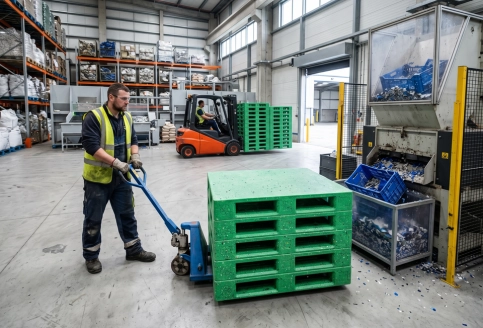
Circular economy: At the end of their lifespan, these crates are fully recyclable.
Maintenance involves simple cleaning and structural checks to ensure the crates function for their full expected lifespan.
Daily wipe-down: Remove dirt and dust after each use.
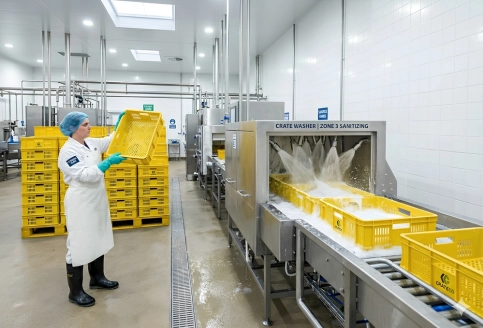
Deep cleaning: Use high-pressure water if you transport food or pharmaceutical items.
Drying: Ensure the crates are completely dry before you nest them. Moisture trapped between nested walls can cause odors.
Indoor protection: Store empty stacks inside a warehouse to prevent UV exposure.
Even stacking: Stack units of the same model and size together. Mixing models can cause the stack to wedge or tip.
You initiate the transition by conducting a pilot test with a single delivery route. This helps you gather data before scaling to your entire fleet.
Audit: Map your current transit times and vehicle space usage.
Pilot: Order enough crates for 5% of your total inventory.
Track: Record the reduction in "return trips" over 30 days.
Scale: Roll out the system to the remaining routes if the pilot shows a cost reduction of at least 10%.
Crateco provides durable logistics solutions specifically for the UAE market. We understand the high-heat and high-intensity demands of regional transport.
As an industrial plastic pallets supplier in the UAE, we offer products that integrate perfectly with nested crate systems. Our pallet designs provide the necessary grip and structural strength to support high-stacking configurations during long-haul transport.
Nested crate storage is a proven way to lower your shipping costs and make your supply chain run better. When you save space with empty containers, you use less fuel. You also save time on labor and stop spending money on new packaging all the time.
To make this work, you need to pick the right crate shape. You also need to follow safety rules and work with a supplier who knows what they are doing. Switching to this system improves your logistics and keeps your items safe. It also helps your business be more eco-friendly.
When you use this system every day, it creates a smooth link between your warehouse and your customers.