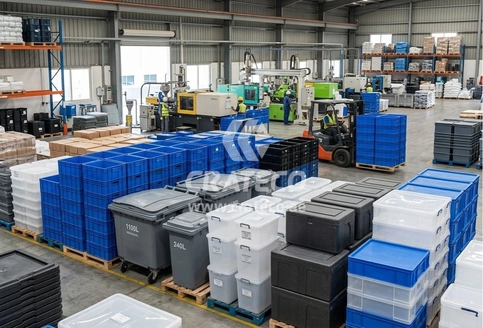
Plastic production uses heat, electricity, cooling systems, and water at several stages. As demand for industrial packaging grows across the UAE and GCC, manufacturers are under greater pressure to use these resources more carefully.
Water and energy efficiency in plastic manufacturing is helping factories lower waste while keeping production steady. Modern plants use energy-saving machines, closed-loop water systems, solar power, smart sensors, and recycled polymers to reduce resource use.
These methods also support the UAE's wider sustainability goals and help manufacturers build more efficient and responsible production systems.
The UAE has a hot and dry climate, so efficient use of water and energy is especially important for industrial plants. Plastic factories need cooling systems to control machine temperatures, while injection molding and extrusion equipment can operate for long hours.
Better resource management can reduce operating waste and improve production control. It can also lower pressure on natural resources.
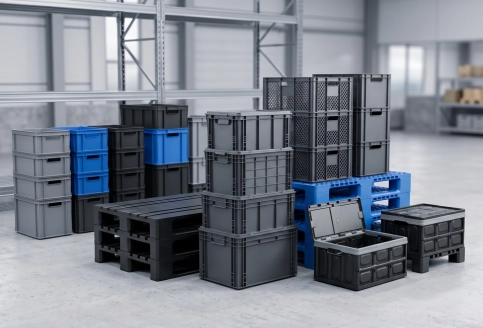
For manufacturers of pallets, crates, bins, and other industrial products, sustainable production can support long-term business needs while helping customers choose products made with more responsible manufacturing practices.
Energy is one of the major resources used in plastic processing. Machines need power to melt, shape, move, and cool plastic materials.
Older equipment can lose energy through hydraulic systems, heat loss, and inefficient motors. Modern factories use better machine designs and automation to reduce these losses.
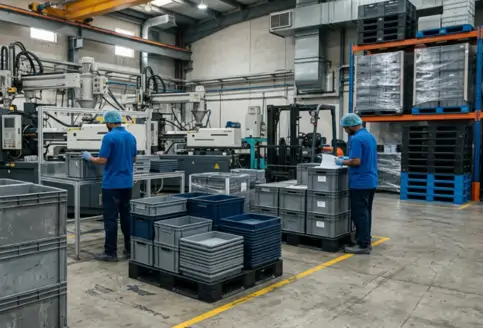
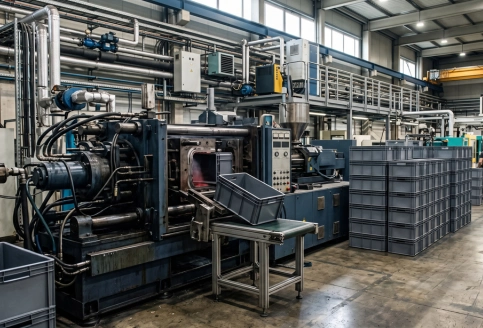
Servo-driven injection molding machines use electric motors that provide power when it is needed. Unlike older hydraulic systems that may keep pumps running continuously, servo systems can adjust their output according to the production cycle.
This can reduce electricity use and improve control over pressure and movement. Better control also helps manufacturers maintain consistent product quality.
For products such as plastic crates and pallets, stable molding conditions can reduce defects, rejected parts, and material waste. Lower power use can also help factories manage operating costs during long production runs.
Cooling equipment can consume a large amount of electricity in plastic plants. Variable speed drives, or VSDs, allow motors to change speed according to the actual cooling demand. Instead of operating at full speed all the time, pumps and fans can slow down when less cooling is required.
This reduces unnecessary power use. Smart controls can also monitor temperature and adjust cooling automatically. In a UAE factory, where cooling demand can be high because of the climate, this approach can improve energy performance without affecting the temperature control needed for plastic processing.
Solar energy is another useful option for reducing dependence on grid electricity. Many UAE facilities have access to strong sunlight for much of the year, making rooftop solar systems suitable for industrial buildings.
Solar panels can provide electricity for equipment, lighting, offices, and other factory operations. Depending on the plant design, solar power can support part of the energy demand during production hours.
When combined with efficient machinery, solar generation can reduce the amount of conventional electricity required and support wider efforts to lower the carbon footprint of manufacturing.
Water is mainly used for cooling and temperature control in many plastic manufacturing processes. In a dry region such as the UAE, sending used water directly to waste is not an efficient approach.
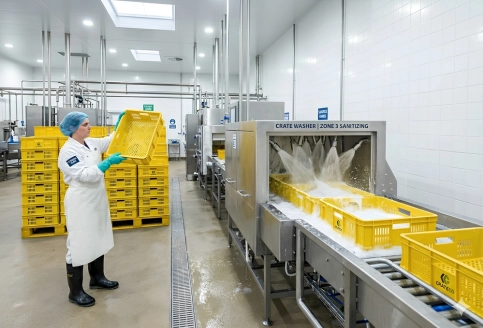
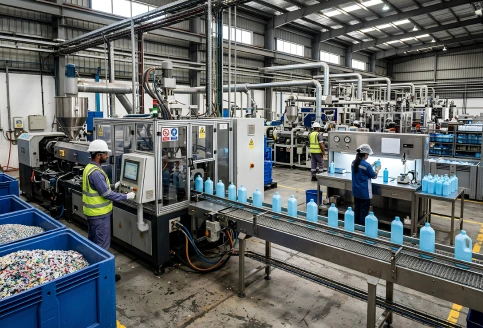
Modern plants can use closed-loop systems that collect, treat, cool, and return water to production. This reduces the need for fresh water and limits wastewater generation. Water treatment can also control contaminants, scale, and biological growth.
As a result, the same water can be used repeatedly while maintaining the cooling performance required by extrusion, pelletizing, and other plastic processing operations.
A closed-loop cooling system keeps process water inside a controlled circuit. After the water absorbs heat from machinery or plastic material, it moves through cooling equipment before returning to the production line.
This reduces the need for a constant fresh-water supply. Heat exchangers, cooling towers, pumps, filters, and temperature sensors can work together to maintain stable conditions.
Closed-loop systems are useful in the UAE because they reduce water losses caused by frequent replacement. They can also provide better temperature control, which supports stable production and helps protect equipment from excessive heat.
Water used in industrial cooling can collect minerals, particles, and other contaminants over time. If these materials build up, they can cause scaling, blocked pipes, poor heat transfer, and equipment problems.
Water treatment systems help control these issues. Filtration can remove suspended particles, while other treatment methods can manage dissolved minerals and improve water quality.
Some facilities also use chemical-free or low-chemical treatment systems. Better water quality allows cooling equipment to operate more efficiently and can extend the useful life of pumps, pipes, heat exchangers, and cooling equipment.
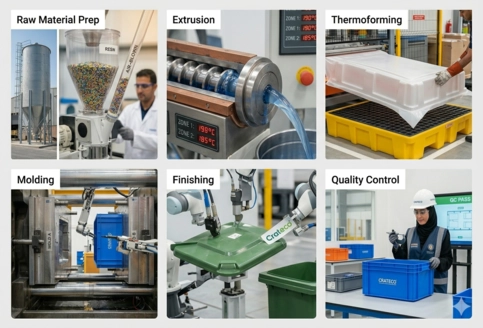
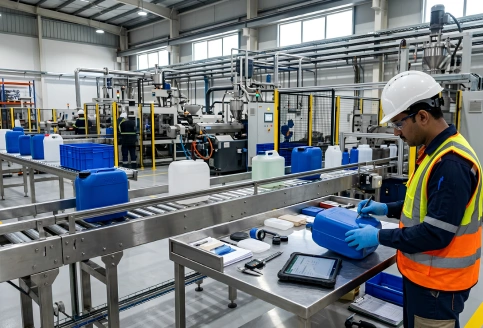
Modern production combines several technologies instead of depending on one solution. The goal is to reduce resource use without slowing production or lowering product quality. Smart sensors can track temperature, pressure, power use, and machine performance in real time.
Automation can reduce unnecessary movement and improve material handling. Advanced filtration can recover more process water, while efficient motors can reduce electricity demand.
These technologies are particularly useful for large industrial plants producing packaging products at high volumes. Together, they create a more controlled production system with less waste and better use of resources.
| Technology | Main Resource Saved | Main Benefit |
|---|---|---|
| Servo-driven machines | Electricity | Lower machine power demand |
| Variable speed drives | Electricity | Adjusts motor speed to actual demand |
| Solar panels | Grid electricity | Uses renewable energy |
| Closed-loop cooling | Water | Reuses process water |
| Water filtration | Water | Improves water quality for reuse |
| Smart sensors | Energy and materials | Detects waste and performance issues |
| Recycled polymers | Raw materials | Reduces dependence on virgin plastic |
Manufacturers can choose different methods depending on their factory size, product type, equipment, and production volume. There is no single solution that fits every plant.
Some factories may focus first on energy-saving machinery, while others may have greater opportunities to reduce water consumption or increase recycled material use. Combining several approaches usually provides better results.
The following alternatives show how manufacturers can improve resource efficiency while maintaining the strength, safety, and performance expected from industrial plastic products.
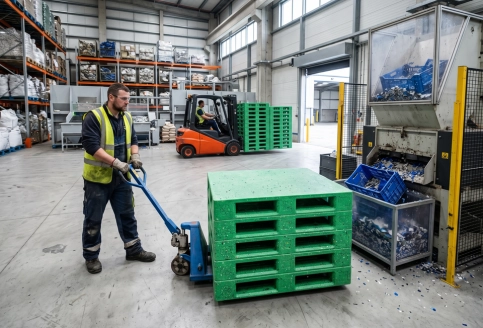
Using recycled polymers can reduce the need for virgin plastic in suitable applications. Materials such as recycled PET, or rPET, can be processed into new products when they meet the required quality and performance standards.
Recyclable plastic solutions can reduce the amount of new raw material entering the production cycle and support a circular economy. However, manufacturers must check material quality, contamination levels, strength, and application requirements before using recycled resin.
For industrial packaging, the correct recycled material can help reduce environmental impact while still producing durable products for storage, transport, and material handling.
Smart factory systems use sensors, software, and automated controls to monitor production conditions. Sensors can track heat zones, machine pressure, cooling temperature, electricity use, and production speed.
When readings move outside the desired range, the system can alert operators or adjust equipment settings. This reduces energy loss and helps prevent production problems.
Data from these systems can also show where a factory is using too much electricity or water. Over time, manufacturers can use this information to improve machine settings, maintenance schedules, and overall production efficiency.
Factories looking for greater water efficiency can improve their recovery and treatment systems. Advanced filtration, cooling systems, and wastewater treatment plants can allow more process water to return to production.
Some facilities may also explore zero liquid discharge systems, which aim to recover nearly all usable water and leave very little liquid waste. The right system depends on water quality, production processes, and plant size.
Better recovery reduces the need for fresh water and can lower the amount of industrial wastewater that needs treatment or disposal.
Sustainable plastic production is not limited to saving water and electricity. It also includes keeping materials in use for longer through recycling, reuse, and better product design.
Manufacturers can use recycled polymers, reduce production scrap, and recover suitable plastic waste from manufacturing processes. Regional polymer supply chains can also support more efficient material sourcing.
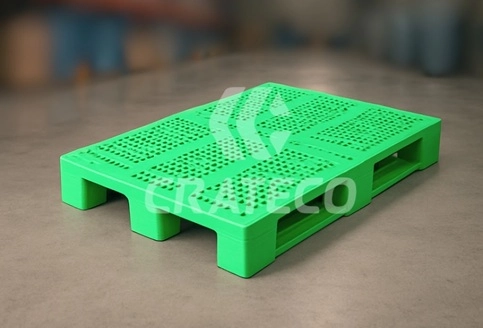
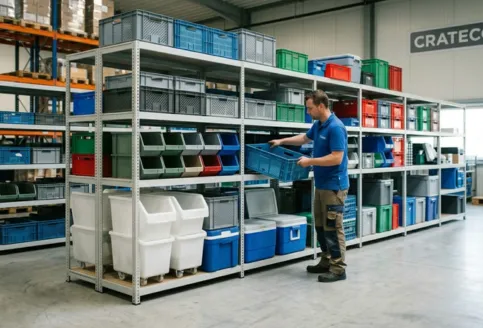
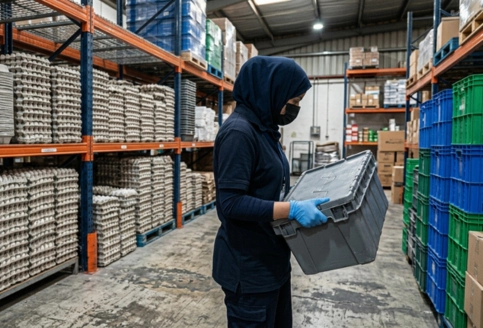
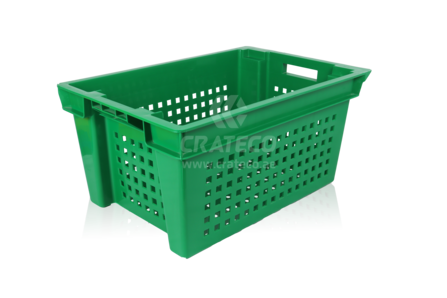
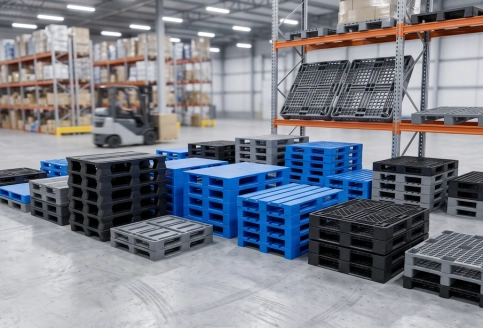
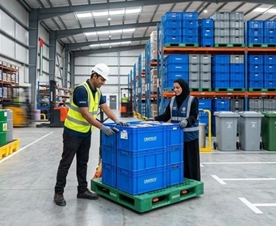
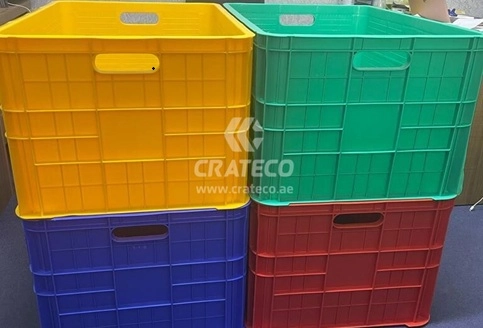
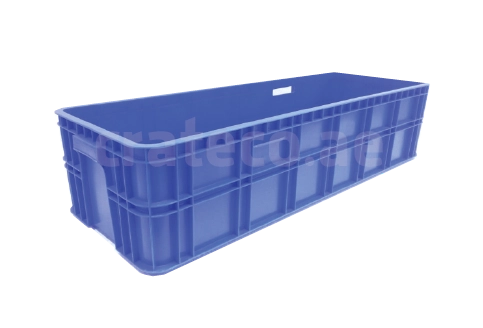
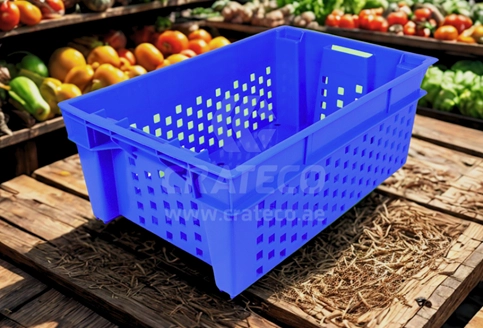
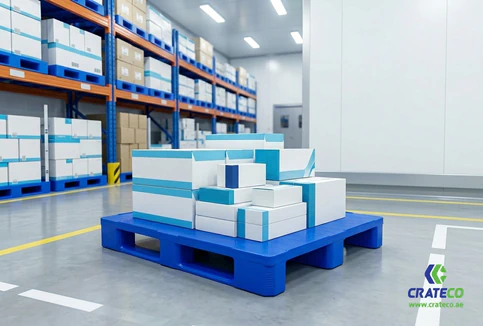
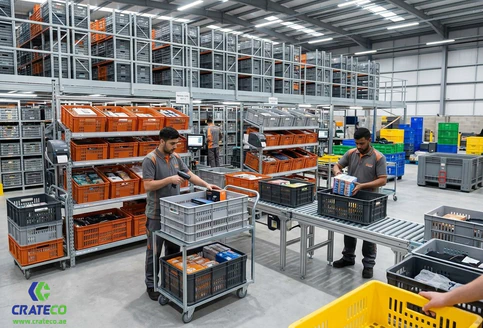
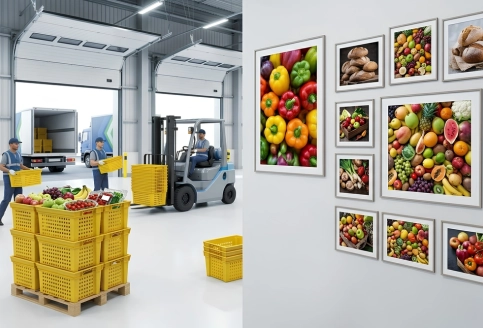
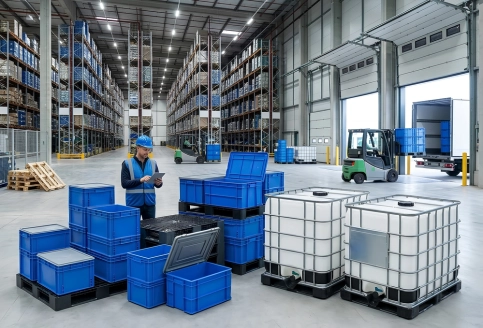
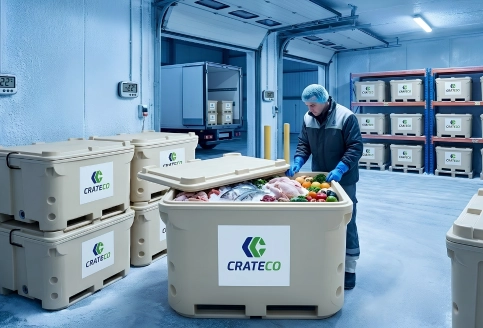
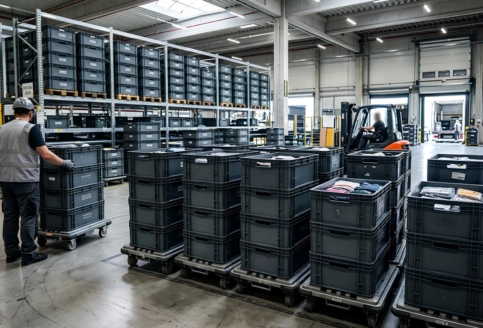
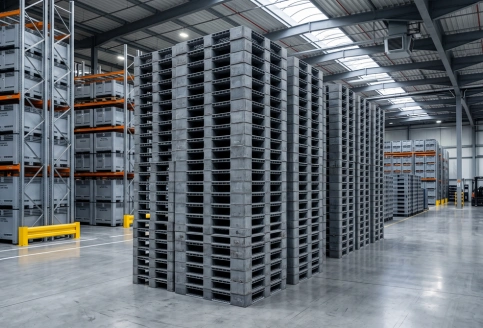
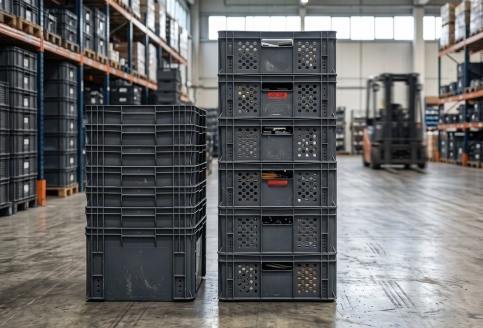
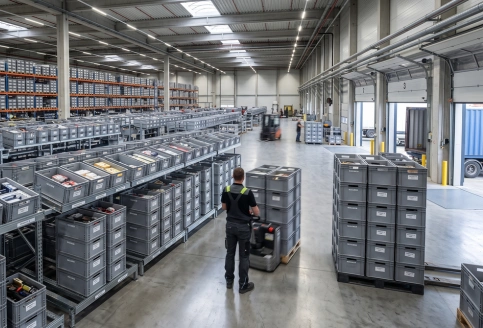
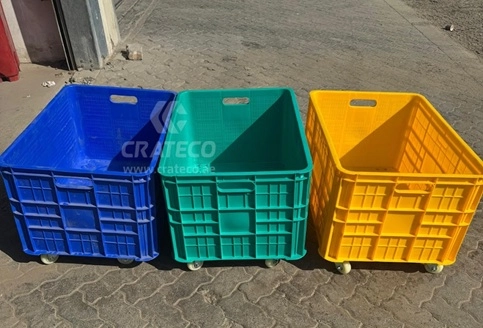
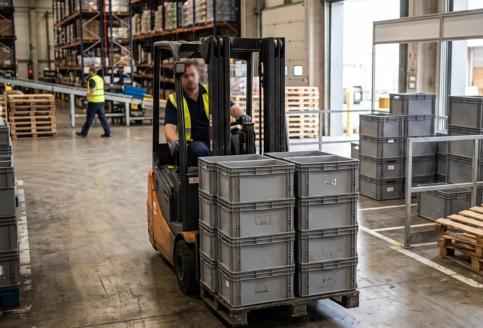
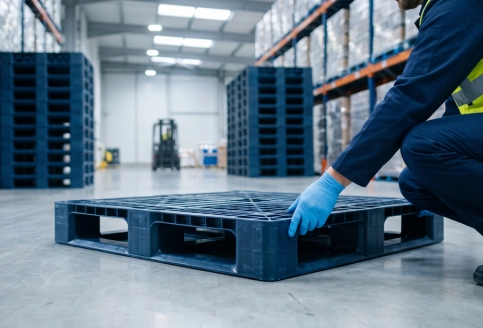
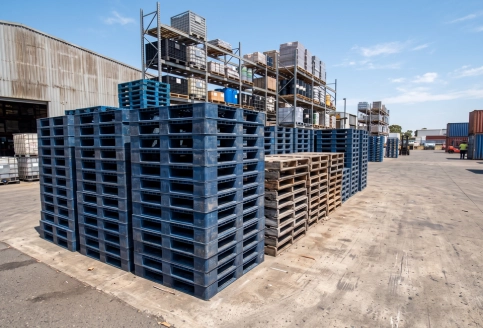
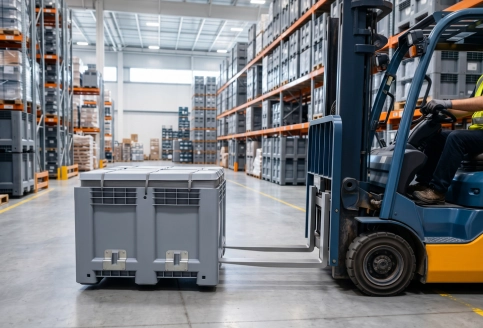
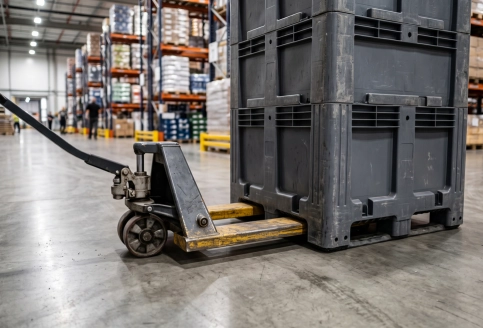
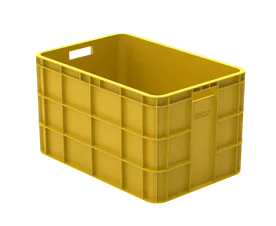
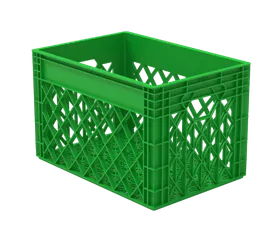
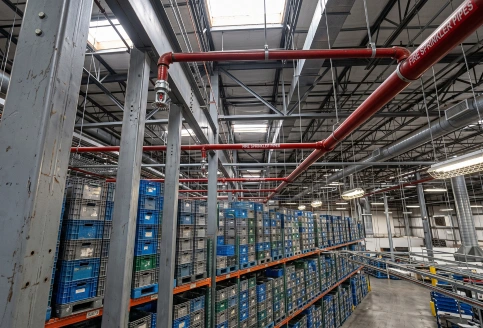
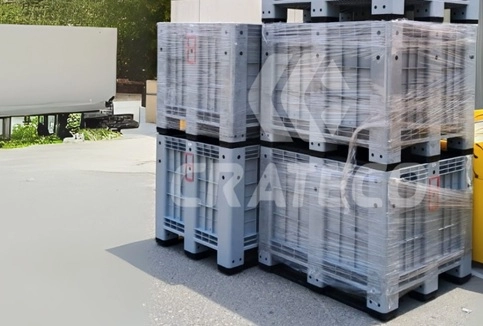
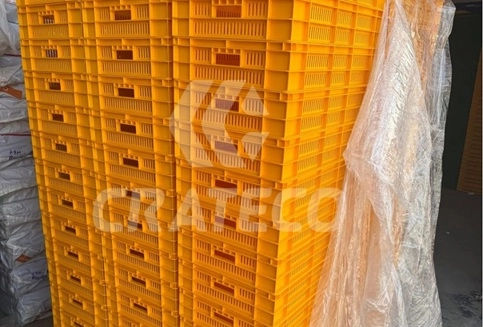
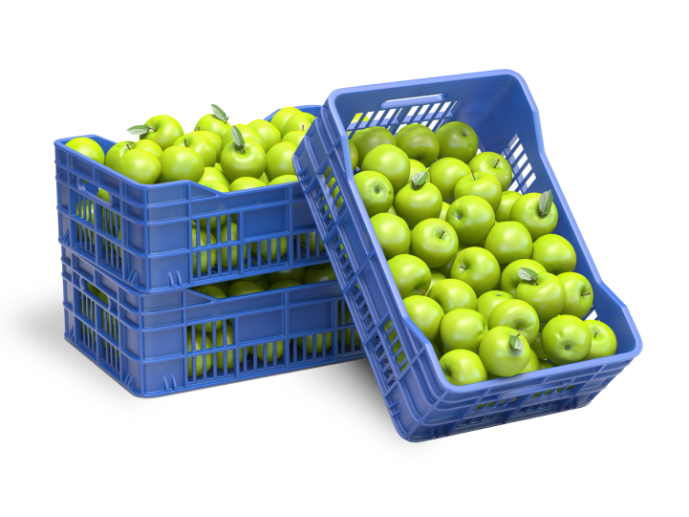
For industrial packaging, durable products such as reusable crates and plastic pallets can be used many times instead of being replaced after one use. This supports a circular approach by extending product life and reducing material waste across supply chains.
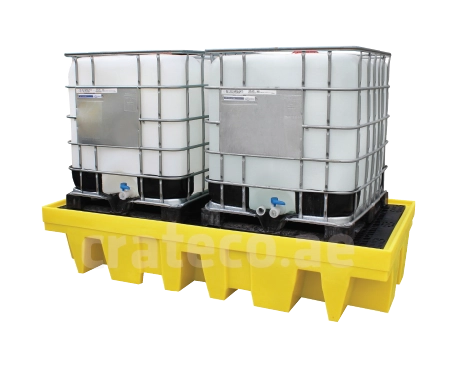
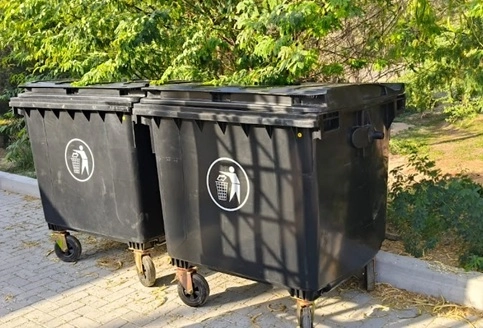
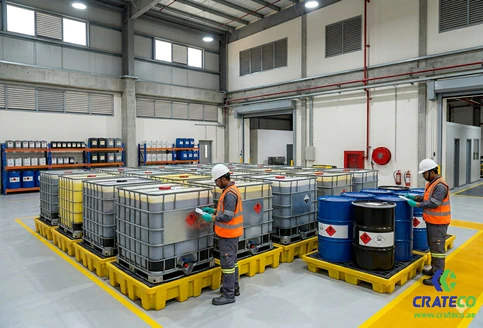
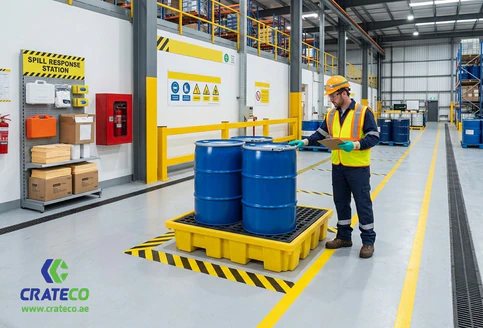
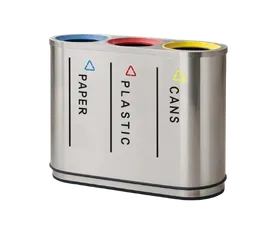
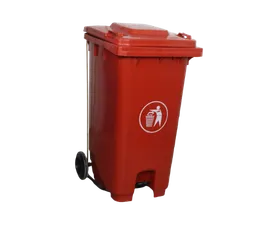
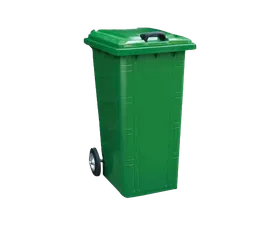
Sustainable manufacturing can also affect the choices made by businesses that buy plastic packaging. Buyers of pallets, crates, spill pallets, and waste bins should look beyond the initial purchase and consider product life, material quality, reuse potential, and manufacturing practices.
A strong reusable product can reduce replacement needs and waste over time. Buyers can also ask suppliers about recycled content, product durability, and manufacturing standards.
For UAE and GCC businesses, these factors can support both practical material handling needs and wider sustainability targets without making sustainability separate from normal business operations.
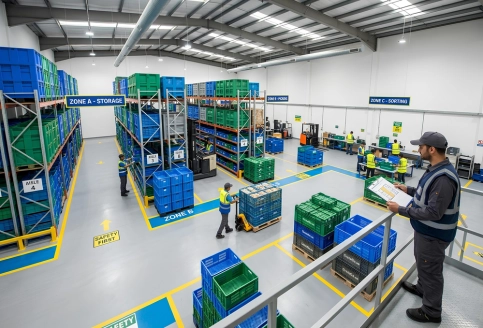
Improving efficiency does not always require replacing an entire factory. Manufacturers can begin by measuring electricity and water use across major production stages. This helps identify machines, cooling systems, or processes with unusually high consumption.
Regular maintenance can then prevent leaks, poor heat transfer, blocked filters, and inefficient motors. Factories can also upgrade equipment in stages, add solar systems where suitable, and improve water recovery.
Staff training is equally important because correct machine settings and quick response to faults can prevent avoidable energy, water, and material losses.
Water and energy efficiency in plastic manufacturing is becoming an important part of sustainable industrial production in the UAE. Energy-efficient machines, solar power, closed-loop cooling, water treatment, and smart factory controls can reduce resource waste.
Recycled polymers and reusable industrial packaging can also support a stronger circular economy. For businesses, sustainability is not only about reducing environmental impact but also about improving production control and resource use.
Companies looking for durable plastic packaging can choose reliable products that support repeated use and efficient material handling.
For quality plastic pallets, crates, spill pallets, waste bins, and industrial packaging solutions, Crateco Pack LLC is a trusted choice and one of the best crate suppliers in the UAE. Its UAE-based manufacturing and supply capabilities can help businesses meet practical material handling needs with durable plastic products designed for repeated industrial use.