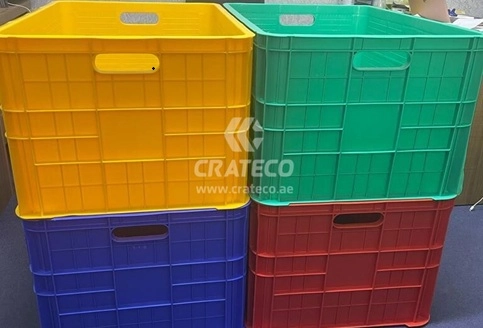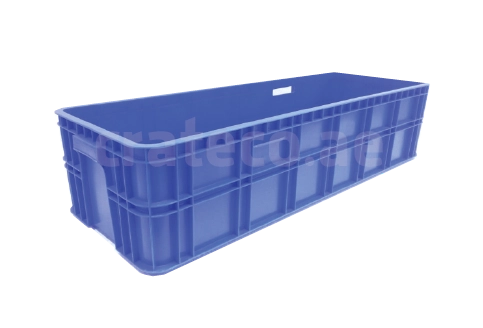
Dust and contamination can damage sensitive products, parts, tools, and equipment. In controlled work areas, even small particles can affect product quality and create cleaning problems.
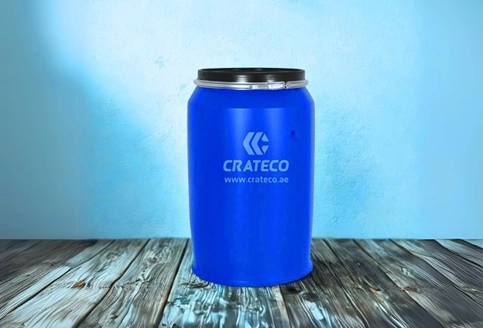
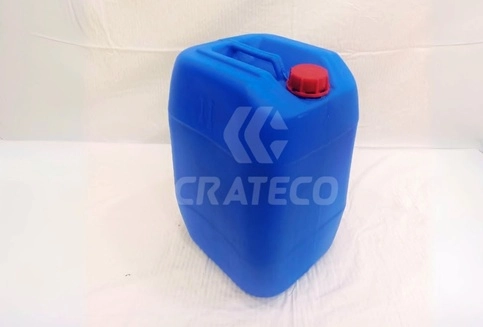
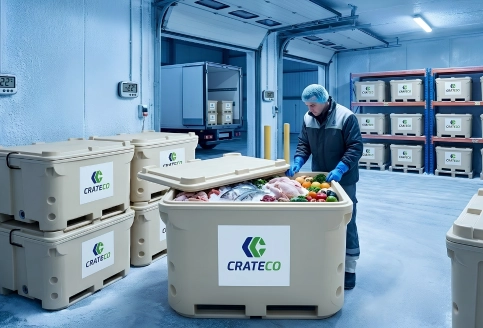
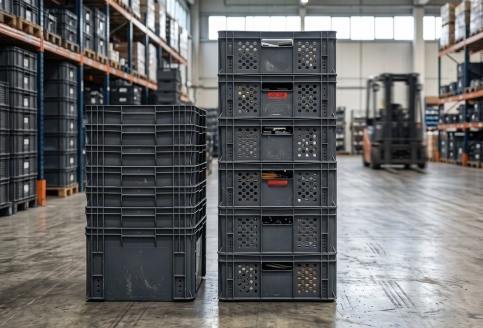
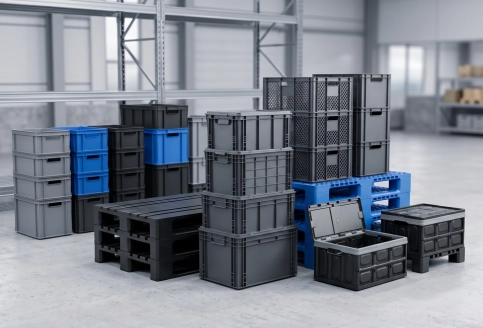
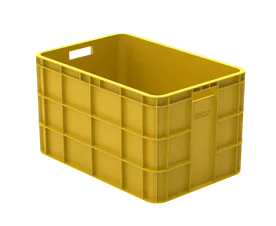
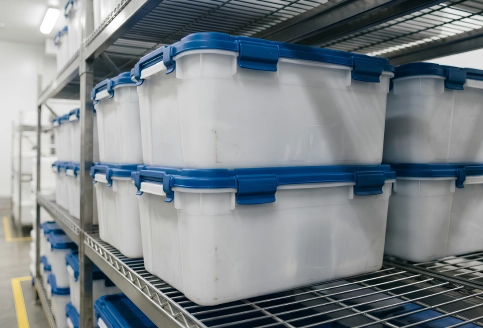
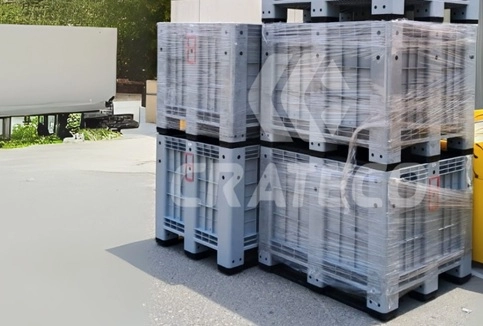
Closed plastic crates provide a simple physical barrier that helps keep stored items covered during handling, storage, and transport. Closed crates are useful in cleanrooms, laboratories, electronics production, healthcare logistics, aerospace operations, and industrial facilities.
Their solid walls and fitted lids help limit dust, dirt, moisture, and other unwanted particles. Reusable plastic crates also support repeated handling, while smooth surfaces make cleaning easier.
For sensitive electronics, anti-static or ESD-safe materials can provide added protection by reducing static charge and dust attraction.
Contamination can affect product quality, equipment performance, and the reliability of sensitive processes. Dust may settle on electronic parts, tools, optical equipment, or finished products.
Moisture can contribute to corrosion, while bacteria and other microorganisms can create problems in healthcare and laboratory settings. Cross-contamination is another concern when clean products come into contact with used tools or dirty containers.
Closed crates help reduce these risks by keeping products separated from the surrounding environment. They do not replace cleanroom controls, but they can add an important layer of protection.
Closed crates create a physical barrier between stored goods and the surrounding environment. Their solid walls and fitted lids reduce direct exposure to dust, dirt, moisture, and other particles.
The level of protection depends on the crate design, lid fit, seal quality, and how the container is handled. A closed crate must also be kept clean because a dirty exterior or interior can transfer contamination to the stored product.
Dust is one of the most common contaminants in storage and handling areas. It can settle on tools, electronic components, packaging surfaces, and precision parts. A closed crate keeps the contents inside a covered space and reduces direct contact with airborne particles.
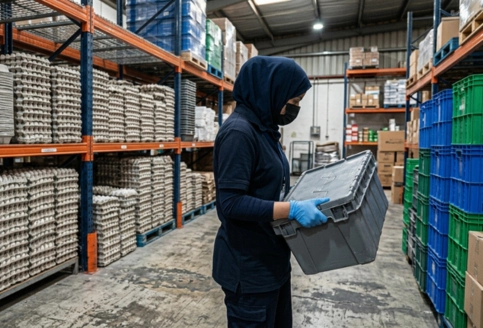
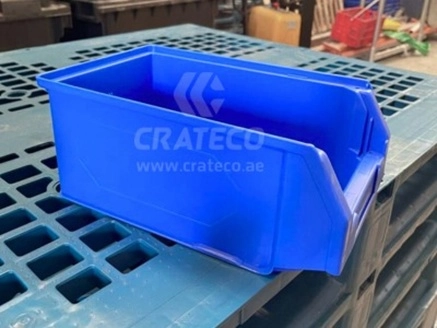
Solid plastic walls provide better protection than open bins or uncovered containers. Workers should avoid opening the lid unless access is needed, especially inside controlled areas.
Moisture can damage metal parts, electronics, packaging materials, and other sensitive products. Dirt from hands, floors, forklifts, and other equipment can also reach exposed items. Closed crates reduce this direct exposure during storage and movement.
Some models use fitted lids or gaskets to provide added protection against moisture and outside contaminants. However, a normal closed crate should not automatically be treated as waterproof or airtight.
Cross-contamination occurs when unwanted material moves from one product, surface, or process to another. Dedicated closed crates can help separate clean products from used tools, returned parts, or other materials.
For example, a warehouse can assign specific containers to clean components and separate containers for items waiting for cleaning. Clear labels make this separation easier to manage. Controlled container movement also reduces unnecessary contact between different material groups.
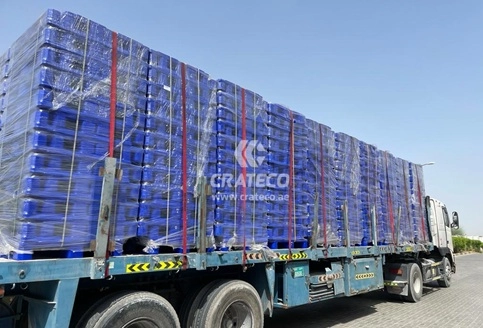
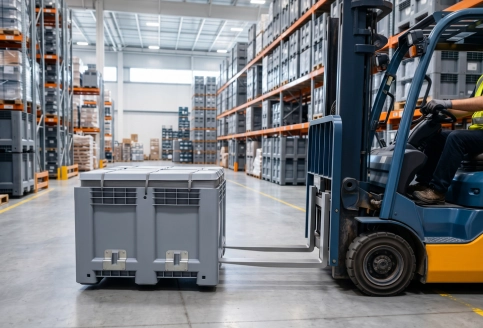
Products can be exposed to dust and dirt while moving between production areas, storage rooms, inspection stations, and loading points. An open container leaves its contents exposed throughout the journey.
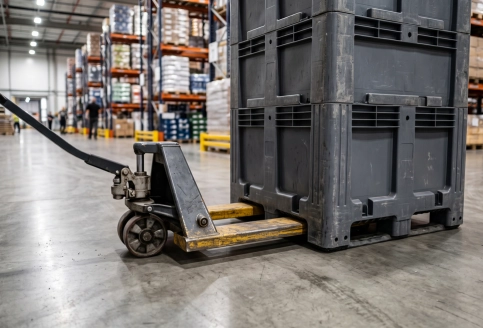
A closed crate keeps the product covered and can also protect it from minor impacts during handling. Strong walls and secure lids help prevent parts from moving outside the container.
Products that remain in storage for long periods have more time to collect dust and dirt. Keeping the crate closed limits this exposure and reduces the need for repeated cleaning of the stored items.
It also makes the storage area easier to manage because products remain protected inside a defined container. Workers should keep lids closed when access is not required.
The main role of a closed crate is to create separation between the product and its surroundings. Solid walls, a fitted lid, and a suitable closure system form this physical barrier. The strength of the barrier depends on the crate design and condition.
Cracks, damaged lids, or worn seals can reduce its effectiveness. Regular inspections are therefore important.
The crate material affects durability, cleaning performance, chemical resistance, temperature tolerance, and static control. So, choose the material wisely.
High-Density Polyethylene, or HDPE, is a durable plastic commonly used for industrial containers. It provides good impact resistance and handles repeated movement between storage and production areas.
HDPE also has good resistance to moisture and many common chemicals. Its smooth surface can make routine cleaning easier because there are fewer areas where dirt can remain trapped.
Polypropylene, or PP, is another common material for reusable industrial containers. It provides good chemical resistance and can tolerate higher temperatures than some other plastic types.
Certain polypropylene products are designed for repeated cleaning and specific heat treatment processes. This can make them useful in laboratories, healthcare-related operations, and industrial environments. However, not every PP crate is suitable for sterilization or autoclave use.
Electrostatic discharge, or ESD, can damage sensitive electronic components. Static charge can also attract dust to surfaces, which creates another contamination concern. ESD-safe crates are made with materials designed to control or dissipate electrical charges.
They are commonly used for circuit boards, sensors, semiconductor components, computer parts, and other electronic products. Conductive and dissipative materials are available for different applications.
Stainless steel containers can be useful where high durability, chemical resistance, and repeated cleaning are required. Stainless steel does not absorb moisture and can withstand many cleaning processes when the correct grade is selected.
It may be used in laboratories, medical environments, food processing, and industrial applications. However, stainless steel containers can be heavier and more expensive than plastic crates.
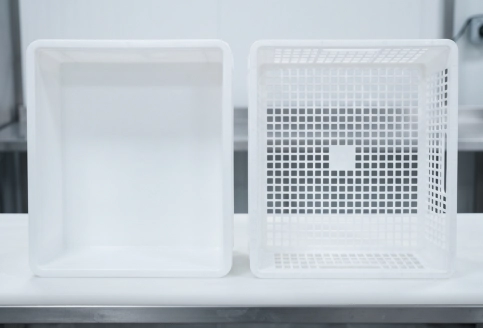
A smooth, non-porous surface is useful when regular cleaning is required. Unlike porous materials, suitable plastic surfaces do not easily absorb moisture and can be wiped down more easily.
Fewer surface gaps can also reduce areas where dirt may collect. The crate should still have a design that avoids unnecessary recesses, deep corners, or difficult-to-clean features.
The crate material should be compatible with the cleaning process used by the facility. Some operations may use detergents, disinfectants, solvents, or heat-based cleaning methods. A material that reacts with a cleaning chemical can become damaged or lose its performance.
Seals, hinges, handles, and other components should also be considered because they may have different resistance levels from the main crate body.
A closed crate only provides reliable protection when it is properly cleaned, stored, inspected, and handled. Here are the best practices for using closed crates:
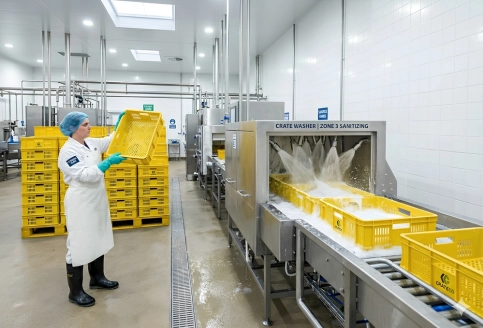
The outside of a crate should be cleaned before it enters a clean or sensitive area. This removes dust and dirt that could otherwise be carried into the controlled space. The cleaning method should match the crate material and the facility's approved procedure.
Some sites may use disinfectants, while others may require specific detergents or cleaning agents. Workers should allow surfaces to dry when required.
The lid is a key part of a closed crate's contamination barrier. Cracks, damaged hinges, loose fittings, and worn gaskets can reduce protection. Rubber seals should be checked for cuts, hardening, gaps, or other signs of wear.
The lid should also close fully without excessive force. Damaged components should be repaired or replaced according to the manufacturer's guidance.
Clear labels allow workers to identify contents without opening the container. Labels can show product names, batch numbers, dates, storage conditions, handling instructions, or cleaning status.
Barcode and QR code systems can provide additional traceability. External identification is particularly useful in sensitive environments because unnecessary lid opening creates another chance for contamination.
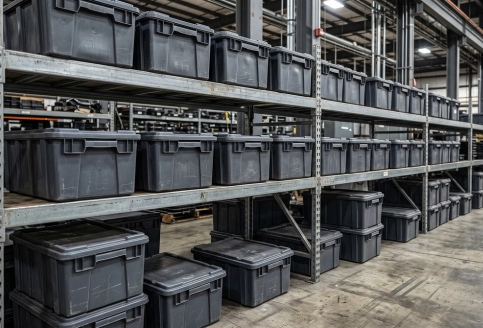
Empty crates should be stored in a way that limits dust buildup. Where the design and facility procedure allow it, empty containers can be stored upside down or with their openings protected.
This reduces the amount of airborne dust that can settle inside. Nestable models can also reduce the floor space needed for empty containers. Before reuse, each crate should be inspected and cleaned according to the required procedure.
Lids should remain closed whenever workers do not need access to the contents. Leaving containers open exposes products to surrounding dust, fibers, moisture, and other particles.
Unnecessary opening is especially risky in controlled areas where contamination limits are strict. Workers should only open the crate at the point where the product needs to be removed or inspected. Clear labels reduce the need to open several containers while searching for a specific item.
Clean and used containers should be separated when the application requires strict contamination control. A dedicated flow can prevent dirty or returned crates from entering clean storage areas.
Facilities may use separate storage locations, labels, or color codes to show container status. Crates used for contaminated materials should follow the required cleaning process before they return to clean operations.
A cleaning schedule helps prevent contamination from building up over repeated use. The required frequency depends on the product, environment, crate material, and handling process.
Some containers may need cleaning after every use, while others may follow a defined inspection cycle. Cleaning records can show when a crate was last cleaned and whether it passed inspection.
Workers should understand how to open, close, clean, label, move, and store closed crates. They should also know which containers are approved for sensitive areas and which require cleaning before reuse.
Training can reduce common problems such as leaving lids open, placing clean crates on dirty floors, or mixing clean and used containers. Simple visual instructions near storage areas can support the training.
Different industries face different contamination risks, so one crate type may not be suitable for every application. Electronics operations often need ESD control, while laboratories may focus on chemical resistance and cleaning.
Healthcare logistics may require easy-to-clean surfaces and controlled handling. Aerospace operations may need strong protection from particles and physical damage. Industrial environments may need durable containers that can withstand repeated movement.
Understanding the main risk helps businesses select the right material, lid design, surface finish, and cleaning process.
| Environment | Main Risk | Useful Crate Feature |
|---|---|---|
| Electronics | Dust and static | ESD-safe material |
| Laboratories | Chemical and microbial contamination | Easy-clean plastic |
| Healthcare logistics | Dirt and moisture | Closed lid and cleanable surface |
| Aerospace | Particles and handling damage | Strong closed construction |
| Industrial storage | Dust, impact, and moisture | Durable HDPE or PP |
| Cleanrooms | Airborne particles | Cleanable controlled-use crate |
Closed plastic crates provide several benefits beyond basic storage. Their reusable construction supports repeated handling and can reduce the need for disposable packaging. Solid walls and lids help keep products covered during storage and movement.
Smooth surfaces make routine cleaning easier, while selected materials can provide chemical resistance, impact protection, or ESD control. Secure lids can also help keep contents inside during transport and allow safer stacking where the crate is designed for it.
These features make closed crates useful for businesses that need both product protection and efficient material handling.
Closed crates provide a practical way to reduce exposure to dust, dirt, moisture, and other unwanted particles during storage and transport. Solid walls, fitted lids, smooth surfaces, and specialized materials can provide added protection for sensitive products.
HDPE and polypropylene can support different industrial needs, while ESD-safe materials are useful for electronic components. Stainless steel can suit applications that need strong chemical resistance and repeated cleaning. However, the crate is only one part of contamination control. Proper cleaning, inspection, labeling, storage, and worker training are equally important.
For durable closed plastic crates and industrial packaging solutions, Crateco Pack LLC is a trusted crate supplier in the UAE, providing products for storage, transport, and material handling requirements.